Completion of Tripitaka Koreana Woodblocks
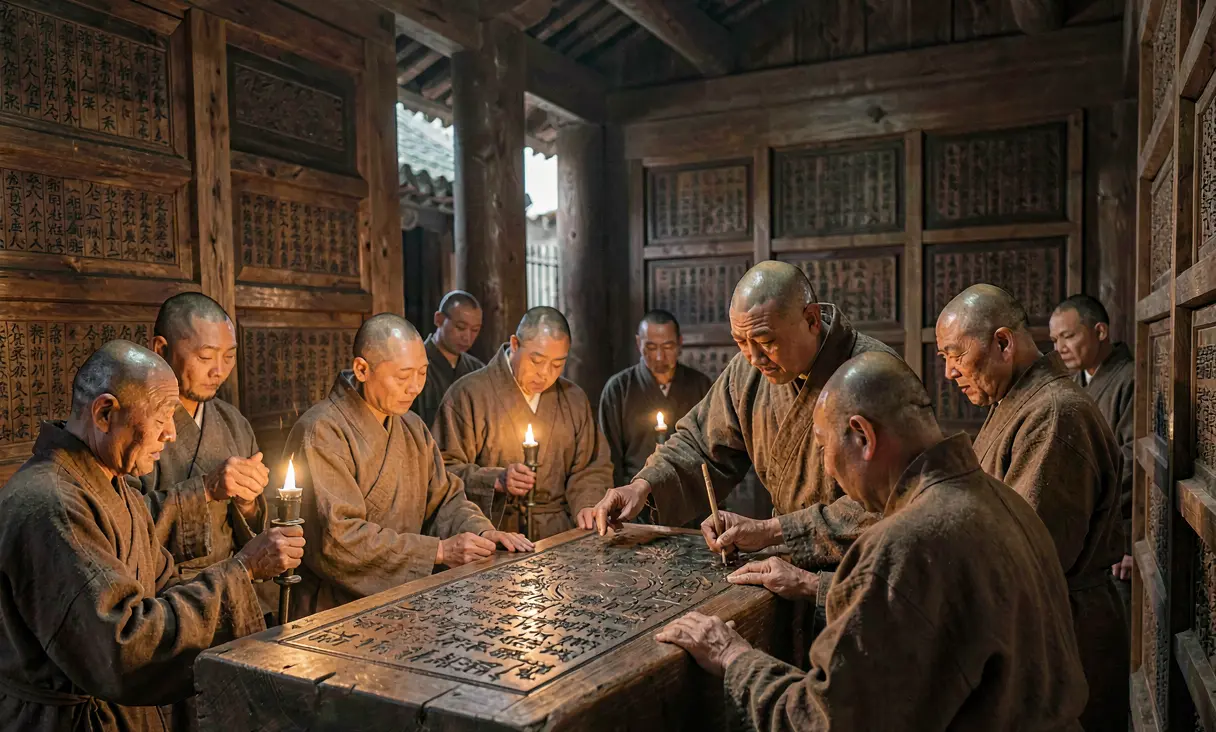
Completed in 1251 at Haeinsa Temple, the Tripitaka Koreana is an error-free collection of 81,258 woodblocks carved to invoke divine protection against Mongol invasions, standing today as a UNESCO-reco
Context of Invasion and Devotion
In the early 13th century, the Goryeo Dynasty faced an existential threat from the expanding Mongol Empire. Following a series of devastating invasions beginning in 1231, King Gojong relocated the royal court to Ganghwa Island in 1232, seeking refuge while the mainland suffered under relentless raids. Amidst this national crisis, the Goryeo leadership turned to Buddhism as a spiritual bulwark, believing that divine intervention was necessary to repel the foreign aggressors. This period of intense geopolitical instability catalyzed one of the most ambitious religious projects in human history: the creation of a second edition of the Tripitaka Koreana.
The Royal Decree and Origins
In 1236, King Gojong issued a solemn decree ordering the carving of a new set of Buddhist scriptures to replace those destroyed during earlier Mongol incursions. The king's motivation was explicitly soteriological; he sought to generate immense merit through this act of devotion, hoping that the Buddha would grant protection to the kingdom and drive out the invaders. Unlike previous attempts at compiling the canon, which had suffered from textual inconsistencies or damage, this new project aimed for absolute fidelity to the most accurate Chinese editions available, specifically the Kaibao Canon, ensuring a standard of precision never before seen in East Asian printing.
The Unprecedented Scale of Production
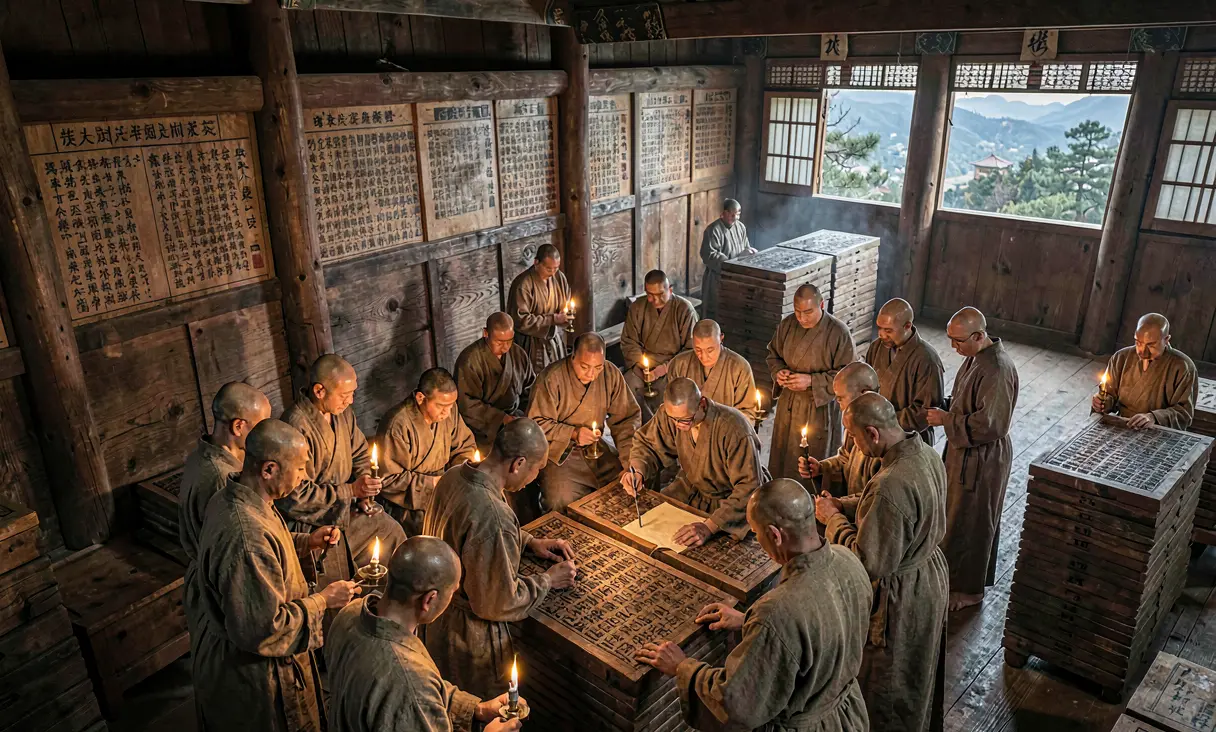
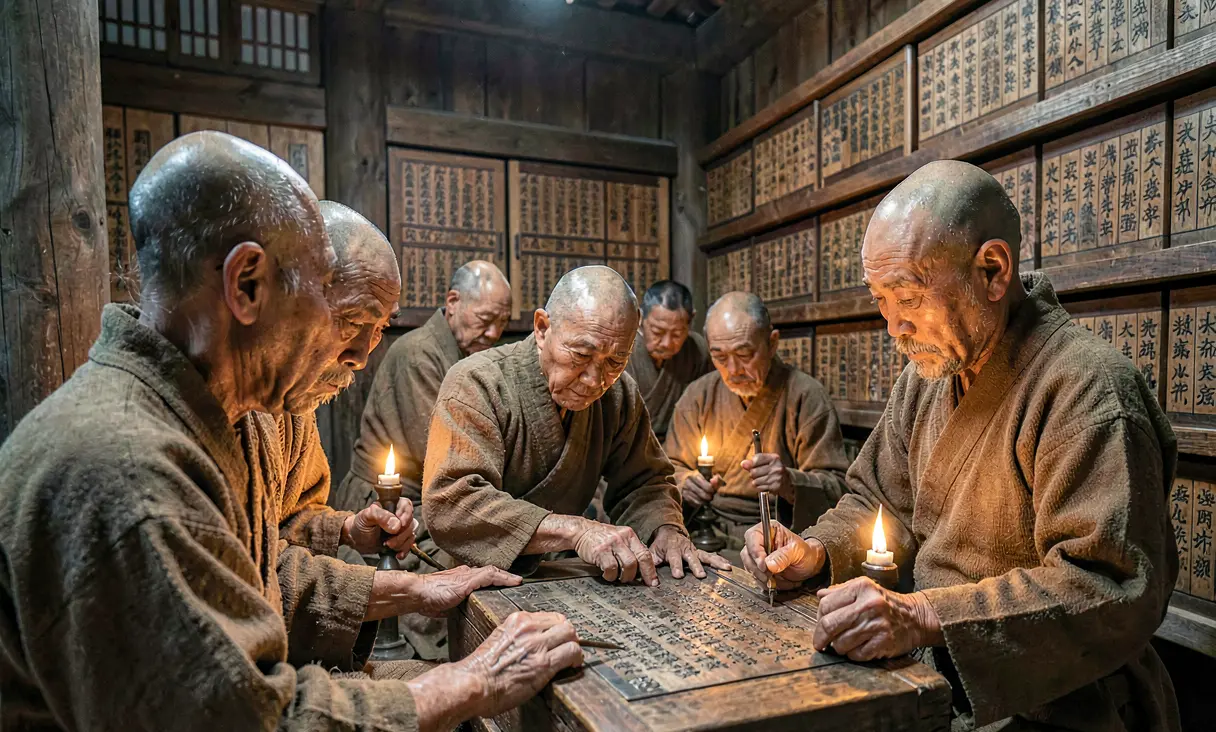
The undertaking required an army of skilled artisans and scholars working under the supervision of high-ranking monks. Over a period of fifteen years, from 1236 to 1251, teams of calligraphers, woodcarvers, and printers labored in a meticulously organized production line. The result was a collection comprising 81,258 wooden printing blocks, each measuring approximately 70 centimeters by 24 centimeters. These blocks were carved from the durable wood of the pear tree, treated with lacquer to resist insects and moisture, and arranged according to the Chinese cataloging system. The sheer volume of text—over 52 million characters—was executed with such precision that scholars have noted a near-total absence of errors across the entire corpus.
Completion and Storage at Haeinsa
The monumental task was officially completed in 1251, coinciding roughly with the end of the most intense phase of Mongol pressure on the Korean peninsula. The newly carved blocks were transported to Haeinsa Temple, located in the serene mountains of South Gyeongsang Province. There, they were stored in the Janggyeong Panjeon, a purpose-built storage complex designed with sophisticated natural ventilation and humidity control systems that have preserved the woodblocks for over seven centuries. The temple's architecture itself became a testament to the project's success, utilizing the unique microclimate of the region to prevent warping or decay without modern technology.
Legacy as a Cultural and Spiritual Monument
The Tripitaka Koreana stands today not only as a masterpiece of religious devotion but also as a pinnacle of pre-modern printing technology. It remains the most complete and accurate version of the Buddhist canon in any language, serving as the definitive reference for scholars worldwide. The project exemplifies the Goryeo Dynasty's unique synthesis of statecraft and spirituality, where national defense was inextricably linked to religious merit-making. Its survival through centuries of war, fire, and political upheaval is a rare historical anomaly that underscores the resilience of Korean cultural identity.
Enduring Significance
Recognized as a UNESCO Memory of the World Register item in 1995, the Tripitaka Koreana continues to be a vital resource for Buddhist studies and a symbol of Korea's historical contribution to global heritage. The blocks are still housed at Haeinsa Temple, where they are carefully maintained and occasionally displayed, allowing modern visitors to witness the tangible evidence of medieval craftsmanship. The project serves as a enduring reminder of how human ingenuity and faith can converge to create artifacts that transcend their original political context, offering wisdom that remains relevant across millennia.
The Tripitaka Koreana stands as a masterpiece of religious preservation and Korean craftsmanship, surviving centuries of war and fire.
Where it happened
Haeinsa Temple, Korea — see it on the interactive map →
Explore related history
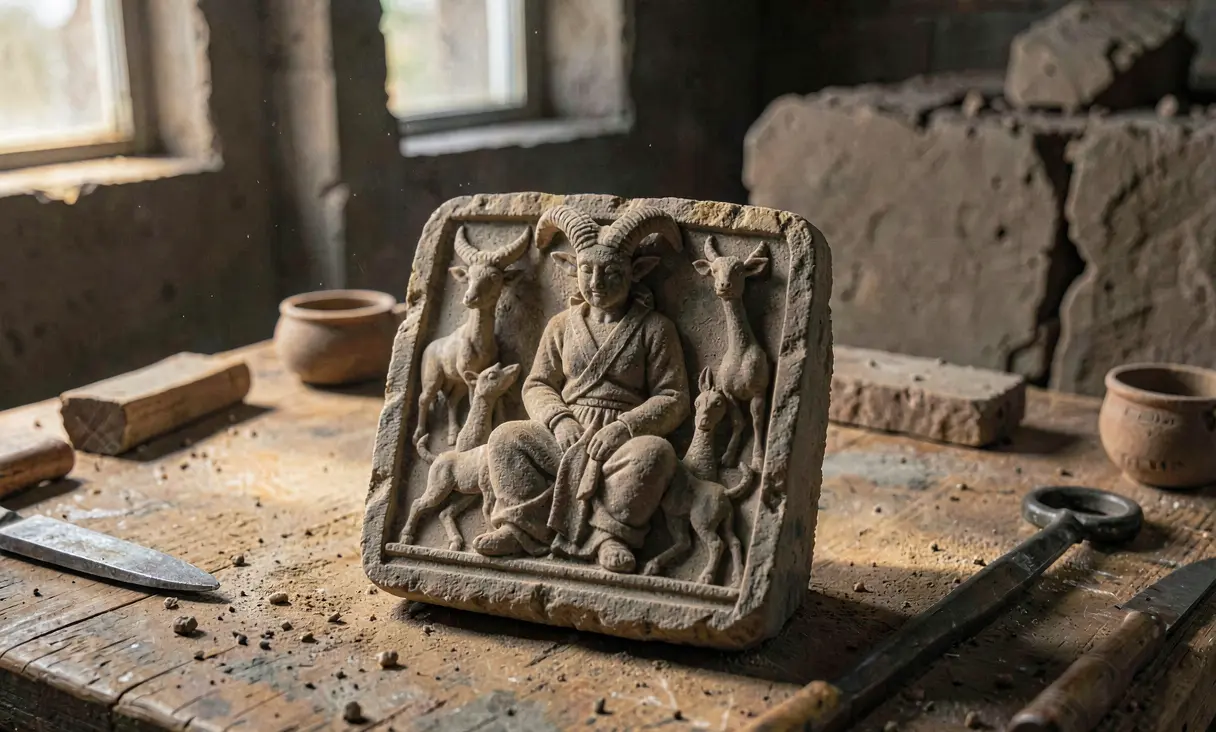 ReligionDiscovery of the Pashupati Sealc. 2500 BCE · Mohenjo-daro, Indus Valley (modern Pakistan)The Pashupati seal is carved, depicting a seated figure surrounded by animals, likely an early prototype of the Hindu god Shiva.
 ReligionRise of the Birdman Cult on Rapa Nuic. 1600 CE · Orongo, Rapa NuiThe Birdman cult replaces moai worship as the central religious and political institution on Rapa Nui.
 ReligionAskia Muhammad's Pilgrimage to Meccac. 1497 CE · Mecca (via Gao)Askia Muhammad undertakes a lavish pilgrimage to Mecca, strengthening ties with the Islamic world.
 PoliticsSigning of the Egyptian-Hittite Peace Treatyc. 1259 BCE · Hattusa (Bogazkoy), Turkey / Thebes, EgyptRamses II and Hattusili III sign the world's first known peace treaty.
 PoliticsSolomonic Restoration in Ethiopiac. 1270 CE · Lalibela, EthiopiaYekuno Amlak restores the Solomonic dynasty, claiming direct descent from King Solomon and the Queen of Sheba.
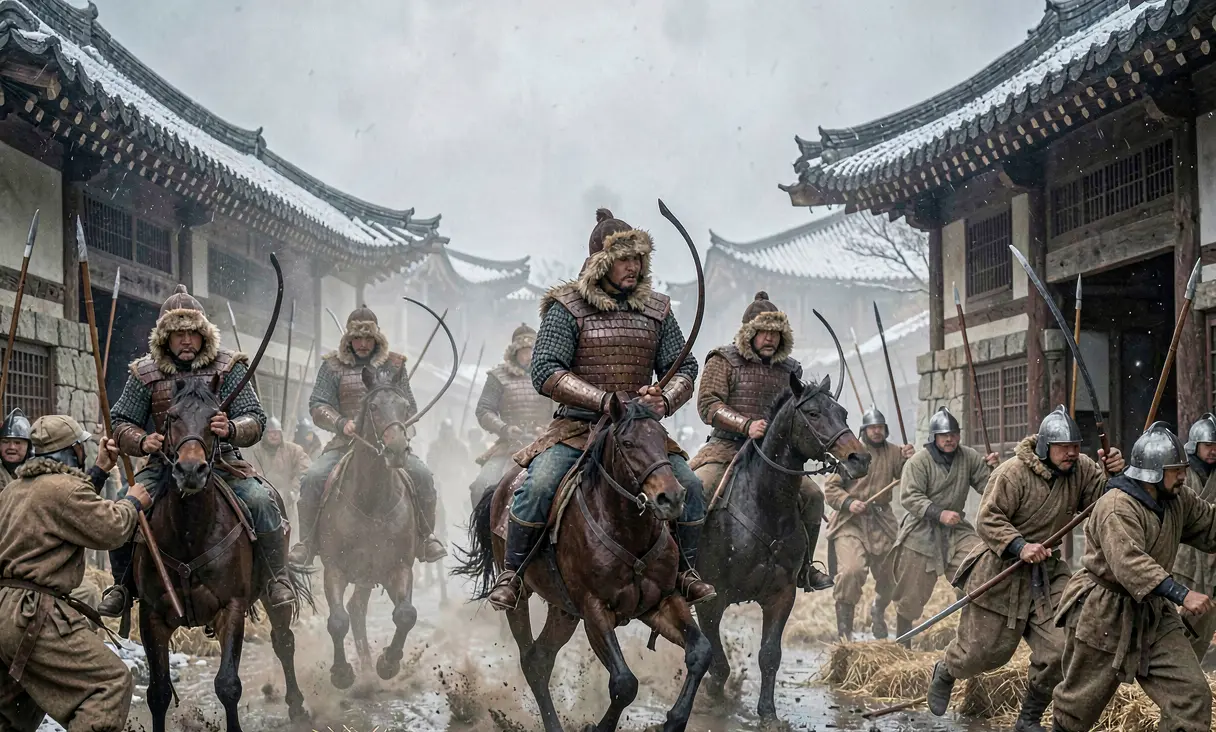 WarMongol Invasions of Goryeo Begin1231 CE · Seoul (Hanyang), KoreaMongol forces under General Saritai invade Goryeo, initiating decades of conflict and vassalage.
Discussion
Loading…