Jayavarman II Declares Independence from Java
In 802 CE, Jayavarman II's Devaraja ritual on Mount Kulen severed Javanese control, establishing the divine kingship that birthed the Khmer Empire and defined Angkorian civilization for centuries.
The Shadow of Sailendra
By the late 8th century, the political landscape of mainland Southeast Asia was dominated by the maritime power of the Sailendra dynasty in Java. The Khmer territories, then a collection of fragmented chiefdoms known as Chenla, had fallen under Javanese suzerainty following a military expedition that is believed to have occurred around 790 CE. This period of subjugation stifled local autonomy and integrated the region into a broader Indonesian sphere of influence. However, the grip of Java was not absolute; it relied on the cooperation of local elites who chafed under foreign oversight. The stage was set for a charismatic leader to exploit these fractures, leveraging religious authority to sever ties with the archipelago and forge a new, independent political identity rooted in indigenous traditions.
The Return of Jayavarman II
Jayavarman II, whose origins remain partially obscured by legend and inscriptional ambiguity, emerged as the pivotal figure in this transformation. Historical records, particularly the 9th-century Sdok Kak Thom stele, suggest he spent his youth at the Javanese court of the Sailendras, possibly as a hostage or a student of statecraft. Around 802 CE, he returned to Cambodia with a vision that transcended mere military rebellion. Unlike previous warlords who sought only territorial gain, Jayavarman II understood that true independence required a metaphysical break from his former overlords. He gathered a coalition of disaffected local chieftains and religious scholars, positioning himself not merely as a king, but as the chosen instrument of the divine will, ready to reclaim the sovereignty of the Khmer people.
The Ritual on Mount Kulen
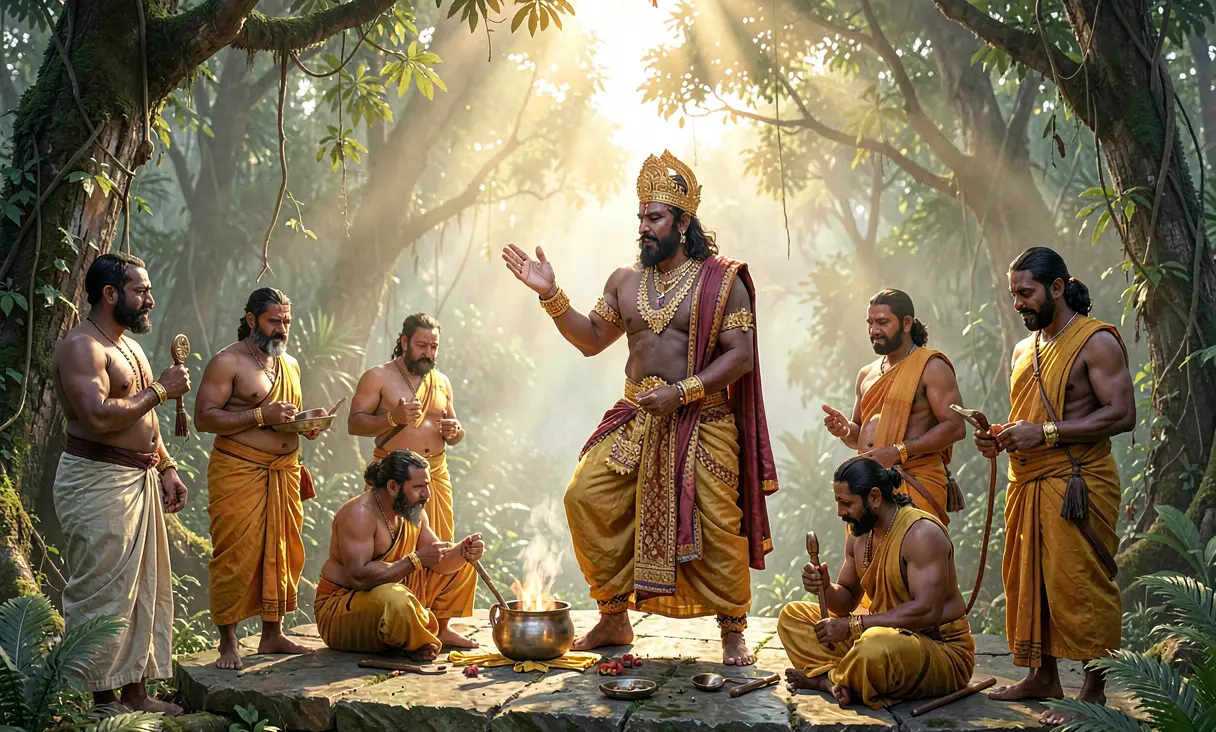
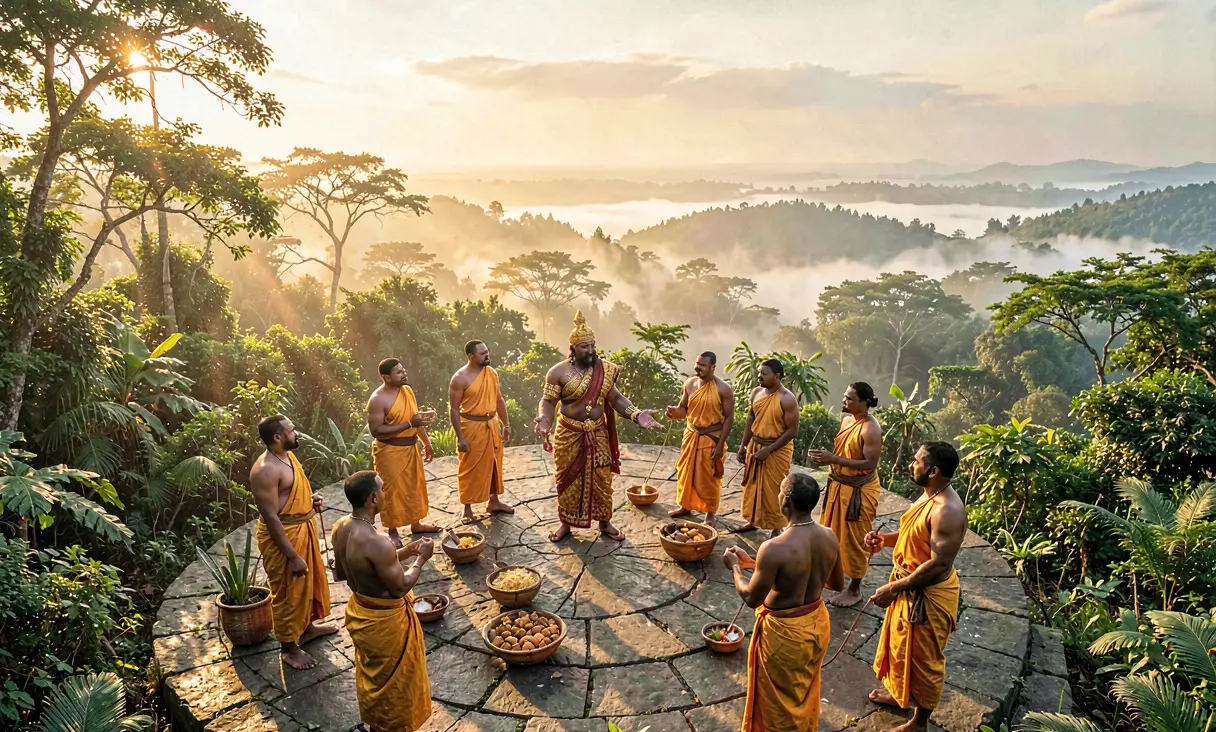
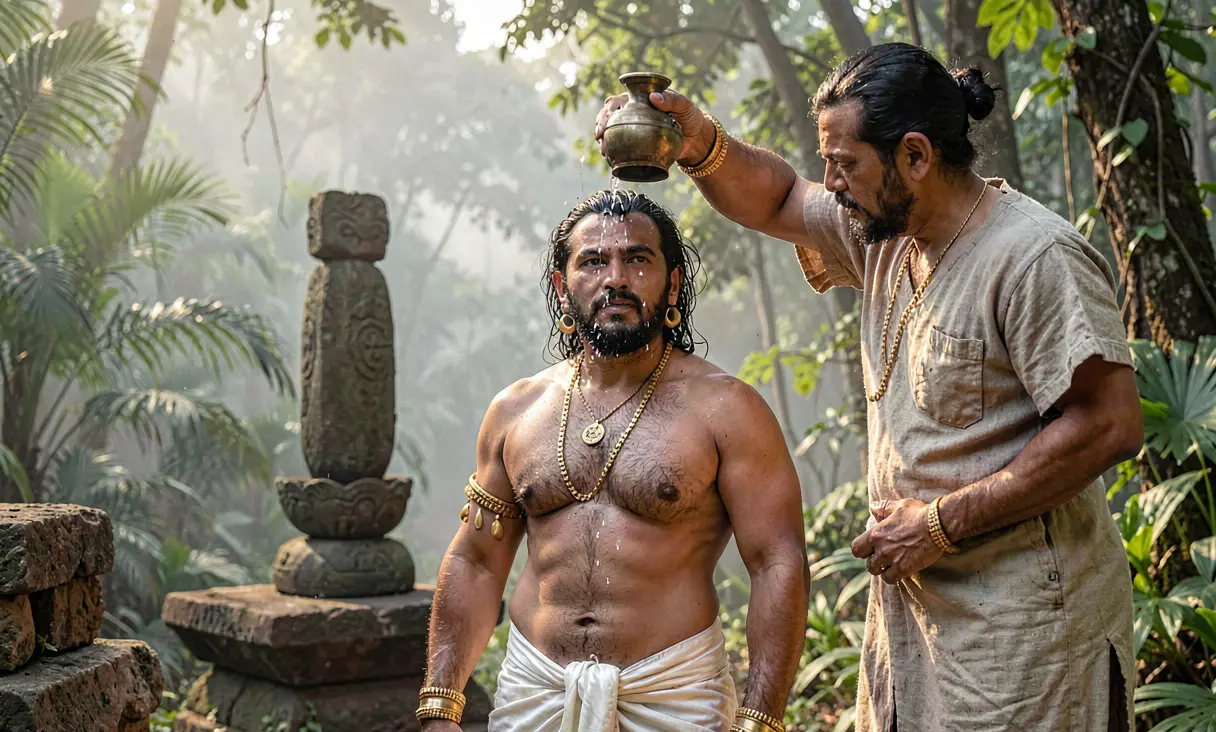
In 802 CE, Jayavarman II ascended the sacred slopes of Mount Kulen (Mahendra Parvata), located approximately forty kilometers north of present-day Siem Reap. There, amidst the dense forests and waterfalls that had long been revered by local animist traditions, he convened a historic assembly of Brahmin priests and regional nobles. Under the guidance of his royal guru, Hiranyadama, Jayavarman performed the Devaraja ritual, or 'God-King' ceremony. This elaborate Hindu rite involved the consecration of a linga, the symbolic phallic representation of Shiva, which was declared to be the embodiment of the king's own soul and authority. By binding his earthly rule directly to the cosmic order of Shiva, Jayavarman effectively nullified any claim Java held over him, declaring that his power derived solely from the gods, not from a foreign overlord.
Establishing the God-King Paradigm
The declaration on Mount Kulen was more than a religious ceremony; it was a revolutionary act of statecraft that redefined the nature of kingship in Southeast Asia. The Devaraja cult established a unique political theology where the monarch became a living deity, an intermediary between the human and divine realms. This concept legitimized Jayavarman II's absolute authority, allowing him to command the loyalty of disparate tribes and vassal states through spiritual obligation rather than brute force alone. It created a centralized bureaucracy capable of mobilizing vast labor forces for public works and military campaigns. The ritual effectively severed the ideological chains binding Cambodia to Java, replacing foreign hegemony with an indigenous imperial ideology that would endure for centuries.
From Fragmentation to Empire
Following the consecration on Mount Kulen, Jayavarman II did not immediately settle in a permanent capital. Instead, he engaged in decades of consolidation, moving his court between various locations including Hariharalaya (modern-day Roluos) and later Mahendraparvata itself. He systematically subdued rival chiefs and expanded his territory, transforming the loose confederation of Chenla into the Khmer Empire. His successors, most notably Yasovarman I who established Angkor in 893 CE, would build upon this foundation, constructing the monumental temple complexes that define the region's history today. The political stability provided by the Devaraja system allowed for an unprecedented era of economic growth, agricultural innovation through sophisticated hydraulic engineering, and cultural florescence.
The Enduring Legacy of 802
The events of 802 CE mark the definitive birth of the Angkorian civilization, a superpower that would dominate mainland Southeast Asia for over five centuries. The Devaraja cult became the bedrock of Khmer statecraft, influencing the architecture, art, and administration of every subsequent ruler until the empire's decline in the 15th century. The temples of Angkor Wat and Bayon stand as physical manifestations of this divine kingship, designed to replicate Mount Meru on Earth. Beyond Cambodia, Jayavarman II's model of sacral kingship influenced neighboring polities across the region, creating a distinct cultural sphere that balanced Indian influences with indigenous Southeast Asian traditions. The declaration of independence was not just a political separation from Java; it was the genesis of a civilization that would shape the destiny of the continent.
Jayavarman II's declaration created the political entity known as the Khmer Empire, setting the stage for the construction of Angkor and regional dominance.
Where it happened
Mount Kulen, Cambodia — see it on the interactive map →
Explore related history
 PoliticsSargon of Akkad Establishes the First Empirec. 2334 BCE · Akkad (Location uncertain, near Baghdad, Iraq)Sargon unifies Sumerian city-states to create the world's first multi-ethnic empire.
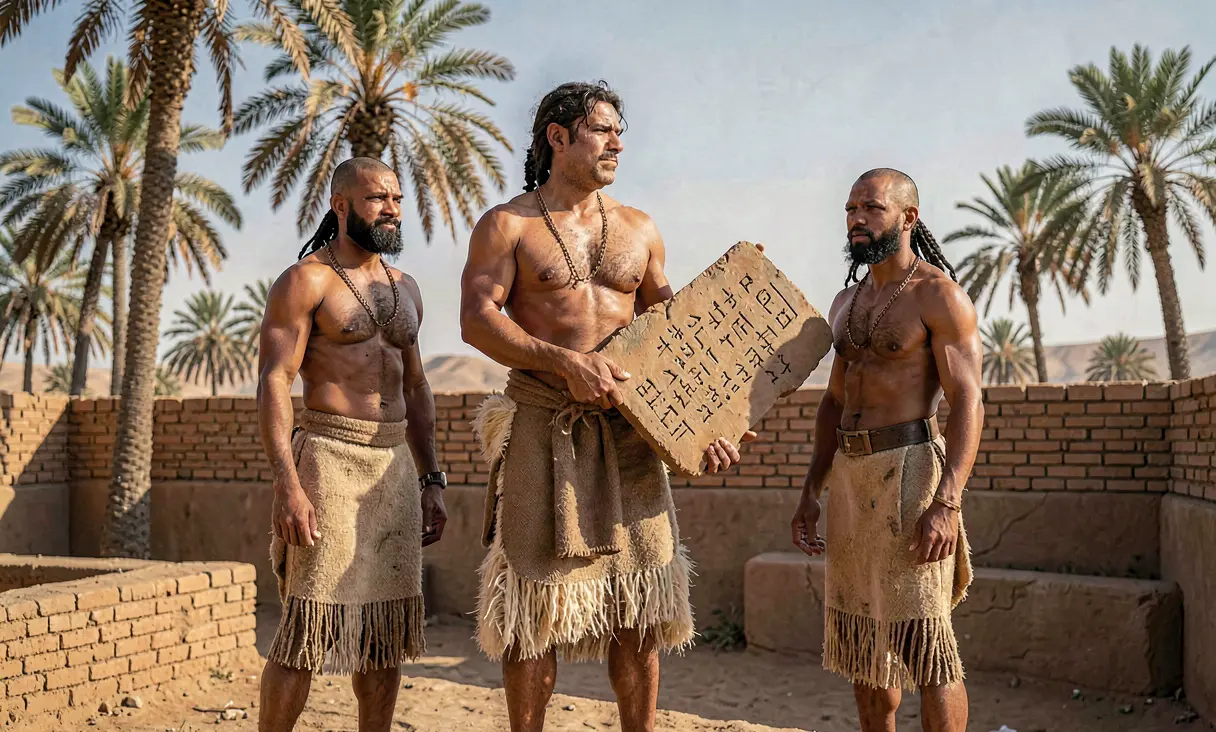 PoliticsPromulgation of the Code of Ur-Nammuc. 2100 BCE · Ur, Southern Mesopotamia (Iraq)The earliest known surviving law code is established in the Sumerian city of Ur.
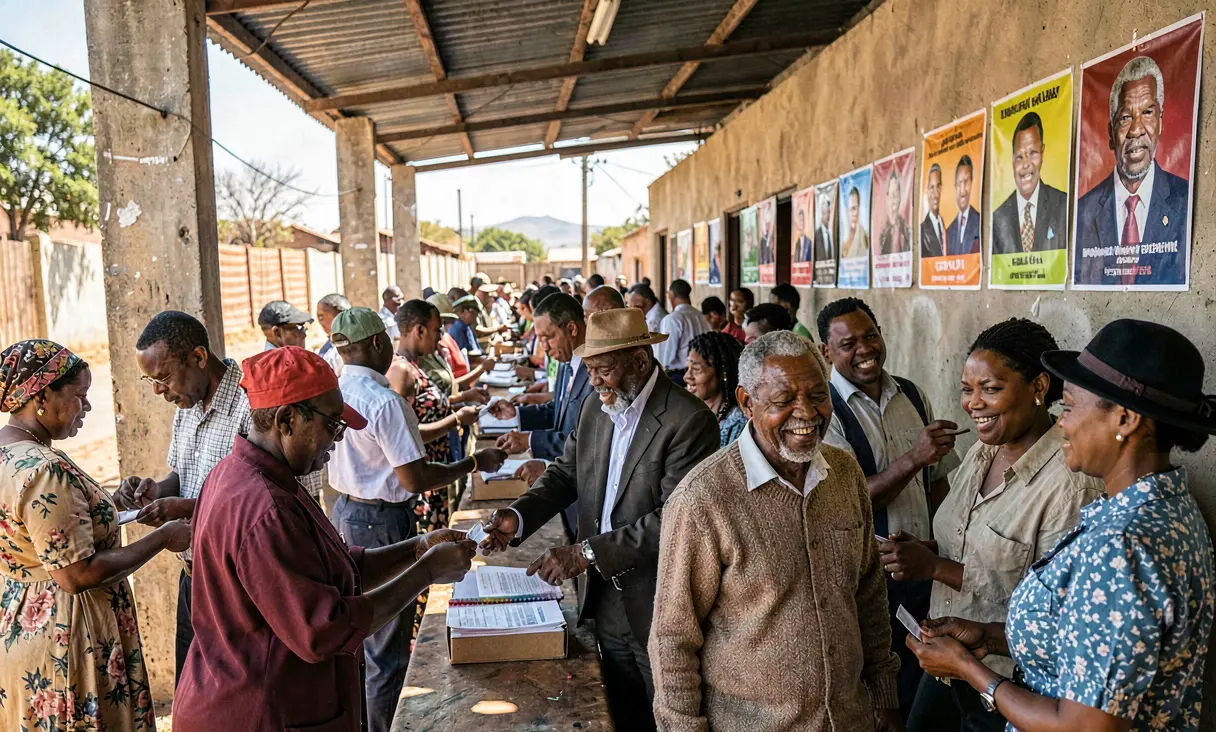 PoliticsNelson Mandela Elected President of South AfricaApril 27, 1994 · Cape Town, South AfricaSouth Africa holds its first democratic election, ending the apartheid regime and establishing a multiracial government.
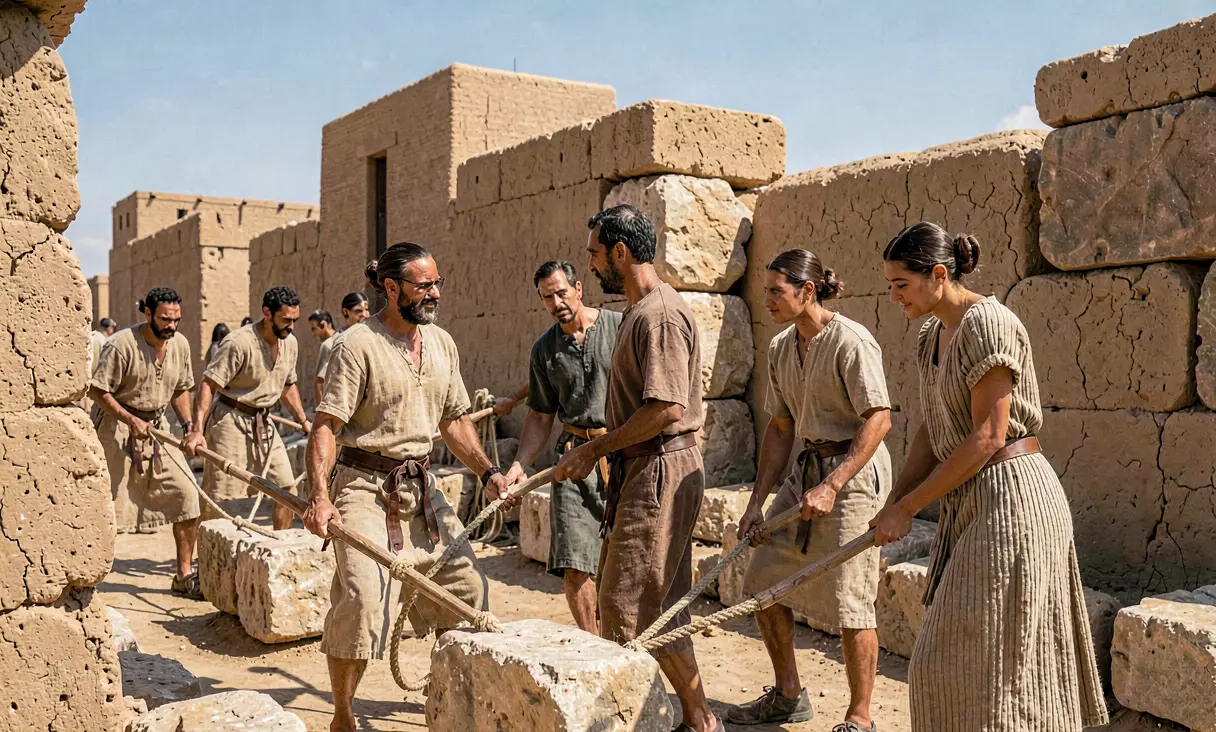 ExplorationFoundation of Carthage by Phoenician Colonistsc. 814 BCE · Carthage (Tunis), TunisiaPhoenician settlers from Tyre establish the city of Carthage in North Africa.
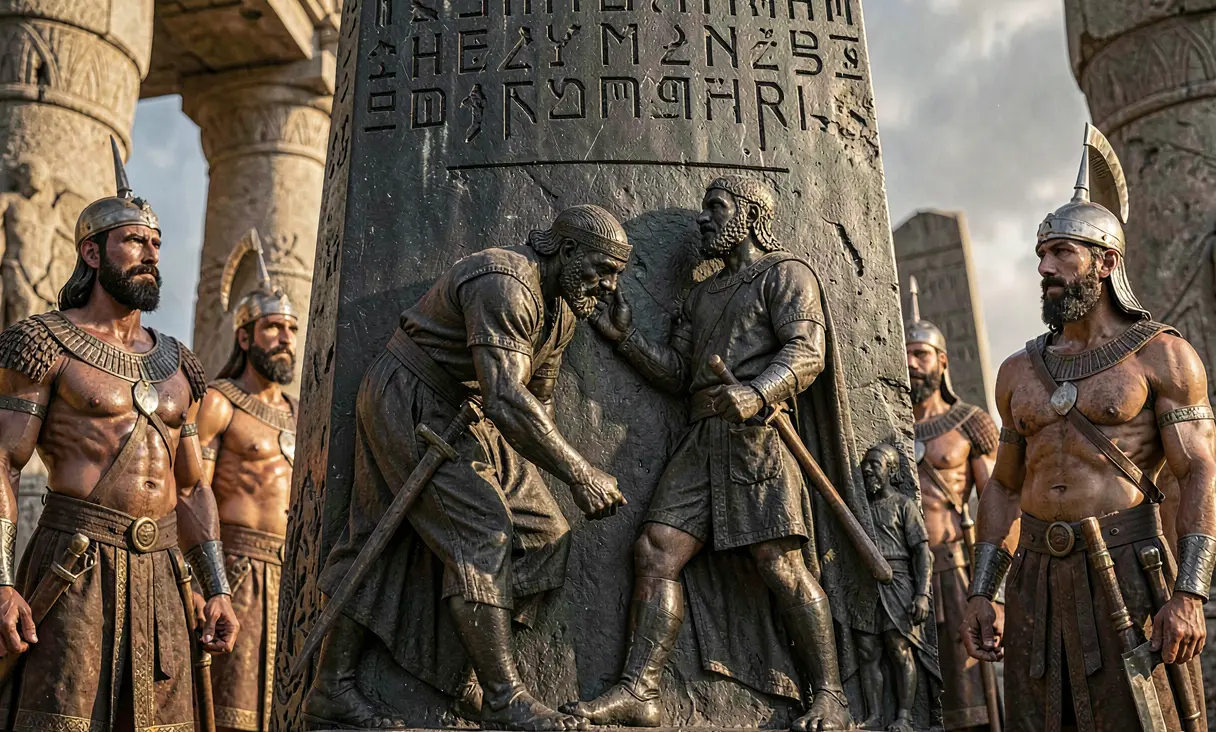 ArtErection of the Black Obelisk by Shalmaneser IIIc. 825 BCE · Nineveh (Mosul), IraqShalmaneser III erects an obelisk depicting the submission of King Jehu of Israel.
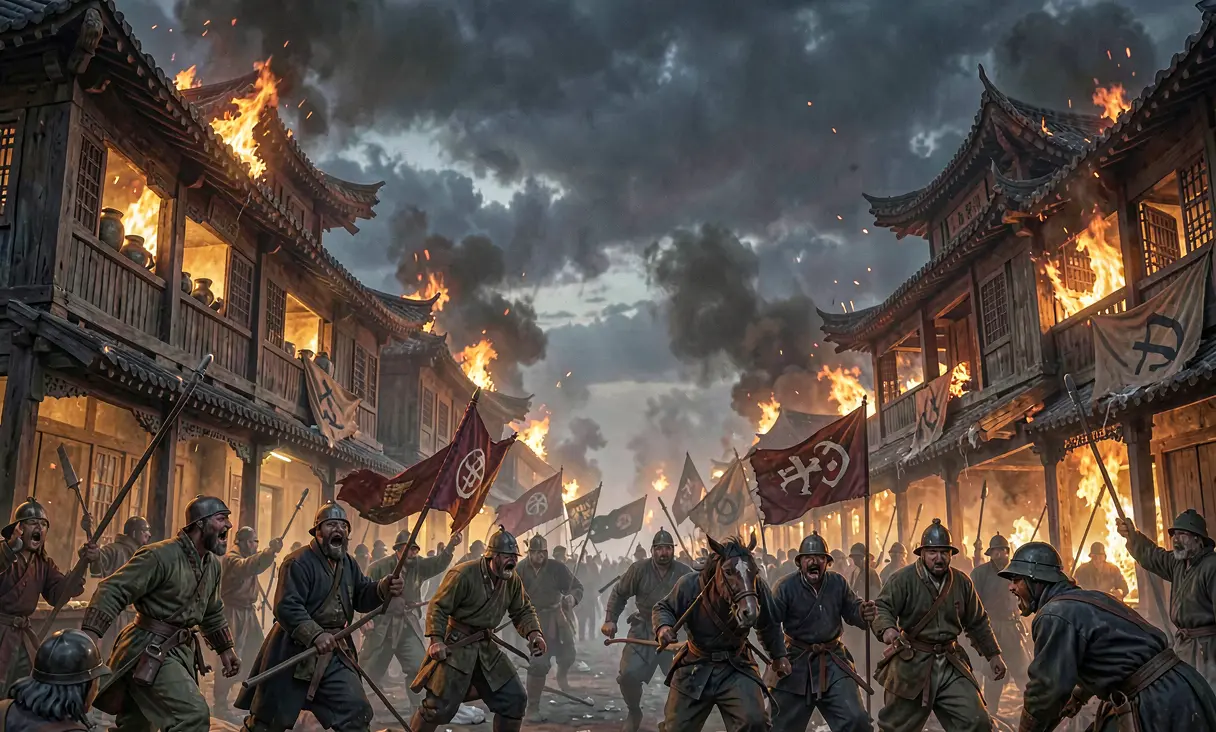 WarHuang Chao Rebellion and Fall of Tang874 CE · Shandong Province, ChinaHuang Chao leads a massive peasant uprising that sacks Chang'an and destroys Tang authority.
Discussion
Loading…