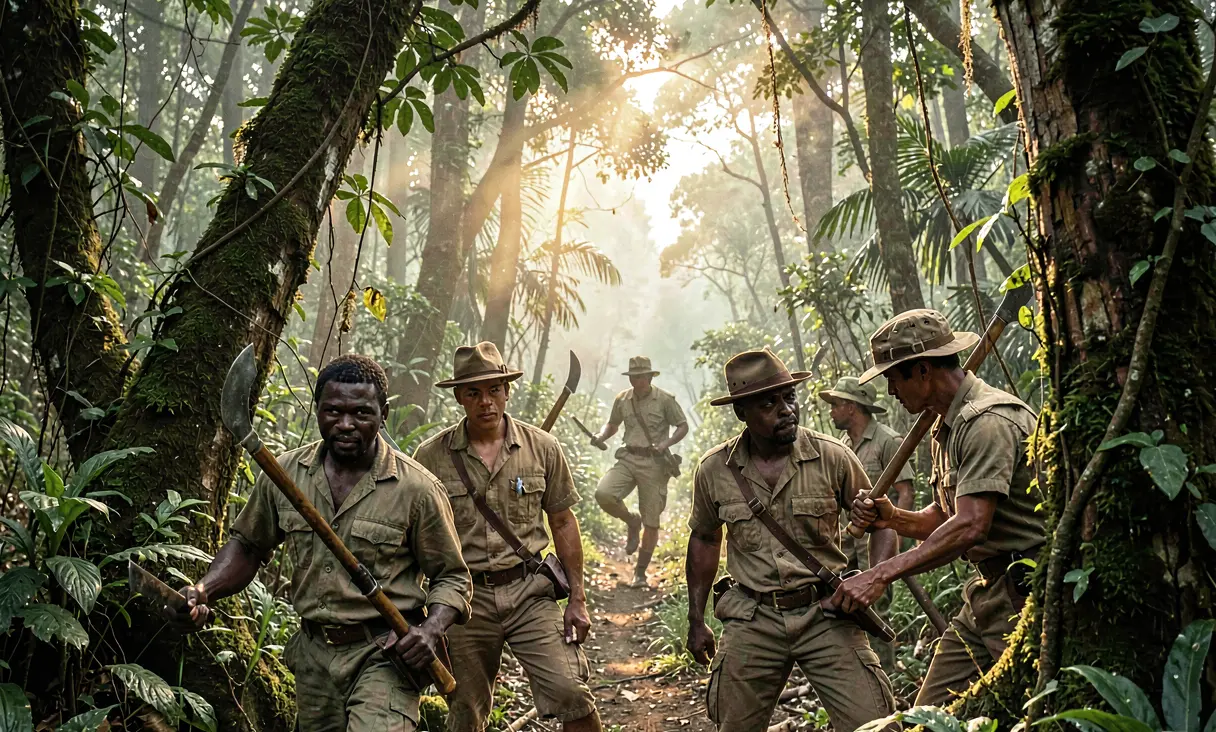
Mau Mau Uprising Begins in Kenya
The 1952 declaration of emergency ignited a brutal war that exposed colonial atrocities, shattered the myth of benevolent rule, and directly accelerated Kenya's independence in 1963.
Background and Rising Tensions
By the early 1950s, British colonial rule in Kenya had reached a breaking point, fueled by decades of systemic dispossession. The Kikuyu people, the colony's largest ethnic group, were increasingly marginalized on their ancestral lands in the Central Highlands, which had been appropriated for white settler agriculture under the 'White Highlands' policy. Landlessness, coupled with political exclusion and economic exploitation, created a volatile atmosphere. While moderate African nationalists sought reform through legal channels, a more radical faction emerged within the Kenya African Union (KAU). This group began organizing secret oathing ceremonies to bind members to a cause of total liberation, laying the groundwork for what would become known as the Mau Mau rebellion.
The Declaration of Emergency
On October 20, 1952, Governor Evelyn Baring officially declared a State of Emergency in Kenya, marking the formal beginning of open warfare. This decisive action followed months of escalating violence, including the assassination of Chief Waruhiu, a prominent Kikuyu loyalist, on September 7, 1952, and a wave of attacks against white farmers and African collaborators. The British administration framed the crisis as an uprising by a 'criminal gang' rather than a nationalist movement, aiming to delegitimize their political demands. Simultaneously, colonial forces launched Operation Jock Scott, arresting over 180 leaders, including KAU president Jomo Kenyatta, in an attempt to decapitate the rebellion's leadership structure before it could fully mobilize.
The Nature of the Conflict
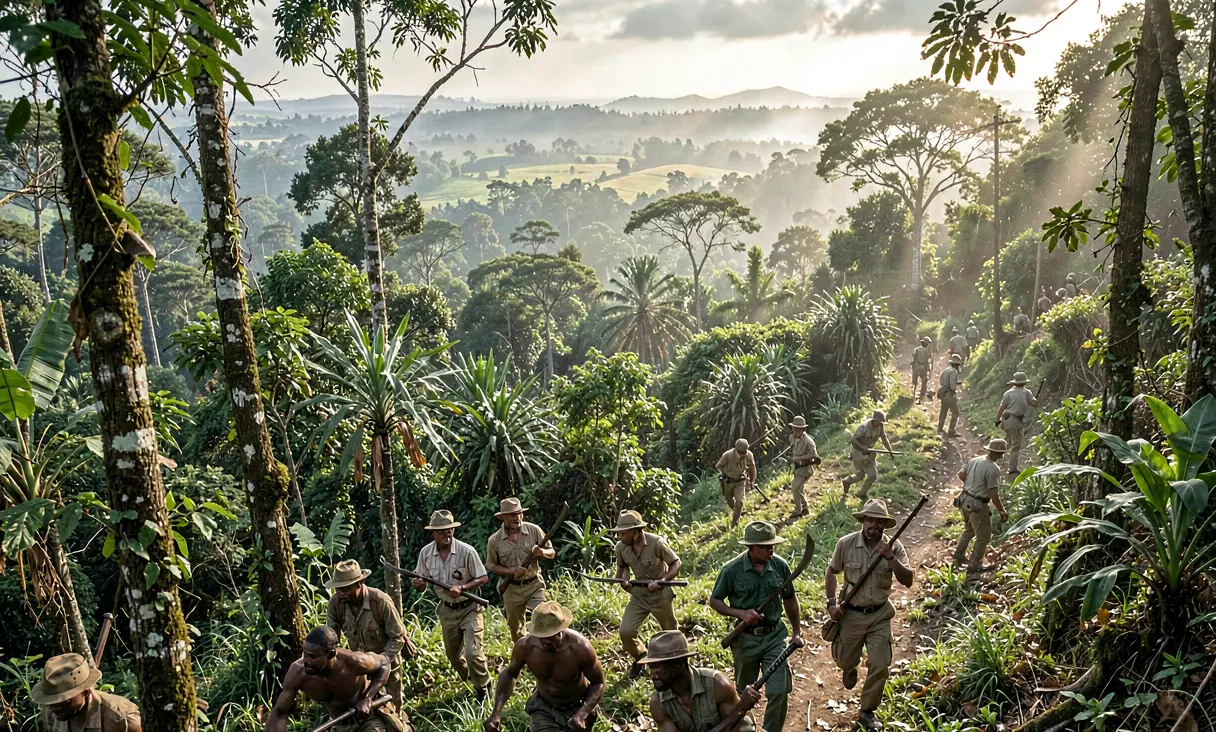
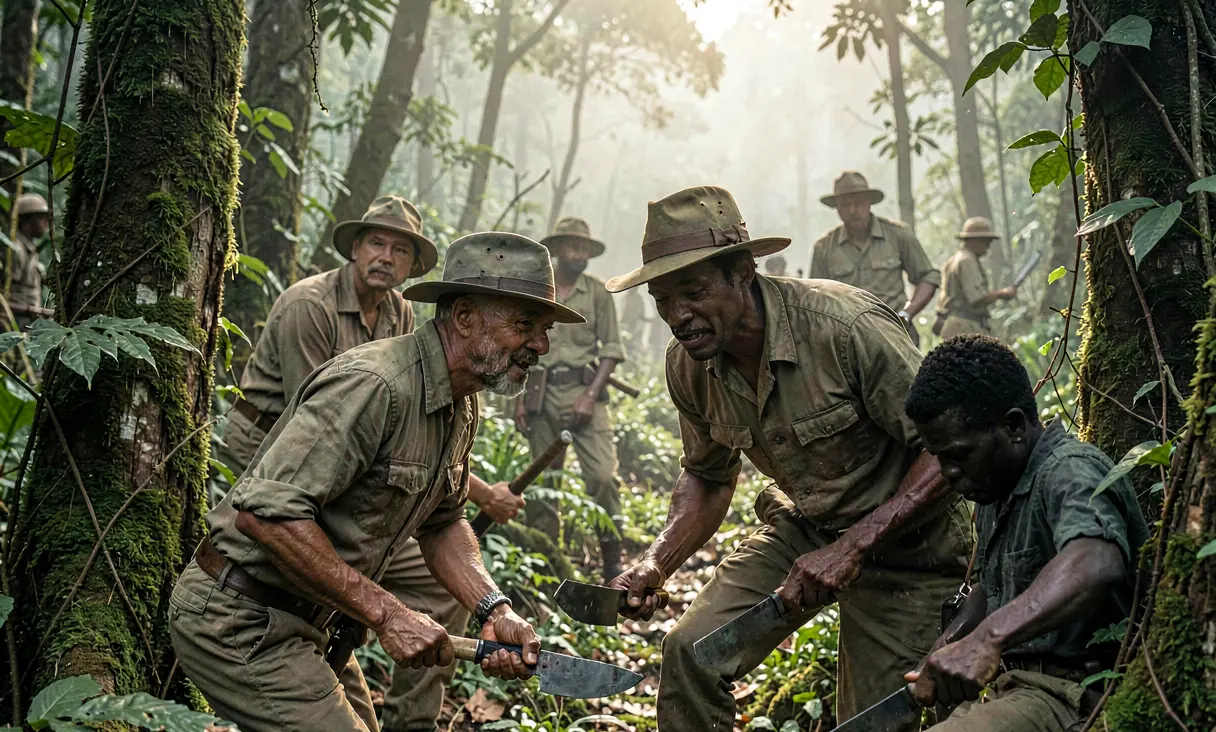
The Mau Mau insurgency was characterized by a brutal asymmetry. The rebels, primarily drawn from the Kikuyu, Embu, and Meru communities, utilized guerrilla tactics in the dense forests of Mount Kenya and the Aberdare Range. They relied on complex oathing rituals to ensure secrecy and loyalty, often targeting loyalist Africans as harshly as white settlers. In response, the British military deployed over 50,000 troops at the conflict's peak, implementing a strategy of collective punishment. The administration established fortified villages known as 'villagization,' forcibly relocating nearly one million Kikuyu into guarded compounds to sever their connection with the forest fighters. This campaign was accompanied by widespread atrocities, including torture and extrajudicial killings within detention camps like Hola and Lari.
Key Figures and Leadership
While often portrayed as a monolithic movement, the Mau Mau had fragmented leadership. Jomo Kenyatta, though arrested in 1952 and later tried at Kapenguria for allegedly managing the rebellion, remained its symbolic figurehead despite denying direct command of the guerrilla forces. The military operations were largely directed by field commanders such as Dedan Kimathi, who was captured in October 1956 and executed in February 1957. On the colonial side, Governor Baring's ruthless efficiency in implementing emergency powers defined the British response. The conflict also highlighted deep divisions within Kikuyu society between 'loyalists' who supported the colonial administration and the rebels, turning a political struggle into a devastating civil war.
Human Cost and Suppression
The human toll of the uprising was catastrophic. Official British records initially listed fewer than 1,500 African deaths, but modern historical research estimates that between 10,000 and 30,000 Kikuyu were killed in combat or executed by colonial forces. Tens of thousands more perished due to malnutrition and disease within the detention camp system. The rebellion was effectively militarily crushed by 1960 with the capture of Kimathi and the dismantling of the forest armies. However, the sheer scale of the violence and the international scrutiny it attracted made the continuation of direct colonial rule politically unsustainable for London.
Legacy and Path to Independence
Although the Mau Mau was defeated on the battlefield, its strategic victory lay in forcing Britain to concede that Kenya could not be governed without African majority rule. The Emergency was officially lifted in January 1960, paving the way for constitutional negotiations that led to independence on December 12, 1963. For decades, the British narrative suppressed the rebellion's significance, but recent archival revelations and legal settlements have acknowledged the systemic abuse suffered by detainees. Today, the Mau Mau uprising is recognized not merely as a failed insurrection, but as the catalyst that dismantled the British Empire in East Africa and reshaped the geopolitical landscape of post-colonial Kenya.
The Mau Mau Uprising was the catalyst for Kenya's independence, exposing the brutality of colonial rule and forcing British policy shifts in Africa.
Where it happened
Nairobi, Kenya — see it on the interactive map →
Explore related history
 WarAlgerian War of Independence BeginsNovember 1, 1954 · Algiers, AlgeriaThe National Liberation Front launches coordinated attacks marking the start of the Algerian War against France.
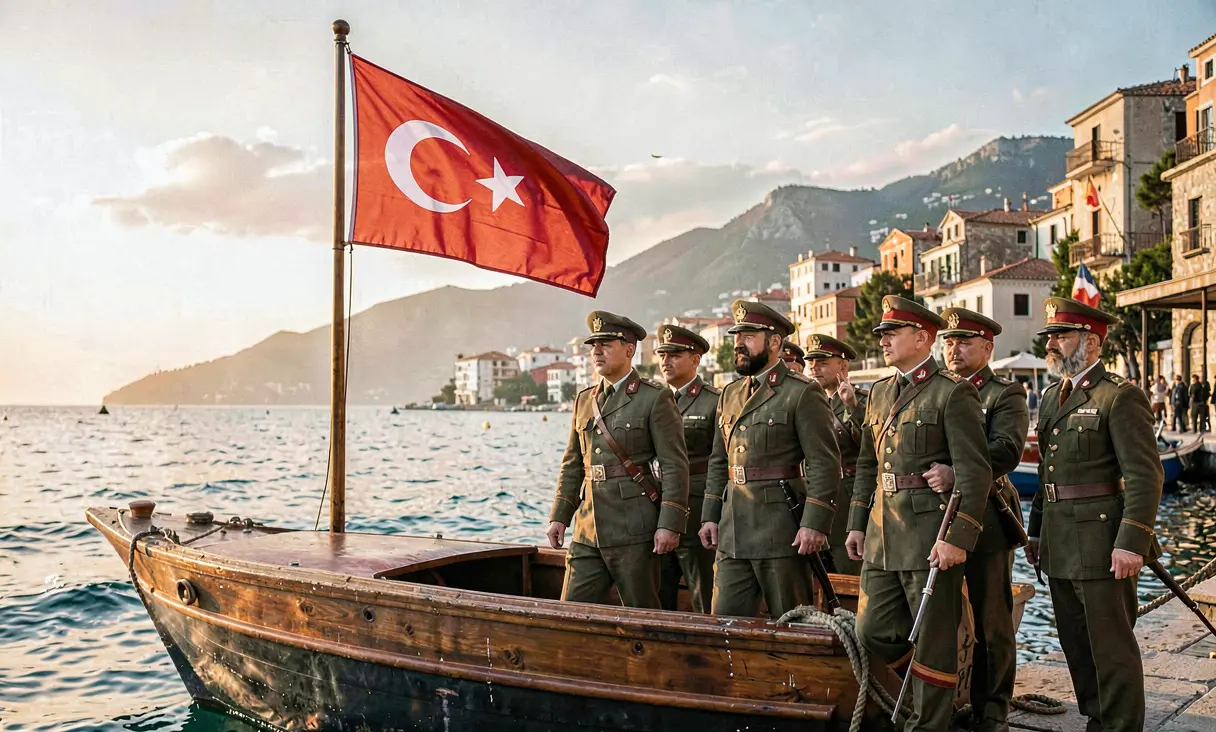 WarTurkish War of Independence BeginsMay 19, 1919 · Samsun, TurkeyMustafa Kemal Atatürk lands in Samsun to organize resistance against Allied occupation and the Ottoman Sultanate.
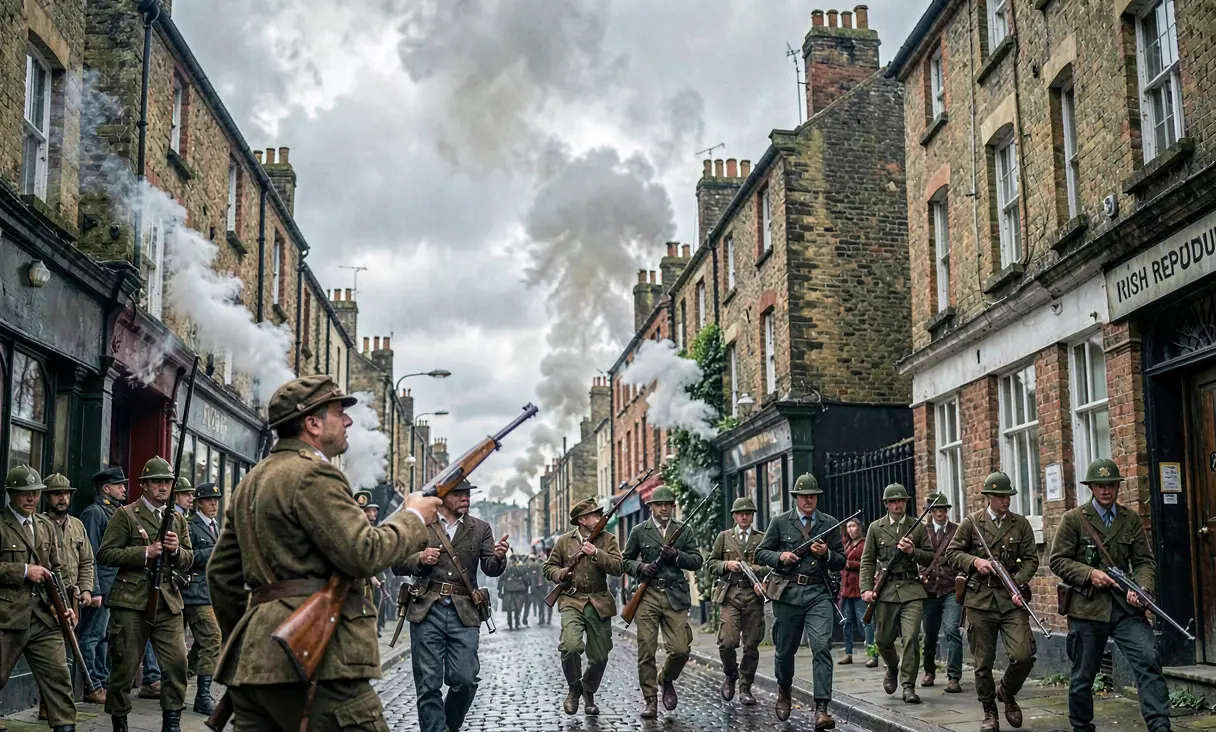 WarEaster Rising in IrelandApril 24, 1916 · Dublin, IrelandIrish republicans launch an armed insurrection against British rule in Dublin during Easter Week.
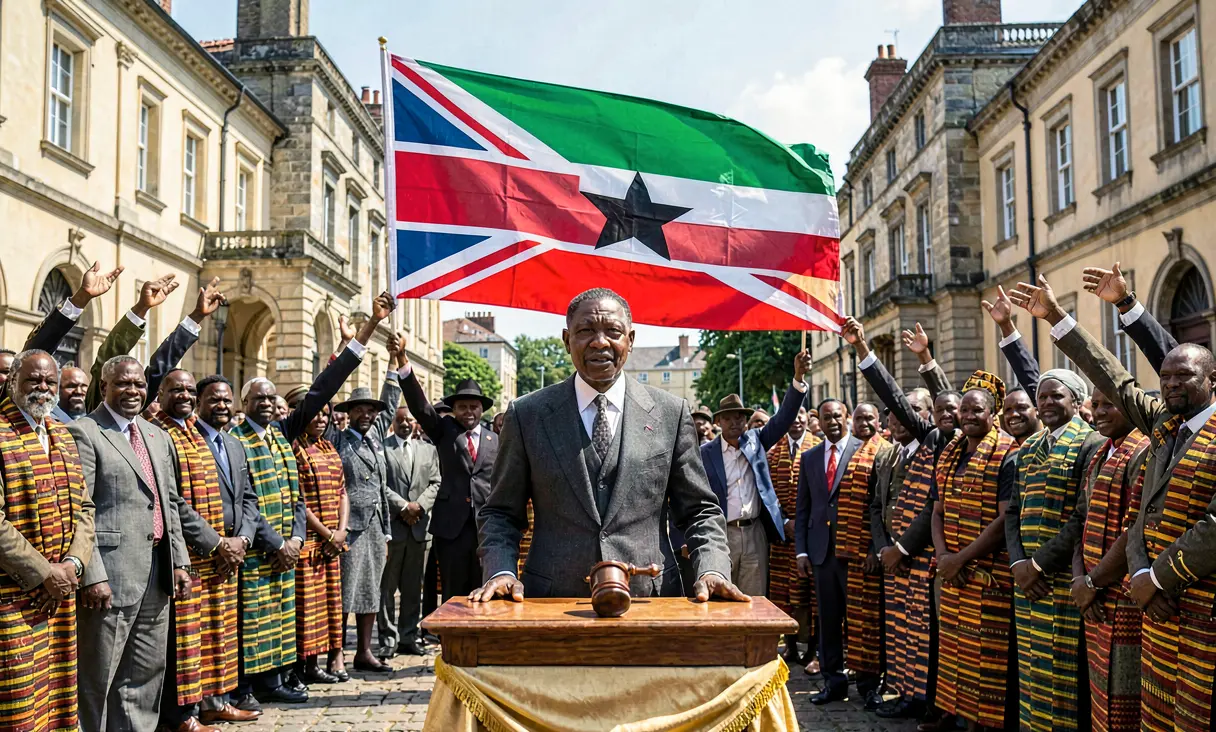 PoliticsGhana Gains Independence from BritainMarch 6, 1957 · Accra, GhanaKwame Nkrumah leads the Gold Coast to become the first sub-Saharan African nation to gain independence from colonial rule.
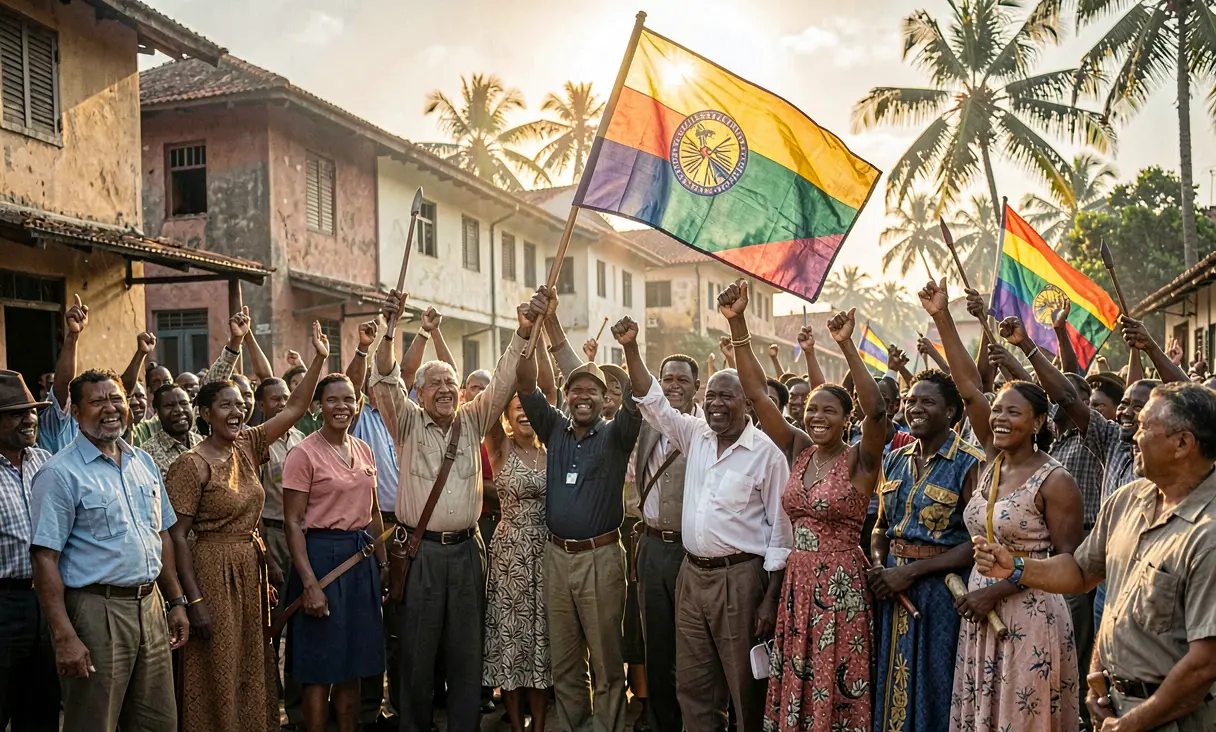 PoliticsCongo Gains Independence from BelgiumJune 30, 1960 · Kinshasa, Congo (DRC)The Belgian Congo becomes the independent Republic of the Congo, sparking immediate political turmoil.
 PoliticsFounding of the Indochinese Communist PartyFebruary 3, 1930 · Hong Kong (Vietnamese context)Ho Chi Minh unites communist factions to form the Indochinese Communist Party, aiming for Vietnamese independence from France.
Discussion
Loading…