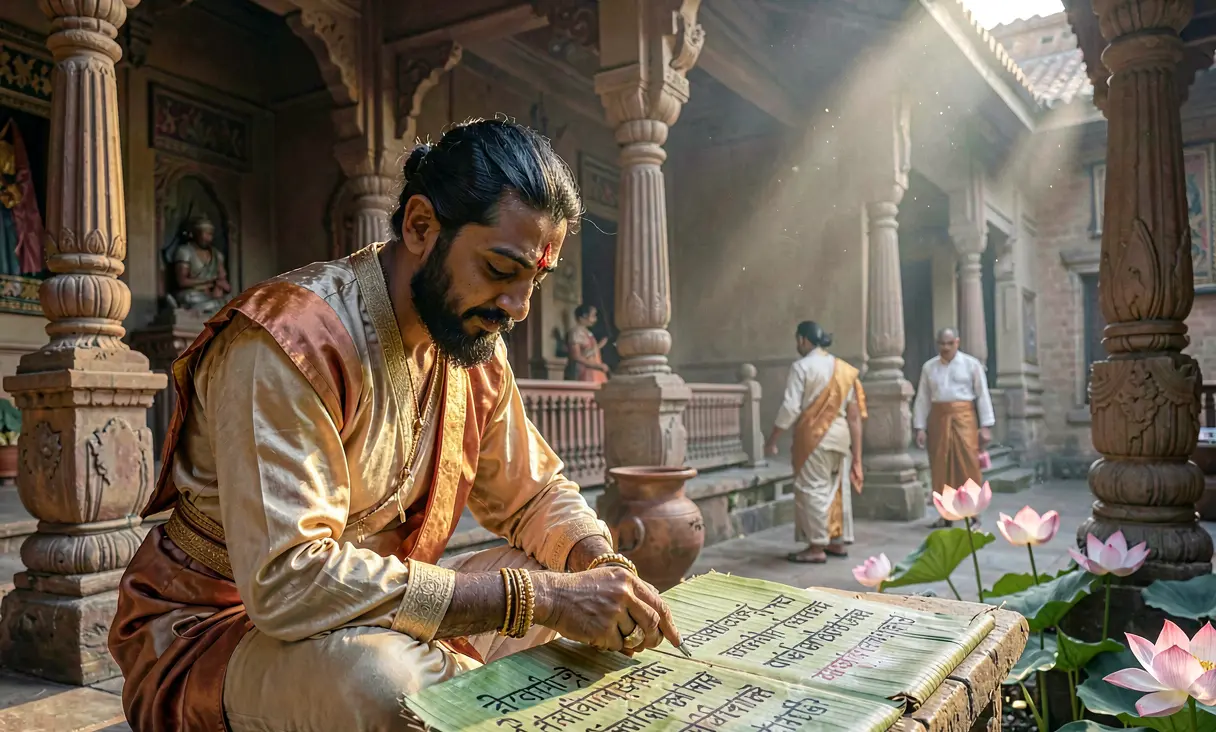
Compilation of the Kama Sutra
Compiled by Vatsyayana around 400 CE, this Sanskrit treatise synthesized ancient Indian wisdom on pleasure, duty, and social life into a sophisticated guide that redefined sexuality as a legitimate hu
The Gupta Renaissance and the Pursuit of Kama
During the early centuries of the Common Era, the Indian subcontinent entered a period of unprecedented cultural consolidation under the Gupta Empire (c. 320–550 CE). This era, often termed India's Golden Age, was characterized by flourishing arts, scientific inquiry, and a sophisticated urban society centered in cities like Pataliputra. Within this milieu, the philosophical framework of human life was formalized around three primary goals, or Purusharthas: Dharma (duty/righteousness), Artha (material success), and Kama (pleasure/aesthetic enjoyment). While earlier Vedic traditions often prioritized ritualistic duty, the urban aristocracy of the Gupta period increasingly embraced a holistic view where the pursuit of sensual and emotional fulfillment was recognized as a legitimate and necessary component of a well-lived life.
Vatsyayana and the Synthesis of Ancient Wisdom
The central figure in this intellectual movement was Vatsyayana Mallanaga, a philosopher and scholar whose precise dates remain debated but are generally placed around 400 CE. Unlike a mere author creating new doctrines, Vatsyayana acted as a meticulous compiler and systematizer. He sought to organize the fragmented and often contradictory teachings of earlier masters regarding Kama into a coherent treatise. In his introduction, he explicitly references at least eleven preceding authors who had written on the subject, noting that their works were either incomplete or overly focused on specific aspects like sexual techniques. Vatsyayana's ambition was to create a definitive manual that balanced technical instruction with ethical and social philosophy.
The Composition of the Kama Sutra
Composed in classical Sanskrit, the Kama Sutra is structured into seven books (Adhikaranas) containing 36 chapters. The text begins not with sexual positions, but with a rigorous examination of the nature of life and the duties of a householder. Vatsyayana details the education required for the ideal citizen, covering everything from the arts to courtship rituals. He provides extensive guidance on finding a spouse, maintaining domestic harmony, and navigating complex social hierarchies. The famous seventh book addresses 'occult practices' and sexual techniques, yet this constitutes only a fraction of the total text. The work is fundamentally a guide to living, arguing that pleasure must be pursued with discernment, ensuring it does not conflict with one's duty or economic stability.
A Reflection of Urban Sophistication
The Kama Sutra serves as an invaluable historical window into the social fabric of ancient India. It reveals a society where courtesans (ganikas) held high social status, were often highly educated in the arts, and played crucial roles in urban cultural life. The text describes the daily routines of the wealthy, including bathing rituals, dining etiquette, and the management of household staff. It outlines specific strategies for men to attract women of various classes and discusses the rights and responsibilities of wives within a polygamous or monogamous framework. This level of detail suggests a highly literate, urbanized population that valued emotional intelligence and aesthetic refinement alongside religious observance.
Transmission and Preservation
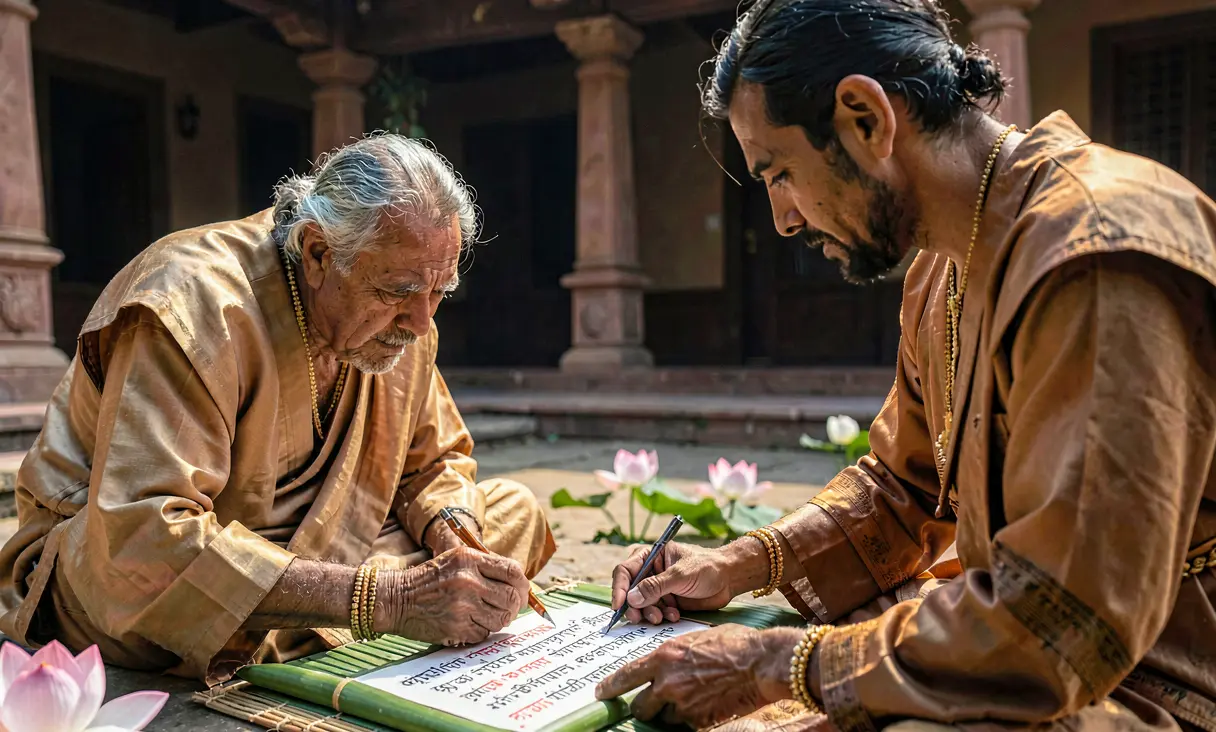
Following its compilation, the Kama Sutra became a standard text for the educated elite in India. It was preserved through an unbroken tradition of manuscript copying, surviving the political upheavals that followed the decline of the Gupta Empire. The text was eventually translated into various regional Indian languages and later into Persian during the Mughal era. Its journey to the West began in the late 19th century when Sir Richard Francis Burton, a British colonial officer and linguist, produced an English translation in 1883. While Burton's version introduced the work to the Victorian world, it also inadvertently cemented a reductive Western perception of the text as merely a manual for sexual positions, obscuring its broader philosophical scope.
Enduring Legacy and Modern Relevance
In contemporary discourse, the Kama Sutra remains a seminal work in the fields of sexology, gender studies, and South Asian history. It challenges modern misconceptions about ancient Indian society, demonstrating that sexuality was discussed with scientific rigor and philosophical depth rather than shame or secrecy. The text's emphasis on mutual consent, emotional connection, and the integration of pleasure into a balanced life resonates strongly with modern relationship counseling. As a literary masterpiece, it stands alongside the Arthashastra as one of the few surviving texts from antiquity that treats human desire not as a distraction to be suppressed, but as a vital force to be understood and mastered.
The Kama Sutra is a seminal work on human behavior, psychology, and the philosophy of love in classical Indian literature.
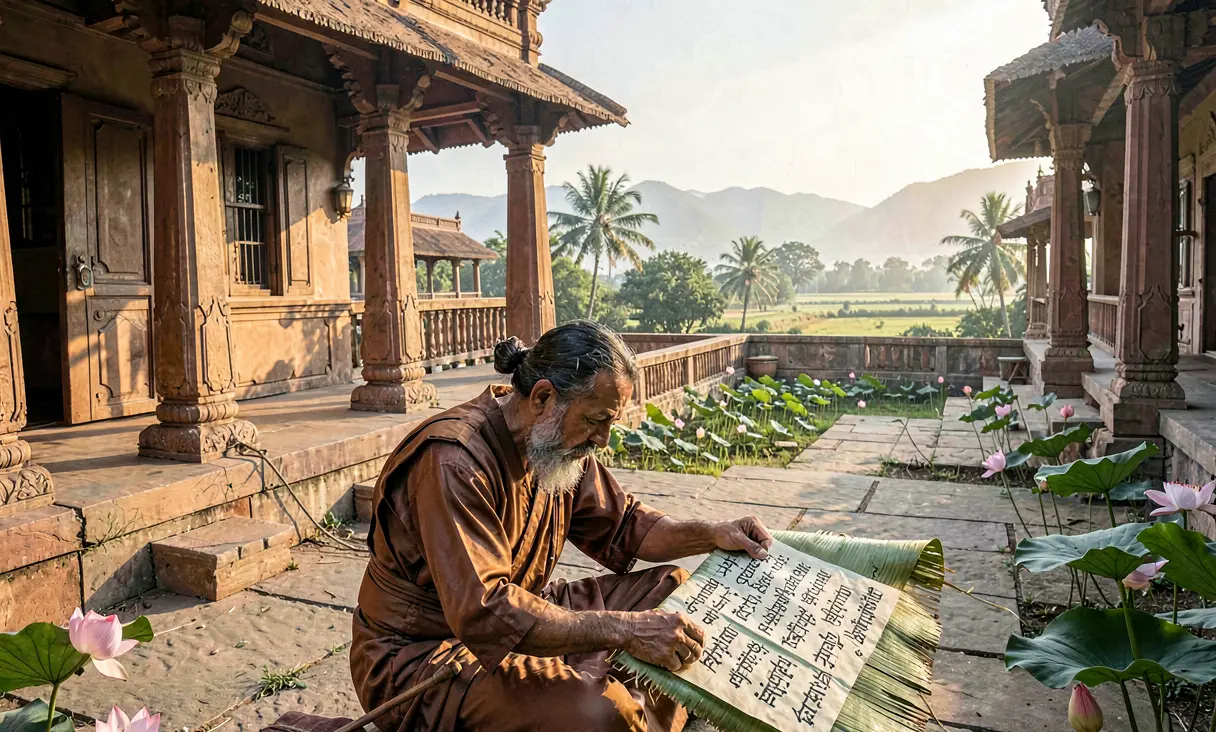
Where it happened
India (likely Pataliputra) — see it on the interactive map →
Explore related history
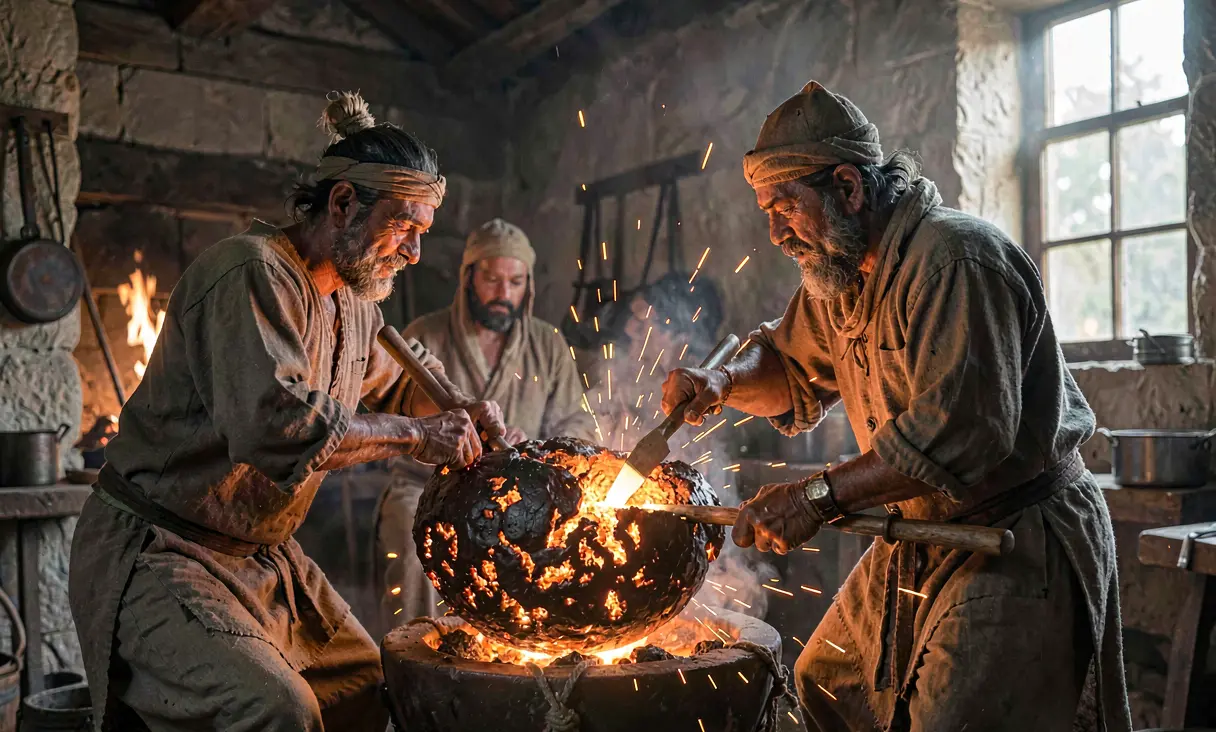 TechnologyCasting of the High-Corrosion Resistant Iron Pillar at Delhic. 400 CE · Delhi, IndiaIndian metallurgists forge a massive iron pillar that resists rust for over 1,600 years.
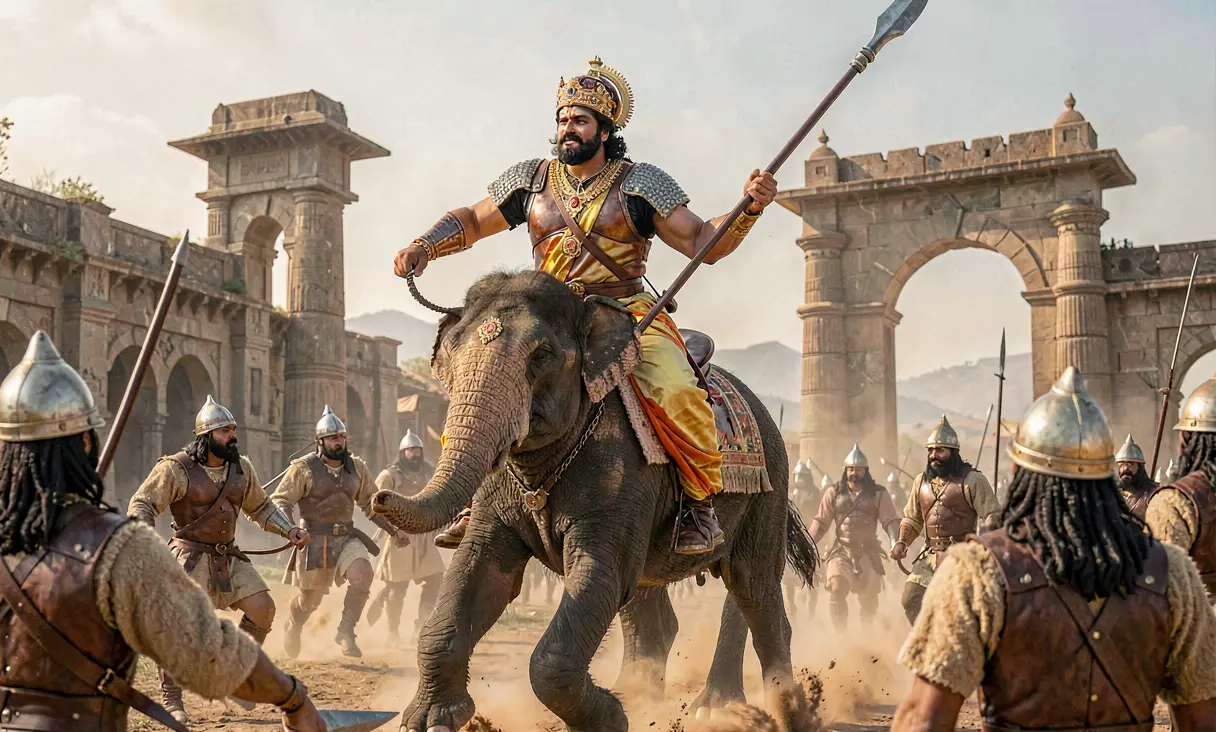 WarChandragupta II Defeats the Western Satrapsc. 409 CE · Malwa and Gujarat region, IndiaChandragupta II Vikramaditya defeats the Western Kshatrapas, annexing Gujarat and securing access to the lucrative Indian Ocean trade routes.
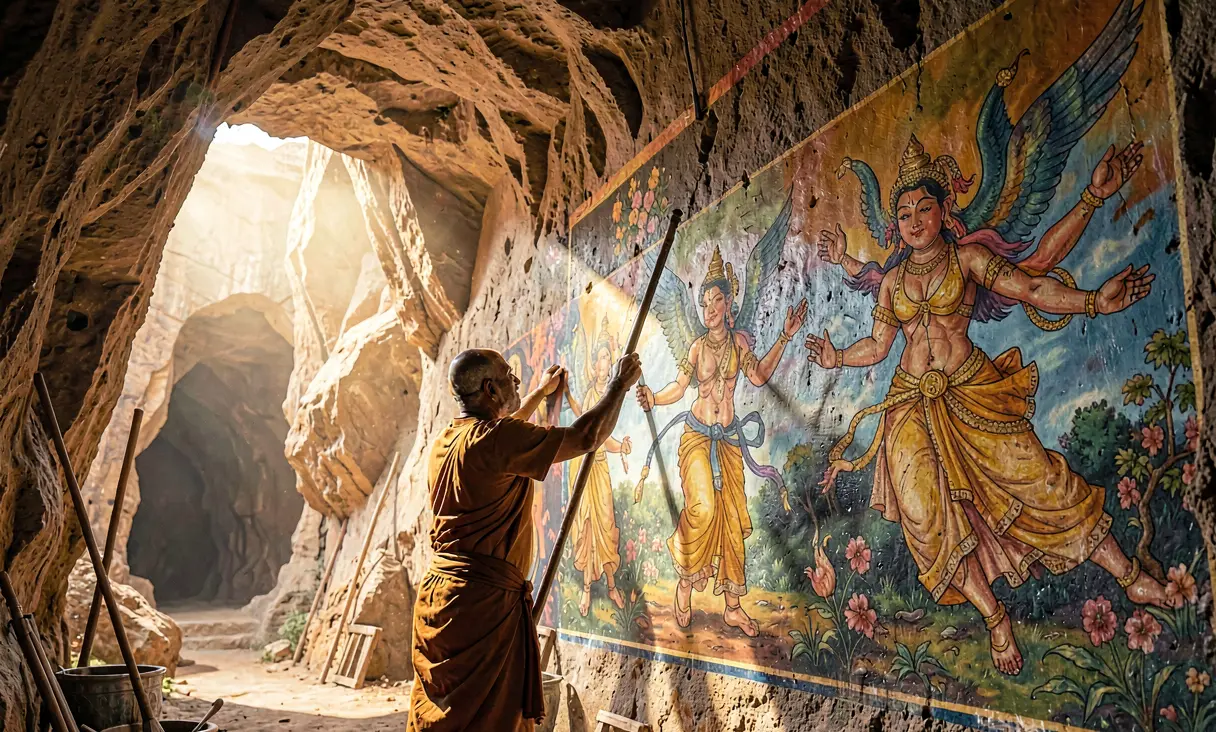 ArtCreation of Mogao Caves Muralsc. 366 CE - ongoing · Dunhuang, ChinaArtists begin painting Buddhist murals in the cave complex on the Silk Road.
Discussion
Loading…