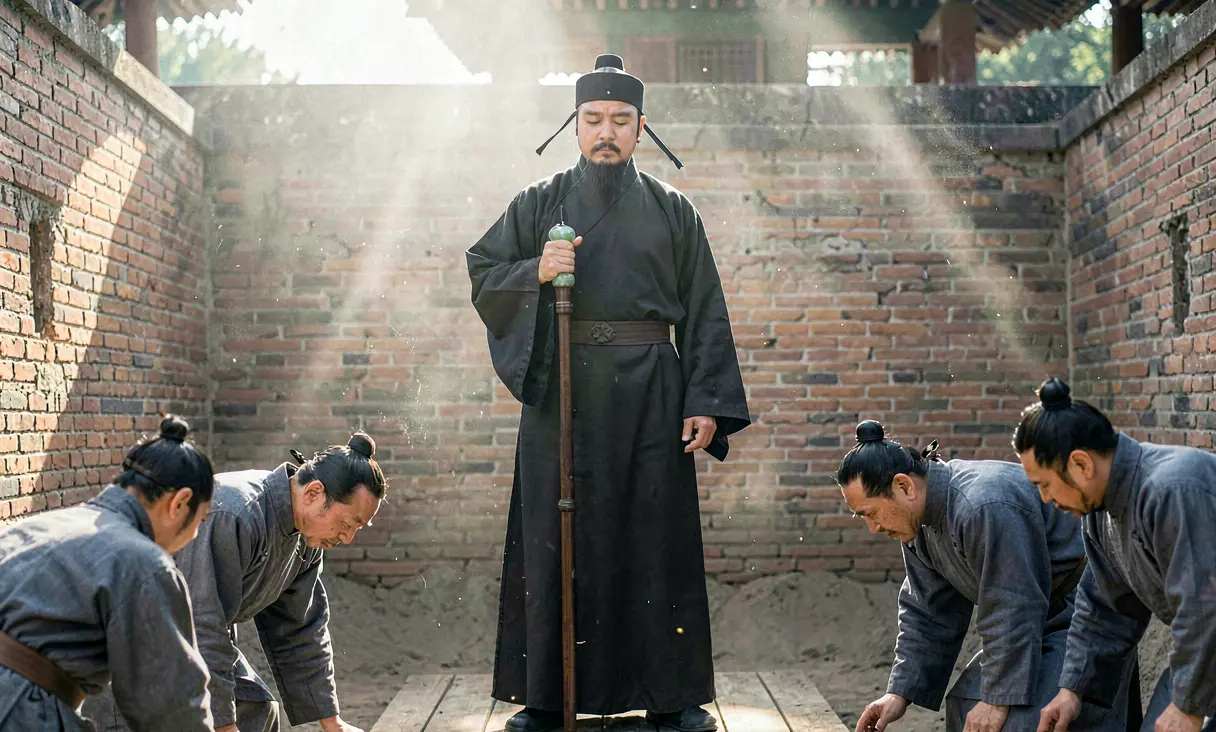
Emperor Guangwu Restores the Han Dynasty (Eastern Han)
In 25 CE, Liu Xiu restored the Han Dynasty from chaos, founding the Eastern Han at Luoyang and ushering in two centuries of cultural revival before eventual decline.
The Collapse of Order and the Xin Interregnum
By the early first century CE, the Western Han Dynasty had succumbed to internal decay, marked by weak emperors, powerful consort kin, and severe agrarian crises. In 9 CE, Wang Mang, a regent from the powerful Wang clan, seized the throne and declared the establishment of the Xin Dynasty, attempting to implement radical Neo-Confucian reforms that included land nationalization and currency overhauls. These policies, ill-suited to the economic realities of the time, triggered widespread famine and social unrest. By 17 CE, massive peasant uprisings erupted across the north, most notably the Red Eyebrows (Chimei) in Shandong and the Lulin rebels in Hubei, plunging China into a decade-long civil war that dismantled central authority and left the empire fractured among competing warlords.
The Rise of Liu Xiu
Amidst this chaos emerged Liu Xiu (2 BCE–57 CE), a distant cousin of the former Han imperial house who belonged to the Lanling branch of the Liu clan. Unlike many rivals who sought immediate power, Liu Xiu was a shrewd strategist and a man of considerable restraint. After joining the Lulin rebellion in 22 CE, he distinguished himself at the Battle of Kunyang in 23 CE, where his tactical brilliance allowed a vastly outnumbered force to annihilate Wang Mang's main army. Following the assassination of Emperor Gengshi, a puppet ruler installed by the rebels, Liu Xiu moved decisively to consolidate his own authority. He systematically neutralized rival warlords and suppressed the Red Eyebrows through a combination of military force and political amnesty, demonstrating a capacity for governance that transcended mere martial prowess.
The Proclamation at Gaocheng
In the summer of 25 CE, Liu Xiu formally ascended the throne, adopting the reign title 'Jianwu' (Establishing Brightness). The coronation took place in the village of Gaocheng, located in present-day Hebei province, rather than the traditional capital of Chang'an or the rebel-held Luoyang. This provisional act marked the official restoration of the Han Dynasty, now historically distinguished as the Eastern Han to reflect its new eastern orientation. Liu Xiu's immediate priority was legitimacy; by claiming the Mandate of Heaven through his lineage and his military successes against the usurper Wang Mang, he positioned himself not as a conqueror but as a restorer of the rightful order.
Establishing Luoyang as the New Capital
Shortly after his accession, Liu Xiu relocated the imperial court to Luoyang, situated approximately 300 kilometers east of the devastated Chang'an. The choice was strategic: Luoyang had suffered less from the ravages of war and offered better access to the fertile plains of the Yellow River basin, crucial for agricultural recovery and tax revenue. Unlike the sprawling, fortified capital of the Western Han, the new court at Luoyang was designed with a focus on administrative efficiency and Confucian ritual. Liu Xiu spent the next decade pacifying remaining warlords in the west and south, finally unifying China under a single banner by 36 CE, ending nearly thirty years of fragmentation.
Restoration of Governance and Society
Emperor Guangwu's reign was defined by a deliberate return to Han institutions, tempered with pragmatic reforms. He dismantled the radical economic experiments of Wang Mang, restoring private land ownership while attempting to curb the power of great aristocratic families through careful bureaucratic appointments. A hallmark of his administration was the revitalization of the Confucian examination system and the establishment of the Imperial Academy, which produced a class of scholar-officials loyal to the state rather than local magnates. He also reduced the size of the standing army and focused on civil governance, leading to a period known as the 'Rule of Jianwu,' characterized by population growth, famine relief, and the restoration of trade routes along the Silk Road.
The Eastern Han Legacy
The restoration initiated by Emperor Guangwu secured nearly two centuries of stability, allowing Chinese culture, technology, and philosophy to flourish. The Eastern Han era saw advancements in papermaking, astronomy, and historiography, exemplified by the great historian Ban Gu. However, the seeds of future decline were sown during this revival; the reliance on powerful local gentry families for administration eventually created a class of warlords who challenged imperial authority. Furthermore, the increasing influence of eunuchs within the palace to counterbalance these aristocrats led to the political paralysis that would plague the late second century, culminating in the dynasty's eventual collapse and the onset of the Three Kingdoms period.
Historical Significance
The restoration of 25 CE stands as a pivotal moment in Chinese history, demonstrating the resilience of the Han political model and the enduring power of Confucian ideology. By successfully transitioning from a usurper-led interregnum back to imperial rule without completely destroying the social fabric, Liu Xiu set a precedent for future dynastic restorations. The Eastern Han became a golden age that solidified the concept of a unified Chinese state, influencing the political consciousness of East Asia for millennia and establishing Luoyang as a enduring center of civilization alongside Chang'an.
Guangwu's victory preserved the Han legacy and Confucian bureaucratic model for another two centuries, defining East Asian governance structures.
Where it happened
Luoyang, China — see it on the interactive map →
Explore related history
 PoliticsFounding of Dur-Sharrukin by Sargon IIc. 717 BCE · Khorsabad (Dur-Sharrukin), IraqSargon II builds a new capital city to project Assyrian power and administrative control.
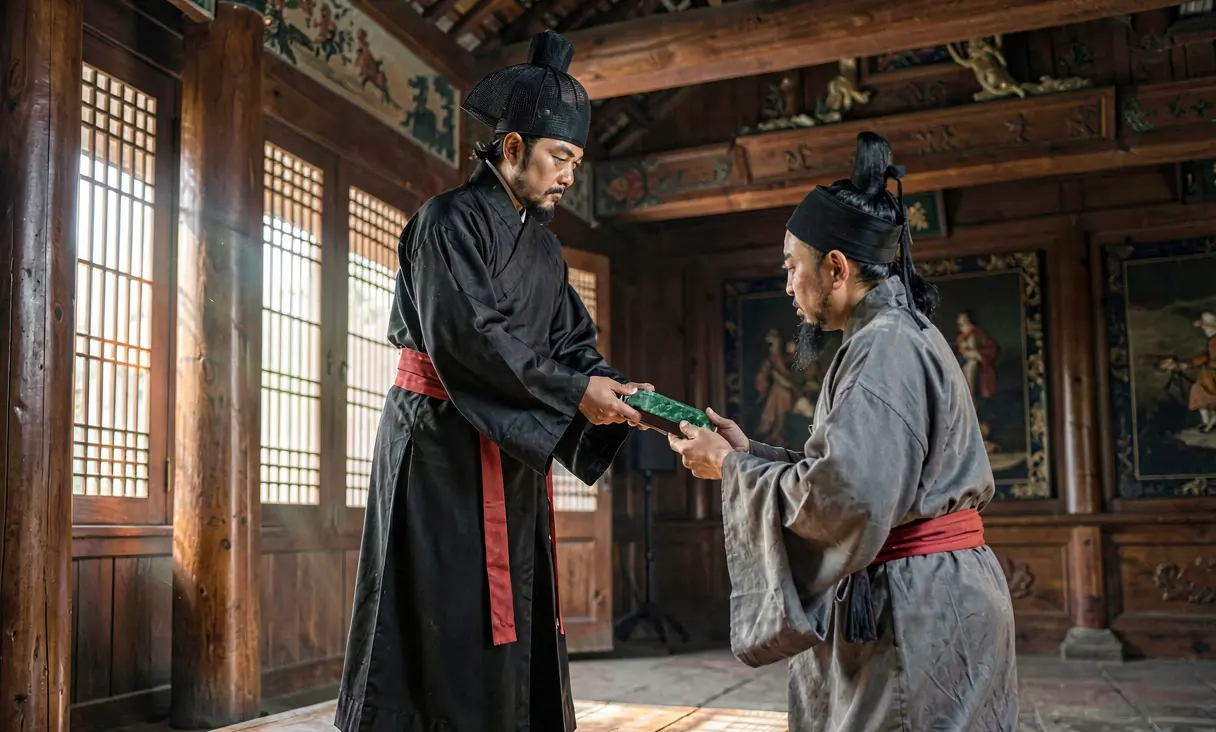 PoliticsReign of Emperor Taizong and the Zhenguan Era626 CE · Chang'an, ChinaLi Shimin ascends the throne after the Xuanwu Gate Incident, ushering in a golden age of governance.
 PoliticsRise of the Sixteen Mahajanapadasc. 600 BCE · Gangetic Plain (modern Uttar Pradesh/India)Sixteen great kingdoms and republics emerge across the Gangetic plain, marking the transition from tribal chiefdoms to state-level societies.
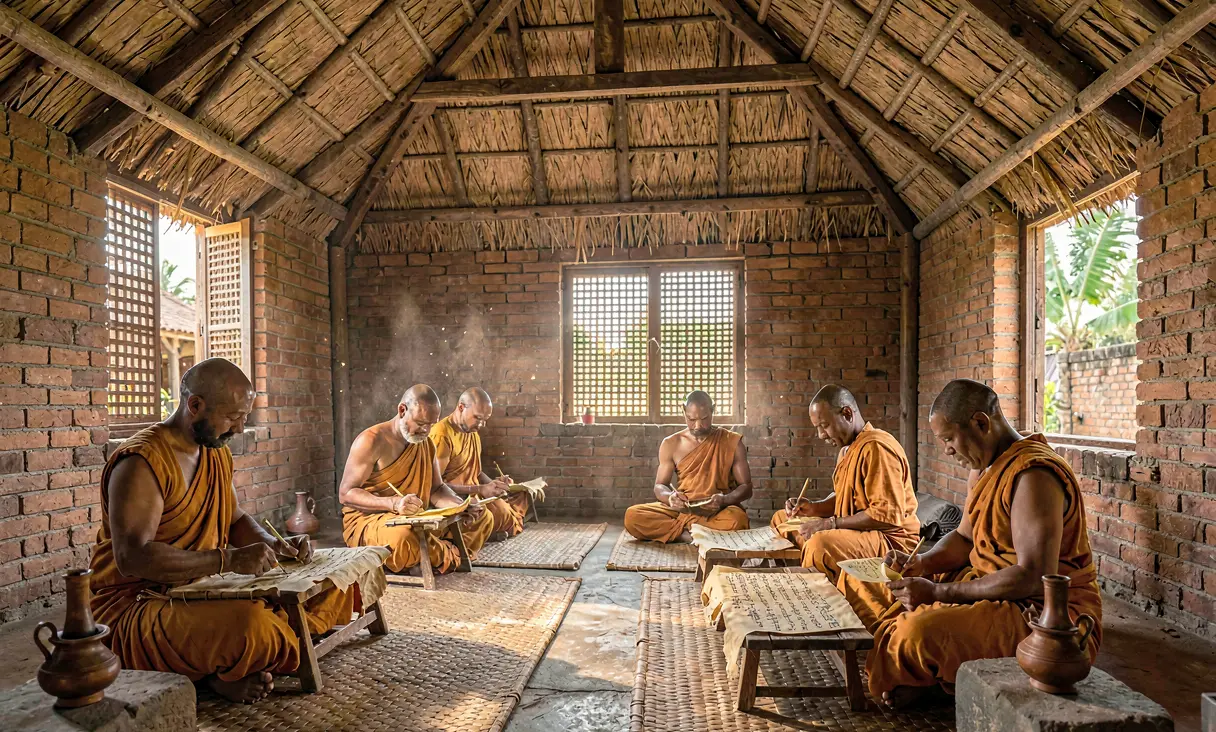 ReligionFourth Buddhist Council in Sri Lanka29 BCE · Anuradhapura (Sri Lanka)Theravada canon is committed to writing for the first time.
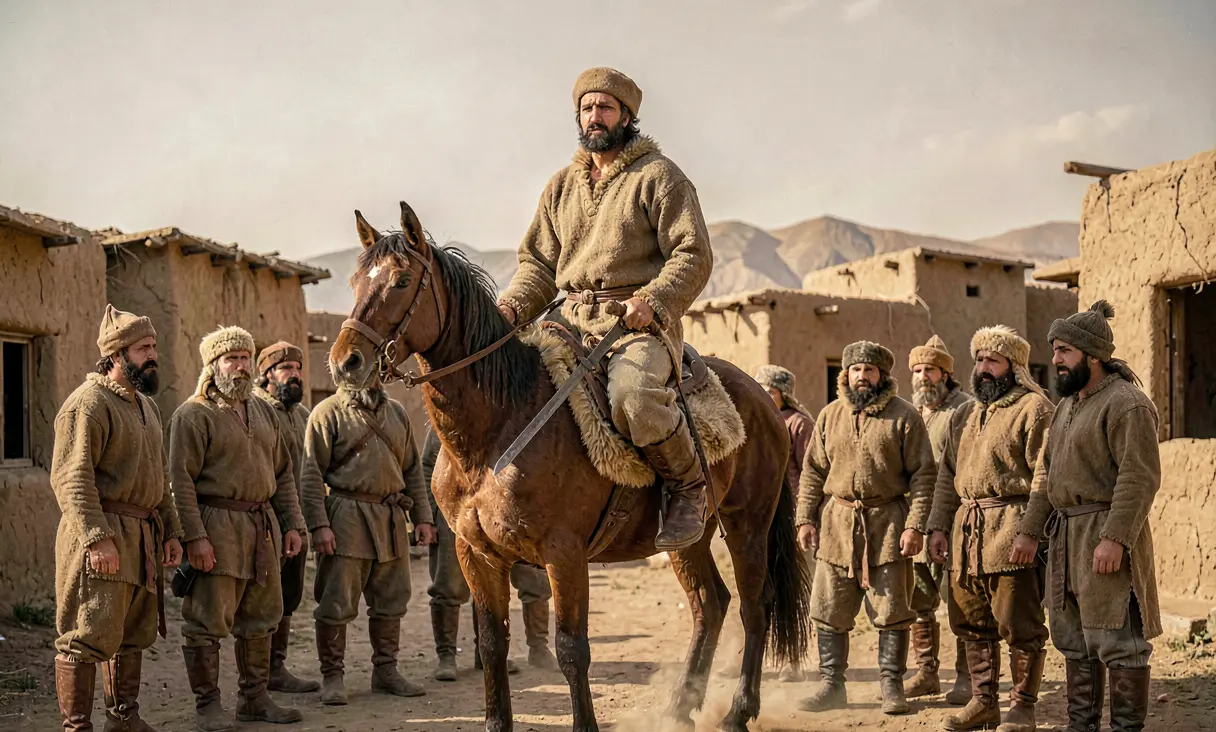 PoliticsKujula Kadphises Unifies the Kushansc. 30 BCE · Kabul Valley, AfghanistanKujula Kadphises unites the Yuezhi tribes to form the Kushan Empire, conquering the Indo-Greek territories and establishing control over Central Asia.
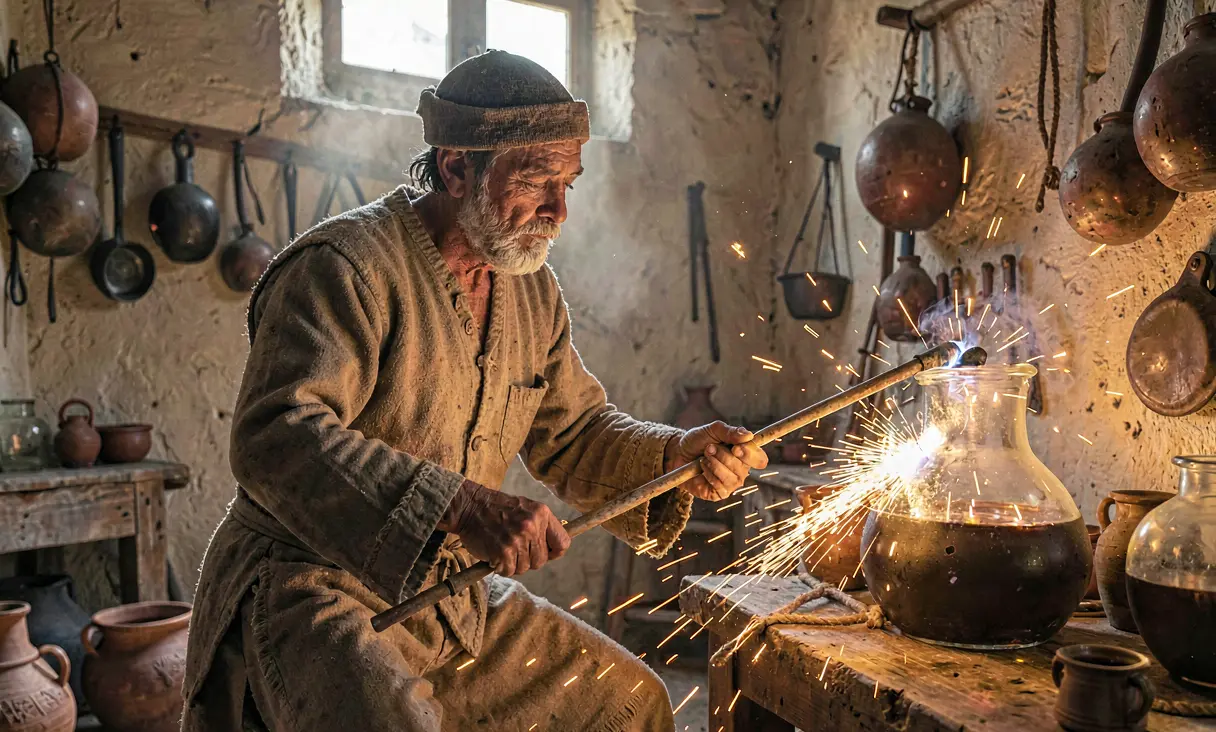 TechnologyInvention of Glassblowing in the Roman Levantc. 1 BCE · Sidon, LebanonSyrian craftsmen invent glassblowing, revolutionizing the production of glass vessels.
Discussion
Loading…