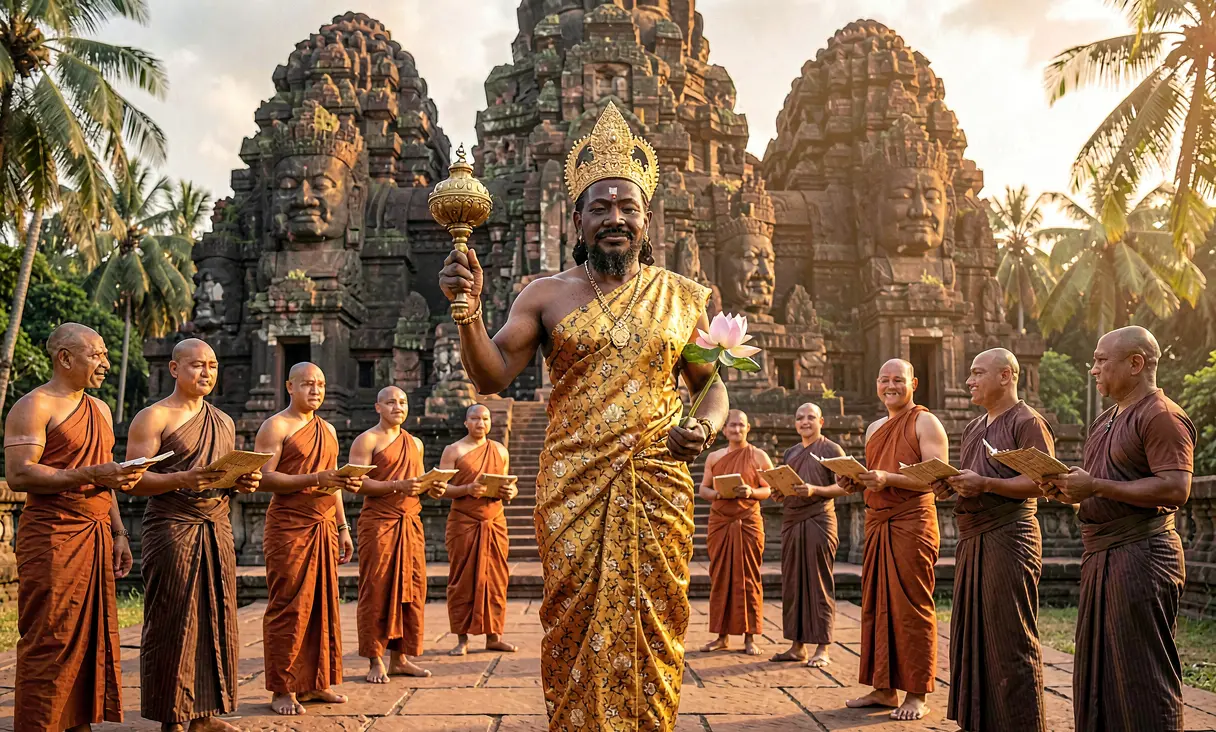
Jayavarman VII Adopts Mahayana Buddhism
King Jayavarman VII transformed the Khmer Empire by adopting Mahayana Buddhism, replacing warlike Hinduism with a compassionate welfare state centered on Angkor Thom and the Bayon.
A Kingdom in Ruin and the Rise of a New Faith
By the late 12th century, the Khmer Empire stood on the precipice of collapse. Following a devastating invasion by the Cham forces from Champa (modern-day central Vietnam) around 1177 CE, which sacked the capital city of Yasodharapura and destroyed much of its infrastructure, the empire was left leaderless and spiritually adrift. The previous Hindu orthodoxy, centered on the cult of the Devaraja or 'God-King,' appeared unable to protect the realm from such humiliation. Into this vacuum stepped Jayavarman VII, a prince who had spent years in exile and military campaigning. Upon his ascension around 1181 CE, he did not merely restore the old order; he fundamentally reimagined the spiritual and political foundations of the state by embracing Mahayana Buddhism, a shift that would redefine Southeast Asian history.
The Theological Shift: From Devaraja to Bodhisattva
Jayavarman VII's conversion was not a private spiritual awakening but a radical public policy. While his predecessors, such as Suryavarman II who built Angkor Wat, had identified themselves with the Hindu god Vishnu or Shiva, Jayavarman VII adopted the persona of the Bodhisattva Avalokiteshvara, the embodiment of compassion. This theological pivot moved the center of gravity from a king who demanded worship as a deity to a ruler who served his people through selfless action. Inscriptions from this era, such as those found at the Neak Pean temple, explicitly state that the king's suffering was tied to the suffering of his subjects: 'The happiness of the king is in the welfare of his people; if they suffer, he suffers.' This doctrine of compassionate governance marked a distinct departure from the martial, expansionist Hindu ethos that had characterized earlier Khmer dynasties.
Construction as Devotion: Angkor Thom and the Bayon
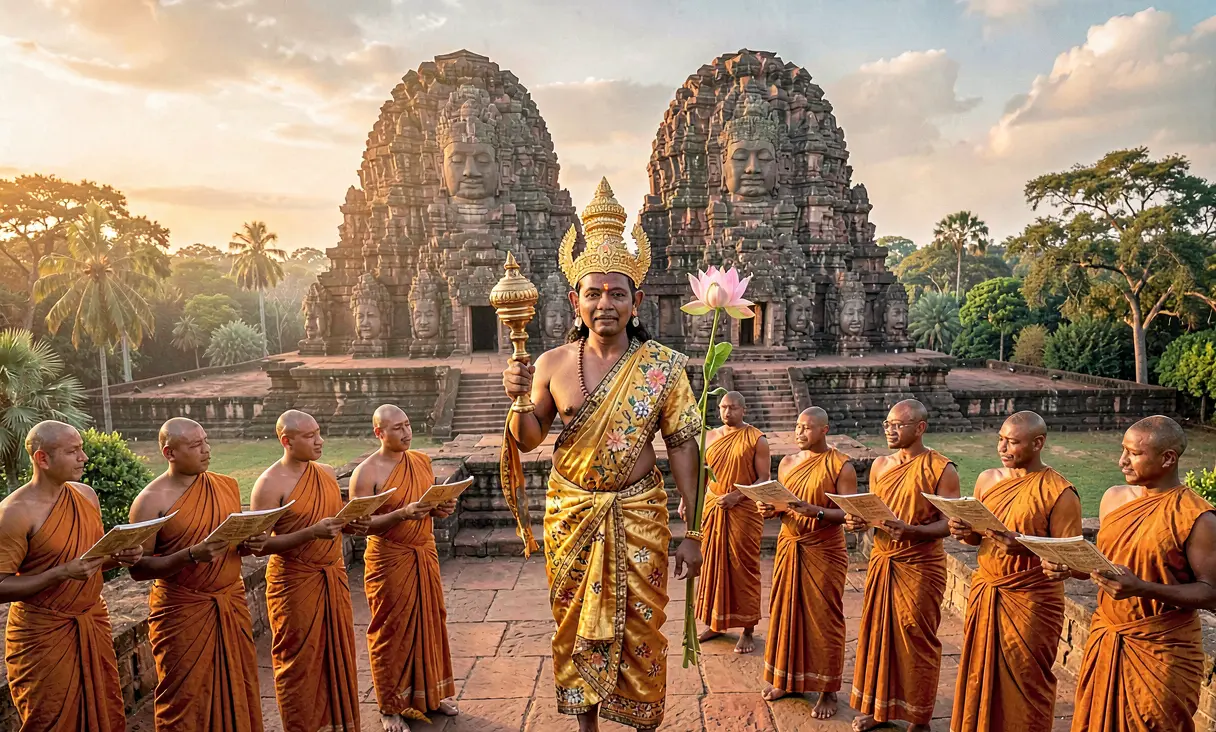
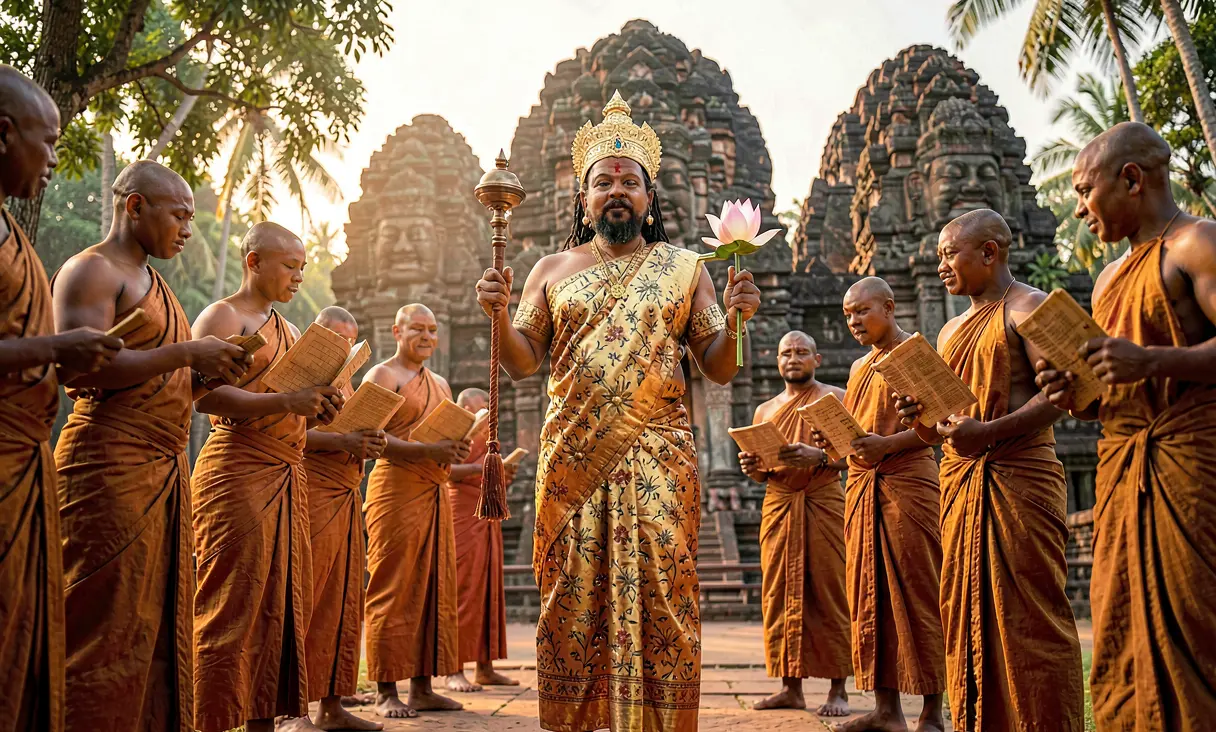
The physical manifestation of this religious revolution was the construction of Angkor Thom, a new walled capital city covering nearly one square kilometer, with the Bayon temple serving as its spiritual heart. Unlike the towering spires of Hindu temples designed to represent Mount Meru, the Bayon is unique in its architecture, featuring 216 massive stone faces that gaze serenely from 54 towers. These faces are widely interpreted by historians and archaeologists as a synthesis of the king's own visage and the compassionate countenance of Avalokiteshvara, symbolizing the omnipresent watchfulness of a benevolent ruler over his empire. The construction utilized millions of tons of sandstone and laterite, employing advanced hydraulic engineering to manage water flow, yet the aesthetic focus shifted from grandeur for the gods to accessibility and human connection.
The Welfare State: Hospitals, Rest Houses, and Libraries
Jayavarman VII's reign is perhaps most distinguished by his unprecedented investment in social welfare, a direct application of Mahayana Buddhist principles. He commissioned the construction of 102 hospitals (Arogyasala) across the empire, equipped with medical staff and supplies, a concept virtually unknown in the medieval world outside of specific monastic traditions. Furthermore, he built 121 rest houses along major roads to aid travelers and pilgrims, ensuring safety and comfort for all classes of society. Inscriptions detail the distribution of rice, oil, and medicine to the sick, reflecting a state apparatus dedicated to the alleviation of suffering. This infrastructure was not merely utilitarian but served as a tangible expression of the king's vow to save all sentient beings from the cycle of samsara.
The Fragility of the Buddhist Empire
Despite the initial stability and prosperity brought by Jayavarman VII's reforms, the religious shift contained seeds of future instability. The massive expenditure required to sustain the welfare state and build the monumental cities strained the empire's economic resources and labor force. Moreover, the move away from the Devaraja cult weakened the traditional military aristocracy and the Brahminical priesthood that had long underpinned the Khmer war machine. Following Jayavarman VII's death in 1218 CE, his successors struggled to maintain the Buddhist orthodoxy. By the mid-13th century, a resurgence of Theravada Buddhism, which emphasized individual enlightenment over state-sponsored welfare, and a return to Hindu practices began to erode the central authority, contributing to the eventual decline of the Angkorian hegemony.
A Legacy of Compassion in Stone
The legacy of Jayavarman VII endures as one of the most remarkable examples of a ruler attempting to align statecraft with ethical philosophy. His reign transformed Cambodia from a militaristic expansionist power into a society deeply concerned with social welfare and human dignity, leaving behind architectural marvels that continue to captivate the world today. The smiling faces of the Bayon remain an enduring symbol of this unique moment in history where political power was explicitly framed through the lens of compassion. While the empire eventually fragmented, the inscriptions and structures from his reign provide a rare historical record of a medieval state prioritizing the well-being of its common citizens over divine glorification.
Jayavarman VII's conversion transformed Khmer ideology from divine kingship to compassionate rule, leaving an indelible mark on Southeast Asian Buddhist art and society.
Where it happened
Angkor Thom, Cambodia — see it on the interactive map →
Explore related history
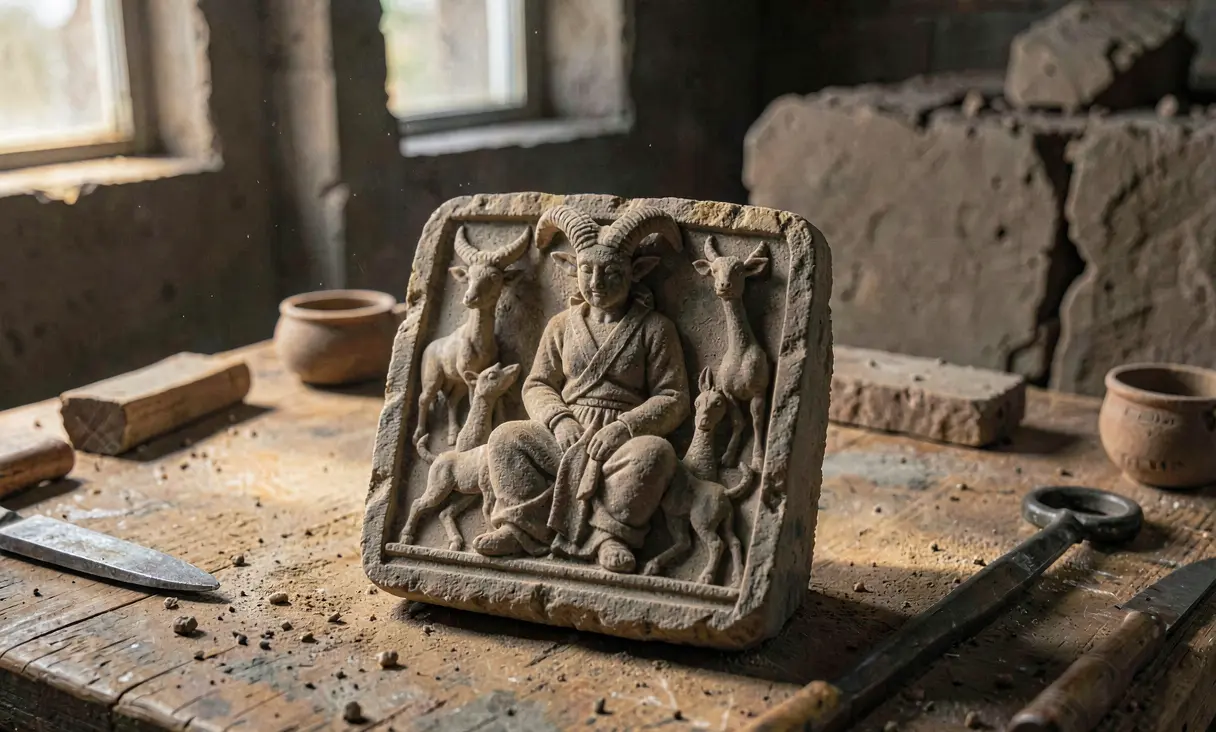 ReligionDiscovery of the Pashupati Sealc. 2500 BCE · Mohenjo-daro, Indus Valley (modern Pakistan)The Pashupati seal is carved, depicting a seated figure surrounded by animals, likely an early prototype of the Hindu god Shiva.
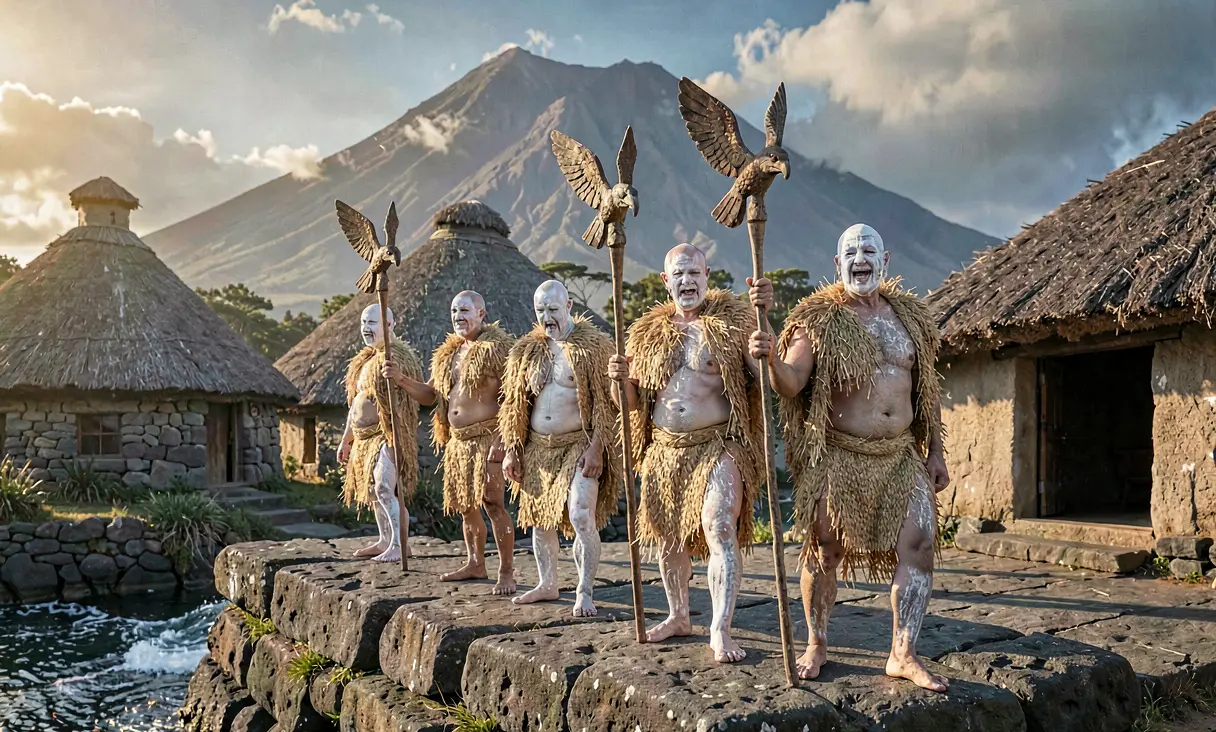 ReligionRise of the Birdman Cult on Rapa Nuic. 1600 CE · Orongo, Rapa NuiThe Birdman cult replaces moai worship as the central religious and political institution on Rapa Nui.
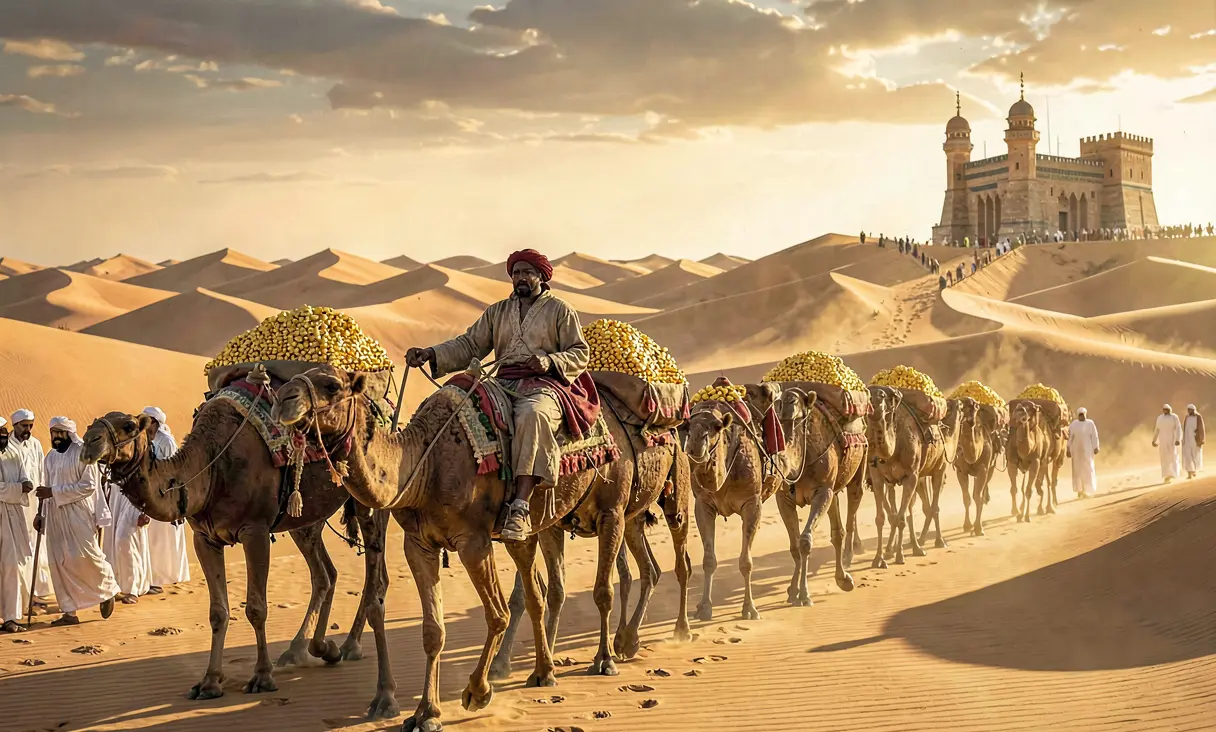 ReligionAskia Muhammad's Pilgrimage to Meccac. 1497 CE · Mecca (via Gao)Askia Muhammad undertakes a lavish pilgrimage to Mecca, strengthening ties with the Islamic world.
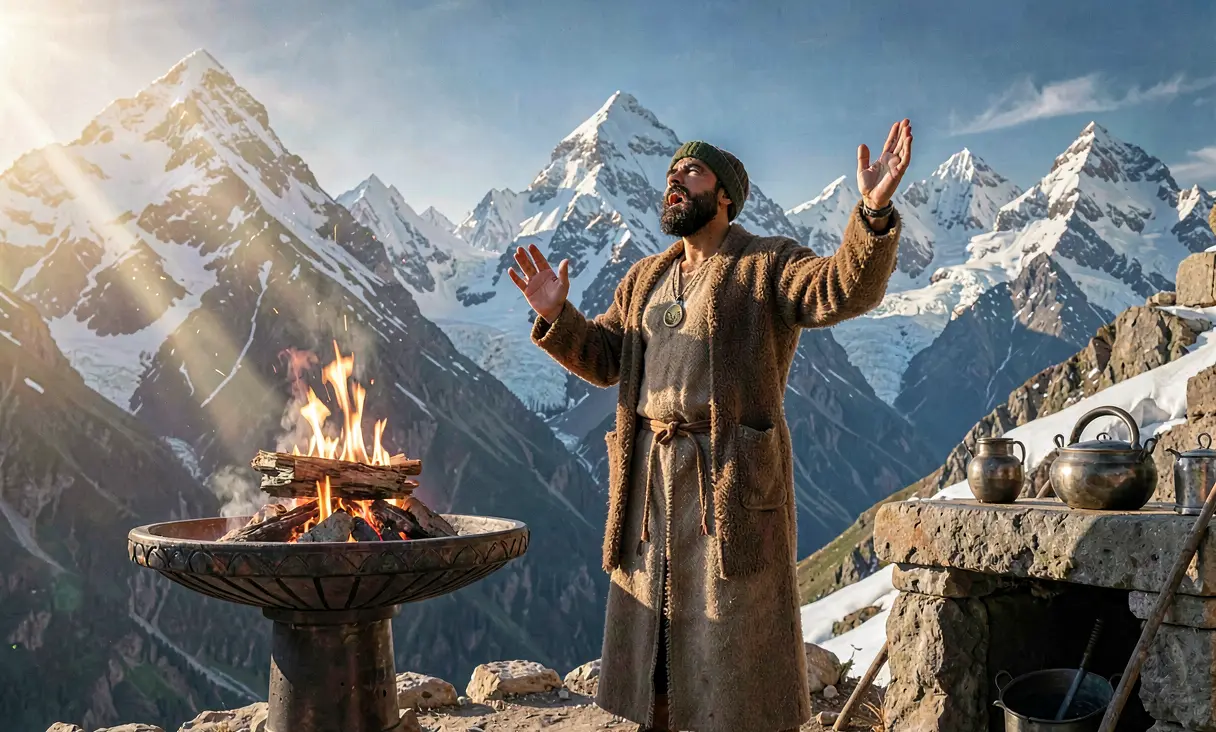 ReligionZoroaster Preaches Dualistic Monotheismc. 1200 BCE · Greater Khorasan, Iran/Afghanistan border regionThe prophet Zoroaster establishes a dualistic faith emphasizing the cosmic struggle between good and evil in ancient Persia.
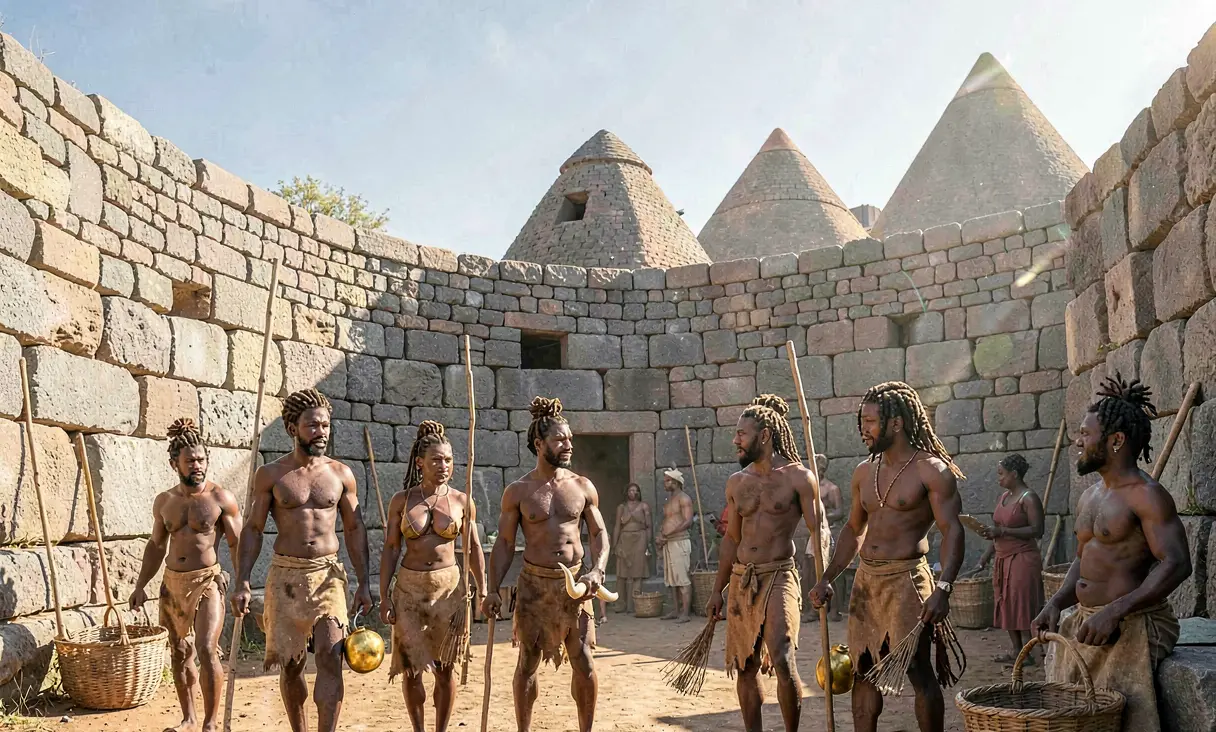 CivilizationConstruction and Peak of Great Zimbabwec. 1200 CE · Great Zimbabwe, ZimbabweThe Great Zimbabwe complex reaches its zenith as a major trading hub connecting the interior to the Swahili coast.
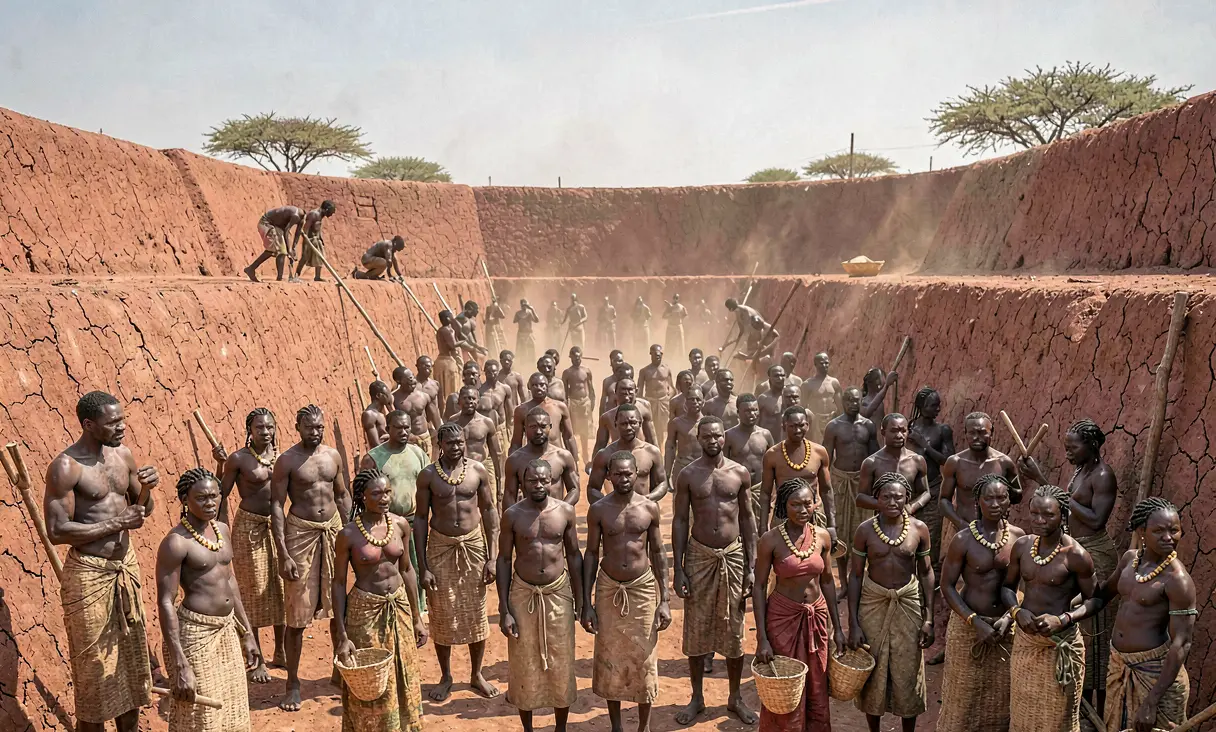 TechnologyConstruction of the Benin Walls Beginsc. 1200 CE · Benin City, NigeriaMassive earthwork fortifications begin to encircle Benin City, creating one of the world's largest pre-modern structures.
Discussion
Loading…