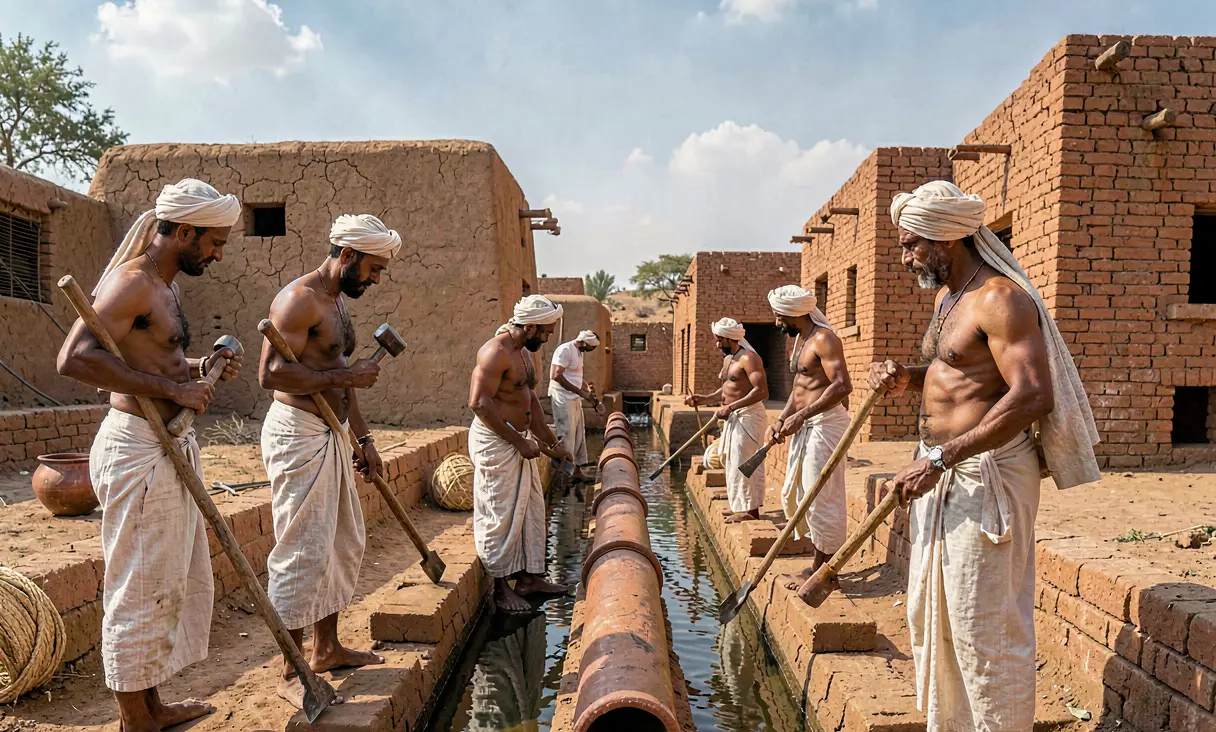
Advanced Irrigation Systems of the Indus Valley Civilization
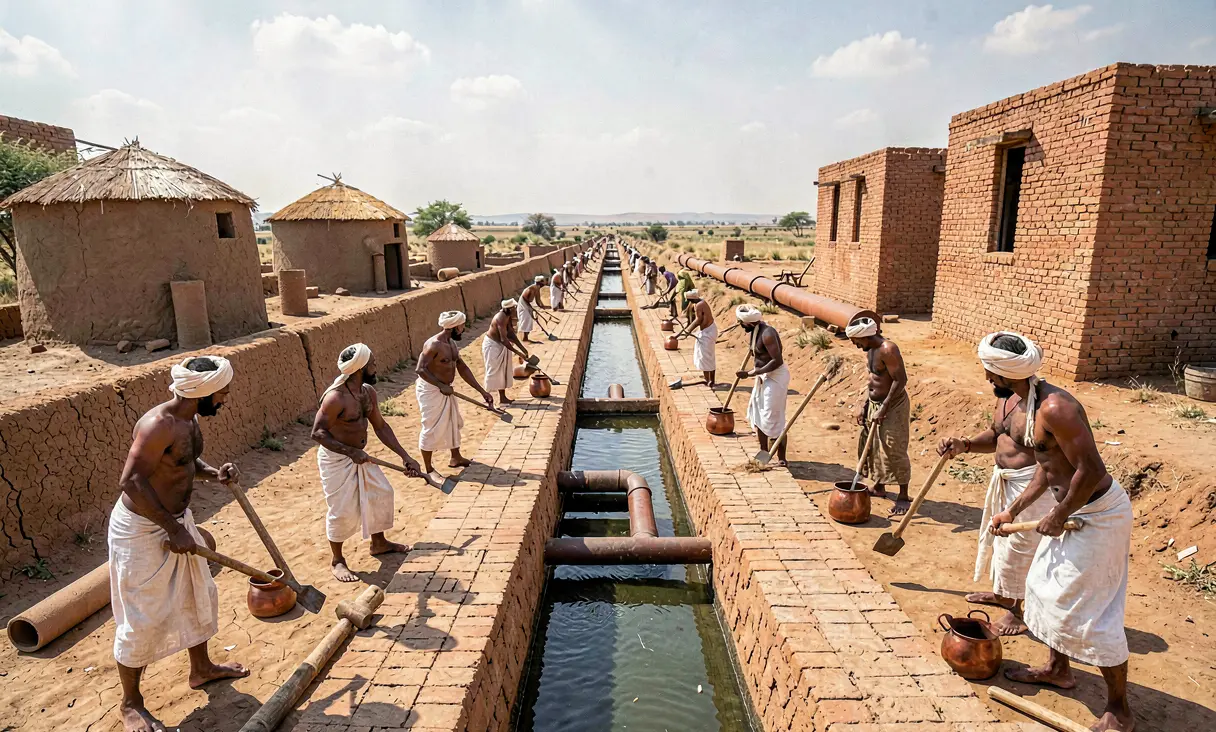
The Indus Valley Civilization engineered unprecedented hydraulic systems around 2600 BCE, utilizing standardized brickwork and sophisticated drainage to sustain dense urban populations through precise
Hydrological Challenges of the Alluvial Plain
The Indus Valley Civilization, flourishing during its Mature Harappan phase from approximately 2600 to 1900 BCE, occupied a precarious ecological niche defined by the volatile behavior of the Indus River and its tributaries. Unlike the predictable flooding cycles of the Nile or the Tigris-Euphrates, the Indus experienced erratic, high-velocity monsoon floods capable of devastating settlements, followed by periods of severe drought. The region's arid climate, with annual rainfall often insufficient for rain-fed agriculture, necessitated a radical departure from traditional farming methods. City planners in Harappa and Mohenjo-daro faced the dual imperative of mitigating catastrophic inundation while securing a reliable water supply for dense urban populations estimated between 30,000 and 60,000 inhabitants per city.
Engineering the Great Bath and Reservoirs
Archaeological excavations at Mohenjo-daro have revealed the sophistication of Harappan hydraulic engineering, most notably in the construction of the Great Bath. This massive structure, measuring 12 meters by 7 meters with a depth of 2.4 meters, was built using precisely fired bricks laid in a bituminous waterproofing layer, demonstrating an advanced understanding of fluid dynamics and material science. Beyond ceremonial or ritualistic functions, such reservoirs likely served as critical storage facilities for water management during dry seasons. Similar large-scale brick-lined tanks have been identified at Dholavira in Gujarat, where a system of ten distinct reservoirs captured and stored runoff from seasonal streams, showcasing a regional mastery of water conservation that predated many contemporary civilizations.
The Urban Drainage Network
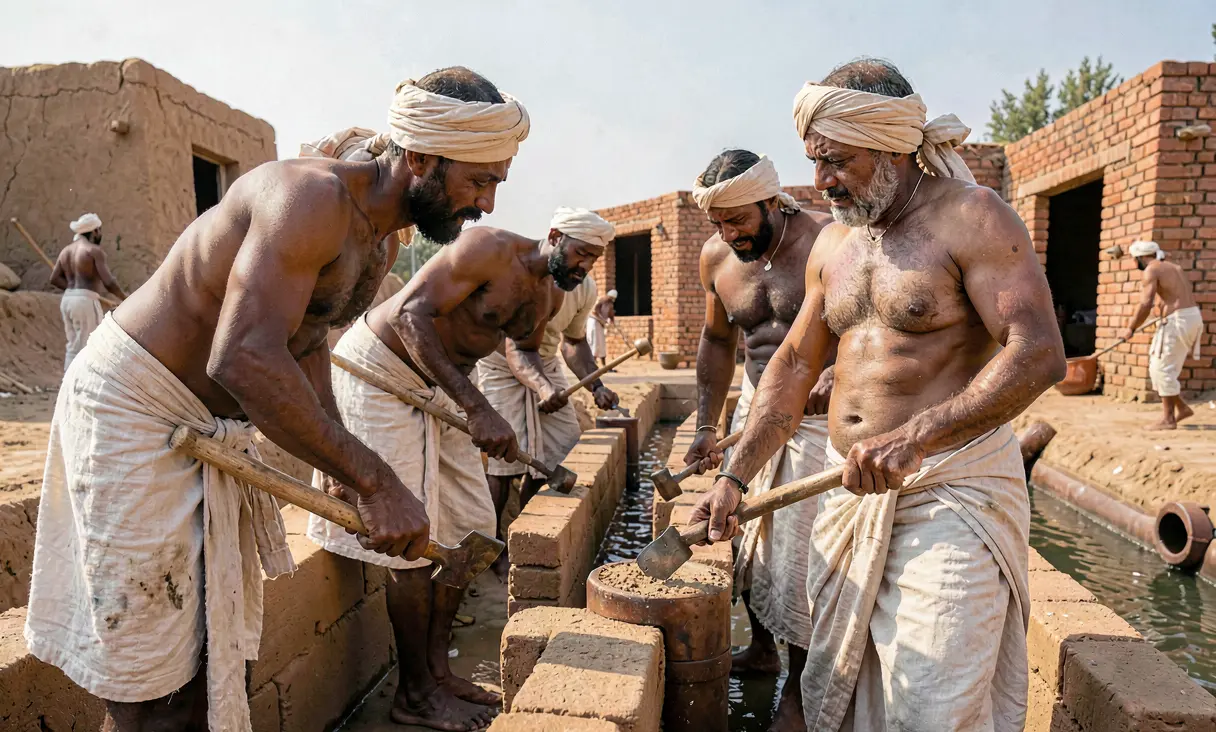
Perhaps the most striking testament to Harappan hydraulic prowess is their city-wide drainage system. In Mohenjo-daro and Harappa, nearly every house was connected to a covered underground sewer network constructed with corbelled brick arches that allowed for maintenance access via manholes. These drains were designed with precise gradients to ensure self-cleaning flow velocities, preventing stagnation and the spread of waterborne diseases in high-density housing blocks. The standardization of brick dimensions across hundreds of kilometers—typically following a 1:2:4 ratio—and the uniformity of drain construction suggest a centralized authority capable of enforcing rigorous engineering standards, reflecting a state-level commitment to public health and urban sanitation.
Agricultural Diversion and Canal Systems
While direct evidence of large-scale irrigation canals is often obscured by river siltation and subsequent geological shifts, indirect archaeological data strongly implies an extensive network of diversion channels. Excavations at sites like Shortugai in Afghanistan and Kalibangan in Rajasthan reveal field systems with aligned furrows that suggest the controlled distribution of water from river channels to agricultural plots. The cultivation of wheat, barley, and cotton in such a semi-arid environment would have been impossible without the ability to divert floodwaters into storage basins or direct them onto fields during the dry season. This hydraulic agriculture supported the surplus grain production necessary to sustain non-agricultural specialists, artisans, and the urban bureaucracy.
State Capacity and Resource Standardization
The execution of these complex water systems required a level of social organization rarely seen in the third millennium BCE. The uniformity of weights, measures, and brick sizes found from Baluchistan to Gujarat indicates a highly integrated economic and administrative network capable of mobilizing vast labor forces for public works. Unlike the monumental architecture of Egypt or Mesopotamia, which often served distinct royal or religious elites, Harappan hydraulic projects appear to have been civic in nature, prioritizing the functional needs of the entire urban populace. This suggests a governance model that may have relied on collective planning and resource management rather than autocratic divine kingship.
Legacy and Historical Significance
The collapse of the Indus Valley Civilization around 1900 BCE, likely driven by climatic shifts such as the weakening of the monsoon and tectonic activity altering river courses, marked the end of this specific hydraulic tradition. However, the technological legacy of Harappan water management persisted in the region's collective memory and influenced subsequent South Asian urban planning. The sophistication of their drainage and storage systems remains unmatched in the ancient world for its scale and uniformity, standing as a testament to early human ingenuity in adapting to environmental constraints. Today, these ruins serve as a critical case study in sustainable urban design and the fragility of civilizations dependent on complex resource management systems.
These hydraulic innovations enabled the sustenance of one of the world's first major urban civilizations in a challenging semi-arid climate.
Where it happened
Harappa, Pakistan — see it on the interactive map →
Explore related history
 TechnologyIndustrialization of Sericulture in Ancient Chinac. 2600 BCE · Shaanxi Province, ChinaChinese artisans perfect the reeling and spinning of silk from silkworm cocoons.
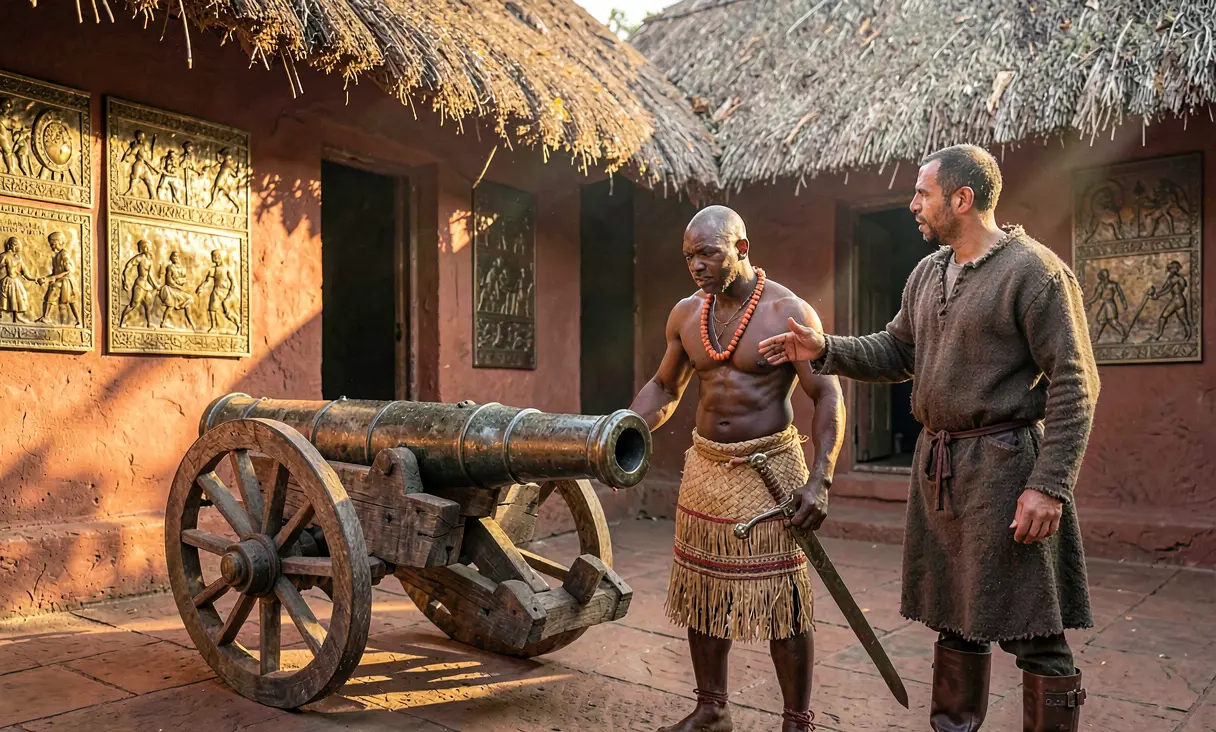 TechnologyBenin Acquires Cannon Technology from Portugalc. 1500 CE · Benin City, NigeriaThe Kingdom of Benin integrates Portuguese cannon technology into its military arsenals.
 TechnologyCompletion of the Qhapaq Ñan Road Networkc. 1500 CE · Andes Mountains (Various), Peru/ChileThe Inca finalize the vast road system connecting their empire.
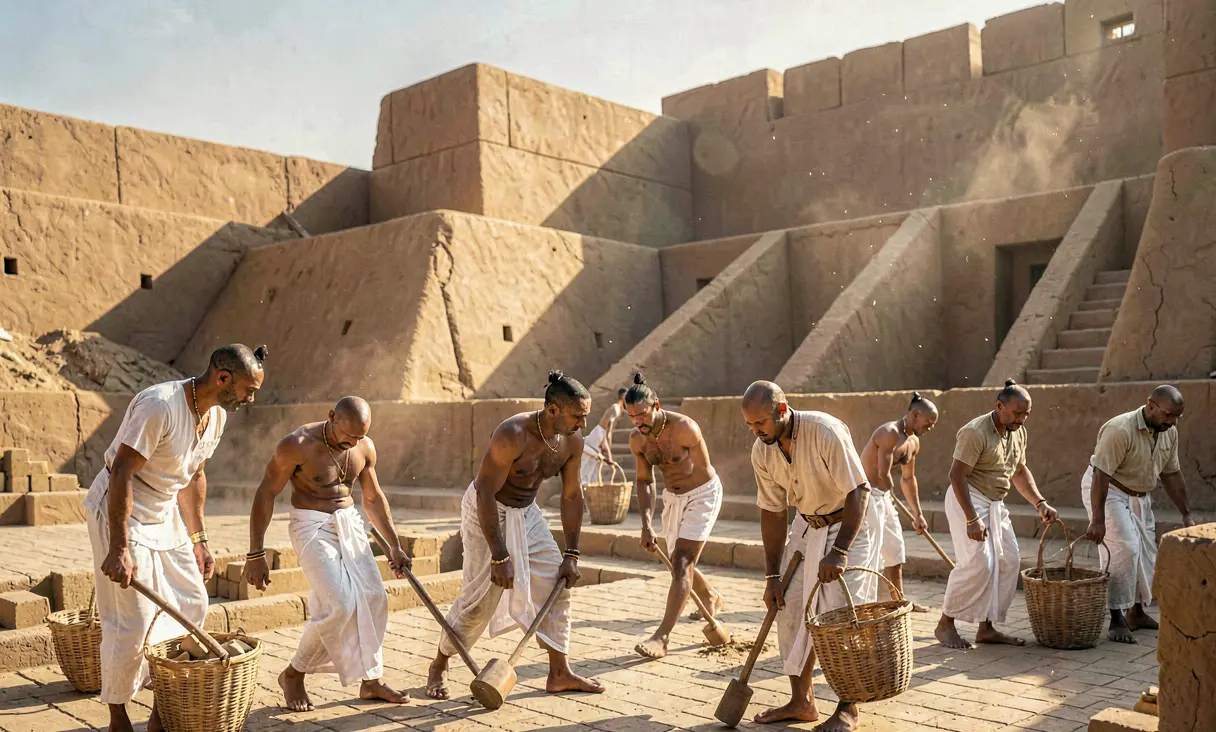 CivilizationUrban Planning of Mohenjo-daroc. 2600 BCE · Mohenjo-daro, PakistanThe Indus Valley Civilization constructs Mohenjo-daro with advanced grid systems and the world's first known urban sanitation.
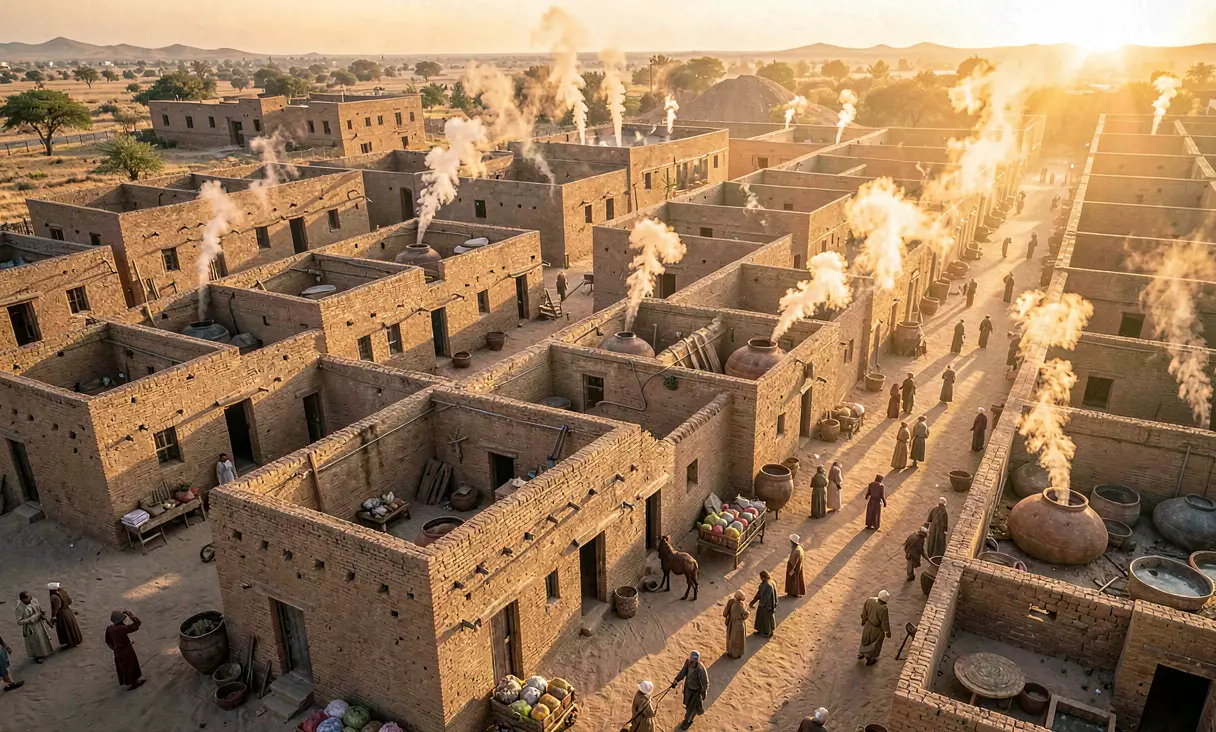 CivilizationUrbanization of Harappa and Mohenjo-daroc. 2600 BCE · Harappa and Mohenjo-daro, Indus Valley (modern Pakistan)The mature Harappan phase begins, establishing the first large-scale urban centers in South Asia with advanced grid planning.
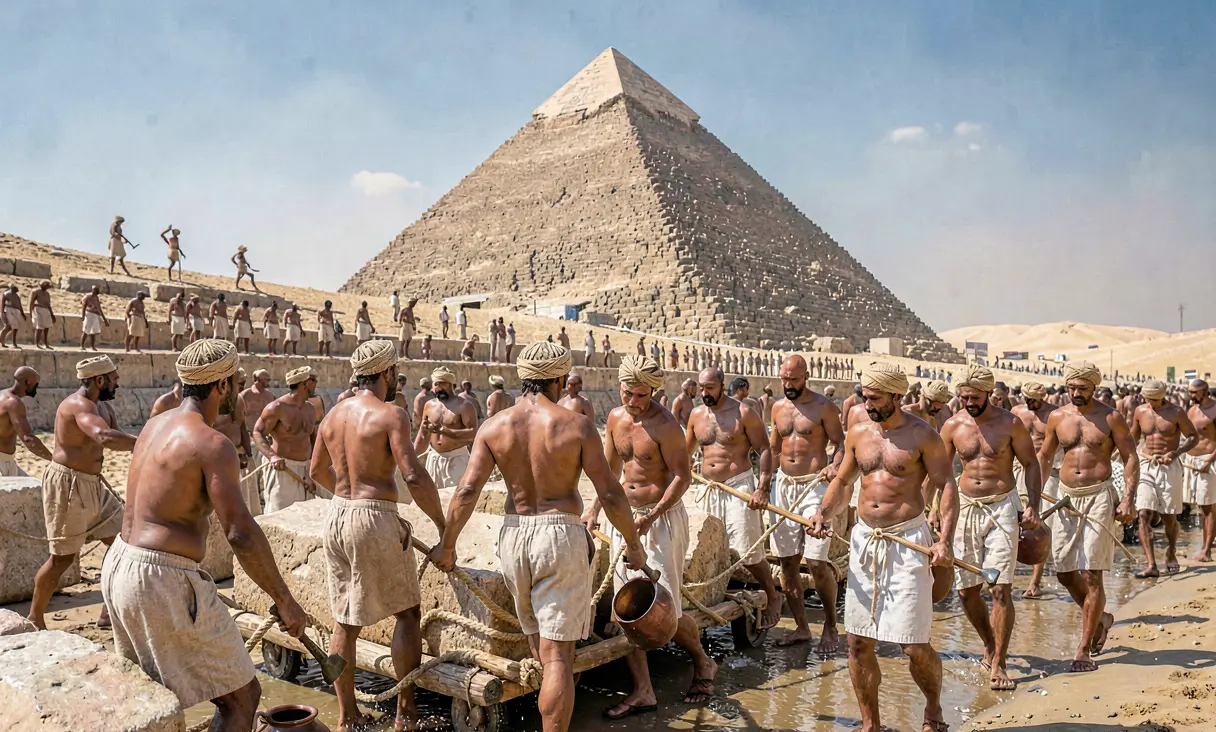 CivilizationGreat Pyramid of Giza Builtc. 2560 BCE · Giza, EgyptPharaoh Khufu commissions the largest ancient monument using millions of limestone blocks and advanced engineering.
Discussion
Loading…