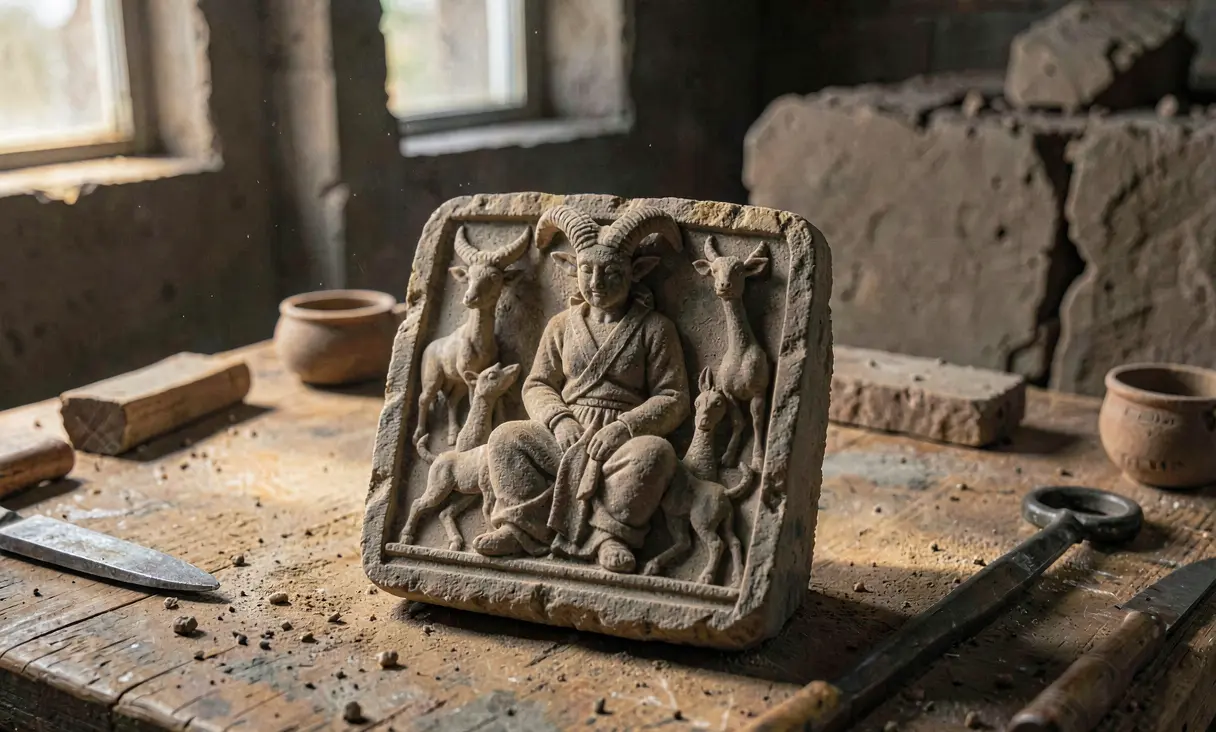
Discovery of the Pashupati Seal
Discovered in 1928 at Mohenjo-daro, this steatite seal depicts a horned deity surrounded by wild animals, providing the earliest archaeological evidence for yoga and a potential precursor to the Hindu
Context of the Indus Civilization
By the mid-third millennium BCE, the Mature Harappan phase of the Indus Valley Civilization had established a sophisticated urban network spanning over a million square kilometers across modern-day Pakistan and northwest India. Cities like Mohenjo-daro and Harappa featured standardized brickwork, complex drainage systems, and extensive trade networks reaching Mesopotamia. Yet, despite their technological prowess, the civilization left no deciphered written records to explain their spiritual life. The religious landscape was inferred primarily through material culture, including thousands of steatite seals, terracotta figurines, and ritual baths like the Great Bath at Mohenjo-daro, which hinted at a society deeply concerned with purification and symbolic order.
The Excavation of Seal No. 420
In 1928-1929, during the third season of excavations led by Sir John Marshall at Mohenjo-daro, archaeologists unearthed a small, square steatite seal in the 'Dolmen Cemetery' area, catalogued as Seal No. 420 (M-420). Unlike many seals depicting animals or abstract scripts, this artifact presented a unique iconographic composition. The seal measures approximately 3.5 centimeters on each side and features a central figure seated in a cross-legged posture with hands resting on the knees, flanked by four distinct wild animals: an elephant and tiger to the right, a rhinoceros and buffalo to the left, and two antelope-like deer beneath the seat. The figure is horned, ithyphallic, and wears a three-headed headdress, radiating an aura of divine authority over the natural world.
Marshall's Interpretation and Controversy
Sir John Marshall, the Director-General of the Archaeological Survey of India, immediately recognized the figure's resemblance to later Hindu iconography. In his seminal 1931 report, he identified the deity as a prototype of Shiva, specifically invoking the title 'Pashupati' (Lord of Animals) found in the Rigveda. Marshall argued that the yogic posture indicated an early form of meditation and asceticism predating the Vedic period by over a millennium. However, this identification has sparked enduring scholarly debate. Critics such as Doris Meth Srinivasan have suggested the figure may represent a proto-Shiva or a generic 'Lord of Beasts' rather than the specific anthropomorphic deity known from later texts, noting that the iconography could also reflect a shamanistic tradition or a fertility god distinct from the Vedic pantheon.
Symbolism and Ritual Implications
The imagery on Seal No. 420 offers profound insights into Indus cosmology. The horned headdress suggests a connection to the divine or the animalistic, while the surrounding beasts imply dominion over nature rather than mere coexistence. The presence of the tiger and rhinoceros, animals not typically domesticated in the region, underscores a symbolic mastery over the wild. Furthermore, the seated posture, often identified as *mulabandhasana* or a variation thereof, provides the earliest archaeological evidence for yoga-like practices in South Asia. This suggests that the spiritual disciplines central to later Hinduism and Buddhism may have roots stretching back to the Bronze Age urban centers of the Indus.
Continuity and Discontinuity
The fate of the Pashupati Seal's cultural lineage remains a subject of intense historical inquiry. As the Mature Harappan phase declined around 1900 BCE due to climatic shifts and river course changes, urban centers were abandoned, yet elements of their culture appear to have survived in rural traditions. While there is no direct textual continuity between the undeciphered Indus script and Sanskrit, the persistence of animal worship, the reverence for bulls, and the concept of a meditative deity suggest a syncretic evolution. The seal serves as a tangible bridge, linking the pre-Vedic animistic world with the structured theology of the post-Indus era, even if the exact mechanisms of this transmission remain obscured by time.
Legacy in Modern Scholarship
Today, the Pashupati Seal remains one of the most reproduced and analyzed artifacts from South Asian antiquity. It is a cornerstone of debates regarding the origins of Hinduism, challenging the notion that Vedic culture was entirely imported from Central Asia by suggesting an indigenous substratum. The artifact continues to inform archaeological interpretations of ritual spaces at sites like Dholavira and Lothal. Its enduring image reinforces the complexity of the Indus Valley Civilization, demonstrating that their spiritual life was as nuanced and symbolic as their urban planning, leaving a legacy that fundamentally shapes our understanding of the region's religious history.
It offers the earliest visual evidence of proto-Hindu iconography, bridging the gap between the Indus Valley Civilization and later Vedic religion.
Where it happened
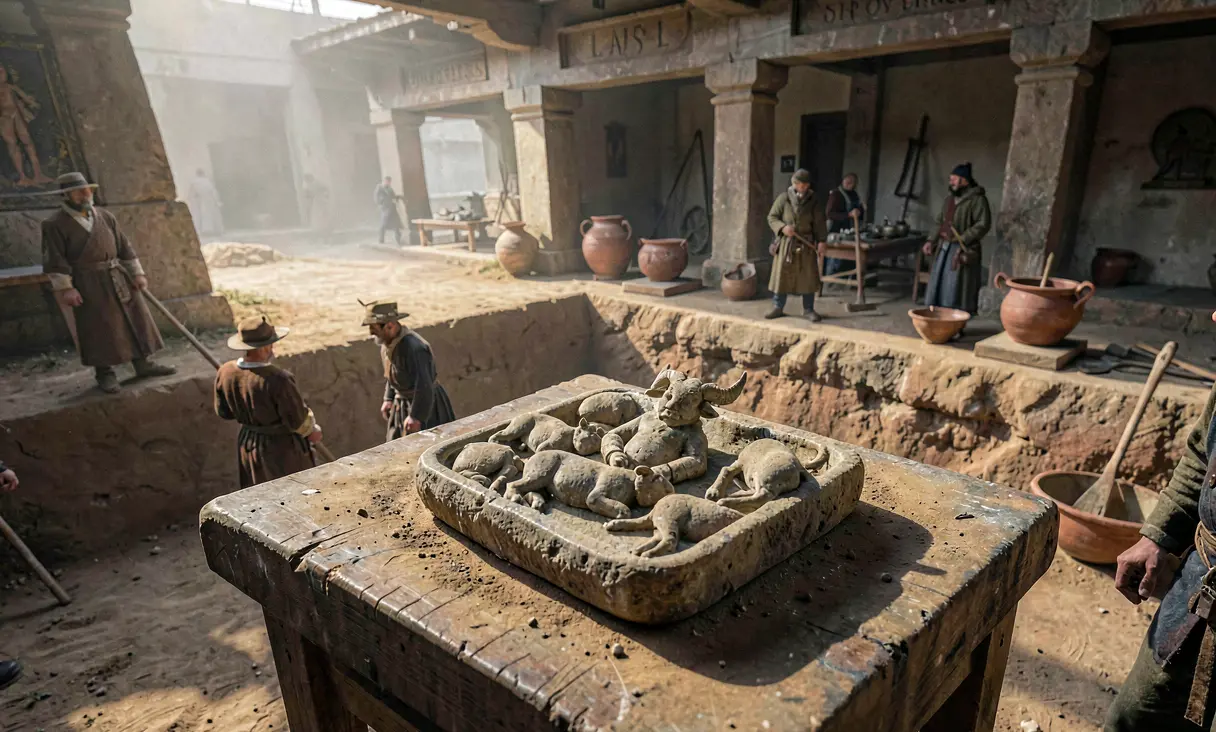
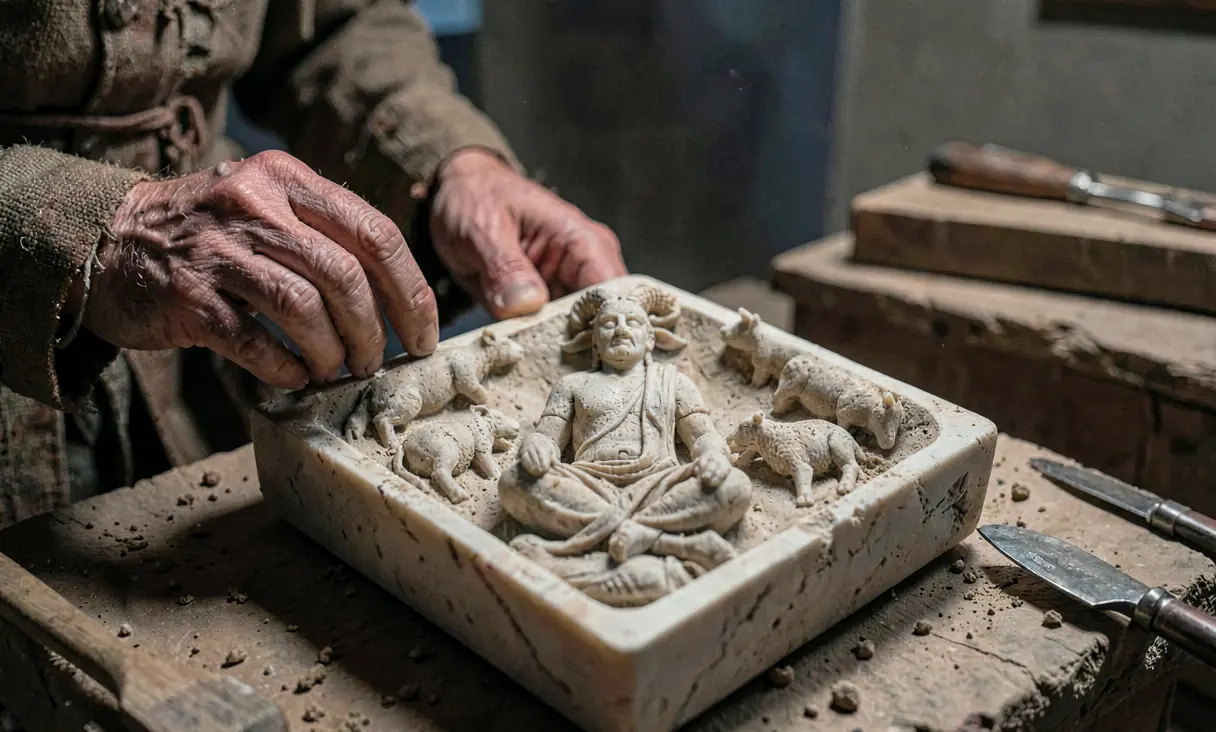
Mohenjo-daro, Indus Valley (modern Pakistan) — see it on the interactive map →
Explore related history
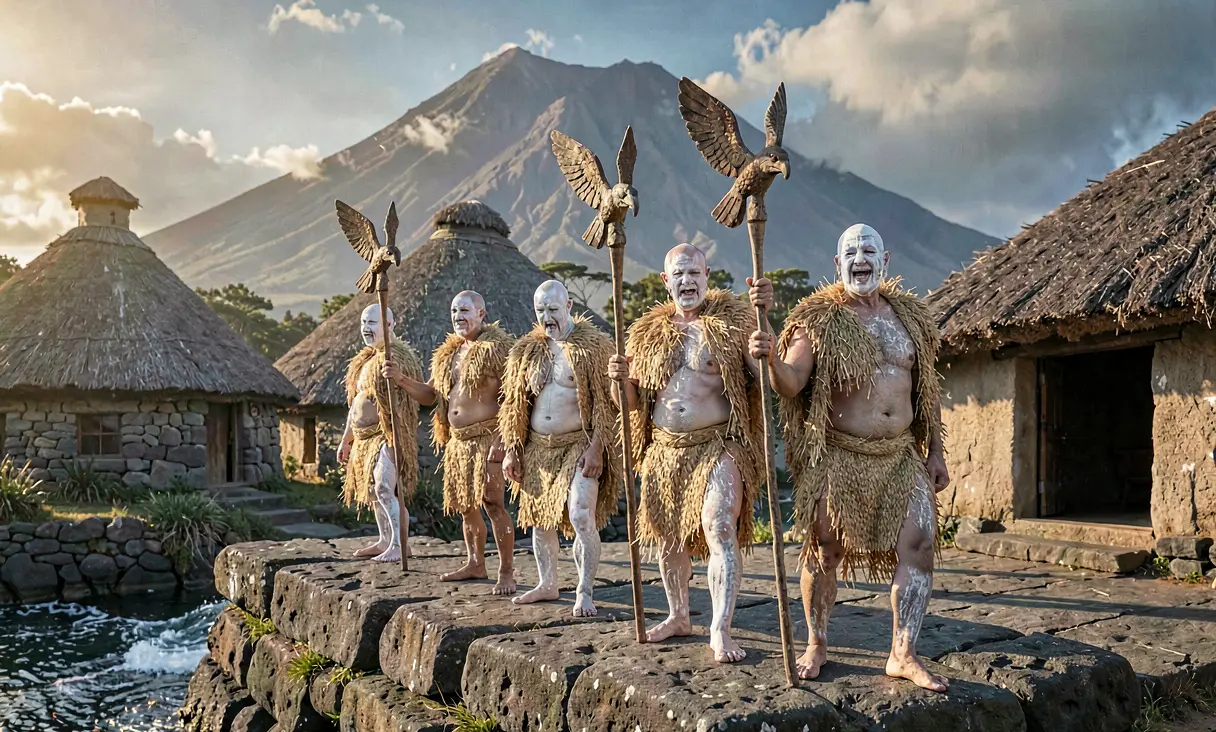 ReligionRise of the Birdman Cult on Rapa Nuic. 1600 CE · Orongo, Rapa NuiThe Birdman cult replaces moai worship as the central religious and political institution on Rapa Nui.
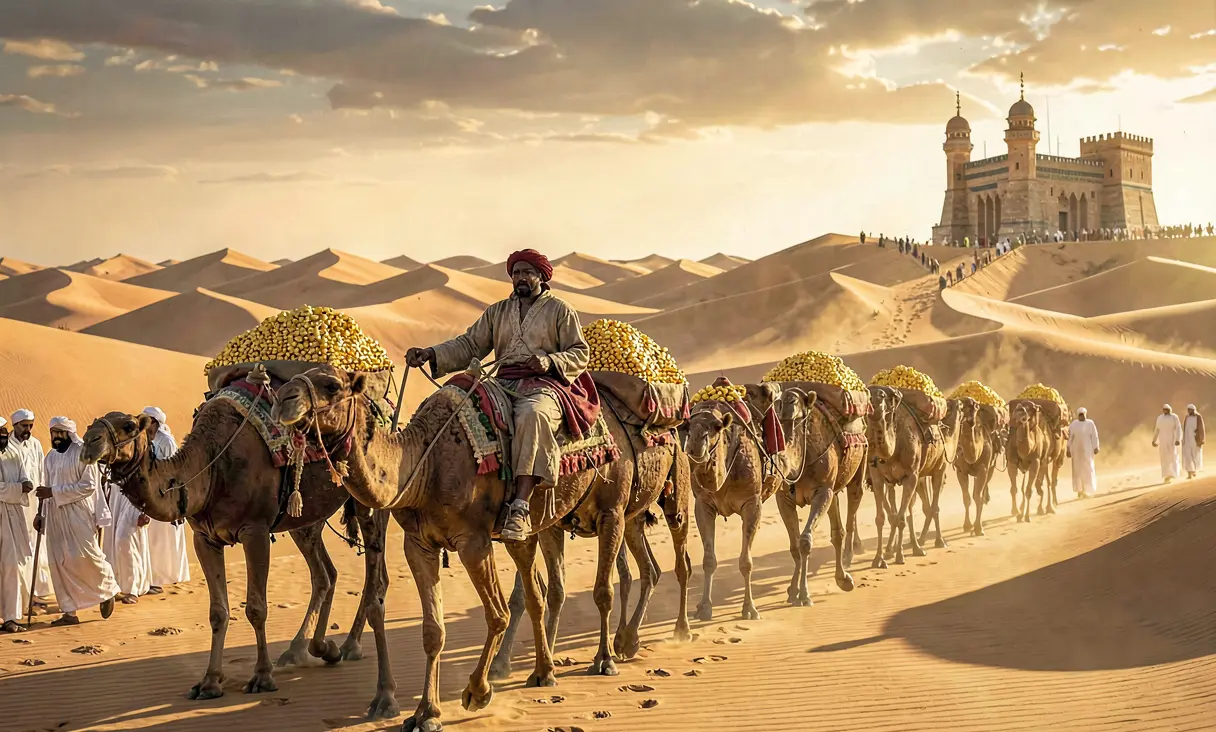 ReligionAskia Muhammad's Pilgrimage to Meccac. 1497 CE · Mecca (via Gao)Askia Muhammad undertakes a lavish pilgrimage to Mecca, strengthening ties with the Islamic world.
 ReligionKing Nzinga a Nkuwu Baptized as João I of Kongo1491 CE · Mbanza Kongo, AngolaKing Nzinga a Nkuwu converts to Catholicism, initiating a complex fusion of Christian and traditional Kongo beliefs.
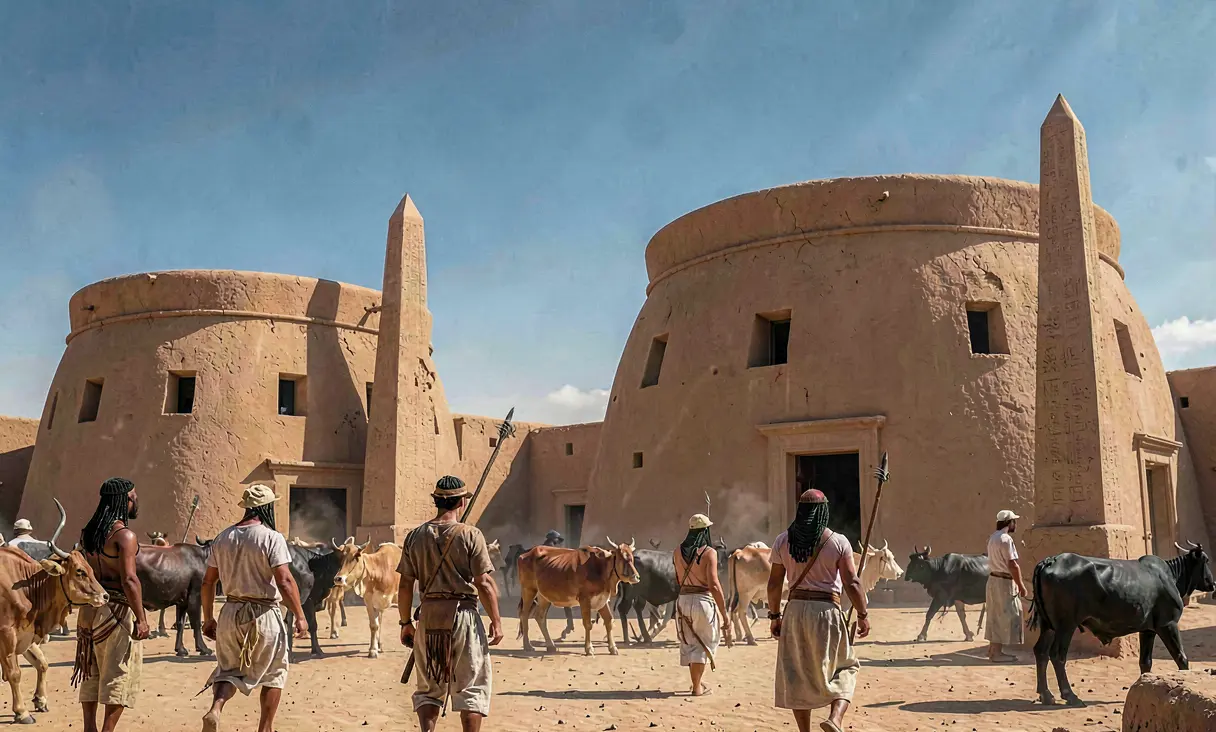 CivilizationRise of the Kingdom of Kush at Kermac. 2500 BCE · Kerma, SudanThe Kingdom of Kush emerges in Nubia as a powerful rival to Egypt with unique monumental architecture and trade networks.
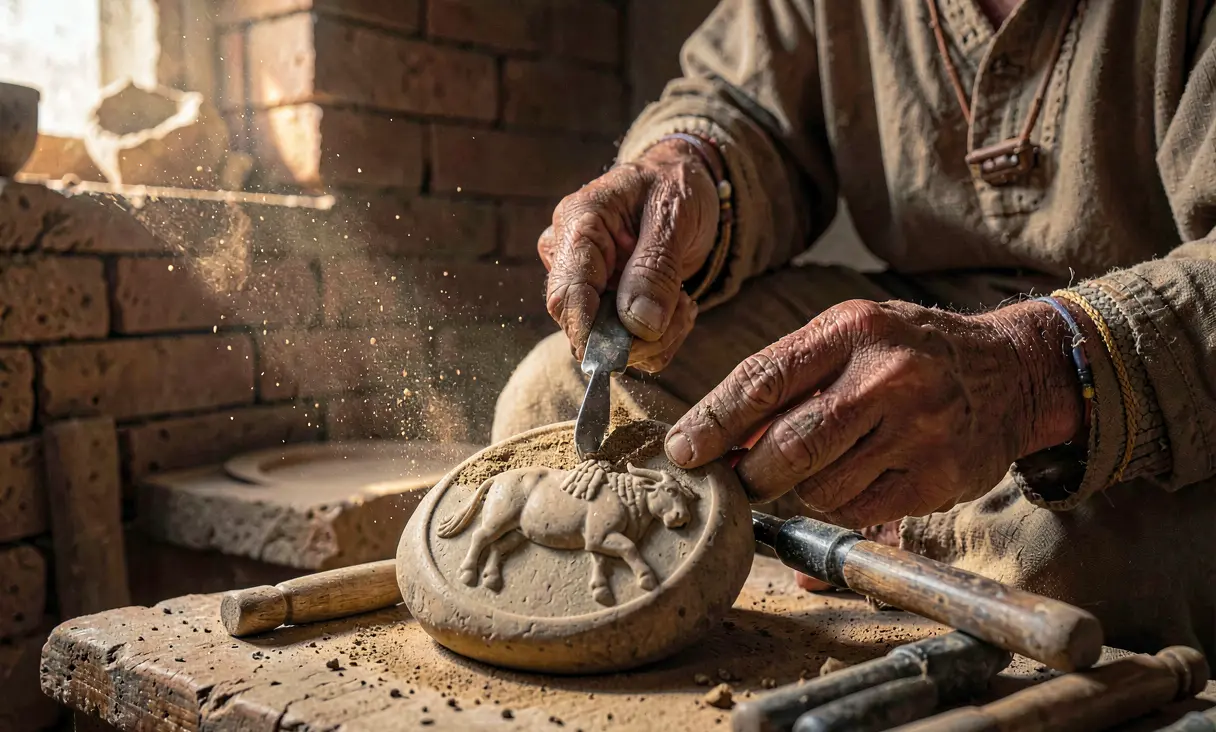 CivilizationProduction of Indus Valley Sealsc. 2500 BCE · Mohenjo-daro, Indus Valley (Modern Pakistan)Craftsmen carve intricate steatite seals featuring undeciphered script and animal motifs.
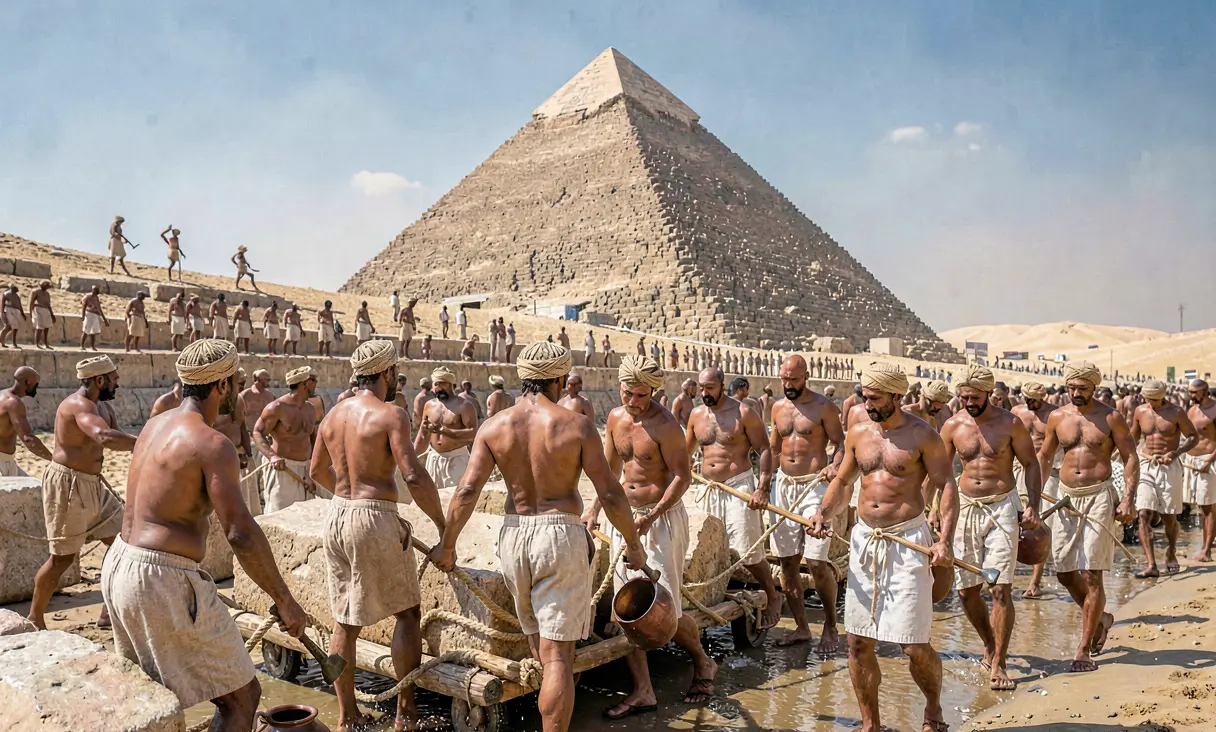 CivilizationGreat Pyramid of Giza Builtc. 2560 BCE · Giza, EgyptPharaoh Khufu commissions the largest ancient monument using millions of limestone blocks and advanced engineering.
Discussion
Loading…