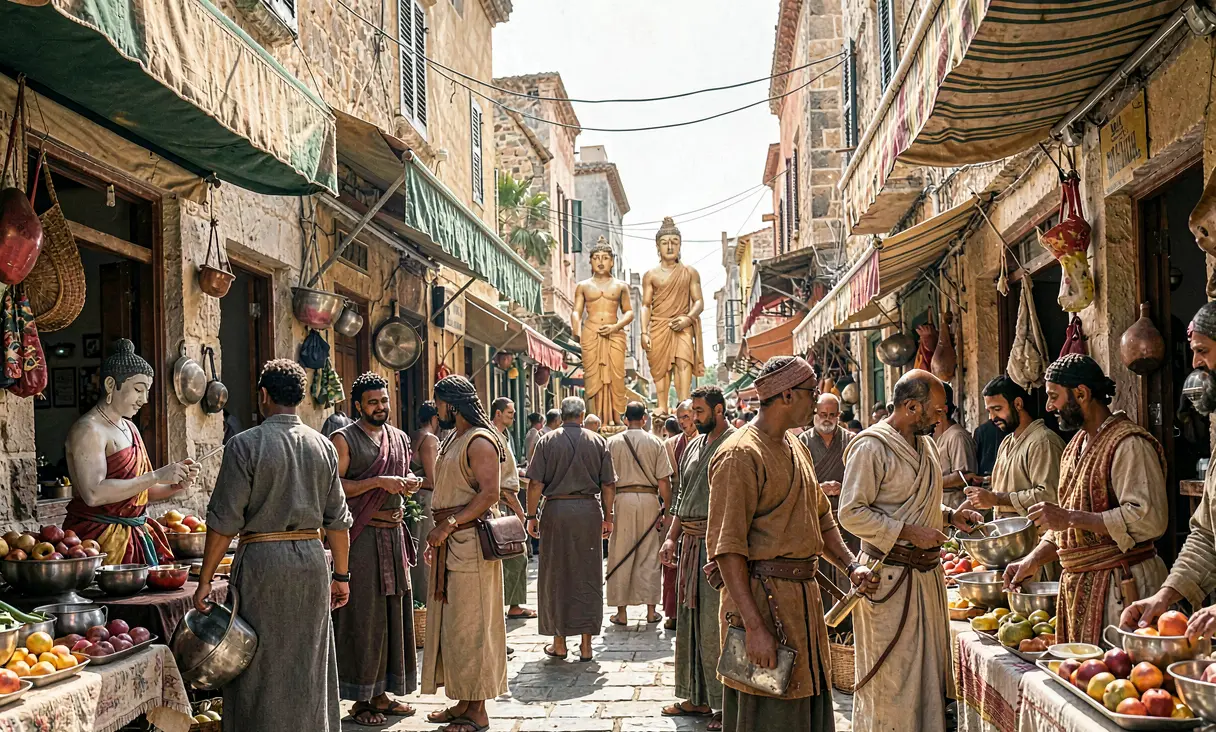
Establishment of Indo-Greek Kingdom in Bactria
The c. 180 BCE establishment of the Indo-Greek Kingdom fused Hellenistic governance with Indian spirituality, birthing Gandhara art and facilitating Silk Road trade between Rome, China, and India.
The Fragmentation of the Seleucid Empire
By the early second century BCE, the vast Seleucid Empire, which had once stretched from Syria to the borders of India under Alexander's successors, was fracturing under internal strife and external pressure. The death of Antiochus III the Great in 187 BCE left a weakened central authority, allowing distant satrapies to assert their independence. In Bactria, a fertile region encompassing modern-day northern Afghanistan and southern Tajikistan, the Greek governor Euthydemus I had already declared himself king around 230 BCE, establishing a robust Hellenistic state that thrived on trade and military prowess. This kingdom became a beacon of Greek culture in Central Asia, yet its expansionist ambitions were soon directed southward toward the Indian subcontinent, driven by the collapse of the Mauryan Empire in India following the assassination of Brihadratha around 185 BCE.
The Southern Invasion and Founding
Around 180 BCE, Euthydemus I's son, Demetrius I, seized the opportunity presented by the power vacuum in India. Leading a formidable cavalry force across the Hindu Kush mountains, Demetrius invaded the Punjab region, effectively crossing the cultural and political frontier between Hellenistic Central Asia and the Indian world. Unlike previous incursions by Seleucid rulers who sought only tribute or nominal suzerainty, Demetrius established permanent control over vast territories, including the strategic city of Taxila. This military conquest marked the formal establishment of the Indo-Greek Kingdom, a unique political entity where Greek administrative structures were superimposed upon Indian societal frameworks. The date c. 180 BCE serves as the conventional starting point for this distinct era, though the transition was likely a gradual process of consolidation rather than a single decisive battle.
The Zenith under Menander I
While Demetrius laid the foundations, it was King Menander I Soter (reigned c. 165–130 BCE) who elevated the Indo-Greek Kingdom to its cultural and territorial zenith. Known in Indian tradition as Milinda, Menander ruled from a capital likely situated at Sagala (modern-day Sialkot in Pakistan). His reign is immortalized in the *Milinda Panha* ('The Questions of King Milinda'), a Buddhist text that records his philosophical dialogues with the sage Nagasena. These exchanges reveal a ruler deeply engaged with Indian spirituality, famously converting to Buddhism while retaining his Hellenistic identity. Menander's court became a melting pot where Greek dialectic and Buddhist metaphysics intersected, fostering an intellectual environment unparalleled in the ancient world.
Cultural Synthesis and Artistic Innovation
The most enduring legacy of this period is the profound synthesis of Greek and Indian artistic traditions, particularly evident in the Gandhara school of art. For the first time in history, the Buddha was depicted in human form, moving away from earlier aniconic symbols like footprints or empty thrones. These statues featured realistic drapery resembling Roman togas, wavy hair reminiscent of Apollo, and facial features characterized by Hellenistic idealism. This artistic revolution did not merely copy Greek styles; it adapted them to serve a new religious purpose, creating a visual language that would eventually spread along the Silk Road to China and Japan. Simultaneously, the Indo-Greeks minted some of the most sophisticated coinage of antiquity, featuring bilingual inscriptions in Greek and Kharosthi or Brahmi scripts, often depicting both Greek gods like Zeus and Indian deities like Garuda.
Geopolitical Connectivity and Trade
The Indo-Greek Kingdom served as a critical nexus in the ancient global economy, bridging the gap between the Roman Empire to the west, the Han Dynasty of China to the east, and the Indian subcontinent to the south. Their control over the Khyber Pass facilitated the flow of silk, spices, and precious stones, while their diplomatic missions extended as far as the court of Emperor Wu of Han, who sent envoys seeking alliances against the Xiongnu nomads. The kingdom's strategic position allowed it to act as a buffer state, absorbing the shockwaves of migrating nomadic tribes like the Yuezhi and Saka, which eventually contributed to its decline in the mid-1st century BCE. Despite these pressures, their economic policies fostered a period of prosperity that integrated diverse populations into a single commercial network.
Decline and Historical Significance
By the mid-1st century BCE, the Indo-Greek Kingdom began to fragment under the relentless pressure of invading nomadic groups, particularly the Yuezhi and the Sakas. The last known Indo-Greek ruler, Strato II, held out in the Punjab until approximately 10 CE before being absorbed by the rising power of the Kushan Empire. Despite its relatively short duration compared to other empires, the Indo-Greek period was pivotal in shaping the religious and cultural landscape of Asia. It demonstrated that Hellenism could not only survive but flourish and adapt within an Indian context, leaving a legacy that influenced the development of Mahayana Buddhism and the artistic traditions of East Asia for centuries to come.
The Indo-Greek Kingdom created a unique cultural synthesis of Hellenistic and Indian traditions, profoundly influencing Buddhist art and philosophy.
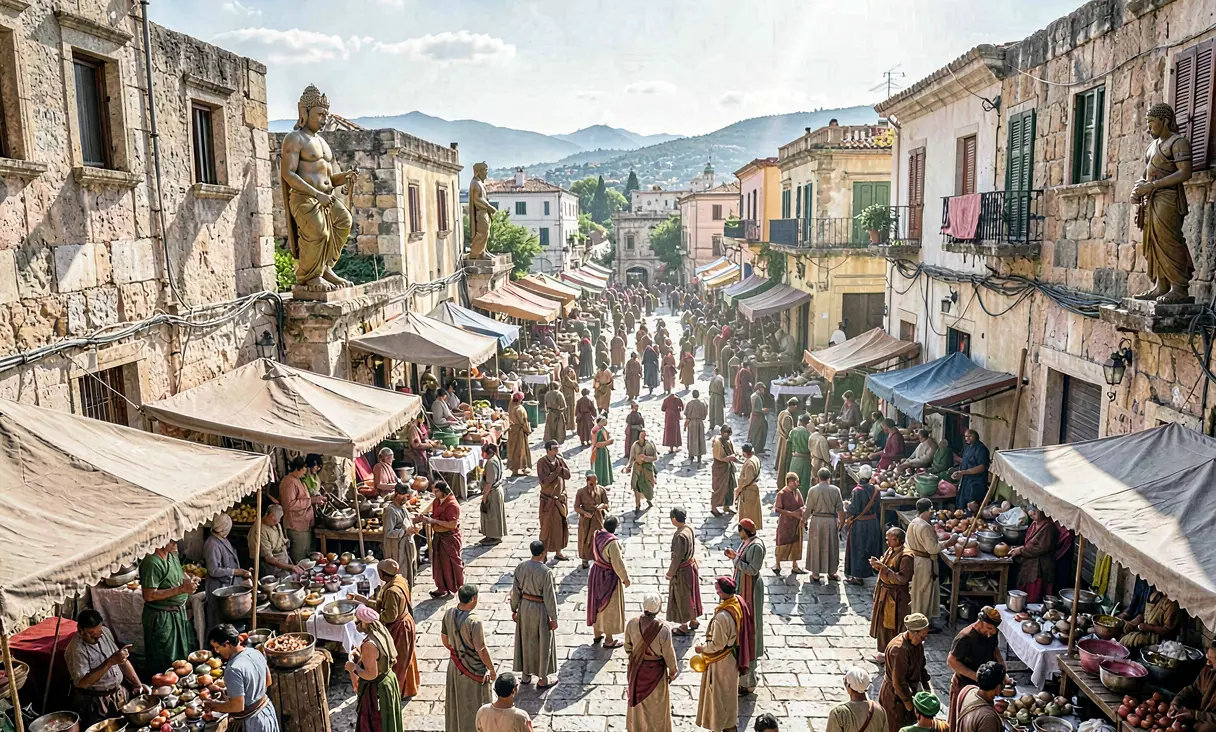
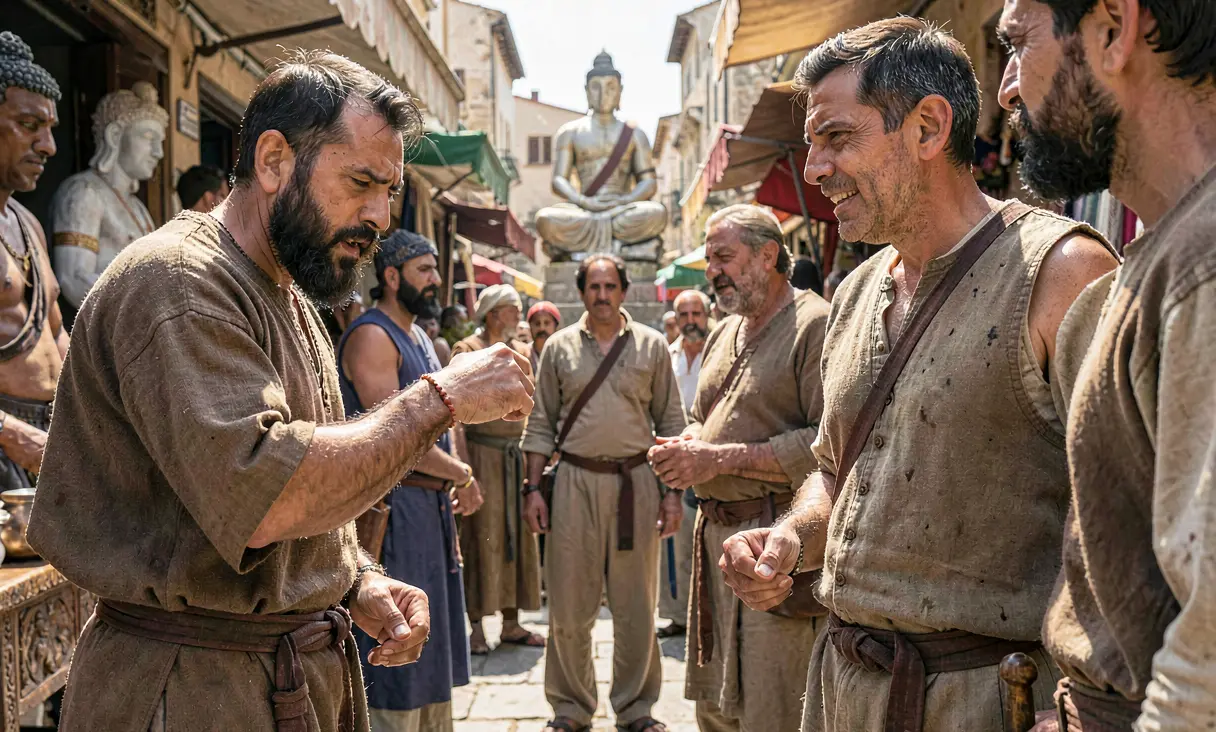
Where it happened
Bactria (modern Afghanistan) — see it on the interactive map →
Explore related history
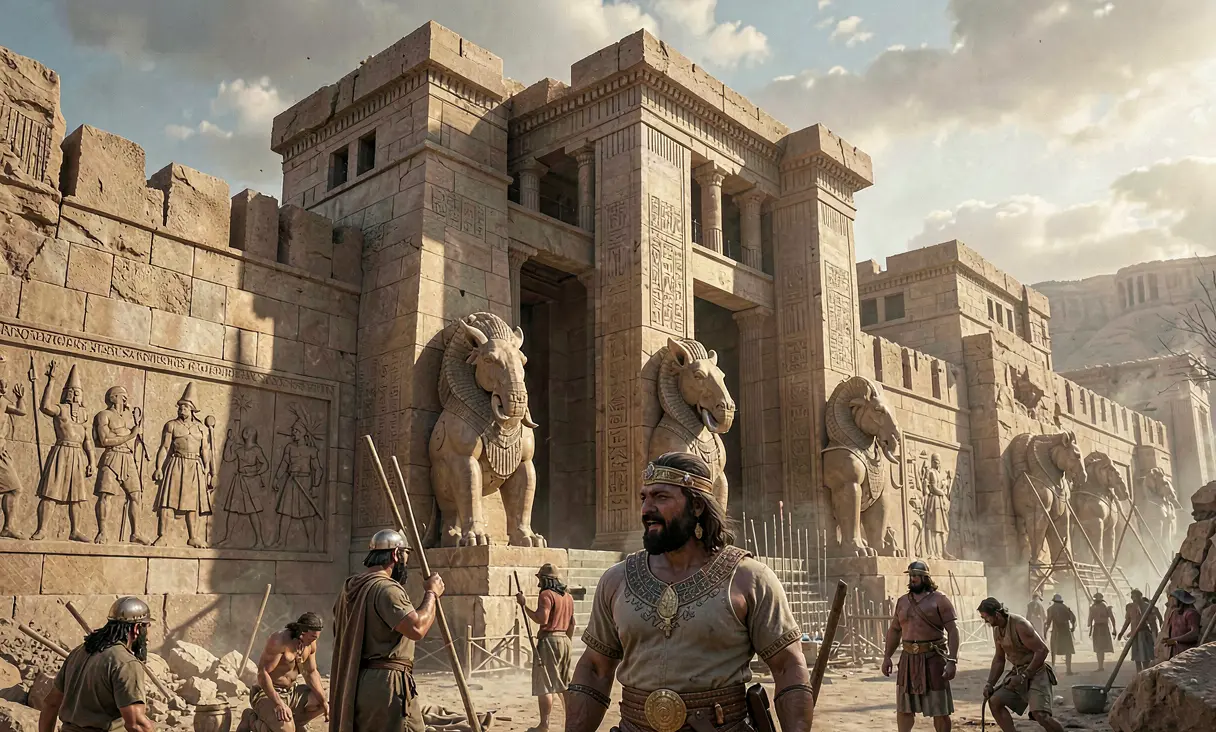 PoliticsFounding of Dur-Sharrukin by Sargon IIc. 717 BCE · Khorsabad (Dur-Sharrukin), IraqSargon II builds a new capital city to project Assyrian power and administrative control.
 PoliticsReign of Emperor Taizong and the Zhenguan Era626 CE · Chang'an, ChinaLi Shimin ascends the throne after the Xuanwu Gate Incident, ushering in a golden age of governance.
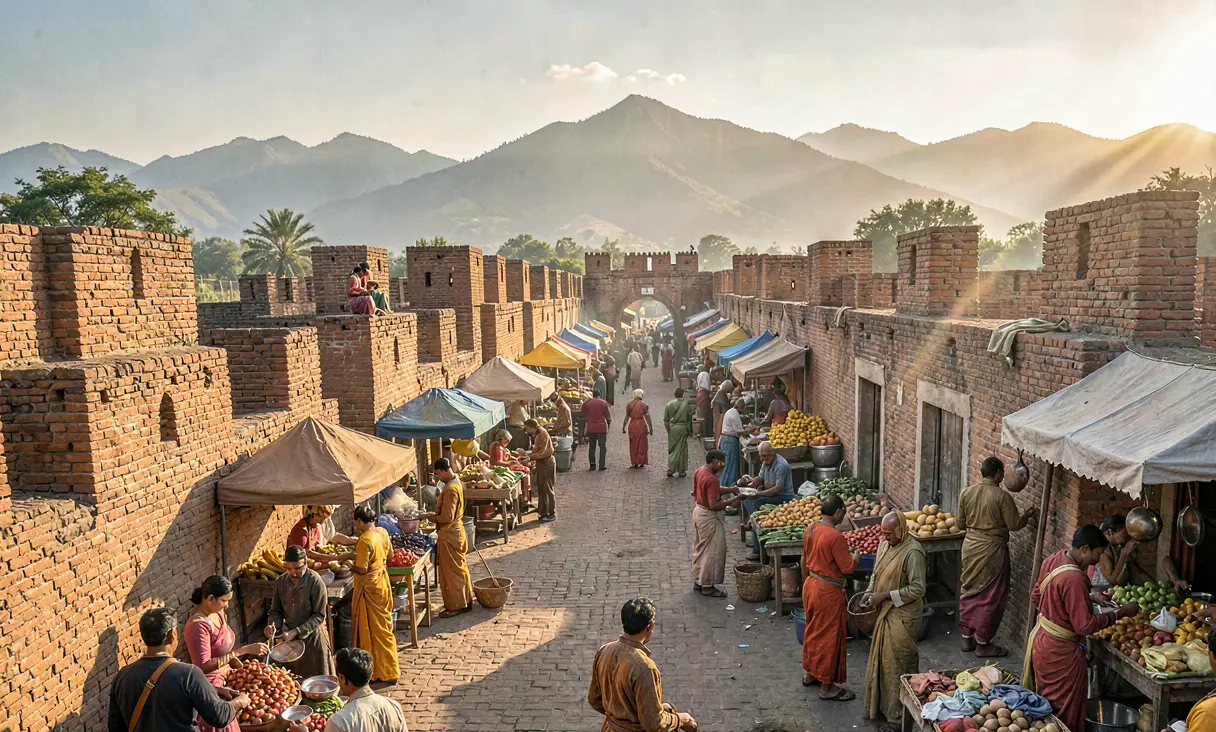 PoliticsRise of the Sixteen Mahajanapadasc. 600 BCE · Gangetic Plain (modern Uttar Pradesh/India)Sixteen great kingdoms and republics emerge across the Gangetic plain, marking the transition from tribal chiefdoms to state-level societies.
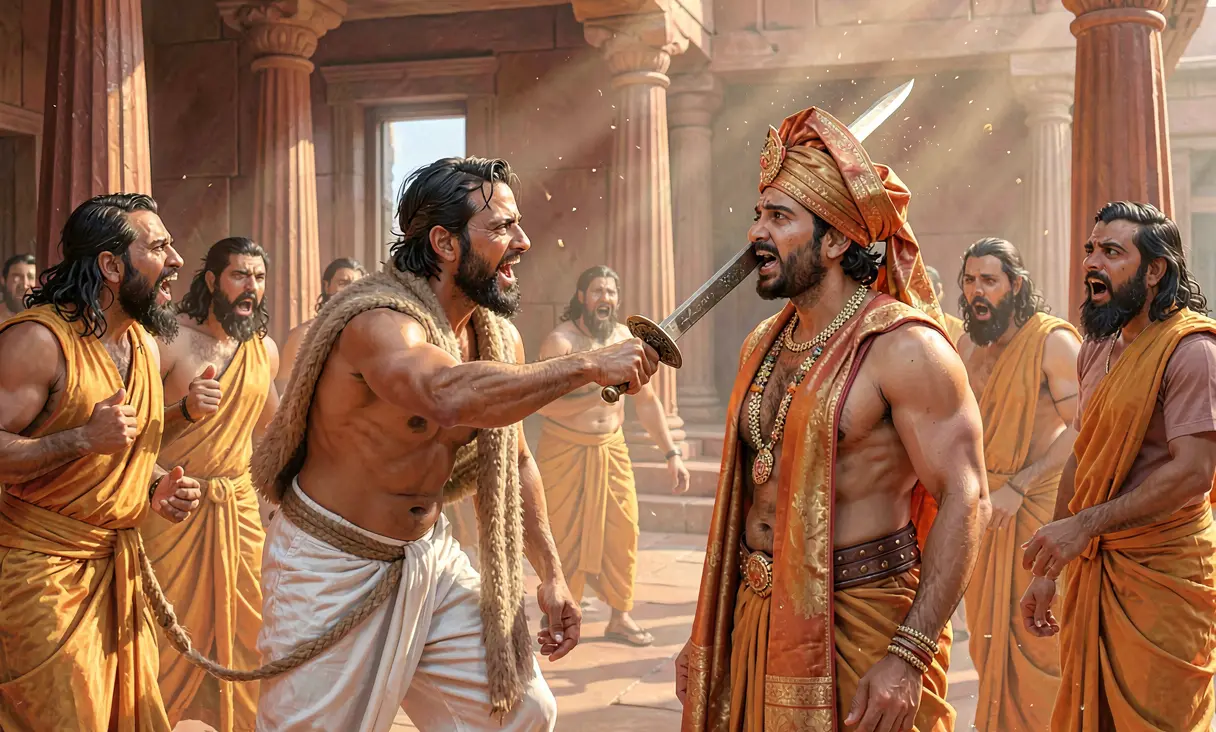 PoliticsSunga Dynasty Overthrows Mauryasc. 185 BCE · Pataliputra, Magadha, IndiaGeneral Pushyamitra Shunga assassinates the last Mauryan emperor Brihadratha, ending the Mauryan Empire and establishing the Shunga Dynasty.
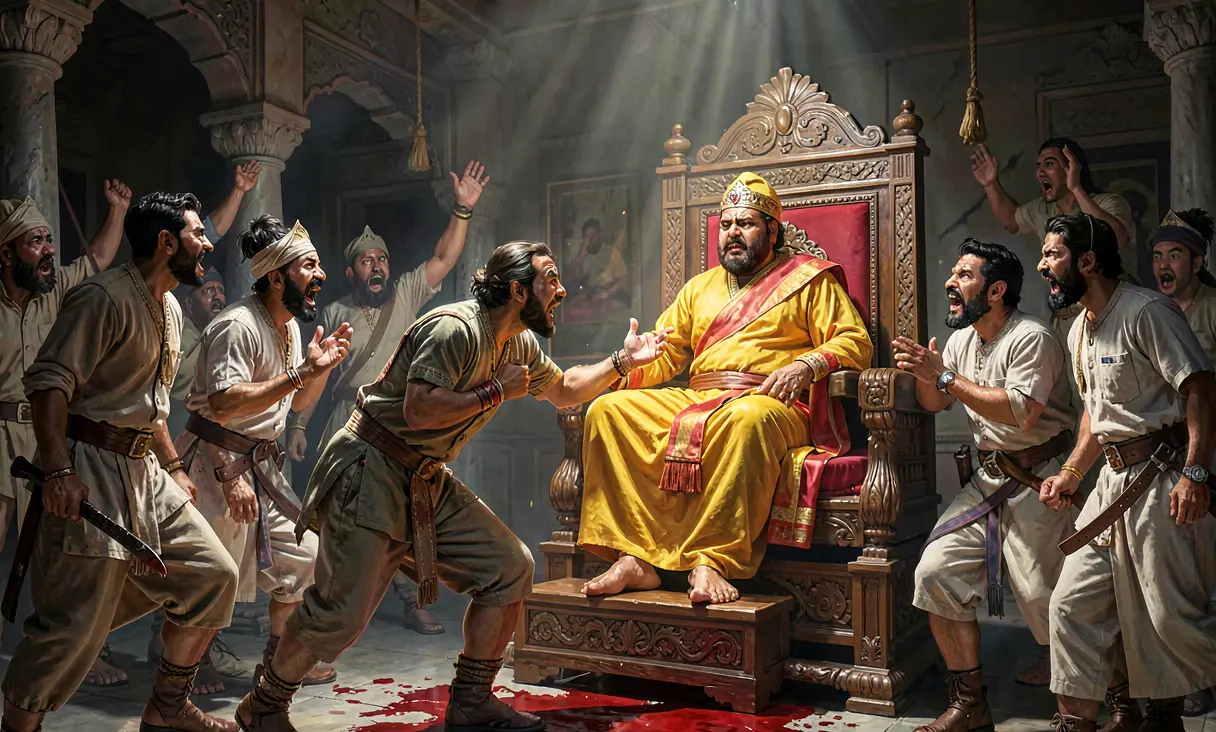 PoliticsShunga Dynasty Overthrows Mauryasc. 185 BCE · Pataliputra (modern Patna/India)General Pushyamitra Shunga assassinates the last Mauryan emperor and establishes the Shunga Dynasty, reviving Brahmanical traditions.
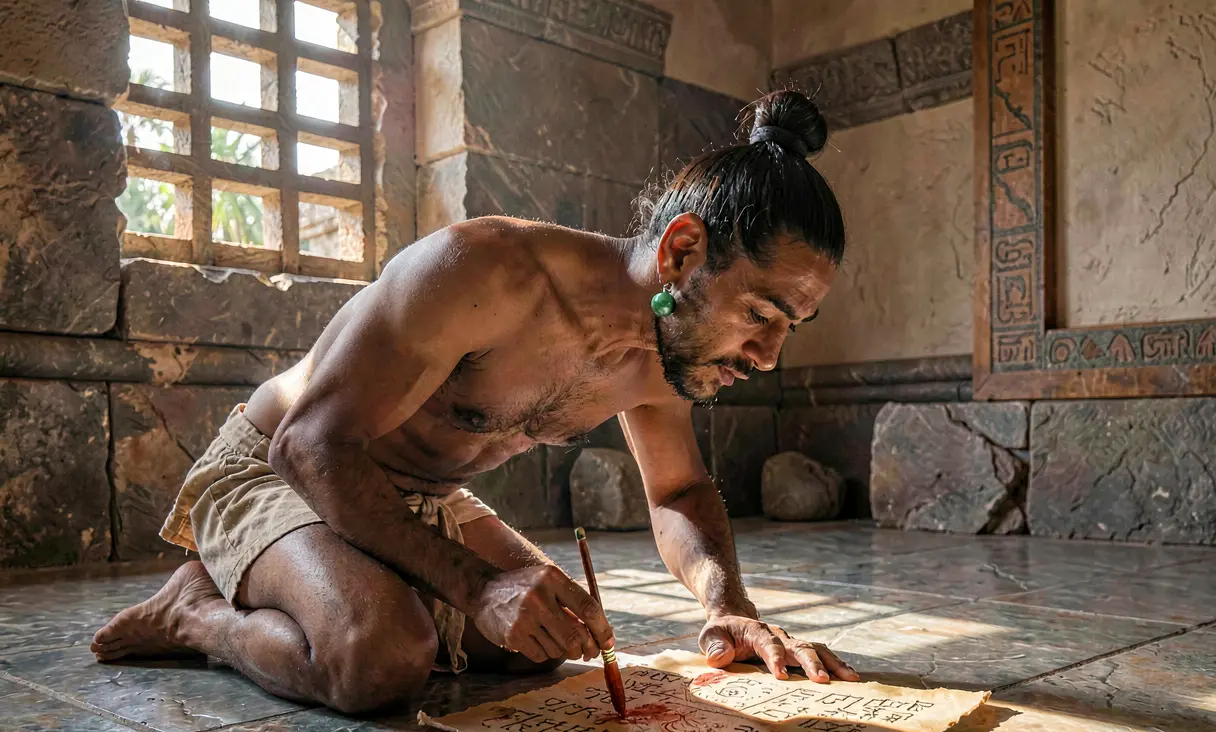 CivilizationCodices and Writing System of the Mayac. 200 BCE · El Mirador, GuatemalaThe Maya develop a complex logosyllabic writing system and astronomical calendars during the Preclassic period.
Discussion
Loading…