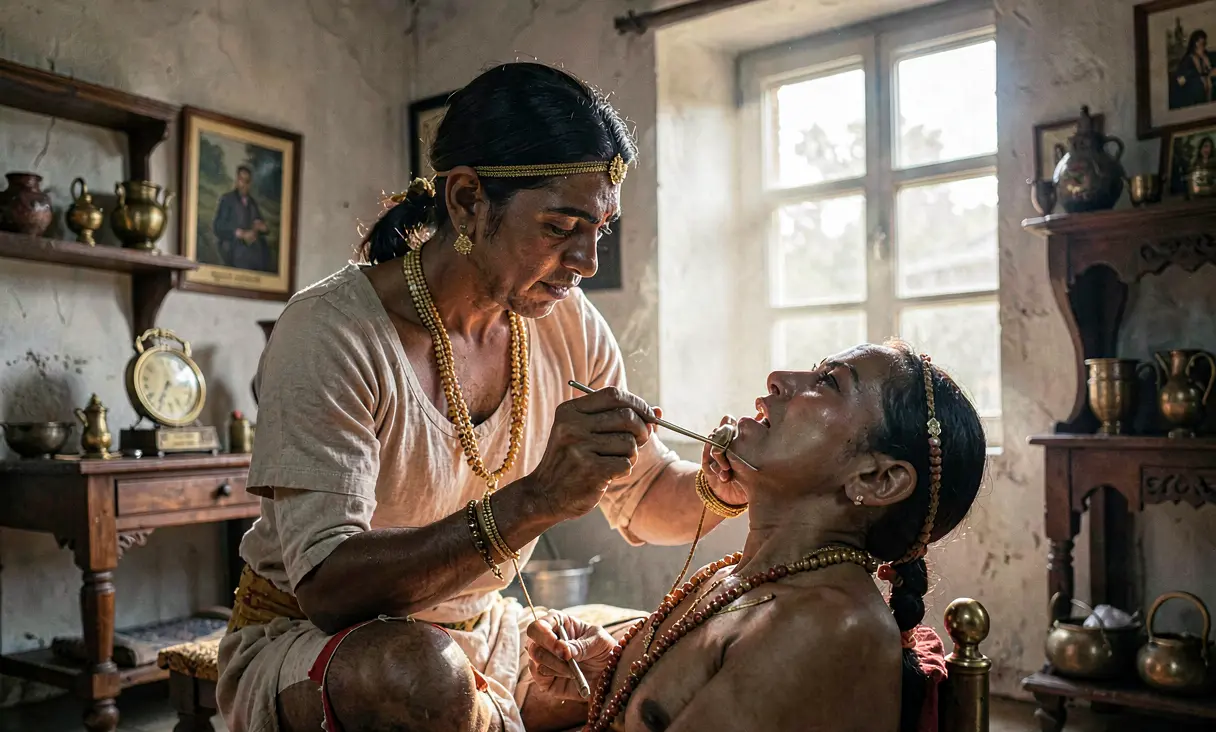
Sushruta Samhita: Foundation of Indian Surgery and Anatomy
Attributed to sage Sushruta around 600 BCE in Varanasi, this foundational text introduced systematic dissection, over 300 surgical procedures including rhinoplasty, and early antiseptic techniques, es
The Intellectual Crucible of Ancient India
In the fertile intellectual landscape of ancient India during the late Vedic period, specifically around 600 BCE, a paradigm shift occurred in the understanding of the human body. While much of the contemporary world viewed illness through the lens of spiritual imbalance or divine retribution, the region surrounding Varanasi (Kashi) became a center for empirical observation and systematic medical inquiry. This era, often associated with the rise of the Mahajanapadas, fostered an environment where debate and specialization flourished. It was within this vibrant milieu that Ayurveda, the 'science of life,' began to crystallize into distinct disciplines, moving beyond general wellness to address acute trauma and structural defects.
Sushruta: The Father of Surgery
The text known as the Sushruta Samhita is attributed to the sage Sushruta, a figure who likely lived in Varanasi during this transformative century. While historical records from this period are often interwoven with legend, Sushruta is consistently revered not merely as a physician but as a master anatomist and surgeon. He is said to have studied under Dhanvantari, the divine physician of the gods, yet his work reflects rigorous human observation rather than mythological speculation. Sushruta's approach was revolutionary in its insistence that surgery (Shalya Tantra) was not a last resort but a primary branch of medicine requiring deep theoretical knowledge and precise manual dexterity.
The Methodology of Dissection and Simulation
Central to the Sushruta Samhita is its unprecedented emphasis on anatomical study through dissection. Recognizing that understanding internal structures was vital for successful intervention, Sushruta instructed students to observe the body's layers by dissecting cadavers. In an era where religious taboos often restricted the handling of the dead, he devised a pragmatic workaround: if human bodies were unavailable, students were to study vegetables like gourds and melons to understand tissue texture, resistance, and layering before attempting procedures on living patients. This innovative pedagogical method bridged the gap between theory and practice, ensuring that surgeons understood the complexity of the human form before making an incision.
Instrumentation and Procedural Mastery
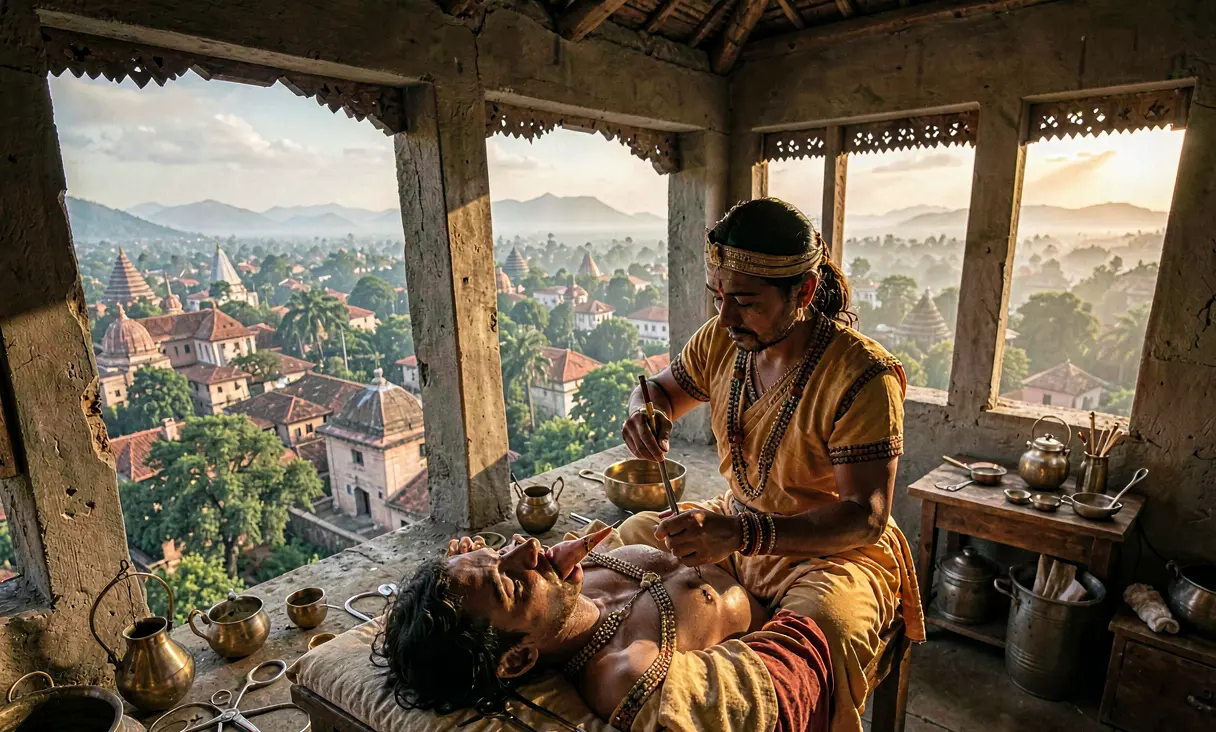
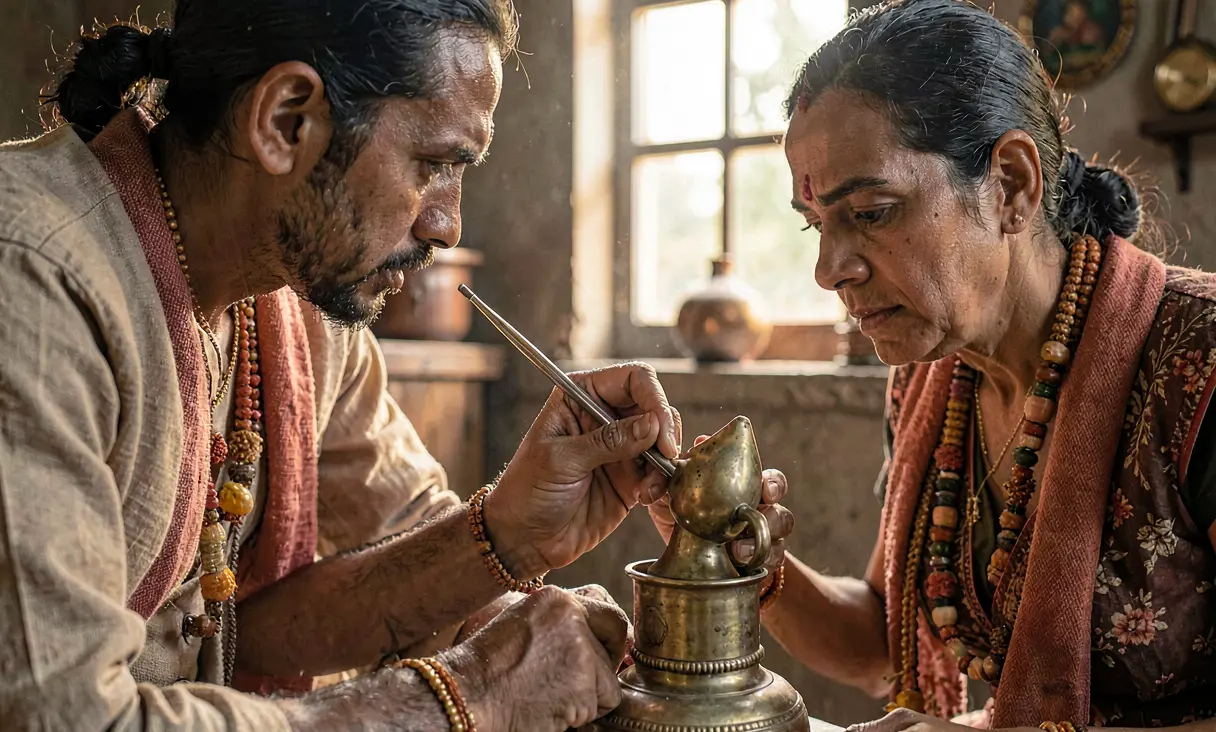
The text meticulously catalogs over 125 distinct surgical instruments, ranging from scalpels and forceps to probes and needles, many crafted from iron or steel. These tools were designed for specific tasks, reflecting a sophistication rarely seen in antiquity. The Sushruta Samhita details more than 300 surgical procedures, including the removal of bladder stones, amputations, and the extraction of foreign objects. Most notably, it describes rhinoplasty—the reconstruction of a nose using a flap of skin from the forehead—a procedure developed largely to treat victims of punitive mutilation common in ancient warfare and judicial punishment. Additionally, the text outlines 'couching,' a technique for removing cataracts by displacing the lens into the vitreous humor, restoring sight to thousands.
Sterility and Post-Operative Care
Beyond the mechanics of cutting and suturing, Sushruta introduced concepts that would not be formally recognized in Europe until the 19th century: antiseptic principles. He advocated for the cleaning of wounds with wine or oil and the use of heated instruments to cauterize tissue, effectively reducing infection rates. The text provides detailed protocols for post-operative care, including diet, bandaging techniques, and the management of inflammation. Sushruta emphasized that a surgeon must possess not only technical skill but also the steady hand of a craftsman and the calm mind of a philosopher, ensuring that patient welfare remained paramount throughout the healing process.
Legacy and Global Influence
The impact of the Sushruta Samhita extended far beyond the borders of India. Through trade routes connecting South Asia to the Middle East and eventually Europe, its knowledge permeated global medical traditions. Arab physicians in the Islamic Golden Age translated and expanded upon these texts, preserving the techniques of rhinoplasty which later influenced European surgeons during the Renaissance. The systematic classification of diseases, surgical tools, and anatomical structures established by Sushruta laid the groundwork for modern surgery. Today, his work stands as a testament to the capacity of ancient civilizations to achieve scientific heights through observation, experimentation, and an unwavering commitment to human health.
Sushruta's work established India as a pioneer in plastic surgery and anatomical science centuries before similar advancements in Europe.
Where it happened
Varanasi, India — see it on the interactive map →
Explore related history
 medicineRitual Bloodletting as Medical and Religious Practice in Mayac. 600 BCE · Tikal, GuatemalaMaya elites use stingray spines and obsidian for ritual bloodletting to commune with gods.
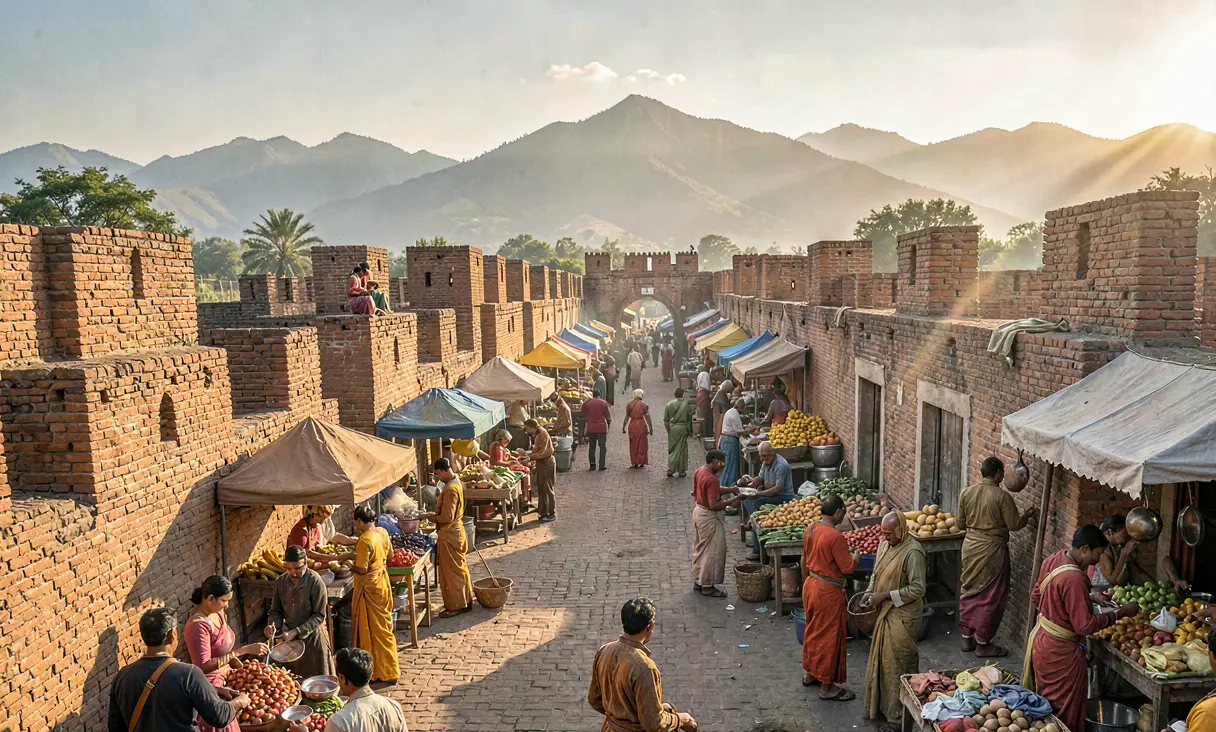 PoliticsRise of the Sixteen Mahajanapadasc. 600 BCE · Gangetic Plain (modern Uttar Pradesh/India)Sixteen great kingdoms and republics emerge across the Gangetic plain, marking the transition from tribal chiefdoms to state-level societies.
 ArtConstruction of the Hanging Gardens of Babylonc. 605 BCE · Babylon, Mesopotamia (Iraq)Nebuchadnezzar II builds the legendary Hanging Gardens for his Median wife.
 TechnologyGrand Canal of China Connects North and South610 CE · Luoyang to Hangzhou, ChinaEmperor Yang completes the massive waterway linking the Yellow and Yangtze rivers for transport and grain.
Discussion
Loading…