Construction of Machu Picchu by Pachacuti
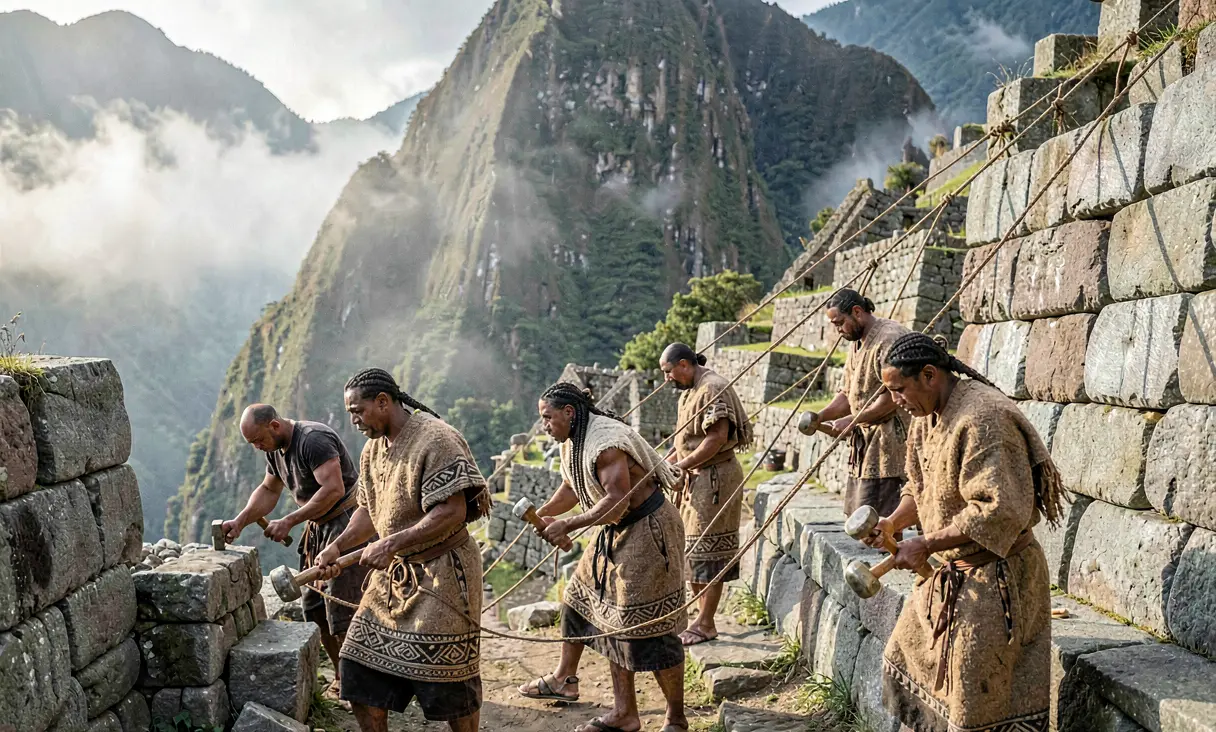
Commissioned by Sapa Inca Pachacuti around 1450 CE, Machu Picchu stands as an enduring masterpiece of Andean engineering, blending precise dry-stone masonry with sacred astronomy to create a secluded
Imperial Ambition in the High Andes
By the mid-15th century, the Inca Empire, or Tawantinsuyu, had rapidly expanded from its Cusco heartland to dominate much of the western South American spine. Sapa Inca Pachacuti, the architect of this imperial transformation, sought not only military dominance but also a physical manifestation of his divine authority and cosmological vision. Unlike previous rulers who focused on conquest, Pachacuti initiated a golden age of monumental architecture and state reorganization. It was within this context of unprecedented stability and resource mobilization that he commissioned the construction of Machu Picchu around 1450 CE, selecting a site that had previously been uninhabited due to its extreme topography.
The Selection and Engineering of the Site
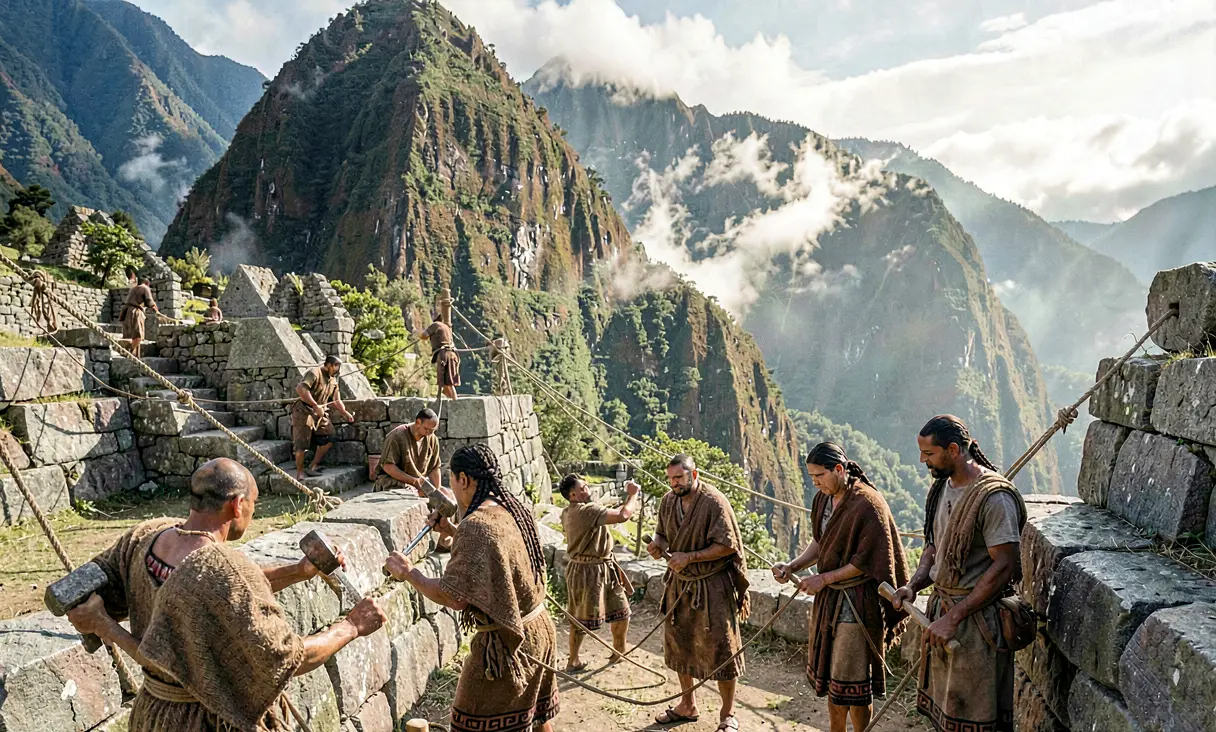
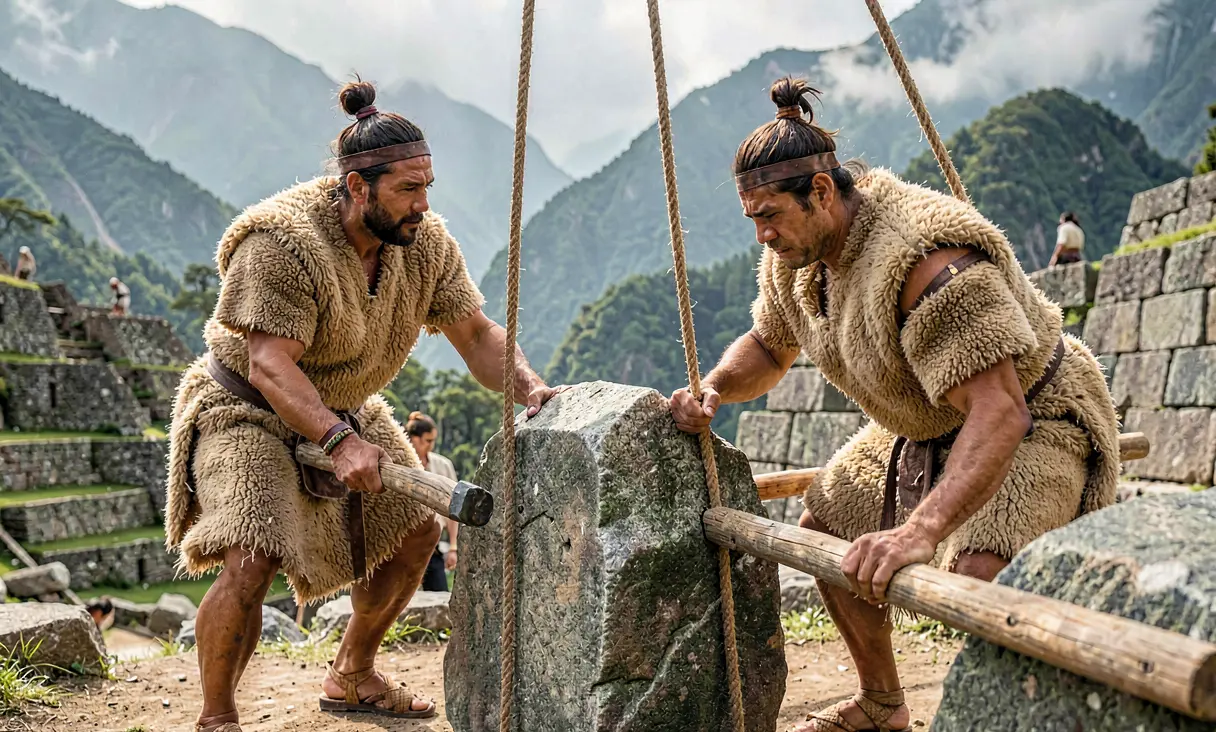
The chosen location, perched 2,430 meters above sea level on a narrow ridge between the peaks of Huayna Picchu and Machu Picchu, offered natural fortification and profound spiritual significance. The site sits directly above the Urubamba River, which the Incas revered as a sacred waterway. Construction required the movement of thousands of tons of granite from local quarries to the summit without the use of wheels, draft animals, or iron tools. Inca engineers employed sophisticated dry-stone masonry techniques, cutting stones with such precision that they fit together without mortar, a method that allowed the structures to withstand frequent seismic activity in the region. The landscape was radically altered through the creation of over 700 agricultural terraces, which prevented erosion and created microclimates suitable for growing maize and potatoes at high altitudes.
Pachacuti and the Inca Elite
Sapa Inca Pachacuti (reigned c. 1438–1471) was the driving force behind Machu Picchu's creation, viewing it as his personal royal estate or 'panaqa.' He is credited with reorganizing the empire into four suyus and establishing Cusco as the cosmic center of the world. The site was not a city for the general populace but an exclusive enclave for the Inca nobility, high priests, and the chosen women (acllas). Archaeological evidence suggests that Pachacuti personally oversaw the integration of astronomy into the architecture; the Temple of the Sun, or Torreon, is aligned to capture the sunrise during the summer solstice, marking a critical moment in the agricultural and ritual calendar. This alignment underscores Pachacuti's role as both a political ruler and a divine intermediary.
Construction Phases and Function
The construction of Machu Picchu occurred in distinct phases, beginning with the terracing and water management systems before the erection of the ceremonial and residential structures. The site's hydrological engineering is particularly remarkable, featuring a series of 16 fountains fed by a spring captured high on the mountain, with channels carved directly into the bedrock to supply the estate year-round. The urban sector was divided into agricultural and urban zones, containing approximately 200 buildings including temples, storehouses (qollqa), and residential quarters for the elite. The precision of the stonework in the Principal Temple and the Room of the Three Windows demonstrates a mastery of light and shadow intended to evoke the presence of Inti, the sun god, reinforcing the spiritual purpose of the estate.
Abandonment and the Spanish Silence
Machu Picchu's existence as an active royal estate was short-lived. Following Pachacuti's death in 1471, his son Tupac Inca Yupanqui succeeded him, but the site remained a functioning estate until the arrival of the Spanish conquistadors in the 1530s. The subsequent civil war between Atahualpa and Huáscar, followed by the Spanish conquest led by Francisco Pizarro, decimated the Inca population through warfare and introduced diseases such as smallpox. As the empire collapsed, Machu Picchu was abandoned around 1572, likely due to the death of its last known royal owner or the strategic withdrawal of the remaining nobility into the remote jungle fortress of Vilcabamba. Unlike Cusco, which was systematically dismantled and rebuilt by the Spanish, Machu Picchu remained hidden from European eyes for centuries, enveloped by dense cloud forest.
Rediscovery and Global Legacy
Although local Quechua inhabitants knew of the ruins, the site was brought to international attention in 1911 by American historian Hiram Bingham III, who mistakenly identified it as the lost city of Vilcabamba. Subsequent archaeological work has clarified that Machu Picchu was indeed a royal estate rather than a capital city, yet its impact on understanding Inca civilization remains profound. Today, it stands as the most iconic symbol of the Inca Empire and a testament to their engineering prowess. Designated a UNESCO World Heritage Site in 1983 and named one of the New Seven Wonders of the World in 2007, Machu Picchu continues to serve as a vital link to pre-Columbian history, illustrating the sophisticated relationship between human civilization and the natural environment.
Machu Picchu stands as the most iconic testament to Inca engineering and royal power before European contact.
Where it happened
Machu Picchu, Peru — see it on the interactive map →
Explore related history
 CivilizationEmergence of Norte Chico Urban Centersc. 3000 BCE · Caral-Supe Valley, PeruThe Norte Chico civilization establishes the oldest known cities in the Americas.
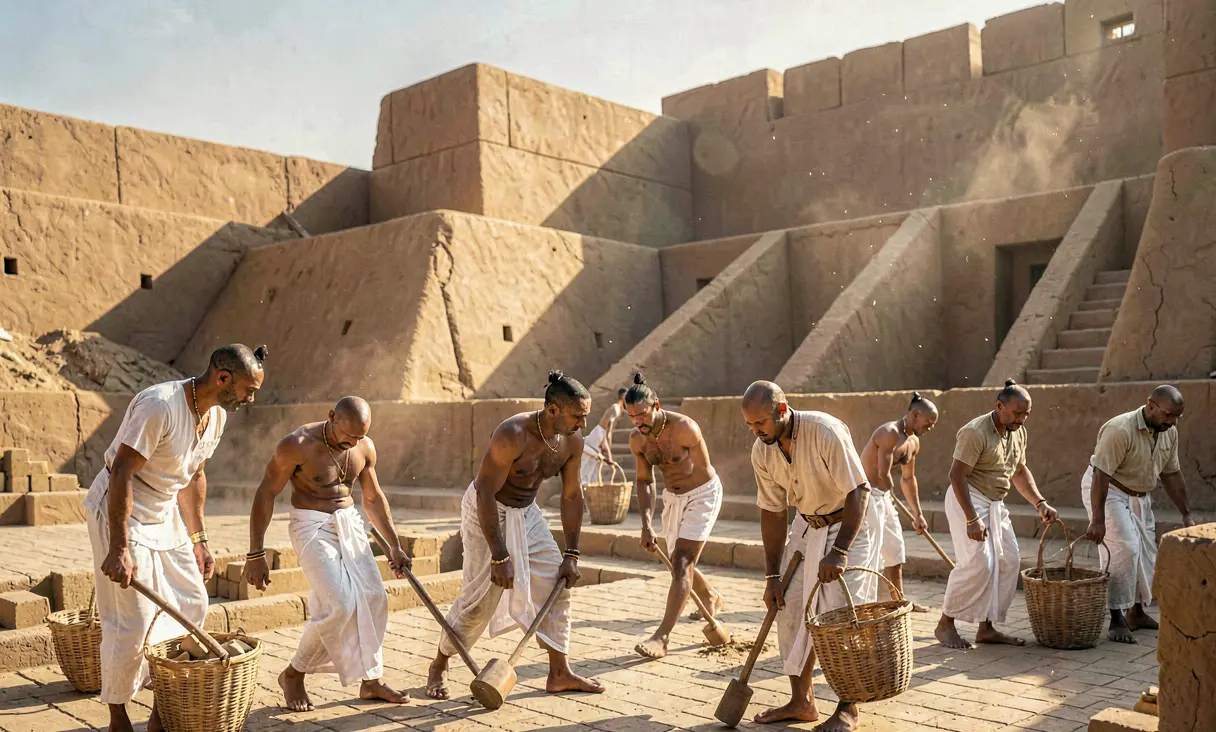 CivilizationUrban Planning of Mohenjo-daroc. 2600 BCE · Mohenjo-daro, PakistanThe Indus Valley Civilization constructs Mohenjo-daro with advanced grid systems and the world's first known urban sanitation.
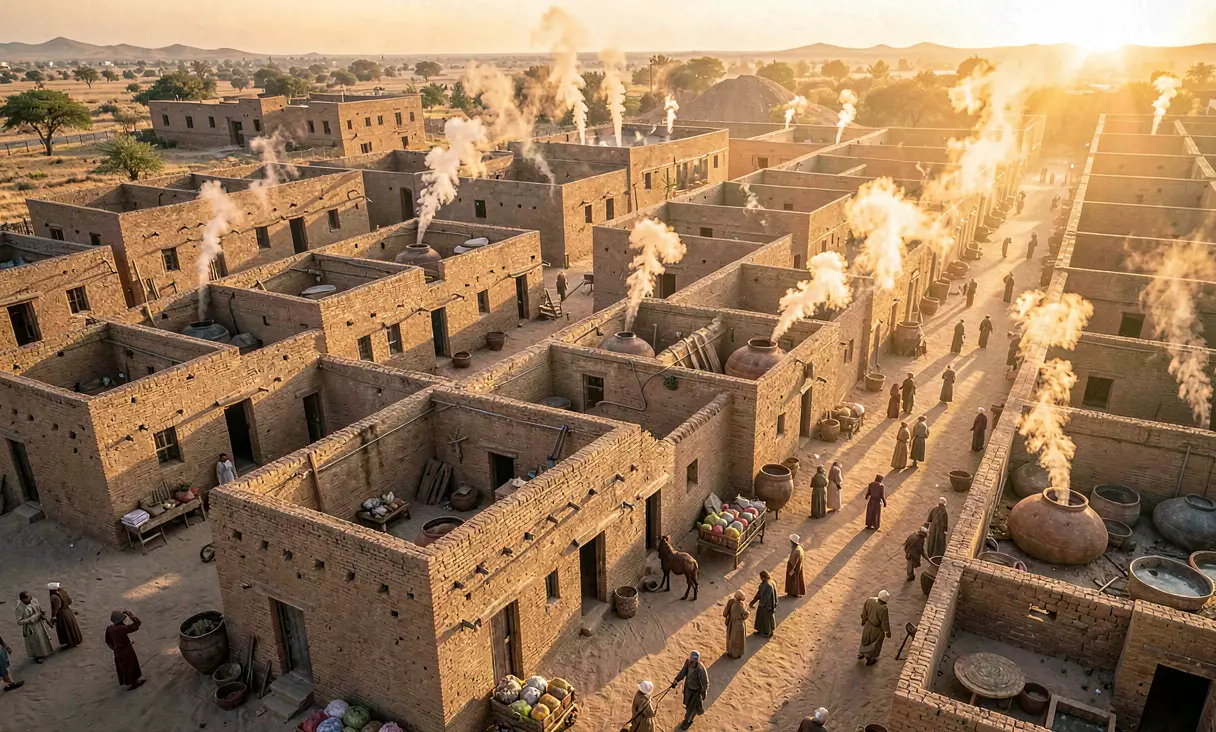 CivilizationUrbanization of Harappa and Mohenjo-daroc. 2600 BCE · Harappa and Mohenjo-daro, Indus Valley (modern Pakistan)The mature Harappan phase begins, establishing the first large-scale urban centers in South Asia with advanced grid planning.
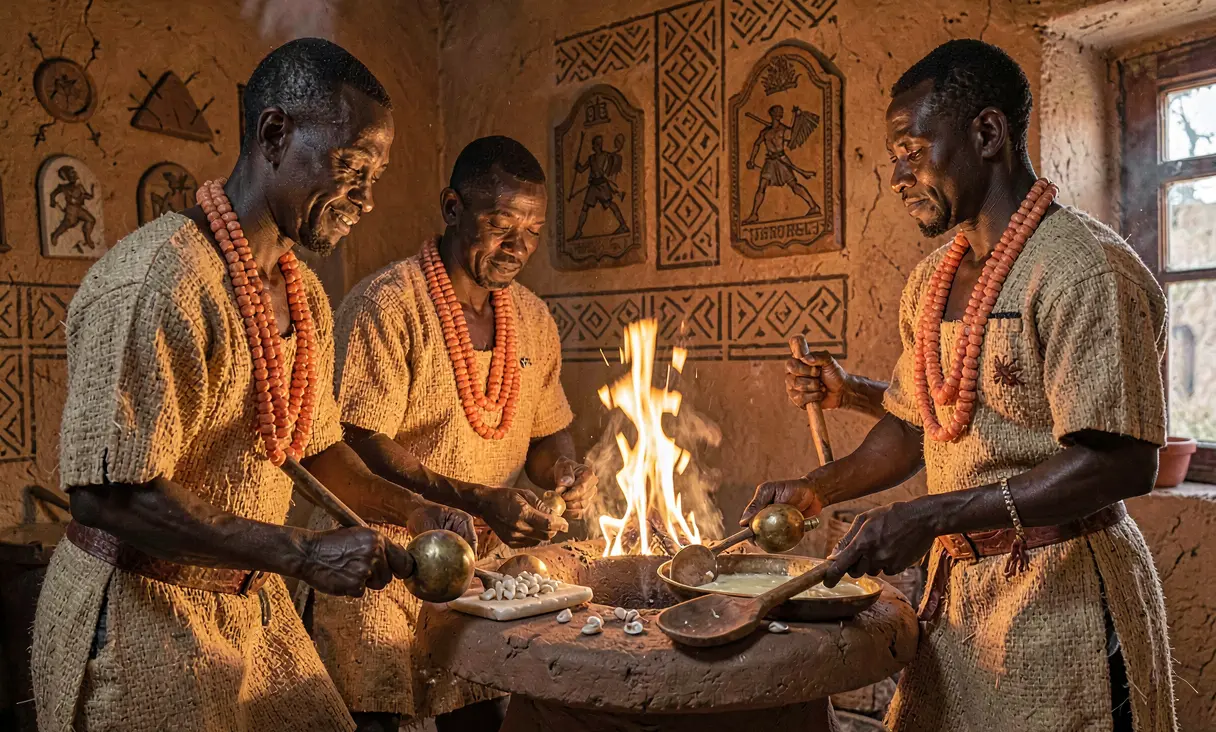 ArtCreation of the Benin Bronzes under Oba Ewuarec. 1450 CE · Benin City, NigeriaOba Ewuare commissions the famous bronze and ivory plaques documenting court life and military victories.
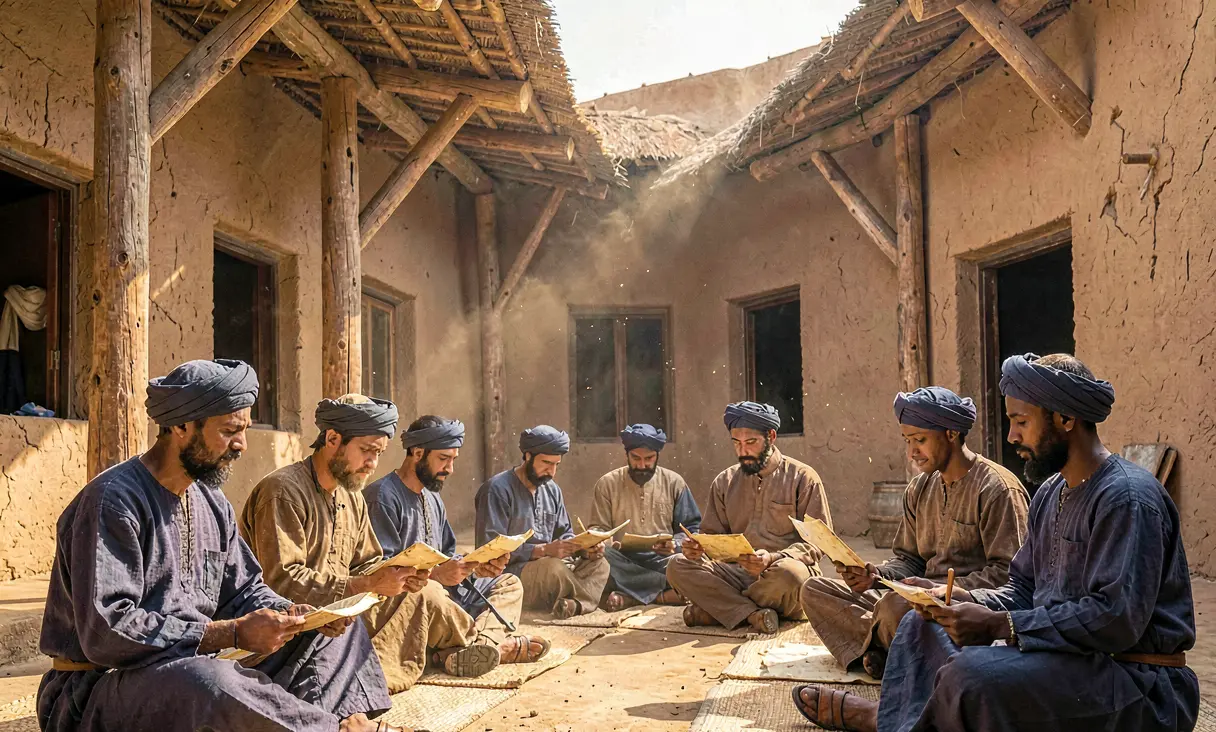 ScienceSankore Madrasah Becomes a Center of Learning in Timbuktuc. 1450 CE · Timbuktu, MaliThe Sankore Madrasah emerges as a premier university for Islamic scholarship in West Africa.
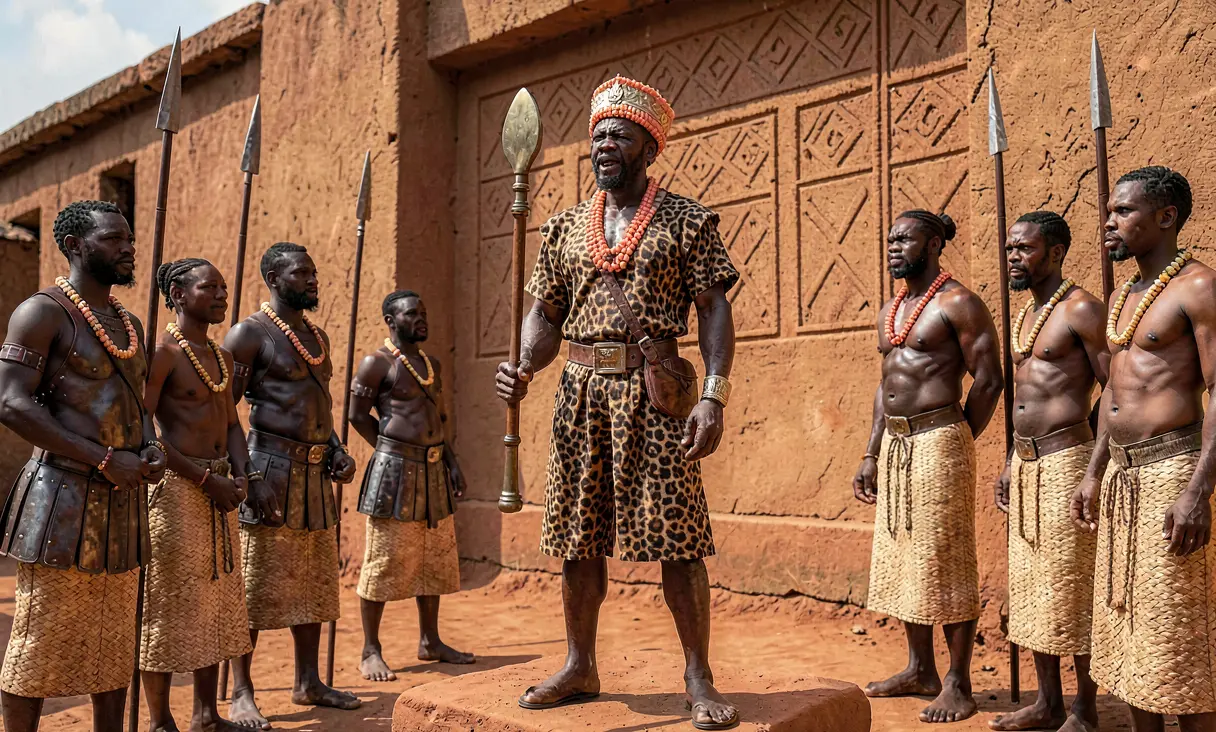 PoliticsOba Ewuare Centralizes the Kingdom of Beninc. 1450 CE · Benin City, NigeriaOba Ewuare reorganizes the kingdom into a centralized state with a professional army and bureaucracy.
Discussion
Loading…