Conquest of the Chanka by Pachacuti
Pachacuti's decisive victory over the invading Chanka confederation in 1438 CE saved Cusco from destruction and sparked the rapid expansion that transformed a small kingdom into the vast Inca Empire.
The Precipice of Collapse
By the early 15th century, the Kingdom of Cusco was a modest polity confined to the narrow valley surrounding its capital, constantly threatened by rival ethnic groups in the Andean highlands. Among these rivals, the Chanka confederation, headquartered at Andahuaylas roughly 200 kilometers west of Cusco, had emerged as the most formidable military power in the region. Under the leadership of their charismatic warlord, Usnu Huaraca, the Chanka had systematically subjugated neighboring tribes and built a reputation for ferocity that instilled deep fear throughout the central highlands. The Inca ruler at the time, Viracocha Inca, faced an existential crisis as the Chanka armies mobilized with the intent of eradicating the Inca state entirely.
The Crisis of 1438
In approximately 1438 CE, the Chanka launched a full-scale invasion that caught the Cusco leadership in a state of paralysis. Fearing total annihilation, Viracocha Inca and his designated heir, Urco, abandoned the capital city to seek refuge in the fortress of Calca, effectively leaving the defense of Cusco to its remaining garrison and populace. This act of perceived cowardice created a power vacuum that threatened to fracture Inca society just as the enemy approached. The Chanka forces, emboldened by the flight of their foe's leadership, advanced on Cusco with the expectation of an easy conquest, intending to raze the city and enslave or exterminate its inhabitants.
The Rise of Pachacuti
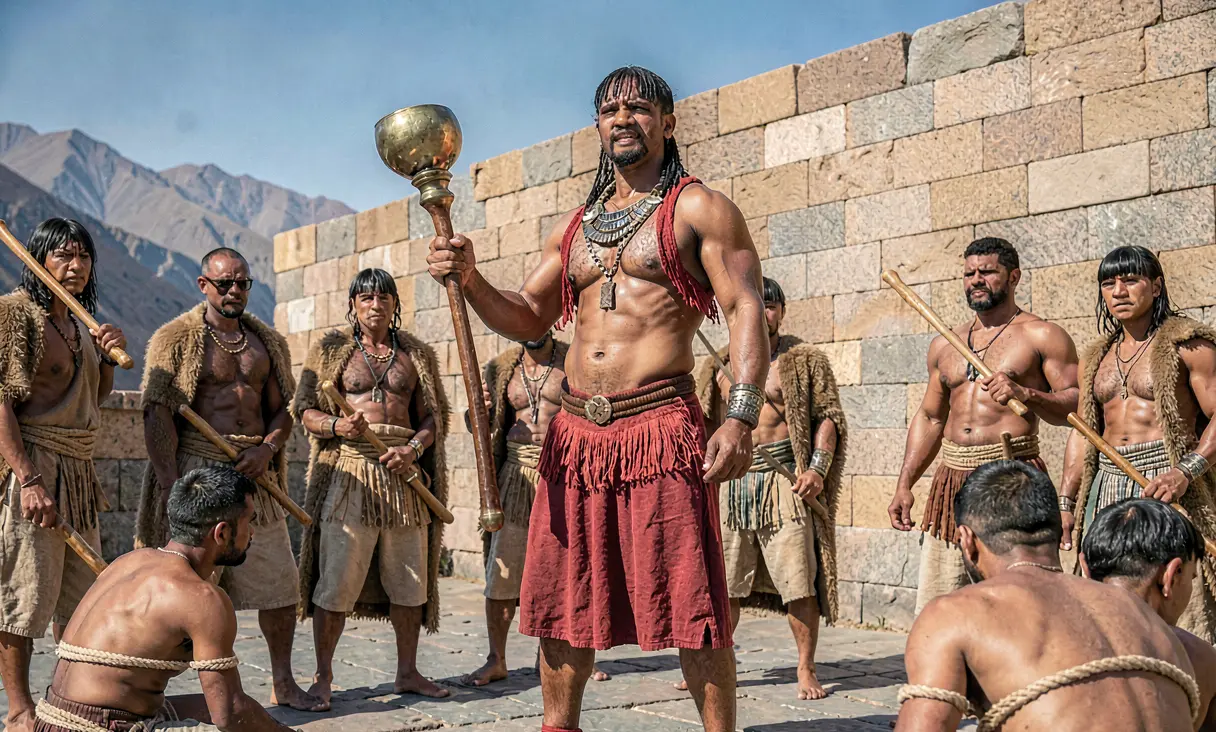
Amidst this chaos, Prince Cusi Yupanqui, later known as Pachacuti (meaning 'Earth Shaker'), refused to accept the fate of his people. Rejecting his father's retreat and his brother Urco's indecision, he rallied the disorganized defenders of Cusco, including local militias and loyalist nobles. According to Inca oral tradition recorded by Spanish chroniclers like Juan de Betanzos, Pachacuti invoked the sun god Inti for divine assistance, promising that if the gods granted them victory, they would build a great temple in their honor. His charismatic leadership transformed a panicked mob into a disciplined fighting force, setting the stage for a desperate last stand at the gates of Cusco.
The Battle of Yawarpampa
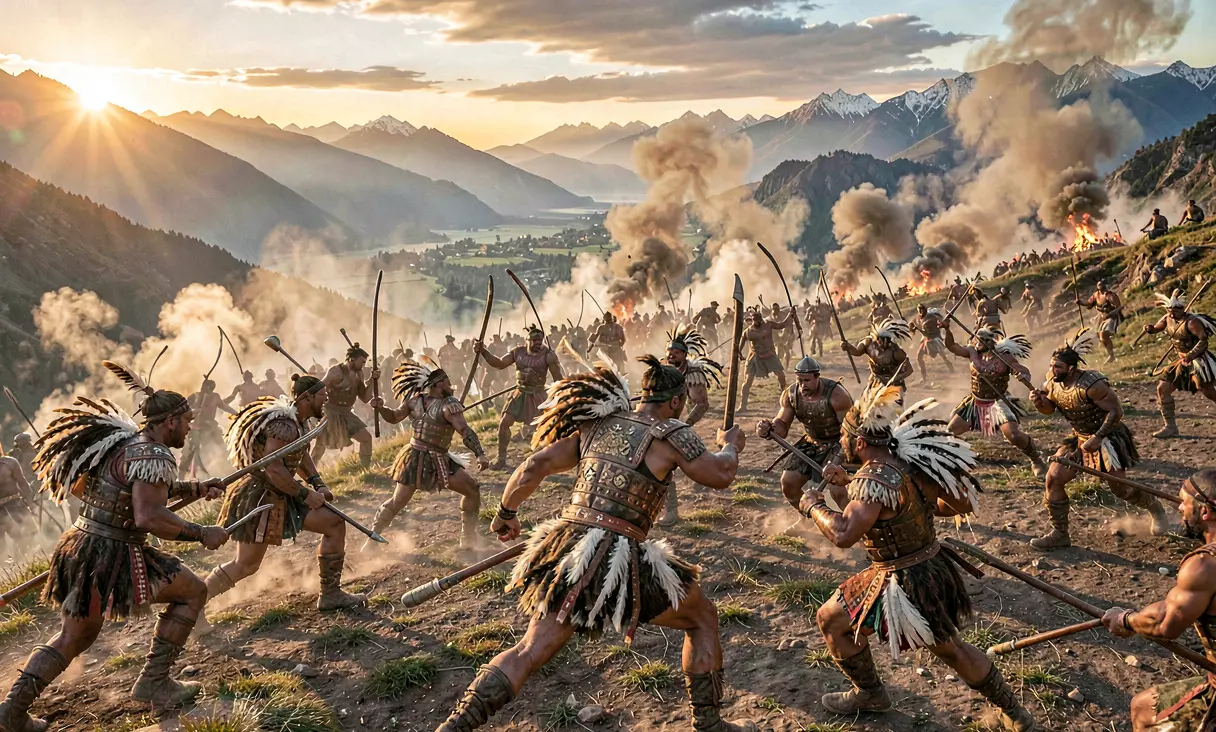
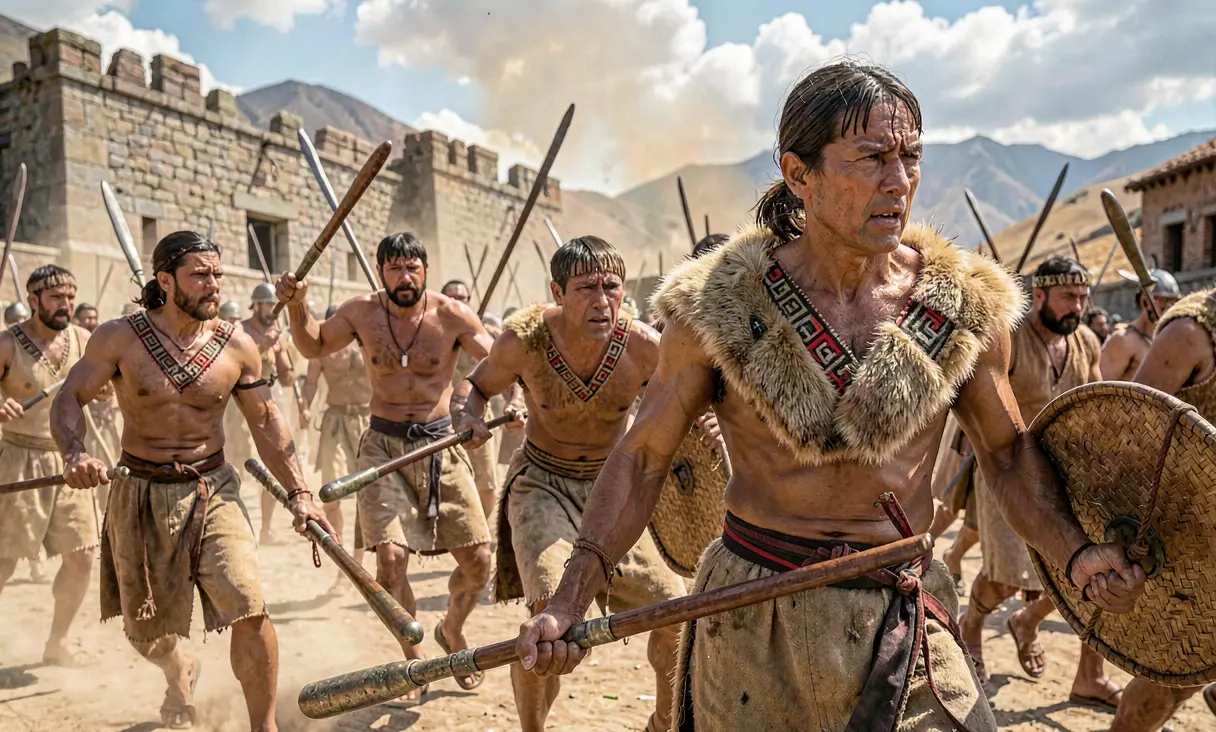
The decisive confrontation occurred on the plains of Yawarpampa (Blood Plain) just outside Cusco. The battle was brutal and chaotic, with Inca forces utilizing guerrilla tactics and the terrain to their advantage against the larger Chanka army. Historical accounts describe a turning point where Pachacuti's strategic foresight allowed him to cut off Chanka supply lines or flank their main force, causing the enemy lines to crumble. The Chanka warlord Usnu Huaraca was captured during the melee, and his subsequent execution symbolized the total defeat of the confederation. The name Yawarpampa endures as a testament to the carnage that ensued, marking the moment the Inca transitioned from victims to victors.
Ascension and Consolidation
The victory at Yawarpampa had immediate political consequences. With his father still in exile and his brother Urco viewed as a traitor for fleeing, Pachacuti was proclaimed the new Sapa Inca, taking the regnal name Pachacuti Inca Yupanqui. He did not merely consolidate power; he fundamentally restructured the state. He purged potential rivals, reorganized the military into a professional standing army, and initiated the construction of massive public works to solidify his authority. The defeat of the Chanka was not treated as an isolated incident but as the catalyst for a new imperial ideology that justified aggressive expansion.
The Birth of Tawantinsuyu
Following the conquest of the Chanka, Pachacuti launched a series of rapid campaigns that expanded Inca territory from a small kingdom to the vast empire known as Tawantinsuyu. Within decades, the Inca absorbed the territories of the Colla, Lupaca, and eventually conquered the Chimú civilization on the northern coast. The administrative systems developed after 1438, including the mit'a labor tax and the road network (Qhapaq Ñan), were direct results of the need to manage this new empire. The event marked the definitive shift from regional tribal warfare to centralized imperial administration, creating a political entity that would dominate South America for nearly a century.
Historical Legacy
The Conquest of the Chanka stands as the foundational myth and historical pivot point of the Inca Empire. Without this victory, Cusco likely would have been absorbed into the Chanka sphere or destroyed, preventing the rise of one of history's most sophisticated pre-Columbian civilizations. The event illustrates the critical role of individual leadership in moments of existential crisis and demonstrates how military success can be leveraged to forge a new political order. It remains a defining moment in Andean history, symbolizing the resilience of the Inca people and the beginning of their era as the dominant power of the Americas.
The defeat of the Chanka catalyzed the rise of the Inca Empire as a dominant Andean power.
Where it happened
Cusco, Peru — see it on the interactive map →
Explore related history
 WarAlgerian War of Independence BeginsNovember 1, 1954 · Algiers, AlgeriaThe National Liberation Front launches coordinated attacks marking the start of the Algerian War against France.
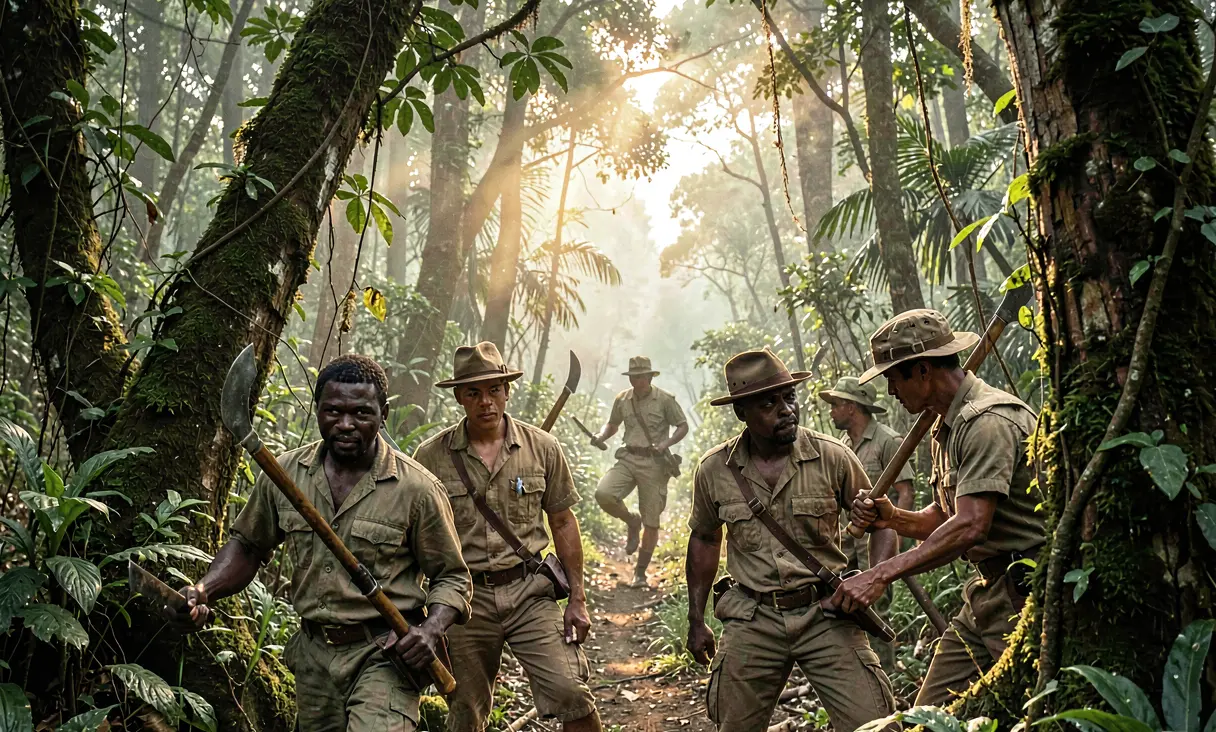 WarMau Mau Uprising Begins in KenyaOctober 20, 1952 · Nairobi, KenyaThe Kikuyu-led Mau Mau rebellion begins against British colonial rule and white settler land ownership.
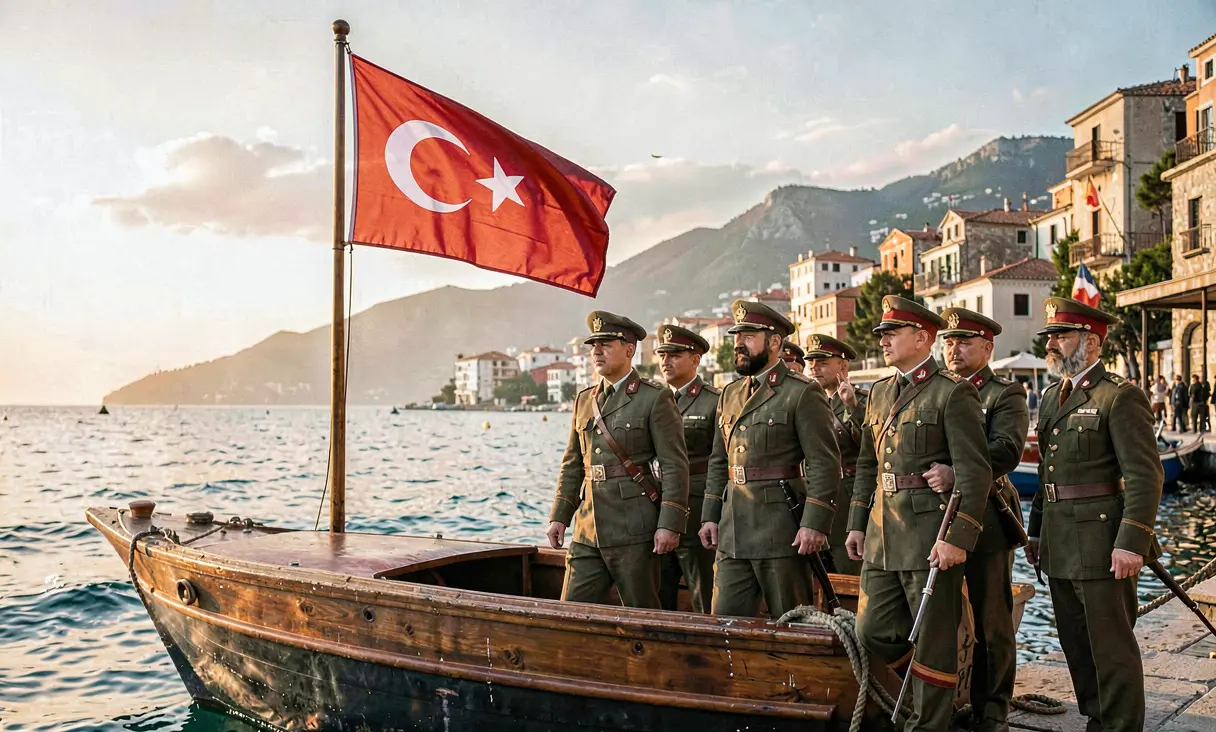 WarTurkish War of Independence BeginsMay 19, 1919 · Samsun, TurkeyMustafa Kemal Atatürk lands in Samsun to organize resistance against Allied occupation and the Ottoman Sultanate.
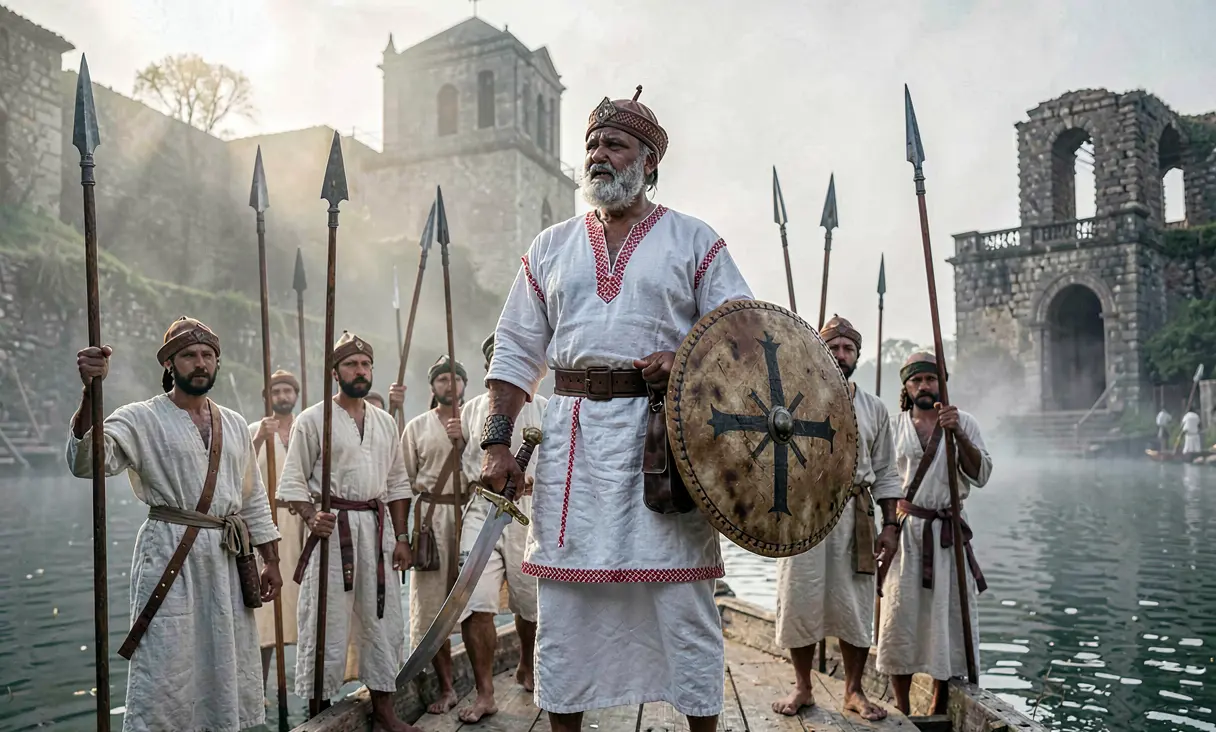 WarExpansion of the Solomonic Empire under Zara Yaqobc. 1434 CE · Lake Tana, EthiopiaEmperor Zara Yaqob launches military campaigns to consolidate the Solomonic dynasty and suppress heresy.
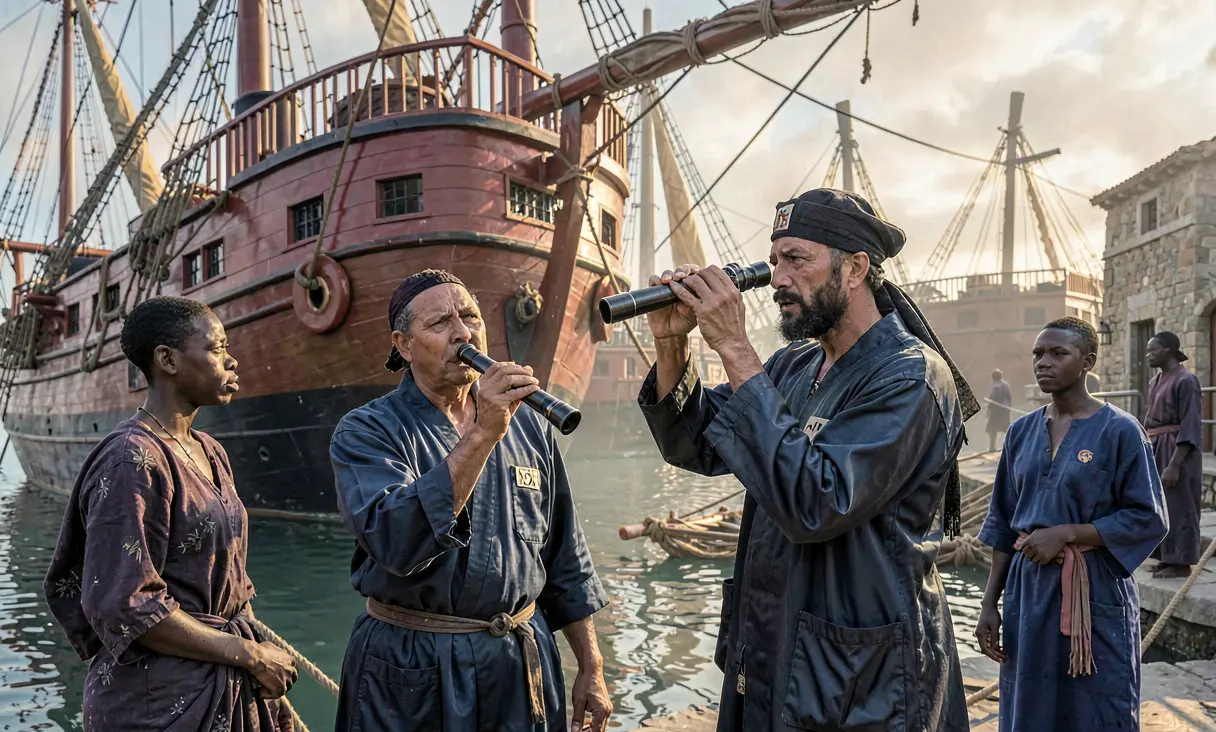 ExplorationEnd of Zheng He's Voyages and Ming Isolationism1433 CE · East Africa / China CoastThe Ming Dynasty halts the great naval expeditions and restricts maritime trade.
 ArtCreation of the Benin Bronzes under Oba Ewuarec. 1450 CE · Benin City, NigeriaOba Ewuare commissions the famous bronze and ivory plaques documenting court life and military victories.
Discussion
Loading…