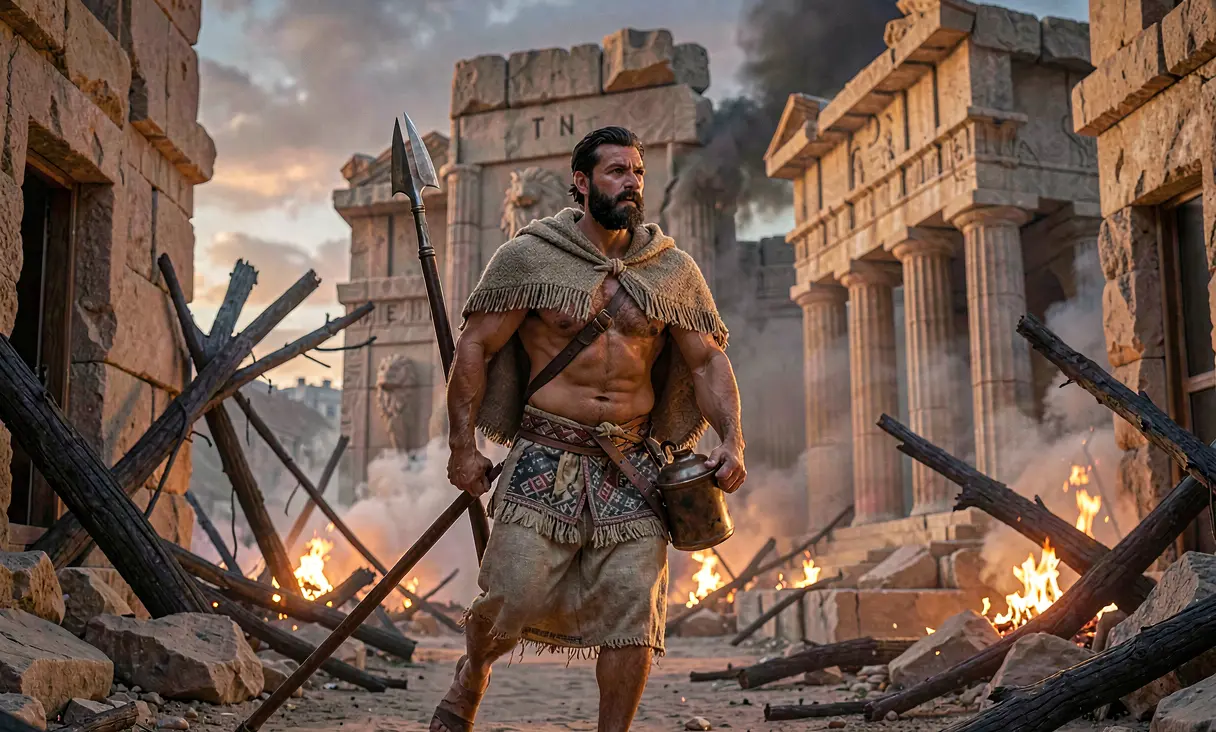
Abandonment of Hattusa by the Hittites
The violent destruction and abandonment of Hattusa around 1200 BCE marked the catastrophic end of the Hittite Empire, symbolizing the systemic collapse of the Late Bronze Age world order.
The Zenith and Fragility of the Hittite Empire
By the late 13th century BCE, the Hittite Empire, centered at Hattusa in central Anatolia (modern-day Boğazkale, Turkey), stood as one of the great superpowers of the Late Bronze Age. Rivaling Egypt under the Great Kingship of Suppiluliuma I and his successors, the empire controlled a vast network of vassal states stretching from the Taurus Mountains to the Euphrates. However, beneath this imperial veneer lay deep structural vulnerabilities. Decades of drought, evidenced by paleoclimatic data showing a severe aridification event around 1200 BCE, had precipitated widespread famine and social unrest. The state's reliance on grain imports from its western territories was severed by the disruption of maritime trade routes, while the military machine struggled to contain persistent raids from the Kaskians in the north and the rising threat of the 'Sea Peoples' along the Mediterranean coast.
The Final Reigns: Tudhaliya IV and Suppiluliuma II
The last decades of Hittite history were defined by the reigns of King Tudhaliya IV (c. 1237–1209 BCE) and his son, Suppiluliuma II (c. 1207–1178 BCE). While Tudhaliya attempted to fortify Hattusa with massive new ramparts and the iconic Lion Gate, he faced a crumbling economy and internal revolts by the Kaskians who had long harassed the northern borders. Suppiluliuma II, perhaps the last great king of the empire, is known from his own inscriptions to have campaigned vigorously against rebellious vassals in Cyprus (Alashiya) and the north, claiming to have defeated a coalition of enemies. Yet, these military victories appear to have been pyrrhic; they drained the royal treasury and exhausted the manpower needed to defend the capital itself. The dynasty's grip on power was slipping as the central administration lost its ability to project authority beyond the immediate vicinity of Hattusa.
The Cataclysm: Fire, Sack, and Silence
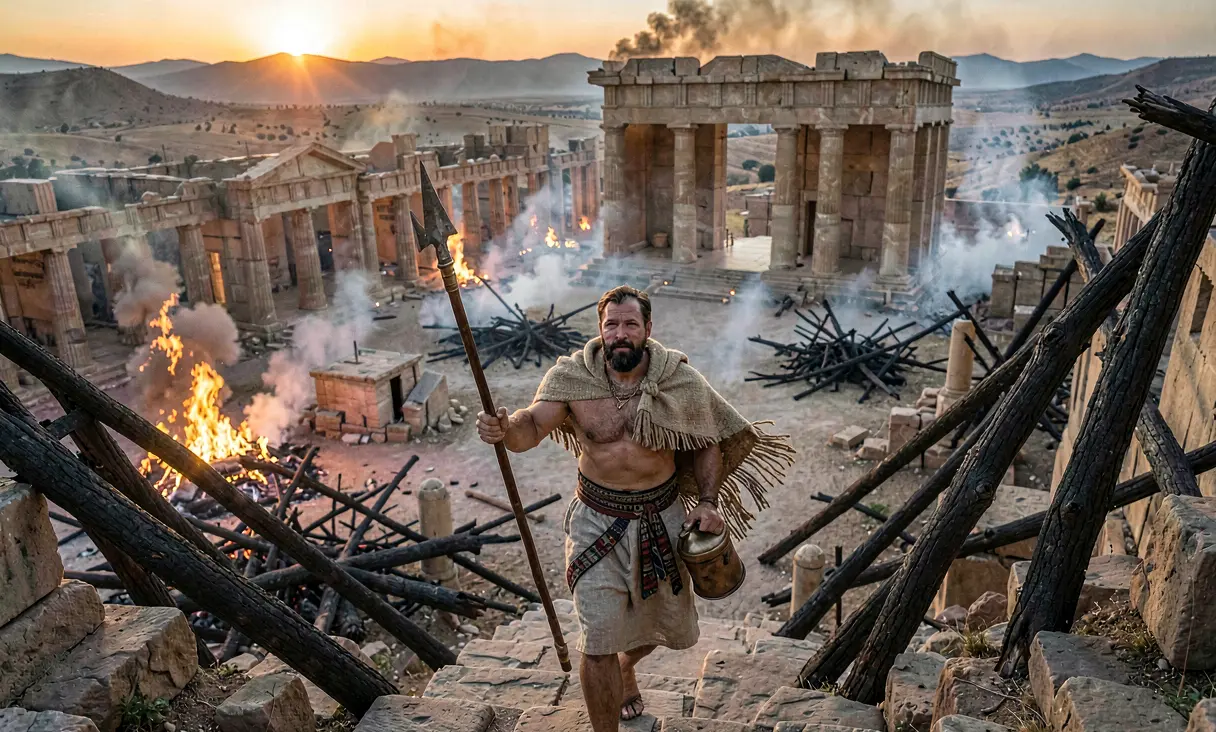
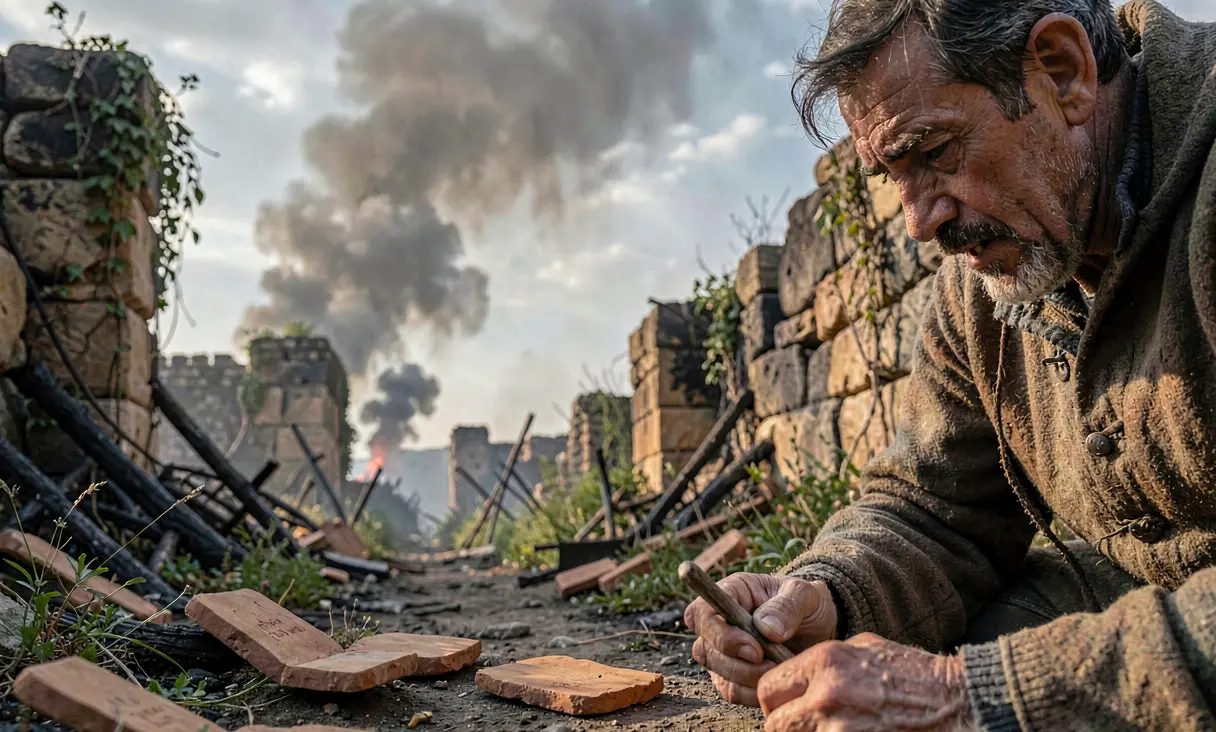
Around 1200 BCE, the inevitable collapse arrived with violent suddenness. Archaeological excavations at Boğazkale reveal a distinct destruction layer characterized by intense burning that consumed the royal palace, the Great Temple, and vast sections of the city's administrative quarters. The fire was not accidental; it was systematic. The great archives containing thousands of cuneiform tablets—clay records of treaties, laws, omens, and diplomatic correspondence with Egypt and Babylon—were baked in the conflagration rather than destroyed by it, ironically preserving them for modern discovery. Evidence suggests that Hattusa was first breached by the Kaskians, who had long been a thorn in the empire's side, possibly aided by internal factions or opportunistic mercenaries. The city was looted of its valuables, and the population either fled, was enslaved, or perished. Crucially, there is no evidence of rebuilding; the fire marked a terminal end to urban life at the site.
The Disappearance of the Dynasty
With the fall of Hattusa, the Great Kingship vanished from history. Unlike other civilizations that transitioned into successor states with continuity of lineage, the Hittite royal line effectively ceased to exist as a political entity in Anatolia. The last known king, Suppiluliuma II, disappears from the record without a successor named in any contemporary text. The administrative machinery that had held the empire together disintegrated instantly. Vassal states in Syria and southern Anatolia were left leaderless, forced to navigate a new geopolitical landscape dominated by aggressive newcomers. The silence of the royal court was absolute; no new treaties were signed from Hattusa, and the complex diplomatic network that had maintained the balance of power in the ancient Near East collapsed overnight.
Fragmentation: The Rise of the Neo-Hittite States
While the centralized empire died at Hattusa, Hittite culture did not vanish entirely. In the southern reaches of former Hittite territory, particularly in the region of Carchemish and Malatya, local warlords and surviving nobility established a series of independent city-states known to historians as the Neo-Hittite or Syro-Hittite states. These polities, such as Carchemish, Tabal, and Gurgum, retained Hittite iconography, the Luwian language (written in hieroglyphs), and religious traditions for centuries. However, they were no longer a unified empire but rather fragmented kingdoms often vying for dominance or falling under the sway of rising powers like Arzawa, Assyria, and eventually the Phrygians. This decentralization marked a fundamental shift from imperial hegemony to regional fragmentation.
Legacy: A Symbol of Bronze Age Collapse
The abandonment of Hattusa stands as one of the most potent symbols of the Late Bronze Age Collapse, a systemic failure that reshaped the ancient world. It demonstrated the fragility of complex, interconnected civilizations dependent on long-distance trade and centralized bureaucracy when faced with environmental stress, mass migration, and military pressure. The destruction of Hattusa signaled the end of an era where great powers like Egypt, Hatti, Mycenae, and Babylon could dictate terms to one another, ushering in a 'Dark Age' characterized by depopulation, illiteracy, and the rise of new iron-age cultures. Today, the ruins of Hattusa serve as a haunting testament to the impermanence of even the mightiest empires, reminding historians that civilization is a precarious achievement easily undone by converging crises.
The fall of Hattusa ended the Hittite Empire and signaled a major shift in the geopolitical order of the ancient world.
Where it happened
Hattusa (Bogazkoy), Turkey — see it on the interactive map →
Explore related history
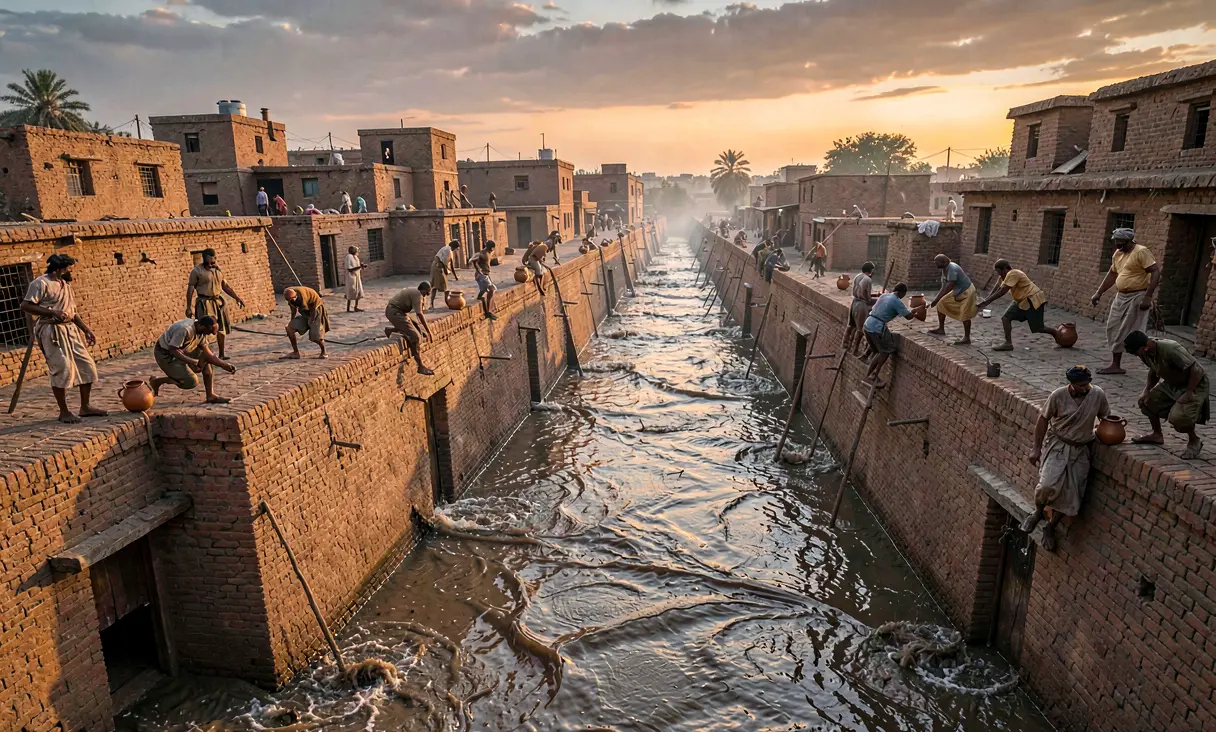 DisasterCatastrophic Flooding at Mohenjo-Daroc. 1900 BCE · Mohenjo-Daro, Sindh, PakistanDevastating floods from the Indus River repeatedly buried and destroyed layers of Mohenjo-Daro, signaling the decline of the urban phase.
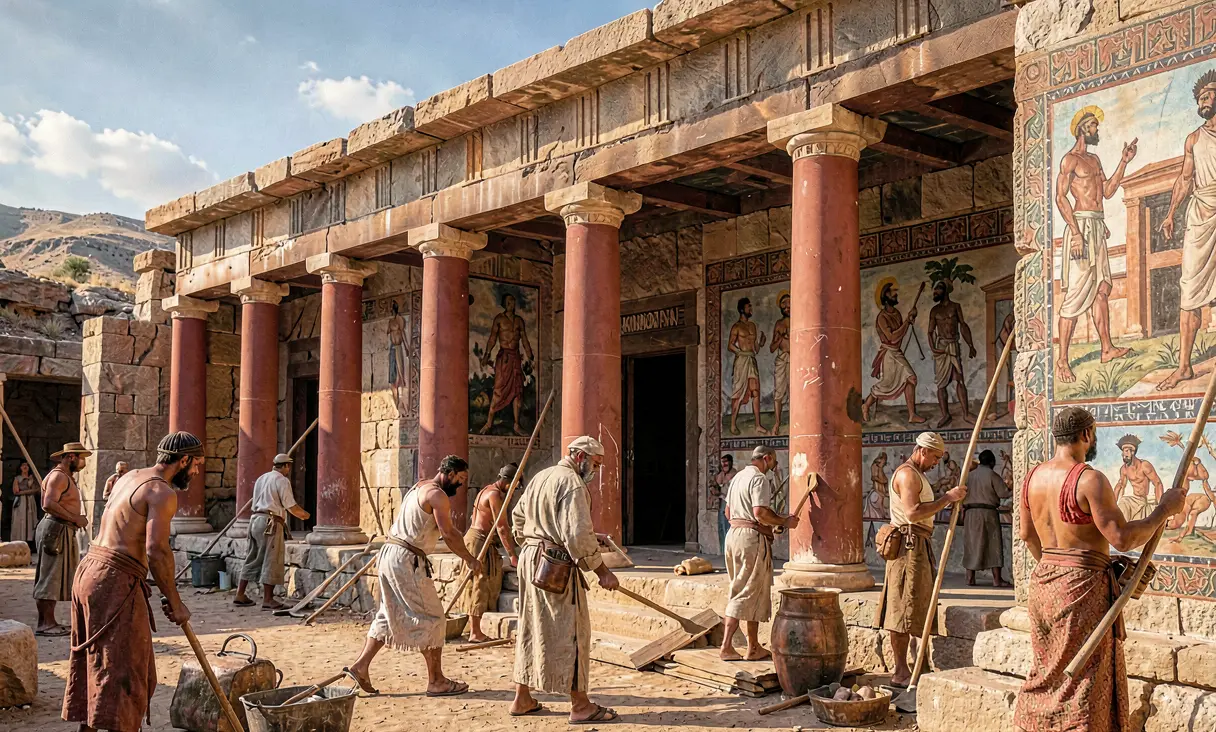 DisasterRebuilding of the Palace at Knossos after Earthquakec. 1700 BCE · Knossos, Crete (Greece)Minoans rebuild the Palace of Knossos after a massive earthquake destroys the old structure.
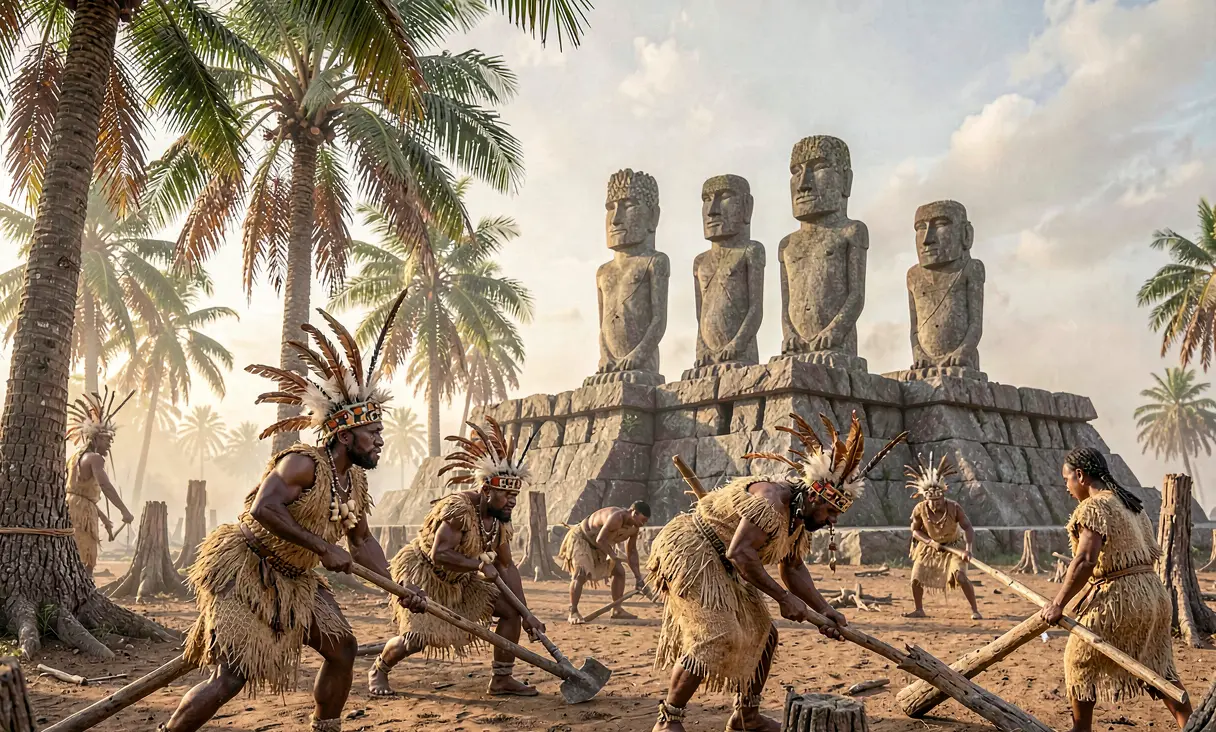 DisasterEcological Collapse and Deforestation of Rapa Nuic. 1600 CE · Rapa Nui (Easter Island), ChileOverexploitation of resources leads to deforestation and societal transformation on Rapa Nui.
 ReligionZoroaster Preaches Dualistic Monotheismc. 1200 BCE · Greater Khorasan, Iran/Afghanistan border regionThe prophet Zoroaster establishes a dualistic faith emphasizing the cosmic struggle between good and evil in ancient Persia.
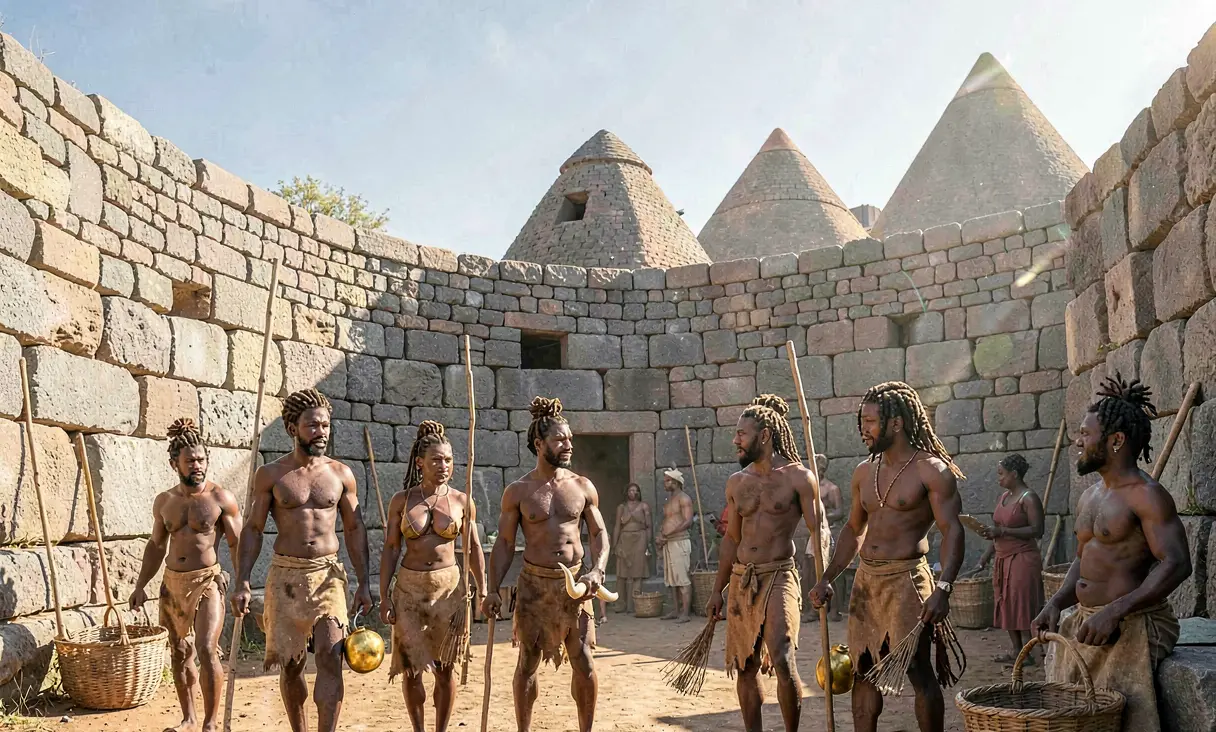 CivilizationConstruction and Peak of Great Zimbabwec. 1200 CE · Great Zimbabwe, ZimbabweThe Great Zimbabwe complex reaches its zenith as a major trading hub connecting the interior to the Swahili coast.
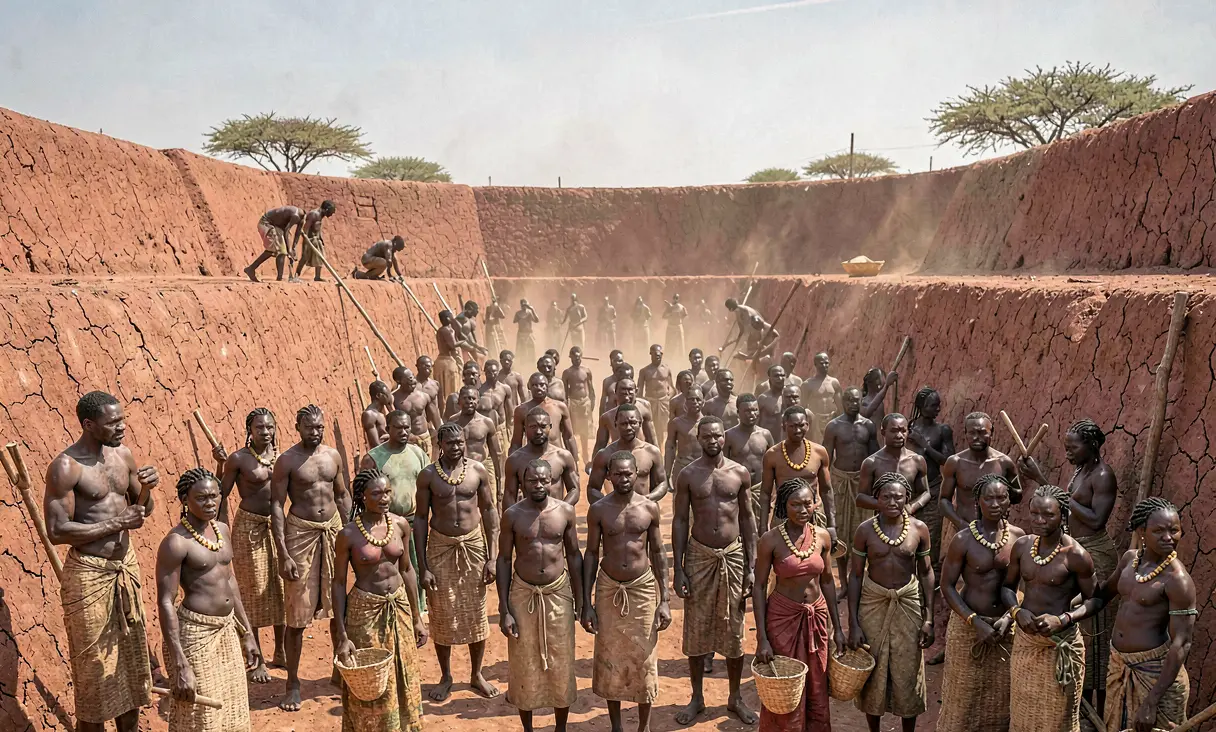 TechnologyConstruction of the Benin Walls Beginsc. 1200 CE · Benin City, NigeriaMassive earthwork fortifications begin to encircle Benin City, creating one of the world's largest pre-modern structures.
Discussion
Loading…