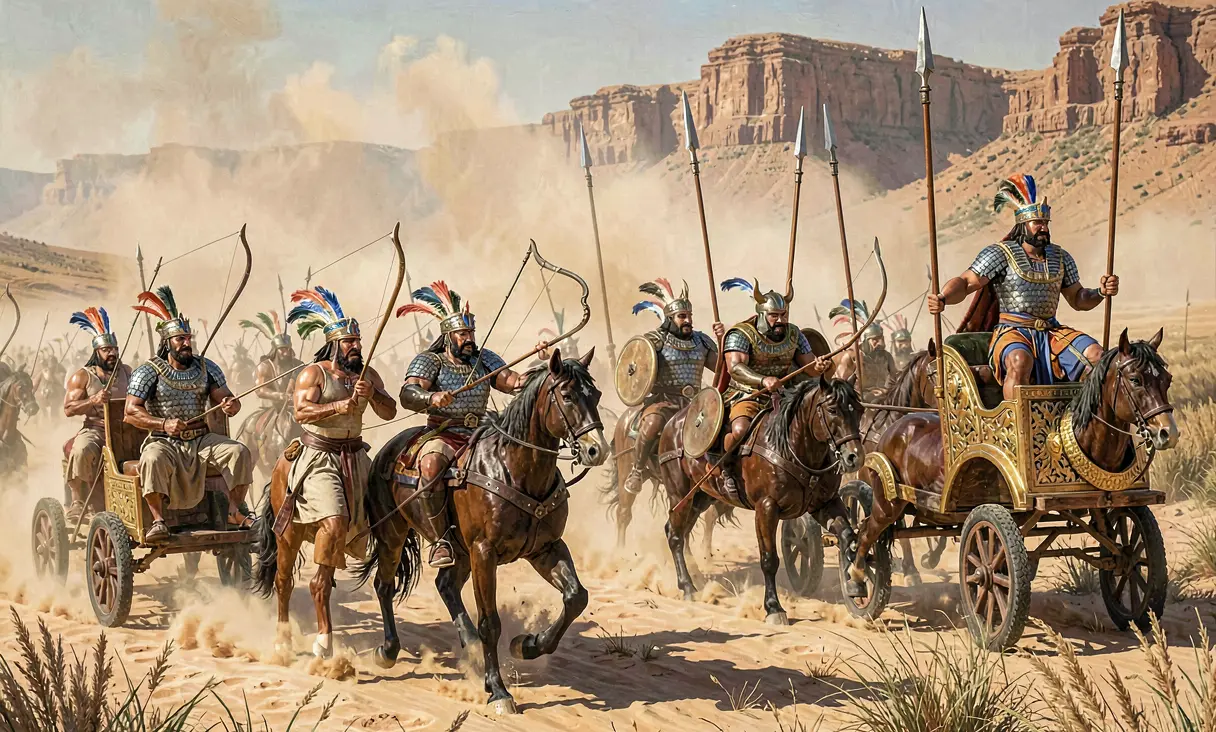
Battle of Kadesh: Hittites vs. Egyptians
The Battle of Kadesh (c. 1274 BCE) was a massive chariot stalemate between Egypt and Hatti that birthed history's first surviving peace treaty, defining Bronze Age diplomacy.
The Clash of Superpowers
By the mid-13th century BCE, the ancient Near East was dominated by two titanic empires: the New Kingdom of Egypt and the Hittite Empire of Anatolia. For decades, these powers had engaged in a cold war over control of Syria-Palestine, a region rich in trade routes and resources. The city of Kadesh (modern Tall al-Nabi Mind), strategically located on the Orontes River, served as the flashpoint for this geopolitical tension. Under the rule of Pharaoh Ramesses II, Egypt sought to reassert dominance over territories lost during the Amarna period, while Hittite King Muwatalli II aimed to consolidate his western frontier and prevent Egyptian expansion northward.
The March to Disaster
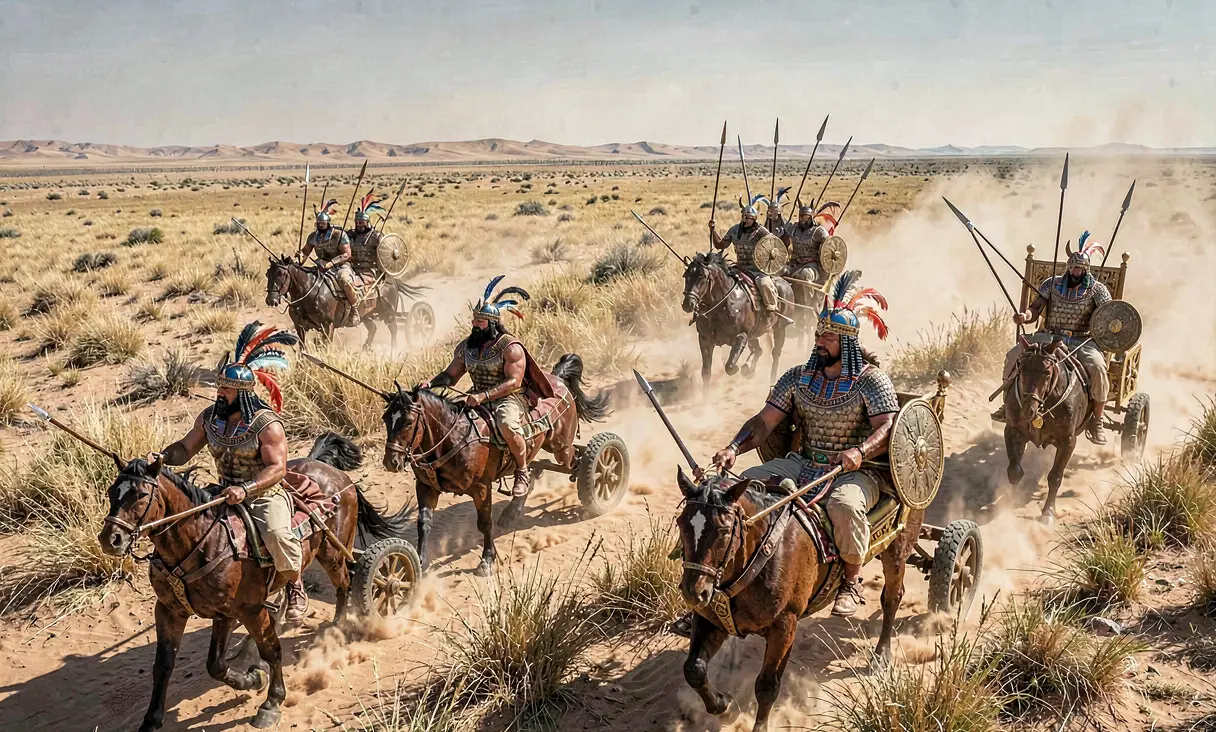
In the spring of 1274 BCE, Ramesses II led an estimated 20,000 men in four divisions—named Amun, Re, Ptah, and Seth—northward toward Kadesh. The pharaoh relied on intelligence from two captured Shasu bedouins who claimed the Hittite army was far away in Aleppo. In reality, Muwatalli had concealed over 2,500 chariots, manned by elite warriors, behind the city walls and the bend of the Orontes River. When Ramesses' lead division, the Amun, crossed the river and established camp north of Kadesh, they were suddenly ambushed by the Hittite chariotry. The Egyptian forces were caught in a chaotic rout, with thousands of soldiers cut down as the Hittites smashed through the disorganized lines.
Ramesses: The Pharaoh's Last Stand
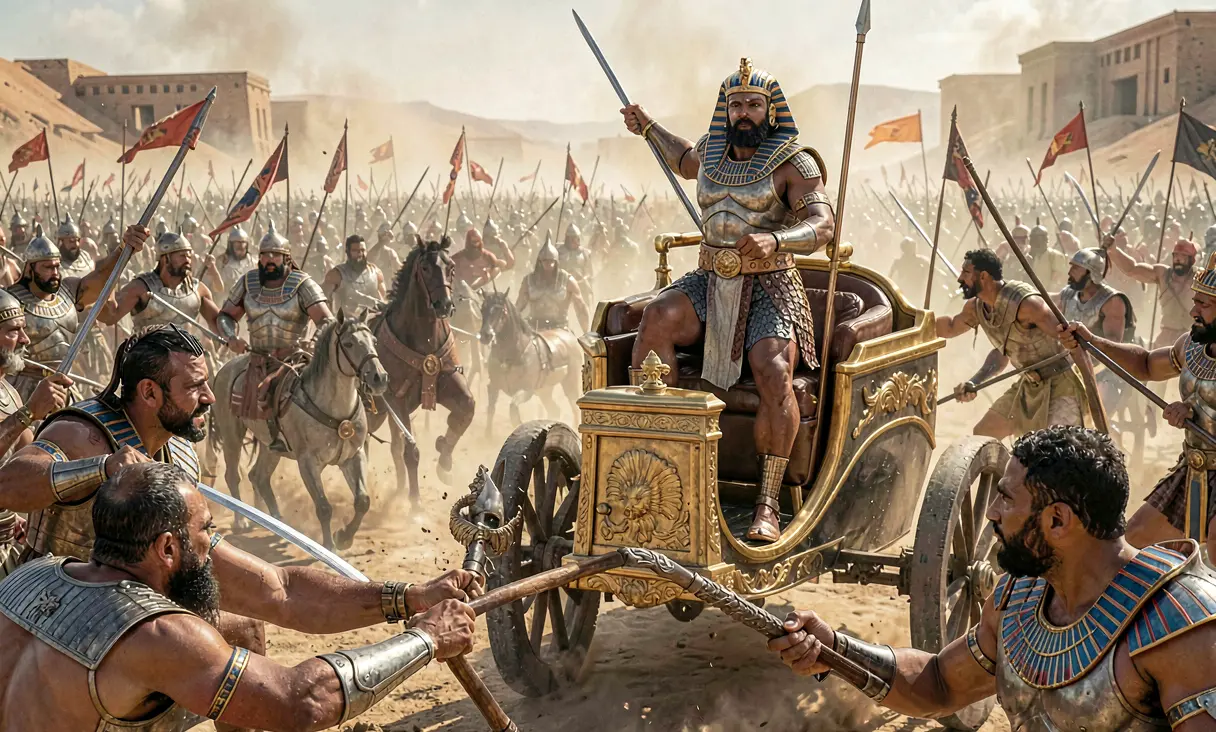
Contemporary accounts, particularly the 'Poem' and the 'Bulletin' inscribed on temple walls at Karnak and Abu Simbel, depict Ramesses II as a lone hero who rallied his scattered troops. Isolated with only his personal guard, the pharaoh reportedly charged into the enemy lines, killing hundreds of Hittite warriors single-handedly before reinforcements from the arriving Ptah division stabilized the front. While modern historians view these descriptions as propaganda designed to deify the king, they underscore the critical nature of Ramesses' personal intervention in preventing a total annihilation of the Egyptian army. The battle evolved into a grueling stalemate as the remaining Egyptian divisions arrived and the Hittite chariots, exhausted by their initial assault, were unable to break the fortified camp.
The Stalemate and Strategic Withdrawal
Despite the ferocity of the fighting, neither side could claim a decisive tactical victory. The Hittites failed to destroy the Egyptian army or capture Ramesses, while the Egyptians were unable to take Kadesh or dislodge Muwatalli's forces. After two days of inconclusive combat, the Hittite king withdrew his chariots back across the river, and Ramesses eventually retreated south toward Egypt. Both monarchs returned home claiming total victory; Egyptian reliefs glorify the pharaoh as a god-like warrior, while Hittite records emphasize their successful defense of Kadesh and the survival of their army against overwhelming odds.
From War to Peace: The Treaty of Kadesh
The military exhaustion following Kadesh eventually forced both empires to seek a diplomatic resolution. Approximately fifteen years later, around 1259 BCE, Ramesses II and the new Hittite king, Hattusili III (Muwatalli's brother), signed the Treaty of Kadesh. This document, preserved in cuneiform on clay tablets at Hattusa and as a hieroglyphic version in Egypt, is the earliest surviving peace treaty in recorded history. It established mutual non-aggression, defined borders in Syria, promised extradition of political refugees, and created a defensive alliance against external threats, effectively ending decades of hostilities between the two superpowers.
Legacy of Bronze Age Diplomacy
The Battle of Kadesh stands as a watershed moment in military history, showcasing the peak of chariot warfare and the complexities of ancient logistics. However, its true significance lies in the diplomatic breakthrough that followed. The treaty set a precedent for international relations, introducing concepts of equality between sovereign states and formalized peace mechanisms that would influence diplomacy for millennia. Today, copies of the treaty are displayed at the United Nations headquarters in New York, symbolizing the enduring human aspiration to resolve conflict through dialogue rather than destruction.
It was one of the largest chariot battles ever fought and led to the first recorded international peace treaty.
Where it happened
Kadesh (Tall al-Nabi Mind), Syria — see it on the interactive map →
Explore related history
 WarAlgerian War of Independence BeginsNovember 1, 1954 · Algiers, AlgeriaThe National Liberation Front launches coordinated attacks marking the start of the Algerian War against France.
 WarMau Mau Uprising Begins in KenyaOctober 20, 1952 · Nairobi, KenyaThe Kikuyu-led Mau Mau rebellion begins against British colonial rule and white settler land ownership.
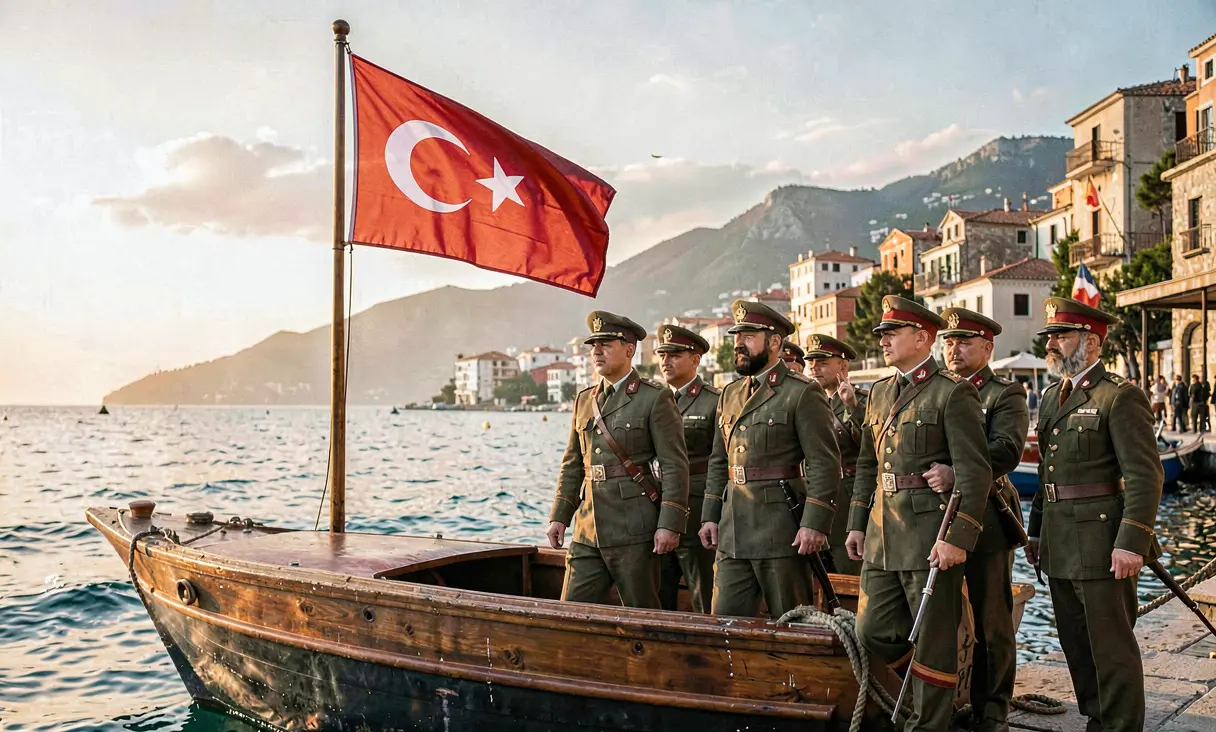 WarTurkish War of Independence BeginsMay 19, 1919 · Samsun, TurkeyMustafa Kemal Atatürk lands in Samsun to organize resistance against Allied occupation and the Ottoman Sultanate.
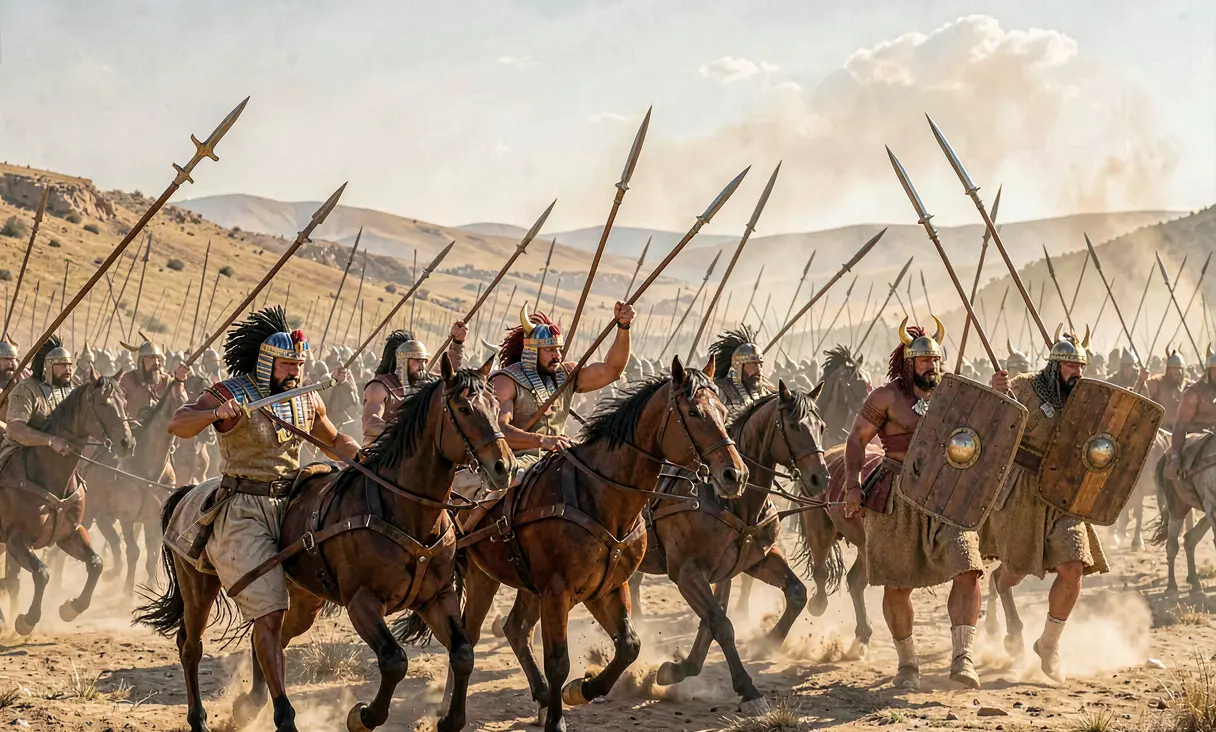 WarBattle of Kadeshc. 1274 BCE · Syria/Lebanon BorderEgypt and Hittites clash in the largest chariot battle of antiquity resulting in a peace treaty.
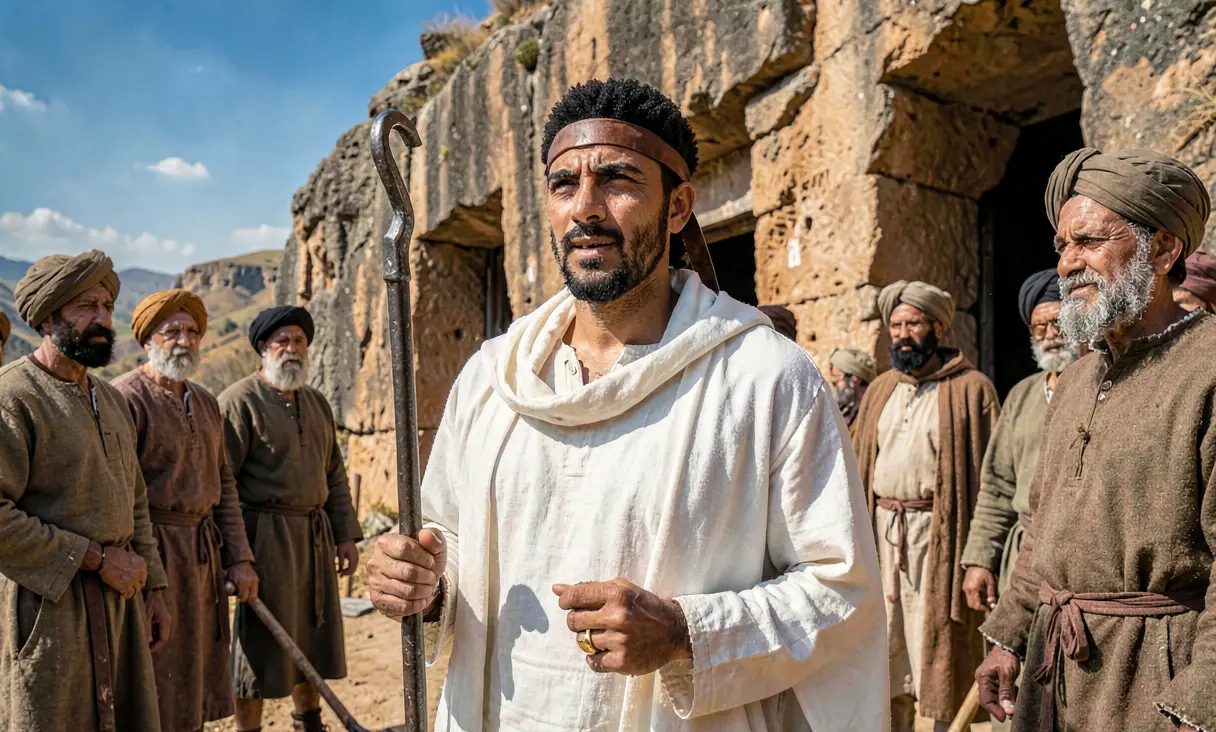 PoliticsSolomonic Restoration in Ethiopiac. 1270 CE · Lalibela, EthiopiaYekuno Amlak restores the Solomonic dynasty, claiming direct descent from King Solomon and the Queen of Sheba.
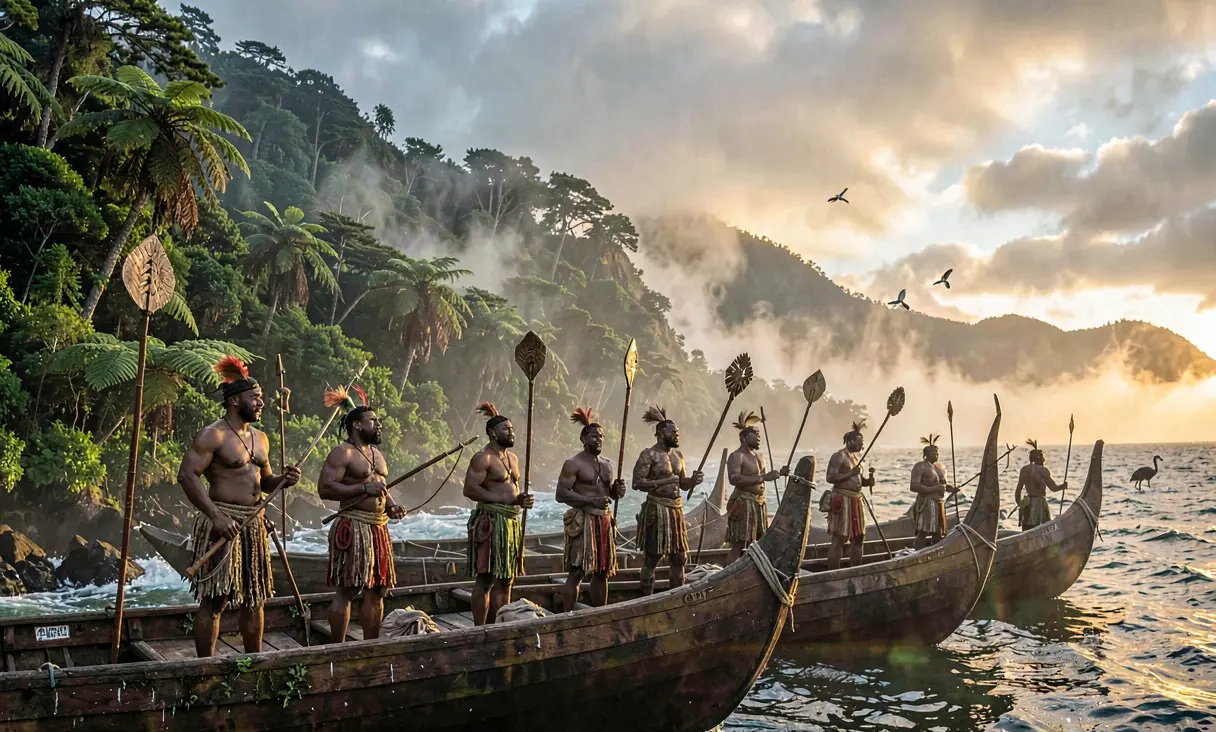 ExplorationMāori Settlement of Aotearoa (New Zealand)c. 1280 CE · North Island, New ZealandPolynesian voyagers from East Polynesia arrive in Aotearoa, marking the last major human migration.
Discussion
Loading…