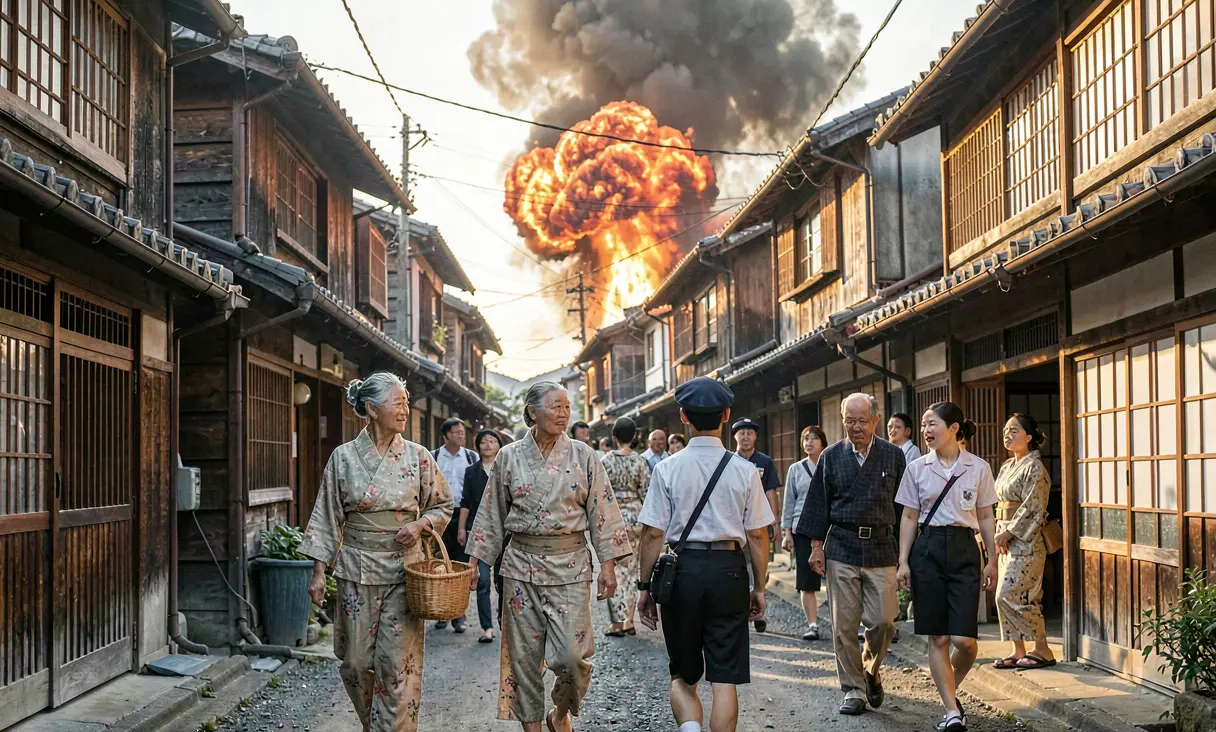
Atomic Bombing of Hiroshima
The atomic bombing of Hiroshima on August 6, 1945, instantly decimated a city, ended World War II, and irrevocably ushered humanity into an era of nuclear deterrence and existential risk.
Strategic Context and the Manhattan Project
By mid-1945, the Second World War in the Pacific had reached a brutal stalemate. Following the island-hopping campaign that brought Allied forces within striking distance of the Japanese home islands, the United States faced the prospect of Operation Downfall, an invasion projected to result in hundreds of thousands of American casualties and millions of Japanese deaths. Simultaneously, the top-secret Manhattan Project, led by General Leslie Groves and scientific director J. Robert Oppenheimer, had successfully culminated in the Trinity test on July 16, 1945, in New Mexico, proving the viability of an atomic weapon. The decision to utilize this new technology against Japan was driven by a desire to force a swift surrender without a mainland invasion, though the ethical implications and the potential for Soviet expansion were subjects of intense debate within President Harry S. Truman's administration.
The Target Selection
A committee convened in April 1945 to identify suitable targets that would demonstrate the bomb's destructive power while minimizing the loss of American prisoners of war held there. Four cities were initially considered: Kyoto, Hiroshima, Kokura, and Niigata. Kyoto, an ancient cultural capital, was removed from the list at the insistence of Secretary of War Henry L. Stimson due to its historical significance. Hiroshima emerged as a primary target because it was a major military hub housing the Second General Army, served as a key industrial center for munitions production, and had not yet been subjected to extensive conventional firebombing, making it an ideal baseline to measure atomic devastation. The city's topography, situated in a river delta surrounded by hills, was expected to focus the blast's shockwave, maximizing destruction.
The Mission of the Enola Gay
On the morning of August 6, 1945, at 2:45 a.m. local time, the Boeing B-29 Superfortress bomber named 'Enola Gay,' piloted by Colonel Paul Tibbets, took off from Tinian Island in the Northern Mariana Islands. The aircraft carried 'Little Boy,' a uranium-235 gun-type fission weapon weighing approximately 4,400 kilograms (9,700 pounds). Accompanied by two other B-29s for observation and data collection, Tibbets flew toward Japan under clear skies. At 8:15 a.m., the Enola Gay reached its release point over Hiroshima. After a final maneuver to ensure accuracy, Tibbets released the bomb. It fell for approximately 43 seconds before detonating at an altitude of roughly 600 meters (1,900 feet) above the Shima Surgical Clinic.
The Instantaneous Catastrophe
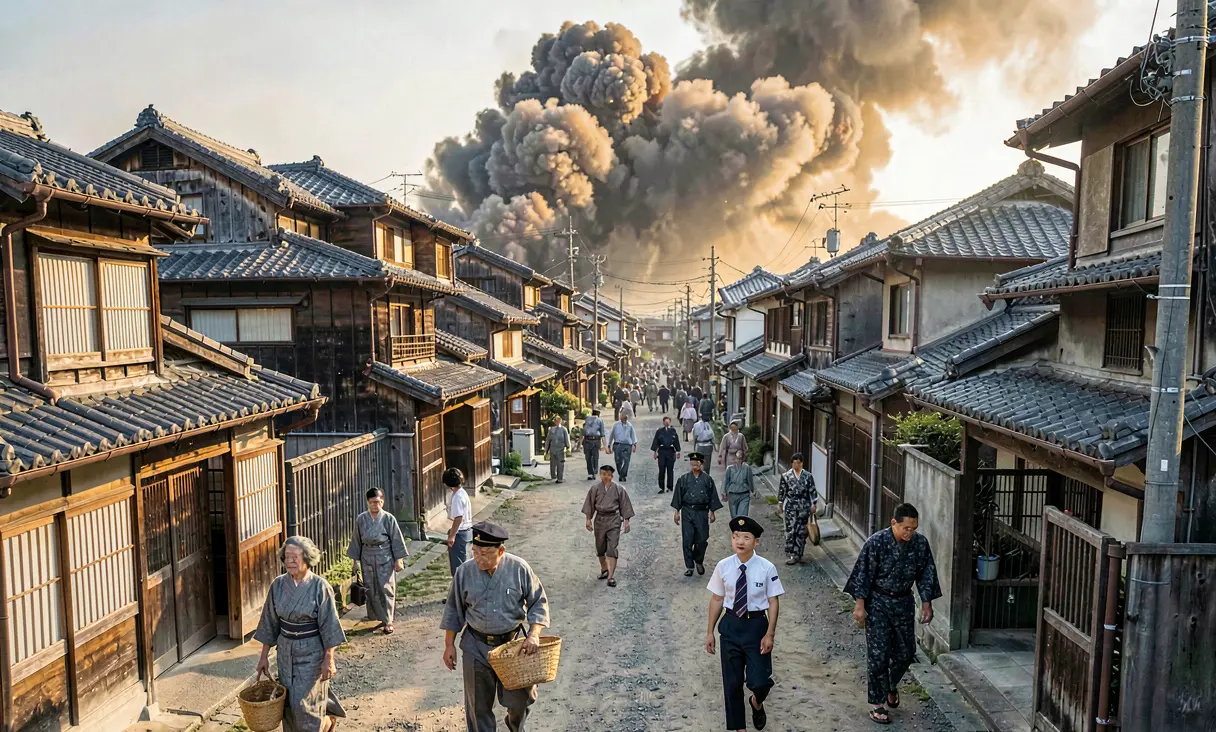
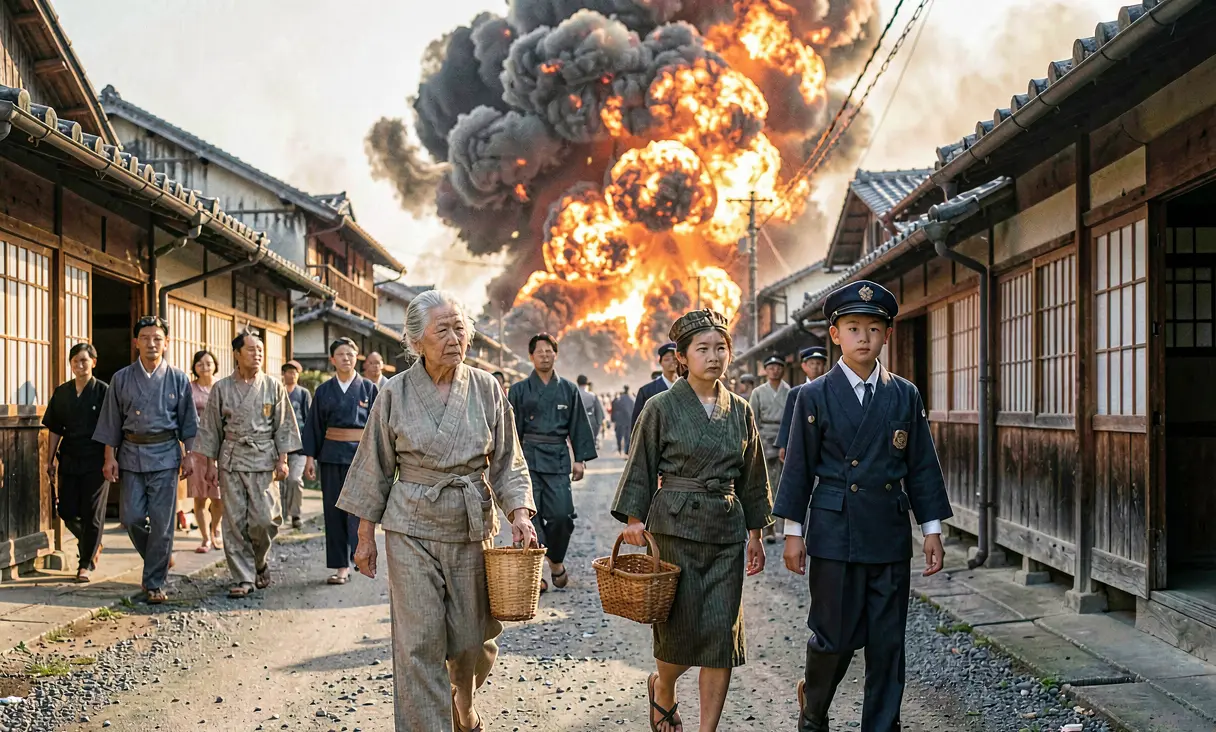
The explosion yielded a force equivalent to approximately 15 kilotons of TNT. A blinding flash of light, brighter than the sun, was followed immediately by a fireball reaching temperatures of millions of degrees Celsius. The blast wave traveled at supersonic speeds, leveling nearly 70% of the city's buildings within seconds and killing an estimated 70,000 to 80,000 people instantly. Survivors described a 'black rain' falling shortly after the detonation, carrying radioactive soot that compounded the initial trauma. The thermal pulse caused severe burns up to three kilometers from ground zero, while the shockwave shattered windows and collapsed structures as far away as 16 kilometers. In the aftermath, the city's infrastructure was obliterated, leaving a landscape of twisted steel and ash where a thriving metropolis had stood hours prior.
Humanitarian Crisis and Radiation Sickness
In the days following the bombing, the true horror of radiation sickness began to manifest among survivors, known as 'hibakusha.' Many who initially escaped death from the blast or burns succumbed to acute radiation syndrome, characterized by hair loss, internal hemorrhaging, and a catastrophic failure of the immune system. Medical facilities were decimated; doctors and nurses were among the dead, and those remaining had no experience treating radiation injuries. By the end of 1945, the death toll had risen to approximately 140,000 as thousands more died from their injuries and exposure. The psychological trauma was equally devastating, with survivors facing social stigma and long-term health complications, including increased rates of leukemia and solid cancers that would plague them for decades.
Surrender and the Dawn of the Nuclear Age
The bombing of Hiroshima did not immediately compel Japan to surrender; Emperor Hirohito remained silent while military hardliners debated a response. However, the detonation of a second atomic bomb on Nagasaki on August 9, coupled with the Soviet Union's declaration of war and invasion of Manchuria, finally broke the deadlock. On August 15, 1945, Japan announced its unconditional surrender, effectively ending World War II. The event marked a definitive shift in global geopolitics, ushering in the Cold War era defined by nuclear deterrence. It forced humanity to confront the reality that future conflicts could result in total annihilation, sparking enduring ethical debates regarding the justification of targeting civilian populations and the moral responsibilities of scientific advancement.
It initiated the nuclear age and reshaped global military strategy forever.
Where it happened
Hiroshima, Japan — see it on the interactive map →
Explore related history
 PoliticsFounding of the United NationsOctober 24, 1945 · San Francisco, USA (Charter signed)UN Charter ratified to prevent future global conflicts and promote cooperation.
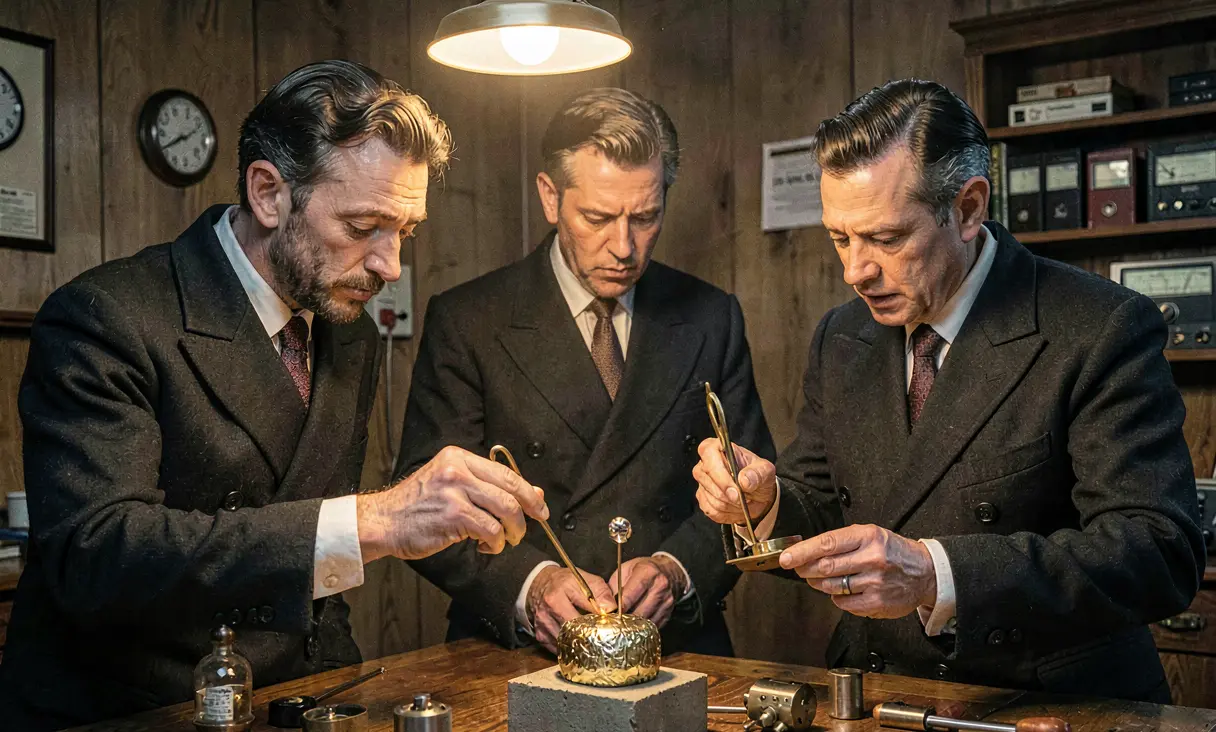 TechnologyInvention of the TransistorDecember 23, 1947 · Bell Labs, New Jersey, USAScientists create the transistor, enabling modern electronics and computing.
 ScienceDiscovery of DNA StructureFebruary 28, 1953 CE · Cambridge, EnglandWatson and Crick identify the double helix structure of DNA revealing genetic code.
Discussion
Loading…