
Codification of the Hawaiian Kapu System
The codification of the Hawaiian kapu system around 1000 CE established a rigid divine hierarchy that governed every aspect of life through sacred taboos, ensuring social stability for centuries befor
Polynesian Roots and the Arrival of Kahiki
The foundations of Hawaiian society were laid during the great migrations from East Polynesia, likely originating from the Marquesas Islands or the Society Islands, occurring in waves between 900 and 1200 CE. These voyagers, navigating vast stretches of the Pacific using celestial wayfinding techniques, brought with them a sophisticated social structure known as the kapu system. Unlike the more fluid hierarchies found in some other Polynesian societies, the Hawaiian adaptation of these taboos evolved into an exceptionally rigid and comprehensive legal code. This system was not merely a set of religious rules but the fundamental operating system of the islands, governing agriculture, warfare, gender relations, and the very definition of human worth.
The Theological Architecture of Kapu
At its core, the kapu system was designed to maintain cosmic order (pono) by strictly separating the sacred from the profane. The concept of mana, a supernatural power or spiritual energy, was believed to reside most intensely within the ali'i nui (high chiefs), who were considered direct descendants of the gods. To protect this fragile mana and prevent its contamination by commoners (maka'ainana) or improper actions, elaborate taboos were enforced. The system dictated that men and women could not eat together, with specific foods like pork, certain bananas, and coconuts often reserved exclusively for males. Violations of these dietary laws were not seen as mere social faux pas but as spiritual crimes that threatened the fertility of the land and the safety of the community.
Priests and the Consolidation of Power
The codification of this system is attributed to the arrival of high-ranking priests, often referred to in oral tradition as coming from Kahiki (a term for foreign lands, specifically Tahiti or Ra'iatea). While no single named founder like Pāʻao is definitively dated to exactly 1000 CE, later traditions credit the priestly class with formalizing the separation of classes and the intensification of religious strictures. These priests served as the intermediaries between the human realm and the divine, managing the complex rituals required at heiau (temples). The establishment of distinct social strata ensured that the ali'i maintained an aura of divinity, while the maka'ainana were relegated to the role of providers, their labor supporting the religious and political elite who sustained the kapu.
Enforcement and the Cost of Transgression
The enforcement of the kapu system was absolute and brutal. The penalty for breaking a major taboo was often death, executed through ritual sacrifice to restore balance. These sacrifices were typically performed at large heiau, such as those dedicated to Kū, the god of war, where human victims were offered to appease the gods during times of drought or conflict. The fear of divine retribution and physical execution ensured compliance across all levels of society. This mechanism of control was so effective that it created a stable, albeit stratified, society capable of sustaining large populations through intensive agricultural systems like the loʻi (taro irrigation) that supported the growing chiefdoms on the Big Island.
The Legacy of Divine Kingship
For nearly a millennium, this codified system defined Hawaiian civilization, allowing for the development of complex irrigation networks, massive stone temples, and a unified cultural identity across the archipelago. The rigidity of the kapu system eventually contributed to its downfall in 1819 when King Kamehameha II and Queen Ka'ahumanu abolished it following the death of his father, but the social structures it created persisted long after. The distinction between ali'i and maka'ainana shaped land ownership (ahupua'a) and political authority well into the era of Western contact. The system's influence remains visible in modern Hawaiian cultural revival movements that seek to understand and respect these ancient protocols regarding nature, community, and spirituality.
Historical Significance and Global Context
The codification of the Hawaiian kapu system represents a unique evolution of Polynesian social organization into one of the most complex and hierarchical societies in the pre-contact Pacific. While it shares roots with other Austronesian cultures, its extreme rigidity and the absolute divine status granted to the chiefs distinguish it from neighboring societies like those in Tahiti or New Zealand (Aotearoa). This event is crucial for understanding how isolated island communities developed sophisticated legal and religious frameworks without external influence. It stands as a testament to human adaptability and the power of belief systems to organize society, manage resources, and define identity in an isolated environment.
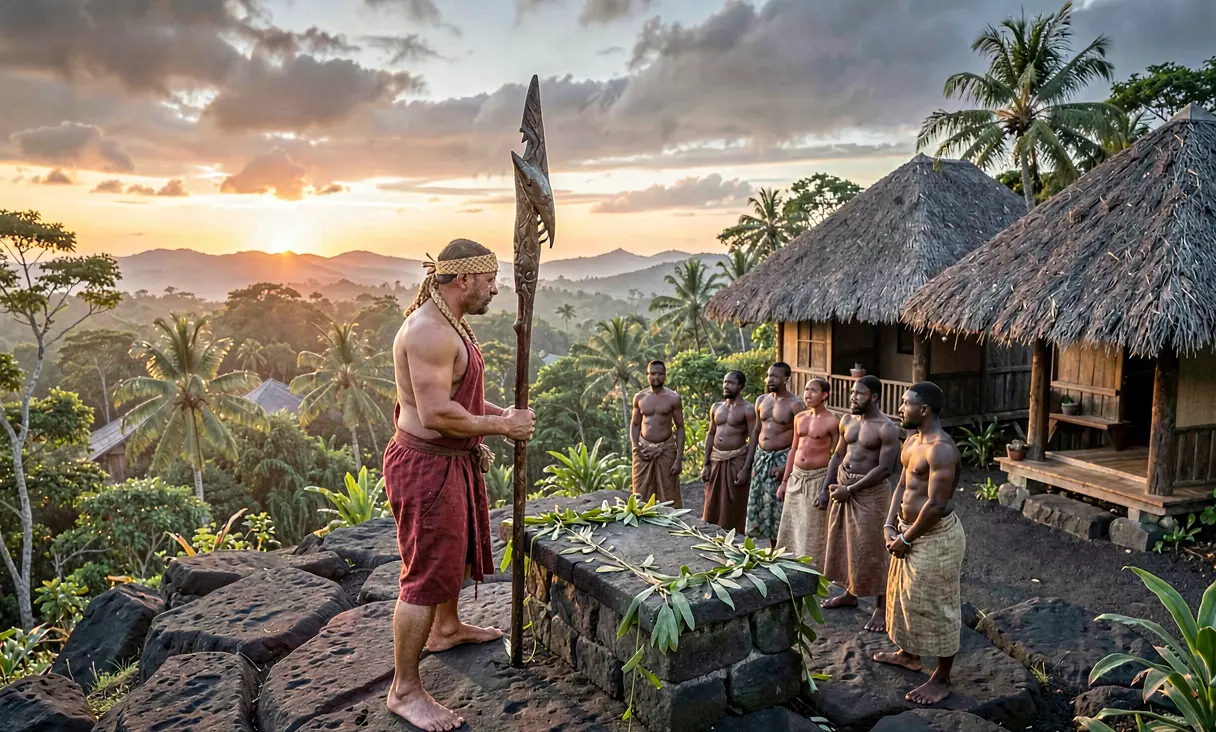
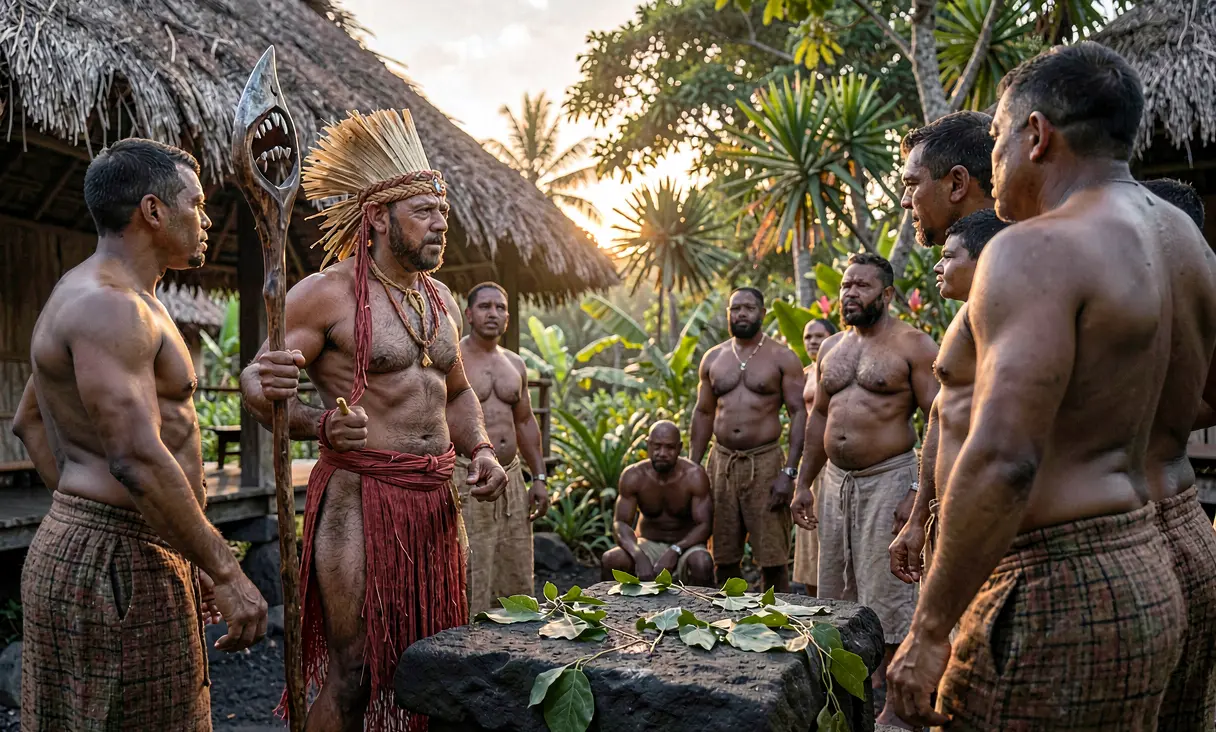
The kapu system defined Hawaiian society for centuries, shaping its political structure and spiritual life until the arrival of Europeans.
Where it happened
Hawaii (Big Island), USA — see it on the interactive map →
Explore related history
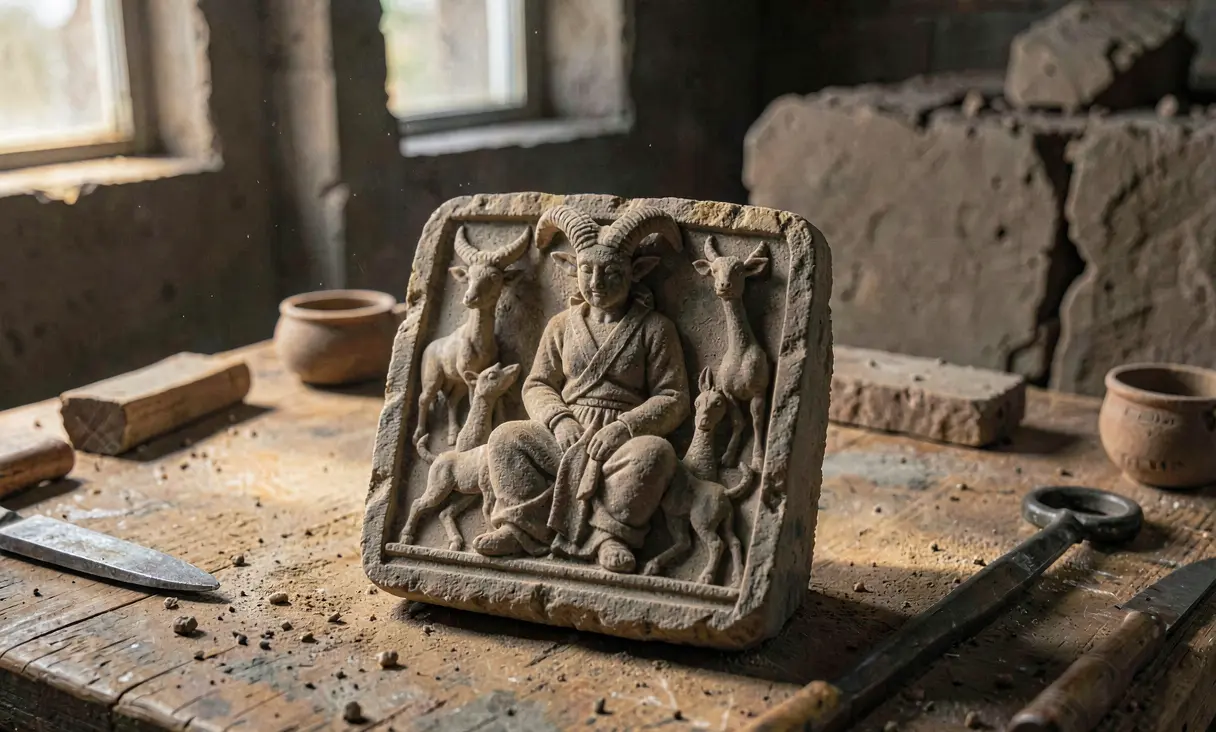 ReligionDiscovery of the Pashupati Sealc. 2500 BCE · Mohenjo-daro, Indus Valley (modern Pakistan)The Pashupati seal is carved, depicting a seated figure surrounded by animals, likely an early prototype of the Hindu god Shiva.
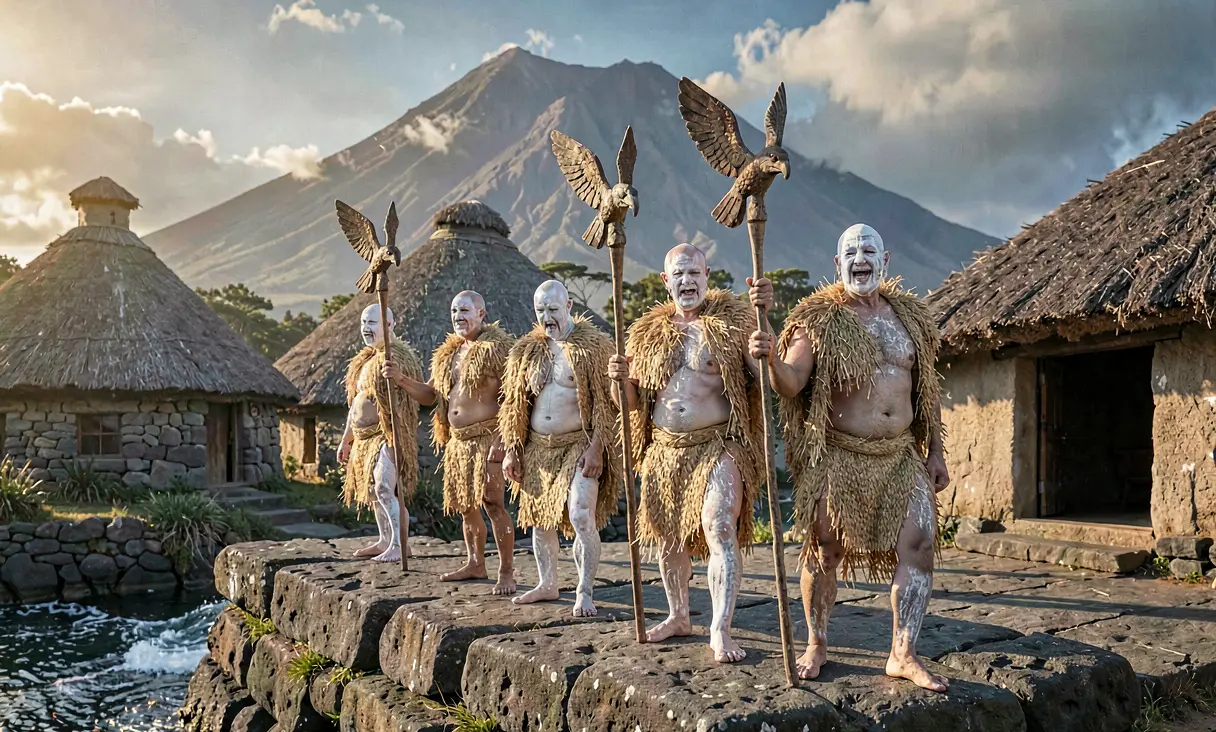 ReligionRise of the Birdman Cult on Rapa Nuic. 1600 CE · Orongo, Rapa NuiThe Birdman cult replaces moai worship as the central religious and political institution on Rapa Nui.
 ReligionAskia Muhammad's Pilgrimage to Meccac. 1497 CE · Mecca (via Gao)Askia Muhammad undertakes a lavish pilgrimage to Mecca, strengthening ties with the Islamic world.
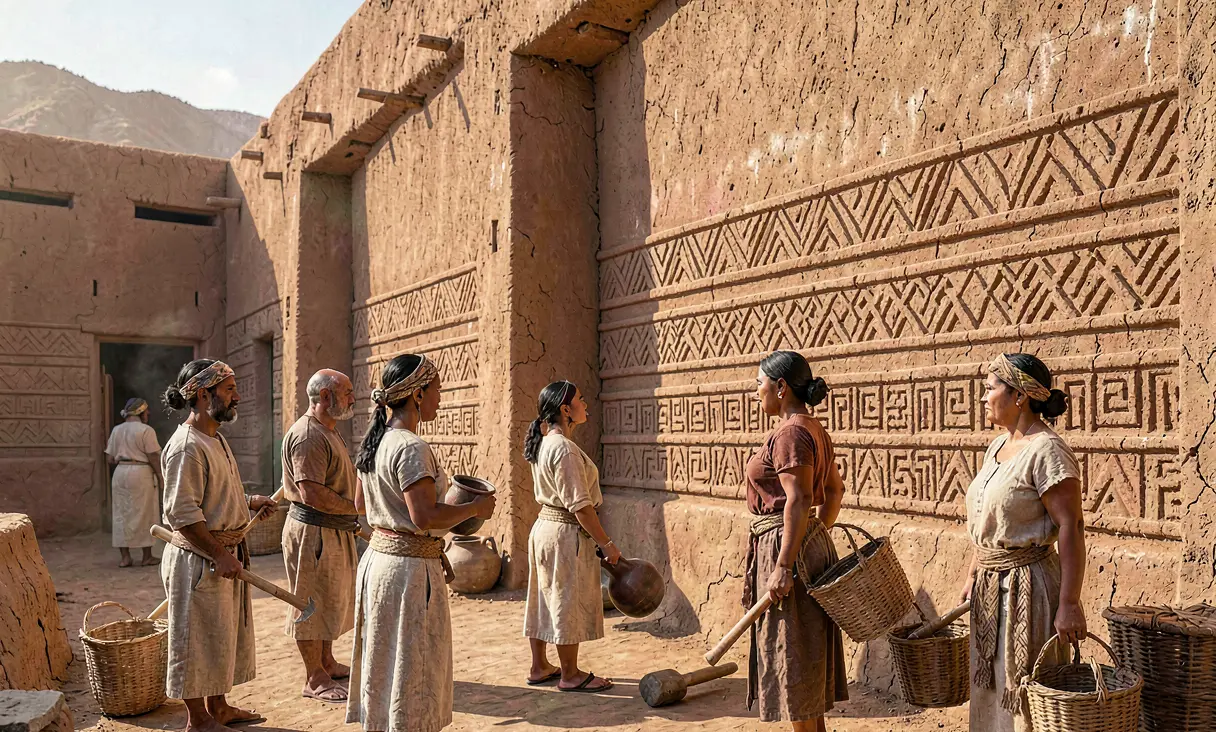 CivilizationRise of the Chimú Kingdom at Chan Chanc. 1000 CE · Chan Chan, PeruThe Chimú establish the largest adobe city in the Americas at Chan Chan.
 ExplorationLapita Settlement in Western Samoac. 1000 BCE · Western SamoaLapita voyagers reach the Samoan archipelago, marking the first entry into Remote Oceania.
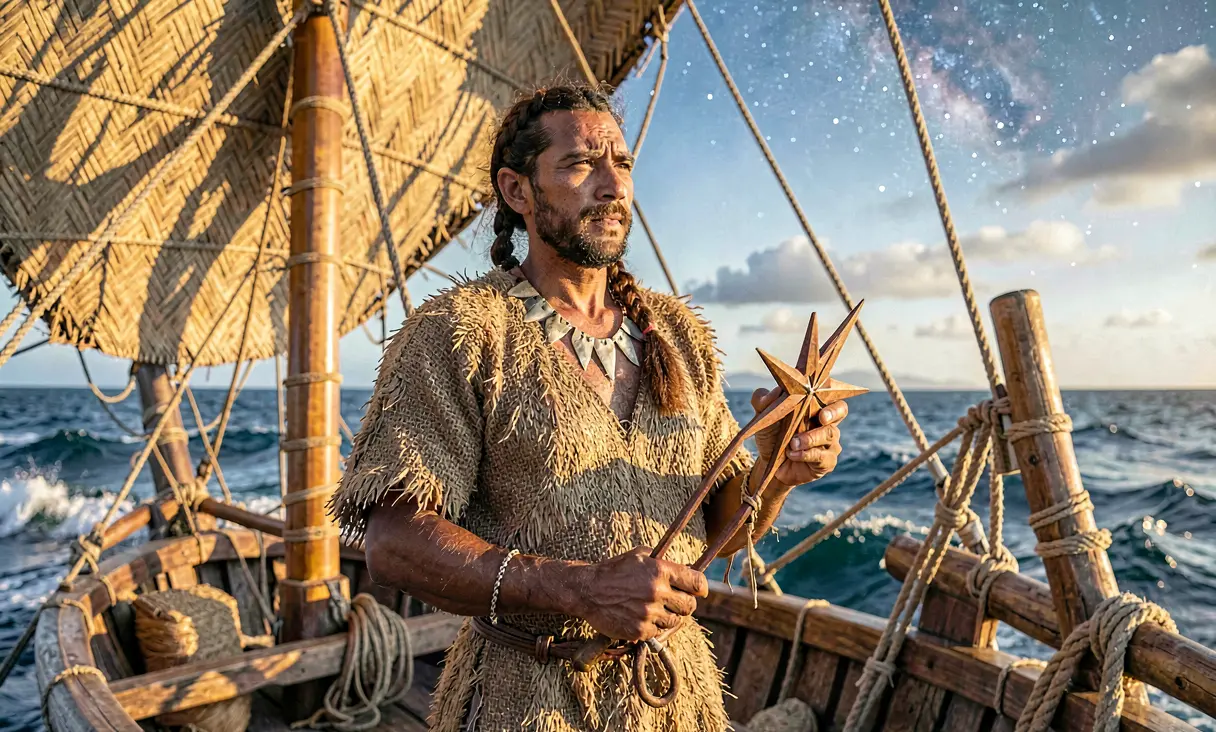 ScienceRefinement of Polynesian Wayfinding Techniquesc. 1000 BCE to 1500 CE · Pacific Ocean (Society Islands)Polynesian navigators perfect star paths and ocean swells to traverse the vast Pacific without instruments.
Discussion
Loading…