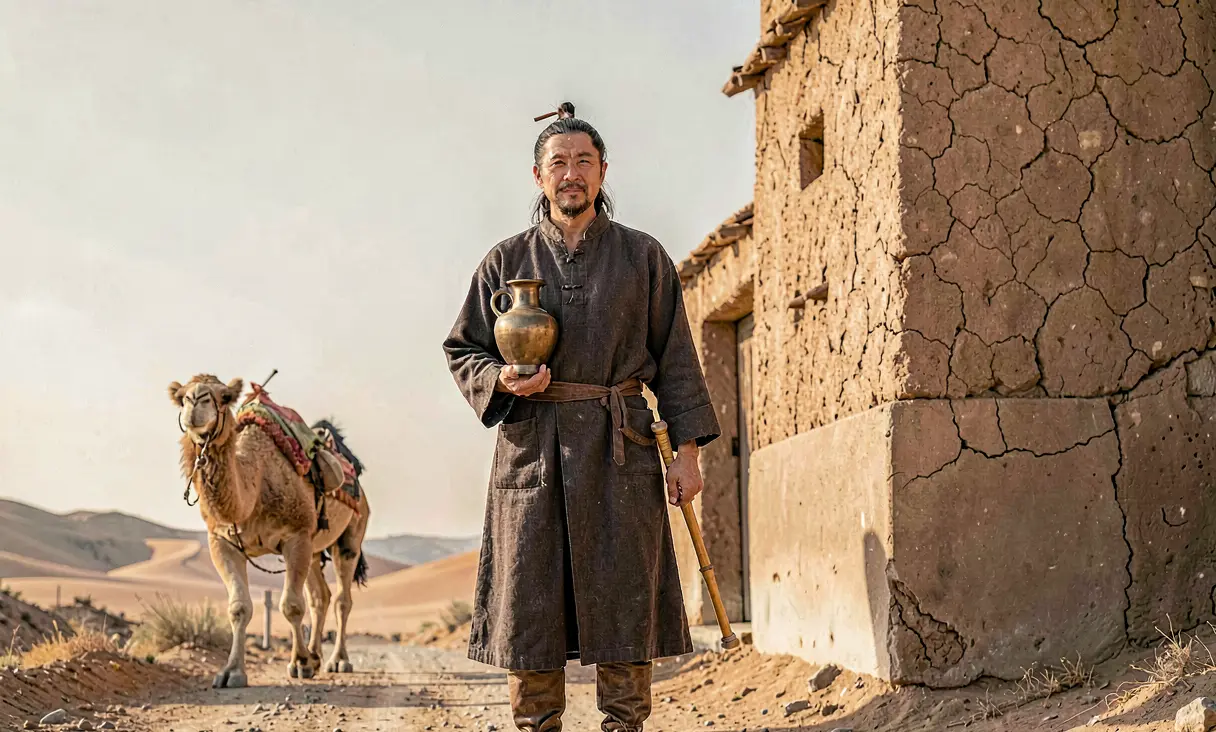
Opening of the Silk Road by Zhang Qian
Zhang Qian's perilous twelve-year expedition in 138 BCE opened the Silk Road, linking Han China with Rome and transforming Eurasia through unprecedented trade and cultural exchange.
The Strategic Imperative of the Han Court
In the early 2nd century BCE, the Han Dynasty under Emperor Wu faced an existential threat from the Xiongnu confederation, a formidable nomadic power dominating the Eurasian steppe. Seeking to break this encirclement, the Han court received intelligence regarding the Yuezhi people, who had been displaced by the Xiongnu and were rumored to harbor deep animosity toward their former conquerors. The strategic calculus was clear: if the Han could forge a military alliance with the Yuezhi in the distant West, they could open a second front against the Xiongnu, effectively squeezing them between two powerful empires. This geopolitical necessity drove Emperor Wu to commission an unprecedented expedition into the unknown 'Western Regions,' a realm of myth and peril beyond China's western frontier.
Zhang Qian's Departure from Longcheng
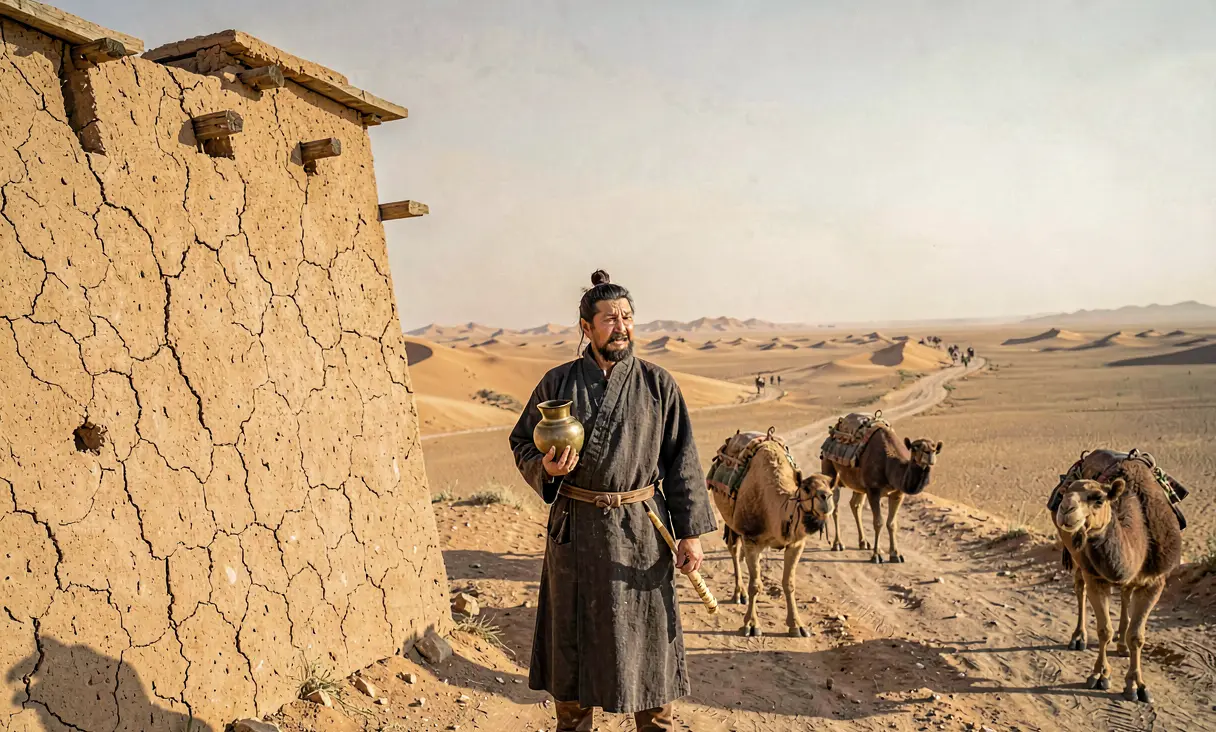
In 138 BCE, Zhang Qian, a trusted imperial attendant, accepted the daunting mission to lead a diplomatic envoy westward. Departing from Chang'an and gathering a small retinue of roughly one hundred men, he aimed to traverse the Hexi Corridor and cross the treacherous Gobi Desert. The journey was fraught with immediate peril; almost immediately after entering Xiongnu territory, Zhang Qian and his party were captured. They were held in captivity for over a decade, during which time Zhang Qian married a local woman and fathered children, yet he never relinquished his imperial credentials or his mission's objective. His resilience during this long imprisonment would become the defining characteristic of an explorer who would ultimately reshape the map of Eurasia.
Escape and Discovery in Bactria
Around 129 BCE, seizing a moment of lax supervision, Zhang Qian fled westward with his remaining companions. They traversed the Pamir Mountains and entered the Greco-Bactrian Kingdom, known to the Chinese as Daxia. Here, Zhang Qian encountered a civilization that was startlingly sophisticated compared to the nomadic steppe cultures he knew. He observed cities with stone fortifications, advanced irrigation systems, and a populace engaged in complex trade networks connecting India, Persia, and beyond. Most significantly, he learned of 'Shendu' (India) and the existence of high-quality horses from Ferghana, known as 'heavenly horses,' which were desperately needed by the Han cavalry to counter the Xiongnu's mobility. His observations dismantled the Chinese perception of the world as a closed system centered on the Middle Kingdom.
The Return and Diplomatic Reorientation
After further travels through Central Asia, Zhang Qian attempted to return via the southern route but was once again captured by the Xiongnu. He escaped in 126 BCE, finally arriving back in Chang'an with only two surviving members of his original party after a twelve-year absence. Although he failed to secure the military alliance with the Yuezhi—who had settled and found life comfortable in Bactria—his reports were transformative. Emperor Wu was captivated by the descriptions of foreign markets, exotic goods, and the potential for trade that bypassed Xiongnu-controlled territories. The failure of the specific diplomatic mission gave way to a grander vision: the establishment of direct commercial and cultural links between Han China and the civilizations of the West.
Establishment of the Silk Road Network
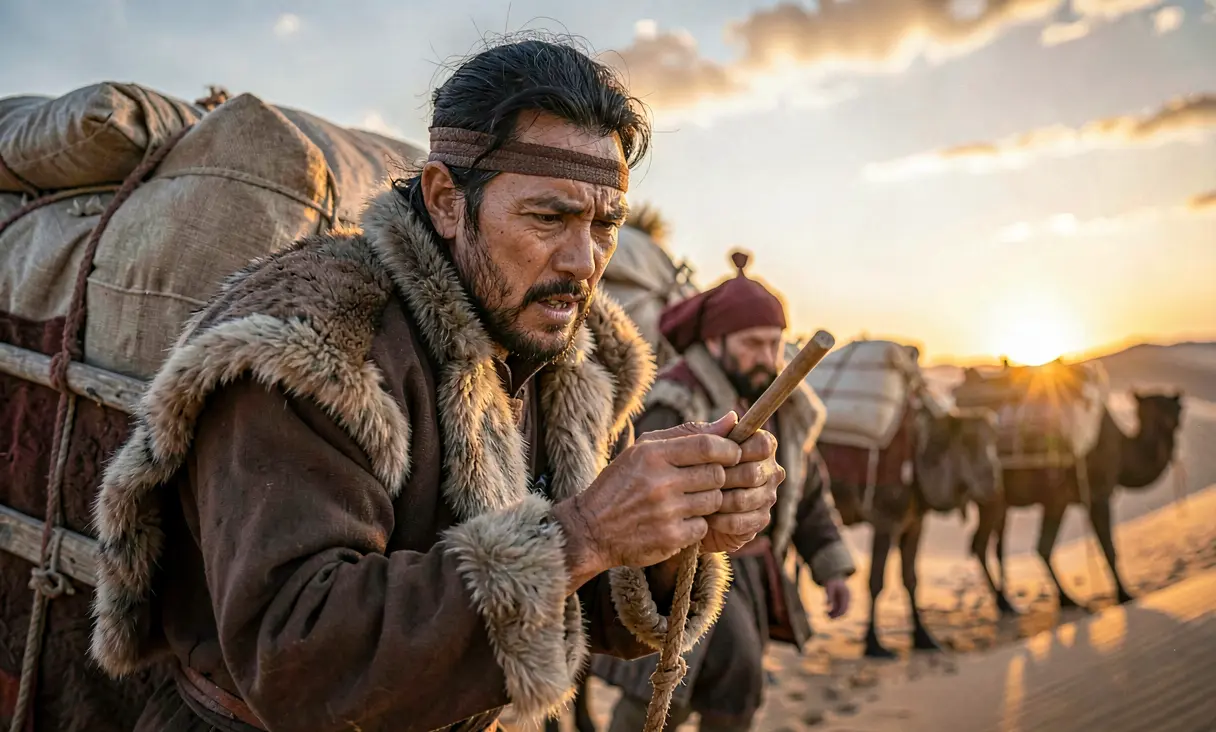
Following Zhang Qian's return, Emperor Wu launched a series of military campaigns to secure the Hexi Corridor, establishing the Four Commanderies and building the Great Wall extensions to protect the new trade arteries. By 115 BCE, Han envoys were dispatched regularly along the routes Zhang Qian had pioneered, reaching as far as Anxi (Parthia) and eventually establishing contact with the Roman Empire via intermediaries in Persia and India. This network, later termed the Silk Road, facilitated a massive exchange of commodities: Chinese silk flowed westward, while Central Asian horses, glassware, grapes, alfalfa, and pomegranates entered China. The route also became a conduit for religions, most notably Buddhism, which would eventually permeate East Asian culture.
Legacy of the First Great Globalization
The opening of the Silk Road marked the beginning of the first era of true globalization in human history. It fundamentally altered the economic and cultural landscape of Eurasia, linking the Han Dynasty with the Roman Empire, the Parthian Empire, and the Kushan Kingdom. The flow of ideas, technologies, and artistic styles along these routes fostered a cosmopolitanism that defined the classical world for centuries. Zhang Qian's journey did more than map a trade route; it expanded the Chinese worldview from a localized agrarian society to a participant in a vast, interconnected Eurasian system. His exploration laid the groundwork for the cultural exchanges that would shape the development of civilizations across two continents.
It created the first sustained trans-Eurasian trade corridor that linked the major civilizations of antiquity.
Where it happened
Dunhuang, China (Departure) — see it on the interactive map →
Explore related history
 ExplorationSettlement of Rapa Nui (Easter Island)c. 800 CE · Rapa Nui (Easter Island), ChilePolynesian navigators reach the remote Rapa Nui and establish a unique island society.
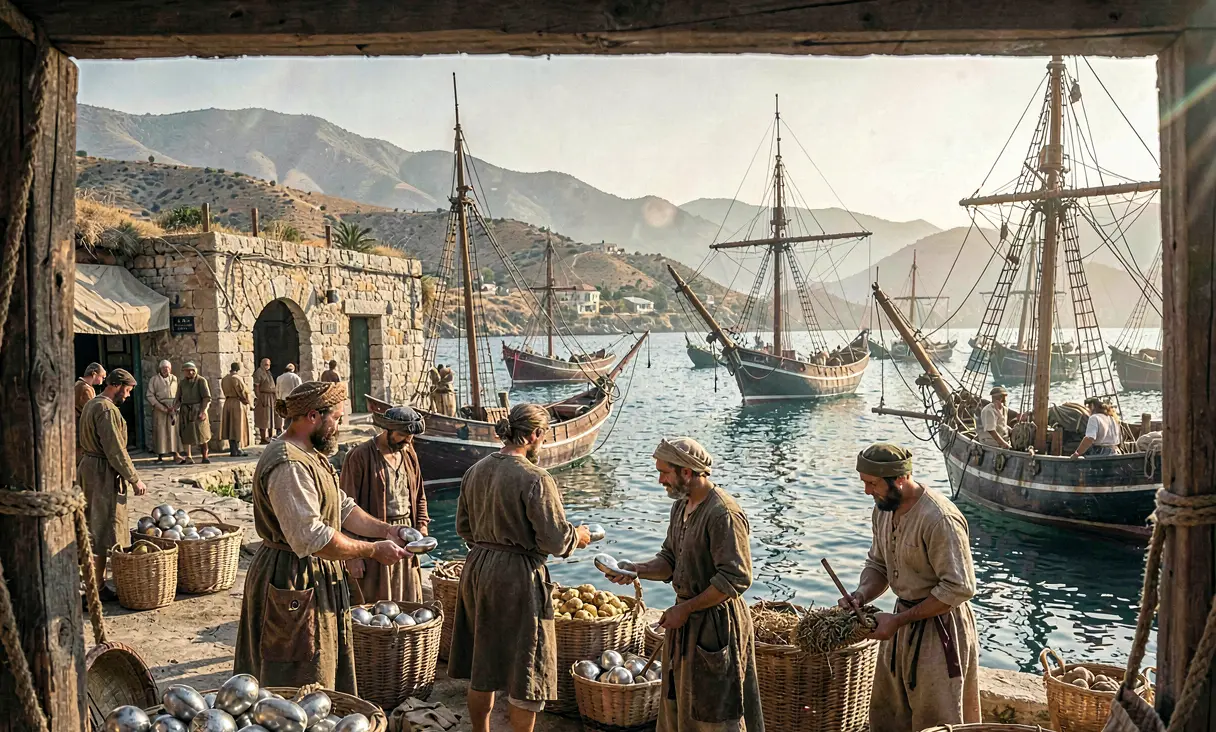 ExplorationEstablishment of Malaca (Malaga) by Phoeniciansc. 770 BCE · Malaga (Malaca), SpainPhoenician traders establish a major colony on the Iberian Peninsula for salt and metal trade.
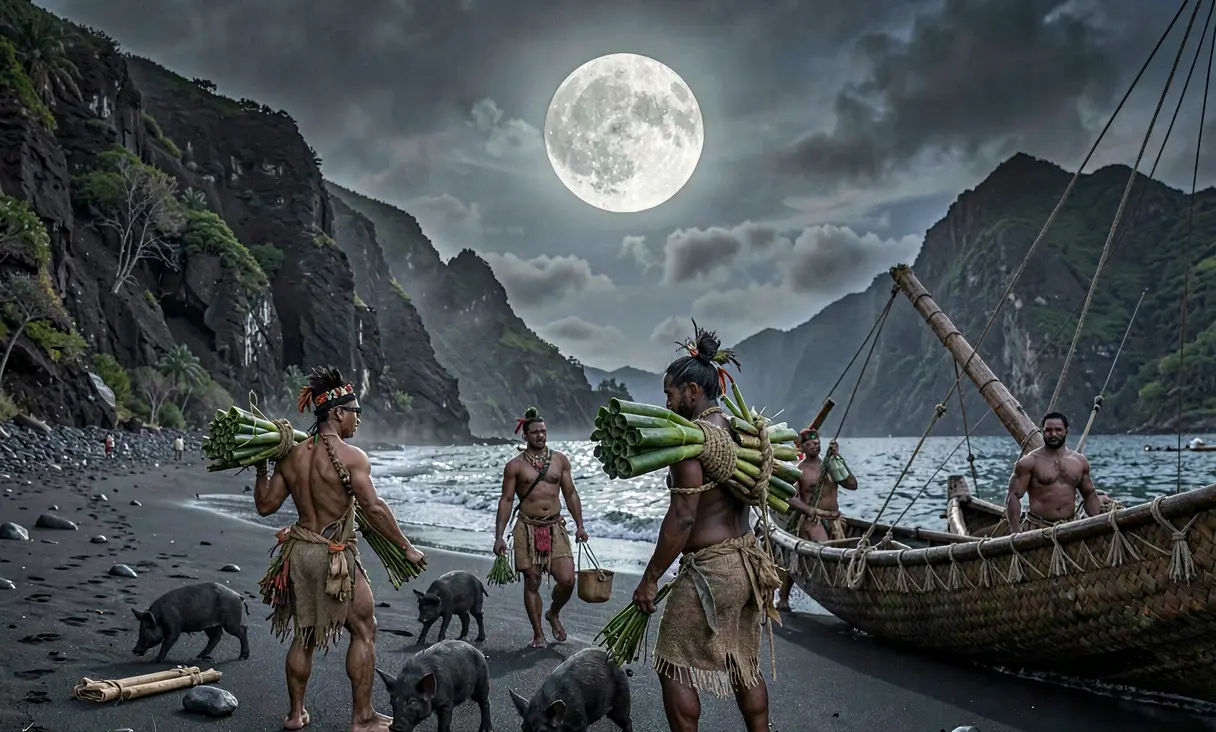 ExplorationSettlement of the Hawaiian Islandsc. 400 BCE to 800 CE · Hawaii (Big Island), USAPolynesian voyagers from the Marquesas and Society Islands settle the isolated Hawaiian archipelago.
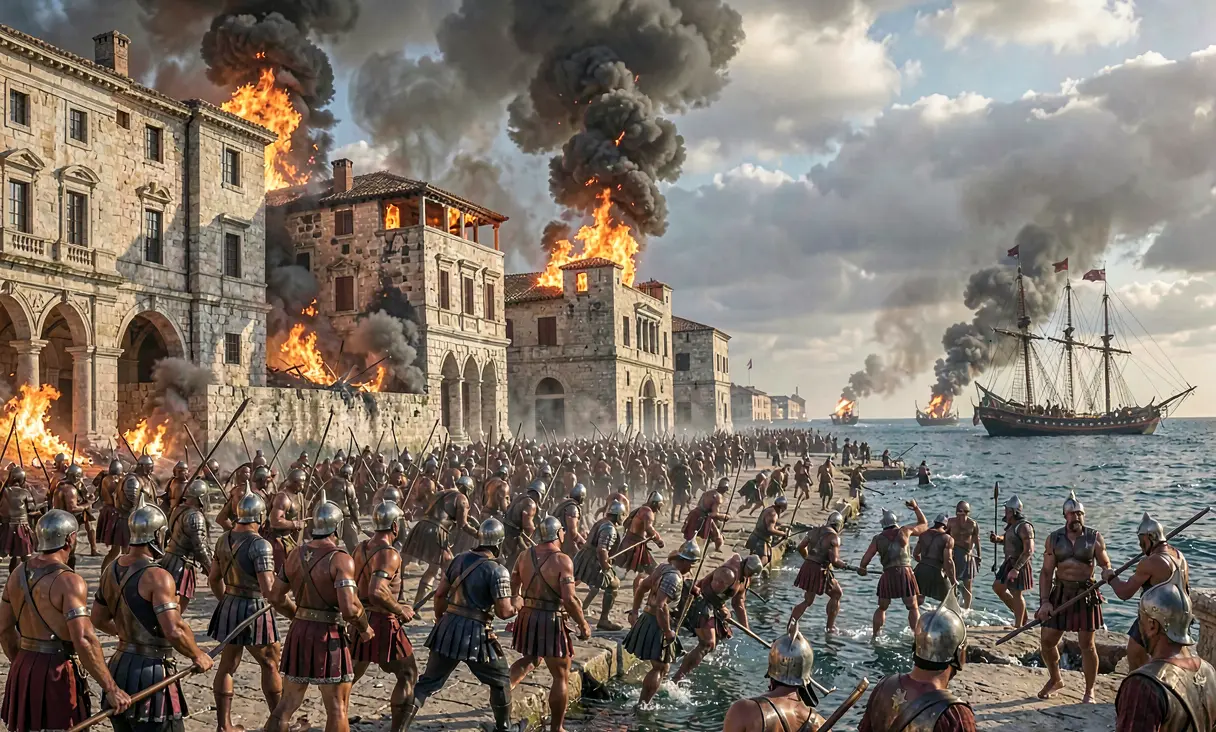 WarRoman Destruction of Carthage146 BCE · Carthage, TunisiaRome completely destroys Carthage at the end of the Third Punic War, ending its rivalry and enslaving its population.
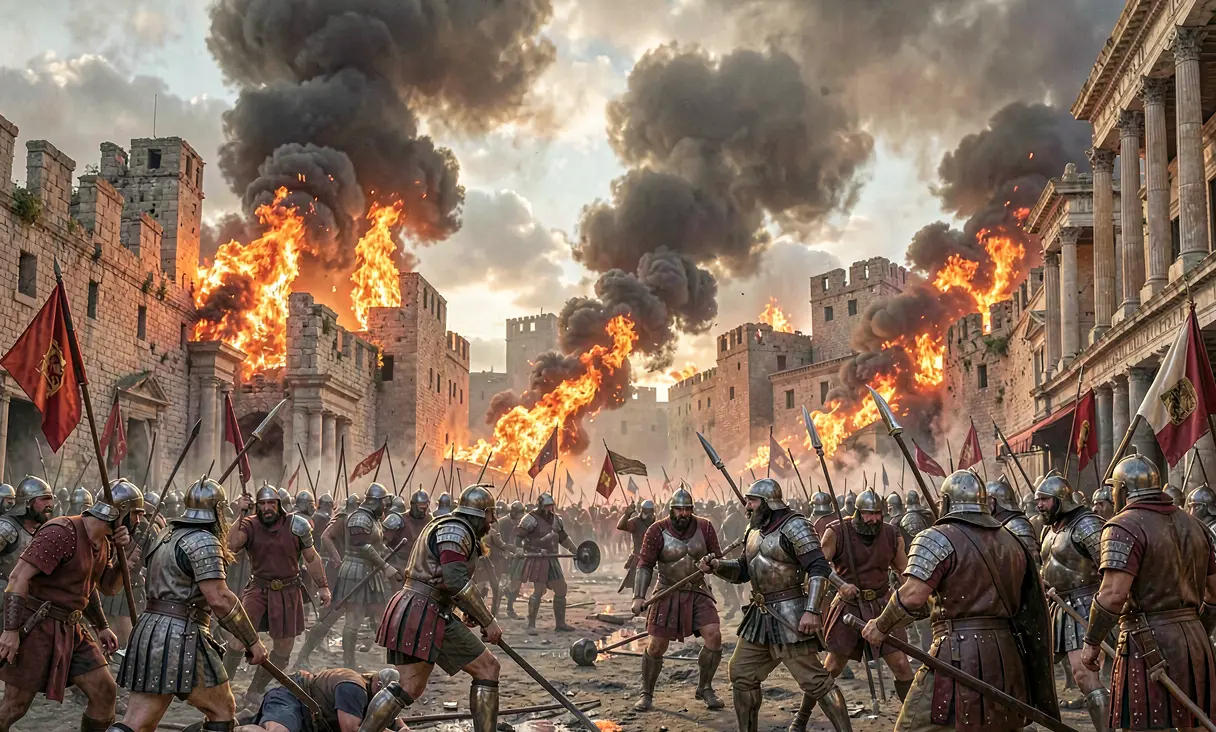 WarDestruction of Carthage by Romec. 146 BCE · Carthage (Tunis), TunisiaRome systematically destroys Carthage, ending the Punic Wars and erasing its civilization.
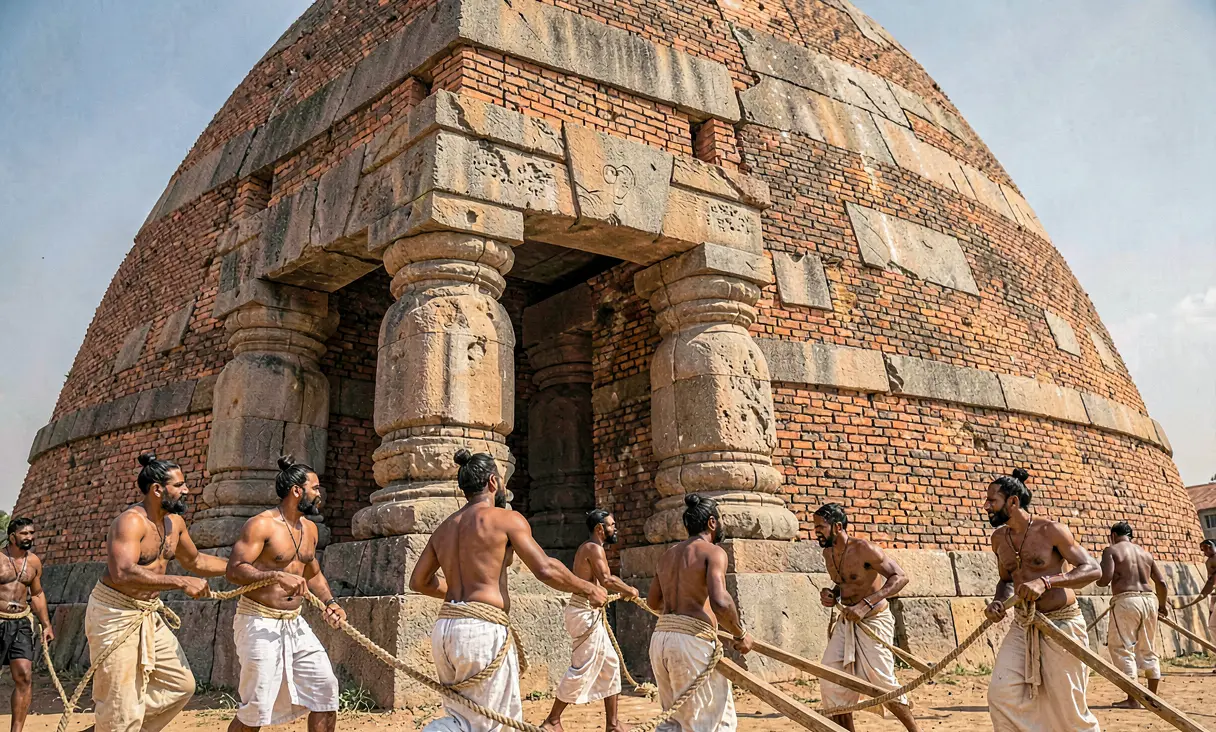 ReligionExpansion of the Great Stupa at Sanchic. 150 BCE · Sanchi, Madhya Pradesh, IndiaThe Shunga Dynasty expands the original brick stupa into a massive stone structure, adding the first elaborate gateways and railings.
Discussion
Loading…