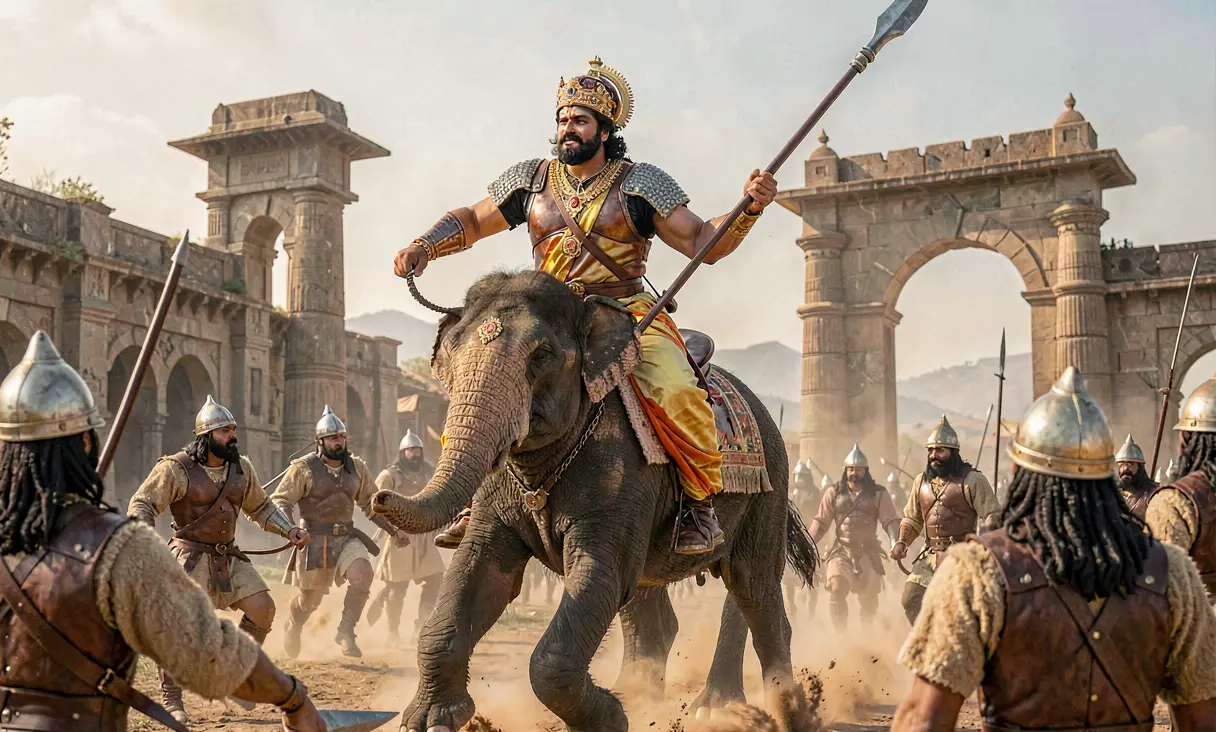
Chandragupta II Defeats the Western Satraps
Chandragupta II's c. 409 CE victory over the Western Satraps secured India's western ports, monopolized Roman trade, and ignited the Golden Age of Indian culture and science.
The Geopolitical Stakes of the Western Frontier
By the late 4th century CE, the Indian subcontinent was a patchwork of competing powers, with the Gupta Empire under Samudragupta having already consolidated much of northern India. However, the western frontier remained contested by the Western Satraps, also known as the Saka rulers, who had held sway over Gujarat and Malwa for nearly three centuries. These descendants of Central Asian nomads controlled the critical coastal ports of Bharuch (Barygaza) and Sopara, which served as the primary gateways for maritime trade with the Roman Empire and later the Byzantine world. The loss of these lucrative trade routes to foreign powers meant a significant drain on imperial revenue, while their presence represented a persistent threat to Gupta sovereignty in the fertile Malwa region.
Chandragupta II: The Architect of Expansion
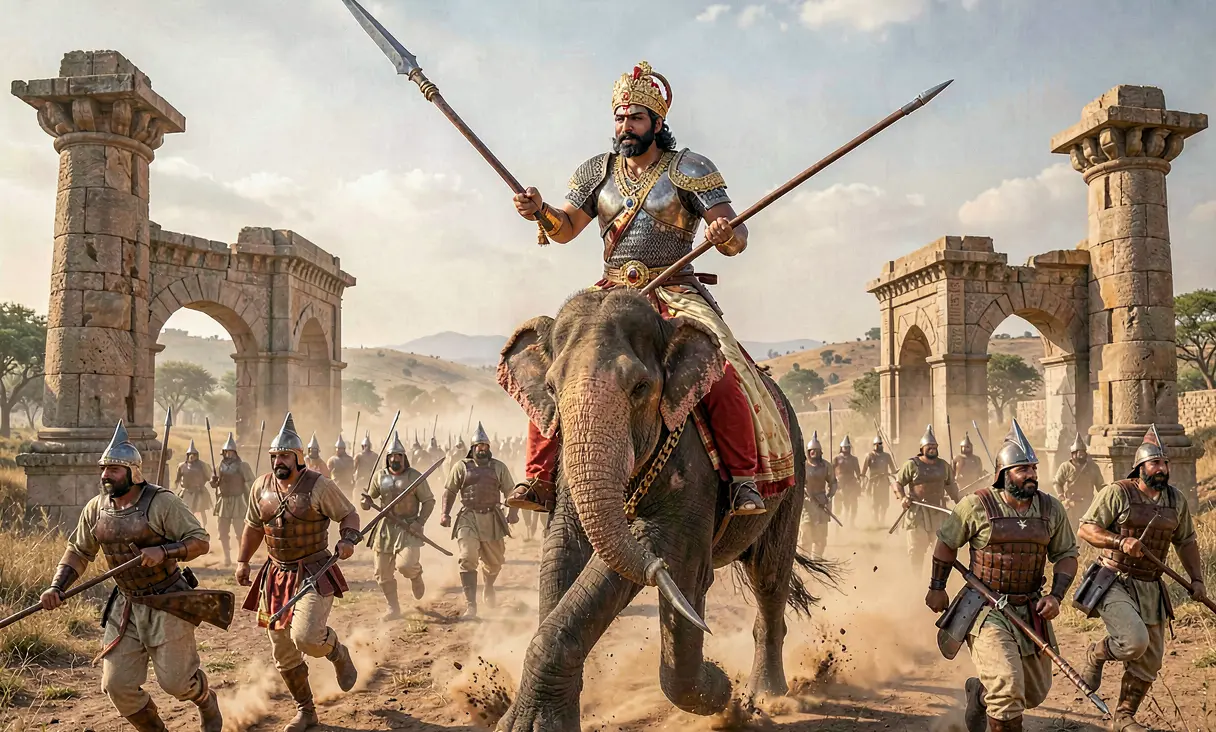
Chandragupta II, who ascended the throne around 380 CE, was a ruler of formidable ambition and strategic acumen. Unlike his father Samudragupta, whose campaigns were largely characterized by rapid conquests across the Ganges plain, Chandragupta's western campaign required a sustained logistical effort to dismantle a well-entrenched dynasty. He adopted the regal title 'Vikramaditya' (Sun of Prowess), signaling a shift toward a golden age of culture and stability. His court attracted luminaries such as the poet Kalidasa, yet his primary focus remained on securing the empire's economic lifelines through military might.
Rudrasimha III: The Last Saka
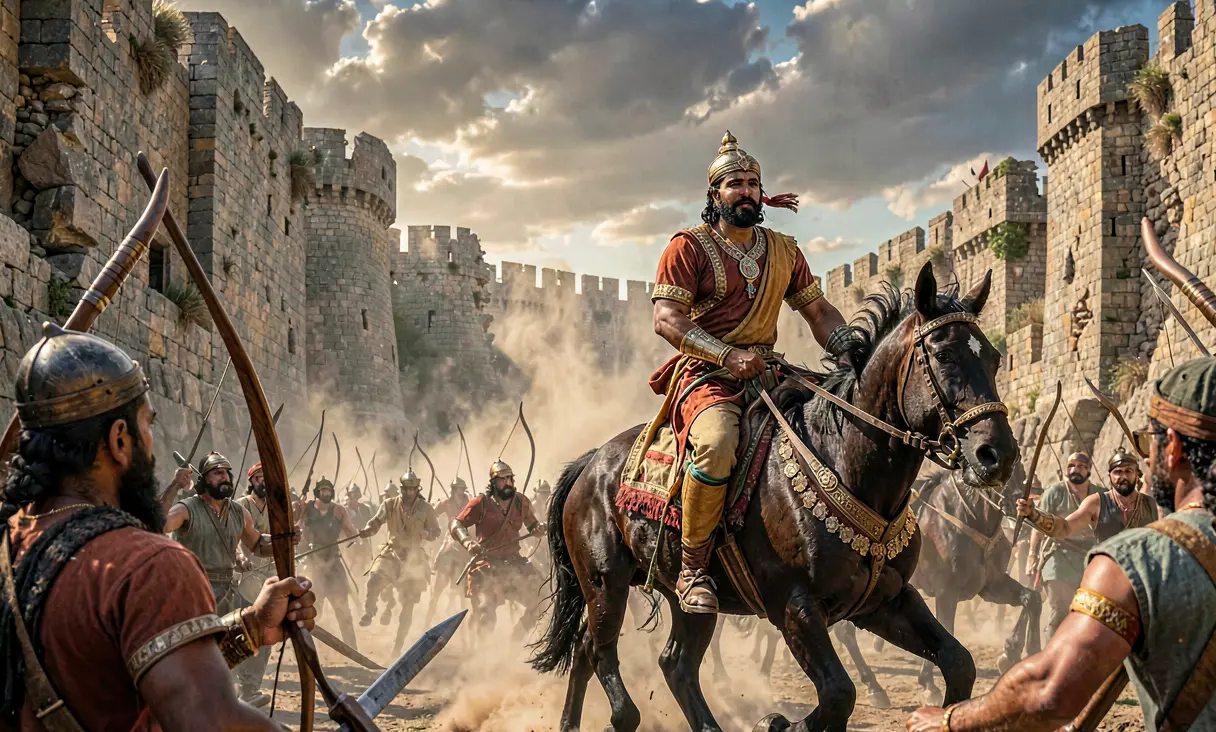
The final obstacle to Gupta hegemony in the west was Rudrasimha III, the last ruler of the Western Satraps. By the early 5th century, the Saka dynasty had been significantly weakened by internal fragmentation and the relentless pressure from rising regional powers. Rudrasimha III inherited a diminished realm, struggling to maintain control over the fragmented territories of Gujarat and Malwa against the encroaching Gupta forces. His reign marked the twilight of Sakas rule in India, a dynasty that had once rivaled the great empires of the north in wealth and influence.
The Campaign of Conquest
Around 409 CE, Chandragupta II launched his decisive offensive against Rudrasimha III. The campaign was not a single battle but a systematic dismantling of Saka resistance across the Malwa and Gujarat regions. Historical evidence, including numismatic records showing the replacement of Saka silver coins with Gupta gold dinars bearing the 'Lion Slayer' motif, suggests a rapid and total victory. The Guptas successfully besieged and captured key fortifications, culminating in the defeat and likely death or abdication of Rudrasimha III. This military success effectively erased the Western Satraps from the political map of India after nearly 300 years of rule.
Economic Monopoly and Imperial Wealth
The annexation of the Western Satrap territories provided the Gupta Empire with immediate and profound economic benefits. By securing Bharuch and Sopara, Chandragupta II gained direct control over the Indian Ocean trade network. This allowed the empire to monopolize the export of spices, textiles, and precious stones to Rome and the Byzantine Empire in exchange for vast quantities of gold and silver. The influx of foreign currency fueled a massive expansion of the Gupta treasury, enabling the patronage of arts, architecture, and science that would define the subsequent era.
The Dawn of the Golden Age
The victory over the Western Satraps is widely regarded as the catalyst for the 'Golden Age' of India. With the western frontier secured and trade routes flourishing, Chandragupta II's reign ushered in a period of unprecedented cultural synthesis and intellectual achievement. The stability allowed scholars like Aryabhata to advance mathematics and astronomy, while artists refined the classical styles seen at Ajanta. The empire reached its zenith under his successor, Kumaragupta I, standing as a beacon of civilization comparable to the contemporary Roman and Persian empires.
Legacy of a Unified Subcontinent
The defeat of the Western Satraps fundamentally altered the geopolitical landscape of ancient India. It marked the first time in centuries that the western coast was integrated into a unified northern Indian empire, creating a contiguous realm stretching from the Himalayas to the Arabian Sea. This unification facilitated internal trade and cultural exchange, setting a precedent for future imperial ambitions. The event remains a defining moment in Indian history, symbolizing the transition from fragmented regional kingdoms to a cohesive, cosmopolitan superpower.
This conquest unified North and West India economically and politically, enabling the cultural renaissance that defined the Gupta era.
Where it happened
Malwa and Gujarat region, India — see it on the interactive map →
Explore related history
 WarAn Lushan Rebellion Begins755 CE · Chang'an, ChinaGeneral An Lushan revolts against Emperor Xuanzong, devastating the Tang Dynasty and population.
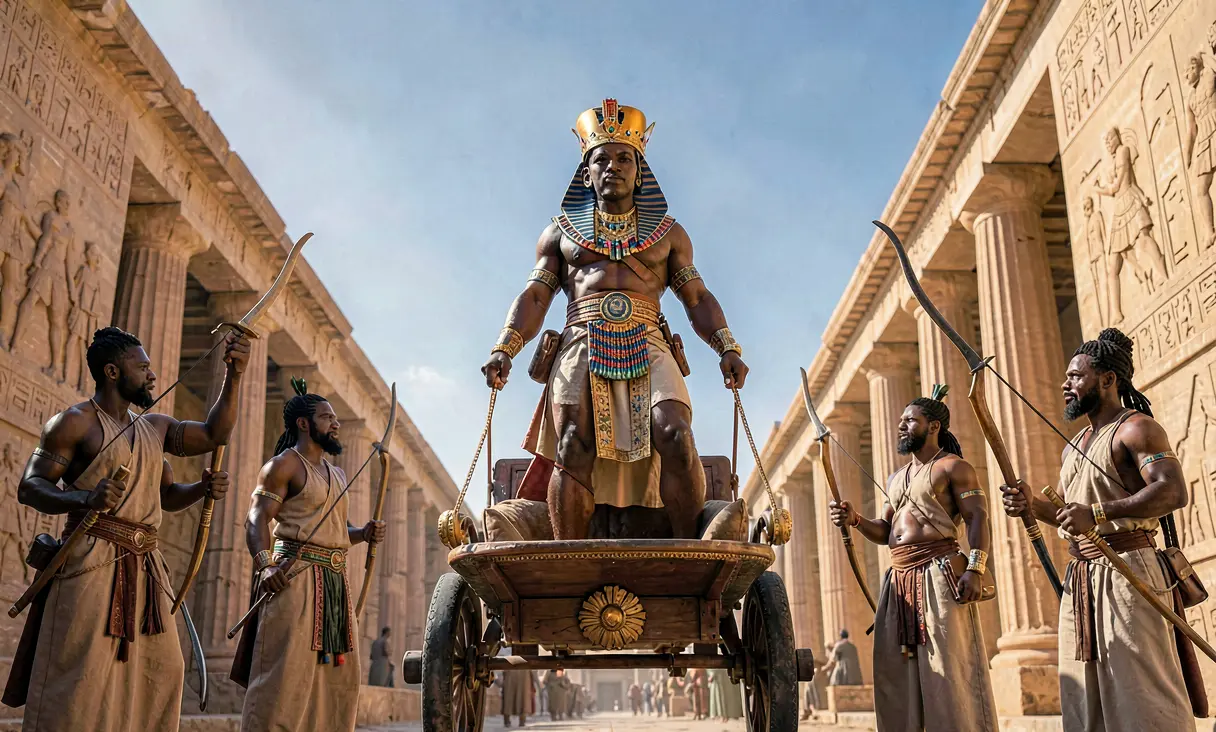 WarKushite Conquest of Egypt (25th Dynasty)c. 747 BCE · Thebes, EgyptKing Piye of Kush conquers Upper and Lower Egypt, establishing the first African-led dynasty in Egyptian history.
 WarKushite Conquest of Egypt Establishes 25th Dynastyc. 744 BCE · Napata, Nubia (Modern Sudan)King Piye of Kush conquers Upper Egypt, establishing the 25th Dynasty and restoring traditional Egyptian religious practices.
 TechnologyCasting of the High-Corrosion Resistant Iron Pillar at Delhic. 400 CE · Delhi, IndiaIndian metallurgists forge a massive iron pillar that resists rust for over 1,600 years.
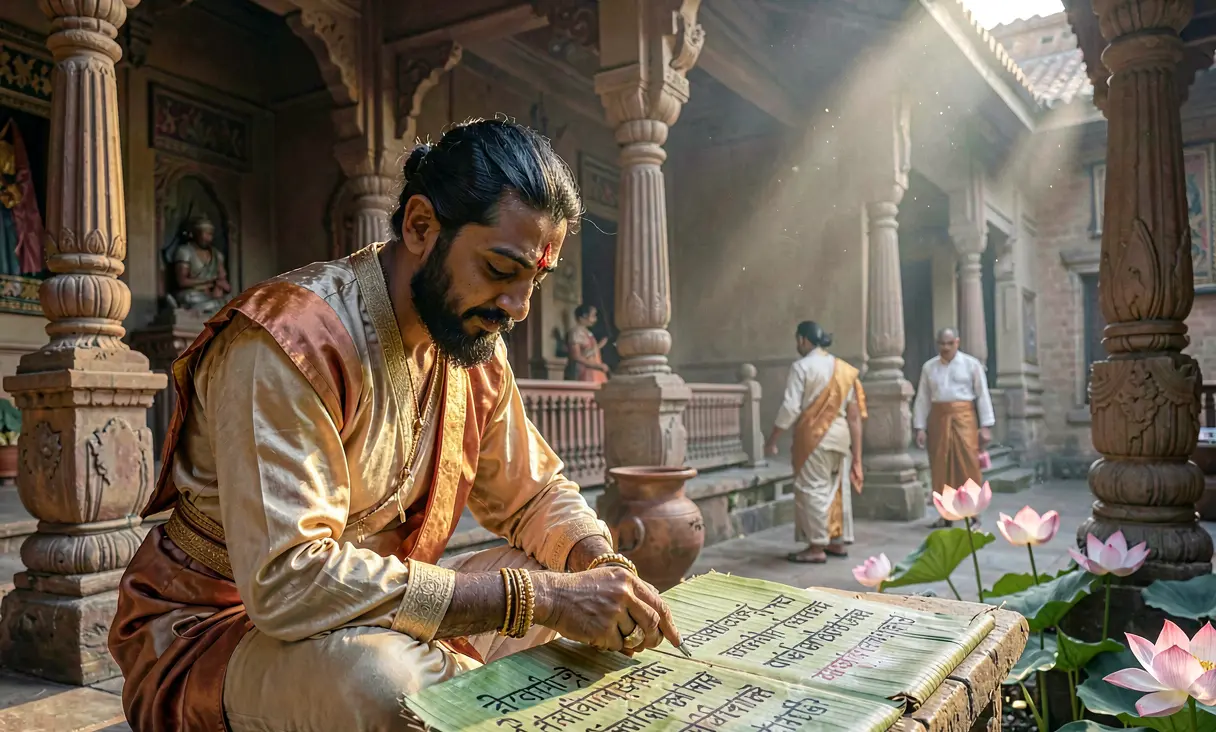 literatureCompilation of the Kama Sutrac. 400 CE · India (likely Pataliputra)Vatsyayana compiles the treatise on love, desire, and social conduct.
 ScienceFounding of Nalanda Universityc. 450 CE · Rajgir, Bihar, IndiaKumaragupta I establishes Nalanda as a residential university, which becomes the world's first major center for higher learning and Buddhist scholarship.
Discussion
Loading…