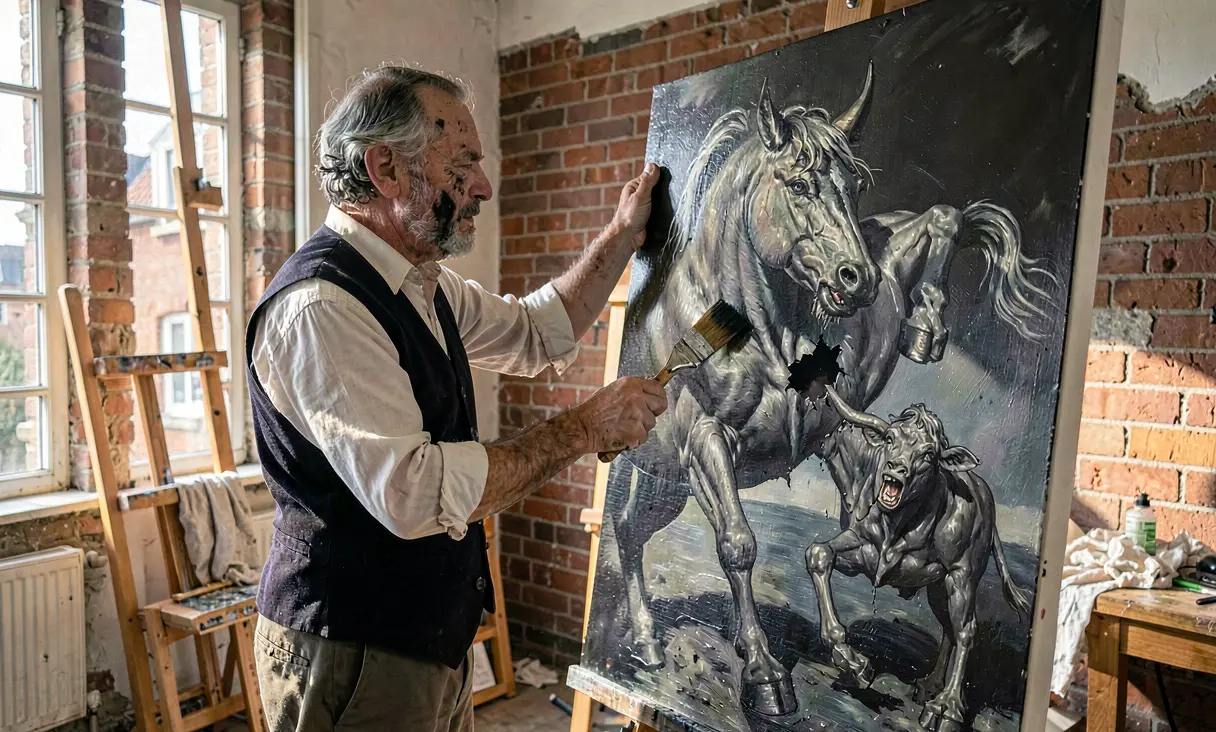
Creation of Guernica by Picasso
Picasso's 1937 monochromatic masterpiece transformed the specific tragedy of the Guernica bombing into a timeless, universal indictment of war's brutality against civilians.
Background and Context
In the spring of 1937, the Spanish Civil War had descended into a brutal stalemate, serving as a grim testing ground for the ideologies that would soon engulf Europe. The Republican government, struggling to maintain control against General Francisco Franco's Nationalist forces, commissioned Pablo Picasso to create a centerpiece for the Spanish Pavilion at the upcoming Paris International Exposition. Initially, the 55-year-old artist had no specific subject in mind, intending merely to depict his studio or the myth of Minotauromachy. However, the geopolitical landscape shifted violently on April 26, 1937, when the Condor Legion of the German Luftwaffe and the Italian Aviazione Legionaria, acting at Franco's request, bombed the ancient Basque town of Guernica. This raid, lasting nearly three hours, targeted civilians rather than military objectives, reducing the historic capital of Biscay to rubble and killing hundreds, a massacre that shocked the world and galvanized public opinion against fascism.
The Commission and Conception
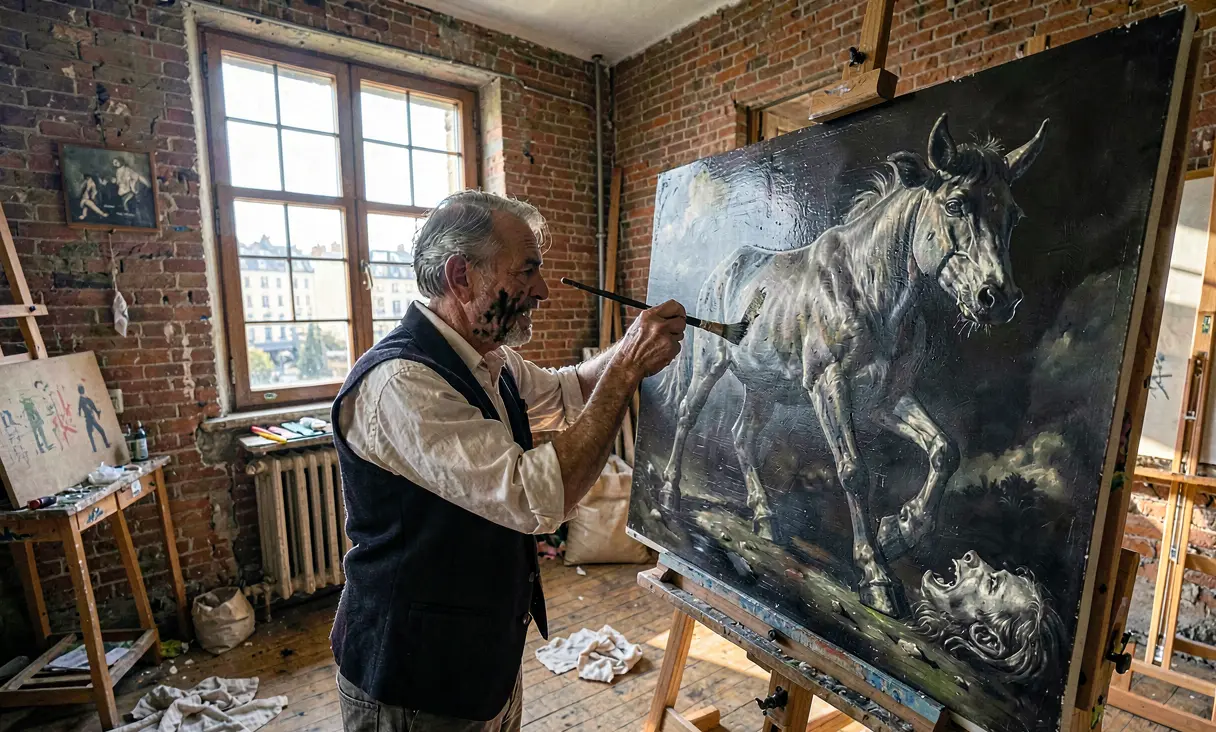
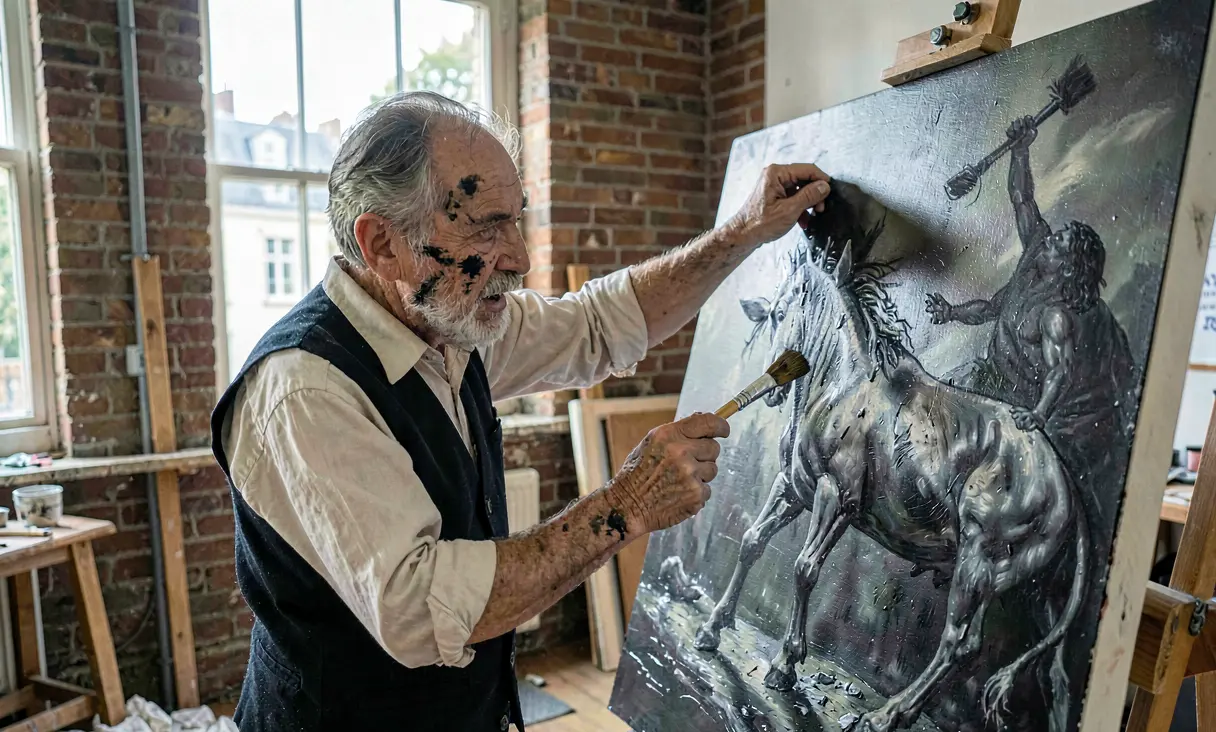
Upon learning of the bombing through newspaper reports in early May, Picasso abandoned his previous sketches with immediate and visceral urgency. The French government had officially requested a mural for their pavilion, but the artist found himself compelled to respond directly to the atrocity rather than fulfill a generic commission. He began work on the massive canvas on May 1, 1937, in his studio at 7 Rue des Grands-Augustins in Paris. The scale of the project was immense; the final painting measured 3.49 meters high and 7.76 meters wide (approximately 11 feet by 25 feet). Picasso worked with a frenetic intensity, often completing large sections of the mural in a single day, driven by a need to translate the newsreel footage and photographic evidence of the bombing into a visual language that could convey the sheer magnitude of human suffering.
Key Figures and Collaborators
While Picasso was the sole creator of the artwork, his process was documented by his partner at the time, the photographer Dora Maar. She captured over sixty black-and-white photographs of the painting's evolution, providing an invaluable historical record of how the composition shifted from a more traditional depiction to the fractured, Cubist nightmare that defines the piece. Maar often posed as models for certain figures or simply observed, her camera freezing moments where Picasso made critical decisions about the placement of the bull, the horse, and the weeping women. The artist's studio became a sanctuary of artistic resistance, where he was joined by friends and fellow artists who offered moral support during this period of intense creative labor, transforming a private act of painting into a public declaration of political conscience.
Execution and Artistic Strategy
Picasso employed a strictly monochromatic palette of black, white, and grey, deliberately stripping the scene of color to evoke the grim reality of newspaper photography and the ash-choked aftermath of the bombing. This absence of color removed any sense of romanticism or aesthetic distance, forcing the viewer to confront the raw horror of the event. The composition is a chaotic tapestry of distorted figures: a screaming horse impaled by a spear, a bull standing stoically amidst the carnage, a mother wailing over her dead child, and a dismembered soldier clutching a broken sword from which sprouts a flower. These elements are not literal representations but symbolic archetypes drawn from Spanish culture and Picasso's own visual vocabulary, arranged in a fractured space that mimics the psychological disintegration caused by modern aerial warfare.
Unveiling and Immediate Reception
The mural was unveiled to the public on July 1937 at the Spanish Pavilion of the Paris International Exposition, standing as a stark counterpoint to the nationalist propaganda displayed by other nations. The pavilion itself was a makeshift structure designed to showcase Republican resilience, and Guernica became its undisputed focal point. Visitors were immediately struck by the sheer size of the work and its emotional devastation; it dominated the space with an oppressive presence that demanded engagement rather than passive observation. While some critics found the style too abstract or confusing, others recognized it as a masterpiece of political art. The painting traveled extensively throughout Europe and North America in subsequent years to raise funds for Spanish refugees, cementing its status not just as a work of art, but as an active participant in the anti-fascist movement.
Legacy and Historical Significance
Guernica transcended its origins as a specific response to a single bombing raid to become the universal symbol of the horrors of war and the suffering of innocent civilians. Throughout World War II, it served as a powerful icon for those resisting fascism, and in the decades following, it has been invoked in protests against every major conflict from Vietnam to Iraq. The painting's influence on 20th-century art cannot be overstated; it validated the use of abstraction for political commentary and demonstrated that modernist techniques could convey profound humanistic concerns. Today, housed permanently at the Museo Reina Sofía in Madrid since 1981, following a stipulation by Picasso that it not return to Spain until democracy was restored, the mural remains one of the most recognized and analyzed artworks in history.
It established art as a powerful political statement against war atrocities.
Where it happened
Paris, France — see it on the interactive map →
Explore related history
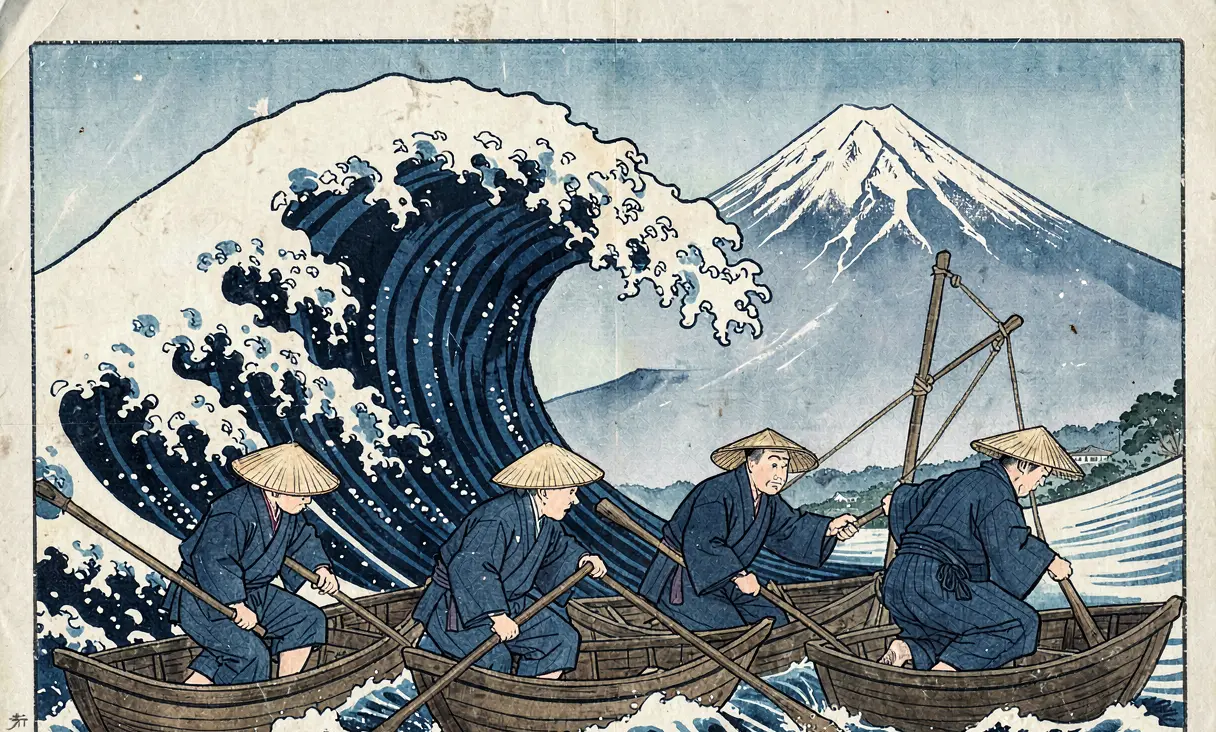 ArtCreation of The Great Wave off Kanagawac. 1831 CE · Kanagawa, JapanHokusai produces iconic woodblock print influencing Western art movements.
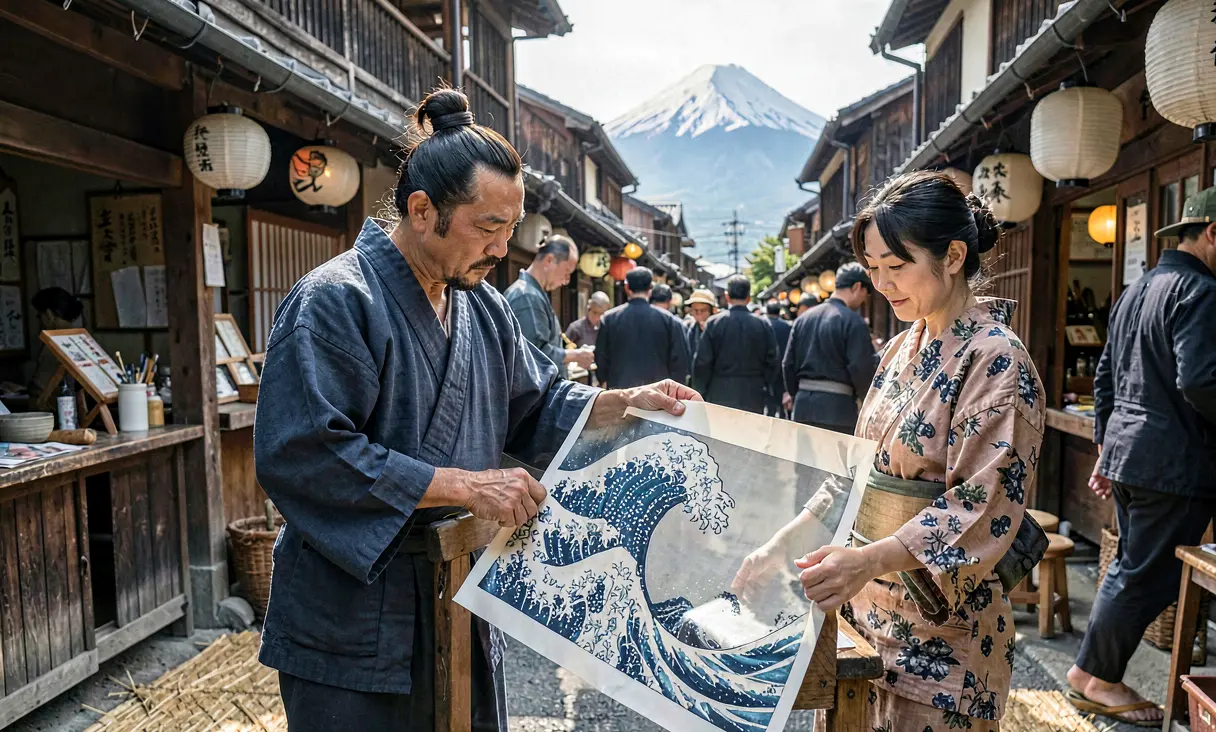 ArtPublication of Hokusai's Great Wavec. 1831 CE · Edo (Tokyo), JapanKatsushika Hokusai releases the iconic woodblock print of Mount Fuji.
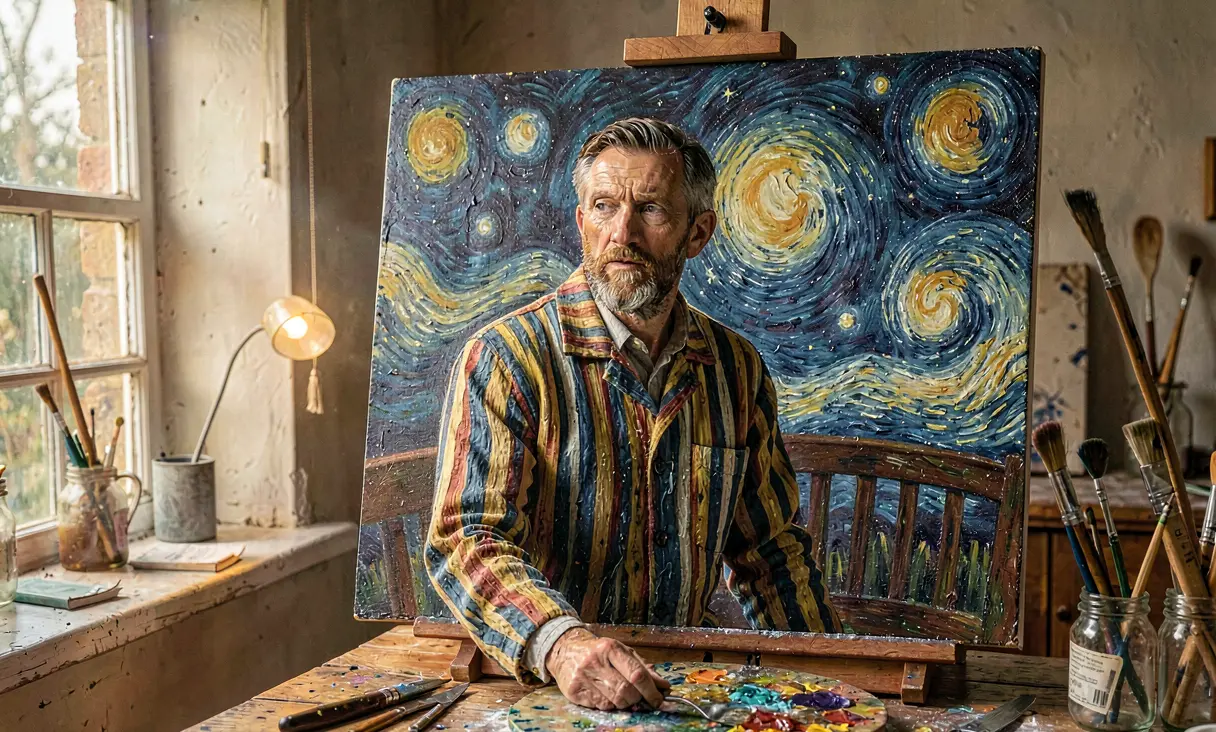 ArtCreation of The Starry NightJune 1889 · Saint-Rémy-de-Provence, FranceVincent van Gogh paints his most famous masterpiece from an asylum window.
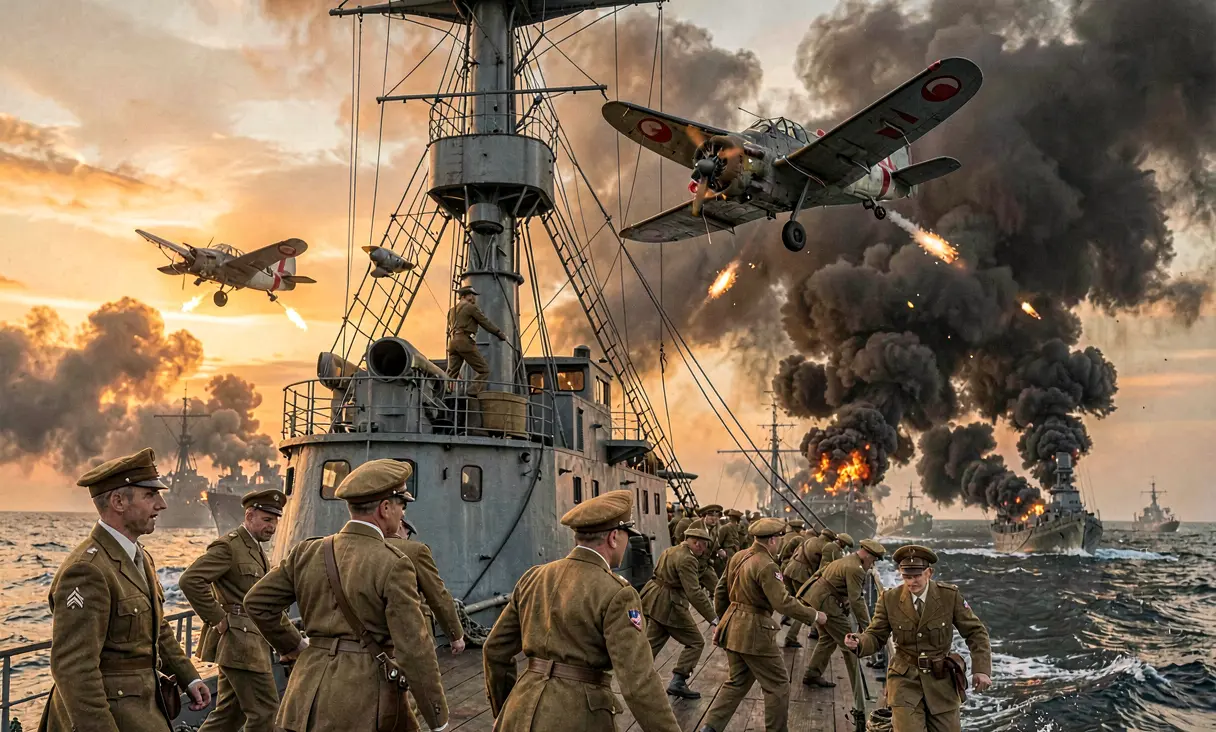 WarAttack on Pearl HarborDecember 7, 1941 · Pearl Harbor, Hawaii, USAJapan attacks US fleet, bringing America into World War II.
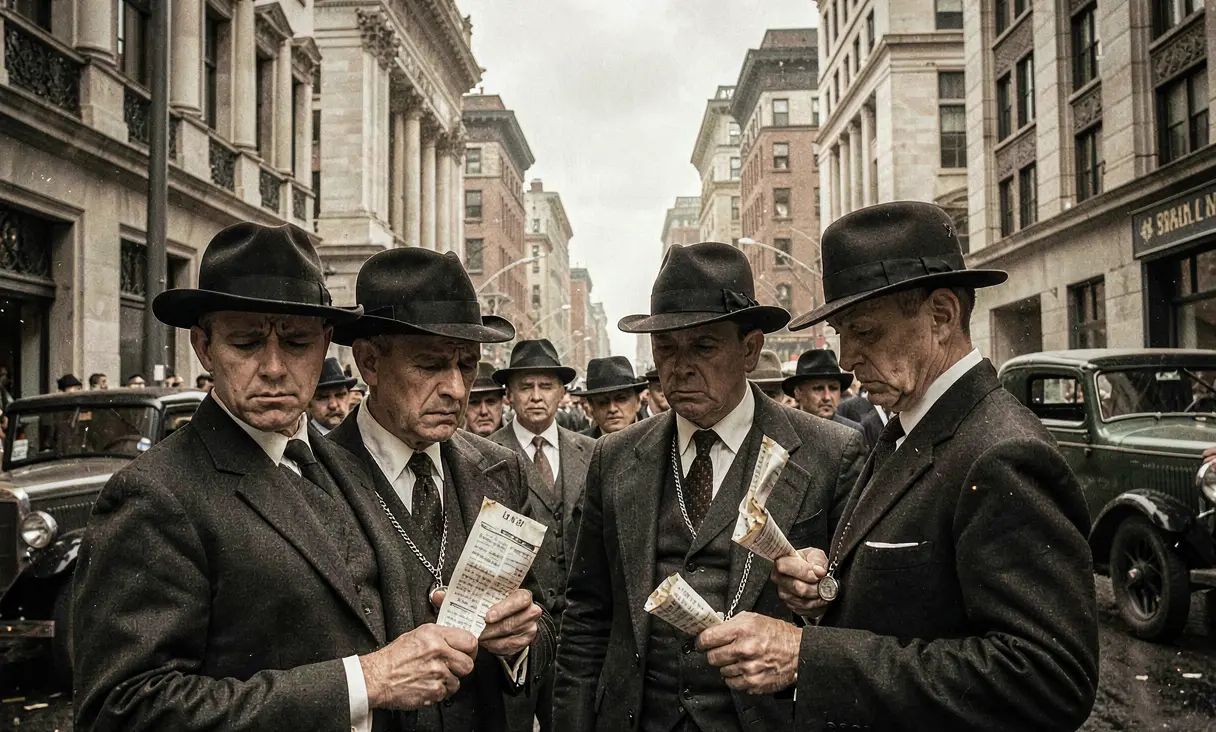 DisasterWall Street Crash and Great DepressionOctober 29, 1929 · New York City, USAStock market crash triggers the worst global economic depression in history.
 PoliticsTreaty of Versailles SignedJune 28, 1919 · Versailles, FrancePeace treaty ends WWI but imposes harsh terms on Germany, sowing seeds for WWII.
Discussion
Loading…