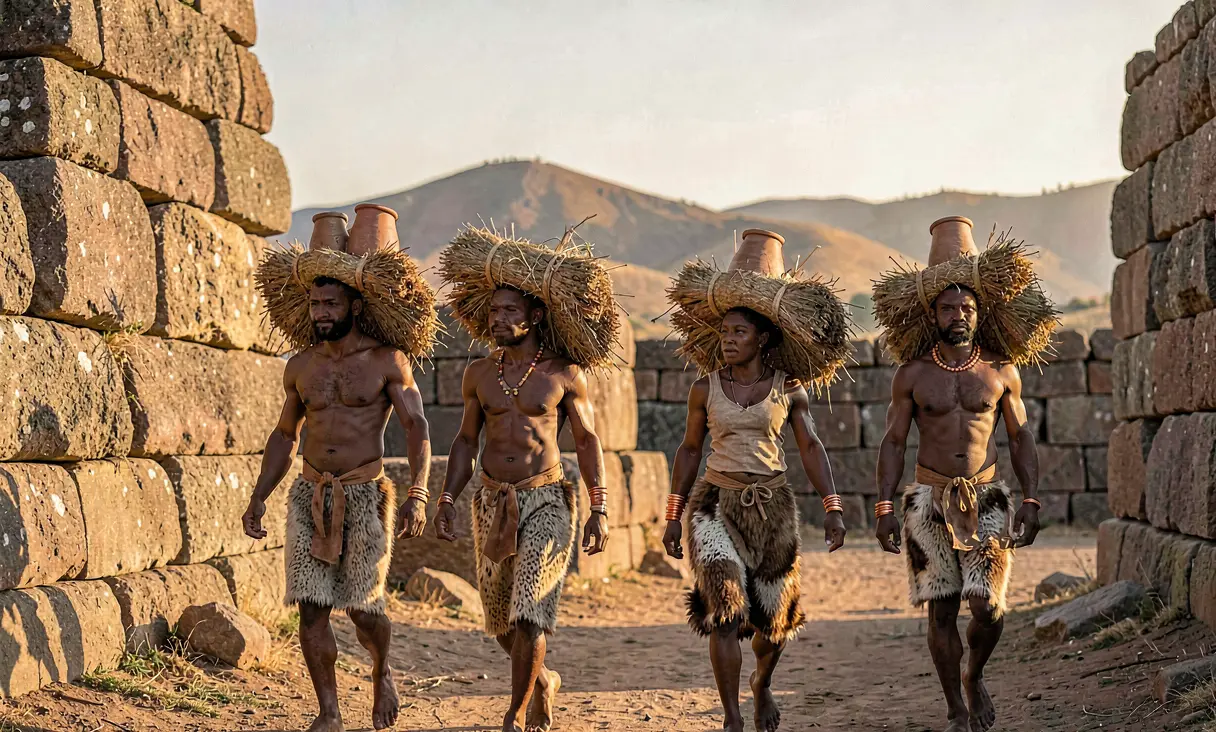
Abandonment of Great Zimbabwe
Around 1450 CE, Great Zimbabwe was abandoned due to ecological collapse and shifting trade routes, marking the end of a golden age but the birth of new Shona kingdoms.
The Zenith of a Stone Empire
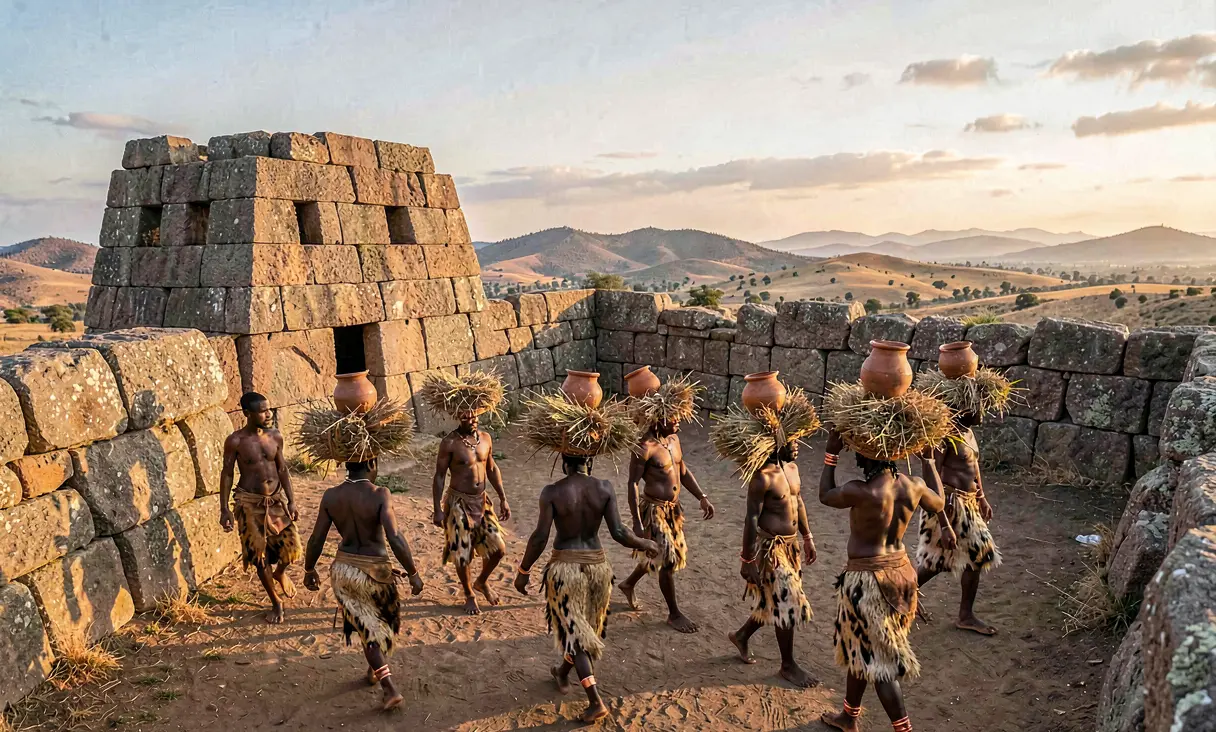
By the early 15th century, Great Zimbabwe stood as the preeminent political and economic hub of Southern Africa, a testament to the sophistication of the Shona civilization. At its peak, this stone city, constructed without mortar from over 10 million granite blocks, housed an estimated population of 18,000 people within its massive walls and surrounding settlements. The site controlled a vast trade network that stretched from the Indian Ocean coast to the interior plateau, exchanging gold, ivory, and copper for Chinese porcelain, Persian beads, and glassware found in archaeological strata dating to this era.
Ecological Strain and Climatic Shift
The decline of Great Zimbabwe was not precipitated by a singular invasion or catastrophic war, but rather by a slow-acting environmental crisis. Centuries of intensive agriculture and the maintenance of a large urban population placed immense pressure on the local ecosystem. Overgrazing by cattle herds depleted the surrounding grasslands, while deforestation for fuel and construction timber stripped the hillsides, leading to severe soil erosion. Compounding these anthropogenic factors was a significant shift in regional climate patterns around 1450 CE; paleoclimatic data indicates a prolonged period of reduced rainfall and drought that rendered the land incapable of sustaining the city's dense population.
The Shifting Tides of Commerce
Economic viability was the lifeblood of Great Zimbabwe, yet this lifeline began to fray as global trade dynamics evolved. The primary export of the region, gold, saw its extraction centers and trade routes migrate northward toward the Zambezi Valley and the coast. Portuguese explorers would later document these shifts, but the realignment occurred earlier, driven by local elites seeking more reliable access to maritime trade networks. As the caravan routes bypassed the interior plateau, the city's strategic monopoly on gold exportation evaporated, stripping the ruling class of the wealth necessary to maintain the complex social hierarchy and public works that defined the state.
The Gradual Exodus
Archaeological evidence reveals a pattern of gradual depopulation rather than a sudden abandonment. Excavations at the site show no signs of violent destruction, such as mass graves or burn layers indicative of a siege; instead, the stratigraphy suggests a managed dispersal. As resources dwindled and trade revenues faltered, the ruling elite likely orchestrated a strategic relocation to more viable territories. Historical consensus points to the migration northward to establish new power centers, most notably the Kingdom of Mutapa under Nyatsimba Mutota, who founded his capital at Zvongombe or later at Khami, taking with him the religious and political legitimacy of the Great Zimbabwe lineage.
The Rise of Successor States
Following the departure from the stone city, the Shona people did not vanish but reorganized into successor states that adapted to the changing environmental and economic realities. The Mutapa Kingdom emerged as the dominant power in the north, controlling new gold fields and maintaining direct contact with Swahili traders on the coast. Meanwhile, the Torwa dynasty established a new capital at Khami, which adopted many of the architectural traditions of Great Zimbabwe while introducing distinct stylistic elements. This transition marked not an end to civilization, but a transformation in political geography, shifting the center of gravity away from the highlands.
Enduring Sacred Legacy
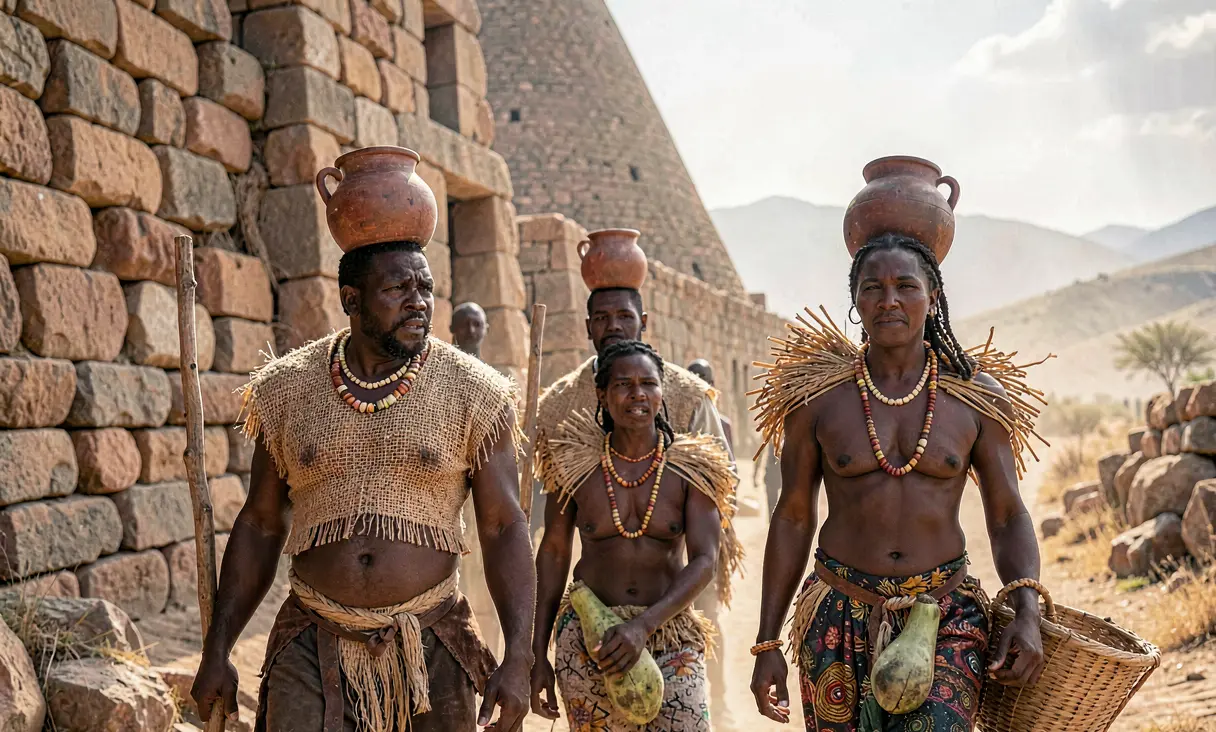
Although physically abandoned by its inhabitants around 1450 CE, Great Zimbabwe never lost its spiritual significance. The site remained a sacred landscape in Shona cosmology, associated with ancestral spirits and the origins of kingship. For centuries, local communities continued to visit the ruins for rituals, maintaining a living connection to the past despite the physical decay of the structures. This enduring reverence prevented the total erasure of memory, ensuring that when Portuguese explorers arrived in the 16th century, they encountered oral traditions that spoke of the 'Great House' with awe and mystery.
Historical Significance
The abandonment of Great Zimbabwe stands as a critical case study in the fragility of complex societies dependent on specific ecological niches and trade monopolies. It challenges colonial narratives that attributed such monumental architecture to foreign hands, proving instead the ingenuity of indigenous African engineering and statecraft. The event underscores how environmental stressors, when combined with economic shifts, can dismantle even the most robust urban centers, forcing a reconfiguration of power that shapes the subsequent history of an entire region.
Marks the end of the great stone city era in southern Africa, shifting political power northward.
Where it happened
Great Zimbabwe, Zimbabwe — see it on the interactive map →
Explore related history
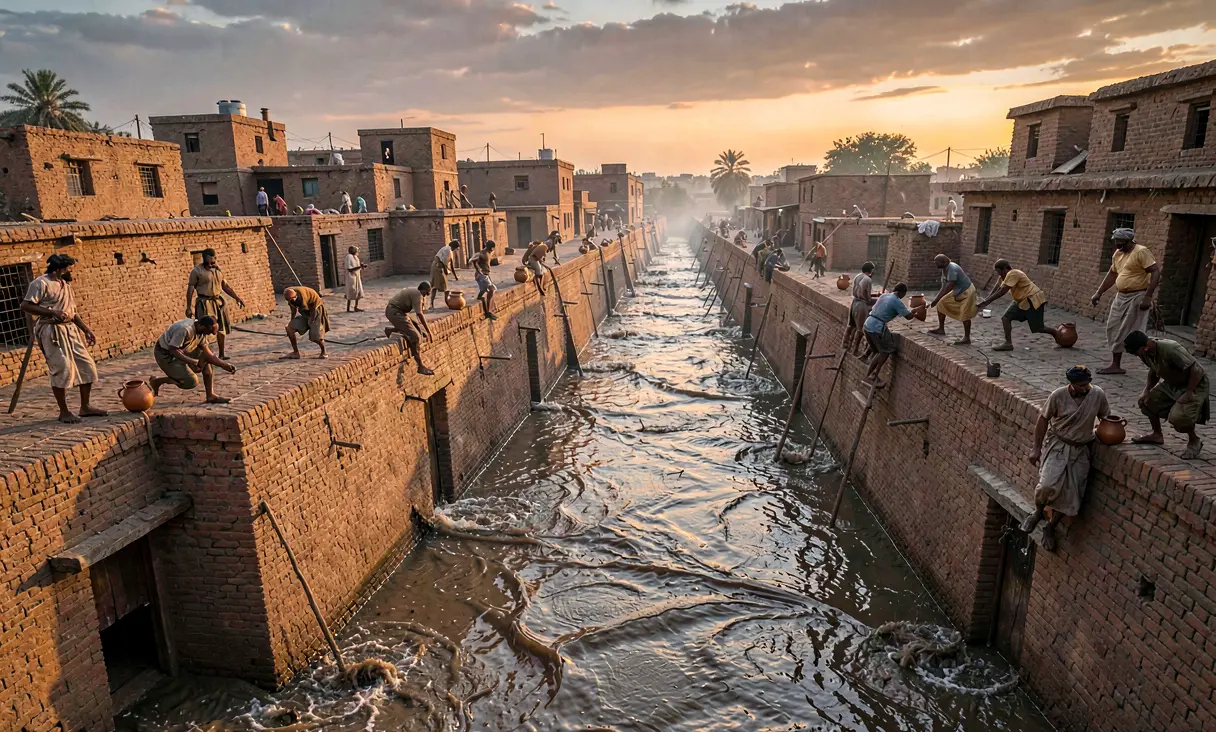 DisasterCatastrophic Flooding at Mohenjo-Daroc. 1900 BCE · Mohenjo-Daro, Sindh, PakistanDevastating floods from the Indus River repeatedly buried and destroyed layers of Mohenjo-Daro, signaling the decline of the urban phase.
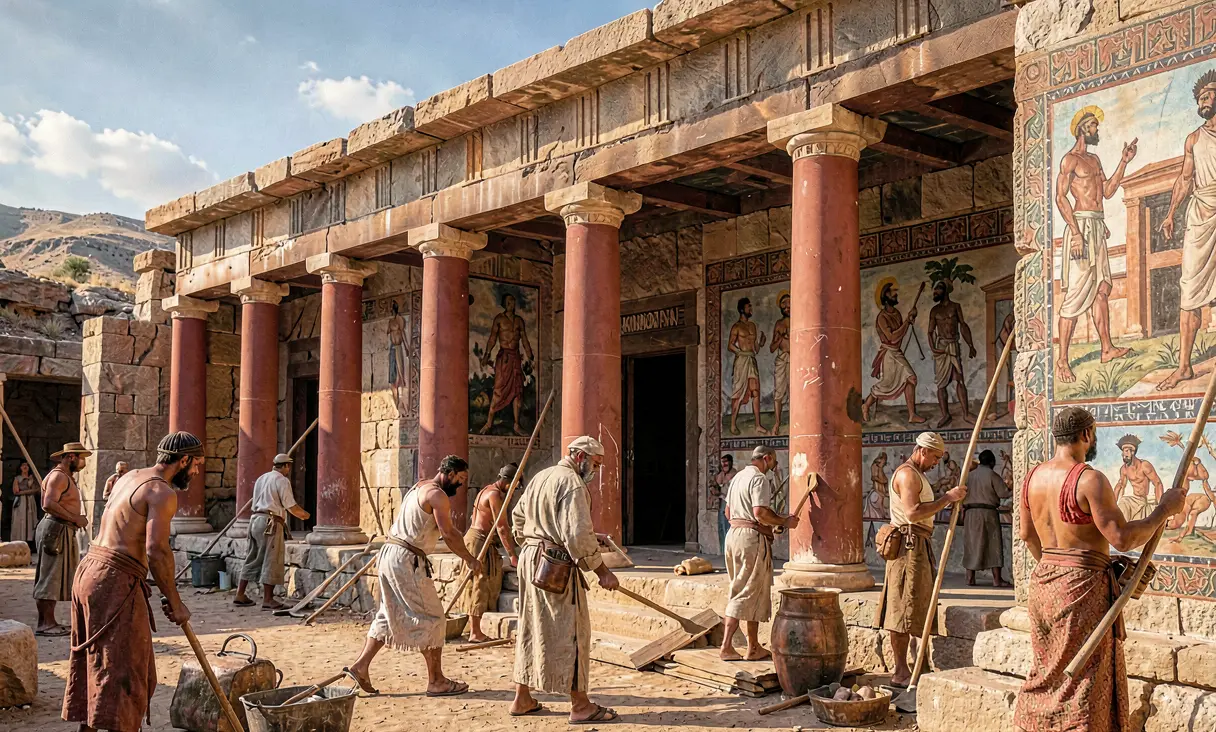 DisasterRebuilding of the Palace at Knossos after Earthquakec. 1700 BCE · Knossos, Crete (Greece)Minoans rebuild the Palace of Knossos after a massive earthquake destroys the old structure.
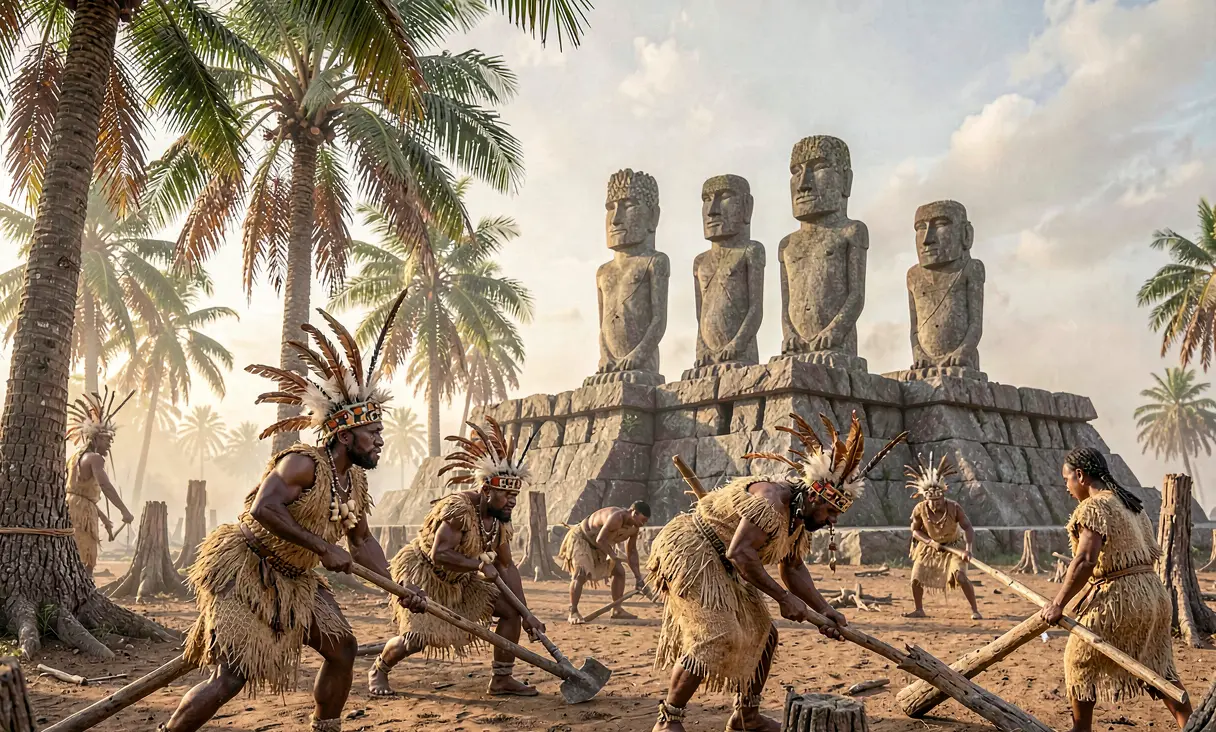 DisasterEcological Collapse and Deforestation of Rapa Nuic. 1600 CE · Rapa Nui (Easter Island), ChileOverexploitation of resources leads to deforestation and societal transformation on Rapa Nui.
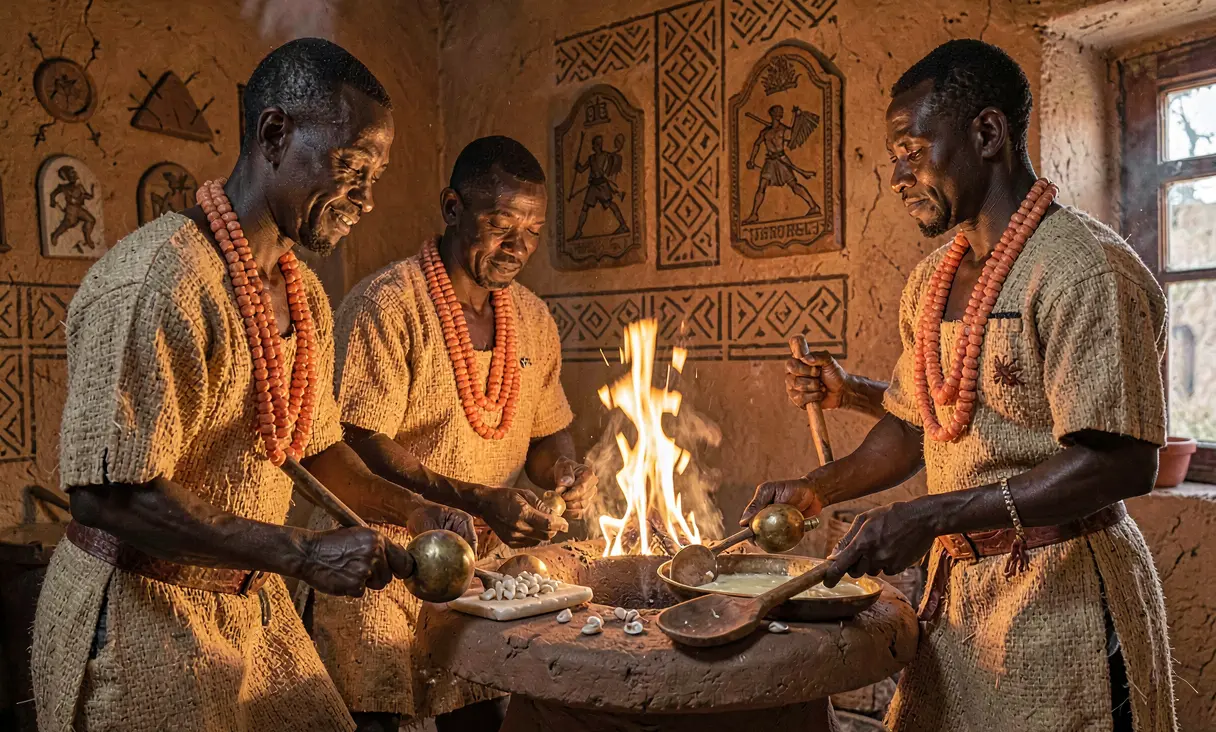 ArtCreation of the Benin Bronzes under Oba Ewuarec. 1450 CE · Benin City, NigeriaOba Ewuare commissions the famous bronze and ivory plaques documenting court life and military victories.
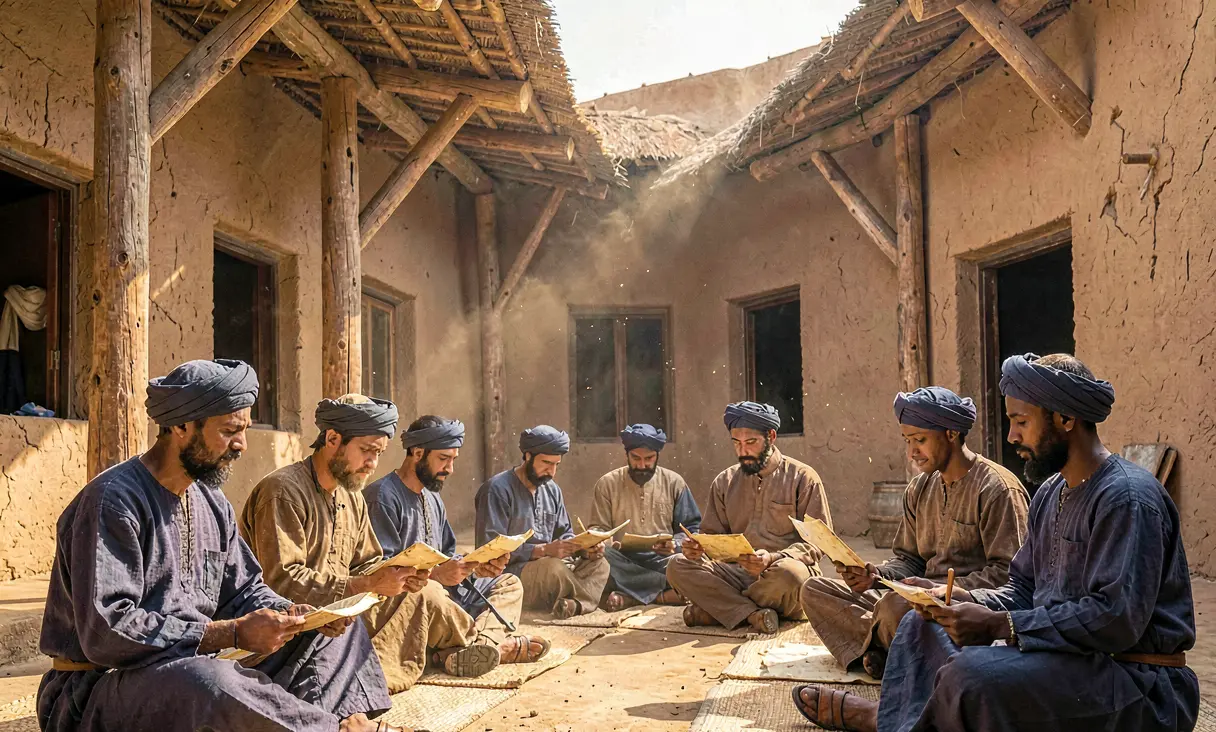 ScienceSankore Madrasah Becomes a Center of Learning in Timbuktuc. 1450 CE · Timbuktu, MaliThe Sankore Madrasah emerges as a premier university for Islamic scholarship in West Africa.
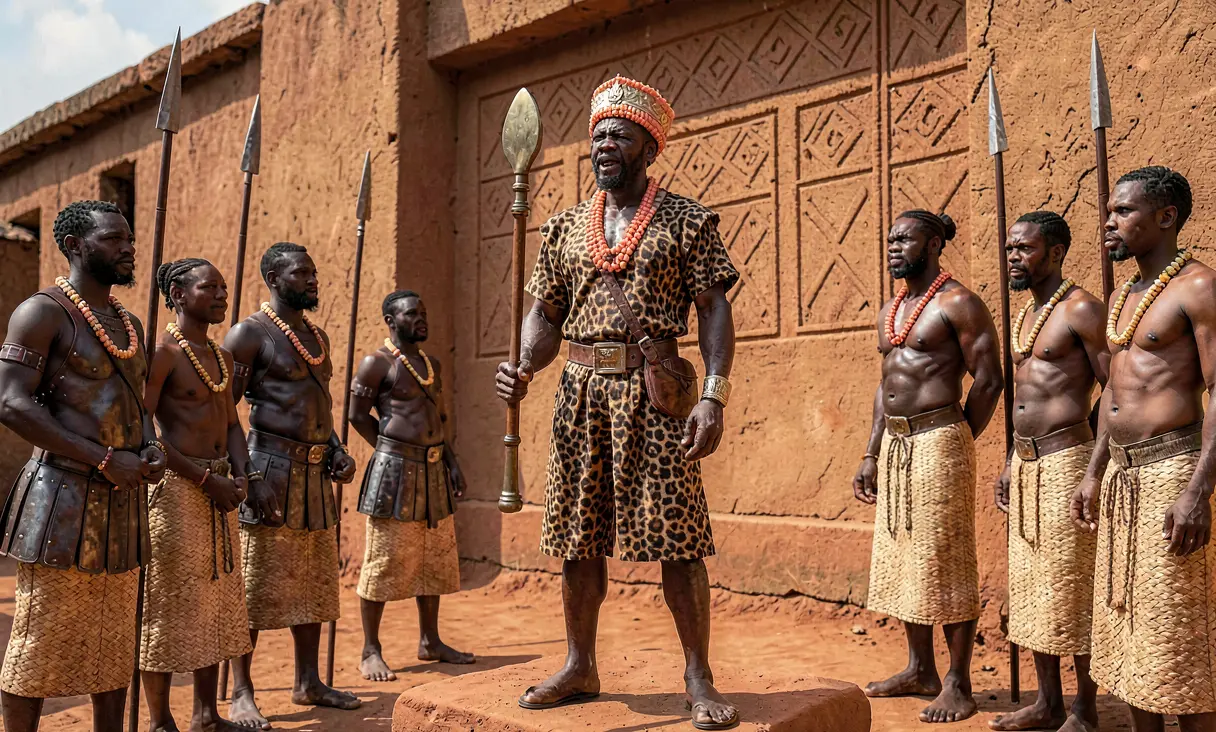 PoliticsOba Ewuare Centralizes the Kingdom of Beninc. 1450 CE · Benin City, NigeriaOba Ewuare reorganizes the kingdom into a centralized state with a professional army and bureaucracy.
Discussion
Loading…