Grand Canal of China Connects North and South
Completed in 610 CE under Emperor Yang, this 2,700km engineering marvel unified China's economy but cost the Sui Dynasty its throne through brutal conscription.
The Geopolitical Imperative
By the late 6th century, China had reunified under the Sui Dynasty following centuries of fragmentation known as the Period of Disunion. However, a critical structural weakness persisted: the political and military centers lay in the arid north (Chang'an and Luoyang), while the nation's agricultural surplus increasingly shifted to the fertile Yangtze River Delta in the south. Existing waterways were fragmented, seasonal, or treacherous for large-scale transport, making the movement of grain tribute and troops inefficient and costly. Emperor Yang of Sui recognized that without a permanent, reliable artery connecting these disparate regions, the dynasty's hold on power would remain precarious.
The Grand Canal Project
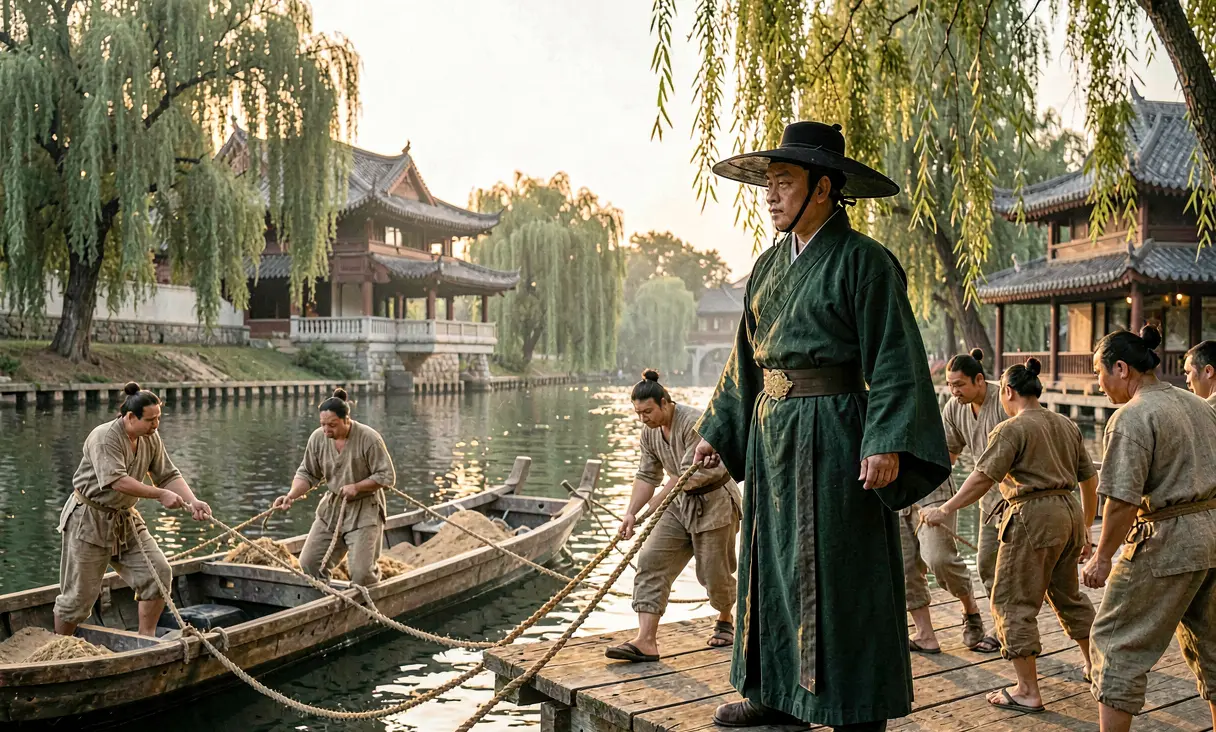
Between 605 and 610 CE, Emperor Yang orchestrated one of history's most ambitious engineering undertakings: the completion of the Grand Canal. This was not a single construction but the integration and extension of existing waterways into a continuous system stretching over 2,700 kilometers (approx. 1,700 miles). The project linked Luoyang, the new eastern capital, directly to Hangzhou in the south via the Han Gou and Jiangnan Canals, while connecting northward toward modern-day Beijing. By 610 CE, the waterway formed a massive 'Y' shape, allowing barge traffic to traverse from the Yellow River basin to the Qiantang River with unprecedented ease.
Architects of Empire and Human Cost
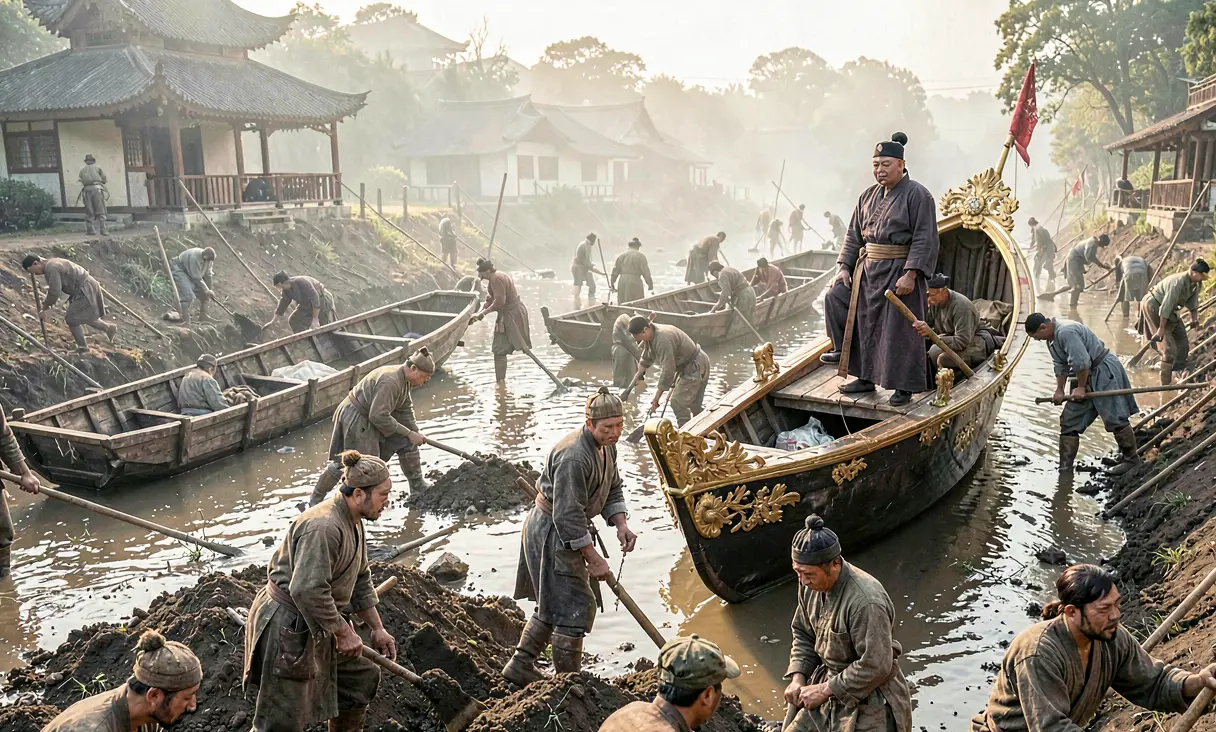
The execution of this feat fell largely upon Emperor Yang himself, whose vision was driven by a desire to consolidate imperial control and facilitate his own southern tours. The engineering relied on sophisticated lock systems, levees, and the strategic use of natural rivers like the Yellow and Huai. However, the human cost was staggering. Historical records indicate that millions of conscripted laborers—estimates range from 2 million to over 5 million men—were drafted for the construction. Working under brutal conditions with high mortality rates due to exhaustion, disease, and harsh discipline, these workers became a powder keg of resentment within the empire.
Integration and Economic Transformation
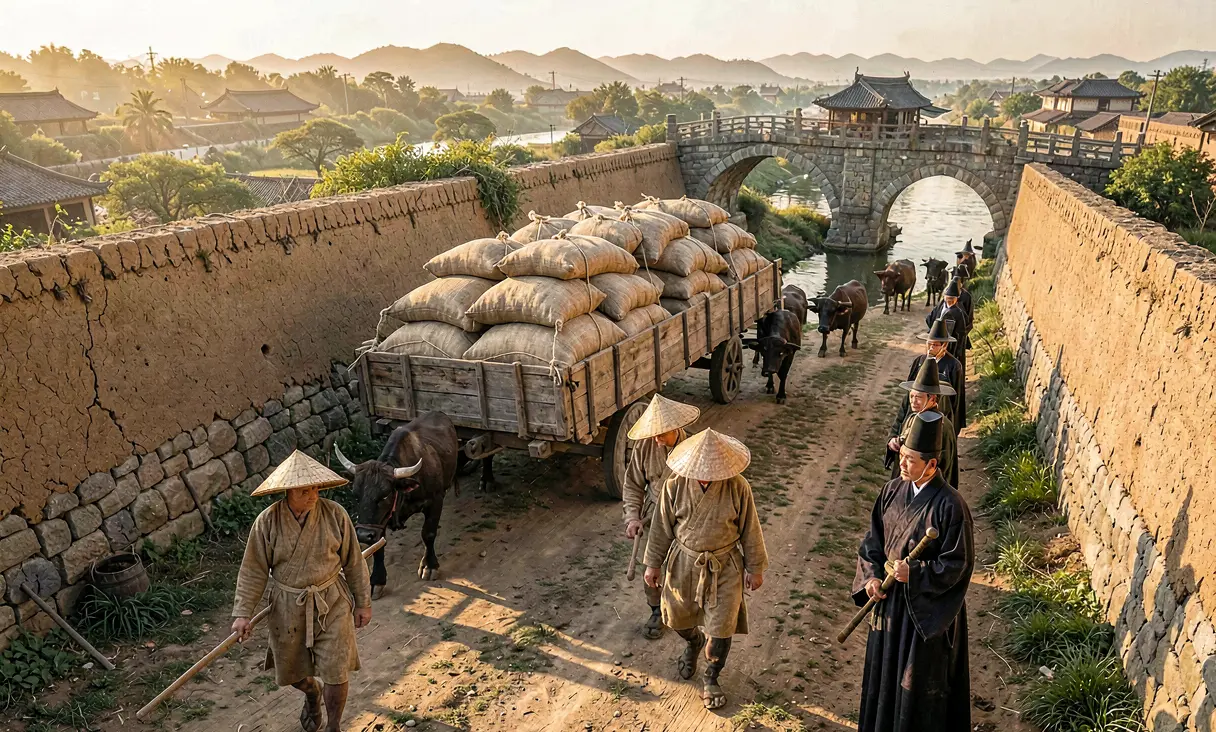
Upon its completion in 610 CE, the Grand Canal immediately transformed the Chinese economy. It enabled the systematic transport of 'caoyun' (grain tribute) from the rice-rich south to feed the northern armies and bureaucracy, stabilizing the food supply for the capital regions. The canal also facilitated the rapid deployment of troops to quell border threats or internal rebellions, effectively knitting the empire together militarily. For centuries thereafter, it served as the primary conduit for silk, tea, porcelain, and salt, creating a unified national market that transcended regional barriers.
The Sui Collapse and Dynastic Paradox
Ironically, the very project meant to secure the Sui Dynasty contributed directly to its rapid demise. The immense labor demands of the canal, combined with Emperor Yang's other costly military campaigns in Korea, exhausted the peasantry and drained the state treasury. Widespread uprisings erupted by 613 CE, fueled by the suffering of the conscripted workers and their families. By 618 CE, the Sui Dynasty fell, replaced by the Tang Dynasty. Yet, the new rulers did not dismantle the canal; instead, they recognized its strategic necessity and maintained it, proving that the infrastructure outlasted the regime that built it.
A Legacy of Millennia
The Grand Canal remains the longest man-made waterway in the world, a testament to ancient Chinese engineering prowess. It fundamentally shaped the demographic and economic geography of China for over 1,300 years, influencing the rise of major cities like Suzhou and Yangzhou along its banks. Even today, portions of the canal remain in active use for freight transport, and it stands as a UNESCO World Heritage site. Its existence allowed the cultural synthesis of North and South China, creating a cohesive national identity that has endured through dynastic changes and modernization.
The Grand Canal economically integrated China for over a millennium, ensuring food security and political stability by linking northern capitals with southern granaries.
Where it happened
Luoyang to Hangzhou, China — see it on the interactive map →
Explore related history
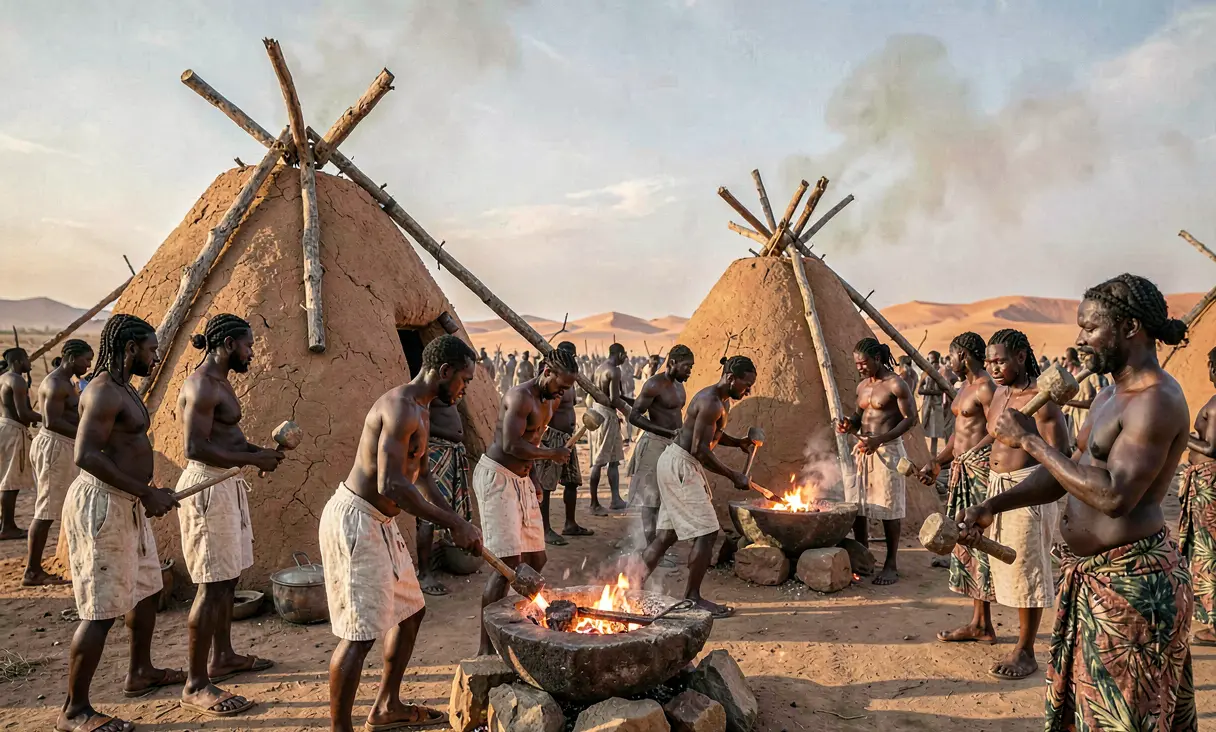 TechnologyMeroitic Iron Smelting Industry Flourishesc. 500 BCE · Meroe, SudanMeroe develops a massive iron smelting industry using abundant fuel and advanced furnace technology.
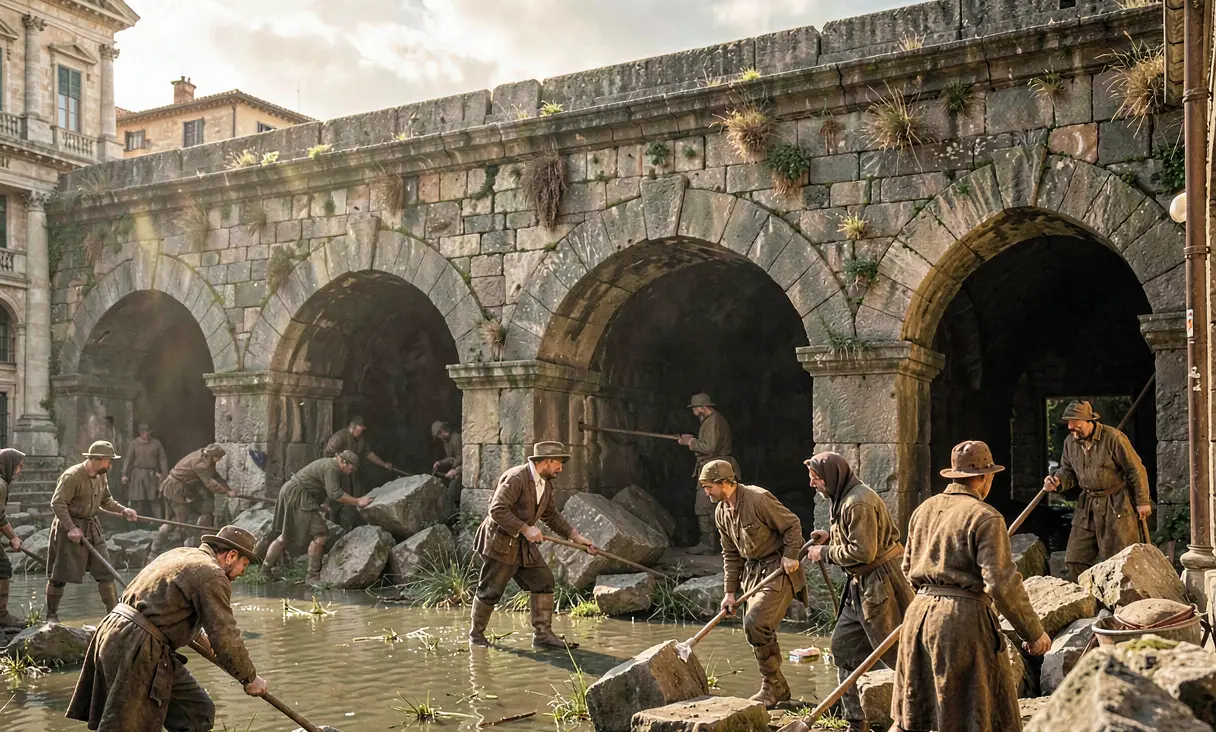 TechnologyConstruction of the Great Cloaca Maxima in Romec. 500 BCE · Rome, ItalyEarly Romans build the massive Cloaca Maxima sewer system to drain marshes and manage waste.
 TechnologyDevelopment of the Polynesian Star Compass Systemc. 500 BCE · Society Islands, French PolynesiaPolynesian navigators memorize star paths to traverse the Pacific without instruments.
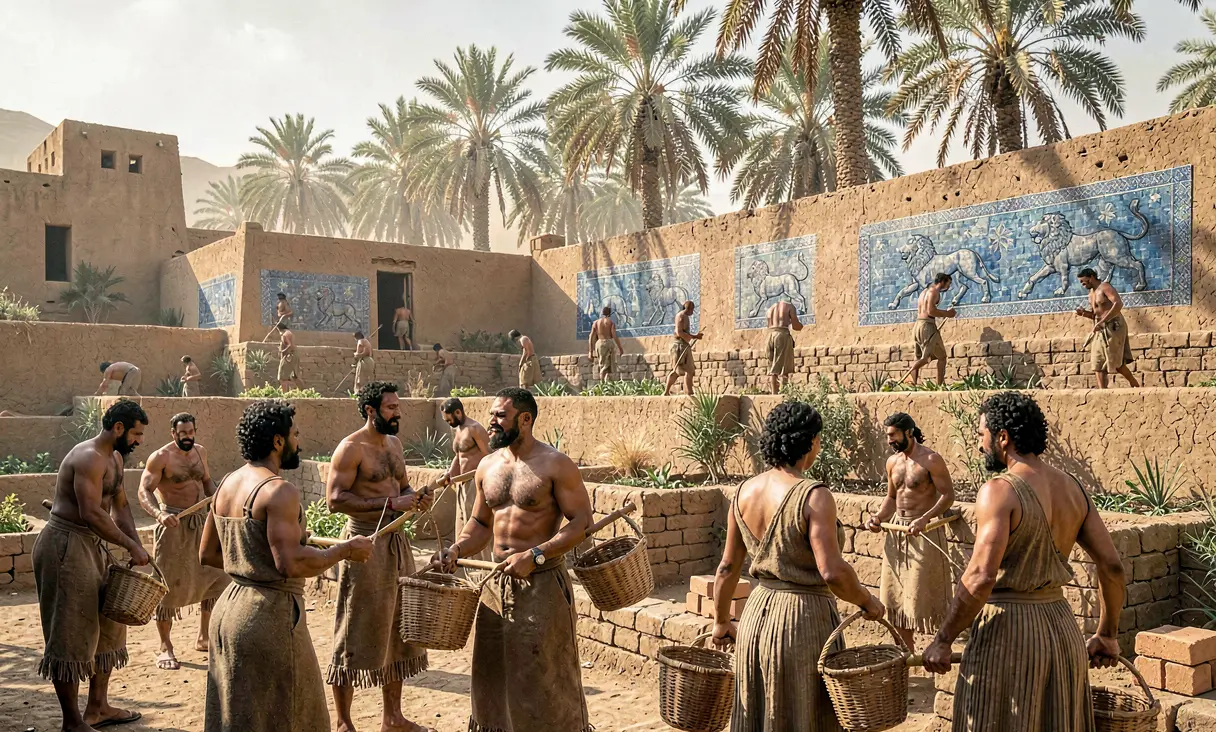 ArtConstruction of the Hanging Gardens of Babylonc. 605 BCE · Babylon, Mesopotamia (Iraq)Nebuchadnezzar II builds the legendary Hanging Gardens for his Median wife.
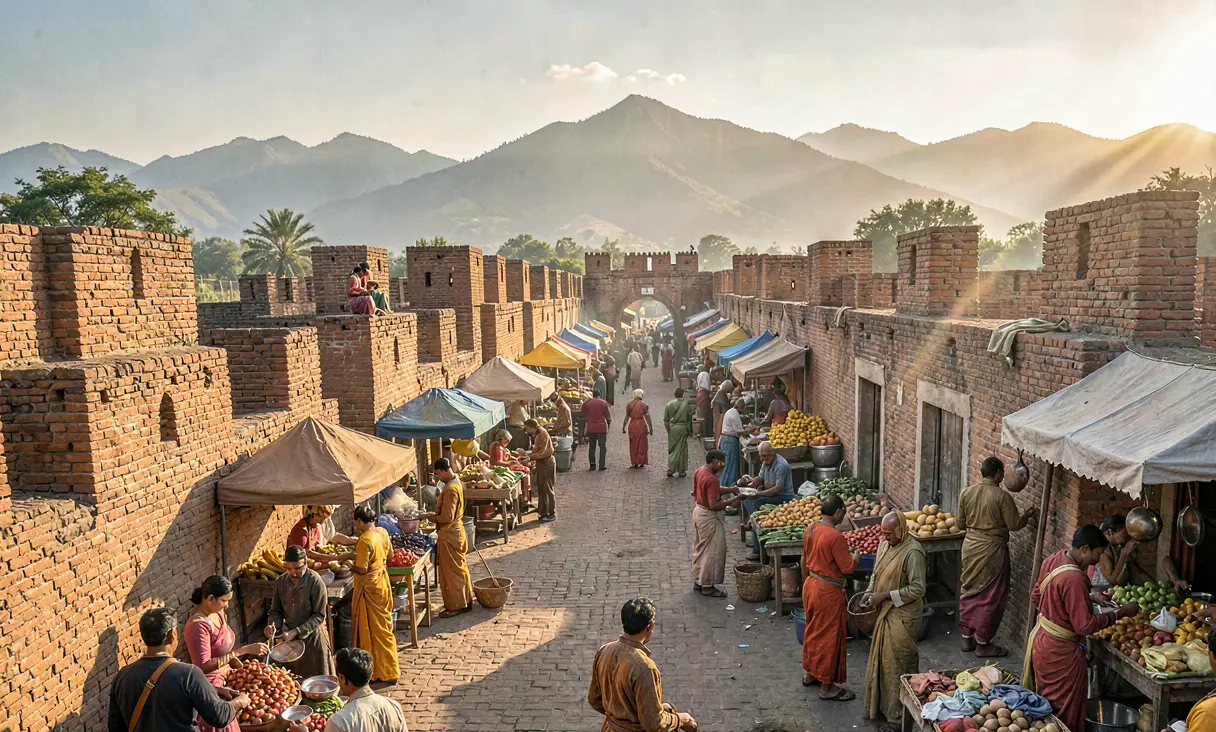 PoliticsRise of the Sixteen Mahajanapadasc. 600 BCE · Gangetic Plain (modern Uttar Pradesh/India)Sixteen great kingdoms and republics emerge across the Gangetic plain, marking the transition from tribal chiefdoms to state-level societies.
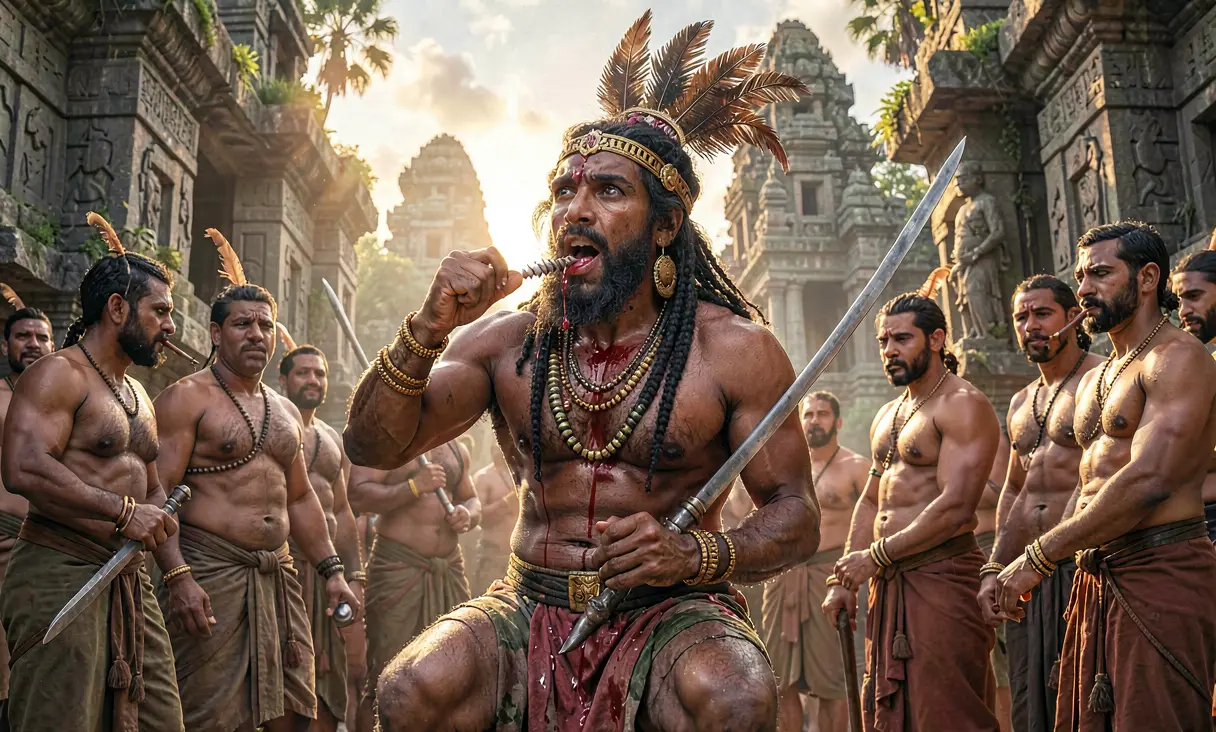 medicineRitual Bloodletting as Medical and Religious Practice in Mayac. 600 BCE · Tikal, GuatemalaMaya elites use stingray spines and obsidian for ritual bloodletting to commune with gods.
Discussion
Loading…