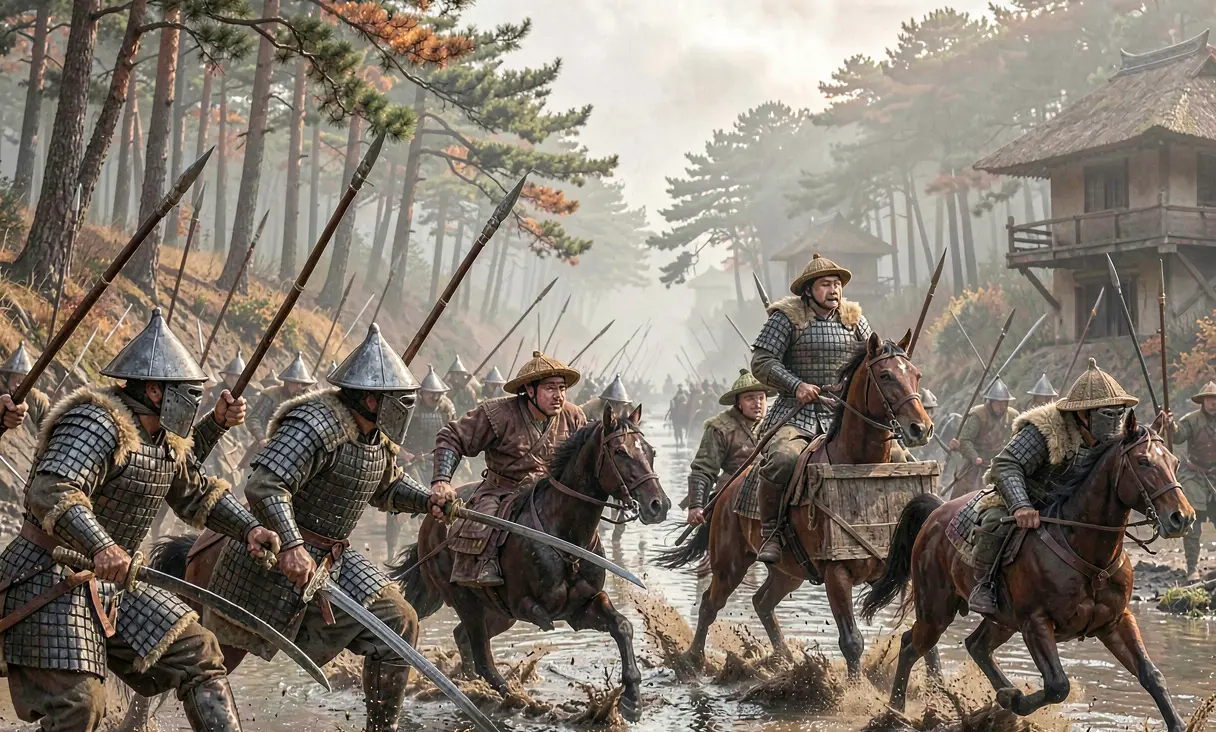
Goryeo Repels Khitan Liao Invasion
General Gang Gam-chan's masterful ambush at the Guichu River annihilated a massive Liao invasion force in 1019, securing Korean sovereignty and reshaping East Asian geopolitics for centuries.
The Shadow of the Liao
By the early 11th century, the Goryeo Dynasty faced an existential threat from the mighty Khitan Liao Empire to its north. Having unified much of Manchuria and northern China under Emperor Shengzong, the Liao viewed Goryeo's refusal to fully submit as a direct challenge to their hegemony. Following two failed invasions in 993 and 1010, which had resulted in temporary tributary concessions but deep-seated resentment within the Goryeo court, tensions reached a breaking point. In 1018, Emperor Shengzong mobilized a colossal force, reportedly numbering around 100,000 cavalrymen, with the explicit intent of subjugating the Korean peninsula and installing a puppet regime to ensure permanent control.
The Strategic Mastermind
Appointed as the Supreme Commander of the Goryeo forces was Gang Gam-chan, a seasoned civil official and military strategist known for his calm demeanor and deep understanding of terrain. Unlike previous commanders who had engaged the Liao in open field battles where their superior cavalry dominated, Gang recognized that direct confrontation would be suicidal. He advised King Hyeonjong to adopt a strategy of attrition, ordering the evacuation of civilians from the border regions and the implementation of a scorched-earth policy. This deliberate deprivation of food, shelter, and supplies was designed to exhaust the invading army before they could reach the capital, Kaesong.
The March North and the Scorched Earth
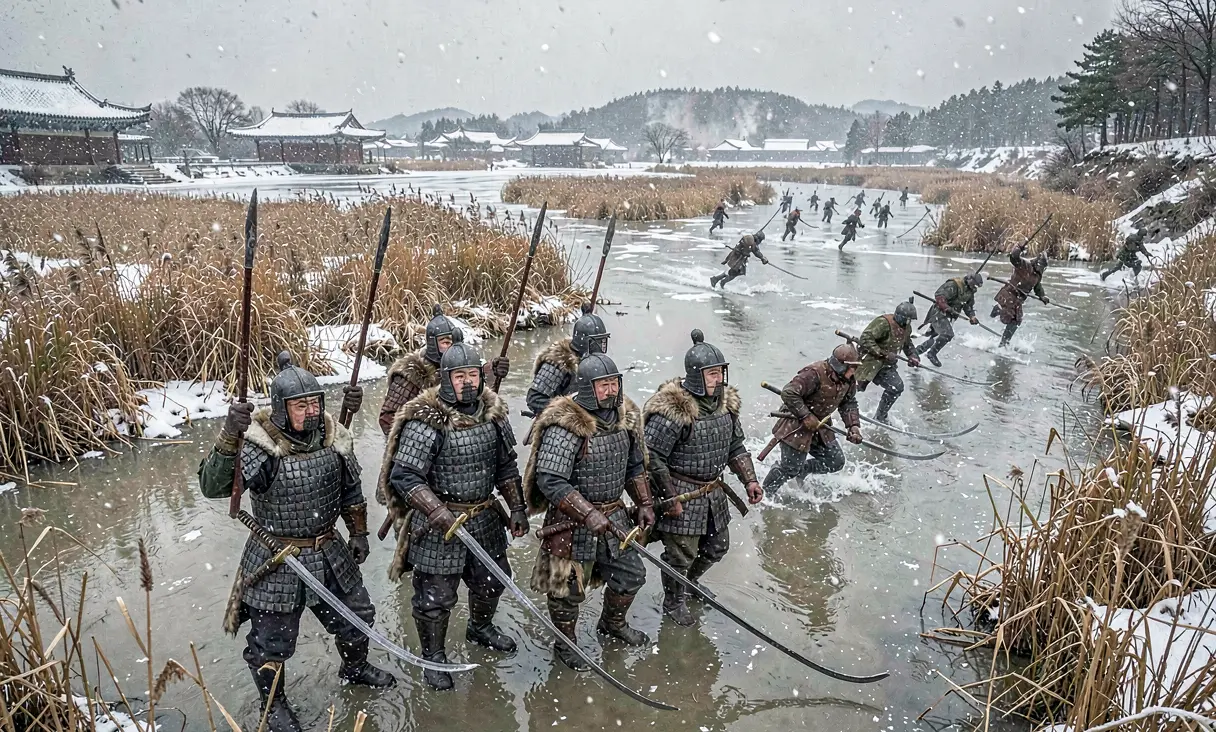
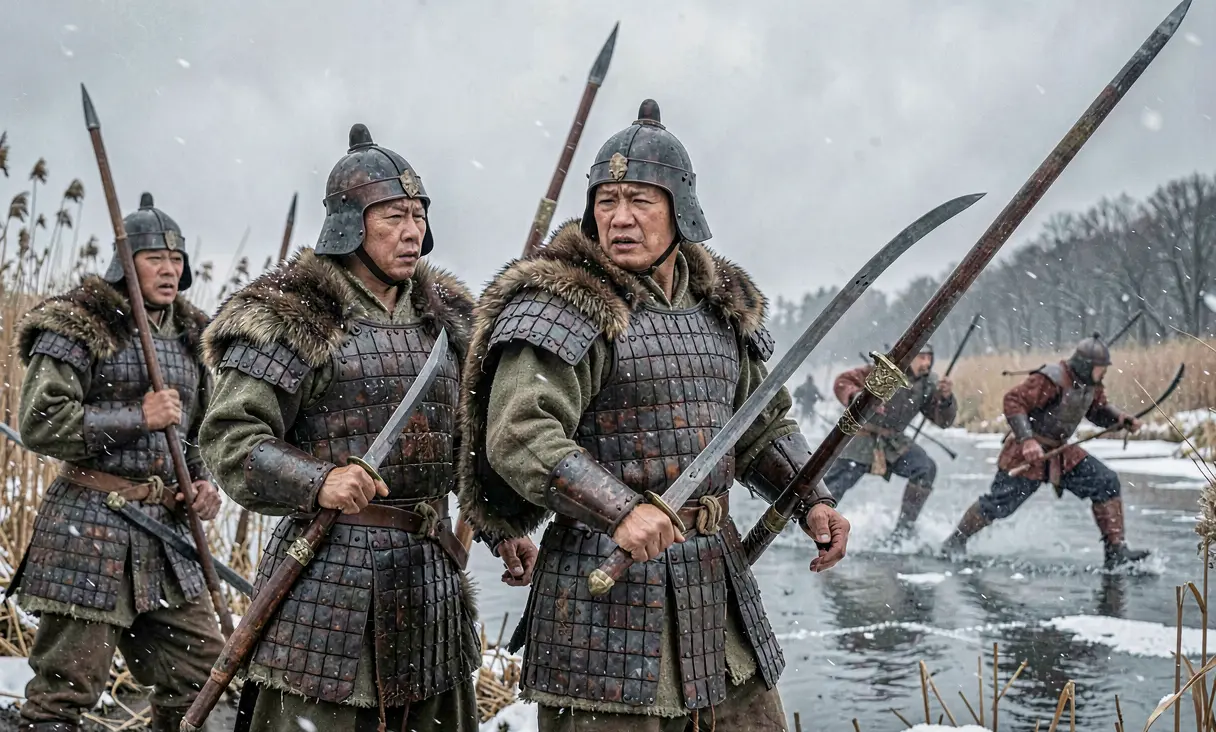
In late 1018, the Liao army crossed the Yalu River and advanced southward into Pyongan Province. As predicted by Gang Gam-chan, the Khitan forces found a barren landscape devoid of resources. The Goryeo strategy successfully stretched the Liao supply lines to their breaking point; as winter set in, the invaders suffered from starvation, freezing temperatures, and constant harassment by small Goryeo detachments. By the time the exhausted Liao army attempted to retreat northward in early 1019, they were a shadow of their former strength, demoralized and depleted, marching through snow-covered terrain that offered no sustenance.
The Ambush at Heunghwa Bridge
Gang Gam-chan anticipated the Liao retreat route and positioned his main force near the Guichu River (modern-day Heunghwa Bridge) in Pyongan Province. Here, he constructed a massive earthen dam upstream to trap the retreating Khitan cavalry. As the Liao forces crossed the river, Goryeo soldiers destroyed the dam, unleashing a torrent of water that separated the army and trapped thousands on the far bank. Simultaneously, Goryeo archers and infantry launched a coordinated assault from the high ground. The ensuing slaughter was catastrophic for the Liao; historical records indicate that out of the 100,000 who invaded, fewer than 5,000 managed to escape back across the border.
Diplomatic Realignments
The crushing defeat at Guichu River forced a fundamental shift in East Asian geopolitics. The Liao Dynasty, realizing that total conquest of Goryeo was impossible and too costly, abandoned their ambitions of direct domination. In the subsequent peace negotiations, the terms were far more favorable to Goryeo than before; while Goryeo maintained a nominal tributary relationship to preserve trade and stability, it retained full sovereignty over its internal affairs and military autonomy. The Liao ceased all attempts at invasion, acknowledging Goryeo as an equal partner in the regional order rather than a vassal state.
A Legacy of Sovereignty
The victory of 1018-1019 stands as a defining moment in Korean history, preserving the cultural and political independence of the peninsula for centuries. It solidified the Confucian state structure established by King Taejo Wang Geon and demonstrated the efficacy of civil-military cooperation under Gang Gam-chan. The battle is celebrated not merely for its military brilliance but for its role in preventing the Sinicization or Khitan-ization of Korean identity. Today, Gang Gam-chan remains a national hero, and the event is commemorated as a testament to the resilience of Goryeo against overwhelming imperial ambition.
Gang Gam-chan's victory secured Goryeo's independence from northern expansionism, allowing Korean culture to flourish under a stable tributary system.
Where it happened
Pyongan Province, Korea — see it on the interactive map →
Explore related history
 WarAlgerian War of Independence BeginsNovember 1, 1954 · Algiers, AlgeriaThe National Liberation Front launches coordinated attacks marking the start of the Algerian War against France.
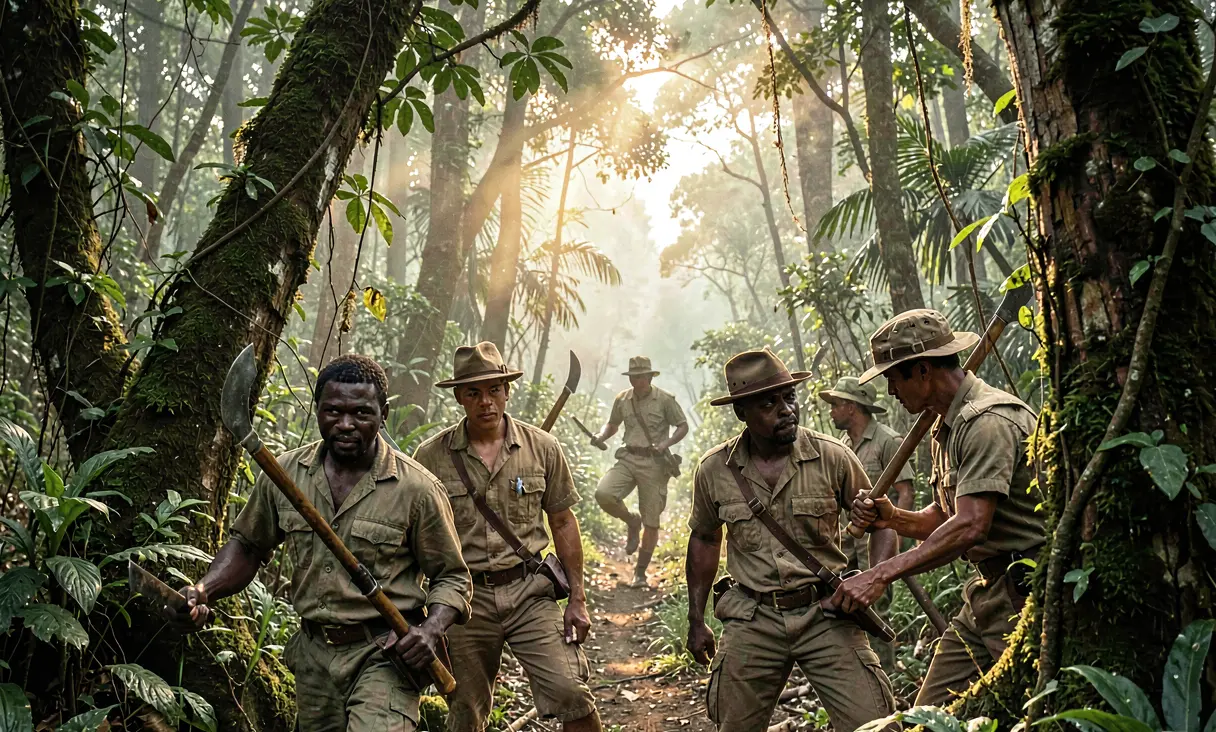 WarMau Mau Uprising Begins in KenyaOctober 20, 1952 · Nairobi, KenyaThe Kikuyu-led Mau Mau rebellion begins against British colonial rule and white settler land ownership.
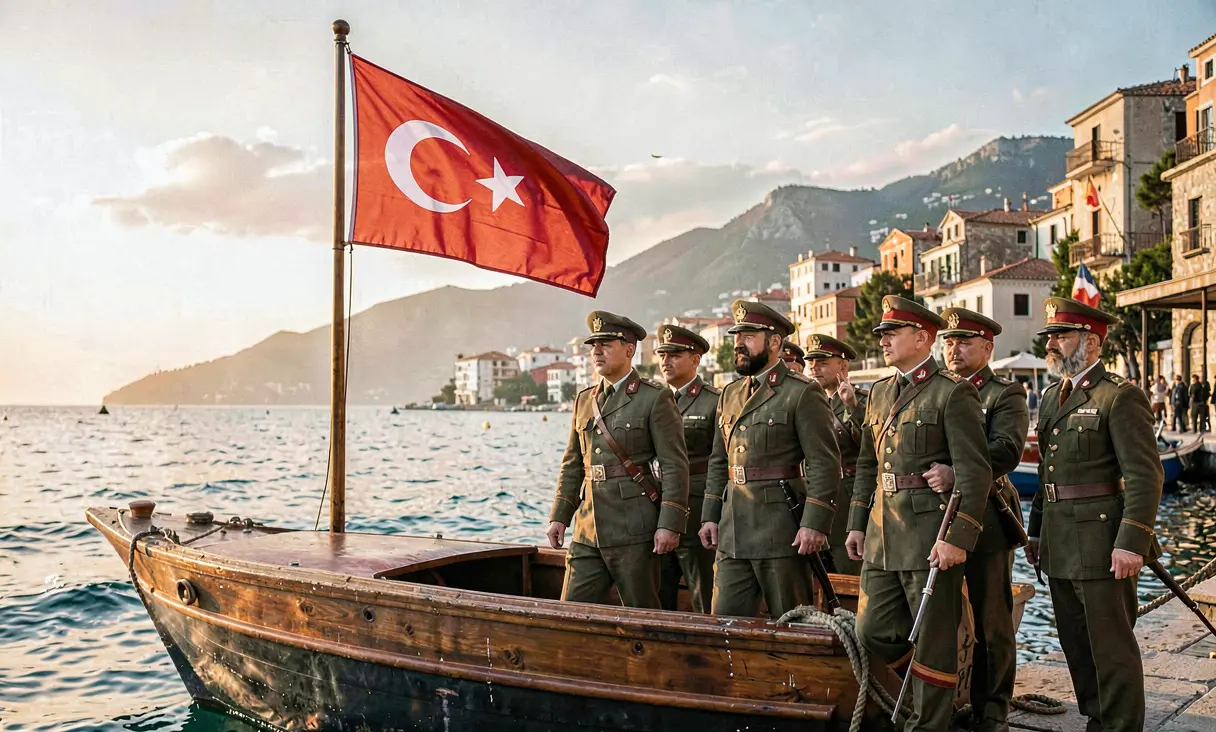 WarTurkish War of Independence BeginsMay 19, 1919 · Samsun, TurkeyMustafa Kemal Atatürk lands in Samsun to organize resistance against Allied occupation and the Ottoman Sultanate.
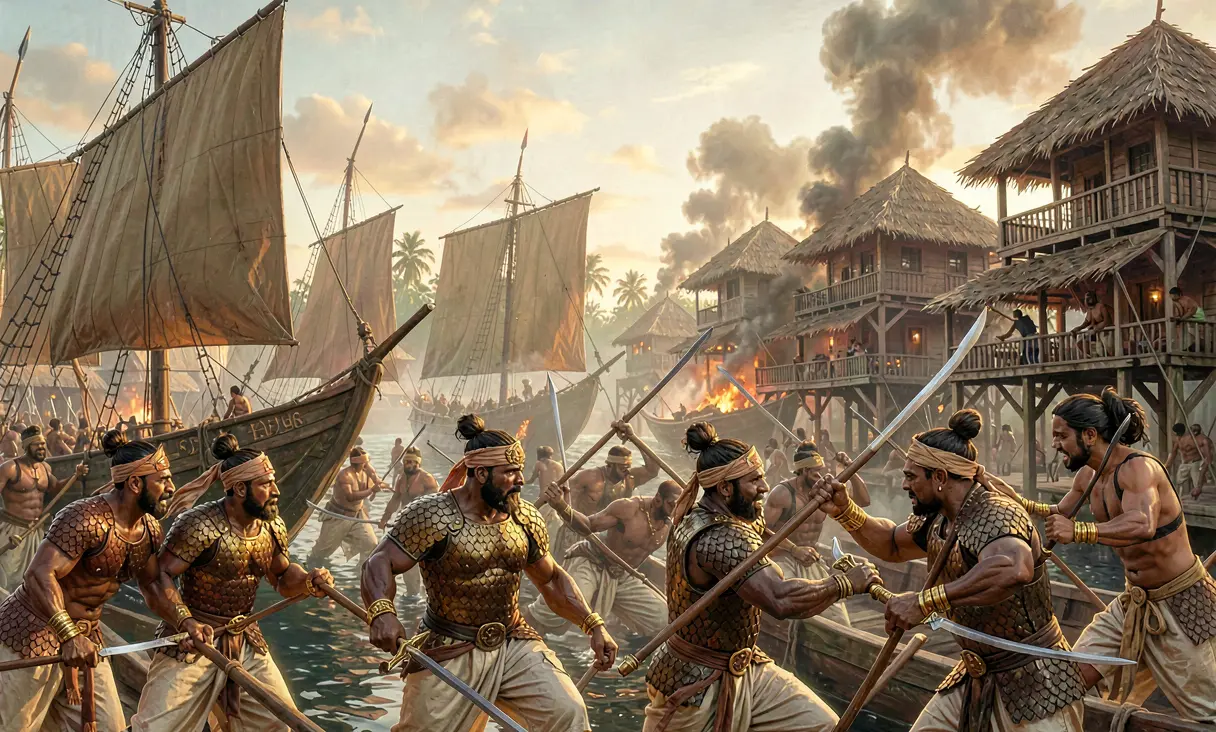 WarChola Raid on Srivijaya1025 CE · Palembang, Sumatra (Srivijaya)Rajendra Chola I launches a naval raid destroying Srivijayan ports and disrupting trade.
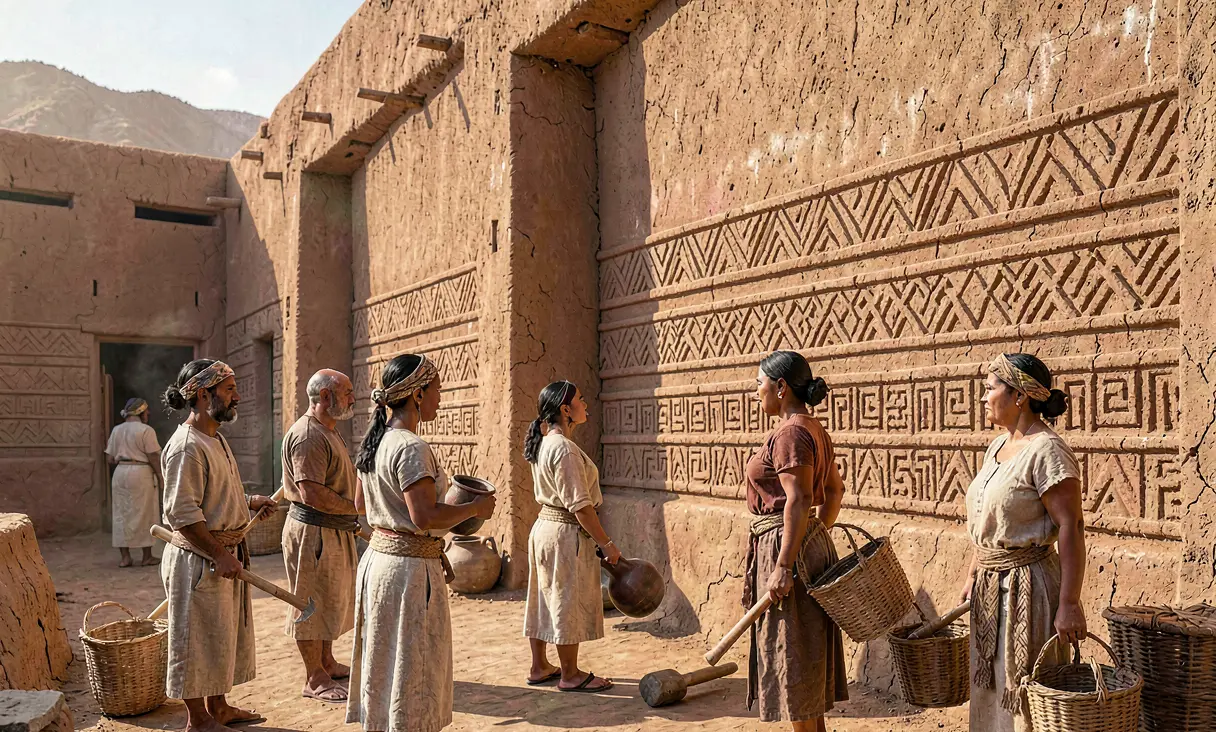 CivilizationRise of the Chimú Kingdom at Chan Chanc. 1000 CE · Chan Chan, PeruThe Chimú establish the largest adobe city in the Americas at Chan Chan.
 ExplorationLapita Settlement in Western Samoac. 1000 BCE · Western SamoaLapita voyagers reach the Samoan archipelago, marking the first entry into Remote Oceania.
Discussion
Loading…