Rise of the Ghana Empire under Soninke Rule
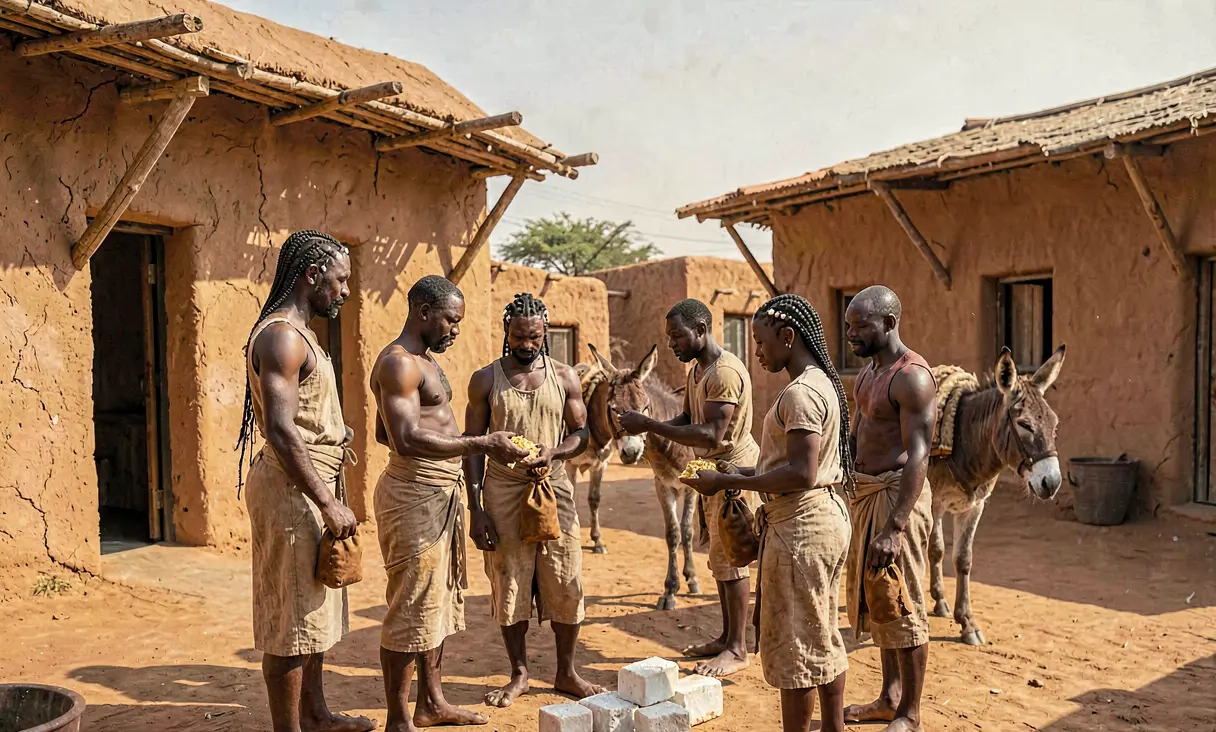
Around 400 BCE, the Soninke unified into the Ghana Empire, creating Africa's first major centralized state by monopolizing trans-Saharan gold and salt trade routes.
The Sahelian Crucible
In the arid expanse of the West African Sahel, roughly 300 kilometers north of the Niger River bend, a transformative political shift began to take shape around the 4th century BCE. The Soninke people, an agriculturalist and pastoralist group speaking a Mande language, inhabited a region characterized by seasonal rainfall that supported millet cultivation alongside cattle herding. Prior to this consolidation, the area was fragmented into small, autonomous chiefdoms often in conflict over scarce water and arable land. However, the unique geographical position of these settlements placed them at the critical juncture between the gold-rich forests of the south (modern-day Guinea and Mali) and the salt mines of the Sahara to the north.
The Emergence of Wagadou
By approximately 400 BCE, the Soninke began a deliberate process of unification under a centralized authority, establishing what they called 'Wagadou,' meaning 'Land of Herds.' This early state formation was not merely a tribal alliance but a structured polity capable of projecting power and enforcing tribute. The capital, which would later evolve into the legendary city of Koumbi Saleh, served as the administrative heart where the first kings, known as the Ghana (a title meaning 'Warrior King'), consolidated their rule. This political centralization allowed for the standardization of trade protocols and the protection of merchant caravans traversing the dangerous desert routes.
Architects of a New Order
While specific names of individual rulers from this formative period remain obscured by the oral tradition that would later define Soninke history, the institution of the Ghana itself became the defining figure of authority. The early Ghanas were not absolute autocrats in the European sense but rather sacred kings who held spiritual and military power. They presided over a council of elders and clan heads, integrating various Soninke lineages into a cohesive administrative framework. This leadership structure was crucial for managing the complex logistics of long-distance trade, ensuring that the flow of goods remained uninterrupted by local banditry or inter-tribal warfare.
The Mechanics of Consolidation
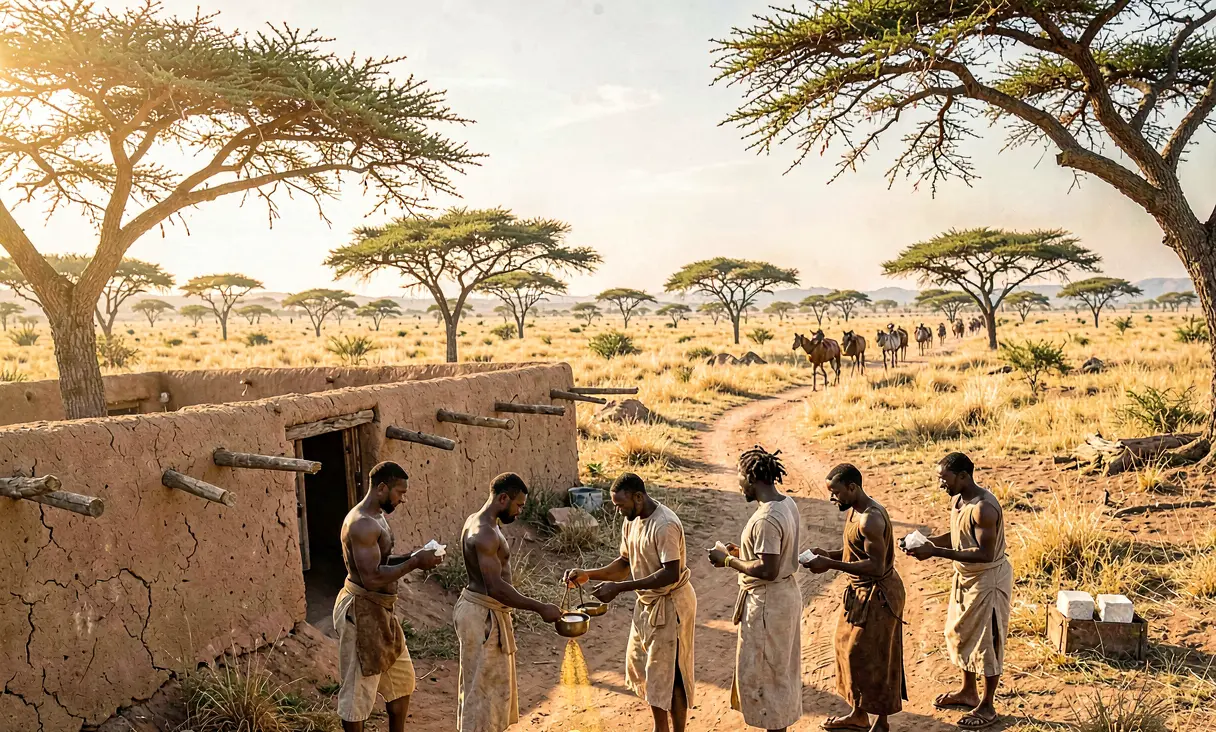
The unification process unfolded through a combination of diplomatic marriage alliances and strategic military campaigns against rival chiefdoms. As the Soninke expanded their control, they established a system of taxation that levied duties on all goods entering or leaving their territory. The empire did not mine gold itself; rather, it controlled the trade routes connecting the southern gold fields to the northern salt mines of Taghaza. By taxing the import of salt and the export of gold at fixed rates—often one gold dinar for a load of salt—the state accumulated immense wealth without directly engaging in resource extraction. This economic model created a surplus that funded a standing army and an elaborate bureaucracy.
The Wealth of Wagadou
By the early centuries CE, following this initial consolidation, the Ghana Empire had become the preeminent power in West Africa. The capital city grew into a dual settlement with one section for the Muslim merchants and another for the traditional Soninke court, reflecting an early tolerance that facilitated international commerce. The state's ability to regulate the gold-salt trade allowed it to dominate the regional economy, attracting traders from North Africa and eventually the Mediterranean world. This economic hegemony transformed the Sahel from a marginal frontier into a center of global exchange, linking sub-Saharan Africa to the broader Afro-Eurasian trade network.
Foundations of West African Statecraft
The political and administrative innovations pioneered by the Soninke during this period laid the enduring groundwork for subsequent West African empires. The model of a centralized monarchy controlling trade routes, combined with a system of provincial governors answerable to the capital, was directly inherited and expanded upon by the Mali Empire in the 13th century and later by Songhai. The concept of the sacred king, the dual-city administrative structure, and the reliance on tribute rather than direct production became hallmarks of Sahelian governance that persisted for over a millennium.
A Legacy of Gold and Salt
The rise of the Ghana Empire around 400 BCE marked the dawn of complex statehood in sub-Saharan Africa, challenging historical narratives that previously underestimated early African political sophistication. Its success demonstrated how control over trade networks could generate wealth and power independent of agricultural surplus alone. The empire's influence extended far beyond its borders, shaping the cultural, economic, and political landscape of West Africa for centuries. Although the empire eventually declined due to climatic shifts and internal strife in the 11th century, the administrative DNA it established remained a blueprint for African imperial traditions long after its fall.
Created the first major trans-Saharan trading empire in West Africa, setting a precedent for future regional powers.

Where it happened
Koumbi Saleh (Modern Mauritania) — see it on the interactive map →
Explore related history
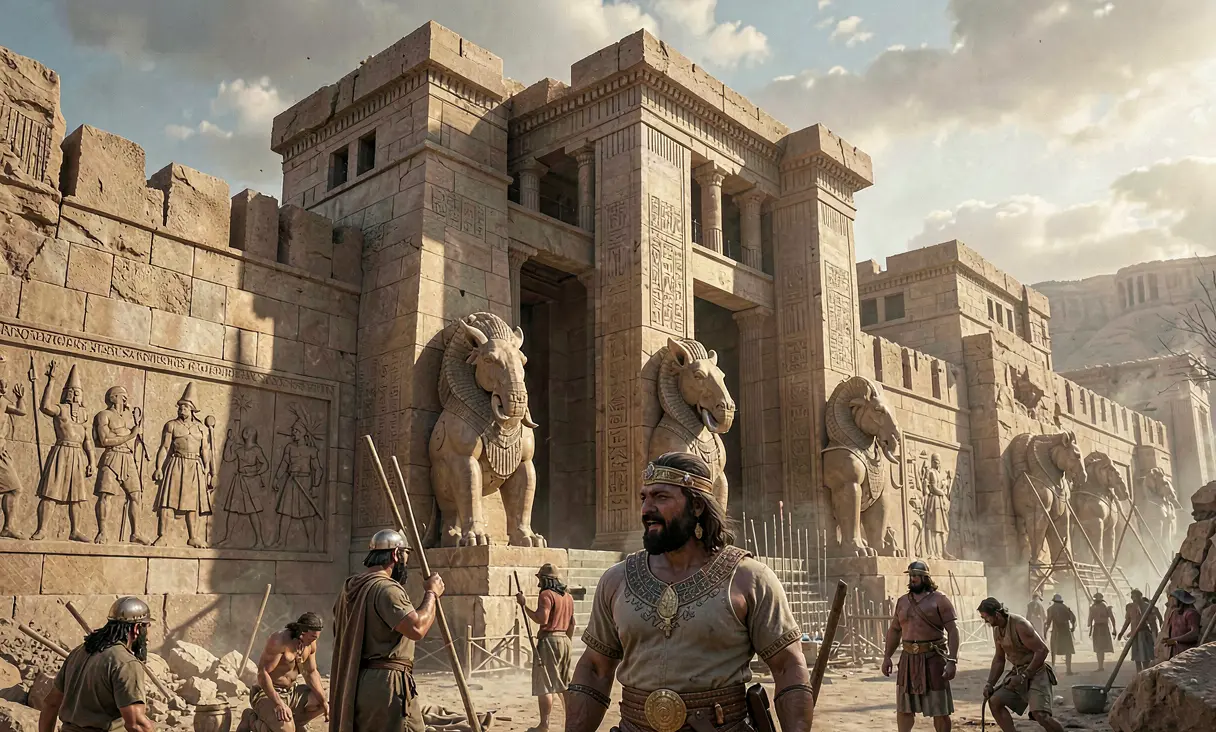 PoliticsFounding of Dur-Sharrukin by Sargon IIc. 717 BCE · Khorsabad (Dur-Sharrukin), IraqSargon II builds a new capital city to project Assyrian power and administrative control.
 PoliticsReign of Emperor Taizong and the Zhenguan Era626 CE · Chang'an, ChinaLi Shimin ascends the throne after the Xuanwu Gate Incident, ushering in a golden age of governance.
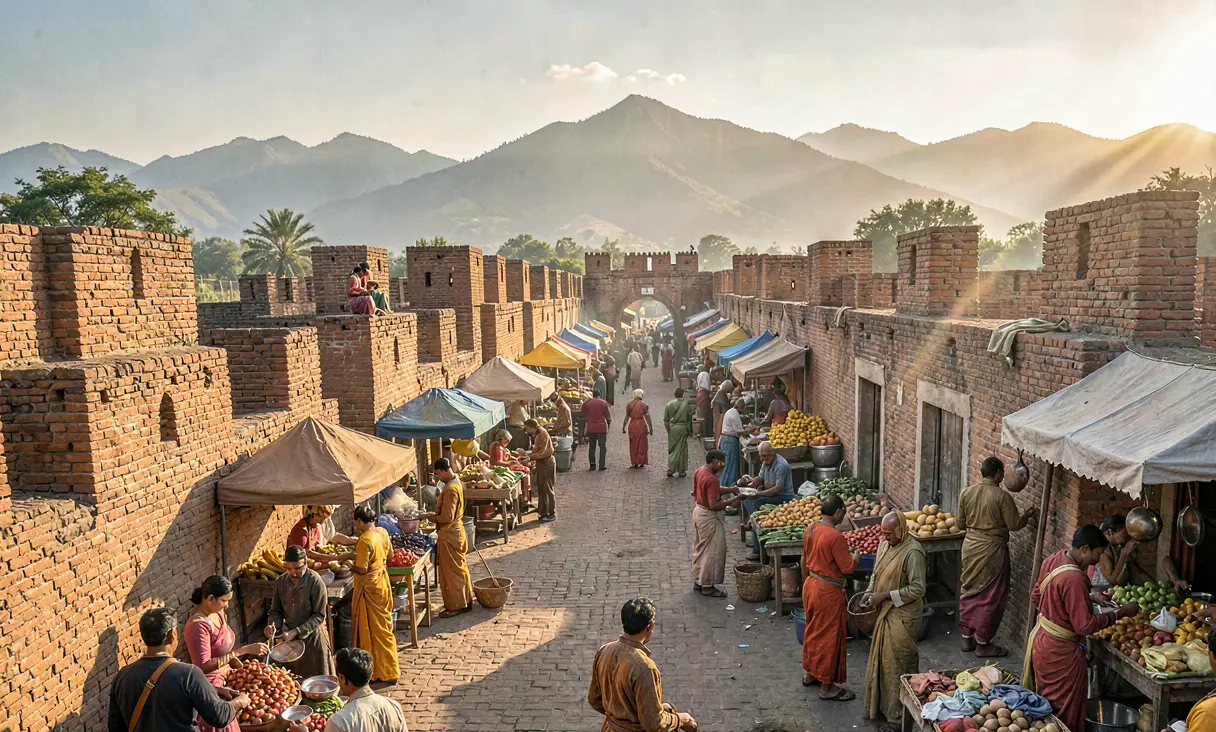 PoliticsRise of the Sixteen Mahajanapadasc. 600 BCE · Gangetic Plain (modern Uttar Pradesh/India)Sixteen great kingdoms and republics emerge across the Gangetic plain, marking the transition from tribal chiefdoms to state-level societies.
 ExplorationSettlement of the Hawaiian Islandsc. 400 BCE to 800 CE · Hawaii (Big Island), USAPolynesian voyagers from the Marquesas and Society Islands settle the isolated Hawaiian archipelago.
 ReligionSt. Augustine Becomes Bishop of Hippo Regius395 CE · Hippo Regius (Annaba), AlgeriaAugustine of Hippo is consecrated bishop in North Africa, influencing Christian theology for centuries.
 ScienceRefinement of the Maya Long Count Calendar Systemc. 361 BCE · Chiapa de Corzo, MexicoMaya scholars formalize the Long Count calendar for tracking deep historical time.
Discussion
Loading…