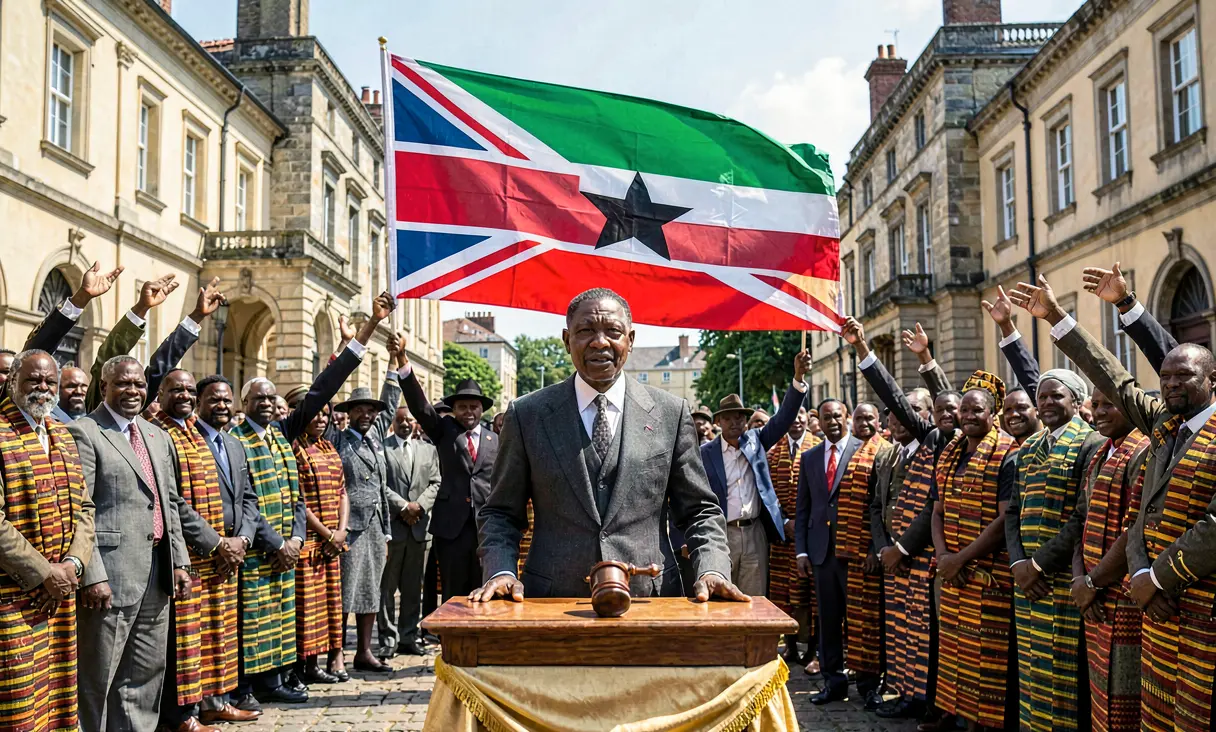
Ghana Gains Independence from Britain
Ghana's March 6, 1957 independence shattered European colonial dominance, sparking a continental wave of liberation and establishing Kwame Nkrumah as the father of modern Pan-Africanism.
The Crucible of the Gold Coast
By the mid-20th century, the British colony known as the Gold Coast had become a powder keg of nationalist fervor. The region's educated elite, bolstered by returning World War II veterans who demanded equal rights for their service, organized under the United Gold Coast Convention (UGCC). However, radical elements within the movement sought more immediate action. In 1947, Kwame Nkrumah returned from studies in London and the United States to lead the UGCC's General Secretary role, quickly pivoting toward a strategy of 'Positive Action' involving strikes and non-violent protests. The British colonial administration responded with arrests in early 1950, imprisoning Nkrumah, but this only galvanized public support. In the pivotal 1951 elections, held while Nkrumah was still incarcerated, his newly formed Convention People's Party (CPP) won a landslide victory, forcing Governor Sir Charles Arden-Clarke to release him and appoint him Leader of Government Business.
The Road to Midnight
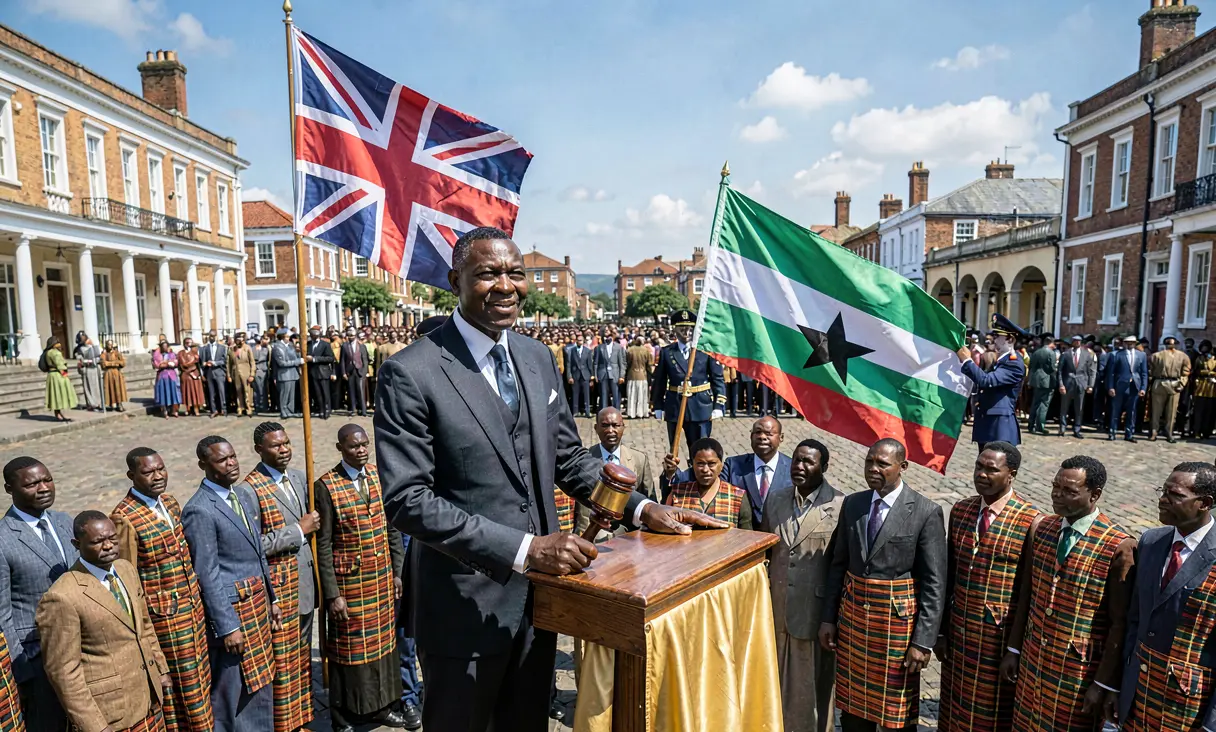
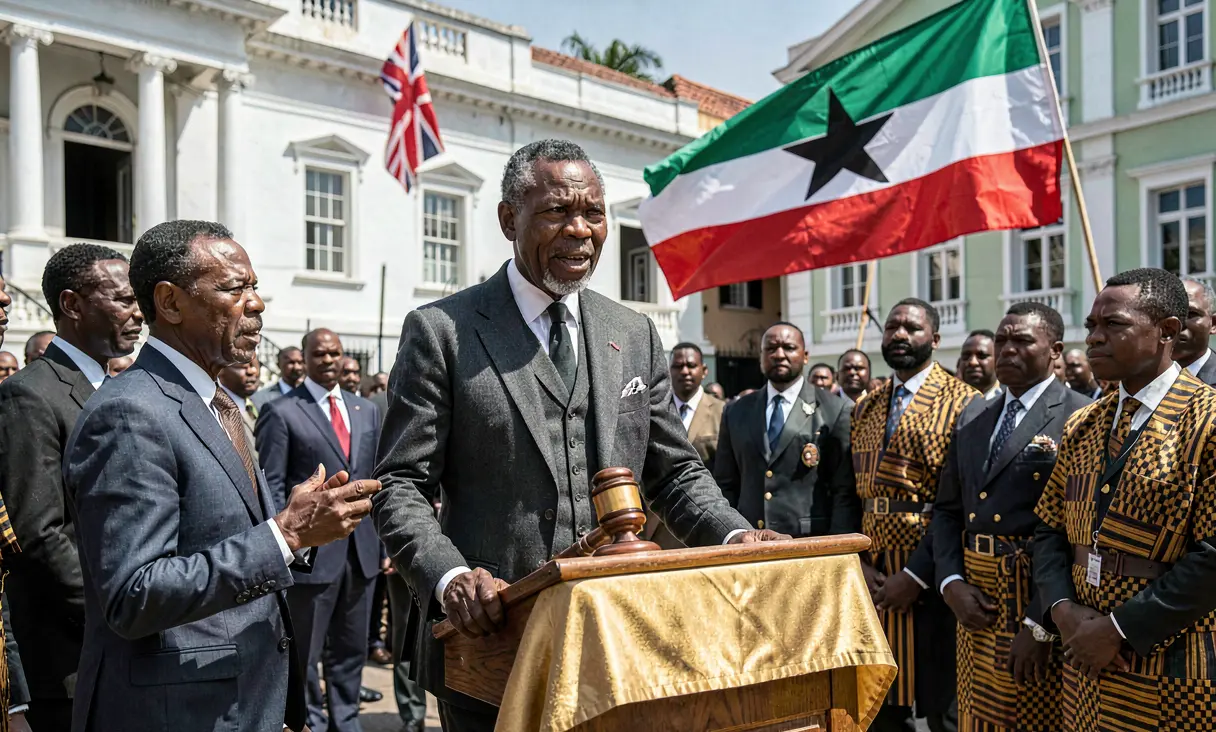
The transition from colony to sovereign nation was not merely a change in flag but a meticulously negotiated political evolution. Following the 1956 plebiscite, which saw the British-administered Trust Territory of Togoland vote to join the Gold Coast, the path to full statehood was clear. The British Parliament passed the Ghana Independence Act 1957 on February 7, effectively transferring supreme authority. On March 5, 1957, a massive crowd gathered at Black Star Square in Accra, estimated by some accounts to exceed one million people, creating an atmosphere of electric anticipation. As the clock ticked toward midnight, the Union Jack was lowered for the last time over the colony, and the new national flag—red, gold, green with a black star—was raised, symbolizing the blood of martyrs, mineral wealth, agricultural fertility, and African liberation respectively.
The Proclamation of Kwame Nkrumah
At the stroke of midnight on March 6, 1957, Prime Minister Kwame Nkrumah stepped to the podium before a sea of cheering citizens and international dignitaries. In a historic address that would echo across the continent, he declared: 'At long last, the battle has ended! And thus, Ghana, your beloved country is free forever!' He framed this event not as an isolated victory but as the beginning of a continental struggle, stating that their independence was meaningless unless it was linked up with the total liberation of Africa. Nkrumah's rhetoric shifted the geopolitical narrative, positioning Ghana not just as a new nation-state but as the vanguard of Pan-Africanism. His presence commanded global attention, drawing leaders from across the diaspora and the developing world to witness the birth of the first sub-Saharan African nation to break free from colonial rule.
Global Ripples and Cold War Dynamics
The independence of Ghana sent shockwaves through the global order, fundamentally altering the balance of power during the early Cold War. The event inspired a domino effect; within just one year, 16 other African nations would gain independence, accelerating the dissolution of European empires. For the United States and the Soviet Union, Ghana became a critical battleground for ideological influence. Nkrumah skillfully navigated this treacherous terrain, initially seeking Western aid while simultaneously cultivating ties with the Eastern Bloc to maintain non-alignment. The presence of Queen Elizabeth II at the independence ceremonies underscored the Commonwealth's attempt to retain soft power, yet Nkrumah's vision was decidedly anti-imperialist. He famously declared that 'the independence of Ghana is meaningless unless it is linked up with the total liberation of the African continent,' a sentiment that resonated deeply with liberation movements in Algeria, Congo, and South Africa.
The Trajectory of the New State
In the immediate aftermath of independence, Ghana faced the monumental task of nation-building. Nkrumah's government embarked on ambitious industrialization projects, including the construction of the Akosombo Dam to provide hydroelectric power, and invested heavily in education and infrastructure. However, internal challenges quickly mounted. The economic burden of these projects, coupled with political repression of opposition parties like the National Liberation Movement, eroded democratic institutions. By 1964, Ghana had declared itself a one-party state under Nkrumah's leadership. This centralization, intended to foster unity, ultimately led to his downfall in a CIA-backed coup d'état on February 24, 1966, while he was on a diplomatic mission to China and North Vietnam.
Enduring Legacy of the Black Star
Despite the eventual overthrow of Nkrumah and the subsequent political instability that plagued Ghana for decades, March 6, 1957 remains an indelible milestone in human history. It shattered the myth of European invincibility and provided a blueprint for decolonization across Africa and Asia. The 'Ghana Model' demonstrated that self-determination was achievable through organized mass movements and diplomatic maneuvering. Today, Ghana stands as one of Africa's most stable democracies, a testament to the resilience of its institutions. The spirit of 1957 continues to influence Pan-African thought, reminding the world that the era of colonialism did not end with a whimper, but with the resounding declaration of freedom in Accra.
Ghana's independence in 1957 broke the colonial chain in sub-Saharan Africa and ignited a continent-wide movement toward sovereignty.
Where it happened
Accra, Ghana — see it on the interactive map →
Explore related history
 PoliticsSargon of Akkad Establishes the First Empirec. 2334 BCE · Akkad (Location uncertain, near Baghdad, Iraq)Sargon unifies Sumerian city-states to create the world's first multi-ethnic empire.
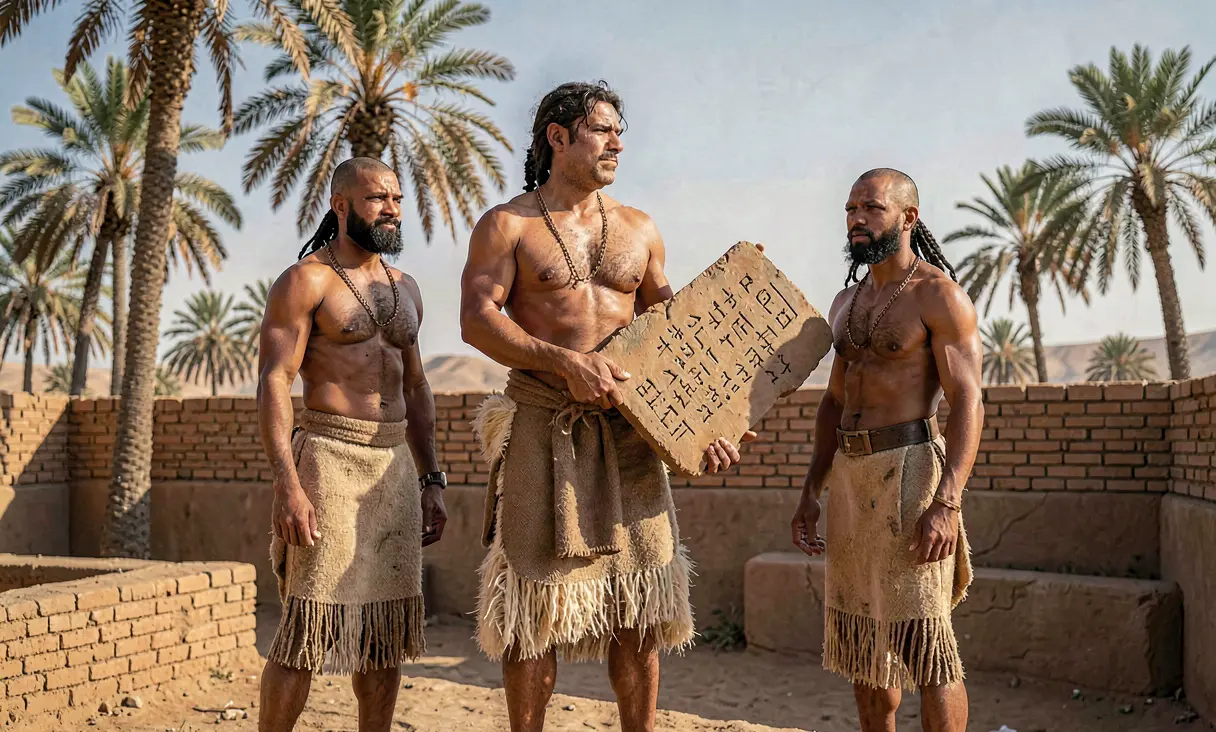 PoliticsPromulgation of the Code of Ur-Nammuc. 2100 BCE · Ur, Southern Mesopotamia (Iraq)The earliest known surviving law code is established in the Sumerian city of Ur.
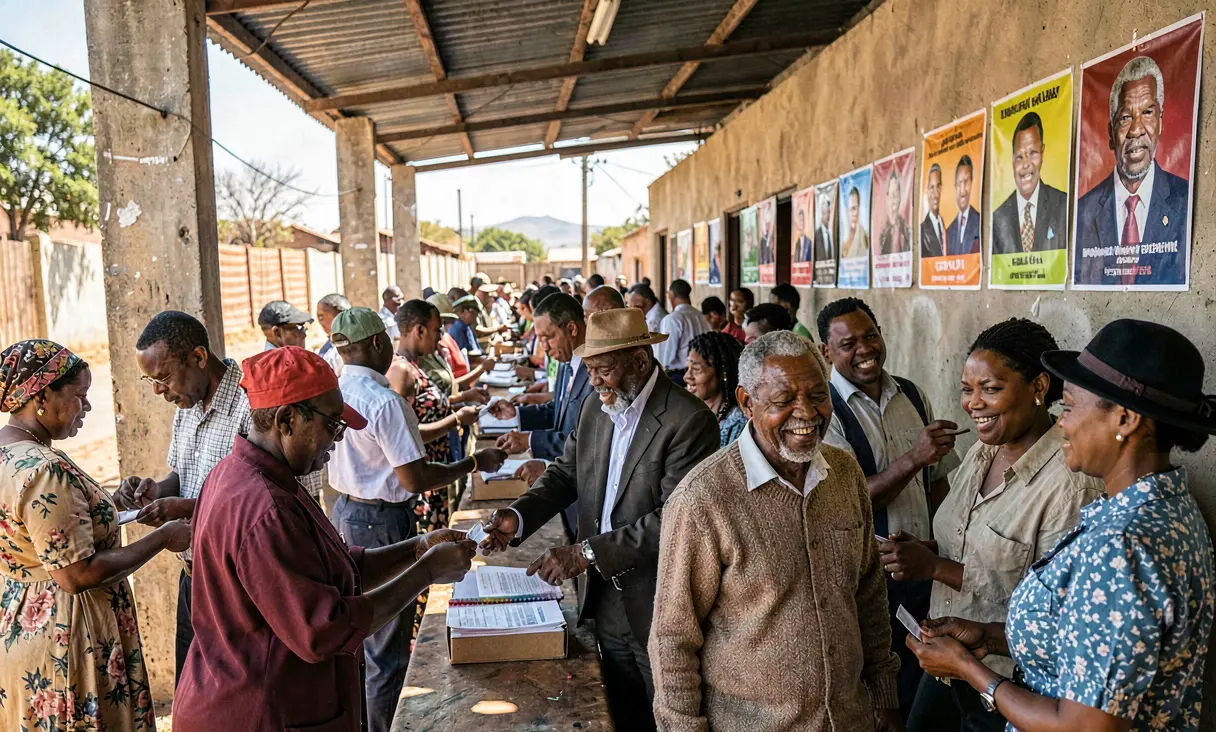 PoliticsNelson Mandela Elected President of South AfricaApril 27, 1994 · Cape Town, South AfricaSouth Africa holds its first democratic election, ending the apartheid regime and establishing a multiracial government.
 PoliticsCongo Gains Independence from BelgiumJune 30, 1960 · Kinshasa, Congo (DRC)The Belgian Congo becomes the independent Republic of the Congo, sparking immediate political turmoil.
 WarAlgerian War of Independence BeginsNovember 1, 1954 · Algiers, AlgeriaThe National Liberation Front launches coordinated attacks marking the start of the Algerian War against France.
 WarMau Mau Uprising Begins in KenyaOctober 20, 1952 · Nairobi, KenyaThe Kikuyu-led Mau Mau rebellion begins against British colonial rule and white settler land ownership.
Discussion
Loading…