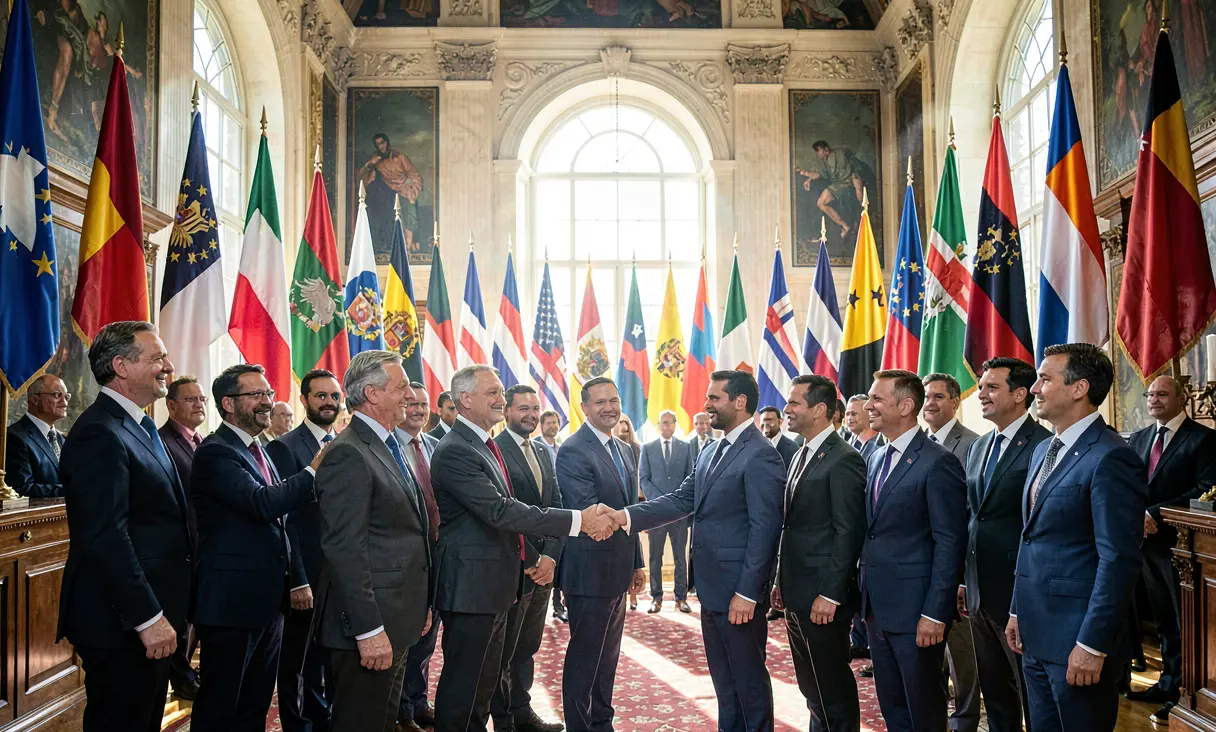
Founding of the United Nations
Fifty nations convened in San Francisco to sign the UN Charter, establishing a global framework for collective security and human rights that replaced the failed League of Nations.
The Shadow of War and the Quest for Order
By early 1945, the Second World War had ravaged the globe, leaving millions dead and infrastructure in ruins. The League of Nations, established after the Great War to prevent such catastrophes, had proven impotent against the aggression of Axis powers. Recognizing that a new international architecture was essential for survival, the Allied leaders moved swiftly to construct a more robust system. In February 1945, at the Yalta Conference, Franklin D. Roosevelt, Winston Churchill, and Joseph Stalin agreed on the fundamental structure of this new body, resolving that the veto power of the major powers in the Security Council was necessary to ensure their continued participation.
Gathering in San Francisco
From April 25 to June 26, 1945, delegates from fifty nations converged on the War Memorial Opera House in San Francisco for the United Nations Conference on International Organization. The atmosphere was charged with a mixture of exhaustion from years of conflict and fervent hope for a peaceful future. Unlike the Paris Peace Conference of 1919, which had been dominated by the victors imposing terms on the vanquished, this gathering aimed to include representatives from diverse political systems and cultures in drafting a charter that would bind them all. The United States, Britain, the Soviet Union, China, and France acted as the primary sponsors, guiding the complex negotiations.
Architects of the Charter
The drafting process was a monumental diplomatic feat led by key figures such as Alger Hiss, who served as the conference's secretary-general, and Edward Stettinius Jr., the U.S. Secretary of State. British Foreign Minister Ernest Bevin and Soviet Foreign Minister Vyacheslav Molotov played pivotal roles in navigating the deep ideological rifts between the Western democracies and the Soviet bloc. A critical moment occurred when smaller nations pressured the great powers to include a bill of rights within the Charter's preamble, leading to the inclusion of language regarding fundamental human rights and self-determination, principles that would eventually shape international law.
The Signing and Ratification
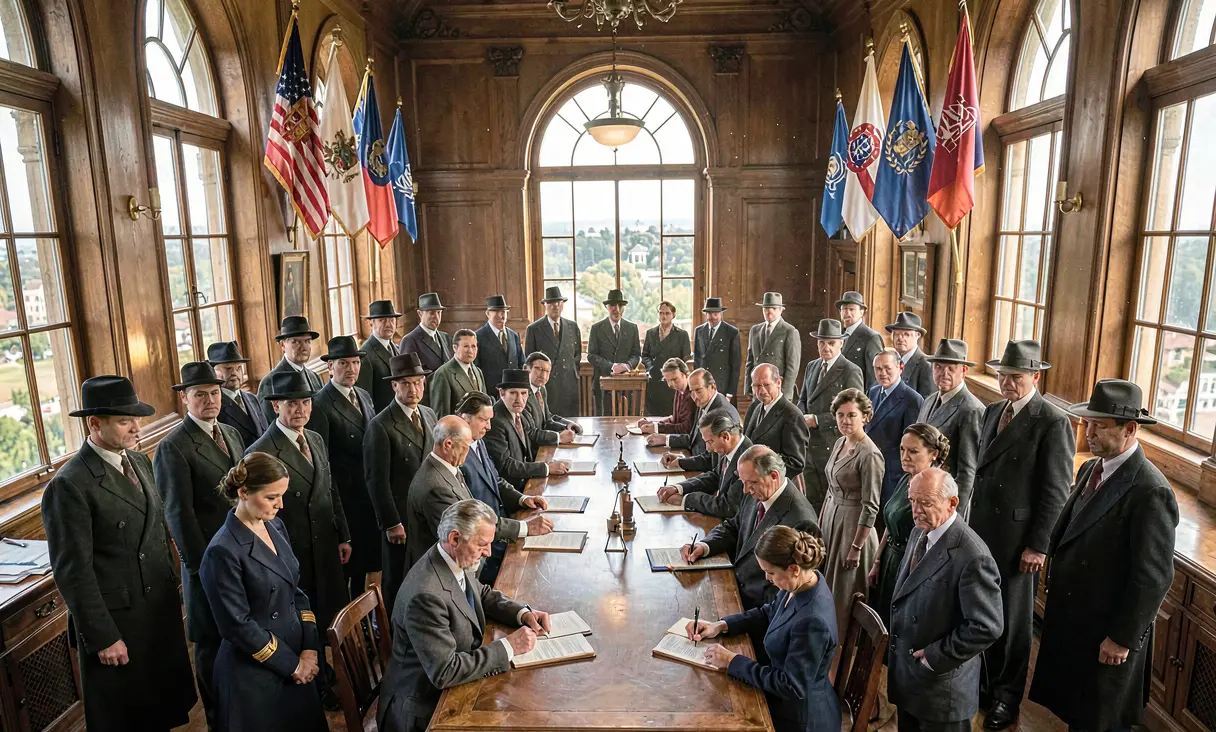
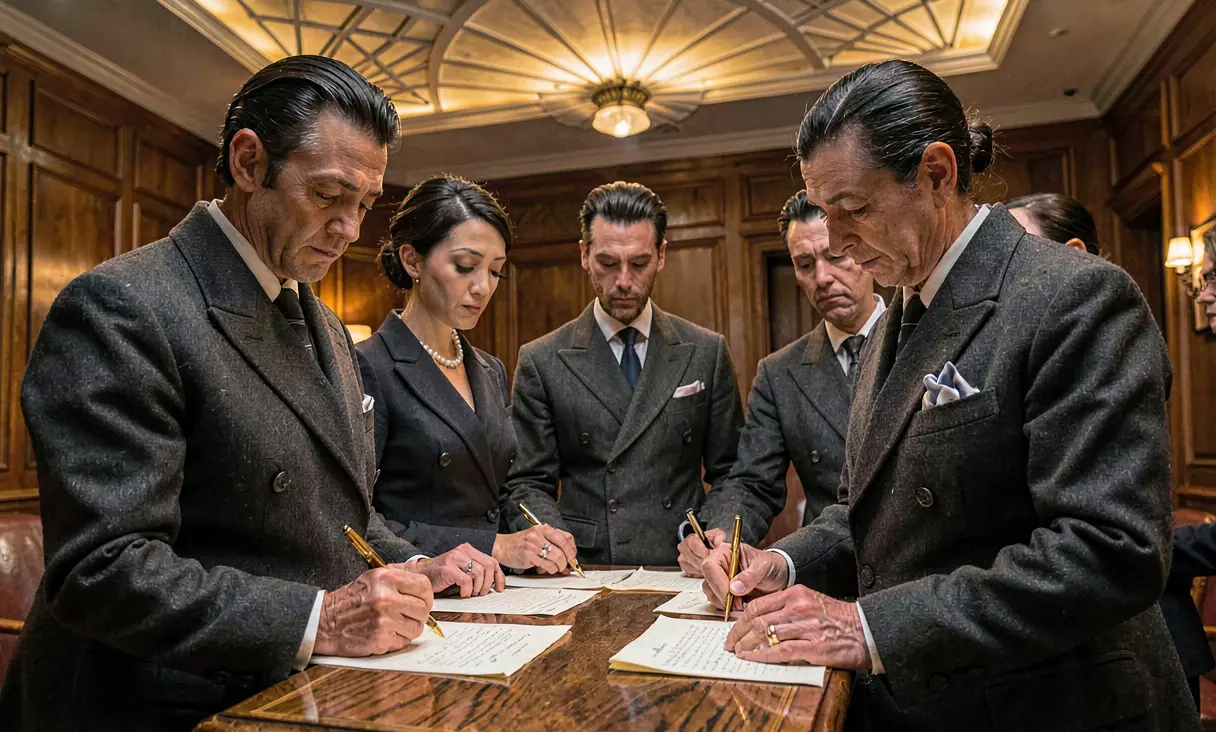
On June 26, 1945, after two months of intense deliberation, the delegates signed the Charter of the United Nations. The document established six principal organs: the General Assembly, the Security Council, the Economic and Social Council, the Trusteeship Council, the International Court of Justice, and the Secretariat. Crucially, it granted the five permanent members of the Security Council—China, France, the Soviet Union, the United Kingdom, and the United States—the power of veto to prevent the organization from acting against their vital interests. The Charter required ratification by these five permanent members and a majority of other signatories before it could take effect.
A New Era Begins
The United Nations officially came into existence on October 24, 1945, after the requisite ratifications were deposited. This date is now commemorated annually as UN Day. The founding marked a decisive shift from the isolationist tendencies of the interwar period to a doctrine of collective security. The organization's first General Assembly convened in London in January 1946, with the Soviet Union and the United States as prominent participants, signaling that despite emerging Cold War tensions, the framework for global cooperation had been successfully installed.
Enduring Legacy and Global Impact
The founding of the United Nations fundamentally altered the landscape of international relations. It provided a permanent forum for diplomatic dialogue, preventing direct great power conflict through mechanisms like the Security Council veto, albeit often resulting in gridlock during crises. Beyond security, the UN spearheaded the development of international human rights law, most notably with the Universal Declaration of Human Rights in 1948. While it has faced criticism for its inability to prevent all conflicts and its bureaucratic inefficiencies, the UN remains the central pillar of the modern multilateral system, having expanded from its original fifty members to include nearly every sovereign nation on Earth.
It established the primary global institution for maintaining international peace, security, and human rights cooperation.
Where it happened
San Francisco, USA (Charter signed) — see it on the interactive map →
Explore related history
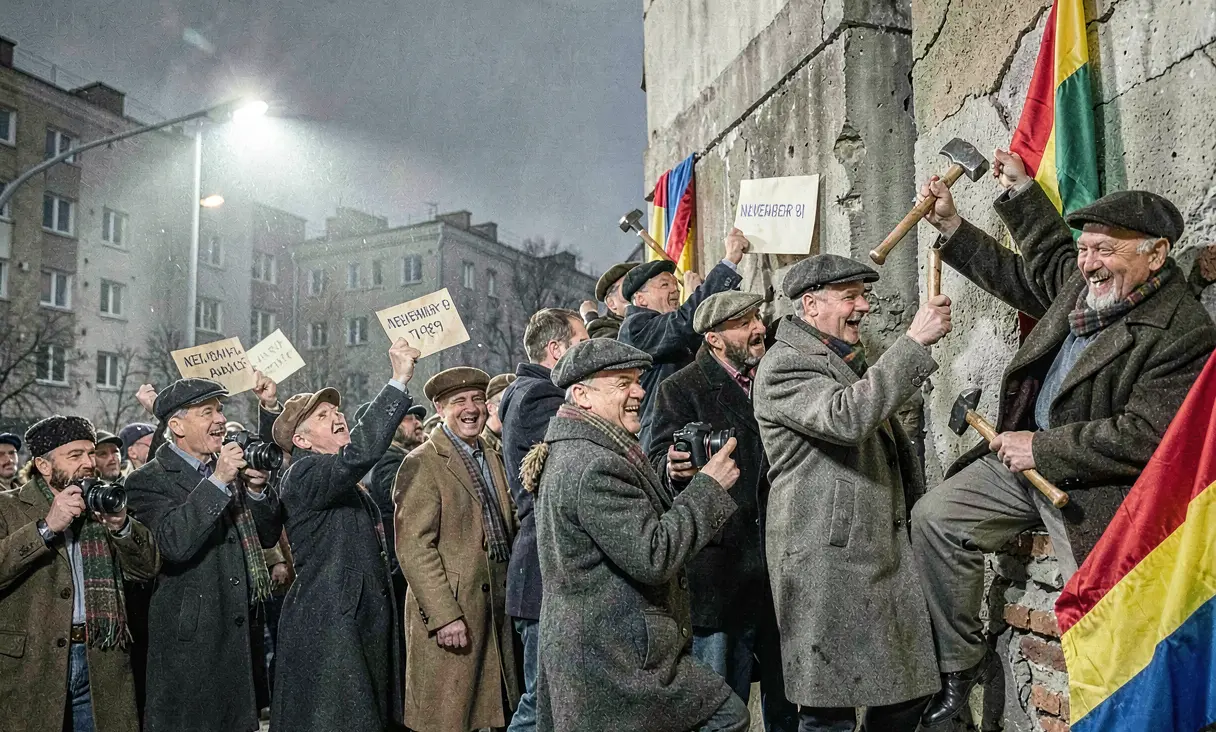 PoliticsFall of the Berlin WallNovember 9, 1989 CE · Berlin, GermanyCitizens breach the barrier dividing East and West Berlin ending Cold War division.
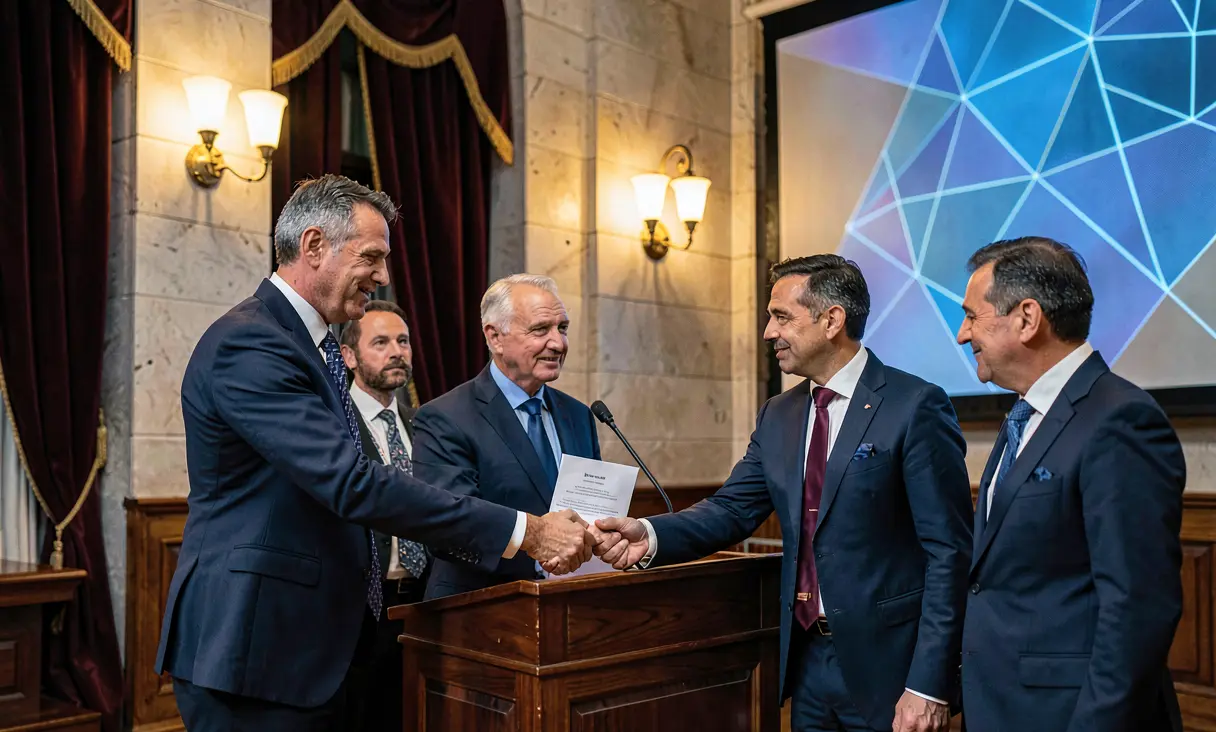 PoliticsParis Climate Agreement AdoptedDecember 12, 2015 CE · Paris, FranceNearly all nations agree to limit global warming below two degrees Celsius.
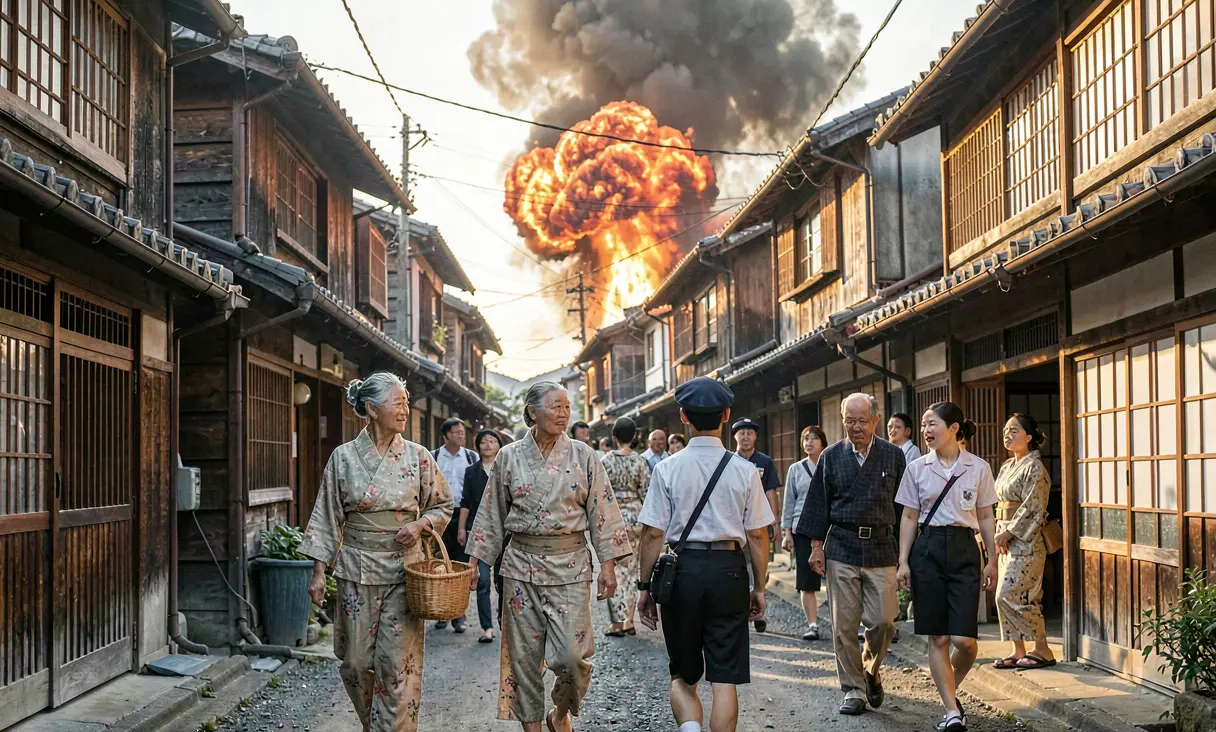 WarAtomic Bombing of HiroshimaAugust 6, 1945 CE · Hiroshima, JapanUS drops the first nuclear weapon on a city, ending WWII and starting the atomic age.
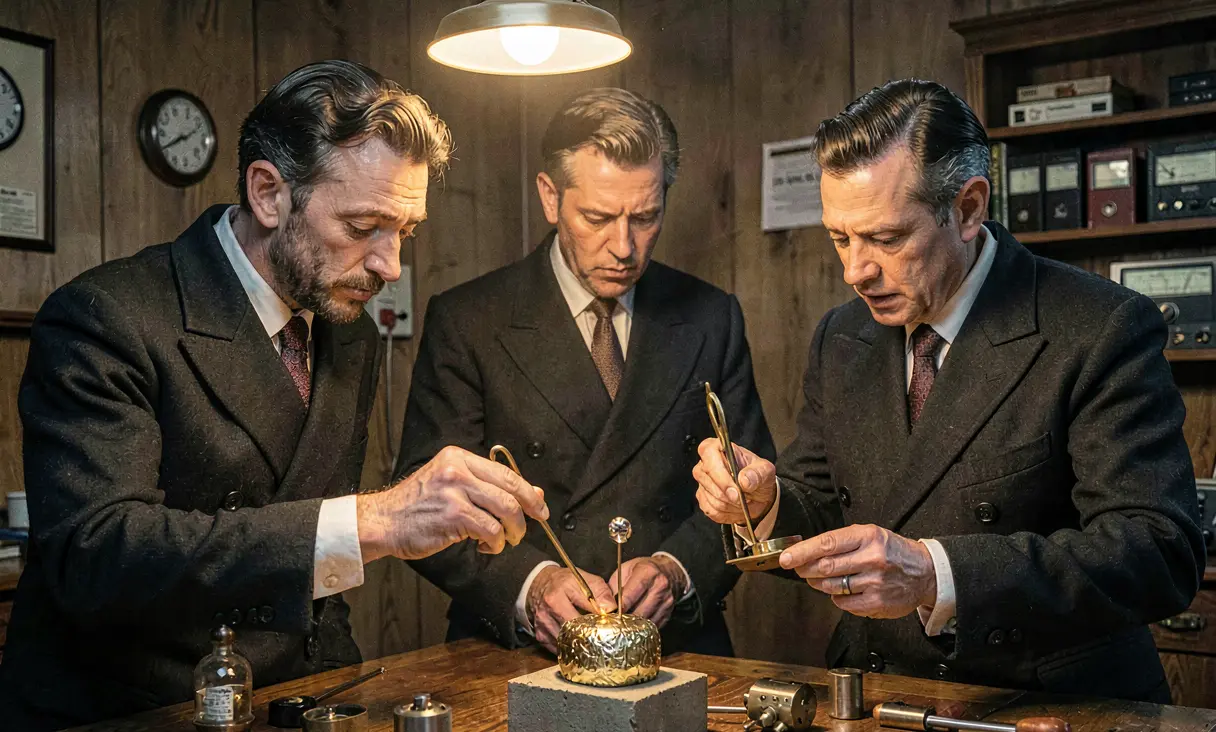 TechnologyInvention of the TransistorDecember 23, 1947 · Bell Labs, New Jersey, USAScientists create the transistor, enabling modern electronics and computing.
 ScienceDiscovery of DNA StructureFebruary 28, 1953 CE · Cambridge, EnglandWatson and Crick identify the double helix structure of DNA revealing genetic code.
Discussion
Loading…