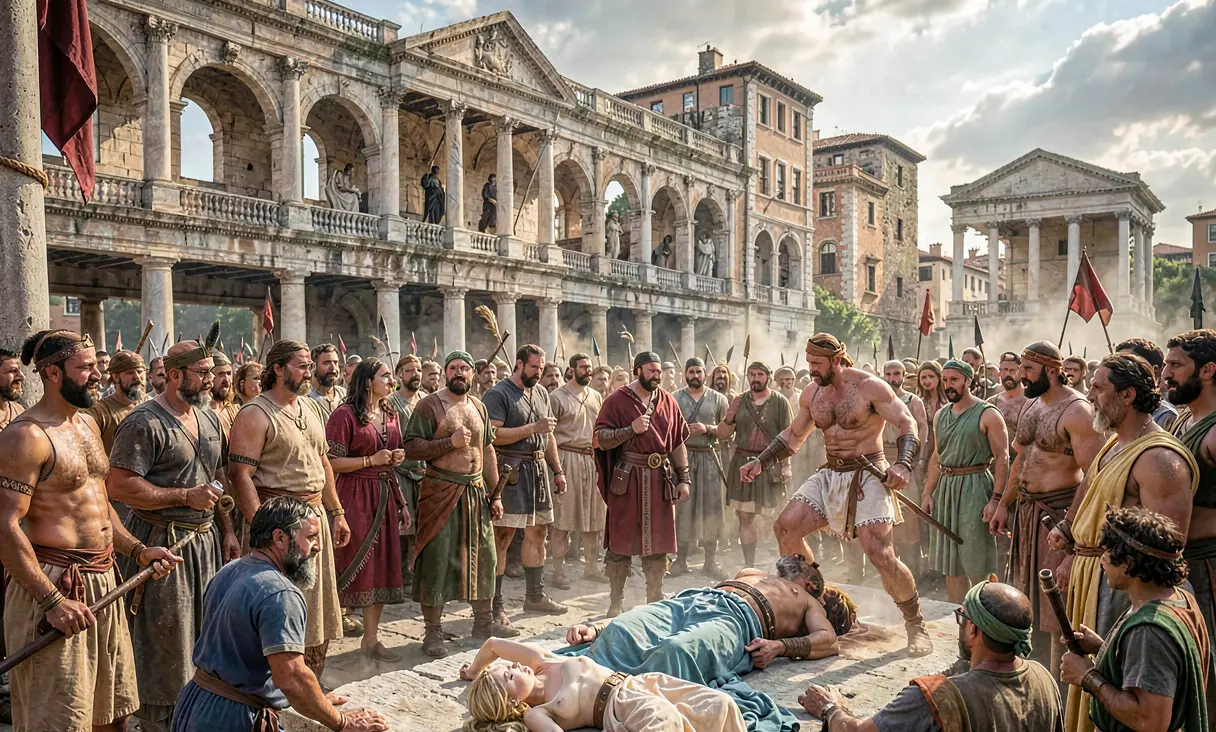
Expulsion of Tarquinius Superbus from Rome
The suicide of Lucretia sparked a revolt that expelled King Tarquinius Superbus in 509 BCE, ending Etruscan monarchy and establishing the Roman Republic based on elected consuls and civic liberty.
The Etruscan Hegemony and Rising Tensions
By the late sixth century BCE, Rome had evolved from a collection of hill villages into a formidable city-state under the dominion of the Tarquin dynasty. The last king, Lucius Tarquinius Superbus, often called 'the Proud,' seized power through the assassination of his father-in-law, Servius Tullius, around 535 BCE. Unlike his predecessors who had integrated Rome with Latium and expanded its infrastructure, including the Great Circus and the Temple of Jupiter Optimus Maximus on the Capitoline Hill, Tarquinius ruled as a tyrant. He governed without the Senate's counsel, executed prominent senators to seize their wealth, and maintained power through a network of mercenaries rather than citizen loyalty. While Rome flourished economically under his rule, the aristocracy chafed under the erosion of traditional republican norms and the heavy-handed presence of Etruscan cultural dominance.
The Catalyst: The Rape of Lucretia
The fragile peace of Tarquin's reign shattered in 509 BCE due to a personal tragedy that quickly escalated into a political crisis. Sextus Tarquinius, the king's son, visited the home of Lucius Tarquinius Collatinus, a nobleman and distant relative of the royal family. There, he encountered Lucretia, Collatinus's wife, renowned for her exceptional virtue and beauty. After a night of hospitality, Sextus returned under cover of darkness, threatened to kill her and a slave if she resisted his advances, and raped her. The following morning, Lucretia summoned her father, Spurius Lucretius Tricipitinus, and her husband, Collatinus, along with Lucius Junius Brutus, a kinsman who had feigned madness to survive the Tarquin purges. In front of them, she recounted the violation before plunging a dagger into her heart, demanding an oath from the men to avenge her dishonor.
The Revolt and Expulsion
Lucretia's suicide ignited a firestorm of indignation that transcended personal grief. Lucius Junius Brutus, casting aside his charade of foolishness, seized the dagger from her body and led the grieving assembly to the Roman Forum. There, he addressed the citizenry, displaying Lucretia's corpse and denouncing the tyranny of the Tarquins. The emotional weight of the crime, combined with years of suppressed resentment against the king's arbitrary executions and disregard for law, mobilized the populace. Brutus and Collatinus were elected as the first magistrates to lead the interim government, tasked with securing the city while an army was raised. Simultaneously, King Tarquinius Superbus was away besieging Ardea; upon his return, he found the gates of Rome barred against him. The Senate formally declared the monarchy abolished and voted for the exile of the entire Tarquin family, effectively ending nearly 250 years of Etruscan royal rule.
Establishment of the Republic
In the immediate aftermath of the expulsion, Rome underwent a radical constitutional transformation. The office of Rex (King) was replaced by two annually elected magistrates known as consuls, designed to prevent the concentration of absolute power in a single individual. Lucius Junius Brutus and Lucius Tarquinius Collatinus became the first holders of this office. However, the new system faced immediate internal friction; when Collatinus's name alone was seen as too closely tied to the hated dynasty, he was pressured to resign his consulship and go into exile, replaced by Publius Valerius Publicola. The Senate was reconstituted, its membership expanded, and a sacred oath was sworn by all citizens never again to tolerate a king in Rome. This new political architecture introduced the concept of collegiality and annual terms, laying the foundational stones of the Roman Republic.
The War for Return and Consolidation
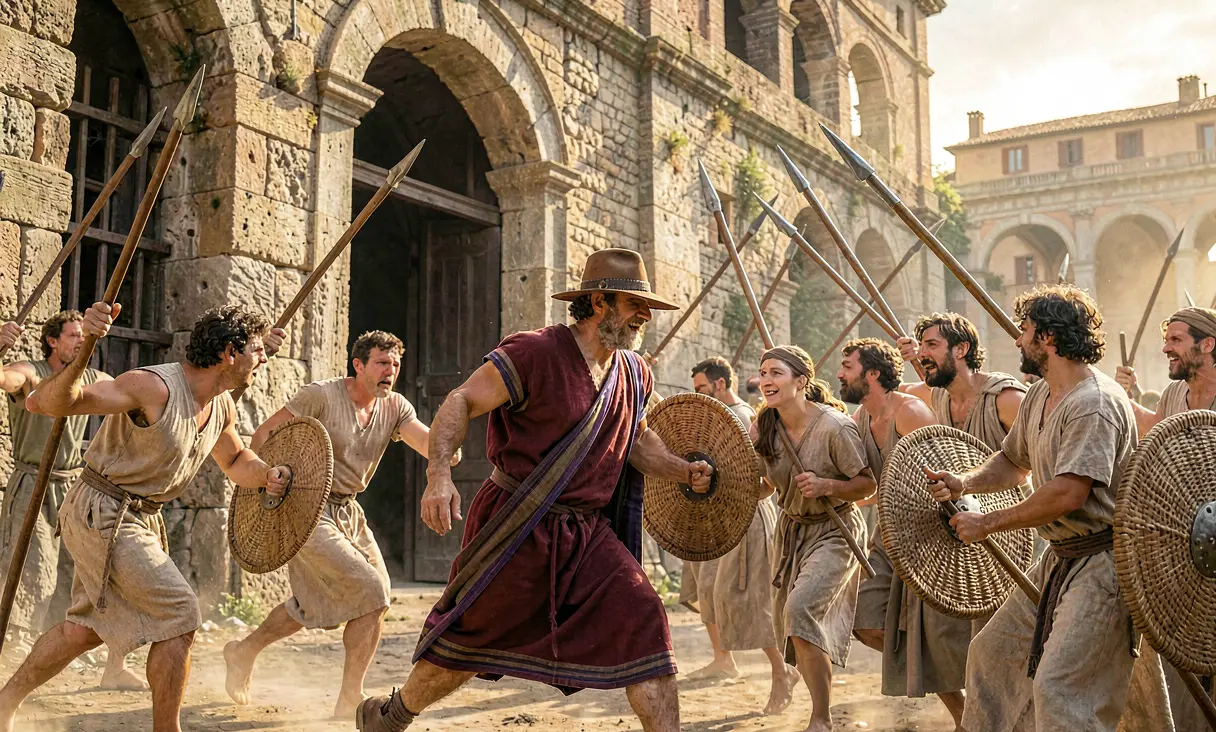
The transition was not without violent resistance from the exiled dynasty. Tarquinius Superbus sought to regain his throne through military force, first attempting a coup supported by the aristocratic Junii family, which Brutus suppressed with brutal efficiency. Subsequently, the king allied with Lars Porsena, the powerful Etruscan ruler of Clusium, who marched on Rome in an attempt to restore the Tarquins. The ensuing conflict tested the new Republic's resolve. Despite initial setbacks and a siege that threatened the city, Roman resilience, exemplified by legends such as Horatius at the bridge, held firm. Porsena eventually withdrew, not out of fear of defeat but perhaps due to political maneuvering or a shift in Etruscan priorities. The failure of the Tarquins to return solidified the Republic's independence and forced Rome to look outward for expansion rather than inward for dynastic restoration.
Legacy and Historical Significance
The expulsion of Tarquinius Superbus in 509 BCE marks a watershed moment in Western political history, symbolizing the birth of the Roman Republic. It represented a decisive shift from autocratic monarchy to a system based on law, civic participation, and checks and balances. The event forged a distinct Roman identity that rejected foreign Etruscan dominance and prioritized the concept of *libertas* (freedom) against tyranny. This political revolution created a framework that would allow Rome to evolve from a regional power into a Mediterranean empire over the next five centuries. The narrative of Lucretia's sacrifice and Brutus's leadership became a perennial touchstone for Roman civic virtue, influencing political thought from antiquity through the Renaissance and beyond, serving as an enduring archetype for republican resistance against despotism.
This event founded the Roman Republic, establishing a political system that influenced Western governance for millennia.
Where it happened
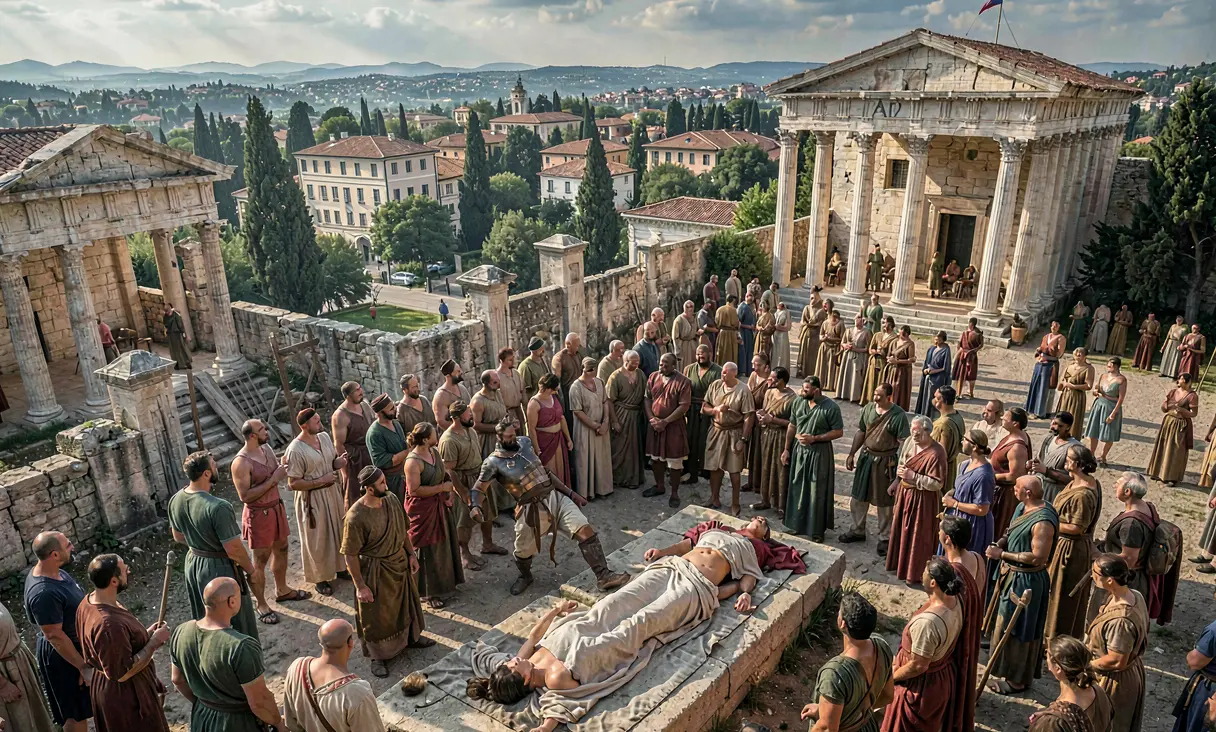
Rome, Latium (Italy) — see it on the interactive map →
Explore related history
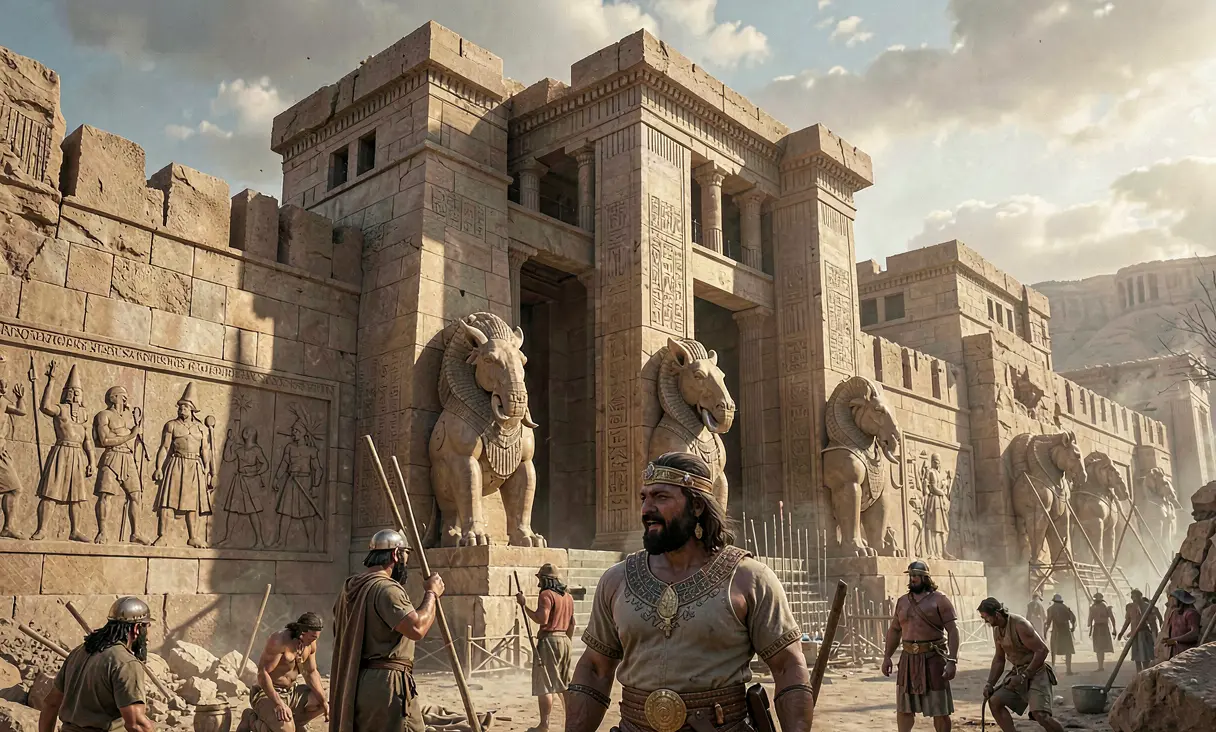 PoliticsFounding of Dur-Sharrukin by Sargon IIc. 717 BCE · Khorsabad (Dur-Sharrukin), IraqSargon II builds a new capital city to project Assyrian power and administrative control.
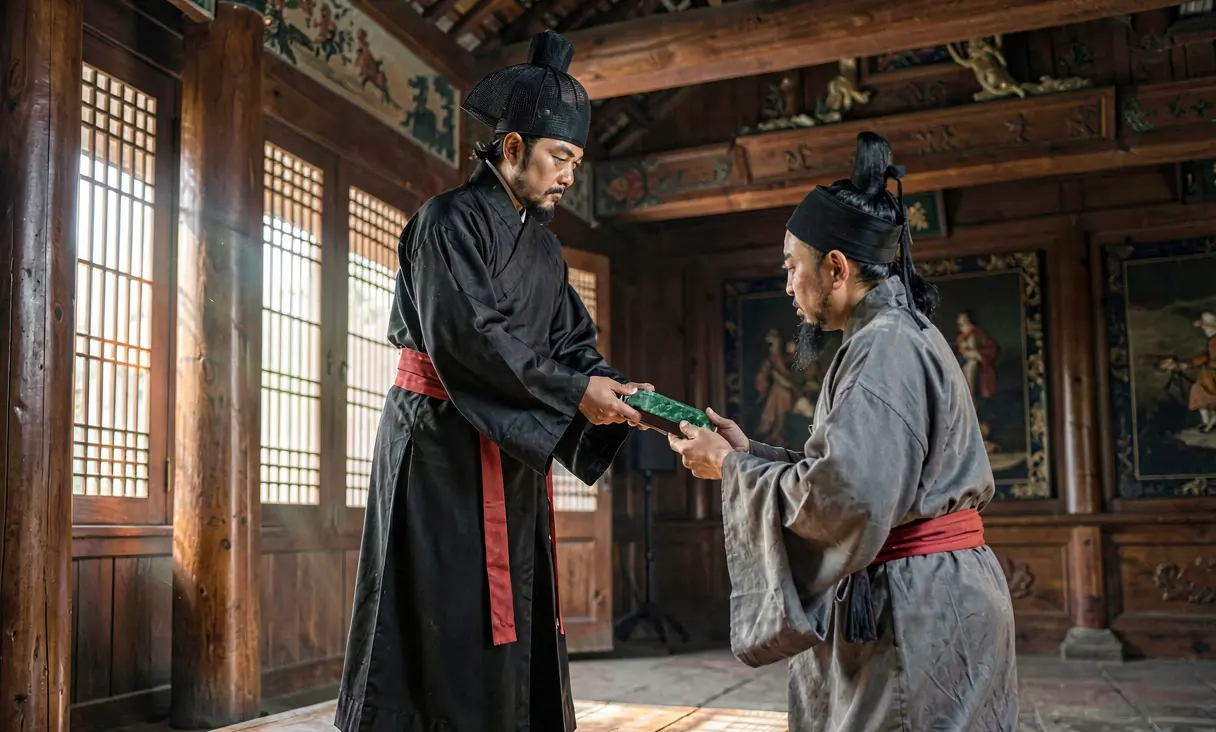 PoliticsReign of Emperor Taizong and the Zhenguan Era626 CE · Chang'an, ChinaLi Shimin ascends the throne after the Xuanwu Gate Incident, ushering in a golden age of governance.
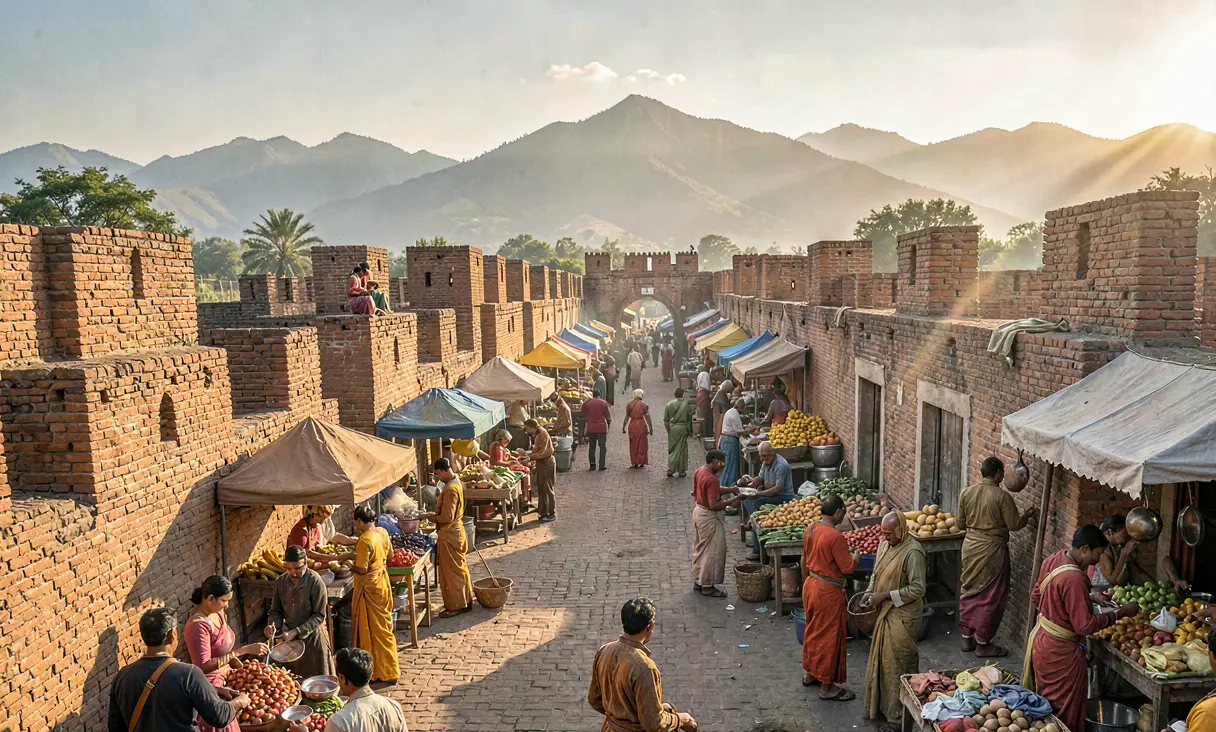 PoliticsRise of the Sixteen Mahajanapadasc. 600 BCE · Gangetic Plain (modern Uttar Pradesh/India)Sixteen great kingdoms and republics emerge across the Gangetic plain, marking the transition from tribal chiefdoms to state-level societies.
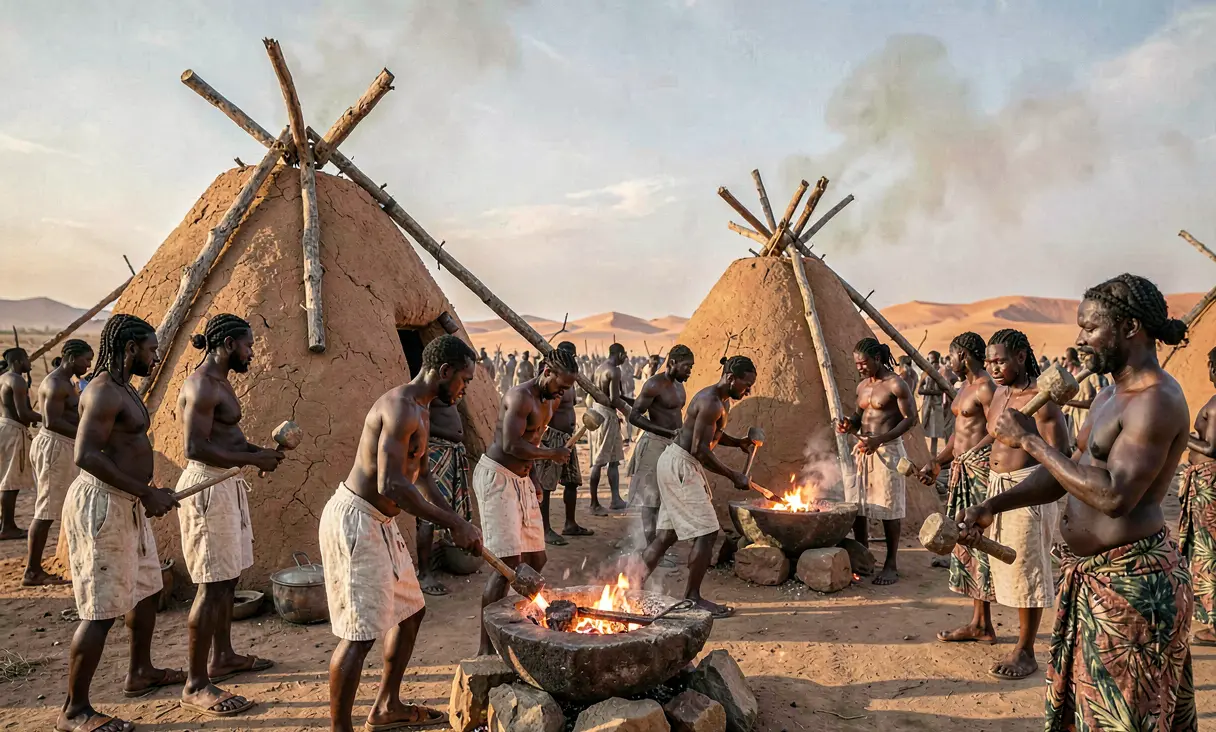 TechnologyMeroitic Iron Smelting Industry Flourishesc. 500 BCE · Meroe, SudanMeroe develops a massive iron smelting industry using abundant fuel and advanced furnace technology.
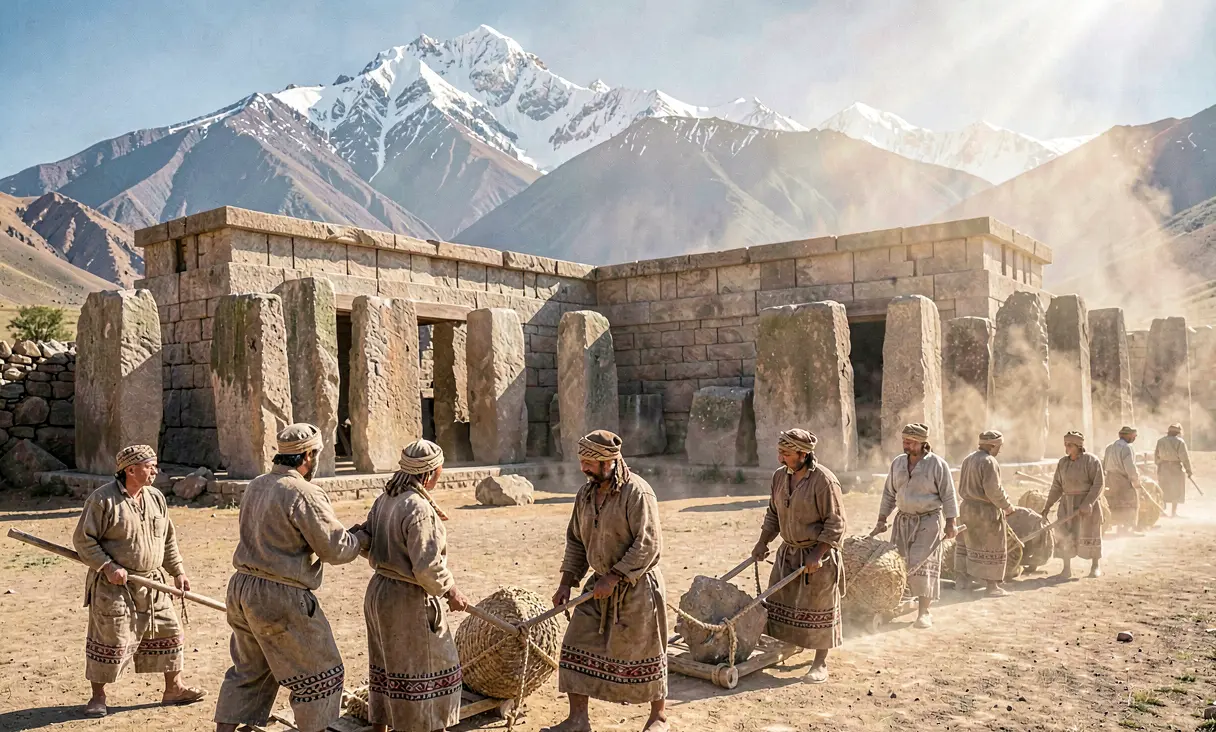 ReligionConstruction of Kalasasaya Temple at Tiwanakuc. 500 CE · Tiwanaku, BoliviaThe Kalasasaya temple is built with monolithic stones for solar observance.
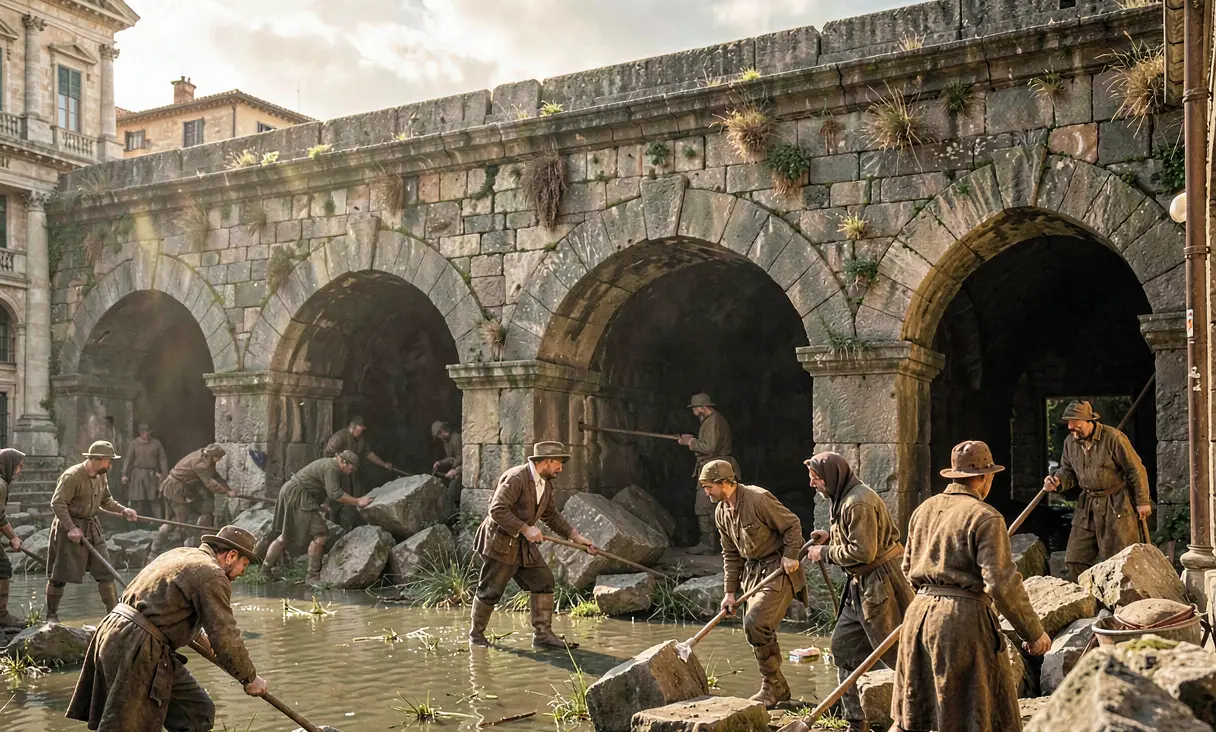 TechnologyConstruction of the Great Cloaca Maxima in Romec. 500 BCE · Rome, ItalyEarly Romans build the massive Cloaca Maxima sewer system to drain marshes and manage waste.
Discussion
Loading…