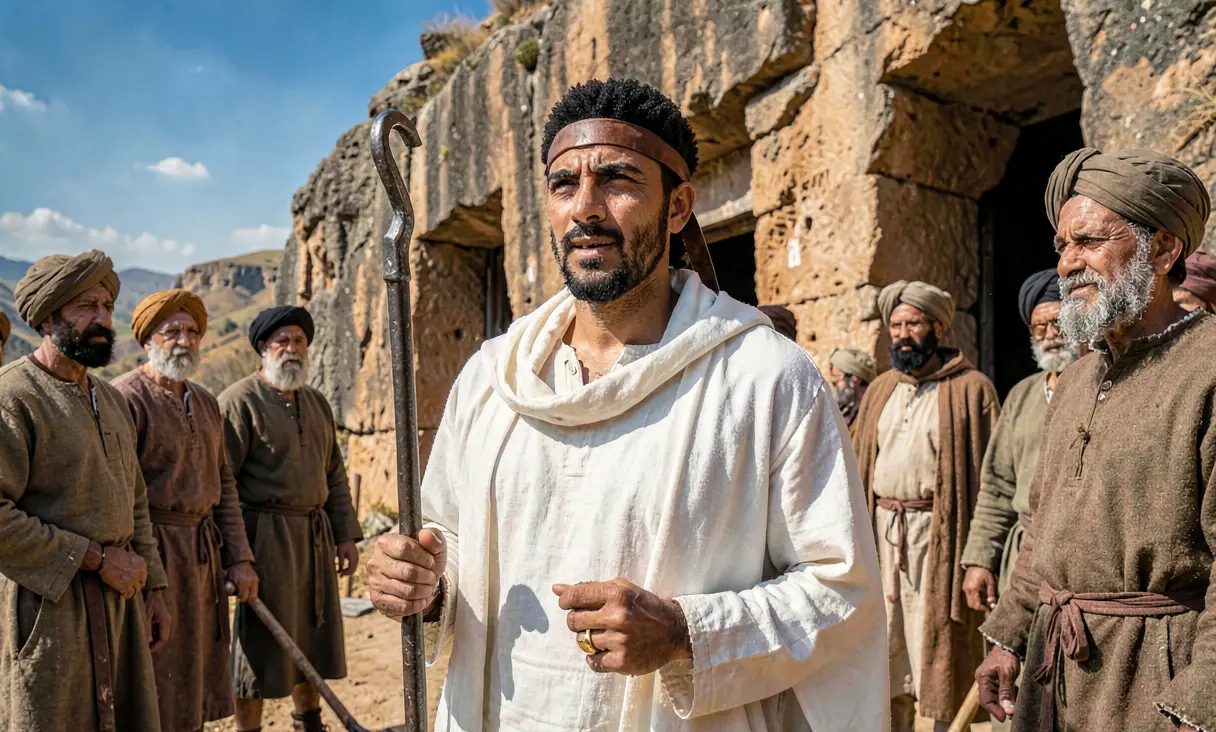
Solomonic Restoration in Ethiopia
In 1270 CE, Yekuno Amlak overthrew the Zagwe dynasty to restore the Solomonic line, using the Kebra Nagast to legitimize a centralized empire that defined Ethiopian identity for seven centuries.
The Twilight of the Zagwe and the Quest for Legitimacy
By the mid-13th century, the Zagwe dynasty, which had ruled the Ethiopian highlands since roughly 1137 CE, faced a crisis of legitimacy. While King Lalibela (r. c. 1185–1220) had achieved unparalleled architectural feats by carving rock-hewn churches at his capital in Roha (later renamed Lalibela), the dynasty's claim to the throne was viewed with skepticism by the Amhara nobility and the high clergy. The Zagwe were of Agaw origin, distinct from the Semitic-speaking Solomonic tradition that had historically defined Ethiopian kingship. As central authority fractured into regional fiefdoms, the narrative of a divinely ordained lineage became the primary battleground for political power. The intellectual elite, particularly within the monastic circles of Shewa and Lasta, began circulating texts that emphasized the exclusive right of the House of David to rule Ethiopia.
The Kebra Nagast: A Theological Blueprint for Revolution
Central to Yekuno Amlak's rise was the compilation and promotion of the Kebra Nagast (Glory of Kings), a seminal text finalized or significantly expanded during this transitional period. This work provided the theological and genealogical justification for overthrowing the Zagwe, asserting that the true line of kings had never been broken but merely hidden. It traced the lineage of the Ethiopian monarchs directly to King Solomon of Israel and the Queen of Sheba (Makeda), whose son, Menelik I, was said to have brought the Ark of the Covenant to Ethiopia. By framing Yekuno Amlak as the direct descendant of this ancient line, the text transformed a political coup into a divine restoration, effectively delegitimizing the Agaw Zagwe rulers as usurpers who had interrupted God's ordained order.
Yekuno Amlak and the Battle of Ansata
The pivotal moment occurred around 1270 CE when Yekuno Amlak, a nobleman from the Amhara region with strong ties to the Shewan highlands, launched his rebellion against the last Zagwe king, Yetbarak. While specific details of the military campaign are sparse in contemporary chronicles, tradition holds that the decisive confrontation took place at Ansata (or near Lake Hayq), where Yekuno Amlak's forces defeated Yetbarak. Unlike many previous power struggles that ended in mere regicide, this event was framed as a restoration. Following his victory, Yekuno Amlak did not merely seize the throne; he executed Yetbarak to symbolize the complete severance of the Zagwe line, a move that shocked contemporaries but cemented his authority through the lens of religious necessity.
Shifting the Center: From Lalibela to Shewa
Upon securing the throne, Yekuno Amlak made a strategic and symbolic decision to abandon the Zagwe capital at Lalibela. He moved the imperial court southward to the region of Shewa, establishing his base in areas that would eventually include Ankober and later Gondar. This relocation was not merely administrative; it represented a geographic shift of power from the Agaw-dominated Lasta region back to the Semitic-speaking heartlands of the Amhara and Shewan nobility. The move allowed the new dynasty to cultivate a distinct political identity, distancing themselves from the legacy of the rock-hewn cities while fostering a new era of manuscript production and ecclesiastical scholarship that would define the Solomonic centuries.
Consolidation and the Reassertion of Orthodoxy
The early years of the Solomonic Restoration were marked by efforts to centralize royal authority and re-establish the dominance of the Ethiopian Orthodox Tewahedo Church. Yekuno Amlak worked closely with the clergy, particularly the influential abbot Tekle Haymanot, whose monastic network provided the administrative backbone for the new regime. The church was granted extensive lands and tax exemptions, solidifying a symbiotic relationship between the throne and the altar that would persist for centuries. This partnership ensured that the Solomonic ideology was preached from every pulpit, reinforcing the notion that loyalty to the emperor was synonymous with loyalty to God, thereby stabilizing a realm that had previously been prone to fragmentation.
A Legacy of Divine Kingship
The restoration of 1270 CE established a political and religious paradigm that endured for nearly seven centuries, lasting until the deposition of Emperor Haile Selassie in 1974. The Solomonic dynasty became the bedrock of Ethiopian statehood, providing a continuous line of emperors who claimed direct descent from Solomon and Sheba. This ideology allowed Ethiopia to maintain its unique status as an independent Christian nation amidst a sea of Islamic expansion during the medieval period. The narrative crafted in 1270 did more than legitimize one man; it forged a national identity that united diverse ethnic groups under a single imperial mythos, influencing Ethiopian art, literature, and foreign policy well into the modern era.
Re-established the longest continuous hereditary monarchy in Africa and solidified the theological basis of the Ethiopian state.
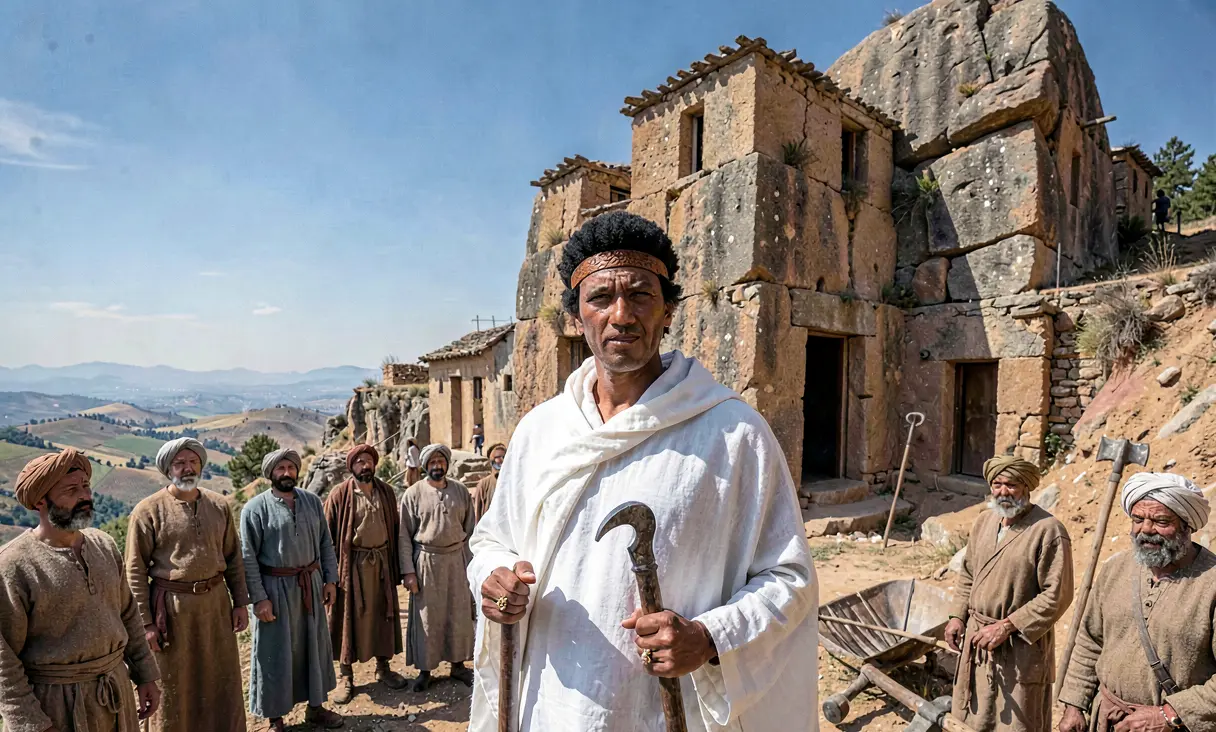
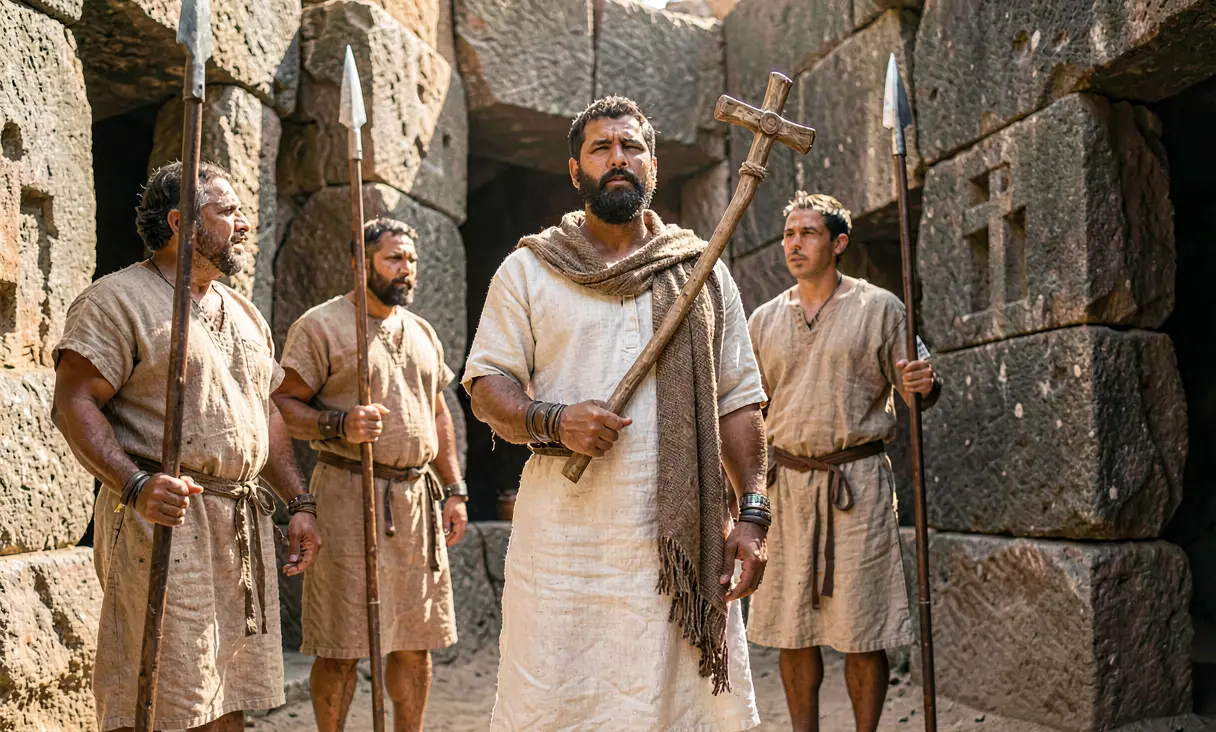
Where it happened
Lalibela, Ethiopia — see it on the interactive map →
Explore related history
 PoliticsSargon of Akkad Establishes the First Empirec. 2334 BCE · Akkad (Location uncertain, near Baghdad, Iraq)Sargon unifies Sumerian city-states to create the world's first multi-ethnic empire.
 PoliticsPromulgation of the Code of Ur-Nammuc. 2100 BCE · Ur, Southern Mesopotamia (Iraq)The earliest known surviving law code is established in the Sumerian city of Ur.
 PoliticsNelson Mandela Elected President of South AfricaApril 27, 1994 · Cape Town, South AfricaSouth Africa holds its first democratic election, ending the apartheid regime and establishing a multiracial government.
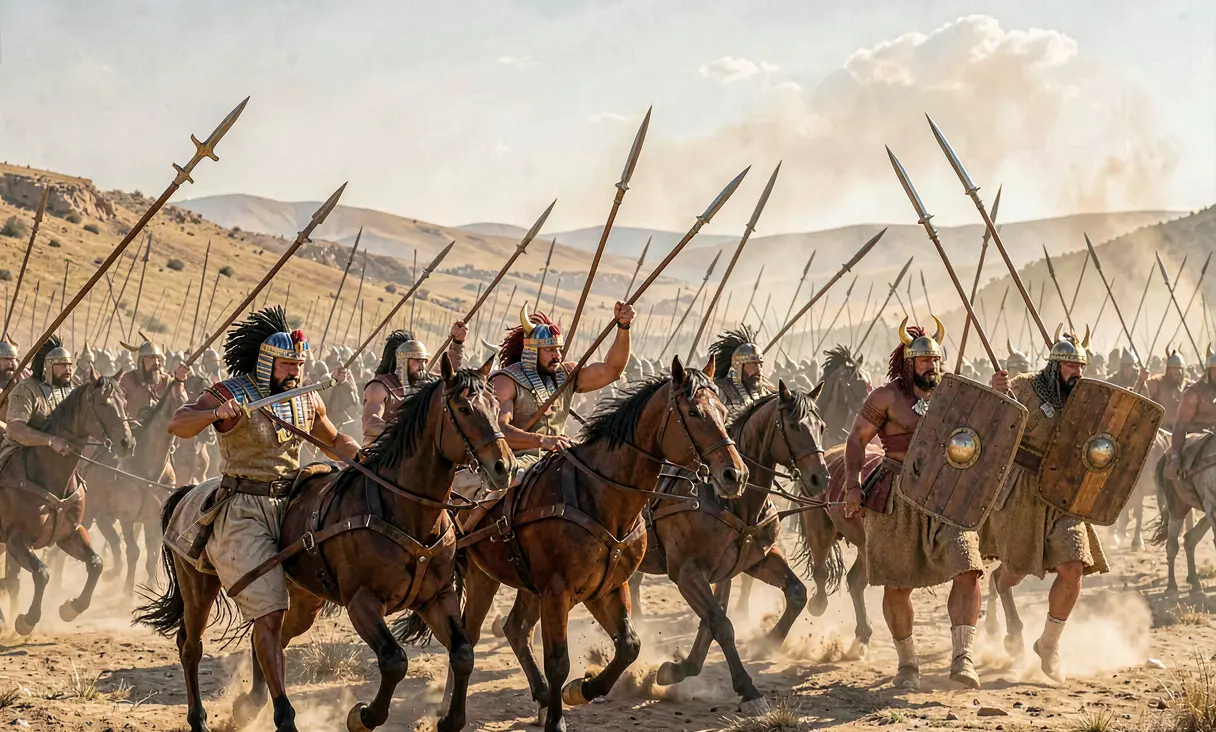 WarBattle of Kadeshc. 1274 BCE · Syria/Lebanon BorderEgypt and Hittites clash in the largest chariot battle of antiquity resulting in a peace treaty.
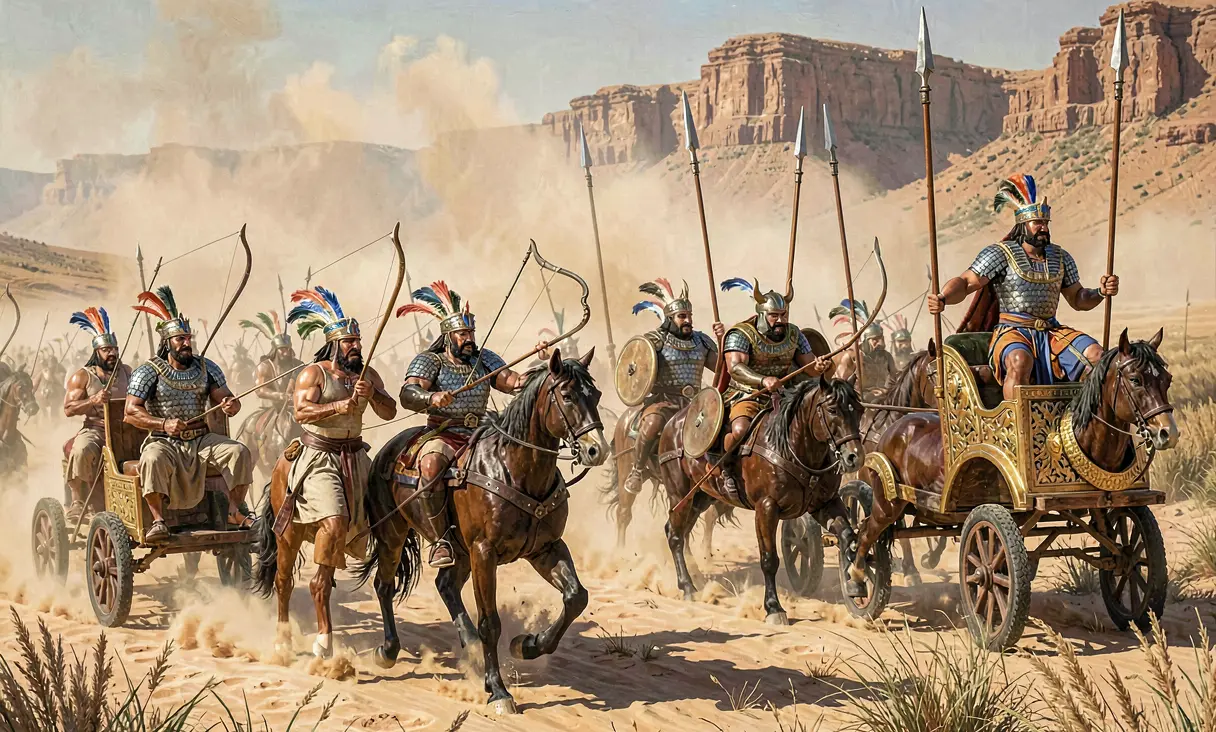 WarBattle of Kadesh: Hittites vs. Egyptiansc. 1274 BCE · Kadesh (Tall al-Nabi Mind), SyriaRamesses II and Muwatalli II clash in the largest chariot battle of antiquity.
 ExplorationMāori Settlement of Aotearoa (New Zealand)c. 1280 CE · North Island, New ZealandPolynesian voyagers from East Polynesia arrive in Aotearoa, marking the last major human migration.
Discussion
Loading…