Minoan Eruption of Thera (Santorini)
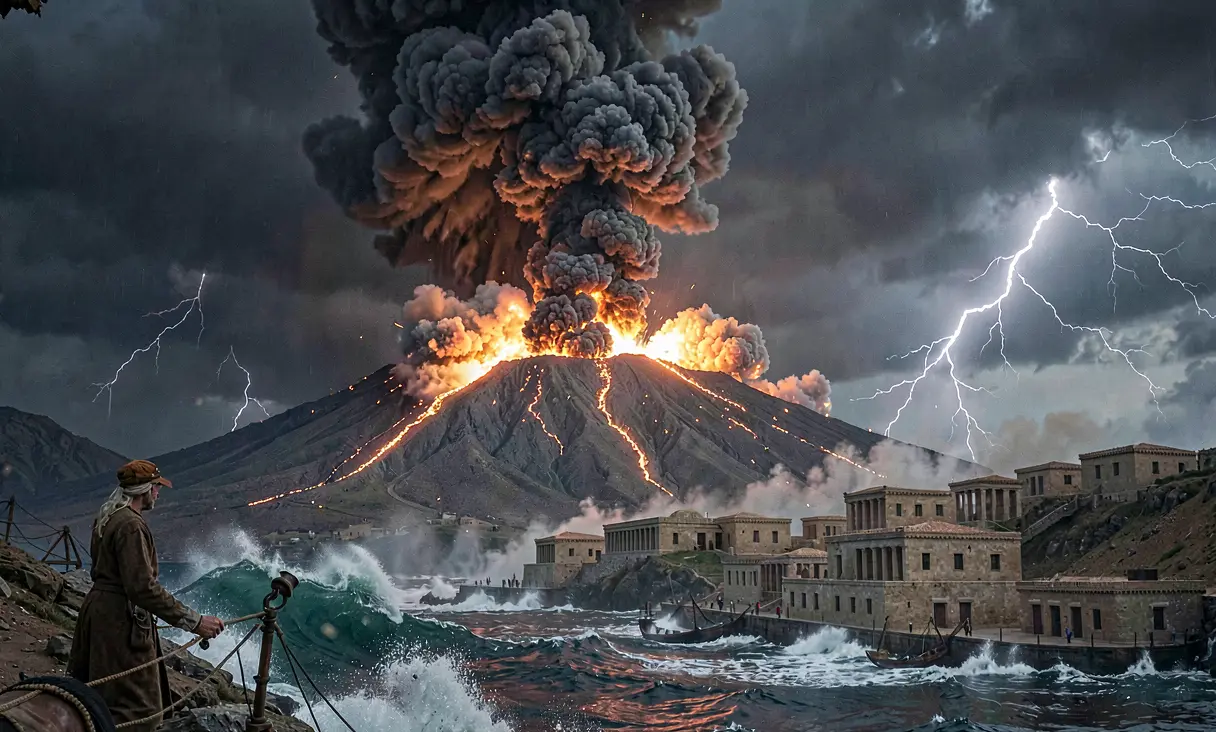
The cataclysmic eruption of Thera around 1600 BCE devastated the Minoan fleet and economy via tsunamis and climate shock, accelerating their decline and enabling Mycenaean dominance in the Aegean.
The Zenith of the Minoan World
By the mid-second millennium BCE, the Minoan civilization on Crete had reached an unprecedented level of sophistication, dominating the Aegean through a powerful thalassocracy. Centered around the grand palace complex at Knossos, this maritime empire controlled trade networks stretching from Egypt to the Cyclades. The island of Thera (modern Santorini), located roughly 120 kilometers north of Crete, was a vital Minoan colony and a bustling hub of commerce, evidenced by the elaborate frescoes and sophisticated architecture uncovered at Akrotiri. This settlement, often called the 'Pompeii of the Aegean,' displayed no fortification walls, suggesting a period of profound peace and security under Minoan hegemony.
The Cataclysm Unleashed
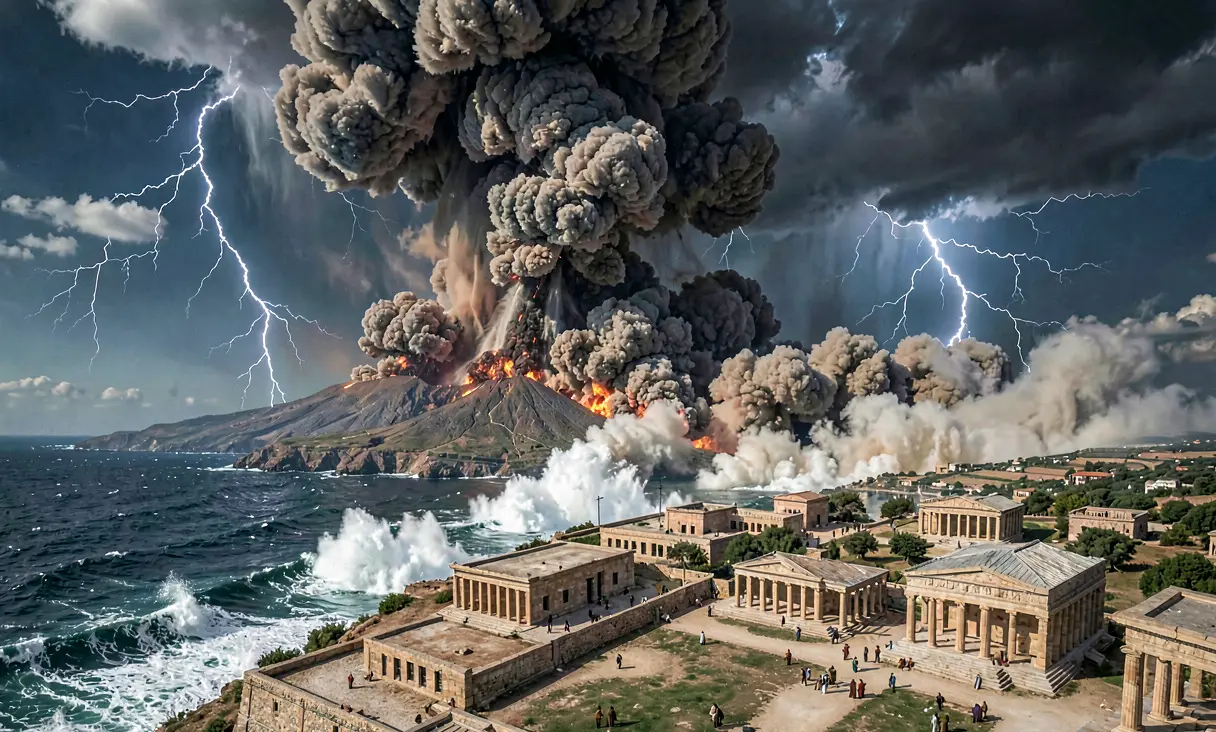
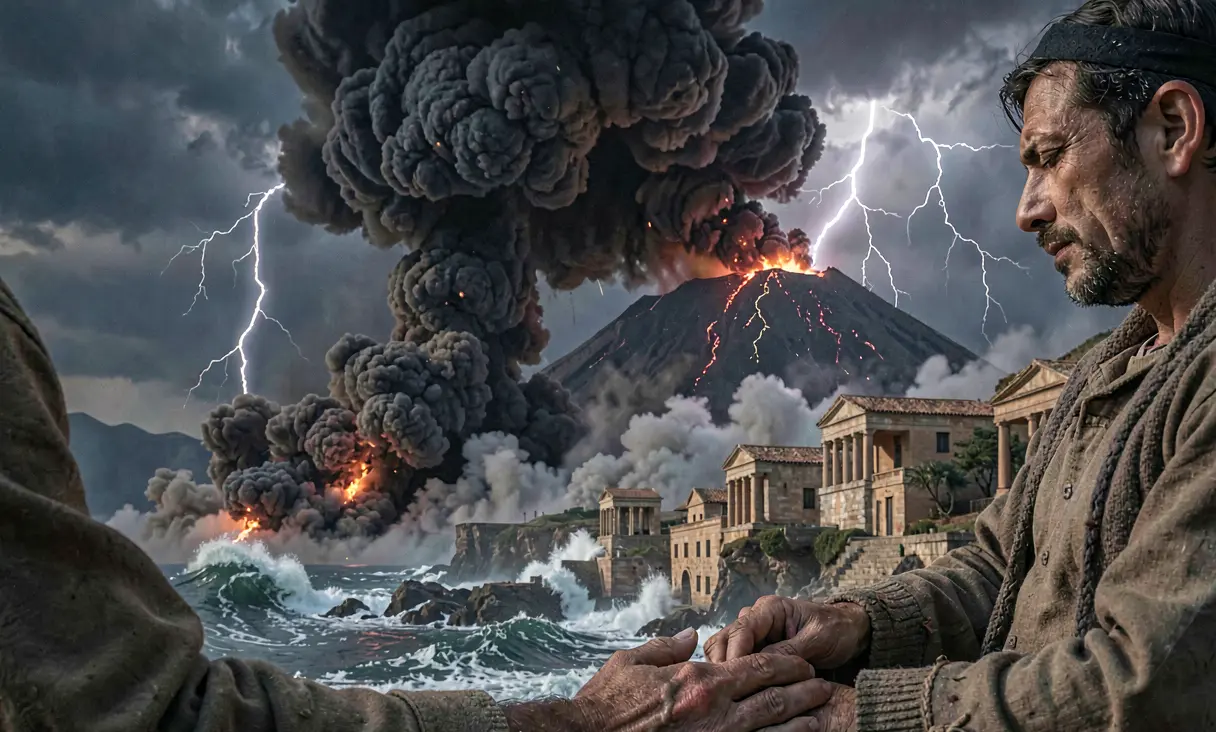
Around 1600 BCE, likely within the range of 1627–1600 BCE based on radiocarbon dating and dendrochronology, the volcano beneath Thera erupted with a magnitude estimated at VEI 7. This event was one of the most powerful volcanic explosions in recorded human history, ejecting an estimated 30 to 60 cubic kilometers of magma and tephra. The eruption occurred in multiple phases: an initial Plinian phase deposited thick layers of pumice across the island, followed by a collapse of the volcanic cone that created a massive caldera. This collapse triggered colossal tsunamis, with wave heights potentially exceeding 35 meters, which roared southward toward Crete.
The Destruction of Akrotiri and the Fleet
While the settlement at Akrotiri was largely evacuated before the final collapse due to preceding seismic activity, the eruption buried the town under meters of volcanic ash, preserving its streets and buildings in a state of suspended animation. Simultaneously, the tsunamis devastated the northern coast of Crete, where the Minoan fleet—the backbone of their economic and military power—was moored. Archaeological evidence at sites like Kommos and Malia reveals layers of marine debris mixed with ash, indicating that the naval infrastructure was obliterated in a single catastrophic event. The destruction of the fleet left the Minoans vulnerable to external threats and severed their control over the Aegean trade routes.
Climate Instability and Economic Collapse
The atmospheric impact of the eruption was global, injecting vast quantities of sulfur dioxide into the stratosphere. Tree-ring records from Ireland and North America show a period of significant cooling immediately following the event, suggesting a 'volcanic winter' that disrupted agricultural cycles across Europe and the Near East. In Crete, this climatic shock compounded the physical destruction; crop failures likely led to famine and social unrest within the palace centers. Although the palaces at Knossos, Phaistos, and Malia were not immediately abandoned, their economic foundation crumbled as trade networks collapsed and internal stability faltered.
The Rise of Mycenaean Influence
In the vacuum left by the crippled Minoan state, the mainland Mycenaeans began to exert increasing influence over Crete. By approximately 1450 BCE, the palace at Knossos was rebuilt in a distinctly Mycenaean style, and Linear B script—used for early Greek—replaced the native Linear A. While recent scholarship debates whether this transition was a direct result of invasion or a gradual cultural assimilation following Minoan weakness, the eruption is widely regarded as the catalyst that shifted the balance of power in the Aegean from the indigenous Minoans to the emerging Mycenaean civilization.
Legacy and the Atlantis Myth
The memory of Thera's destruction persisted for millennia, evolving into the legend of Atlantis described by Plato. While no direct archaeological link confirms the story as historical fact, the parallels are striking: a powerful island civilization destroyed in a single day and night by fire and water. The eruption remains a defining moment in prehistoric Europe, marking the abrupt end of the Bronze Age Minoan golden age and serving as a stark reminder of nature's capacity to reshape human history. It stands as a pivotal turning point where the Aegean world was irrevocably altered, setting the stage for the rise of Classical Greece.
The eruption fundamentally altered the geopolitical landscape of the Bronze Age Mediterranean, weakening Minoan hegemony.
Where it happened
Santorini (Thera), Aegean Sea — see it on the interactive map →
Explore related history
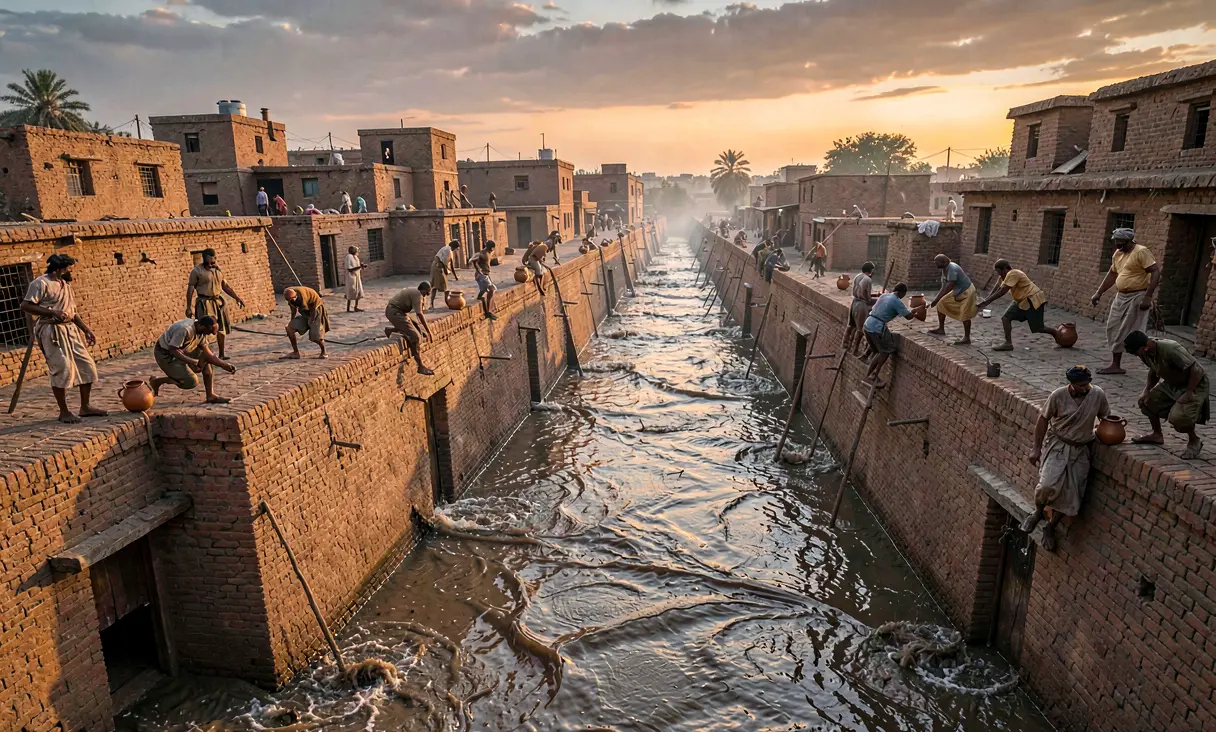 DisasterCatastrophic Flooding at Mohenjo-Daroc. 1900 BCE · Mohenjo-Daro, Sindh, PakistanDevastating floods from the Indus River repeatedly buried and destroyed layers of Mohenjo-Daro, signaling the decline of the urban phase.
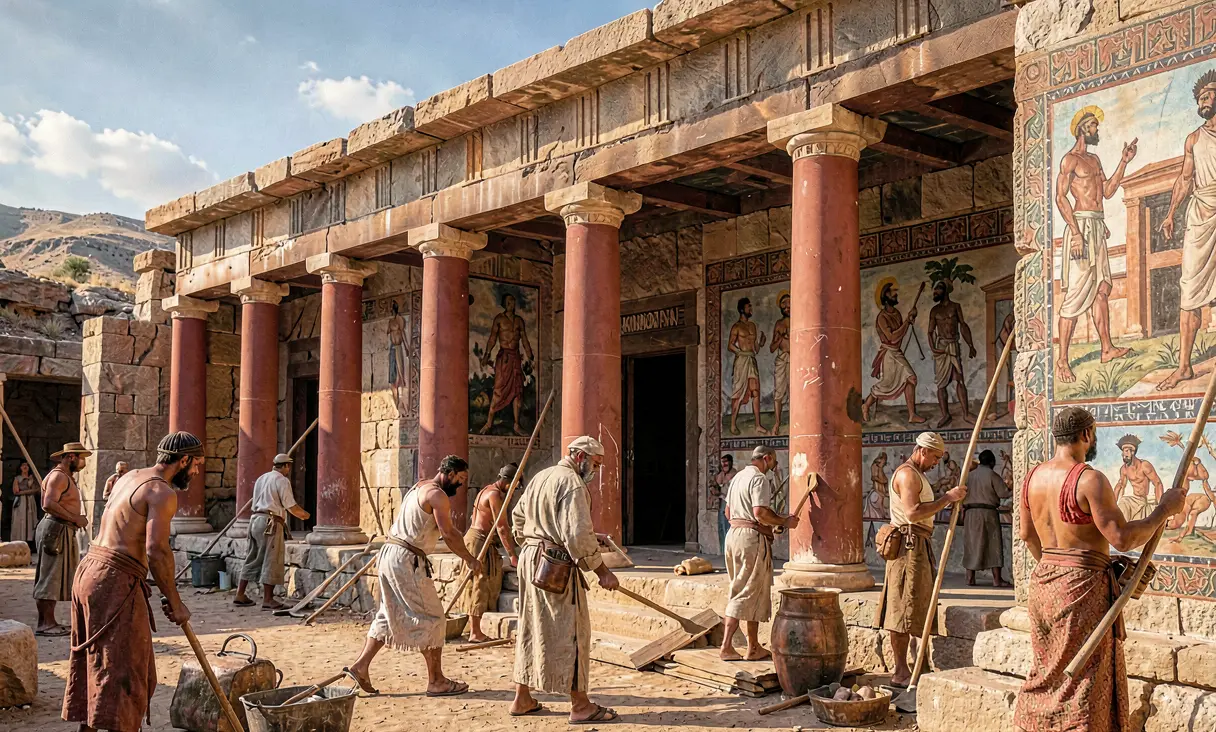 DisasterRebuilding of the Palace at Knossos after Earthquakec. 1700 BCE · Knossos, Crete (Greece)Minoans rebuild the Palace of Knossos after a massive earthquake destroys the old structure.
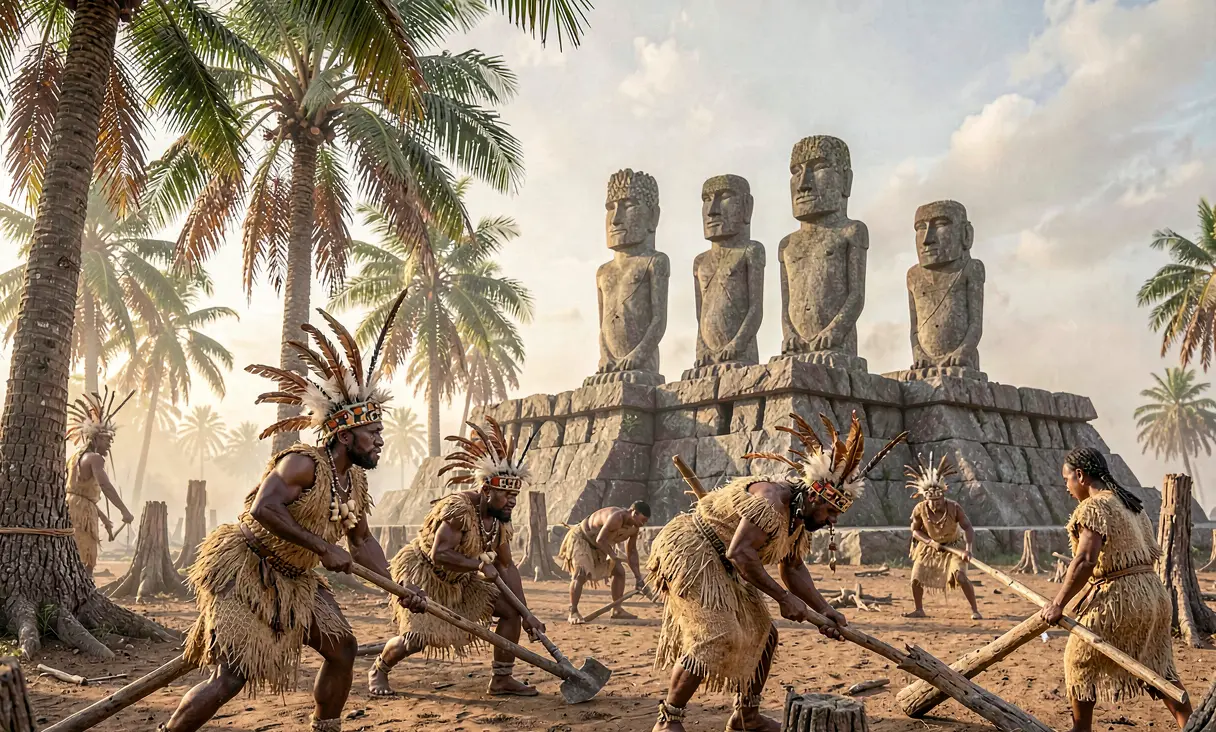 DisasterEcological Collapse and Deforestation of Rapa Nuic. 1600 CE · Rapa Nui (Easter Island), ChileOverexploitation of resources leads to deforestation and societal transformation on Rapa Nui.
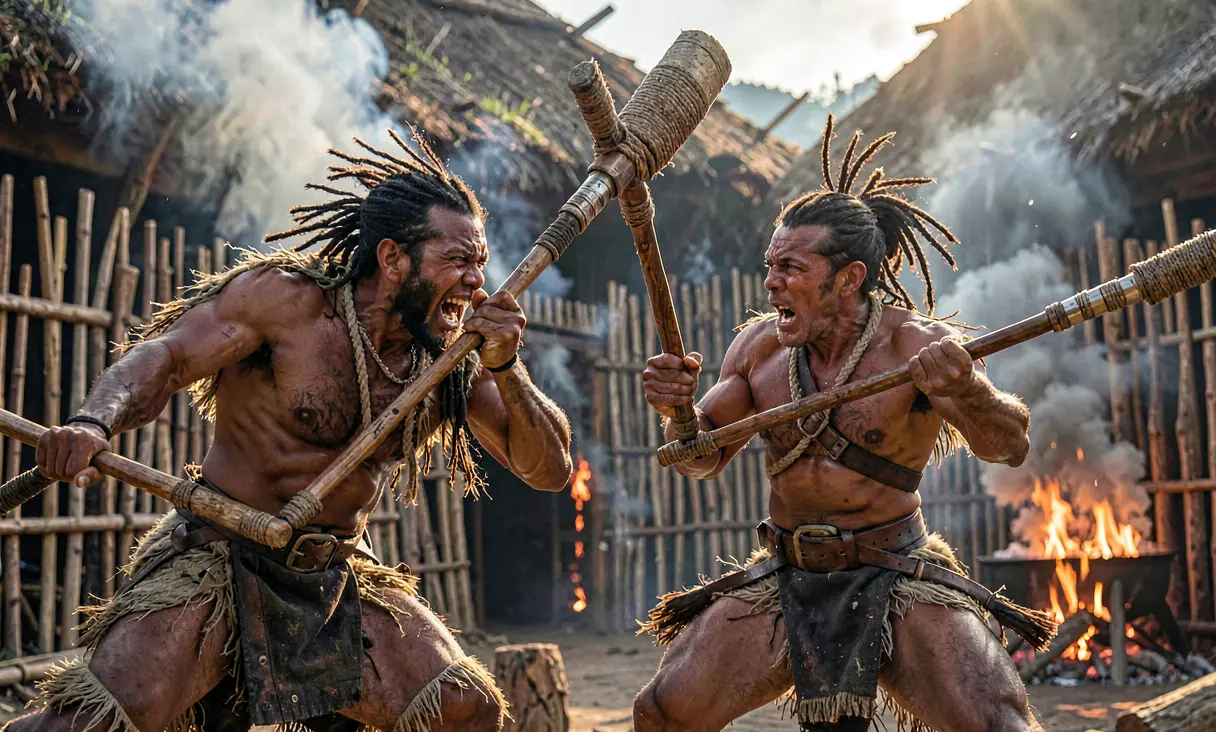 WarEscalation of Inter-Tribal Warfare in New Zealandc. 1600 CE · North Island, New ZealandIntensified warfare leads to the construction of massive pā and the development of new weapons like the taiaha.
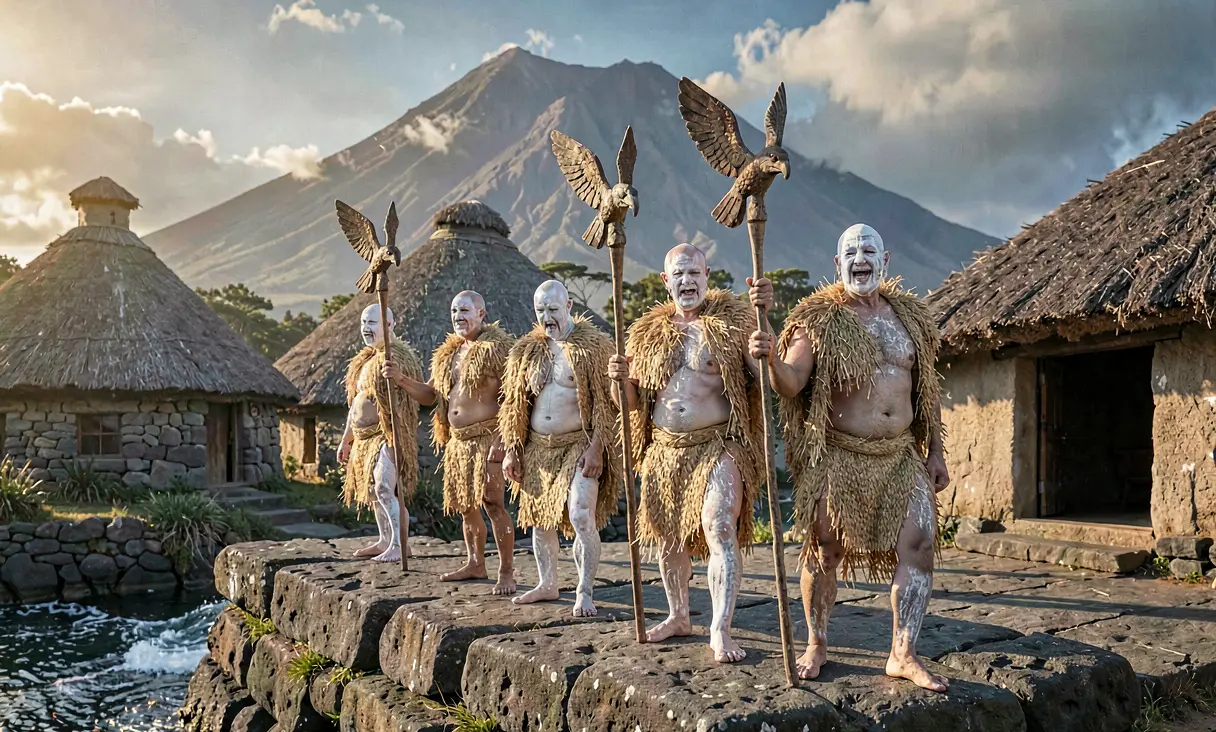 ReligionRise of the Birdman Cult on Rapa Nuic. 1600 CE · Orongo, Rapa NuiThe Birdman cult replaces moai worship as the central religious and political institution on Rapa Nui.
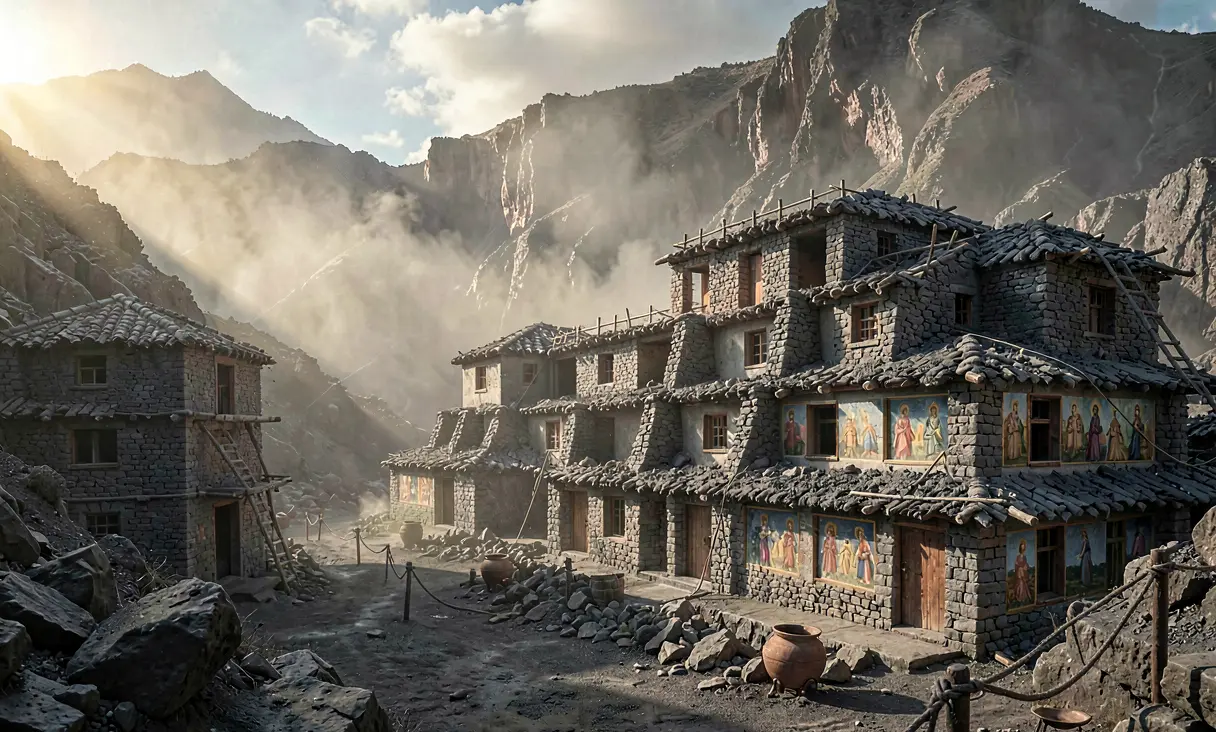 DisasterVolcanic Ash Burial of Akrotiri on Therac. 1600 BCE · Akrotiri, Thera (Santorini), GreeceThe city of Akrotiri is perfectly preserved under volcanic ash from the Minoan eruption.
Discussion
Loading…