Domestication of Rice in the Yangtze Valley
The independent domestication of wetland rice in the Yangtze Valley around 6000 BCE catalyzed a demographic explosion and enabled the rise of complex Chinese civilization, shaping East Asian culture f
The Cradle of Wetland Agriculture
While the Fertile Crescent is often celebrated as the birthplace of agriculture due to its early cultivation of wheat and barley, a parallel and equally transformative revolution was unfolding in East Asia. By approximately 6000 BCE, hunter-gatherer societies along the middle and lower reaches of the Yangtze River began a deliberate shift from foraging wild grasses to cultivating *Oryza sativa* subsp. *japonica*. This region, characterized by its monsoon climate and abundant waterways, provided the unique ecological niche necessary for wet-rice cultivation. Unlike the dry farming methods of the Near East, this innovation required a sophisticated understanding of hydrology, soil management, and seasonal cycles, marking the dawn of a distinct agricultural paradigm that would eventually sustain half the world's population.
Archaeological Echoes: Hemudu and Beyond
The transition from wild gathering to systematic domestication is most vividly documented at the Hemudu site in Zhejiang Province, dating to roughly 5000 BCE. Excavations here have yielded over 120 tons of carbonized rice grains, alongside wooden tools designed for digging and harvesting, indicating a society deeply invested in grain production. Even earlier evidence from Shangshan (c. 8000 BCE) suggests the initial stages of management involved the selective harvesting of wild stands with larger seeds. The archaeological record reveals a gradual morphological change in the rice caryopses: the reduction of the abscission layer, which prevented seeds from shattering naturally and allowed for easier human harvest, signaling the genetic divergence between wild progenitors and domesticated crops.
The Mechanics of Paddy Cultivation
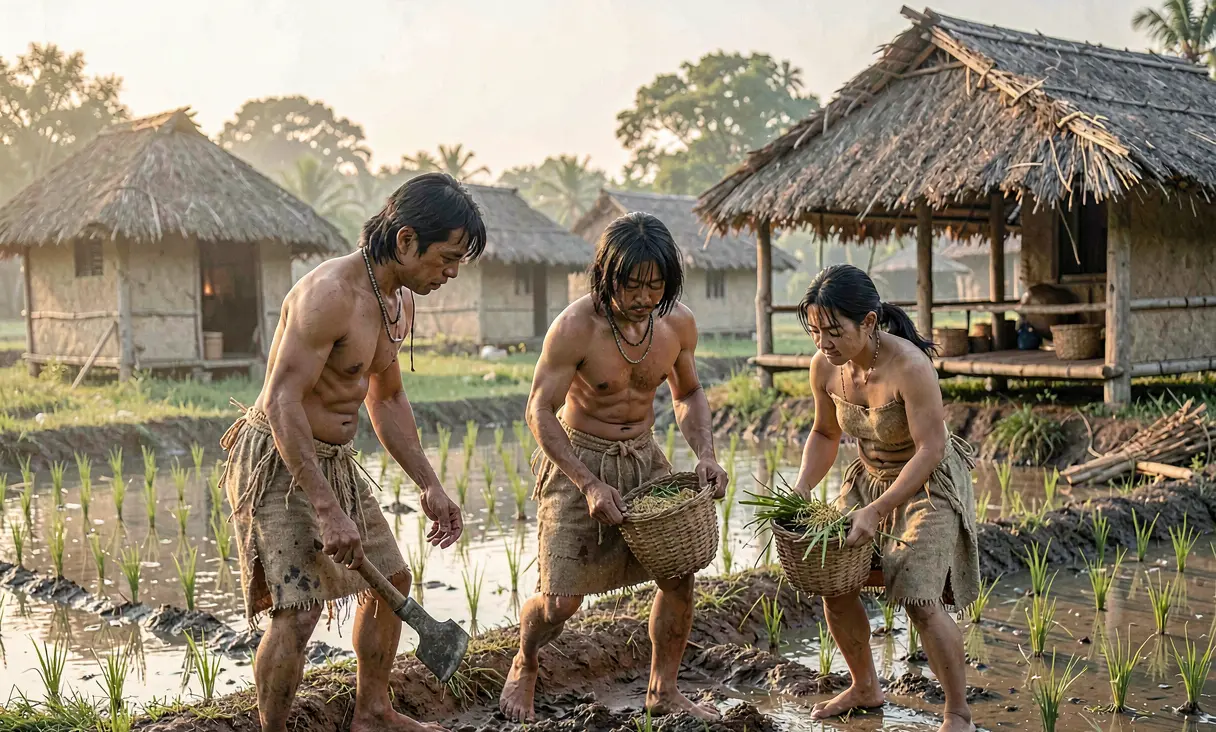
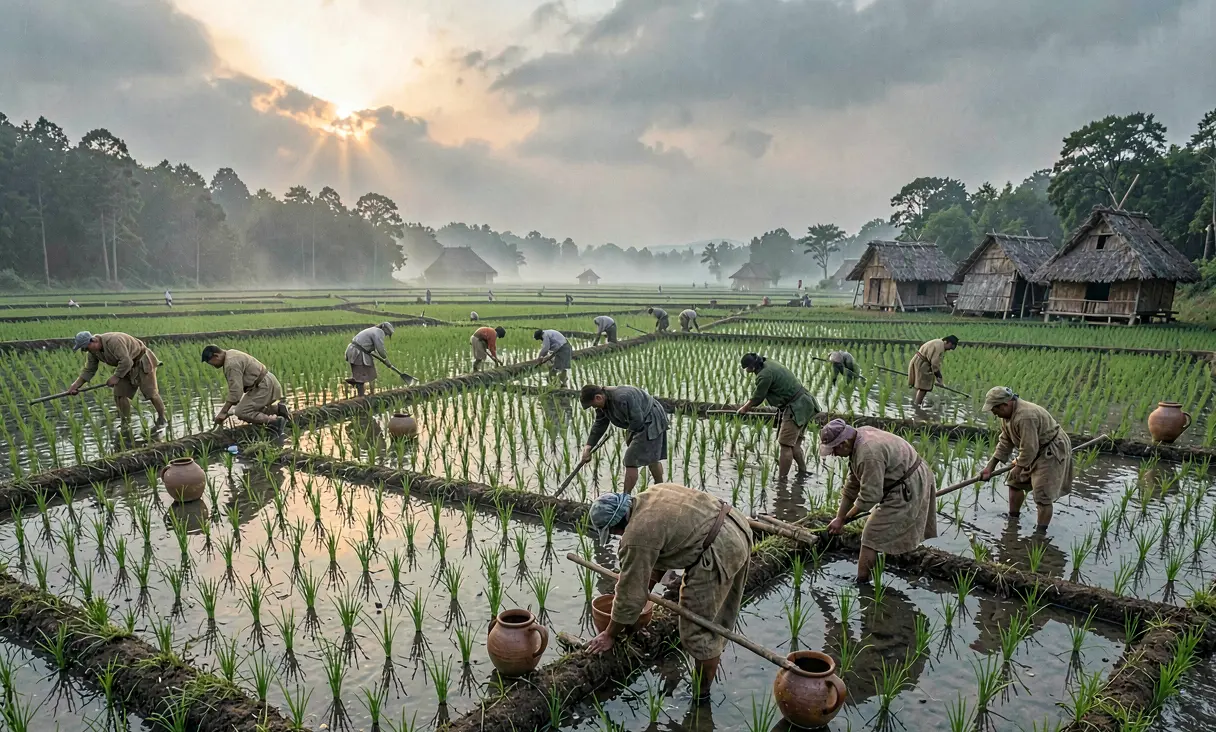
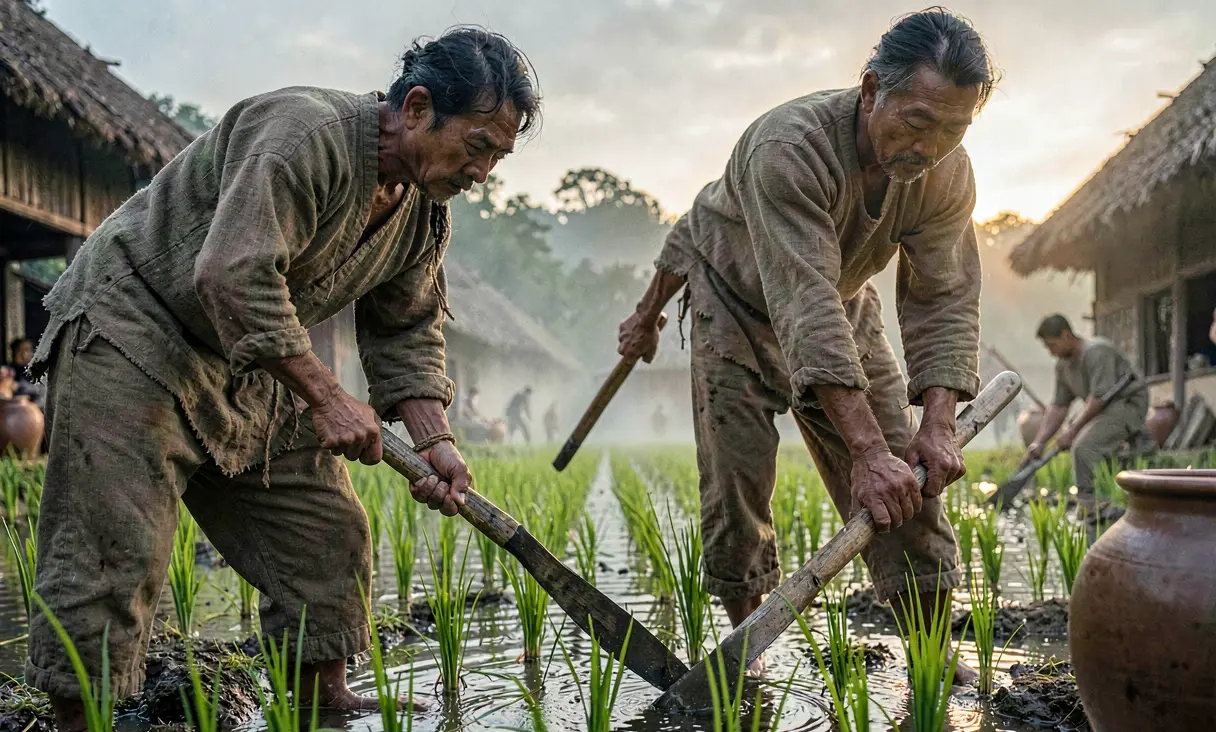
The domestication process was inextricably linked to the development of paddy field techniques. Early farmers learned to manipulate water levels, constructing dikes and irrigation channels to flood fields during the growing season and drain them for harvest. This method not only maximized yield per unit of land but also suppressed weeds and pests that plagued dry-land farming. The labor-intensive nature of these practices necessitated a sedentary lifestyle and fostered communal cooperation, as maintaining water systems required organized group effort. This shift fundamentally altered social structures, moving communities from small, mobile bands to larger, permanent settlements capable of supporting specialized artisans and emerging leadership classes.
From Surplus to Statehood
The reliable surplus generated by domesticated rice became the economic engine for the rise of complex societies in ancient China. Unlike wheat, which often required fallow periods or extensive crop rotation, wet-rice agriculture could produce high yields on the same plot of land year after year, especially when integrated with aquaculture and mulberry farming. This caloric density supported rapid population growth, leading to the formation of dense urban centers by the late Neolithic period. The ability to store grain in large quantities facilitated social stratification, allowing for the emergence of a ruling elite who could command labor for monumental projects, such as the construction of rammed-earth walls and the development of early bronze metallurgy seen in later dynasties.
A Lasting Legacy Across East Asia
The domestication of rice in the Yangtze Valley did not merely feed a local population; it shaped the cultural and demographic destiny of an entire continent. As rice cultivation spread northward to the Yellow River valley and southward into Southeast Asia, it became the dietary staple for billions. The agricultural practices developed here influenced settlement patterns, social organization, and even philosophical outlooks across East Asia for millennia. The transition from wild grass to a managed crop represents one of the most significant human achievements in history, enabling the rise of the Shang, Zhou, and subsequent dynasties that defined Chinese civilization. Its impact is so profound that it remains the primary caloric source for nearly 40% of the global population today.
This event established rice as a staple crop that sustains nearly half the global population today.
Where it happened
Yangtze River Valley, China — see it on the interactive map →
Explore related history
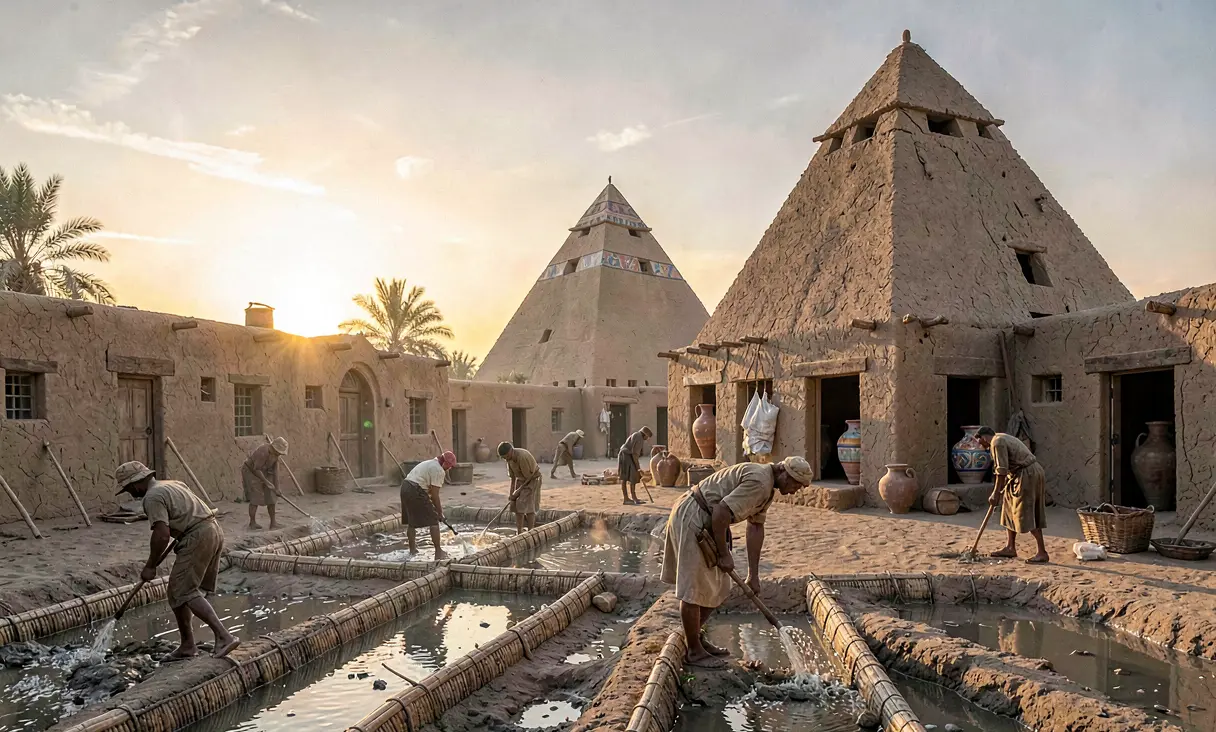 CivilizationEmergence of Ubaid Culture in Southern Mesopotamiac. 6500 BCE · Tell al-Ubaid, Southern Mesopotamia (Iraq)The Ubaid culture establishes the first widespread agricultural settlement pattern in southern Iraq.
 CivilizationInvention of Cuneiform Scriptc. 3400 BCE · Uruk, Sumer (Modern Iraq)Scribes develop the first known writing system using wedge-shaped impressions on clay.
 TechnologyAboriginal Fire-Stick Farming Practicesc. 5000 BCE onwards · Central AustraliaAboriginal Australians develop controlled burning techniques to manage landscapes and enhance biodiversity.
 ScienceCodification of Aboriginal Songlines Across Australiac. 5000 BCE onwards · Central AustraliaAboriginal peoples develop Songlines that map the continent through oral narratives and star paths.
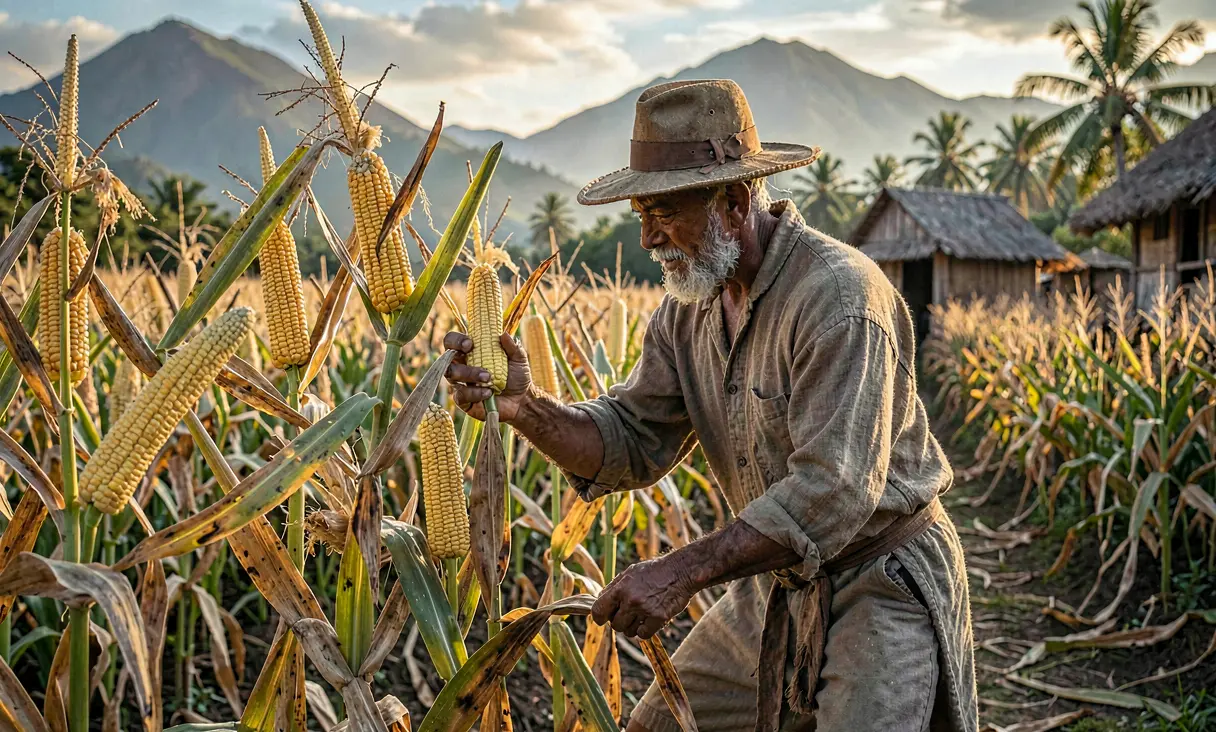 ScienceFinal Domestication of Maize from Teosinte in Mesoamericac. 5000 BCE · Balsas River Valley, MexicoIndigenous farmers selectively breed teosinte into modern maize (corn).
Discussion
Loading…