Cyrus the Great Issues the Cyrus Cylinder
In 539 BCE, Cyrus the Great issued a clay cylinder legitimizing his rule by restoring displaced peoples and their gods, establishing an enduring precedent for imperial tolerance and religious freedom.
The Fall of Babylon and the Achaemenid Ascendancy
By 539 BCE, the Neo-Babylonian Empire, once the dominant power in Mesopotamia under Nebuchadnezzar II, was facing internal decay and external pressure. King Nabonidus, whose religious policies had alienated the powerful priesthood of Marduk, left his capital vulnerable. Into this vacuum stepped Cyrus II, known as Cyrus the Great, founder of the Achaemenid Empire. Unlike previous conquerors who sought to crush local identities, Cyrus adopted a strategy of calculated integration. In October 539 BCE, his forces, led by General Gubaru (Gobryas), entered Babylon without significant bloodshed, reportedly exploiting a diversionary tactic involving the Euphrates River or capitalizing on an open gate during a festival. This bloodless conquest marked a pivotal shift in imperial warfare and administration.
The Cyrus Cylinder: A Foundation Deposit
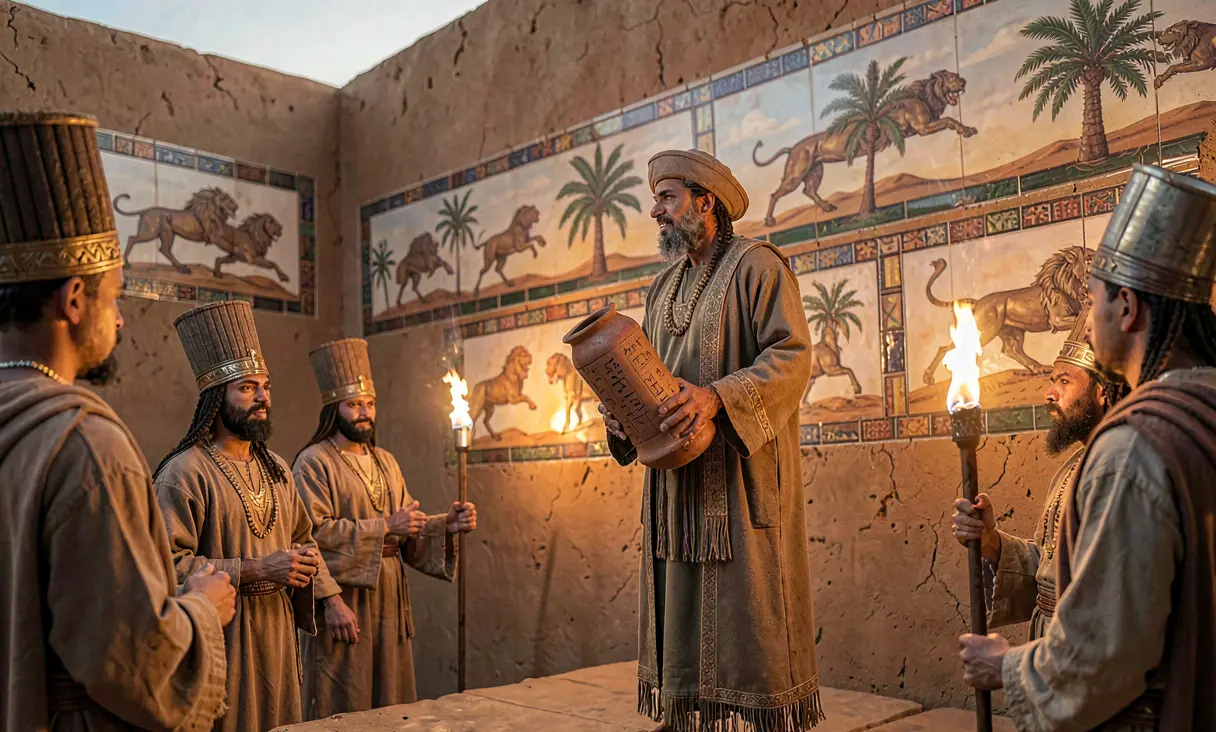
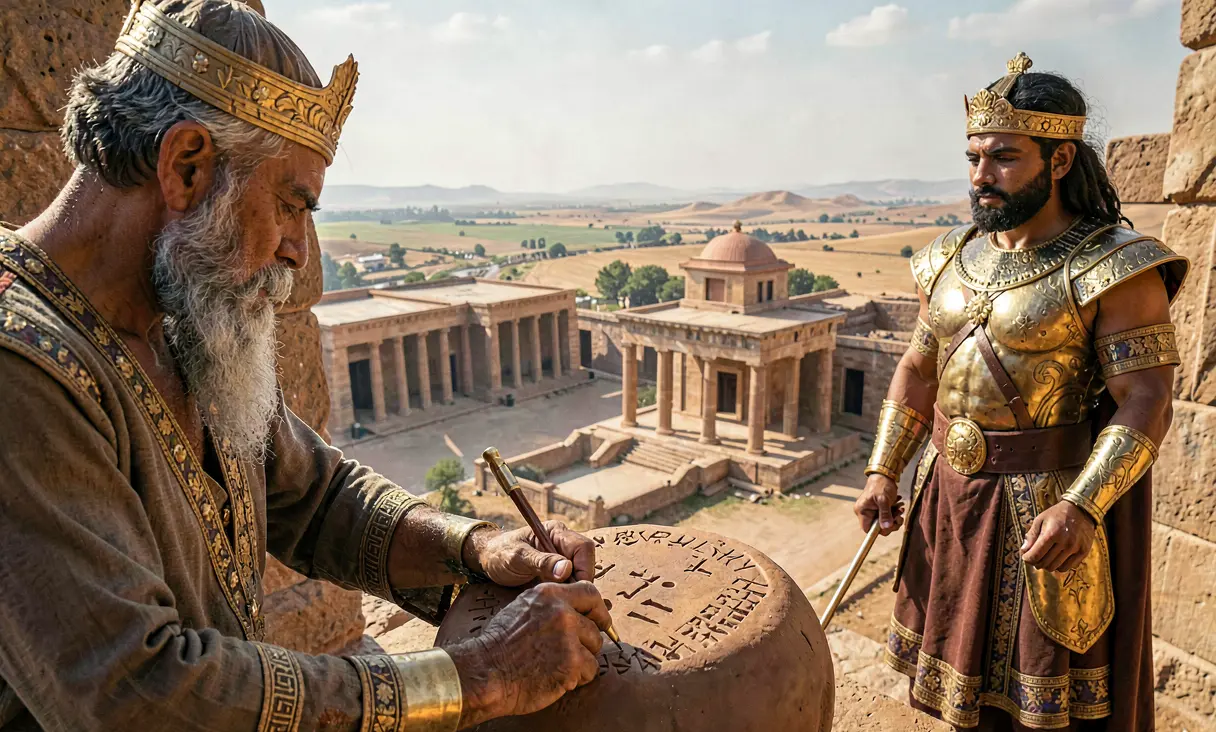
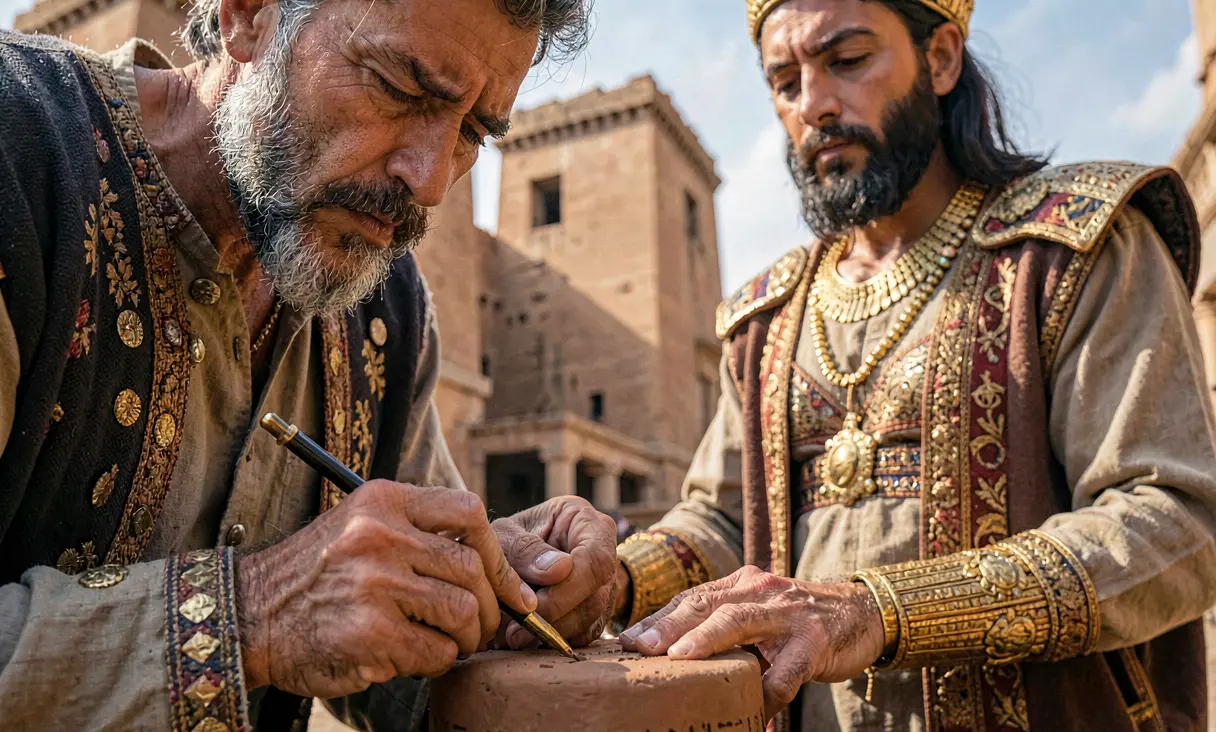
Shortly after securing his rule, Cyrus commissioned a baked clay cylinder, inscribed in Akkadian cuneiform, to be buried within the foundations of the Esagila temple complex dedicated to Marduk. This was not merely a proclamation but a traditional Mesopotamian foundation deposit, intended to legitimize the new king's reign in the eyes of the local populace and their gods. The text, approximately 15 cm in length and 20 cm in diameter, declares that the god Marduk had abandoned Nabonidus for his impiety and chosen Cyrus as the rightful ruler to bring order to the land. It frames the Persian conquest not as an invasion, but as a restoration of divine will and cosmic balance.
Divine Legitimacy and Religious Tolerance
The text of the cylinder is a masterclass in political propaganda that transcends its era. Cyrus explicitly states he restored the sanctuaries of the gods across Sumer and Akkad, which had fallen into disrepair under Nabonidus. He returned the cult statues to their original cities, reversing the policy of centralization that had angered the priesthood. Most significantly for later history, the cylinder records the return of displaced peoples from Mesopotamia to their homelands. While the text does not explicitly name the Jews or Jerusalem—using instead the phrase 'all the gods who dwell in them' and referring to the restoration of sanctuaries—it aligns perfectly with the biblical account in Ezra 1:1-4, where Cyrus decrees the rebuilding of the Temple in Jerusalem. This policy established a precedent for religious tolerance that was unprecedented in the ancient Near East.
The Mechanism of Imperial Integration
Cyrus's approach to governance, as evidenced by the cylinder and corroborated by other Achaemenid inscriptions like the Behistun Inscription, relied on a decentralized administrative model. Rather than imposing Persian culture or religion, the empire allowed subject nations to retain their languages, laws, and deities. The restoration of temples was both a religious act and a political strategy; by supporting local priesthoods, Cyrus secured the loyalty of the elite classes in conquered territories. This 'imperial pluralism' facilitated the stability of an empire that stretched from the Indus Valley to the Aegean Sea. The cylinder serves as the primary physical evidence of this policy, illustrating how the Achaemenids managed a multi-ethnic state through respect rather than suppression.
Rediscovery and Modern Interpretation
Lost for over two millennia, the Cyrus Cylinder was rediscovered in 1879 during excavations at Babylon led by British archaeologist Hormuzd Rassam. It was transported to London and has since been housed in the British Museum. In the mid-20th century, particularly following the Iranian Revolution of 1979, the artifact gained renewed global attention as a symbol of human rights and tolerance. The United Nations translated the text into all its official languages, and it is often referred to as the 'first charter of human rights.' However, modern historians caution against anachronistic interpretations; while the cylinder reflects a benevolent policy for its time, it was still a tool of imperial authority rather than a universal declaration of individual rights in the modern sense.
Enduring Legacy and Historical Significance
The Cyrus Cylinder remains one of the most significant artifacts from the ancient world, bridging the gap between Mesopotamian tradition and Persian imperial innovation. It provides tangible proof of a governance model that prioritized cultural preservation, influencing the trajectory of Jewish history by enabling the Second Temple period. Beyond its specific historical context, it stands as an enduring symbol of the possibility of coexistence among diverse cultures under a single political authority. The document challenges the narrative of inevitable conquest and destruction, offering instead a vision of empire built on restoration and religious freedom that resonates powerfully in contemporary discussions of human rights and multiculturalism.
The Cyrus Cylinder represents an early declaration of religious freedom and humane governance in antiquity.
Where it happened
Babylon, Mesopotamia (Iraq) — see it on the interactive map →
Explore related history
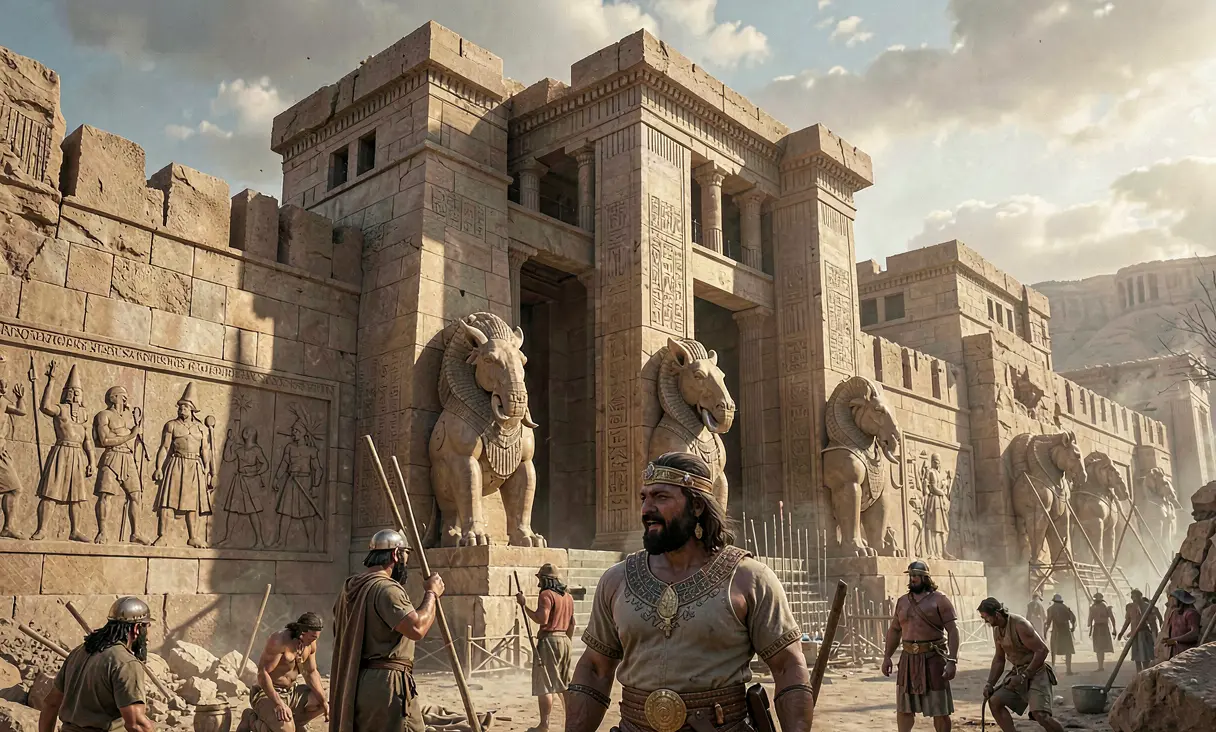 PoliticsFounding of Dur-Sharrukin by Sargon IIc. 717 BCE · Khorsabad (Dur-Sharrukin), IraqSargon II builds a new capital city to project Assyrian power and administrative control.
 PoliticsReign of Emperor Taizong and the Zhenguan Era626 CE · Chang'an, ChinaLi Shimin ascends the throne after the Xuanwu Gate Incident, ushering in a golden age of governance.
 PoliticsRise of the Sixteen Mahajanapadasc. 600 BCE · Gangetic Plain (modern Uttar Pradesh/India)Sixteen great kingdoms and republics emerge across the Gangetic plain, marking the transition from tribal chiefdoms to state-level societies.
 ReligionBuddha Attains Enlightenmentc. 528 BCE · Bodh Gaya, IndiaSiddhartha Gautama achieves nirvana under the Bodhi tree founding Buddhism.
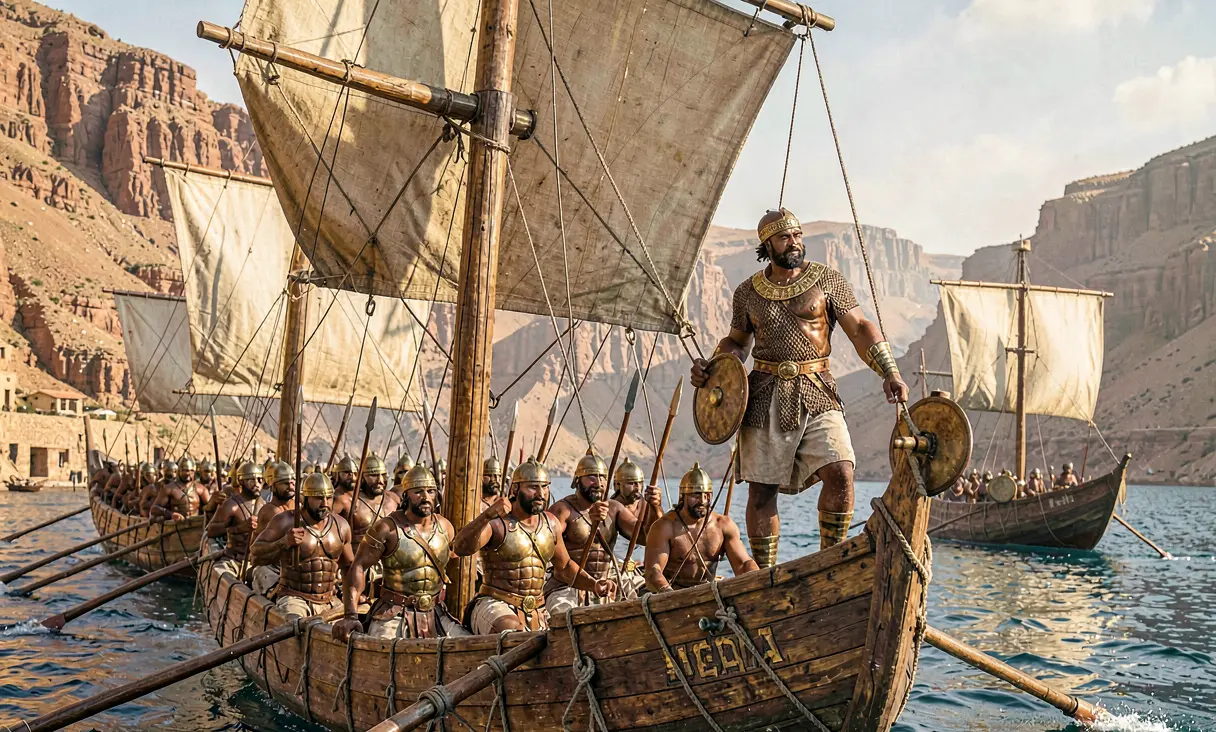 WarAksumite Naval Expedition Against Himyarc. 520 CE · Red Sea Coast near AksumKing Kaleb of Aksum dispatches a fleet to defeat the Jewish Himyarite king in Yemen.
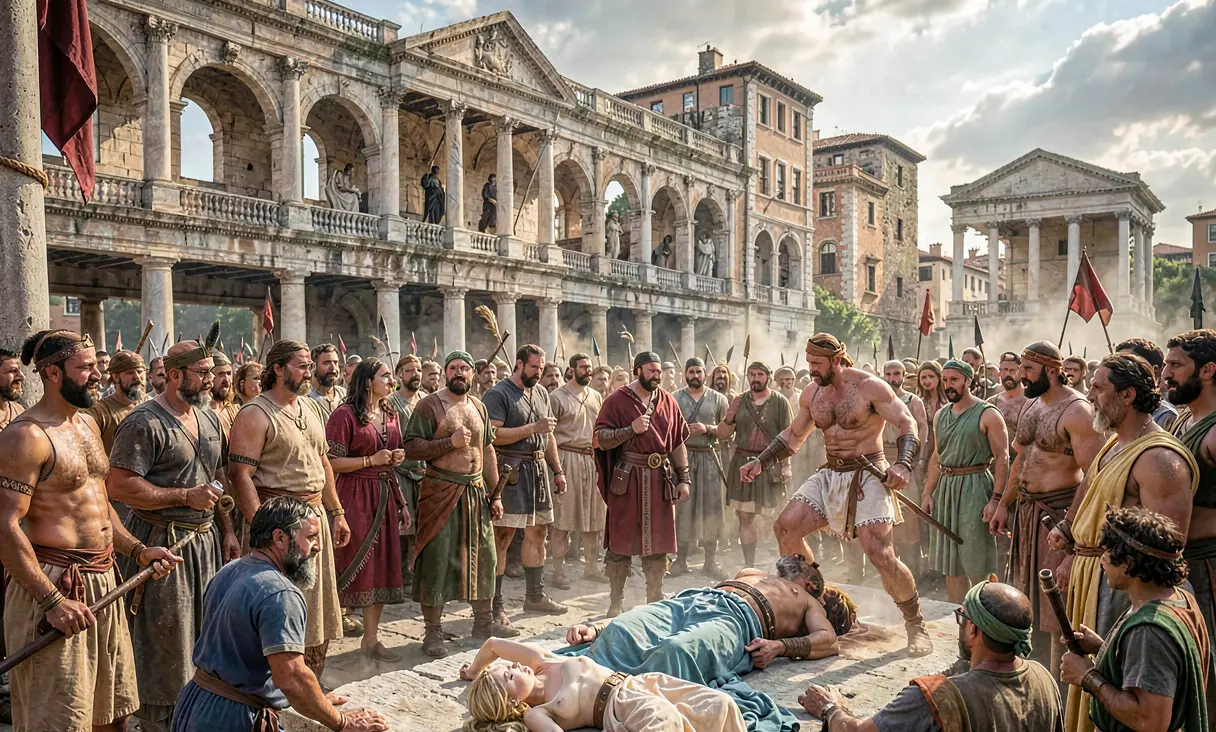 PoliticsExpulsion of Tarquinius Superbus from Romec. 509 BCE · Rome, Latium (Italy)The Roman monarchy is overthrown, leading to the establishment of the Republic.
Discussion
Loading…