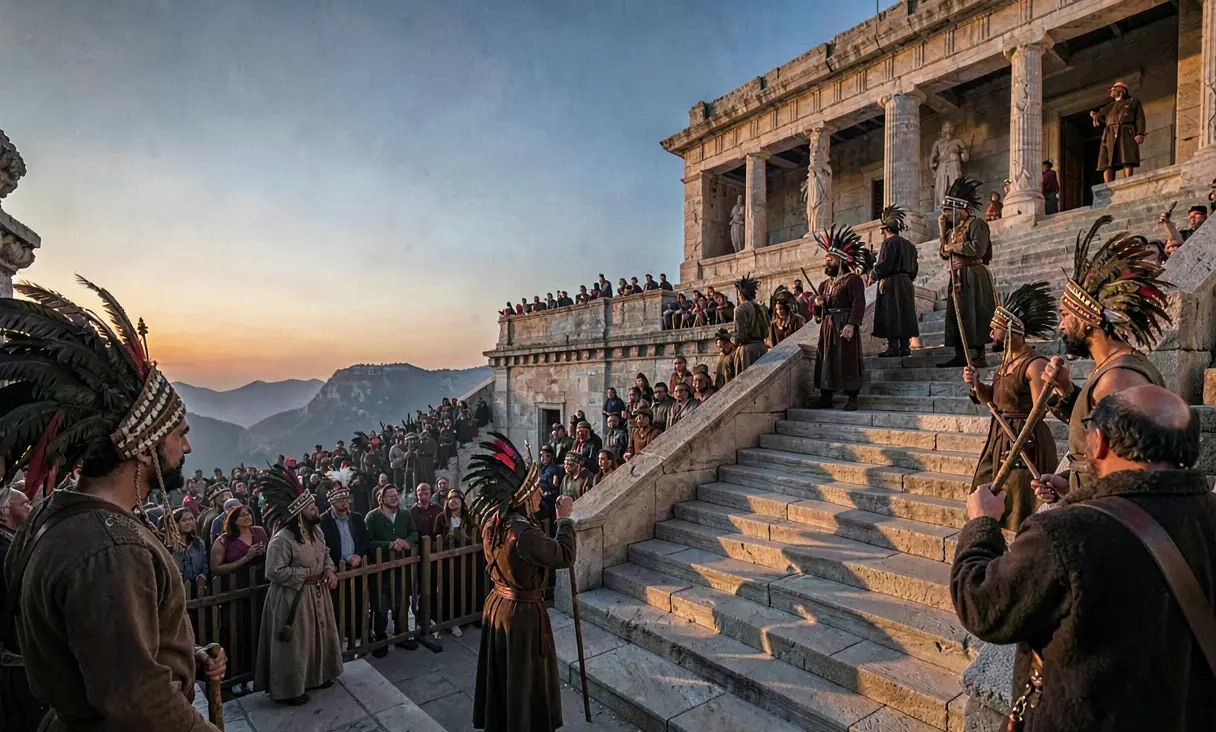
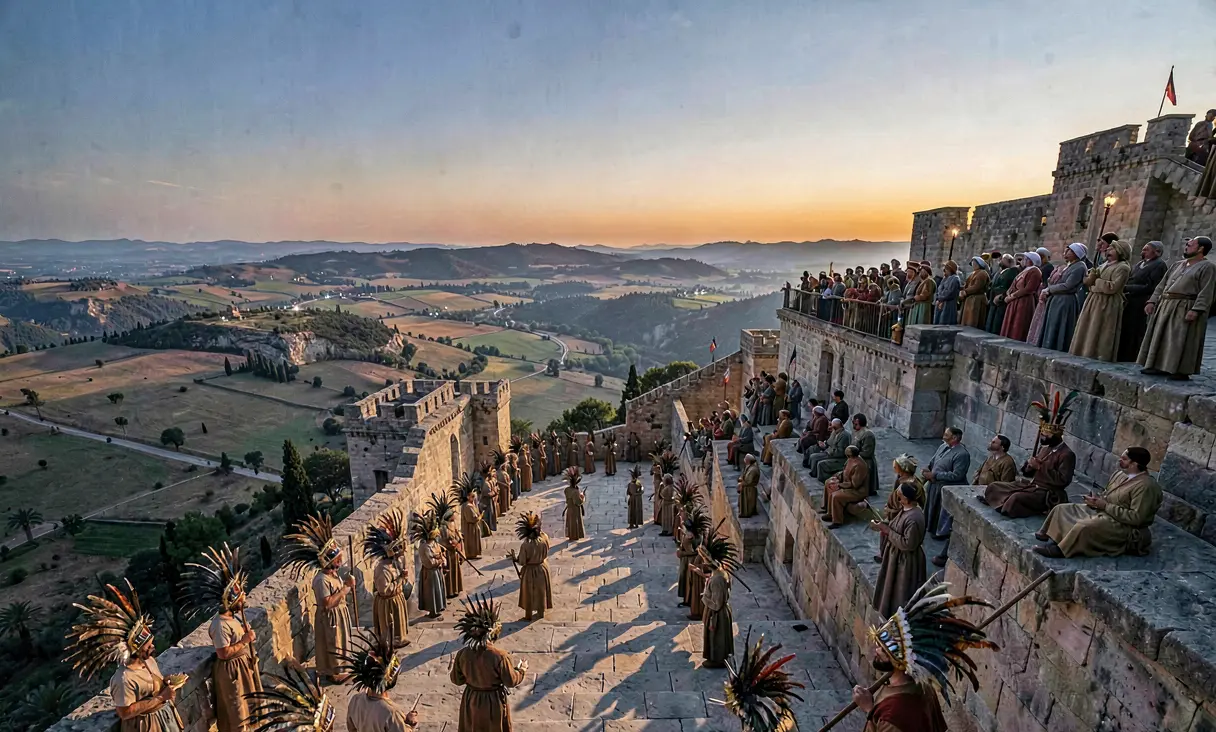
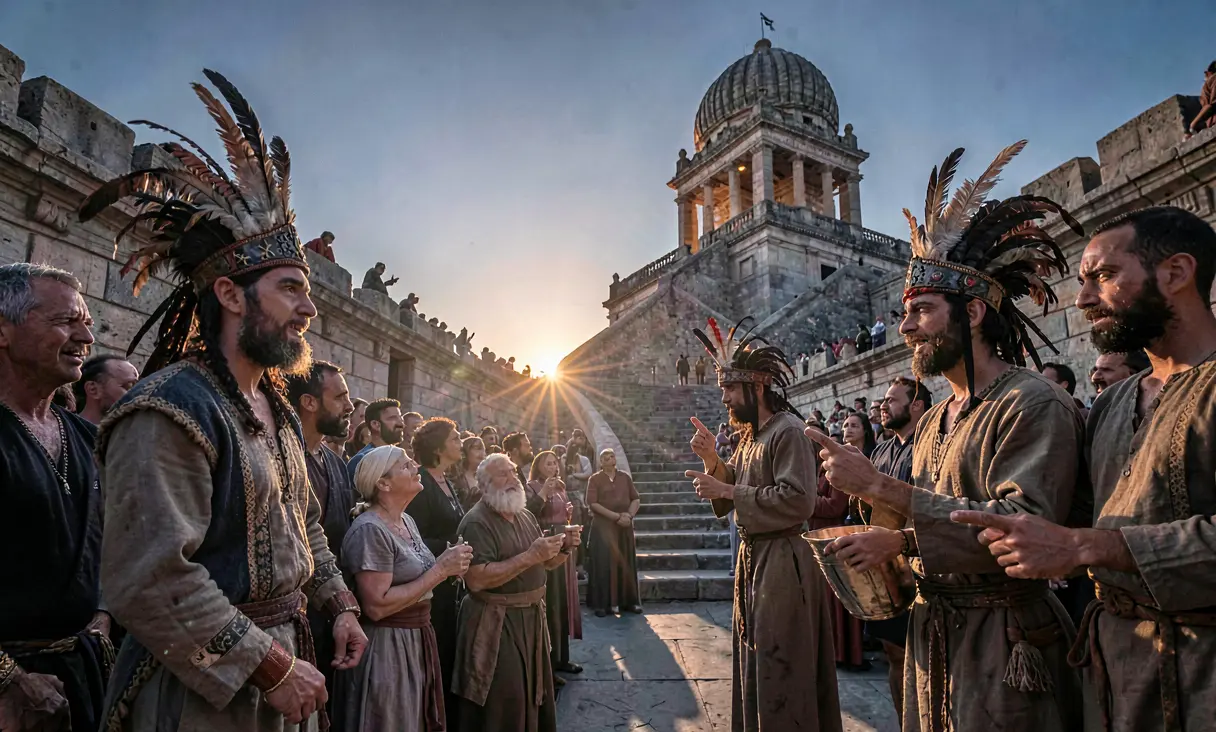
Construction of the Temple of Kukulcán at Chichén Itzá
Built circa 800 CE at Chichén Itzá, El Castillo fused Maya and Toltec styles to create an astronomical marvel where equinox shadows manifest a feathered serpent, symbolizing cosmic order.
Archaeological Context and Political Shift
By the late 9th century CE, the political landscape of the northern Yucatán Peninsula was undergoing a profound transformation. The classic Maya city-states were in decline, creating a power vacuum that allowed new influences to rise from central Mexico. Chichén Itzá emerged as a dominant regional hegemon, distinctively blending indigenous Maya traditions with the militaristic and architectural styles of the Toltec civilization. This era, often termed the 'Toltecization' of the north, was not merely an invasion but a complex synthesis of cultures, evidenced by the sudden appearance of Chac Mool figures, serpent columns, and warrior iconography alongside traditional Maya stelae.
The Conception of El Castillo
Rising from this cultural fusion is the Temple of Kukulcán, known locally as El Castillo. Constructed around 800 CE (with major phases extending into the 10th century), this stepped pyramid stands approximately 30 meters tall and serves as the architectural centerpiece of Chichén Itzá. Unlike earlier Maya pyramids which were often hidden within larger structures or built with rough fill, El Castillo was designed from its inception as a monumental stone edifice dedicated to Kukulcán, the feathered serpent deity who represented the convergence of wind, rain, and celestial order. The structure's four sides face the cardinal directions with near-perfect precision, reflecting an advanced understanding of geometry and astronomy that defined the site's cosmological significance.
Architectural Precision and Astronomical Alignment
The temple's design is a stone calendar etched into the landscape. Each of the four staircases contains exactly 91 steps, which, when summed with the shared top platform, total 365—the precise number of days in the solar Haab' year. This numerical symbolism is not arbitrary; it demonstrates the Maya-Toltec elite's obsession with timekeeping and their desire to legitimize their rule through cosmic alignment. The most spectacular manifestation of this engineering prowess occurs during the spring and autumn equinoxes. As the sun sets, the interplay of light and shadow on the northwest staircase creates a descending serpent effect, where seven triangular shadows appear to connect with a stone serpent head at the base, visually manifesting the god Kukulcán's return to earth.
Ritual Function and Ceremonial Life
El Castillo was not merely an observatory but a vibrant center of religious and political activity. The interior of the pyramid houses an older, smaller temple dedicated to the jaguar motif, containing a red jaguar throne inlaid with jade and obsidian eyes, suggesting that high-ranking priests or rulers conducted secret rituals within the structure's core. Above ground, the plaza surrounding the temple hosted the Great Ball Court, where ritual ballgames served as cosmic reenactments of the struggle between light and dark. Historical evidence, including depictions on the Temple of the Warriors and accounts from early Spanish chroniclers, indicates that these ceremonies could culminate in human sacrifice, reinforcing the king's role as the mediator who maintained cosmic balance through bloodletting.
Legacy and Enduring Significance
The construction of the Temple of Kukulcán marked the zenith of Chichén Itzá's power, establishing it as a pilgrimage site that drew people from across Mesoamerica. Its influence persisted for centuries, surviving the eventual collapse of the city in the 13th century and remaining a sacred site through the Spanish conquest. Today, El Castillo stands as one of the New Seven Wonders of the World, serving as a primary symbol of Mexican heritage and pre-Columbian ingenuity. The structure continues to challenge modern archaeologists with its precise acoustic properties and astronomical data, offering an unbroken link to a sophisticated civilization that mastered the intersection of astronomy, architecture, and theology.
Symbolizes the synthesis of Maya and Toltec cultures and advanced astronomical knowledge in the Postclassic period.
Where it happened
Chichén Itzá, Mexico — see it on the interactive map →
Explore related history
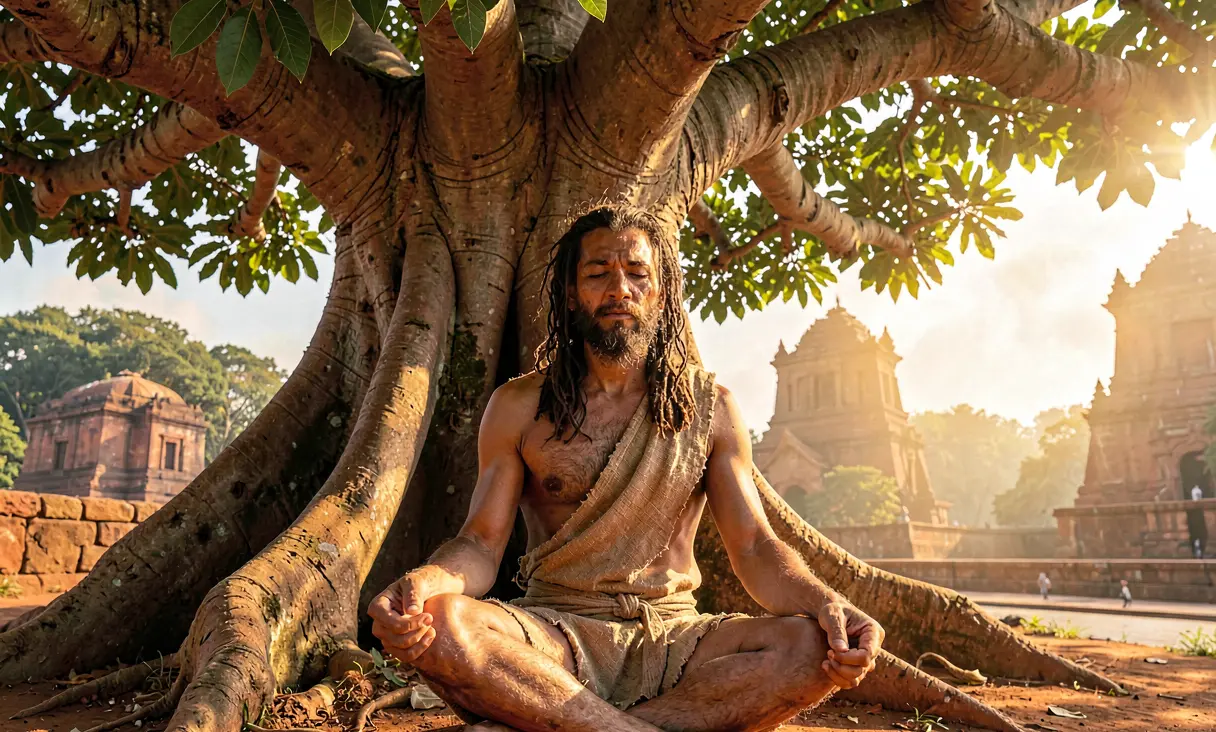 ReligionBuddha Attains Enlightenmentc. 528 BCE · Bodh Gaya, IndiaSiddhartha Gautama achieves nirvana under the Bodhi tree founding Buddhism.
 ReligionConstruction of Kalasasaya Temple at Tiwanakuc. 500 CE · Tiwanaku, BoliviaThe Kalasasaya temple is built with monolithic stones for solar observance.
 ReligionParinirvana of the Buddhac. 483 BCE · Kushinagar (modern Uttar Pradesh/India)Siddhartha Gautama passes away, entering final Nirvana and leaving his disciples with the Dharma to guide them.
 ExplorationSettlement of Rapa Nui (Easter Island)c. 800 CE · Rapa Nui (Easter Island), ChilePolynesian navigators reach the remote Rapa Nui and establish a unique island society.
 ExplorationEstablishment of Malaca (Malaga) by Phoeniciansc. 770 BCE · Malaga (Malaca), SpainPhoenician traders establish a major colony on the Iberian Peninsula for salt and metal trade.
 WarAn Lushan Rebellion Begins755 CE · Chang'an, ChinaGeneral An Lushan revolts against Emperor Xuanzong, devastating the Tang Dynasty and population.
Discussion
Loading…