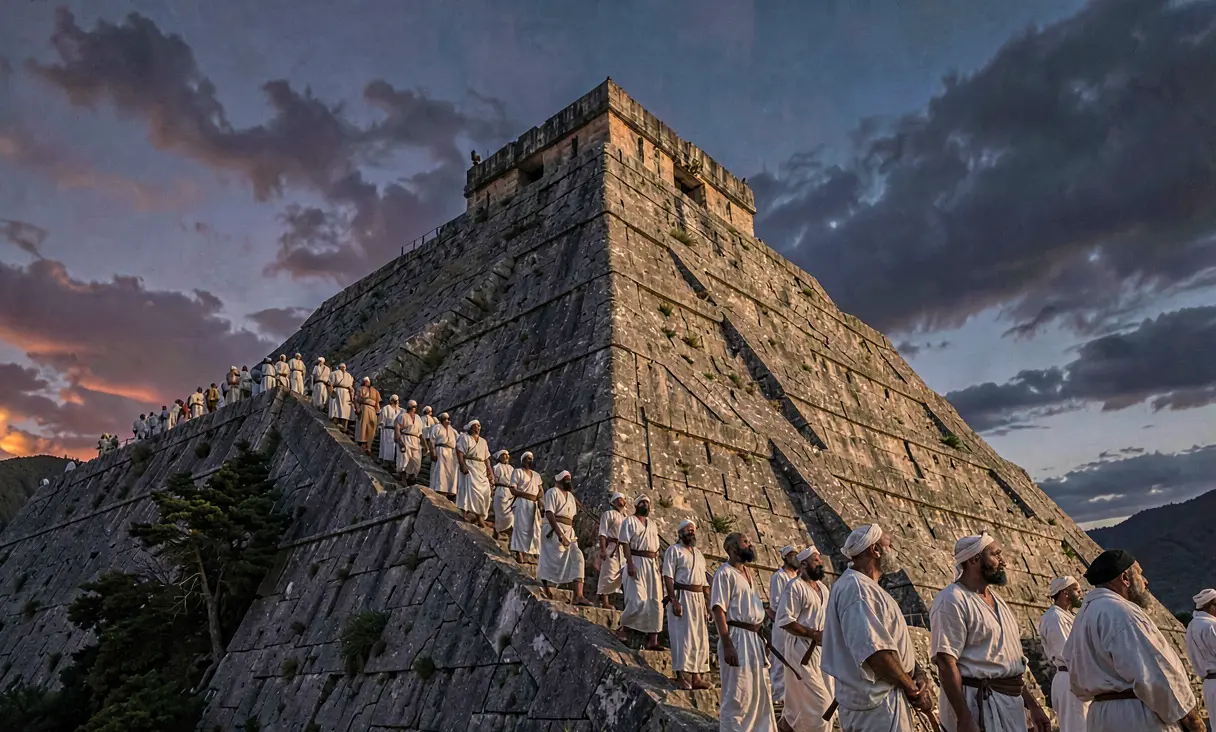
Construction of the Pyramid of the Moon at Teotihuacán
Constructed around 1 CE at Teotihuacán, the Pyramid of the Moon evolved through seven ritual expansions to become a monumental testament to the Great Goddess, embodying the city's cosmological order a
Cosmic Foundations and Urban Planning
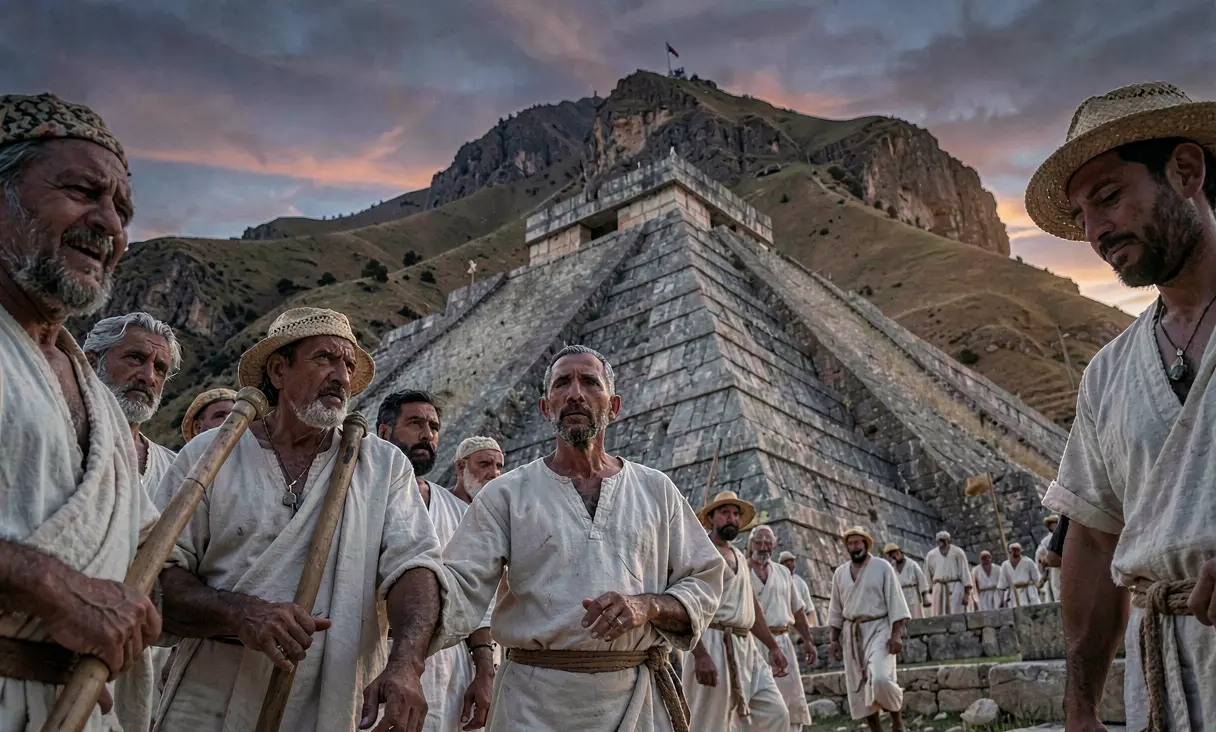
Teotihuacán emerged in the Valley of Mexico during the late Formative period as a unique urban phenomenon, lacking a known royal dynasty or centralized monarchy yet boasting a population exceeding 100,000 by its zenith. The city's layout was strictly orthogonal, oriented approximately 15 degrees east of north to align with celestial events and the surrounding topography. At the northern terminus of the monumental Avenue of the Dead stood the site destined to become the Pyramid of the Moon. Unlike the later Aztec capital Tenochtitlan, Teotihuacán's planners did not build upon existing sacred geography but rather reshaped the landscape itself, leveling the natural terrain to create a vast ceremonial plaza that framed the pyramid against the backdrop of Cerro Gordo, a mountain revered as the city's protective deity and source of water.
The Initial Construction Phase
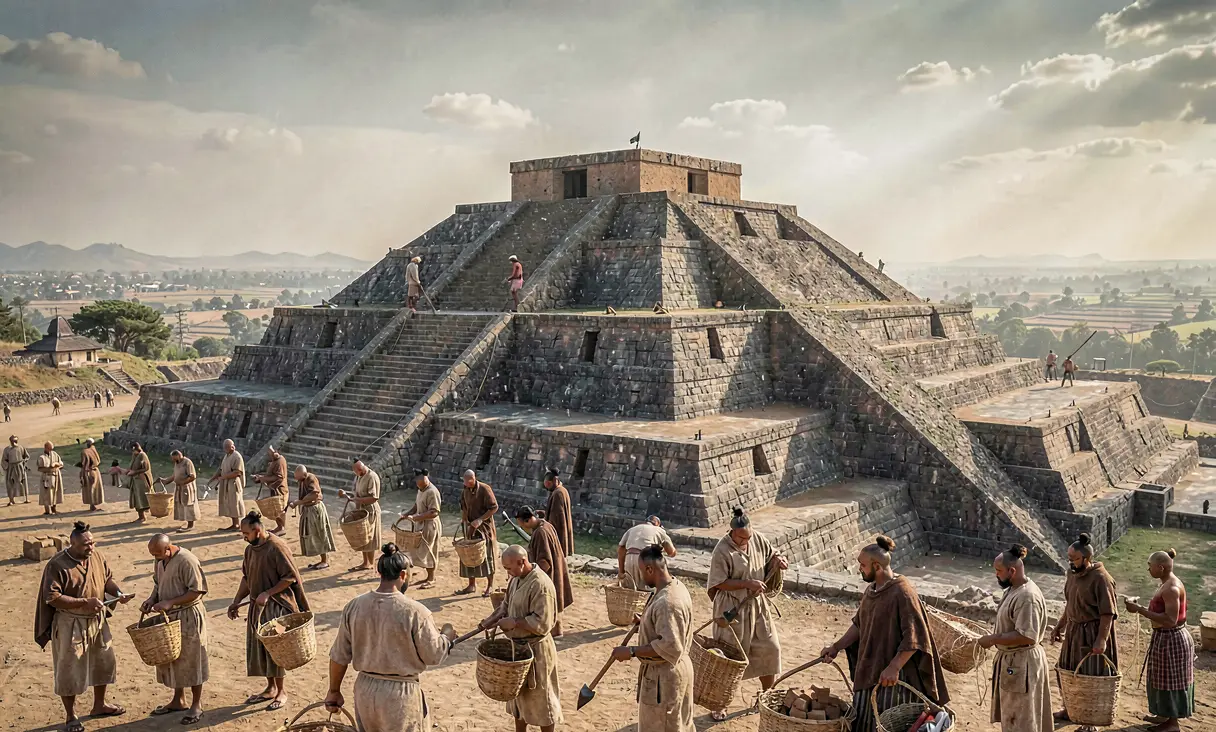
Around 1 CE, the first iteration of the Pyramid of the Moon was erected, marking a pivotal moment in the consolidation of Teotihuacán's power. This initial structure was modest compared to its final form but established the sacred axis that would define the city's northern boundary. Built using the traditional Mesoamerican method of filling stone rubble with earth and adobe between retaining walls, the pyramid rose as a stepped platform dedicated to the Great Goddess, the enigmatic deity associated with water, fertility, and creation. Archaeological evidence suggests that this early phase was part of a broader urban expansion program that transformed Teotihuacán from a regional center into a cosmopolitan metropolis, necessitating massive labor mobilization and sophisticated engineering.
Expansion and Ritual Enshrinement
Over the subsequent centuries, particularly during the Tlamimilolpa (c. 200–450 CE) and Xolalpan (c. 450–650 CE) phases, the pyramid underwent at least seven major construction episodes, each entombing the previous structure beneath a new, larger layer of fill. This architectural accretion was not merely functional but deeply ritualistic; each expansion was accompanied by elaborate dedicatory offerings buried within the core or beneath the foundation. Excavations led by archaeologists such as Saburo Sugiyama have revealed that these offerings included the remains of sacrificial victims—predominantly warriors, some bound and others decapitated—along with jaguars, eagles, and wolves. These interments were likely timed to coincide with significant calendrical cycles or the ascension of new political eras, serving as a spiritual reinforcement of the state's authority.
The Great Goddess and State Ideology
While no written records from Teotihuacán survive to name specific rulers, the iconography of the Pyramid of the Moon points to a theocratic governance structure centered on the cult of the Great Goddess. Murals discovered in nearby residential compounds depict this deity as a figure with feline attributes and water symbolism, often flanked by spiders or owls, suggesting her dominion over both the underworld and agricultural fertility. The pyramid served as the physical manifestation of her presence, acting as a focal point for state rituals that legitimized the city's control over trade routes and agricultural production. The alignment of the structure with Cerro Gordo reinforced the belief that the mountain was the source of life-giving water, making the pyramid a vital interface between the human realm and the divine forces governing the natural world.
Legacy and Architectural Endurance
By its final expansion in the 5th or 6th century CE, the Pyramid of the Moon reached dimensions comparable to the Great Pyramid of Giza in volume, though with a different stepped profile. It remained the second-largest structure in Teotihuacán after the Pyramid of the Sun, dominating the northern skyline until the city's abrupt decline around 750 CE. The site was never fully abandoned; later cultures, including the Aztecs who arrived centuries later, revered the ruins as the birthplace of the gods and incorporated them into their own mythology. Modern archaeological conservation has preserved the structure, allowing visitors to ascend its steps and witness the deliberate planning that integrated architecture, astronomy, and theology into a singular urban vision.
Completes the monumental axis of Teotihuacán and serves as a major center for lunar worship and sacrifice.
Where it happened
Teotihuacán, Mexico — see it on the interactive map →
Explore related history
 CivilizationRise of the Etruscan League in Central Italyc. 750 BCE · Tarquinia (Cerveteri), ItalyEtruscan city-states form a powerful confederation dominating central Italy and influencing Rome.
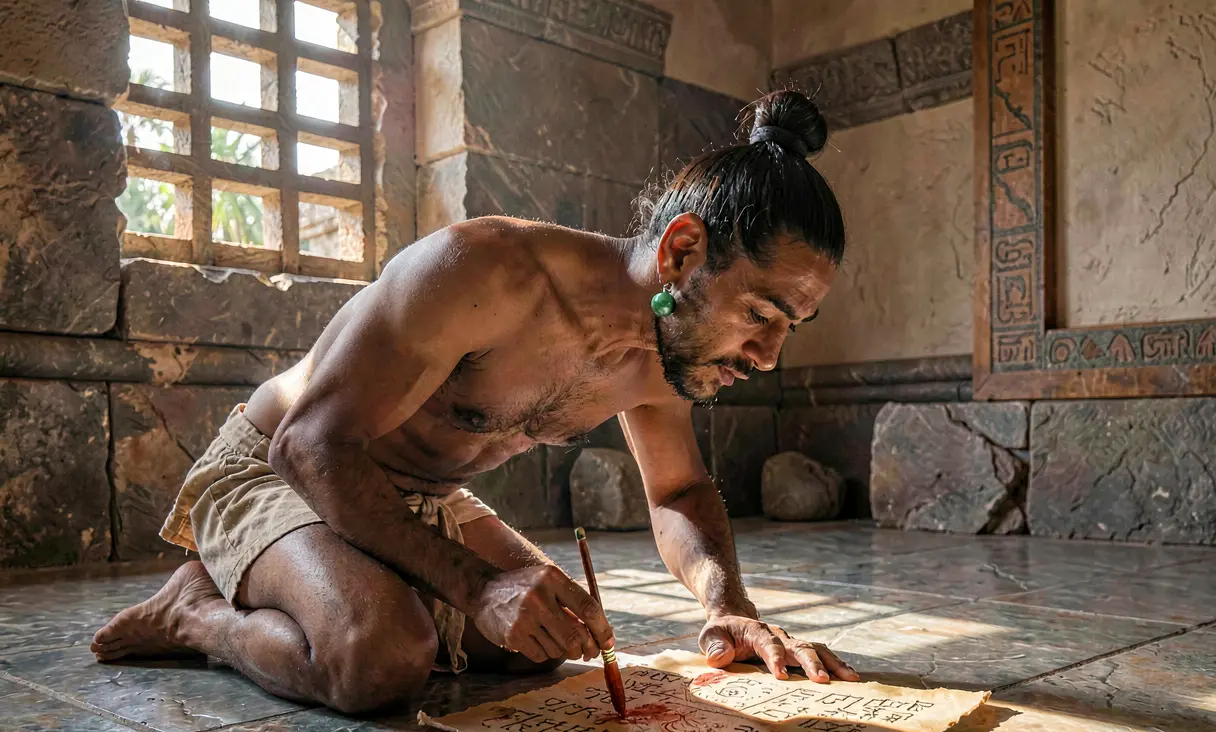 CivilizationCodices and Writing System of the Mayac. 200 BCE · El Mirador, GuatemalaThe Maya develop a complex logosyllabic writing system and astronomical calendars during the Preclassic period.
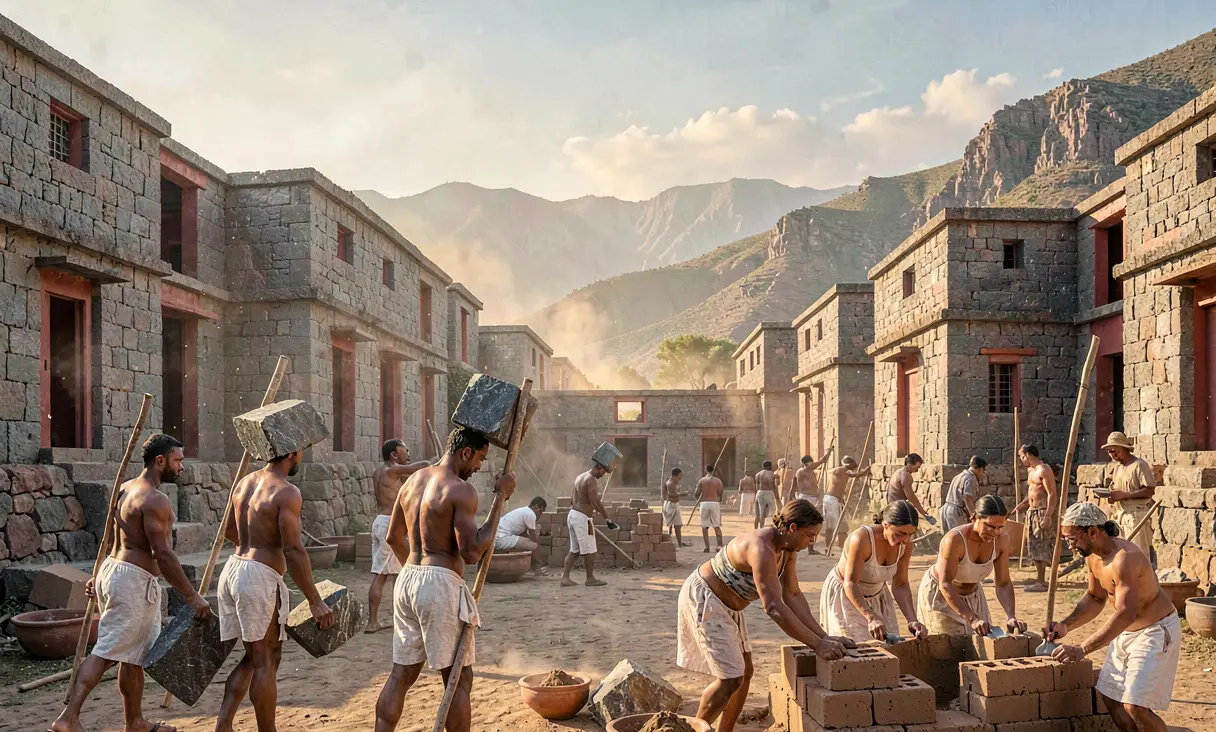 CivilizationConstruction of Teotihuacán Apartment Compoundsc. 100 BCE · Teotihuacán, MexicoMassive apartment complexes are built to house the growing urban population.
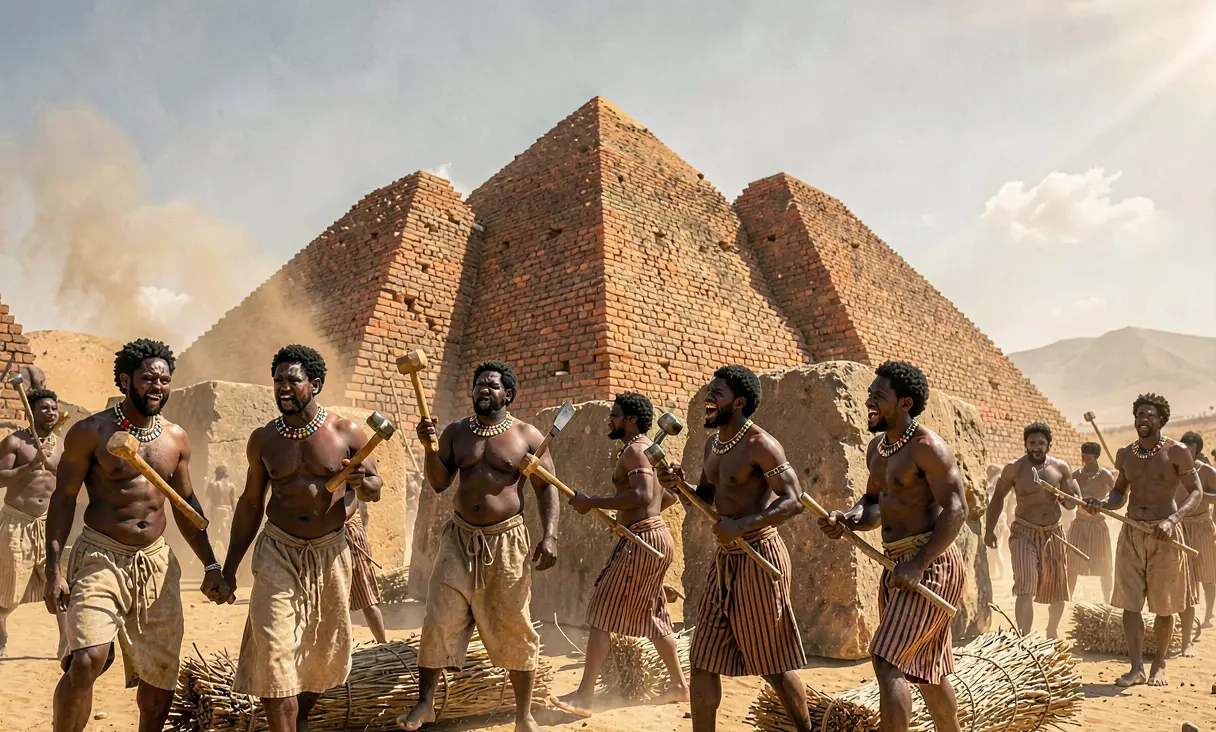 ArtPeak of Pyramid Construction in Meroec. 200 BCE · Meroe, SudanThe Kingdom of Kush reaches its architectural zenith with the construction of steep pyramids at Meroe.
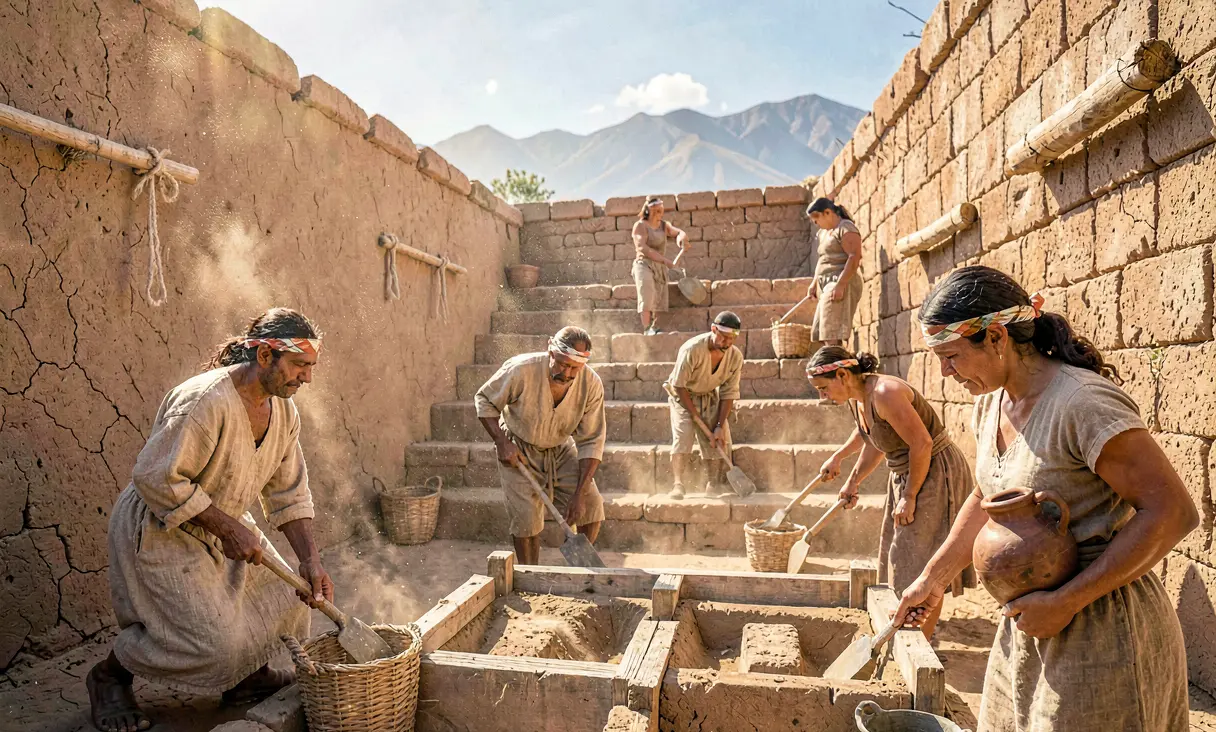 PoliticsConstruction of Royal Tombs at Sipán (Huaca Rajada)c. 200 CE · Sipán, PeruThe Huaca Rajada complex is built to house the elite of the Moche civilization.
 WarBattle of Red Cliffs208 CE · Red Cliffs, Yangtze River, ChinaAlliance of Sun Quan and Liu Bei defeats Cao Cao's massive naval fleet using fire ships.
Discussion
Loading…