
Composition of the Rigveda
Between 1500 and 1200 BCE, Indo-Aryan seers composed the Rigveda in Punjab, creating the world's oldest surviving Indo-European text through an unbroken oral tradition that defined Hindu theology and
Context of the Early Vedic Period
Following the migration of Indo-Aryan peoples into the northwestern Indian subcontinent around 1500 BCE, a distinct cultural synthesis emerged in the Sapta Sindhu region, encompassing modern-day Punjab and parts of Haryana. This era was characterized by a semi-nomadic pastoral society reliant on cattle herding, where social stratification began to crystallize into varnas. The landscape was dominated by the Indus River system, providing both sustenance and a spiritual geography that would permeate the emerging literature. Unlike the preceding urban Indus Valley Civilization, which left no deciphered written records of its theology, this new culture relied on an oral tradition of immense complexity to preserve its history, rituals, and cosmology.
The Composition of the Rigveda
Between approximately 1500 and 1200 BCE, a succession of seer-poets known as rishis composed the Rigveda Samhita, the oldest extant text in any Indo-European language. The corpus consists of 1,028 hymns (suktas) organized into ten books (mandalas), containing over 10,600 verses. These compositions were not created in a single moment but evolved over centuries, with the inner books (Mandalas 2–7) generally considered the oldest, attributed to specific familial lineages such as the Bharatas and Purus. The hymns are metrically precise, employing complex poetic structures like the Gayatri and Tristubh meters, designed specifically for mnemonic retention rather than immediate written transcription.
The Rishis and Their Divine Visions
The text attributes its verses to specific visionary figures who claimed to have 'heard' the eternal truths (shruti) rather than invented them. Prominent among these are Vishvamitra, credited with composing much of Mandala 3; Vasistha, associated with Mandala 7; and Atri, linked to Mandala 5. These rishis functioned as both priests and poets, mediating between the human and divine realms through the medium of sound (shabda). Their work reflects a society deeply concerned with the maintenance of cosmic order, or Rta, which governed the movement of stars, the rising of the sun, and the moral conduct of humanity. The relationship was transactional yet profound; humans offered soma and fire sacrifices to sustain the gods, who in turn ensured rain, cattle, and victory over enemies.
The Oral Transmission Mechanism
Perhaps the most remarkable aspect of this event is not merely the composition but the method of preservation. For more than a millennium, the Rigveda was transmitted orally with a fidelity that rivals modern digital storage. A sophisticated system of recitation techniques (pathas), including the Samhita patha and the Pada patha, ensured that every phoneme, accent, and pause remained unaltered across generations. This oral technology allowed the text to survive without a written script until roughly the early centuries CE. The precision was such that even the grammatical structure of the Sanskrit language itself became fossilized within these hymns, preserving linguistic forms from a time long before they were spoken in daily life.
Theological and Social Reflections
The Rigveda offers an invaluable window into the psyche of early Indo-Aryan society. The pantheon is dominated by Indra, the thunder-wielding warrior god who slays the drought-demon Vritra, reflecting a culture engaged in territorial expansion and conflict. Agni, the fire deity, serves as the messenger between humans and gods, while Varuna upholds the cosmic law. Yet, philosophical inquiry was already present; hymns like the Nasadiya Sukta (Hymn of Creation) express profound skepticism about the origins of the universe, questioning whether even the gods knew how creation began. Socially, the text documents the transition from tribal chieftaincies to more structured kingdoms, with references to battles between the Aryas and Dasyus, though it also hints at a fluid social mobility before the rigid caste system fully hardened.
Legacy and Historical Significance
The composition of the Rigveda marks the genesis of Hinduism and one of the most influential literary traditions in human history. It established the Sanskrit language as a vehicle for high culture and philosophy, influencing everything from grammar to metaphysics across Asia. As a historical source, it provides the only contemporary record of the early Vedic period, allowing historians to reconstruct the migration patterns, social structures, and religious evolution of South Asia. Its impact extends beyond religion; the philosophical concepts of Rta and Dharma laid the groundwork for Indian ethics, while its poetic forms inspired millennia of literature. The text remains a living tradition, recited daily in temples and homes, bridging a gap of over three thousand years.
The composition of the Rigveda established the foundational texts of Hinduism and preserved the earliest Indo-Aryan language in South Asia.


Where it happened
Punjab Region (modern Pakistan/India) — see it on the interactive map →
Explore related history
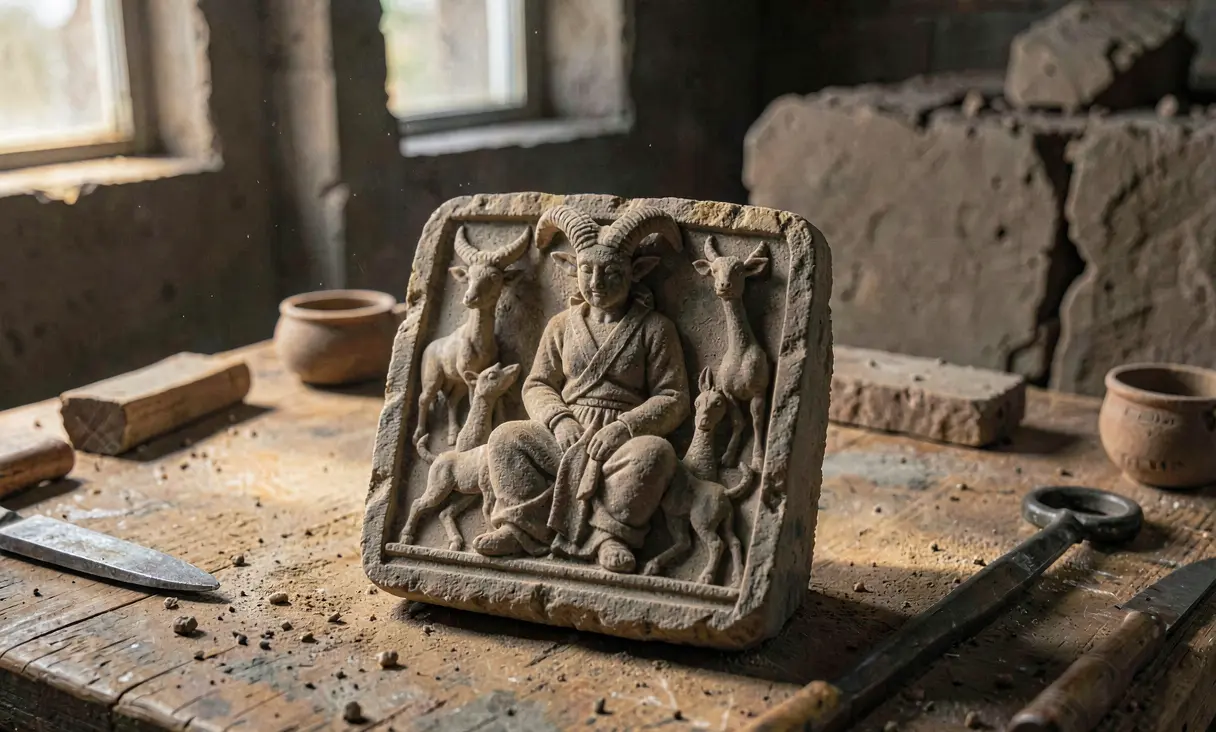 ReligionDiscovery of the Pashupati Sealc. 2500 BCE · Mohenjo-daro, Indus Valley (modern Pakistan)The Pashupati seal is carved, depicting a seated figure surrounded by animals, likely an early prototype of the Hindu god Shiva.
 ReligionRise of the Birdman Cult on Rapa Nuic. 1600 CE · Orongo, Rapa NuiThe Birdman cult replaces moai worship as the central religious and political institution on Rapa Nui.
 ReligionAskia Muhammad's Pilgrimage to Meccac. 1497 CE · Mecca (via Gao)Askia Muhammad undertakes a lavish pilgrimage to Mecca, strengthening ties with the Islamic world.
 ReligionZoroaster Preaches Dualistic Monotheismc. 1200 BCE · Greater Khorasan, Iran/Afghanistan border regionThe prophet Zoroaster establishes a dualistic faith emphasizing the cosmic struggle between good and evil in ancient Persia.
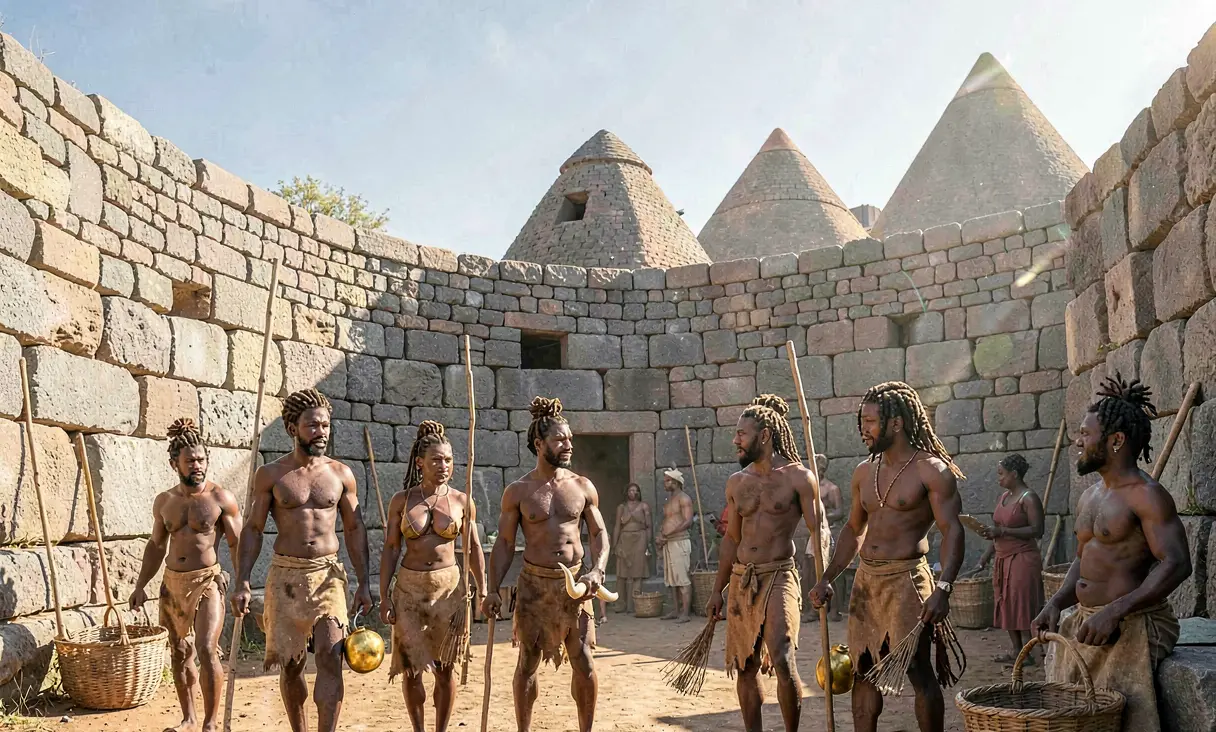 CivilizationConstruction and Peak of Great Zimbabwec. 1200 CE · Great Zimbabwe, ZimbabweThe Great Zimbabwe complex reaches its zenith as a major trading hub connecting the interior to the Swahili coast.
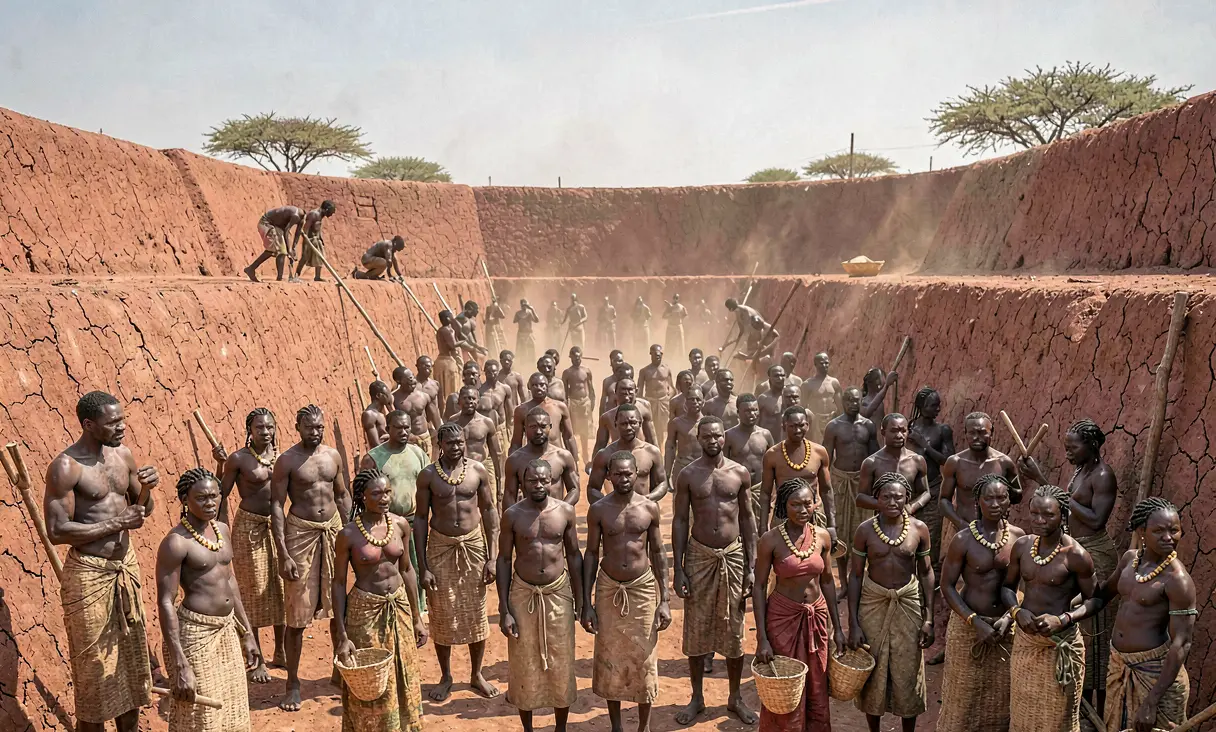 TechnologyConstruction of the Benin Walls Beginsc. 1200 CE · Benin City, NigeriaMassive earthwork fortifications begin to encircle Benin City, creating one of the world's largest pre-modern structures.
Discussion
Loading…