Industrialization of Sericulture in Ancient China
Ancient China's mastery of sericulture created a millennia-long global monopoly that fueled the Silk Road and defined early international trade dynamics.
The Myth and the Mud
Traditional Chinese historiography attributes the discovery of sericulture to Empress Leizu, consort of the Yellow Emperor (Huangdi), around 2697 BCE. Legend recounts that while sipping tea beneath a mulberry tree in her palace gardens, she observed a silkworm cocoon unraveling into a single, shimmering thread, sparking the invention of silk weaving. While this narrative serves as a foundational cultural mythos, it obscures the gradual, empirical evolution of the technology. Archaeological reality suggests that sericulture was not a singular eureka moment but a sophisticated biological and mechanical process refined over centuries by Neolithic communities in the Yellow River valley.
Archaeological Verification
Contrary to the legendary timeline, physical evidence places advanced silk production significantly earlier. Excavations at sites associated with the Yangshao culture and later the Qijia culture in Shaanxi Province have yielded carbonized silk fragments dating back to approximately 3000 BCE. These findings include not just raw fibers but also spindle whorls, loom parts, and tools specifically designed for reeling. The preservation of these organic materials in waterlogged or sealed contexts reveals a level of technological maturity that implies sericulture was already an established, specialized industry by the late Neolithic period, predating the supposed era of Leizu.
The Mechanics of Reeling
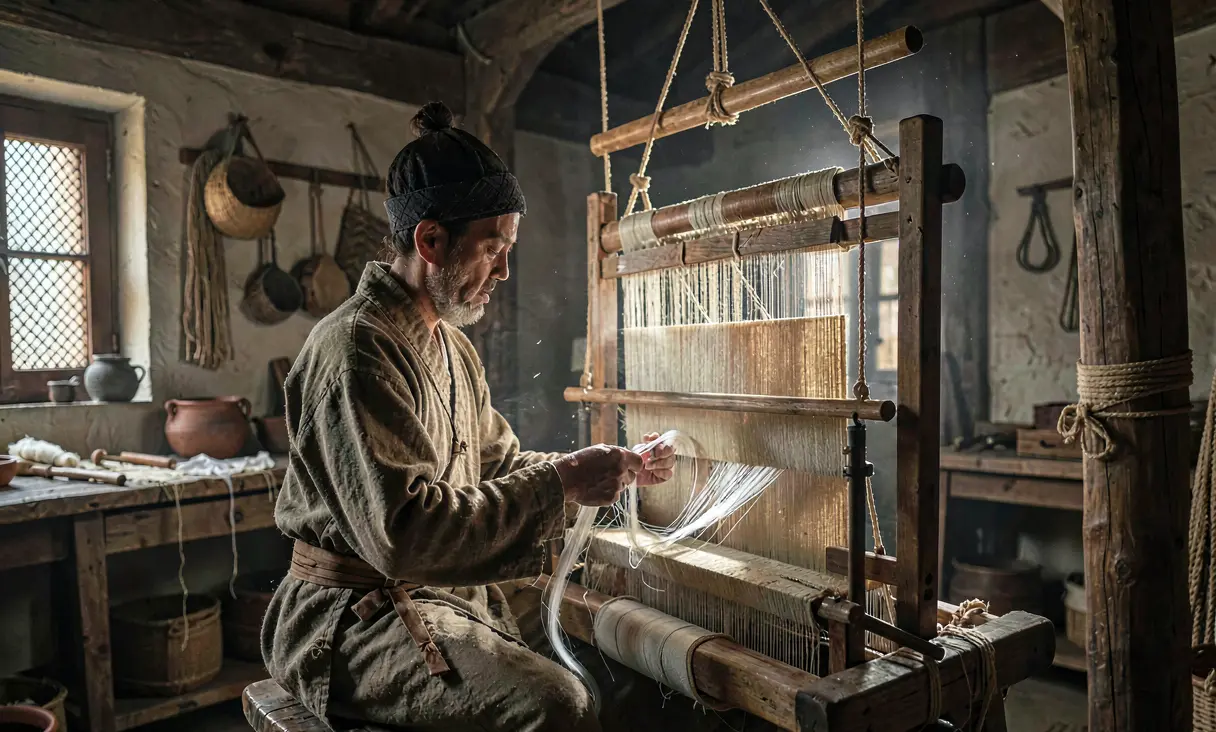
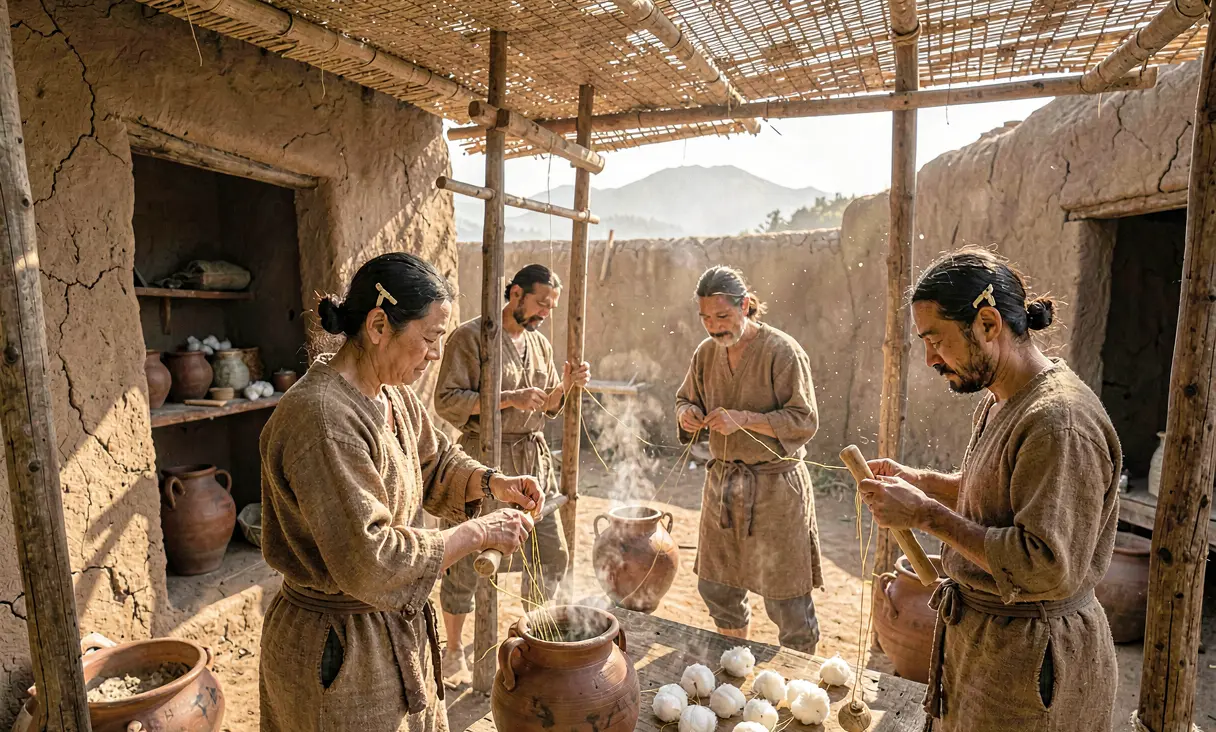
The industrialization of silk required mastering the biology of the domesticated silkworm, *Bombyx mori*, and developing precise thermal engineering. The process began with the careful selection of cocoons, which were then boiled in controlled temperatures to dissolve the sericin gum binding the filament without damaging the protein fiber. This step demanded exacting temperature regulation; too hot, and the thread snapped; too cool, and the filament could not be unwound. Once loosened, artisans used fine bamboo needles to locate the end of the continuous filament, which could extend up to 900 meters per cocoon, and reeled it onto a spinning wheel or reel. This technique required immense dexterity, often involving multiple workers coordinating their movements to combine several filaments into a single, strong thread.
From Cottage Craft to State Industry
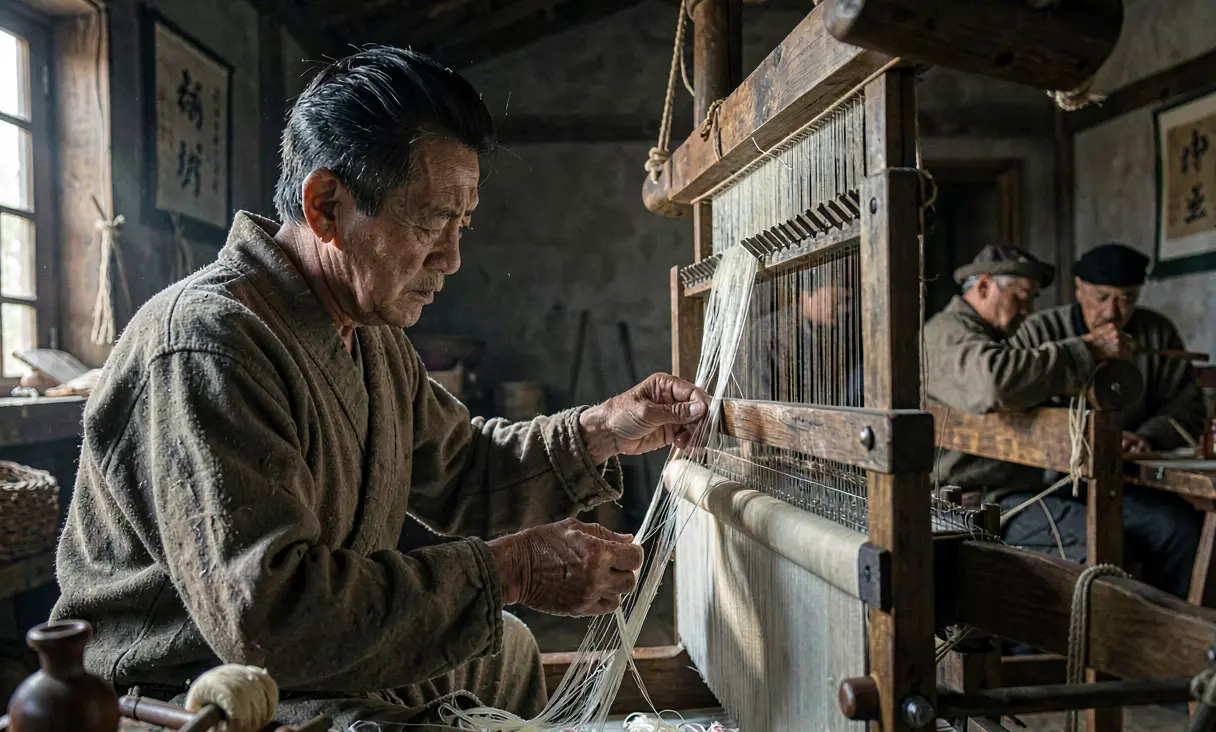
By the time of the Shang and Zhou dynasties, sericulture had transcended household production to become a pillar of the state economy. The government established strict regulations regarding mulberry cultivation and silk weaving, integrating these industries into the tax system where silk served as a form of currency alongside grain and bronze. In Shaanxi and surrounding regions, specialized workshops emerged, employing distinct divisions of labor for reeling, spinning, dyeing, and weaving. This specialization allowed for the mass production of high-quality textiles that were far superior to wool or linen in terms of tensile strength and luster, creating a luxury good that defined Chinese material culture.
The Secret of the Middle Kingdom
For over two millennia, China maintained an ironclad monopoly on sericulture. The export of raw silk was permitted to some extent, but the breeding of silkworms and the cultivation of mulberry trees were strictly prohibited from leaving Chinese borders under penalty of death. This secrecy transformed silk into a geopolitical asset, driving the formation of complex trade networks that would eventually become the Silk Road. Foreign powers, including the Romans, coveted the fabric so intensely that gold flowed westward in exchange for bolts of Chinese silk, creating a significant trade imbalance that only ended when Byzantine spies smuggled silkworm eggs out of China around 550 CE.
Enduring Legacy
The industrialization of sericulture fundamentally altered the trajectory of human history. It facilitated the first true global exchange network, connecting East Asia with Central Asia, India, and Europe long before the age of maritime exploration. The wealth generated from silk trade funded empires, built cities, and fostered cultural diffusion along the trade routes. Furthermore, the technological sophistication required to produce silk—spanning biology, thermodynamics, and mechanical engineering—stands as a testament to early Chinese innovation. Today, while synthetic fibers have largely replaced natural silk in mass markets, the historical significance of this industry remains unmatched as the catalyst for one of the most transformative economic systems of the ancient world.
Silk production revolutionized textile manufacturing and became a primary driver of ancient global trade and economic diplomacy.
Where it happened
Shaanxi Province, China — see it on the interactive map →
Explore related history
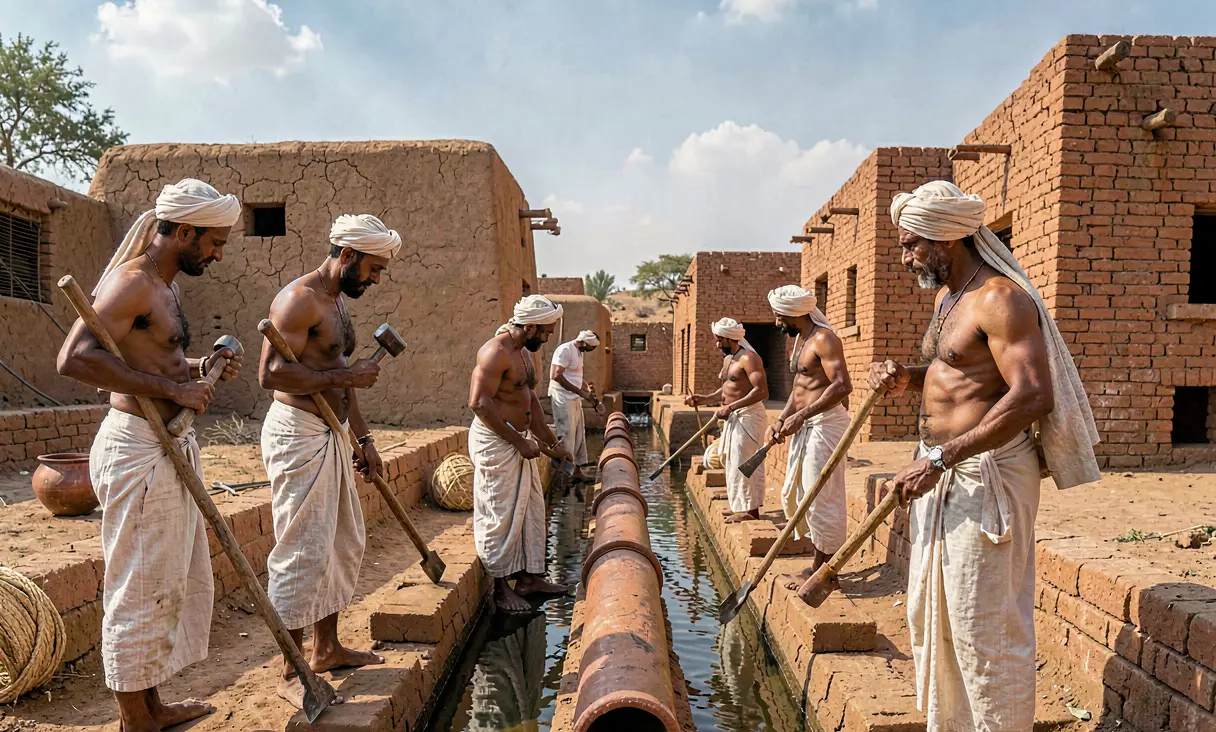 TechnologyAdvanced Irrigation Systems of the Indus Valley Civilizationc. 2600 BCE · Harappa, PakistanEngineers construct sophisticated canal networks and water reservoirs for urban agriculture.
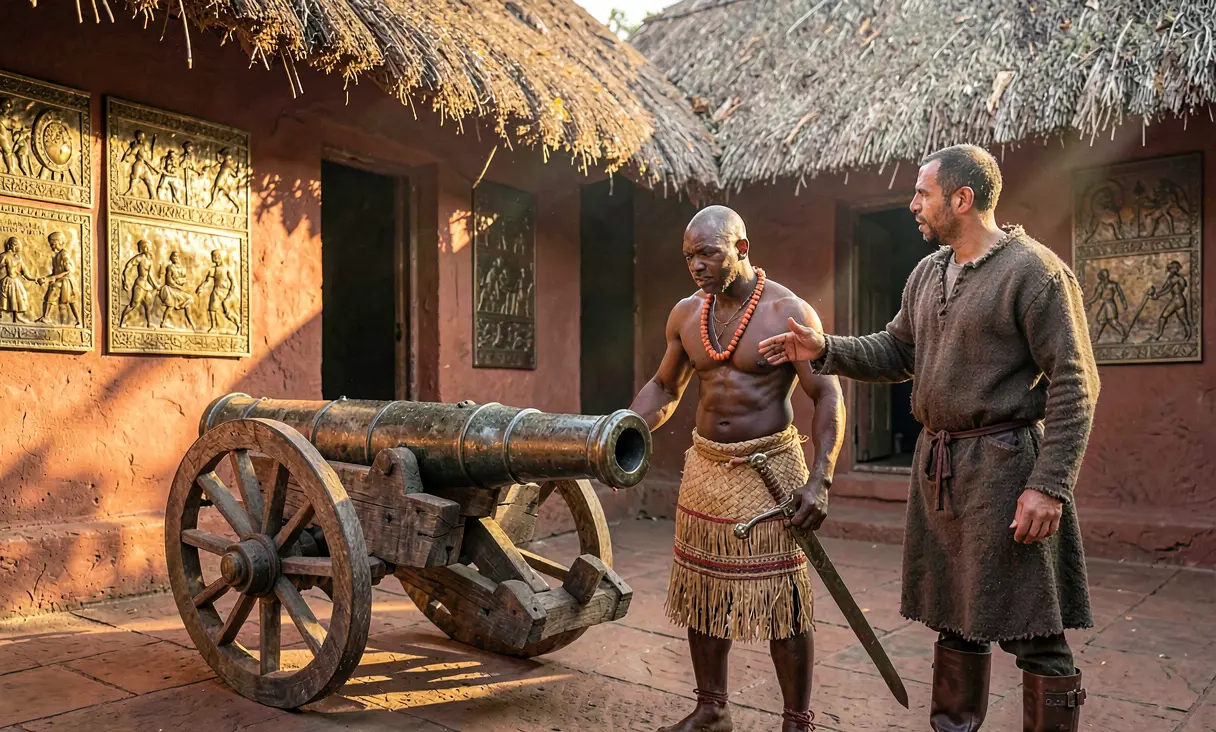 TechnologyBenin Acquires Cannon Technology from Portugalc. 1500 CE · Benin City, NigeriaThe Kingdom of Benin integrates Portuguese cannon technology into its military arsenals.
 TechnologyCompletion of the Qhapaq Ñan Road Networkc. 1500 CE · Andes Mountains (Various), Peru/ChileThe Inca finalize the vast road system connecting their empire.
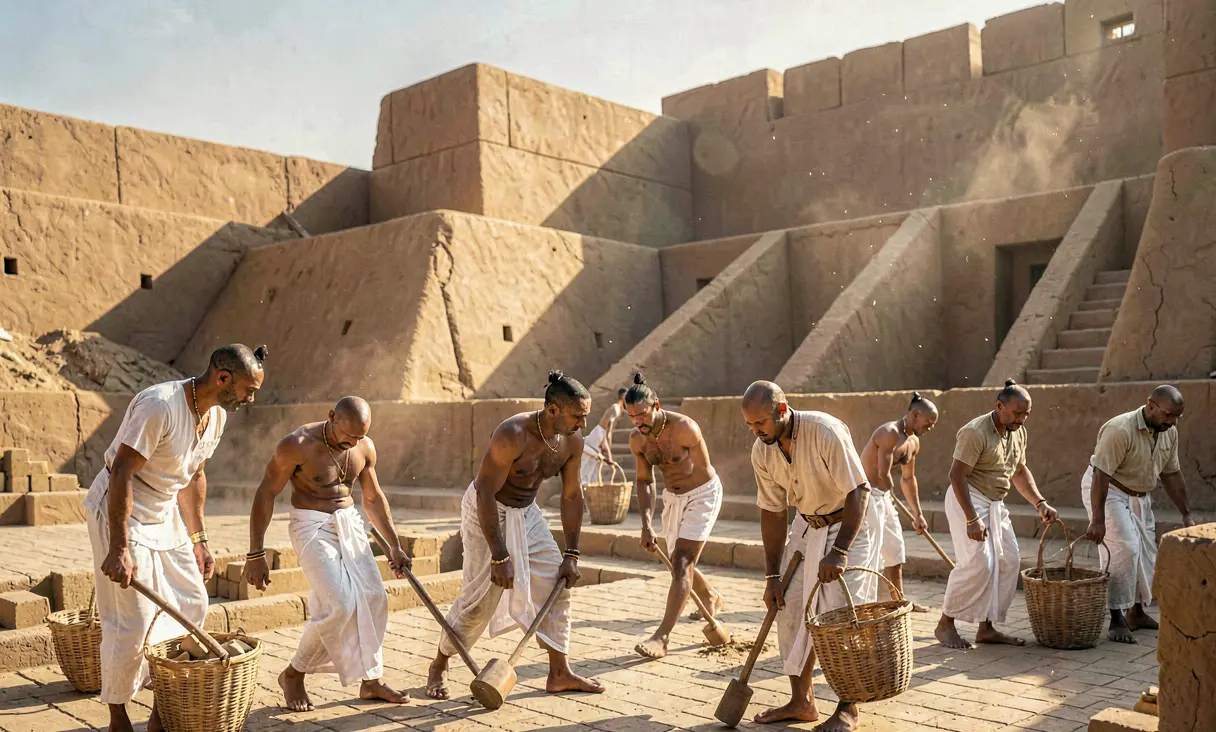 CivilizationUrban Planning of Mohenjo-daroc. 2600 BCE · Mohenjo-daro, PakistanThe Indus Valley Civilization constructs Mohenjo-daro with advanced grid systems and the world's first known urban sanitation.
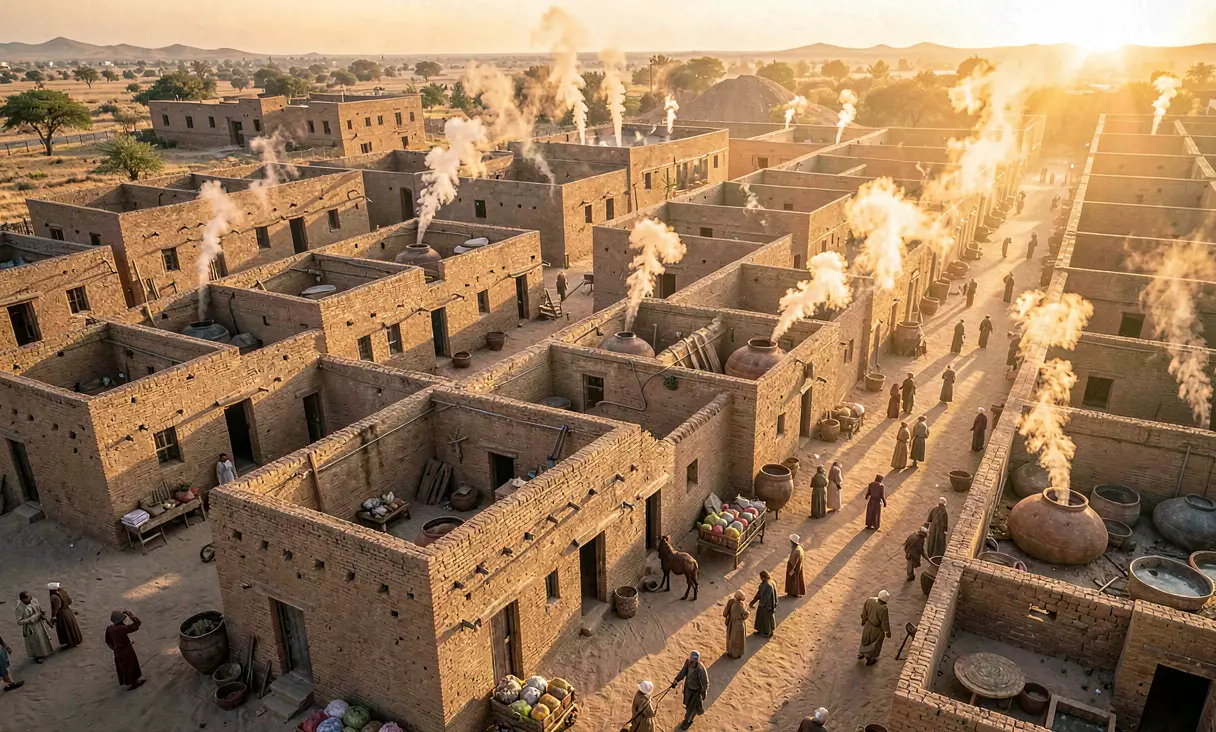 CivilizationUrbanization of Harappa and Mohenjo-daroc. 2600 BCE · Harappa and Mohenjo-daro, Indus Valley (modern Pakistan)The mature Harappan phase begins, establishing the first large-scale urban centers in South Asia with advanced grid planning.
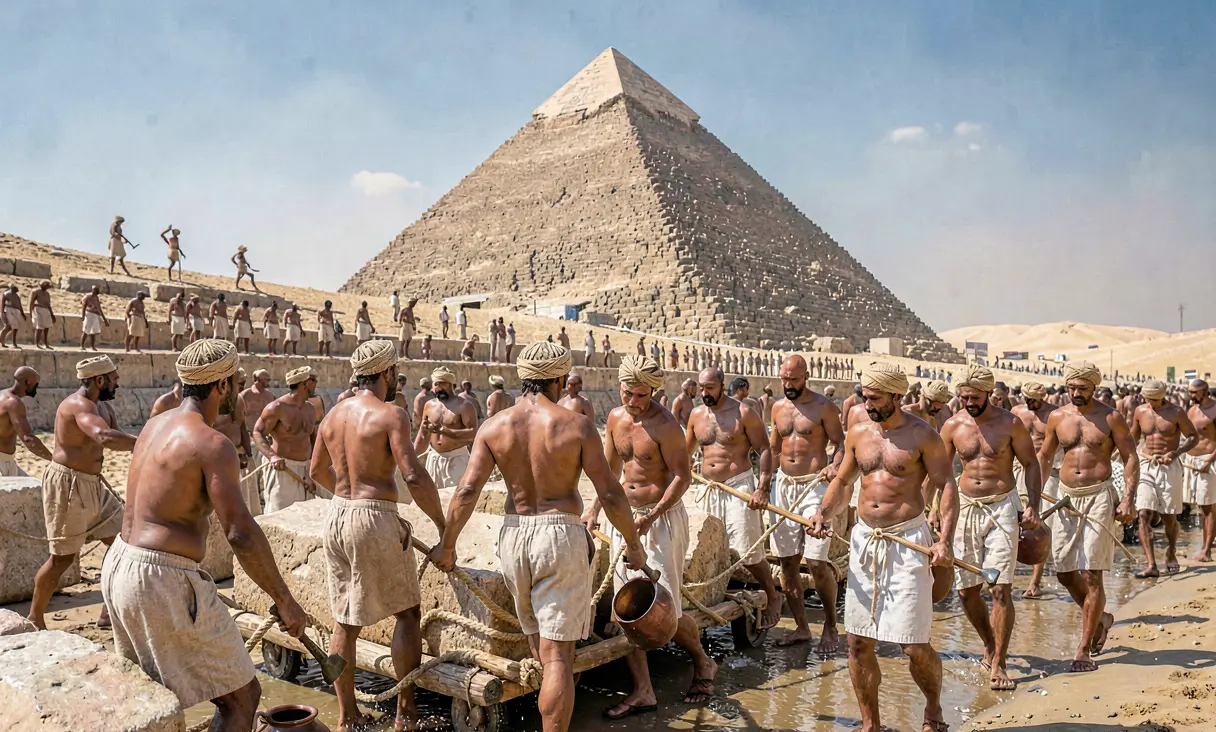 CivilizationGreat Pyramid of Giza Builtc. 2560 BCE · Giza, EgyptPharaoh Khufu commissions the largest ancient monument using millions of limestone blocks and advanced engineering.
Discussion
Loading…