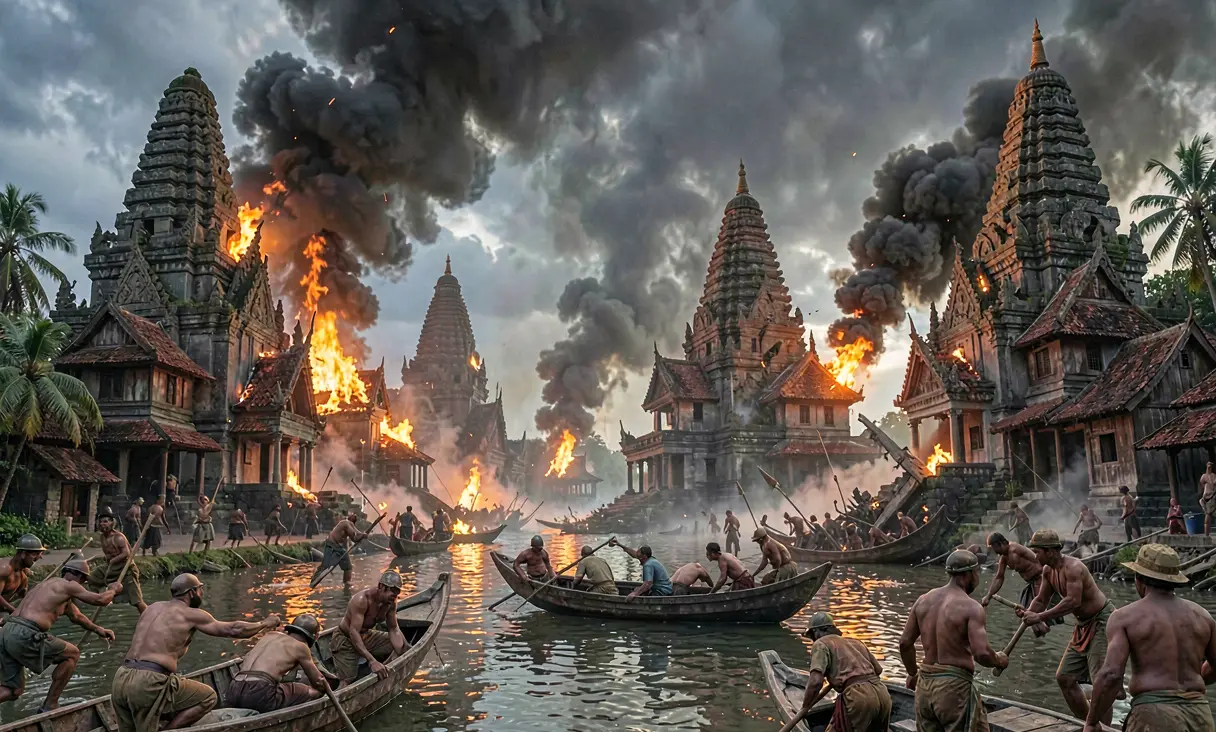
Fall of Ayutthaya to Burma
In April 1767, Burmese forces sacked and razed the ancient capital of Ayutthaya, ending a 400-year-old kingdom and forcing the Siamese to rebuild their nation from the ruins under King Taksin.
Context of the Great Siege
By the mid-18th century, the Ayutthaya Kingdom had ruled central Thailand for over four centuries, serving as a cosmopolitan hub of trade and diplomacy. However, internal decay, factional strife among the nobility, and a complacent military posture left the kingdom vulnerable. Simultaneously, the Konbaung Dynasty in Burma was rising under the ambitious King Alaungpaya, who sought to unify the Burmese territories and expand westward. Although Alaungpaya died in 1760 during an earlier invasion, his successor, King Hsinbyushin, was determined to complete the conquest of Siam. In late 1765, a massive two-pronged Burmese force, numbering approximately 40,000 to 50,000 troops, descended upon Ayutthaya from both the north and the west, initiating what would become one of the most devastating sieges in Southeast Asian history.
The Prolonged Siege
The siege began in earnest in November 1765, with Burmese forces encircling the island city of Ayutthaya. The Siamese defenders, led by King Ekkathat and commanded by his brother Uthumphon (who had briefly abdicated but returned to lead the defense), initially held firm behind massive brick walls and moats that had protected the capital for centuries. However, the Burmese strategy shifted from direct assault to a protracted blockade designed to starve the city into submission. Over thirteen months, the encircling army cut off all supply lines, leading to catastrophic famine within the city walls. As food stocks dwindled, disease and starvation ravaged the population, decimating both civilians and soldiers alike. The Siamese military, weakened by internal disunity and a lack of resources, found themselves unable to break the siege or launch effective counter-offensives.
The Breach and Sack
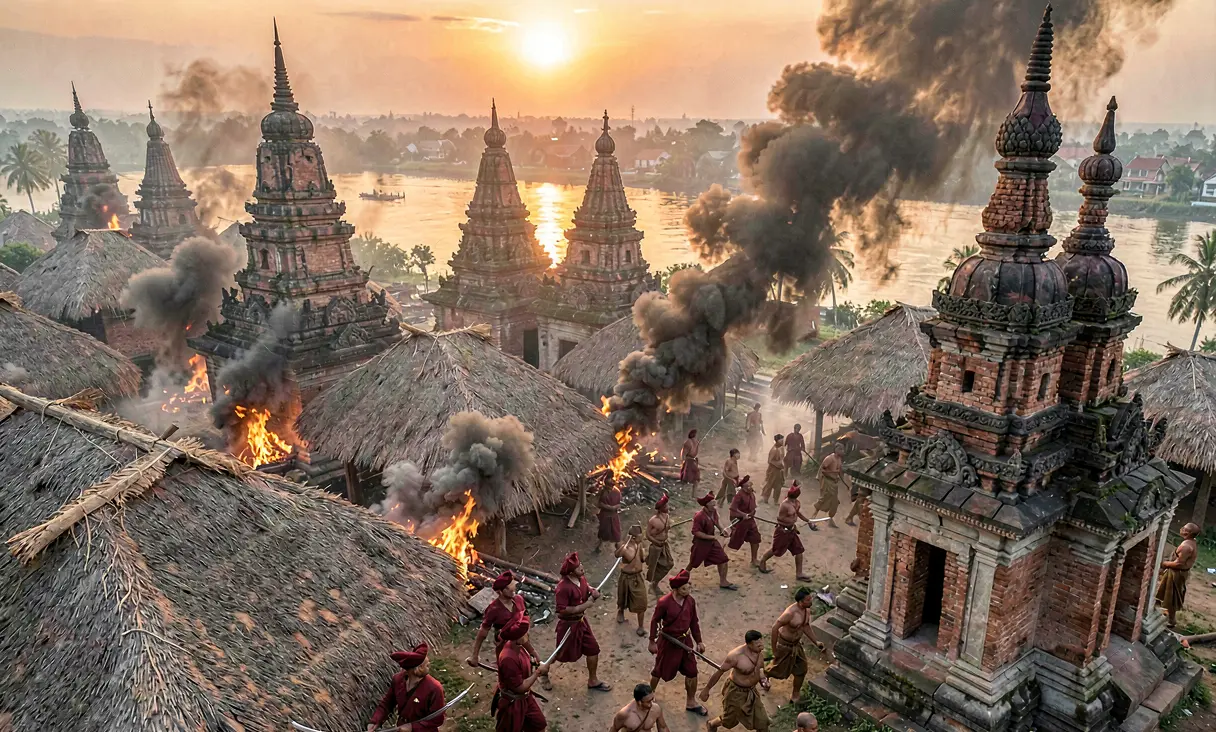
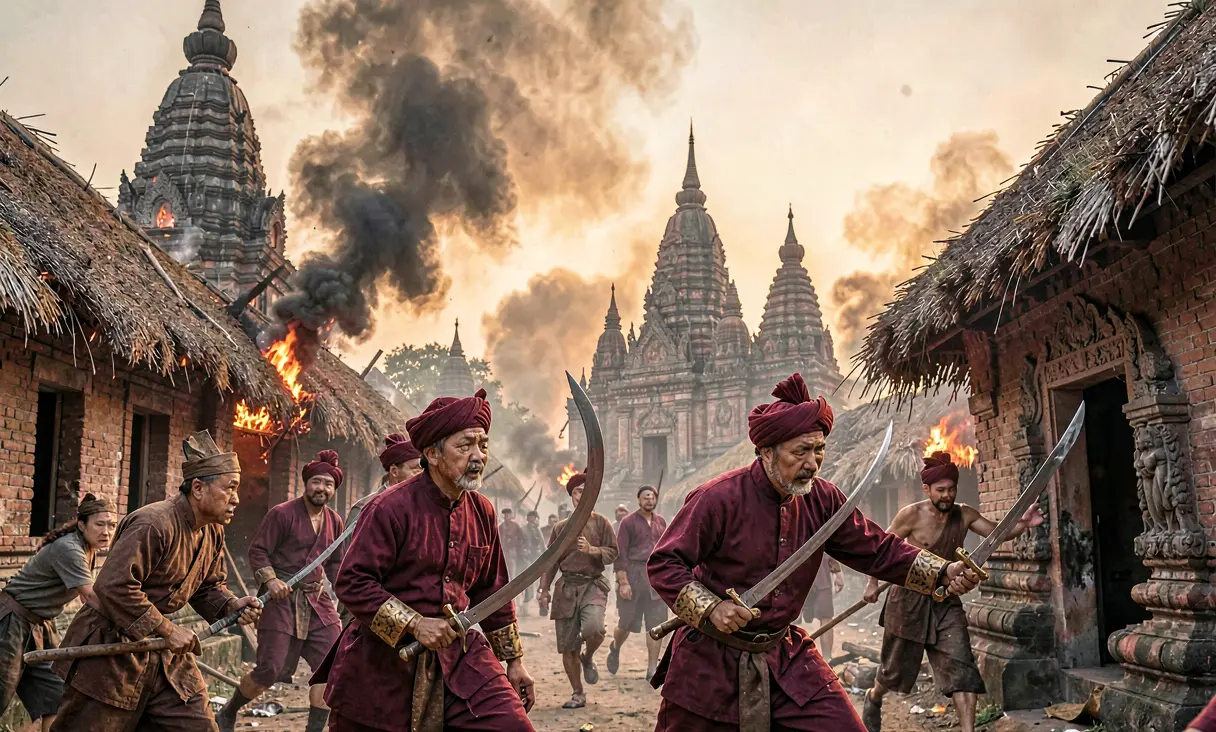
In April 1767, after months of attrition, the Burmese forces launched their final assault. On April 7, 1767, the walls were breached near the Wat Phra Ram temple complex. The city fell into chaos as Burmese troops poured through the gaps, engaging in indiscriminate slaughter and looting. For days, Ayutthaya burned; the conquerors systematically destroyed the city's architectural marvels, including hundreds of Buddhist temples (wats) and royal palaces. Massive libraries containing ancient chronicles, religious texts, and administrative records were consumed by fire, resulting in an irreparable loss of Siamese cultural heritage. The king, Ekkathat, was killed during the flight or capture, though historical accounts vary on the precise circumstances of his death.
The End of a Kingdom
The fall of Ayutthaya marked the definitive end of the 417-year-old kingdom. The city was left in ruins, its population reduced from an estimated 300,000 to a mere fraction of survivors, many of whom were taken as prisoners of war to Burma. The administrative structure of the state collapsed entirely, leaving Siam fragmented into rival warlord territories. In the aftermath, the surviving Siamese leadership recognized that the old capital was indefensible and too devastated to serve as a seat of government. This catastrophic defeat necessitated an immediate relocation of power to facilitate reorganization and defense against future Burmese incursions.
Rise of Taksin and Thonburi
Amidst the chaos, Phraya Tak (later King Taksin), a former governor of Chanthaburi who had escaped the siege with a small force, emerged as the unifying figure. He marched on the ruins, gathered scattered remnants of the Siamese army and populace, and established a new capital at Thonburi, across the Chao Phraya River from modern Bangkok. Taksin's leadership was instrumental in repelling subsequent Burmese attempts to reoccupy the region and in reunifying the fractured Siamese territories within seven years of Ayutthaya's fall. His rapid consolidation of power laid the groundwork for the Thonburi Kingdom, which would eventually evolve into the modern Rattanakosin (Bangkok) era under his successor, Rama I.
Legacy and National Trauma
The destruction of Ayutthaya remains a profound national trauma in Thailand, often cited as a cautionary tale regarding national unity and military preparedness. The event catalyzed a fierce resurgence of Siamese identity, driving the subsequent centuries of consolidation under the Chakri Dynasty to ensure that such a catastrophe would never be repeated. While the physical city was razed, its spiritual and cultural legacy endures; today, the ruins of Ayutthaya stand as a UNESCO World Heritage site, symbolizing both the kingdom's former glory and the resilience of the Thai people in the face of existential threats.
Historical Significance
The fall of Ayutthaya fundamentally altered the geopolitical landscape of mainland Southeast Asia. It ended the dominance of the traditional Siamese power center and shifted the political axis to the Chao Phraya delta, setting the stage for the modern Thai state. The event also marked a turning point in Burmese-Siamese relations, establishing a century-long pattern of conflict that would define regional diplomacy until the colonial era. The loss of Ayutthaya's archives created a historical gap that scholars still struggle to fill, making the reconstruction of this period reliant on foreign accounts and archaeological evidence.
The sack of Ayutthaya ended a golden age of Thai civilization, forcing a relocation of the capital and reshaping the political map of mainland Southeast Asia.
Where it happened
Ayutthaya, Thailand — see it on the interactive map →
Explore related history
 WarAlgerian War of Independence BeginsNovember 1, 1954 · Algiers, AlgeriaThe National Liberation Front launches coordinated attacks marking the start of the Algerian War against France.
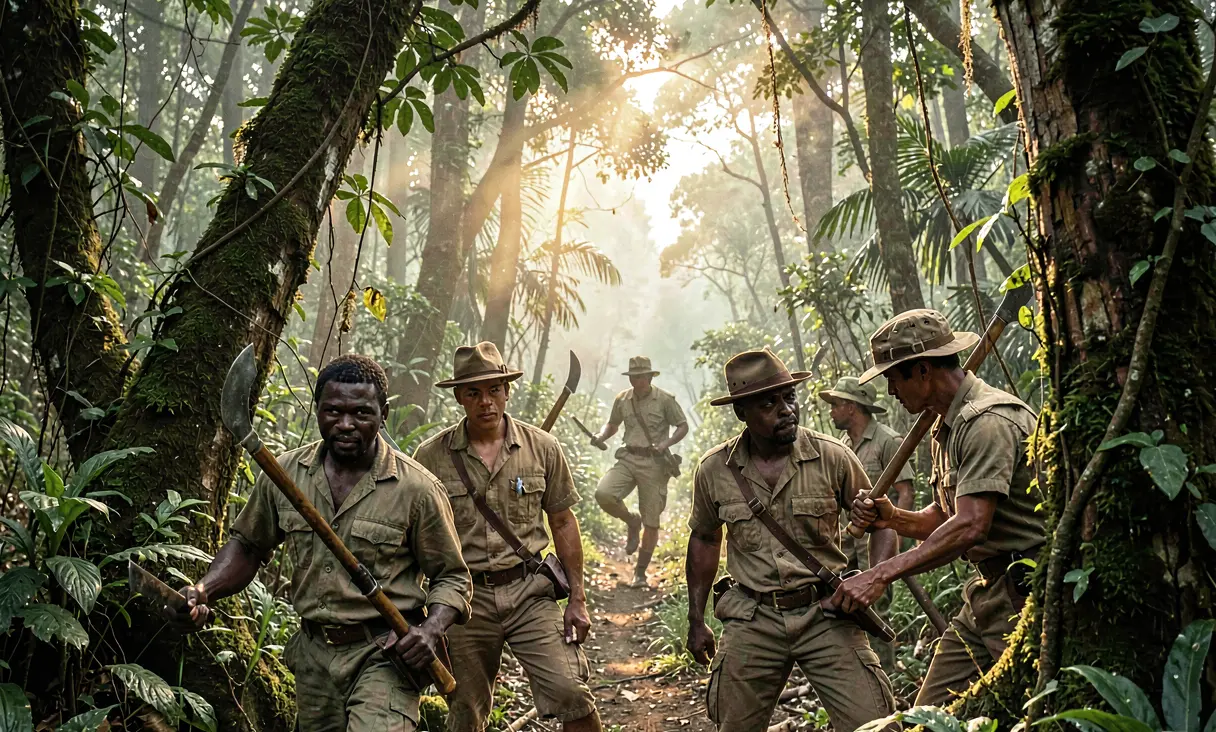 WarMau Mau Uprising Begins in KenyaOctober 20, 1952 · Nairobi, KenyaThe Kikuyu-led Mau Mau rebellion begins against British colonial rule and white settler land ownership.
 WarTurkish War of Independence BeginsMay 19, 1919 · Samsun, TurkeyMustafa Kemal Atatürk lands in Samsun to organize resistance against Allied occupation and the Ottoman Sultanate.
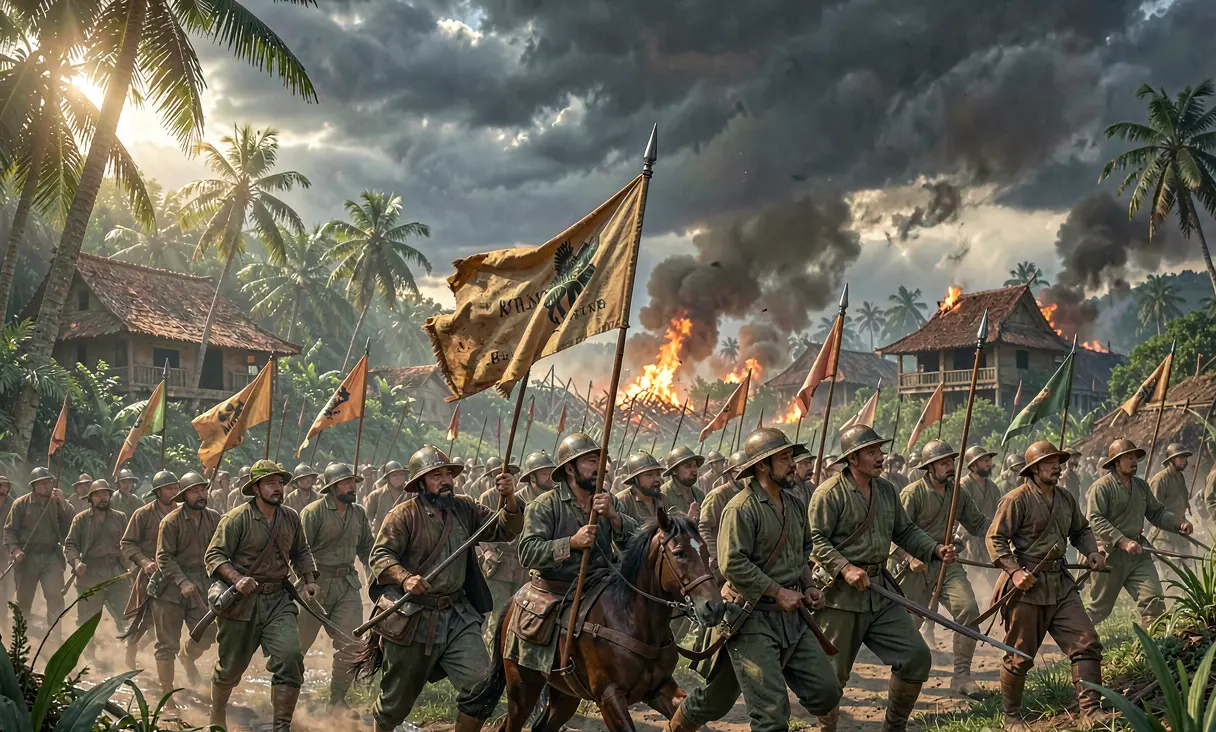 WarTay Son Rebellion Overthrows Le Dynasty1771 CE · Tay Son, VietnamThe Tay Son brothers launch a peasant revolt that overthrows the ruling dynasties.
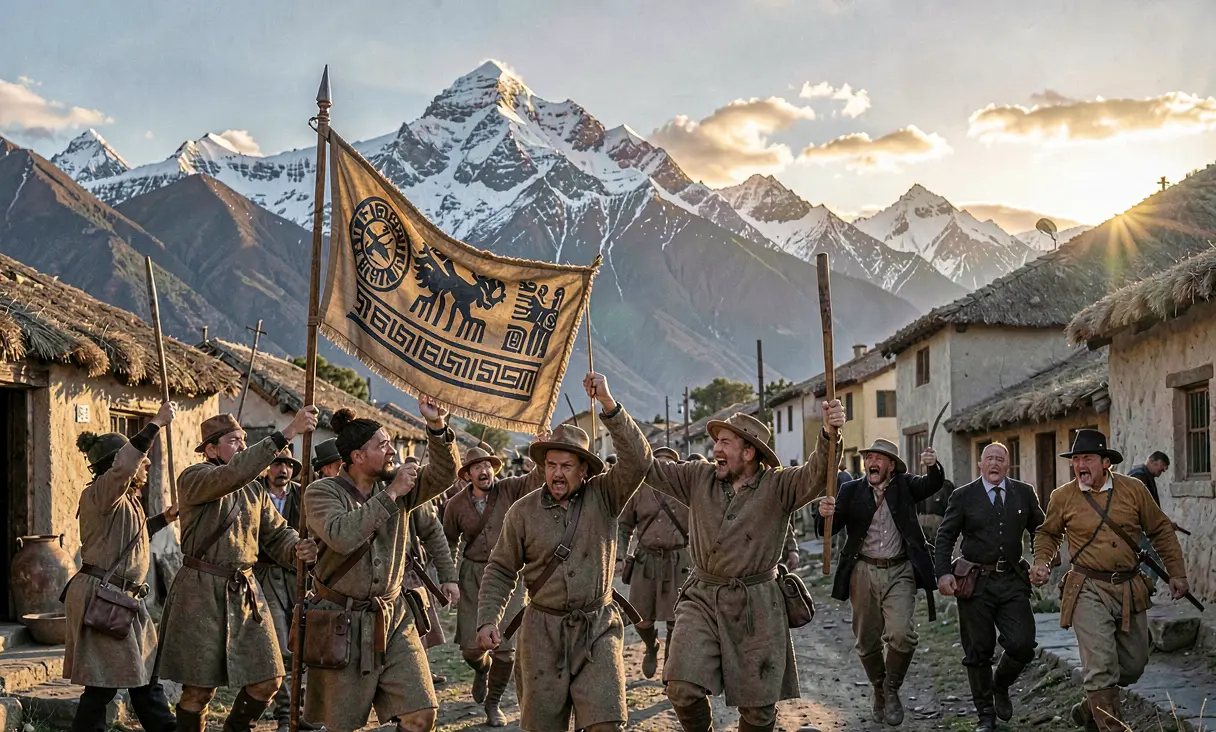 PoliticsTúpac Amaru II Rebellion BeginsNovember 4, 1780 · Tungasuca, Viceroyalty of PeruJosé Gabriel Condorcanqui leads a massive indigenous uprising against Spanish colonial rule in the Andes.
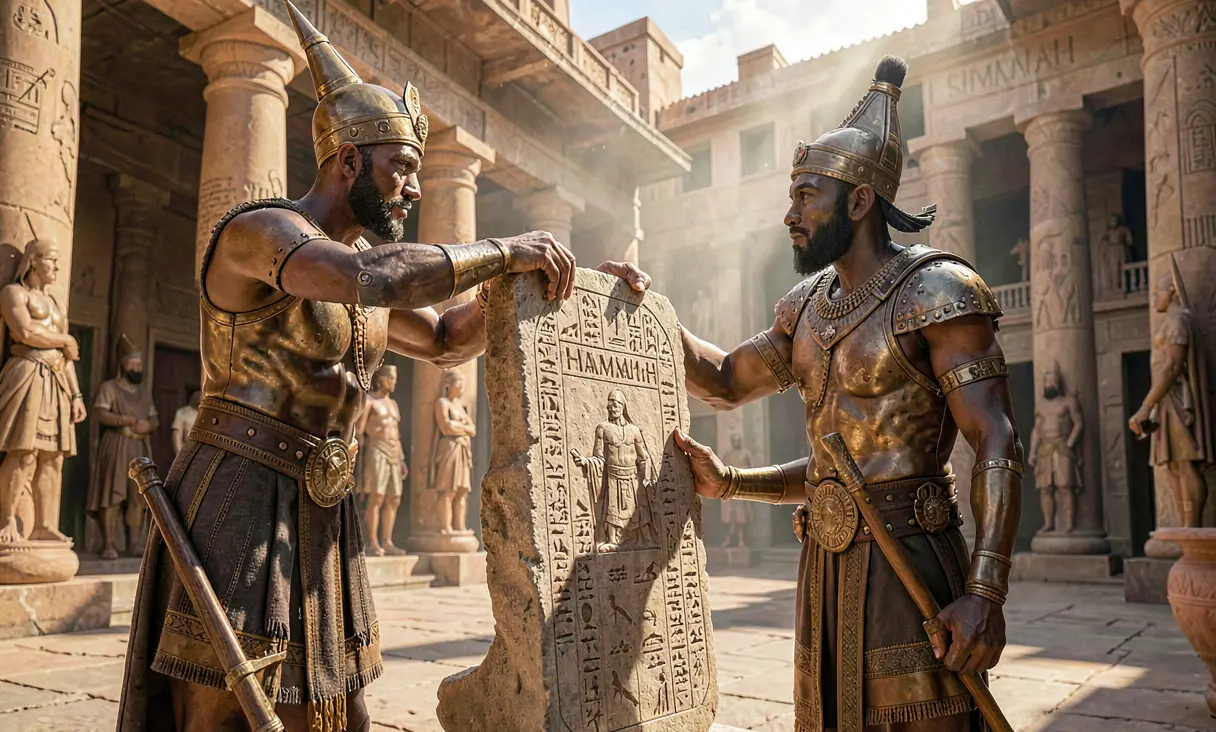 PoliticsCreation of the Code of Hammurabic. 1754 BCE · Babylon, Mesopotamia (Iraq)King Hammurabi compiles a comprehensive legal code on a massive diorite stele.
Discussion
Loading…