Buddha Attains Enlightenment
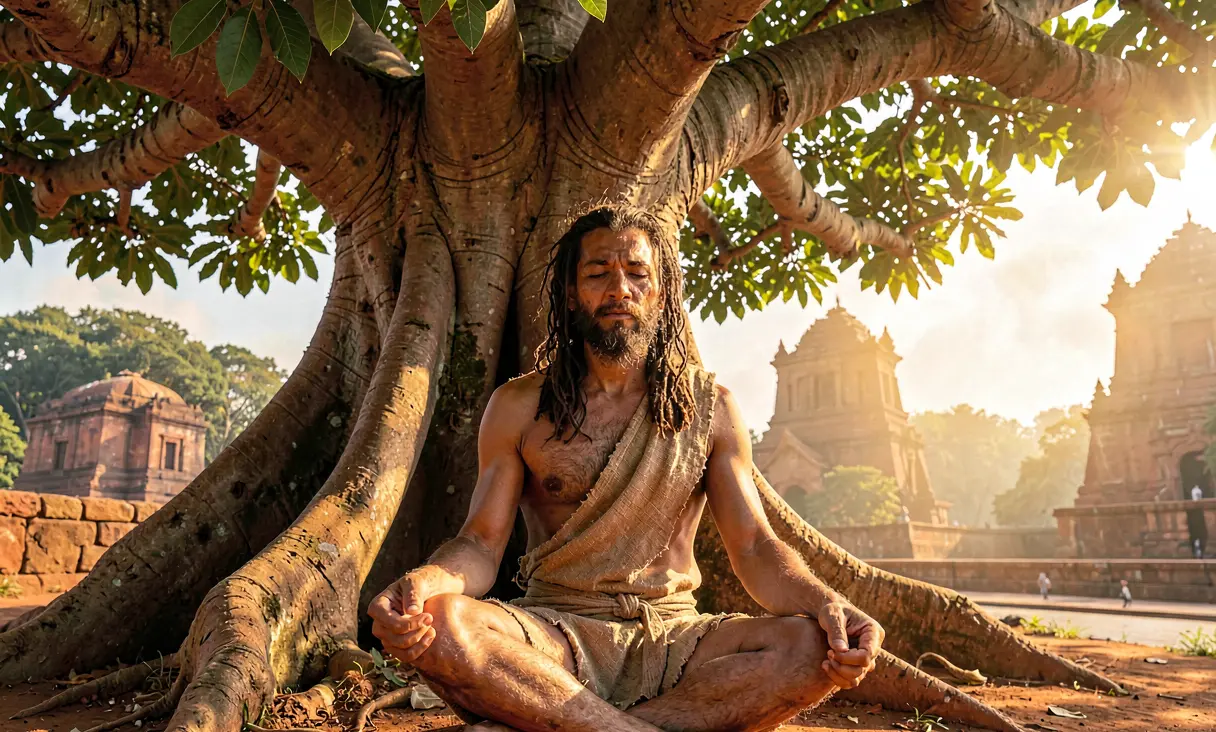
In c. 528 BCE at Bodh Gaya, Siddhartha Gautama attained enlightenment under the Bodhi Tree, founding Buddhism and reshaping the spiritual landscape of Asia forever.
The Prince's Quest
In the mid-6th century BCE, the Indian subcontinent was a crucible of intellectual and spiritual ferment. The rigid orthodoxy of Vedic ritualism faced growing criticism from ascetic movements seeking liberation through direct experience rather than priestly mediation. Into this landscape was born Siddhartha Gautama, a prince of the Shakya clan in Lumbini (modern-day Nepal), who renounced his royal life at age 29 to solve the riddle of human suffering. For six years, he wandered as an ascetic, subjecting himself to extreme fasting and self-mortification alongside five companions, yet he found that physical deprivation alone yielded no spiritual insight. Realizing that neither indulgence nor severe austerity held the key, he resolved to seek a 'Middle Way' beneath the shade of a sacred tree.
The Vigil at Bodh Gaya
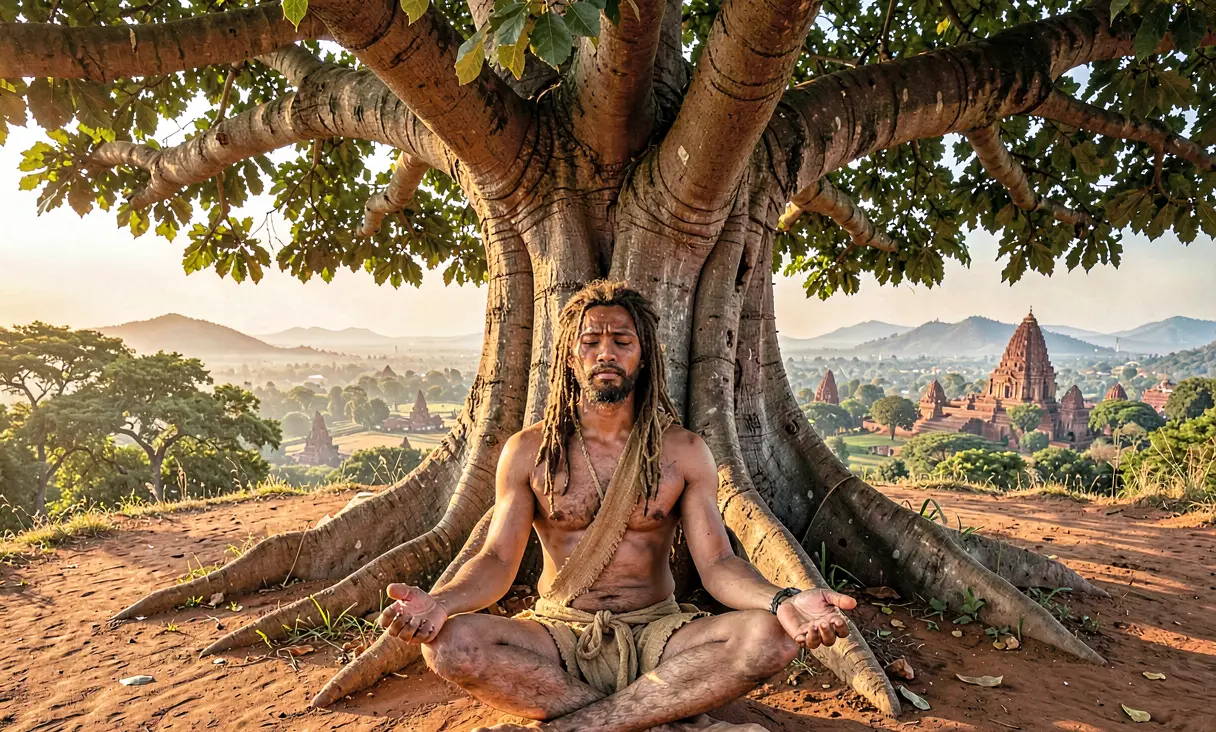
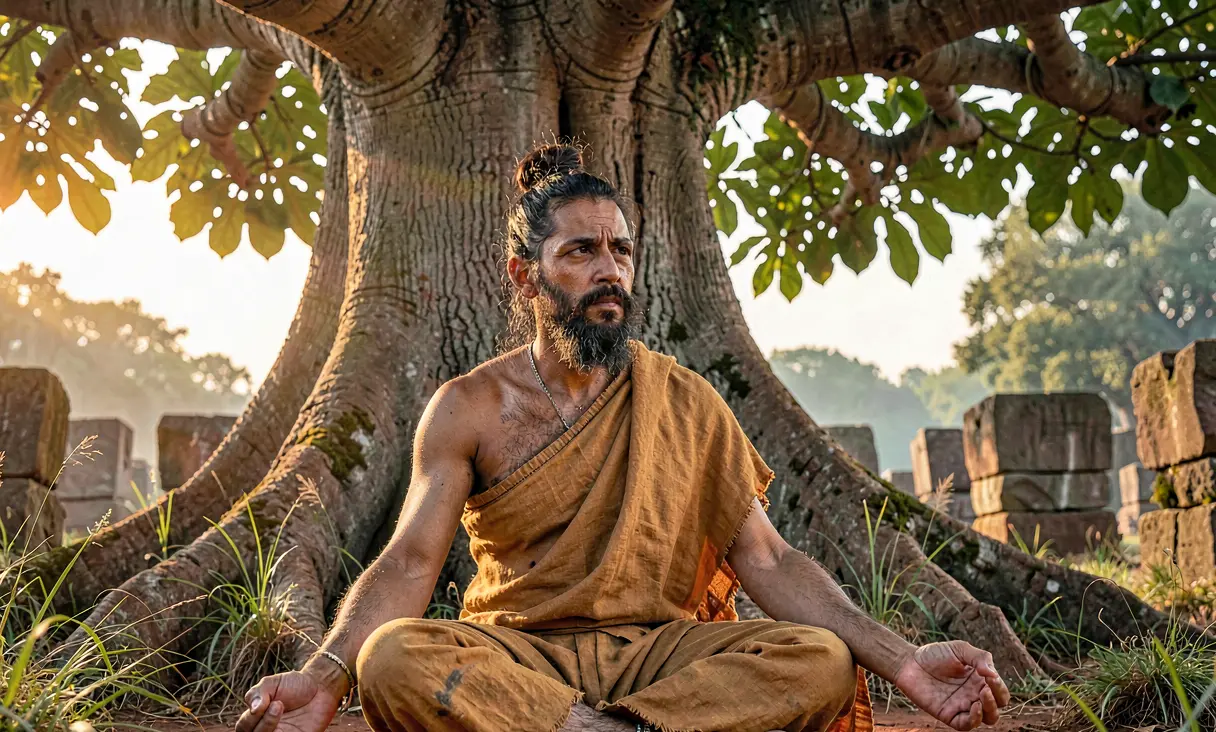
Arriving at the village of Uruvela on the banks of the Nairanjana River (now known as the Phalgu) in Magadha, Siddhartha sat beneath a large Ficus religiosa, later revered as the Bodhi Tree. He made a solemn vow: 'My skin and sinews may wither, but I will not rise from this seat until I have attained supreme enlightenment.' This moment marked the culmination of his spiritual journey, transforming the site into what is now known as Bodh Gaya in the Indian state of Bihar. As night fell, Siddhartha entered deep meditative states, systematically dismantling the layers of ignorance that bound him to the cycle of rebirth (samsara). He recalled his past lives with perfect clarity and perceived the karmic mechanisms governing all sentient beings.
Confronting Mara
Traditional accounts describe a dramatic psychological and spiritual confrontation known as the 'Defeat of Mara.' As Siddhartha's resolve hardened, the demon Mara, personifying death, desire, and delusion, launched a multi-pronged assault. First came armies of terrifying demons, then seductive daughters offering worldly pleasures, all designed to break his concentration. When these failed, Mara challenged Siddhartha's right to sit on that seat, demanding witnesses to his merit. Calmly, Siddhartha touched the earth with his right hand in the gesture known as Bhumisparsha Mudra, calling upon the Earth itself to bear witness to his countless acts of generosity and virtue across eons. The earth shook, Mara retreated, and Siddhartha remained unshaken, having conquered the inner demons that plague humanity.
The Dawn of Insight
With the victory over Mara complete, the first watch of the night saw Siddhartha attain the knowledge of his past lives. In the second watch, he developed the 'Divine Eye,' perceiving how beings are reborn according to their karma. By the third watch, as the morning star rose, he penetrated the ultimate nature of reality, realizing the Four Noble Truths: the existence of suffering (dukkha), its origin in craving and ignorance, its cessation through the elimination of that craving, and the path leading to that cessation—the Noble Eightfold Path. At this precise moment, around 528 BCE, Siddhartha Gautama became the Buddha, the 'Awakened One,' having extinguished the fires of greed, hatred, and delusion forever.
The First Sermon
Following his enlightenment, the Buddha hesitated to teach, fearing the profundity of his realization would be too difficult for others to grasp. However, moved by compassion and urged by the god Brahma Sahampati, he resolved to share his discovery. He traveled from Bodh Gaya to the Deer Park at Sarnath near Varanasi, where he encountered his five former ascetic companions. There, he delivered his first sermon, known as the Dhammacakkappavattana Sutta ('Setting in Motion the Wheel of Dharma'). In this discourse, he outlined the Middle Way and the Four Noble Truths, converting the five monks and establishing the Sangha, the monastic community that would preserve and propagate his teachings.
A Legacy That Reshaped Asia
The event at Bodh Gaya did not merely create a new philosophy; it fundamentally altered the trajectory of human history. Over the subsequent two and a half millennia, Buddhism spread from India to Sri Lanka, Southeast Asia, Central Asia, China, Korea, and Japan, influencing the art, politics, ethics, and social structures of half the world's population. Empires rose and fell on the principles of non-violence (ahimsa) and compassion derived from this awakening, while countless individuals found a path to inner peace through mindfulness and meditation. The site of his enlightenment remains one of the four most sacred pilgrimage destinations in Buddhism, drawing millions to witness the spot where the human mind was said to have transcended its limitations.
It established a major world religion focusing on inner peace and liberation from suffering.
Where it happened
Bodh Gaya, India — see it on the interactive map →
Explore related history
 ReligionConstruction of the Temple of Kukulcán at Chichén Itzác. 800 CE · Chichén Itzá, MexicoThe iconic pyramid dedicated to the feathered serpent god is built during the Puuc-Toltec fusion period.
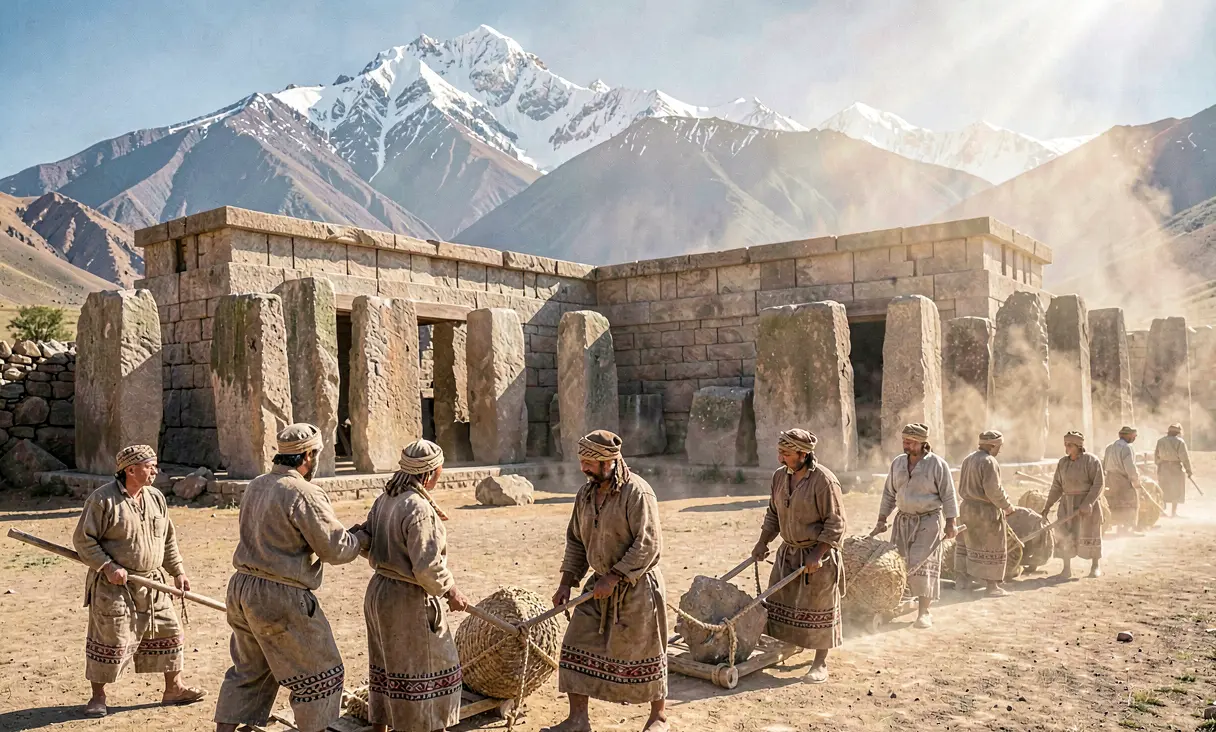 ReligionConstruction of Kalasasaya Temple at Tiwanakuc. 500 CE · Tiwanaku, BoliviaThe Kalasasaya temple is built with monolithic stones for solar observance.
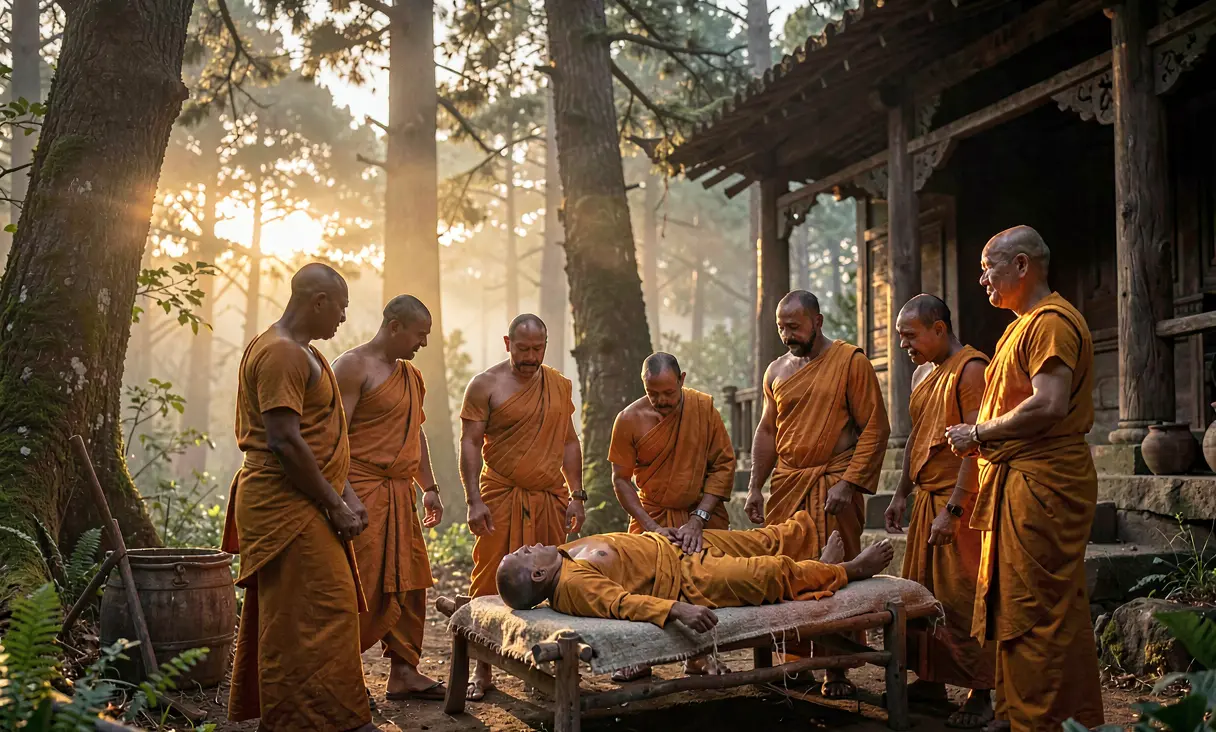 ReligionParinirvana of the Buddhac. 483 BCE · Kushinagar (modern Uttar Pradesh/India)Siddhartha Gautama passes away, entering final Nirvana and leaving his disciples with the Dharma to guide them.
 WarAksumite Naval Expedition Against Himyarc. 520 CE · Red Sea Coast near AksumKing Kaleb of Aksum dispatches a fleet to defeat the Jewish Himyarite king in Yemen.
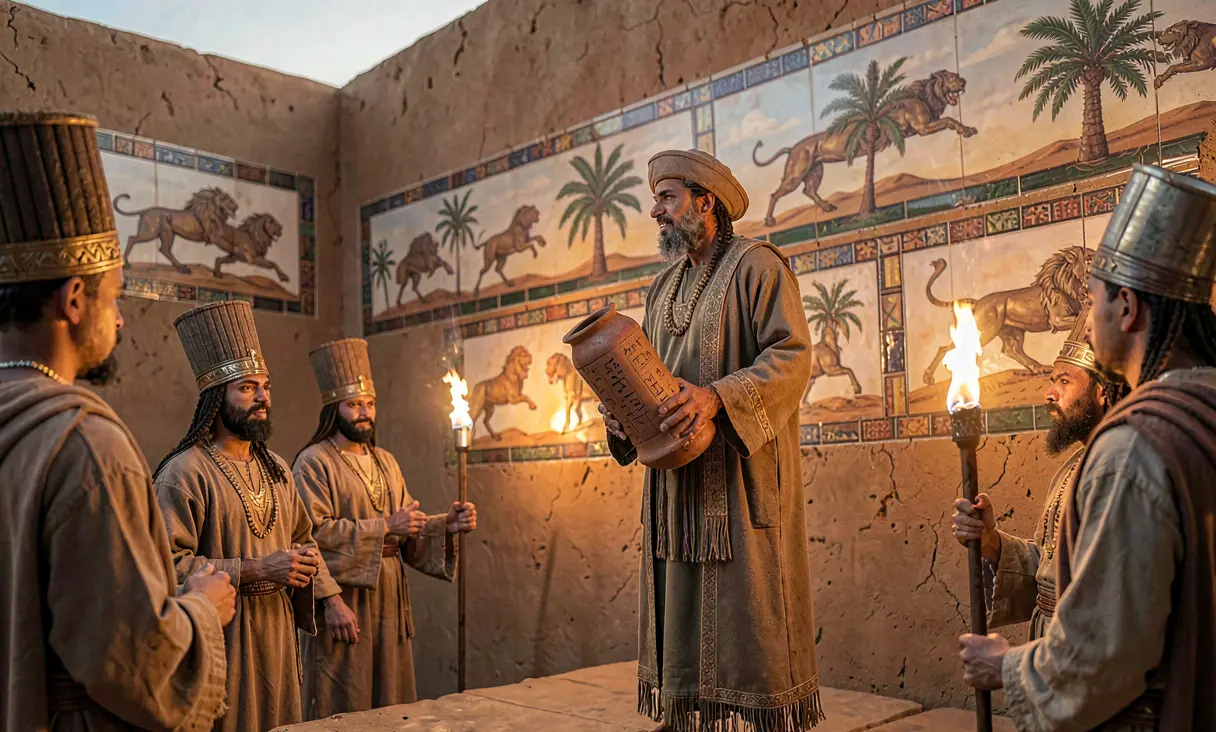 PoliticsCyrus the Great Issues the Cyrus Cylinderc. 539 BCE · Babylon, Mesopotamia (Iraq)Cyrus the Great proclaims a policy of religious tolerance and human rights upon conquering Babylon.
 PoliticsExpulsion of Tarquinius Superbus from Romec. 509 BCE · Rome, Latium (Italy)The Roman monarchy is overthrown, leading to the establishment of the Republic.
Discussion
Loading…