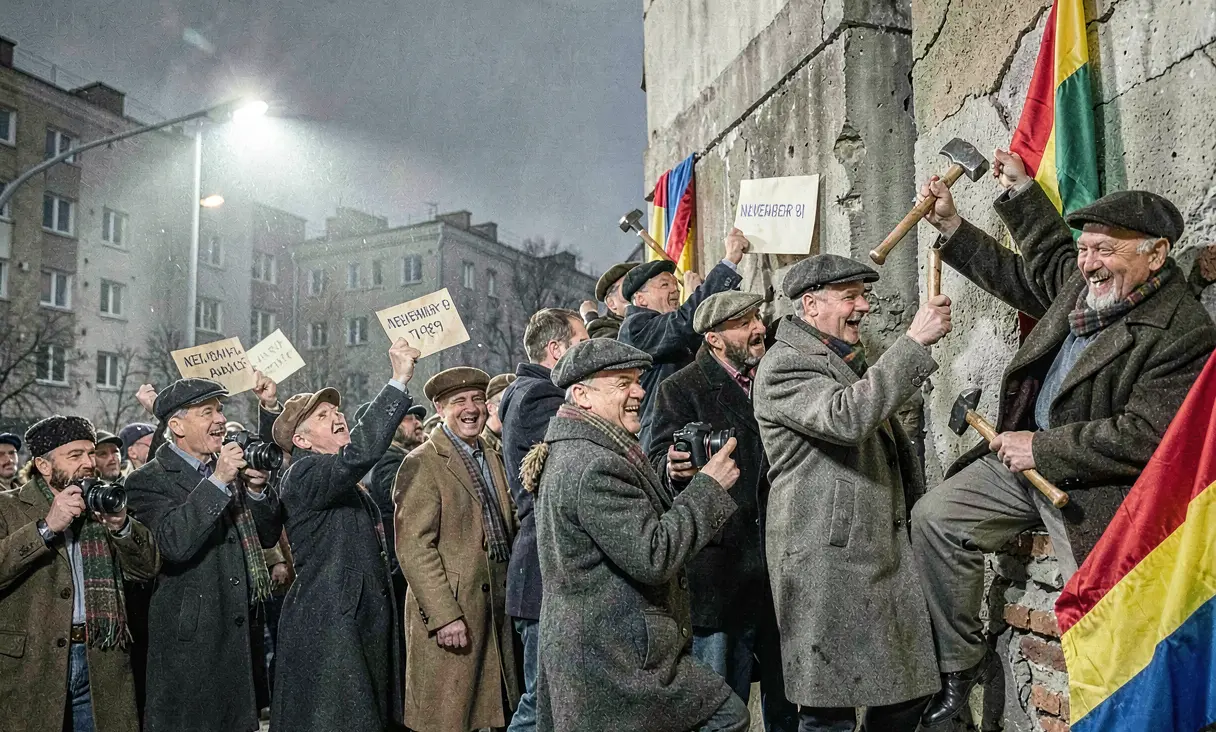
Fall of the Berlin Wall
A bureaucratic blunder on November 9, 1989, triggered crowds to breach the Berlin Wall, ending the Cold War division and paving the way for German reunification.
The Crumbling Iron Curtain
By the autumn of 1989, the German Democratic Republic (GDR) stood on the precipice of collapse. Decades of economic stagnation, coupled with a relentless exodus of citizens fleeing through Hungary and Czechoslovakia, had eroded the regime's legitimacy. The Soviet Union, under Mikhail Gorbachev's policy of *glasnost* and *perestroika*, signaled it would no longer prop up satellite states by force, leaving East German leader Erich Honecker isolated. Massive weekly demonstrations in Leipzig, known as the 'Monday Demonstrations,' swelled to hundreds of thousands, demanding democratic reforms and freedom of movement. The regime's rigid control was fracturing under the weight of its own contradictions.
The Press Conference Catalyst
On the evening of November 9, 1989, a critical miscommunication altered the course of history. Günter Schabowski, a member of the Politburo and spokesperson for the Socialist Unity Party (SED), held an impromptu press conference to announce new travel regulations intended to ease border restrictions gradually. However, lacking clear instructions on implementation dates, Schabowski confusedly stated that the rules were effective 'immediately, without delay.' When asked by Italian journalist Riccardo Ehrman when the changes took effect, Schabowski famously replied, 'As far as I know... immediately.' This announcement was broadcast live across both Germanys and the world, igniting a spark in an already volatile atmosphere.
The Gathering Storm at Checkpoints
Within hours of the broadcast, thousands of East Berliners flocked to the city's border crossings, including the iconic Bornholmer Straße and Friedrichstraße checkpoints. They demanded passage based on Schabowski's declaration, believing their right to travel was now law. The border guards, caught off guard and lacking explicit orders from a paralyzed leadership in East Berlin or Moscow, found themselves overwhelmed. At Bornholmer Straße, Lieutenant Colonel Harald Jäger faced a crowd of 20,000 people pressing against the barriers. With no instructions to use lethal force and fearing a massacre that would destroy his country's remaining international standing, Jäger made the fateful decision to open the gates.
The Night of Open Gates
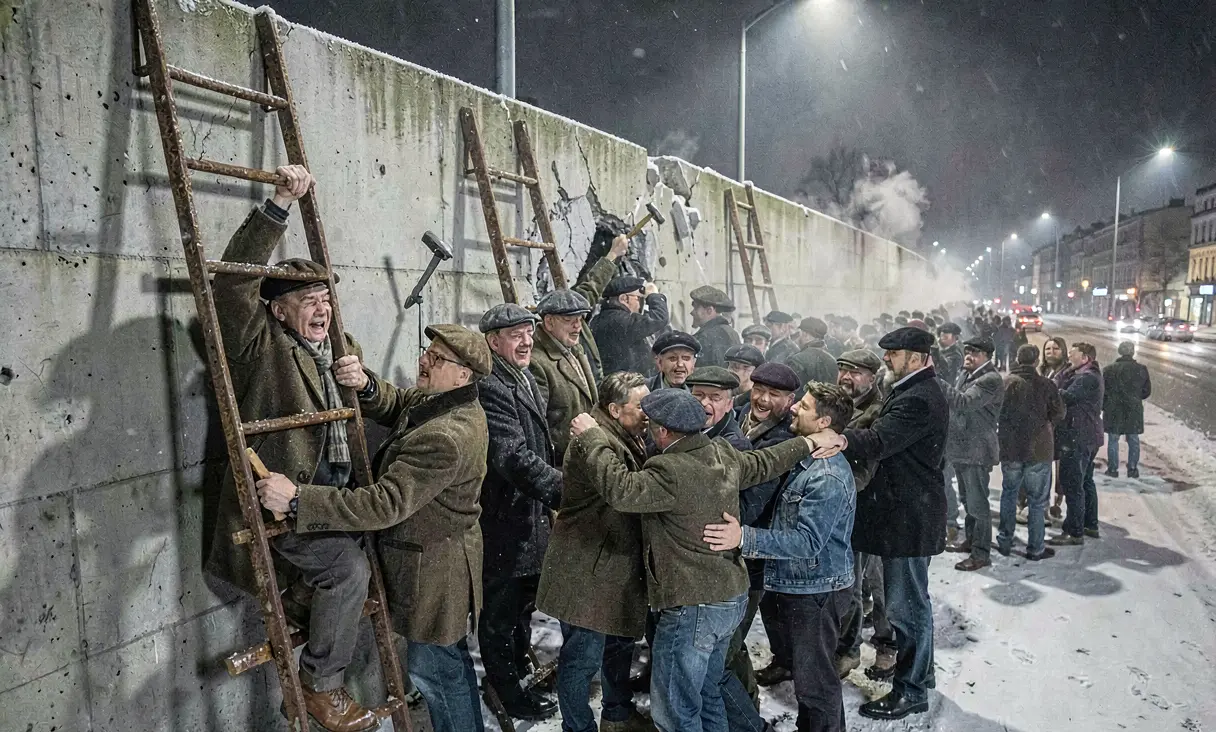
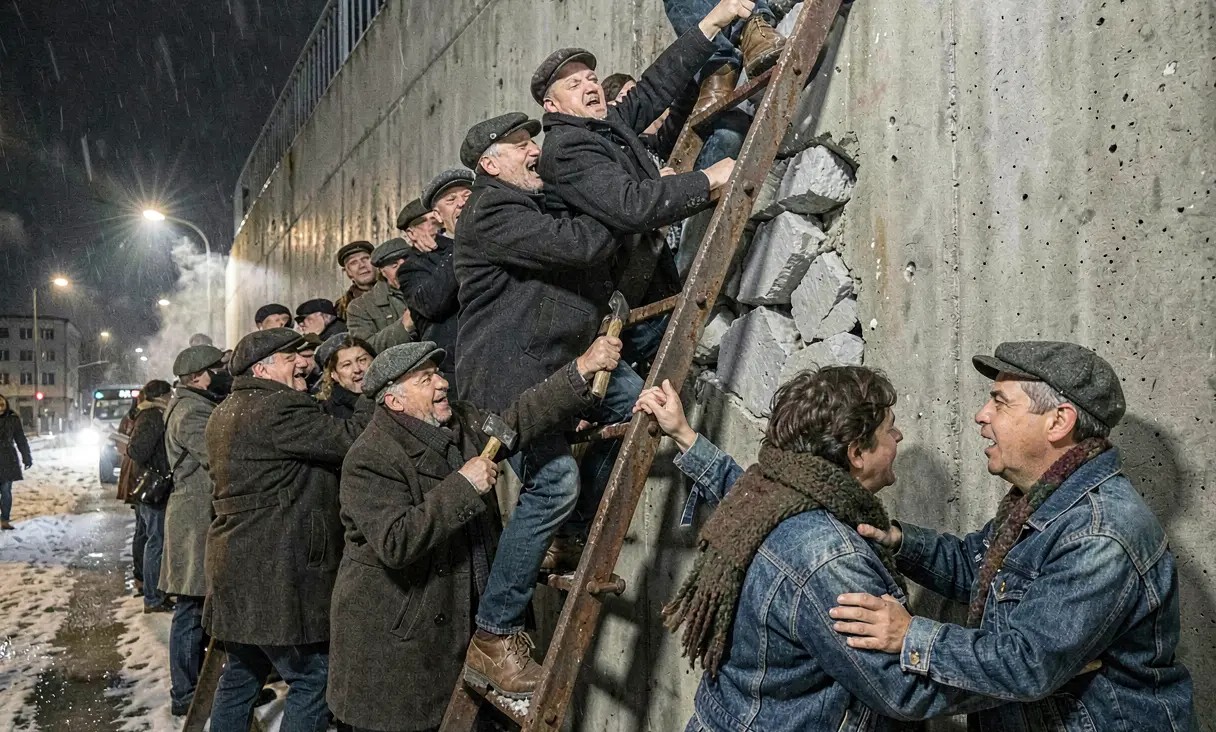
At 10:45 PM on November 9, the barriers at Bornholmer Straße were lowered, and a tidal wave of humanity surged into West Berlin. The scene rapidly transformed from tense confrontation to euphoric celebration. East Germans climbed atop the concrete wall, chipping away at it with hammers and picks, while West Berliners embraced them, offering champagne and flowers. By dawn on November 10, all major checkpoints between East and West had opened, effectively rendering the Berlin Wall a permeable monument rather than an impenetrable barrier. The physical division of the city, which had stood for 28 years, had been breached not by military might, but by the sheer force of popular will and bureaucratic confusion.
From Division to Reunification
The fall of the Wall accelerated the disintegration of the GDR. In the months that followed, free elections were held in March 1990, leading to a coalition government committed to reunification. Negotiations involving the 'Two Plus Four' talks—between the two Germanys and the four Allied powers (the US, USSR, UK, and France)—paved the legal path for sovereignty. On October 3, 1990, the German Democratic Republic officially ceased to exist, and Germany was reunified as a single democratic state. The event marked the definitive end of the Cold War division in Europe, signaling the collapse of Soviet hegemony across Eastern Poland, Hungary, Czechoslovakia, Romania, and Bulgaria.
A Legacy of Peaceful Revolution
The Fall of the Berlin Wall remains a defining moment of the 20th century, symbolizing the triumph of civil resistance over authoritarianism. It demonstrated that geopolitical shifts could occur through non-violent means, inspiring democratic movements globally from South Africa to the Middle East. The physical remnants of the wall were largely dismantled, though sections remain as memorials like the Berlin Wall Memorial and the East Side Gallery. The event reshaped the European political map, leading to the expansion of the European Union and NATO eastward, fundamentally altering the balance of power and establishing a new era of continental integration.
Historical Significance
While the Wall's construction in 1961 was intended to solidify the division of the world into two ideological blocs, its fall in 1989 marked the beginning of their dissolution. It is widely regarded as one of the most significant geopolitical events since World War II, effectively ending the Cold War without a direct superpower conflict. The night of November 9, 1989, stands not merely as a German milestone but as a universal testament to human agency, proving that even the most entrenched systems of oppression can crumble when the people demand freedom.
It symbolized the end of ideological division between superpowers.
Where it happened
Berlin, Germany — see it on the interactive map →
Explore related history
 PoliticsFounding of the United NationsOctober 24, 1945 · San Francisco, USA (Charter signed)UN Charter ratified to prevent future global conflicts and promote cooperation.
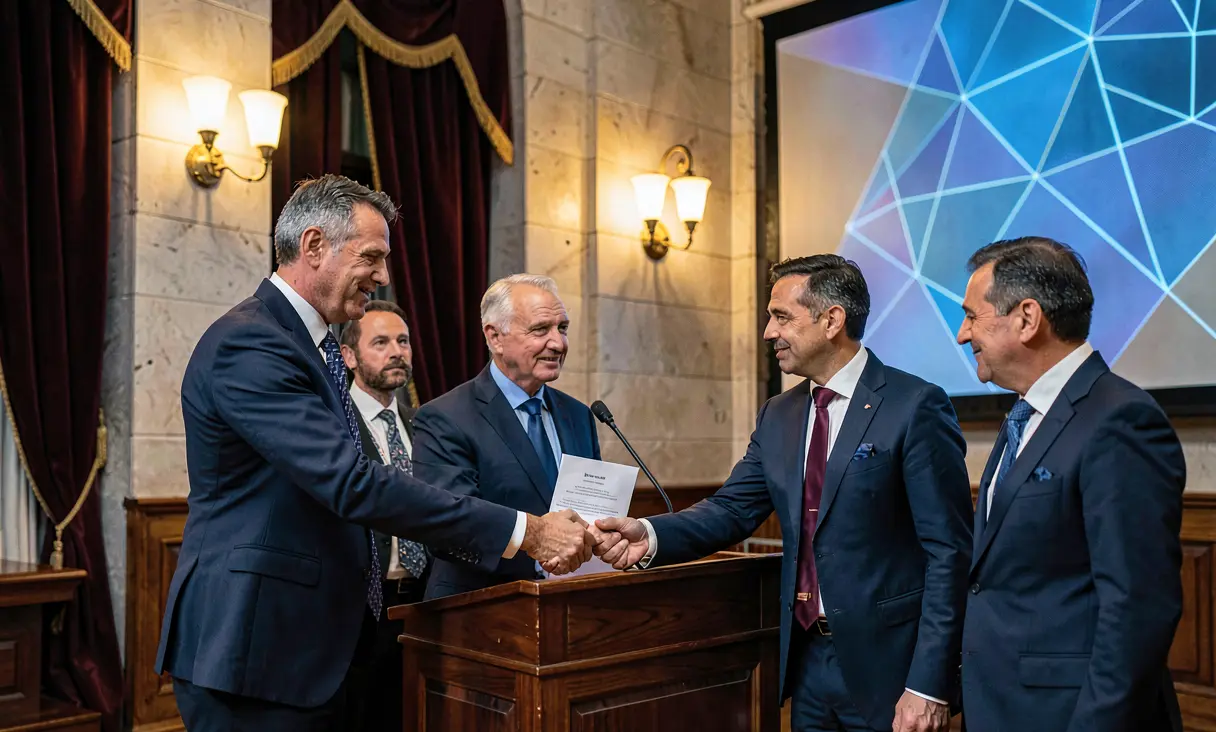 PoliticsParis Climate Agreement AdoptedDecember 12, 2015 CE · Paris, FranceNearly all nations agree to limit global warming below two degrees Celsius.
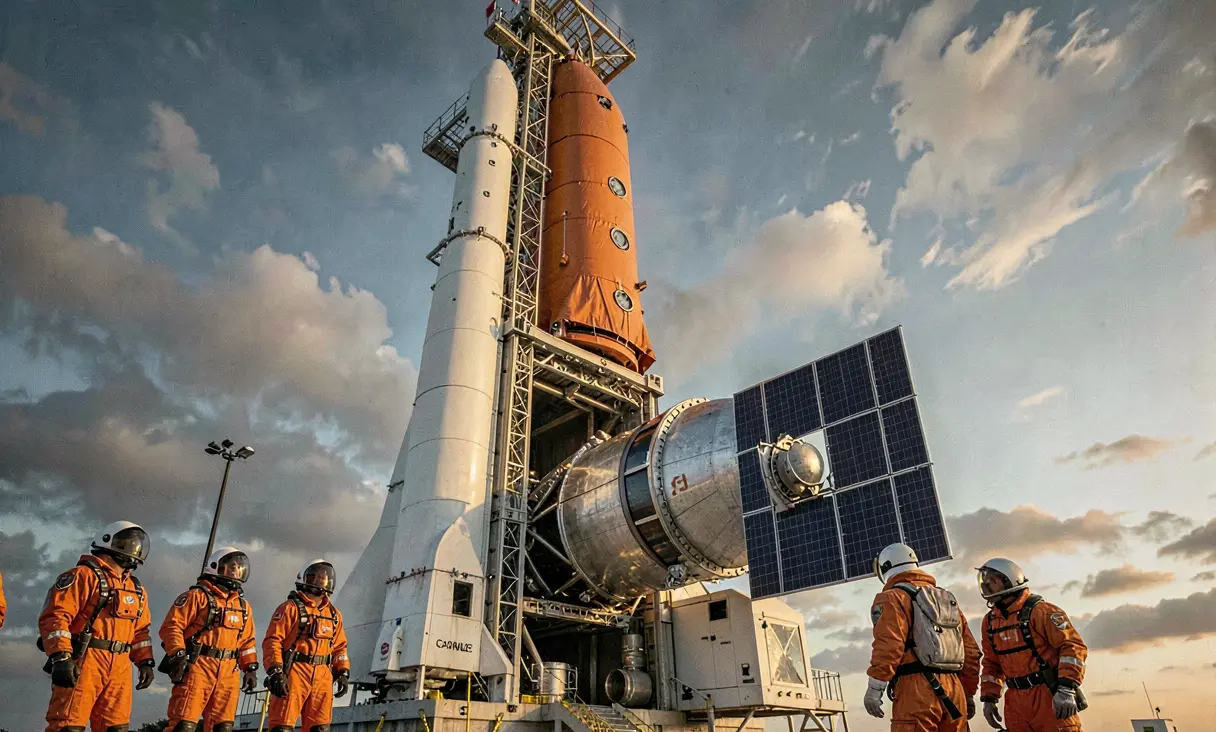 ScienceLaunch of Hubble Space TelescopeApril 24, 1990 CE · Cape Canaveral, USASpace telescope deployed into orbit providing unprecedented deep space observations.
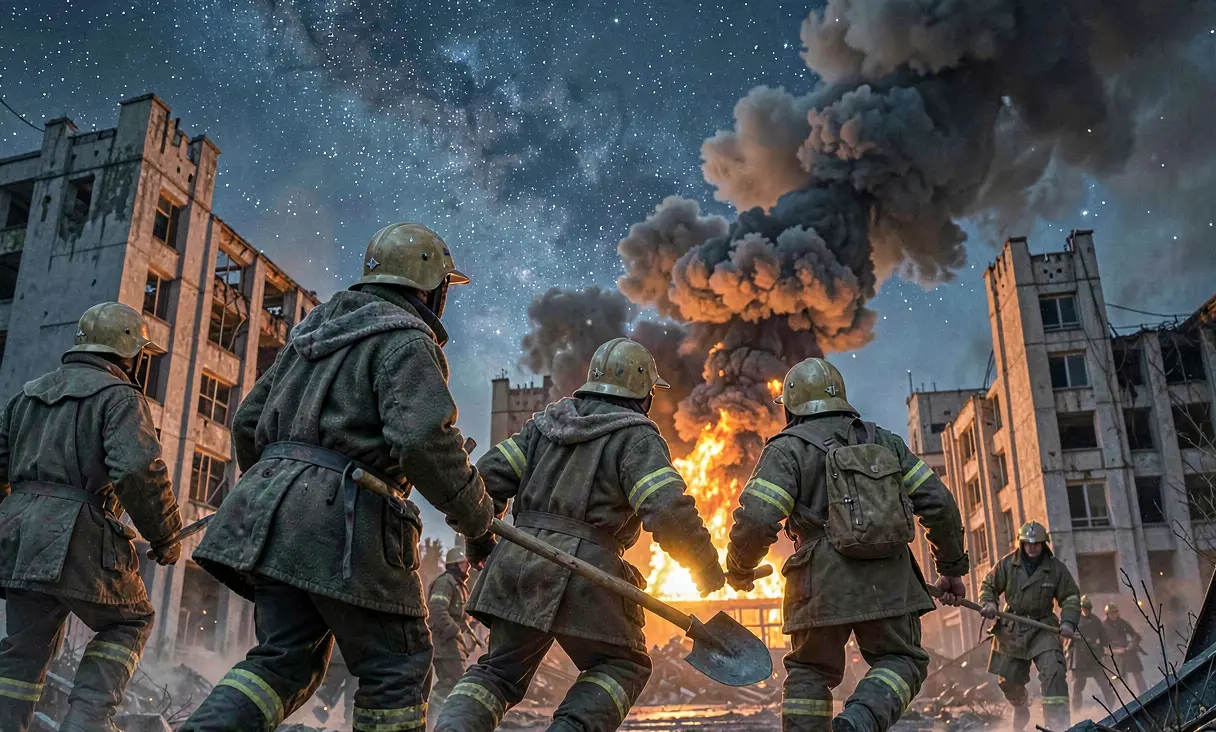 DisasterChernobyl Nuclear DisasterApril 26, 1986 CE · Pripyat, UkraineReactor explosion releases radiation contaminating large parts of Europe.
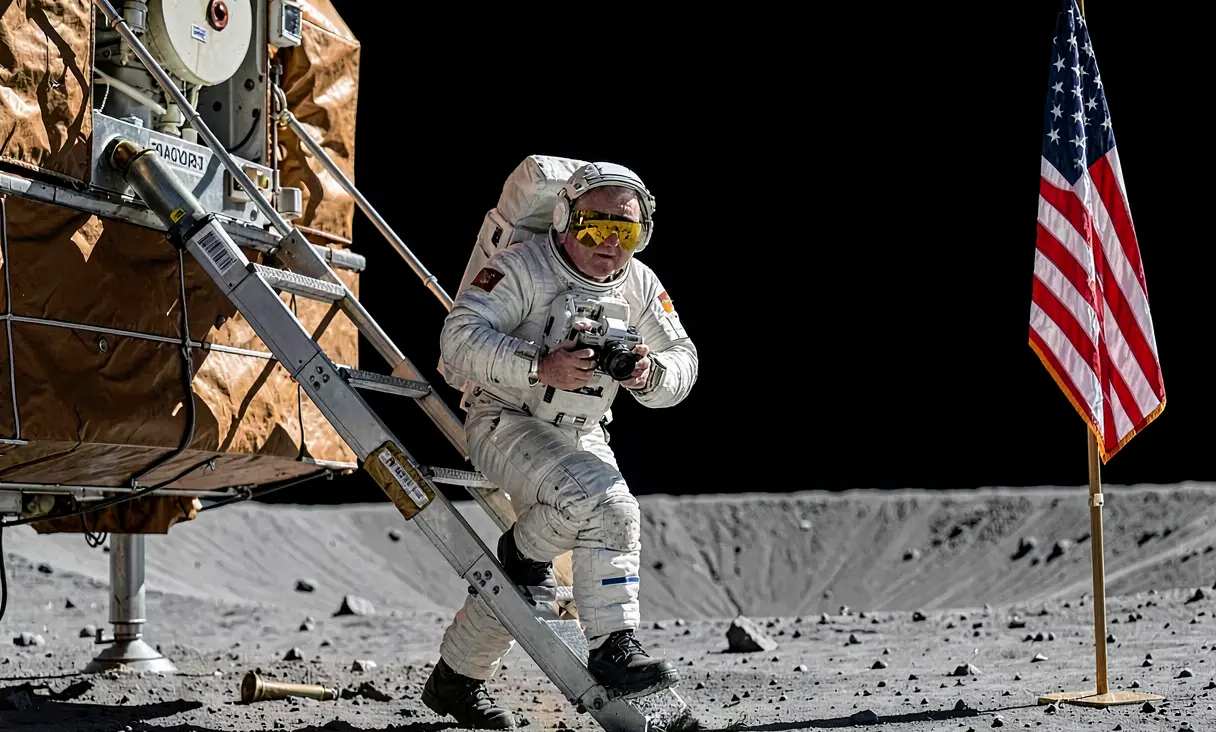 ExplorationApollo 11 Moon LandingJuly 20, 1969 CE · Cape Canaveral, USAHumans first walk on the lunar surface during the Space Race.
Discussion
Loading…