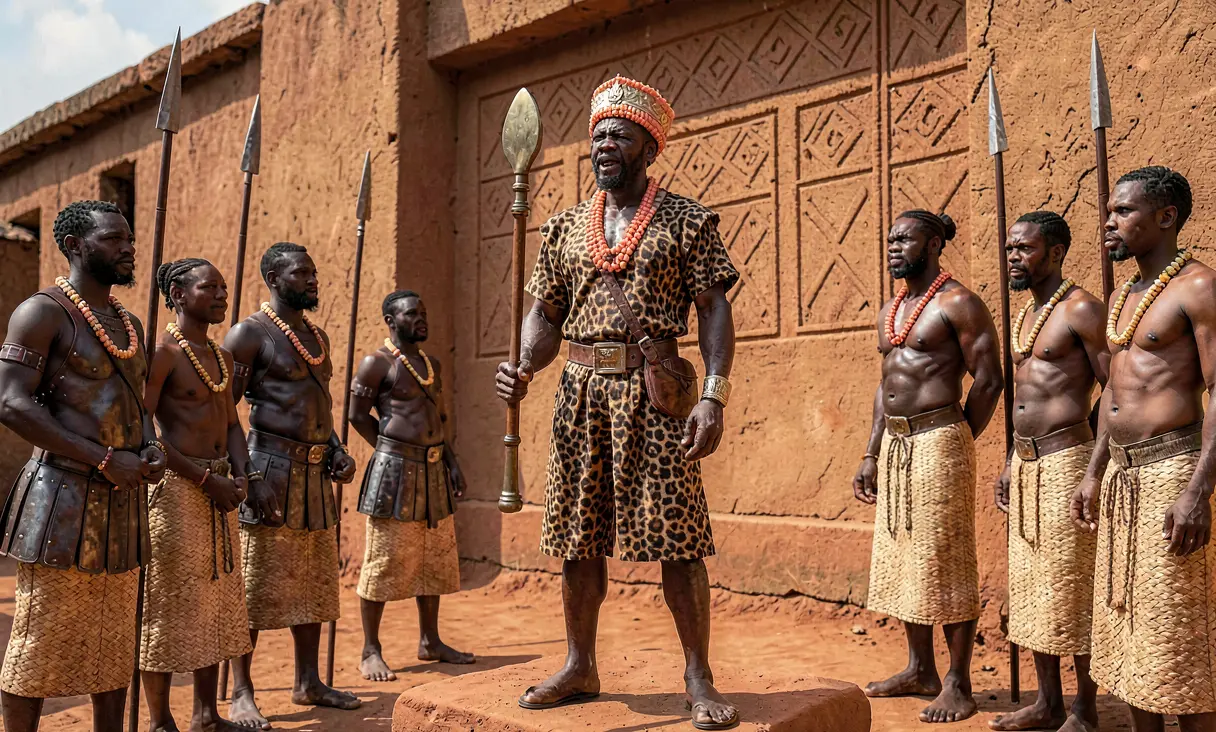
Oba Ewuare Centralizes the Kingdom of Benin
Oba Ewuare transformed a fractured collection of warring clans into a centralized, fortified empire through military reform, bureaucratic restructuring, and monumental architecture around 1450 CE.
The Fragmented Precursor
Prior to the mid-15th century, the polity that would become the Benin Empire was a loose confederation of rival clans and city-states centered around the Edo people. Known as Igodomigodo, this region was plagued by internal strife, succession crises, and a lack of cohesive political identity. The Ogiso dynasty had collapsed, leaving a power vacuum filled by competing chieftains who frequently engaged in warfare over resources and territory. By the time Oba Ewuare ascended the throne around 1450 CE, the region was unstable, lacking the administrative machinery necessary to project power beyond its immediate vicinity or to effectively manage trade routes that were beginning to attract interest from North African and later European merchants.
The Ascension of Ewuare
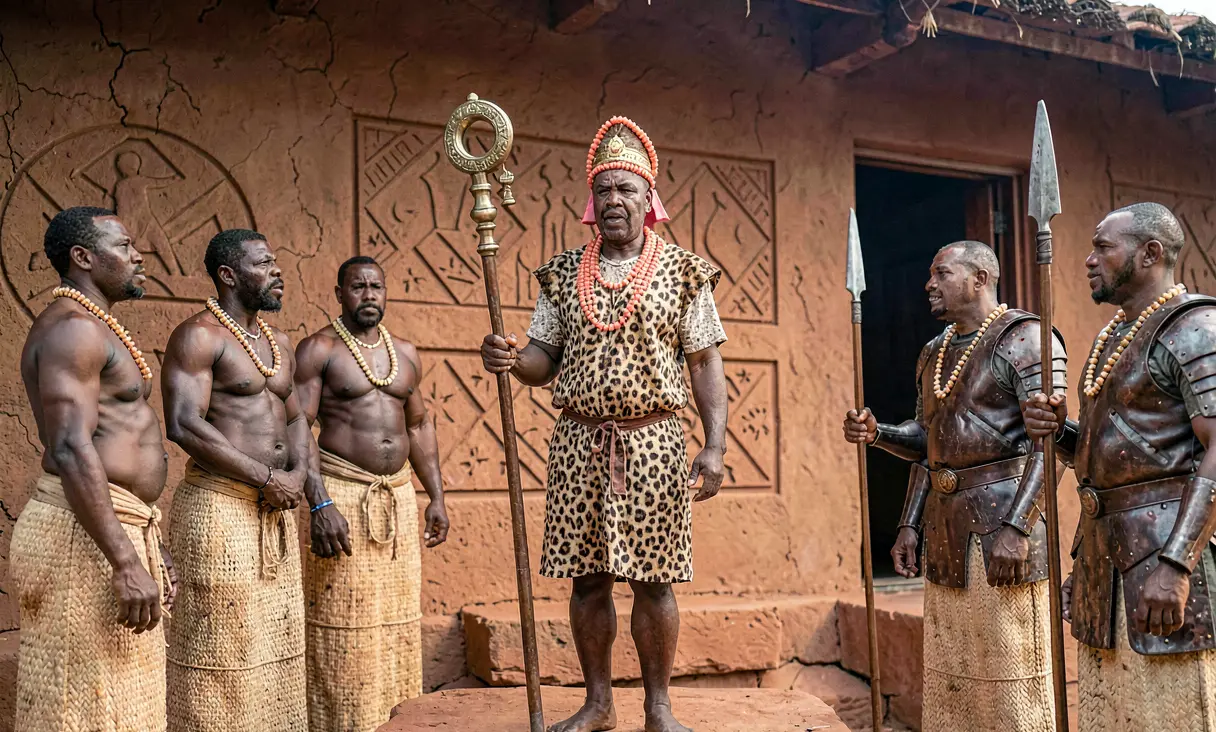
Ewuare, originally known as Uwaifiokun, seized the throne following a period of civil war and exile. His rise was not merely a dynastic succession but a calculated political maneuver to end decades of anarchy. Upon his return to Benin City, he declared himself Oba, signaling a shift from the title of 'Ogiso' (King of the Sky) to a more terrestrial, absolute monarchy. Ewuare was a visionary statesman who understood that survival required total centralization. He immediately moved to dismantle the power bases of the rival chiefs who had challenged his authority, replacing hereditary local rulers with appointed officials loyal solely to the throne. This marked the definitive end of the clan-based governance model and the birth of a unified imperial state.
Architectural and Military Reforms
To secure his new empire, Ewuare undertook massive infrastructural and military projects that redefined Benin City. He ordered the construction of wide, straight avenues to facilitate the rapid movement of troops and trade, replacing the winding paths of the past. Most significantly, he initiated the building of the famous earthworks known as 'Iya,' a complex system of defensive walls and moats that eventually became the largest man-made structure in the world by surface area prior to the 20th century. Concurrently, Ewuare established a permanent standing army, distinct from the traditional militia systems, ensuring a professional force capable of suppressing internal revolts and expanding the kingdom's borders into neighboring territories.
Bureaucratic Centralization
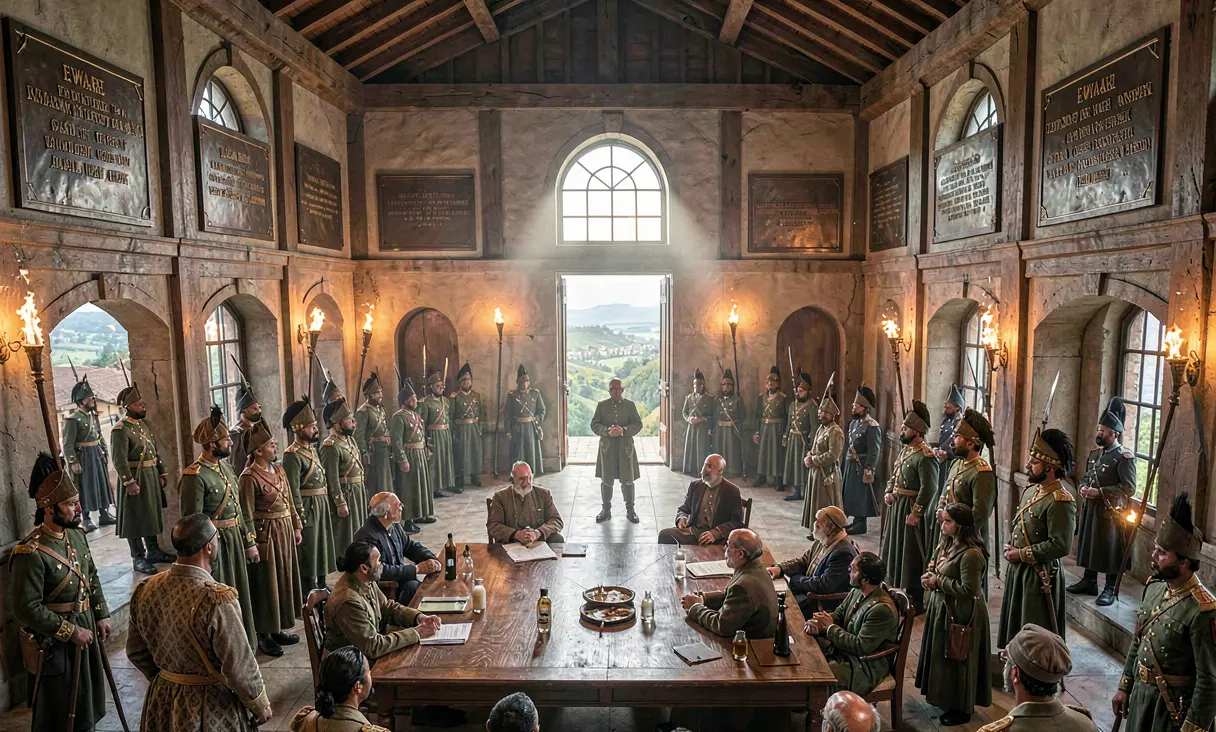
Ewuare revolutionized the administration by creating a sophisticated hierarchy of titles and offices that bypassed traditional clan structures. He established the 'Uzama' (hereditary kingmakers) to advise him, while simultaneously creating non-hereditary titles for commoners who demonstrated loyalty and competence, thereby breaking the monopoly of the old aristocracy. This new bureaucracy included specialized roles such as the 'Eghaevbo n'Ogbe' (Palace Chiefs) and regional governors who reported directly to the Oba. Trade was standardized through a centralized market system, and the Oba asserted a monopoly over key commodities like ivory and pepper, ensuring that wealth flowed into the royal treasury rather than remaining with local warlords.
Cultural Patronage and Historical Record
Beyond politics and warfare, Ewuare was a profound patron of the arts, recognizing their utility in legitimizing his rule. He commissioned the creation of the renowned Benin Bronzes (actually cast in brass) and ivory carvings that adorned the royal palace. These artworks were not merely decorative; they served as a visual archive of his reign, depicting military victories, court rituals, and the divine nature of the Oba's authority. By institutionalizing the guilds of artists and establishing strict protocols for their work, Ewuare ensured that the history of Benin was recorded in permanent form, creating a cultural identity that bound the diverse subjects of the empire together under a single narrative.
The Legacy of Centralization
The reforms instituted by Oba Ewuare transformed Benin from a vulnerable collection of villages into a formidable West African empire that would endure for over four centuries. His centralized model allowed the kingdom to resist external pressures, including later Portuguese incursions and internal rebellions, with remarkable stability. The administrative structures he created remained largely intact until the British punitive expedition of 1897. Ewuare's vision established Benin City as a center of art, commerce, and political sophistication that rivaled contemporary European capitals in organization and grandeur, leaving an indelible mark on the history of the African continent.
Established one of Africa's most sophisticated centralized states with enduring political and cultural institutions.
Where it happened
Benin City, Nigeria — see it on the interactive map →
Explore related history
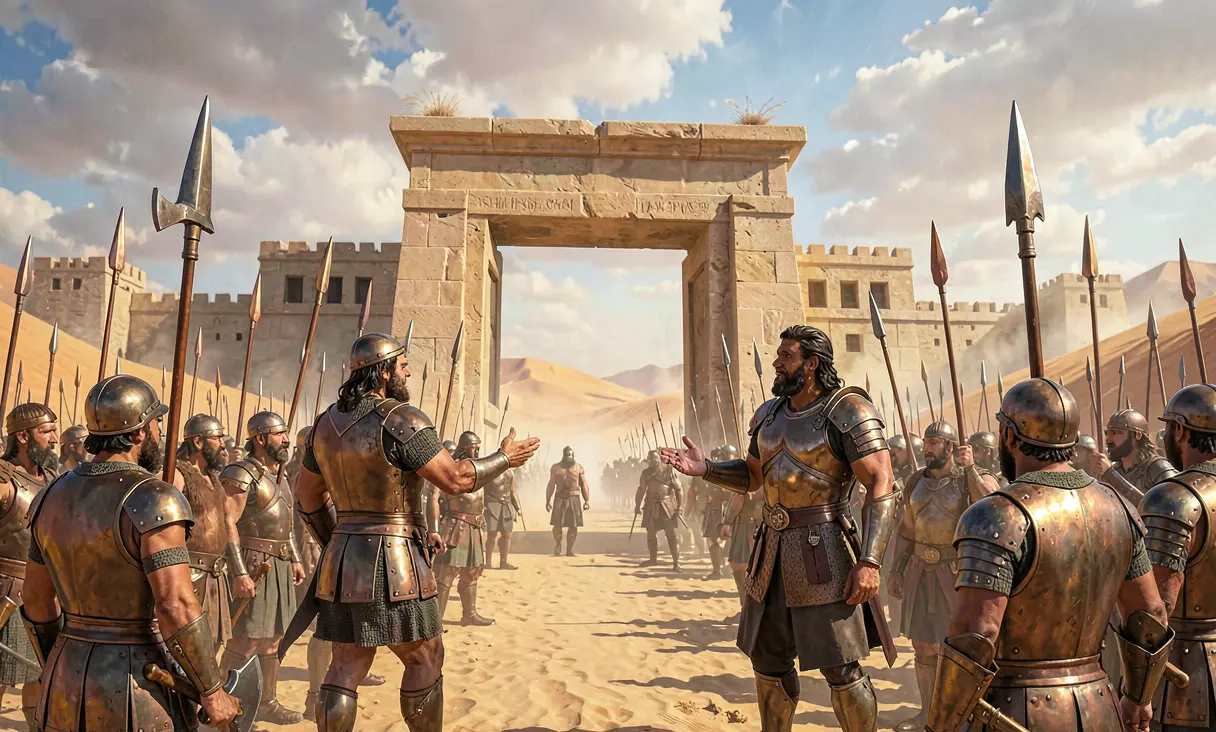 PoliticsSargon of Akkad Establishes the First Empirec. 2334 BCE · Akkad (Location uncertain, near Baghdad, Iraq)Sargon unifies Sumerian city-states to create the world's first multi-ethnic empire.
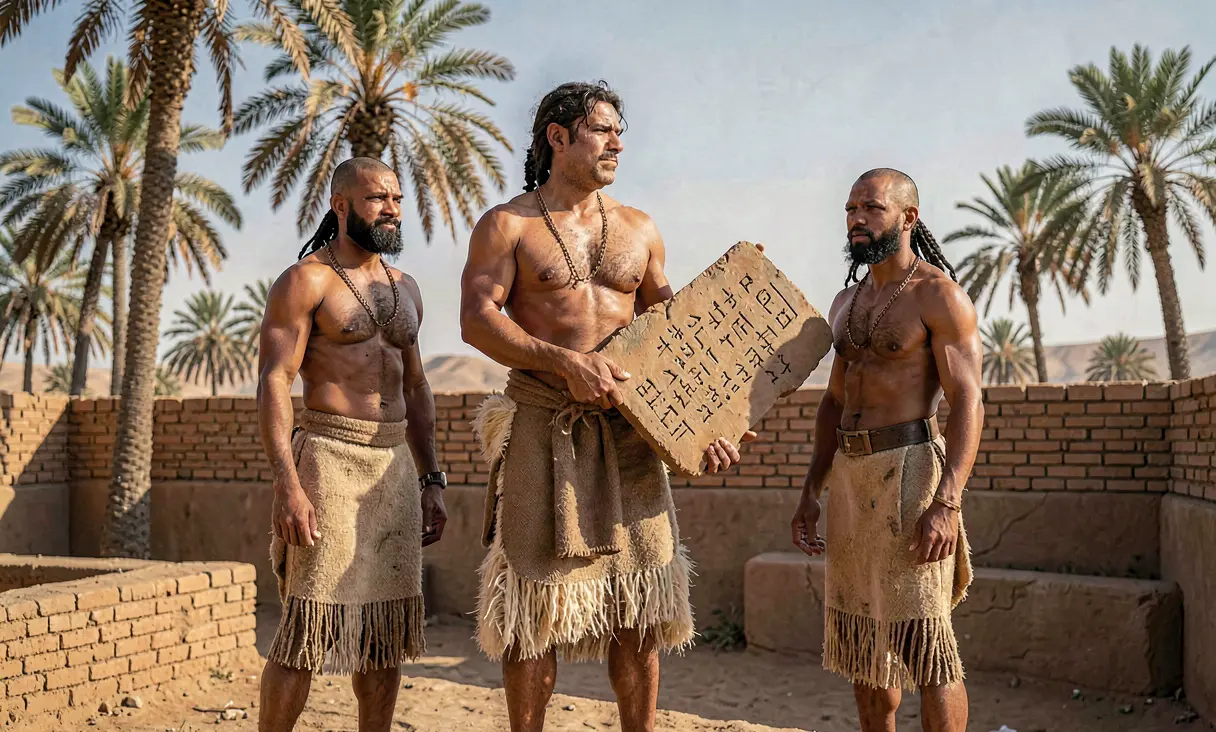 PoliticsPromulgation of the Code of Ur-Nammuc. 2100 BCE · Ur, Southern Mesopotamia (Iraq)The earliest known surviving law code is established in the Sumerian city of Ur.
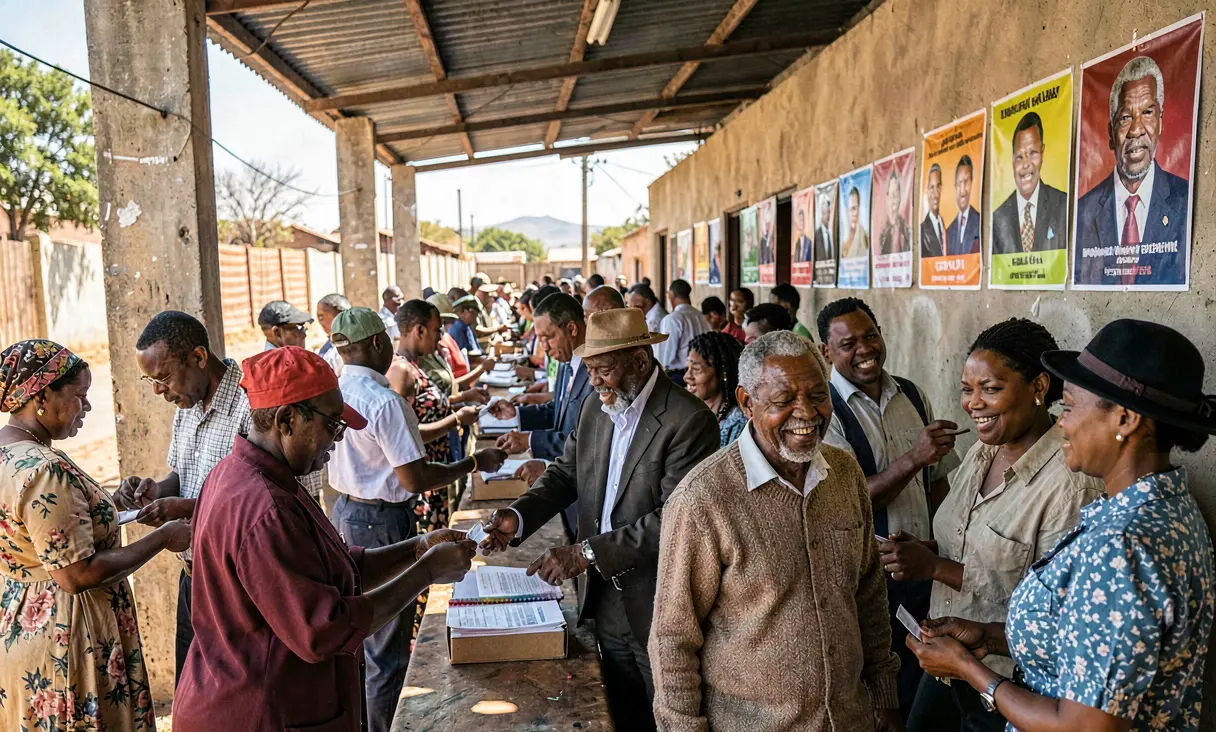 PoliticsNelson Mandela Elected President of South AfricaApril 27, 1994 · Cape Town, South AfricaSouth Africa holds its first democratic election, ending the apartheid regime and establishing a multiracial government.
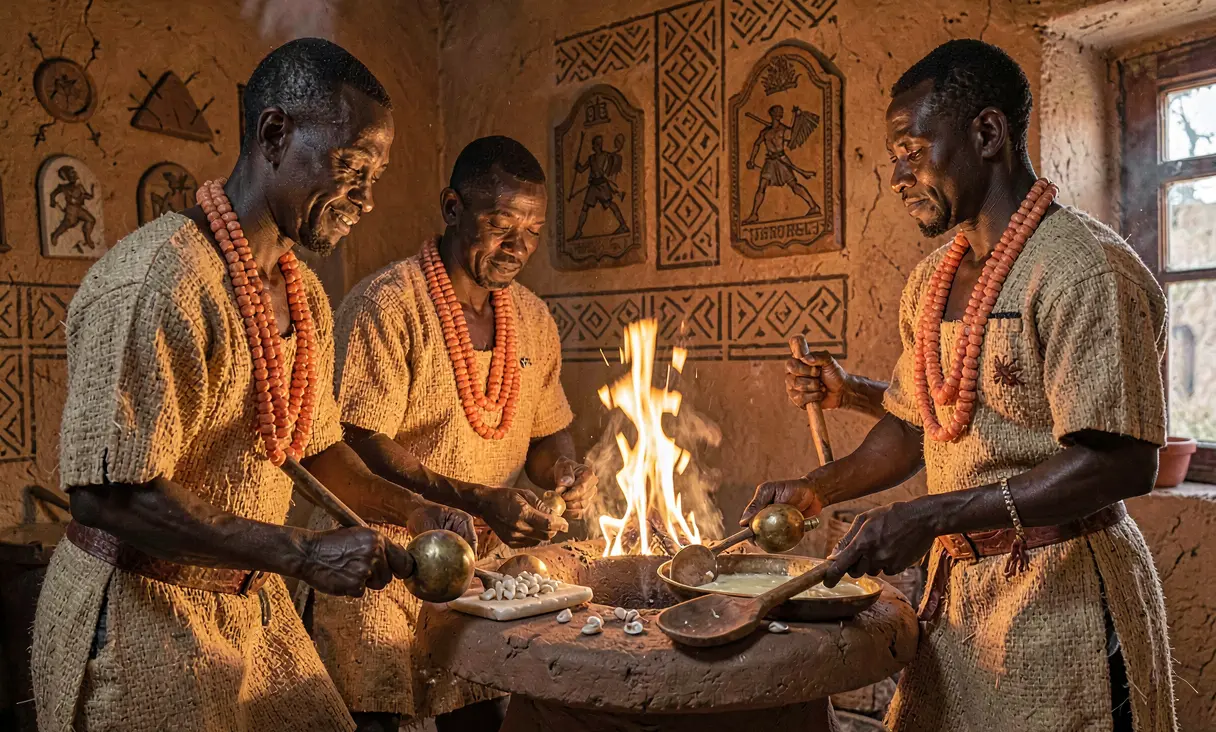 ArtCreation of the Benin Bronzes under Oba Ewuarec. 1450 CE · Benin City, NigeriaOba Ewuare commissions the famous bronze and ivory plaques documenting court life and military victories.
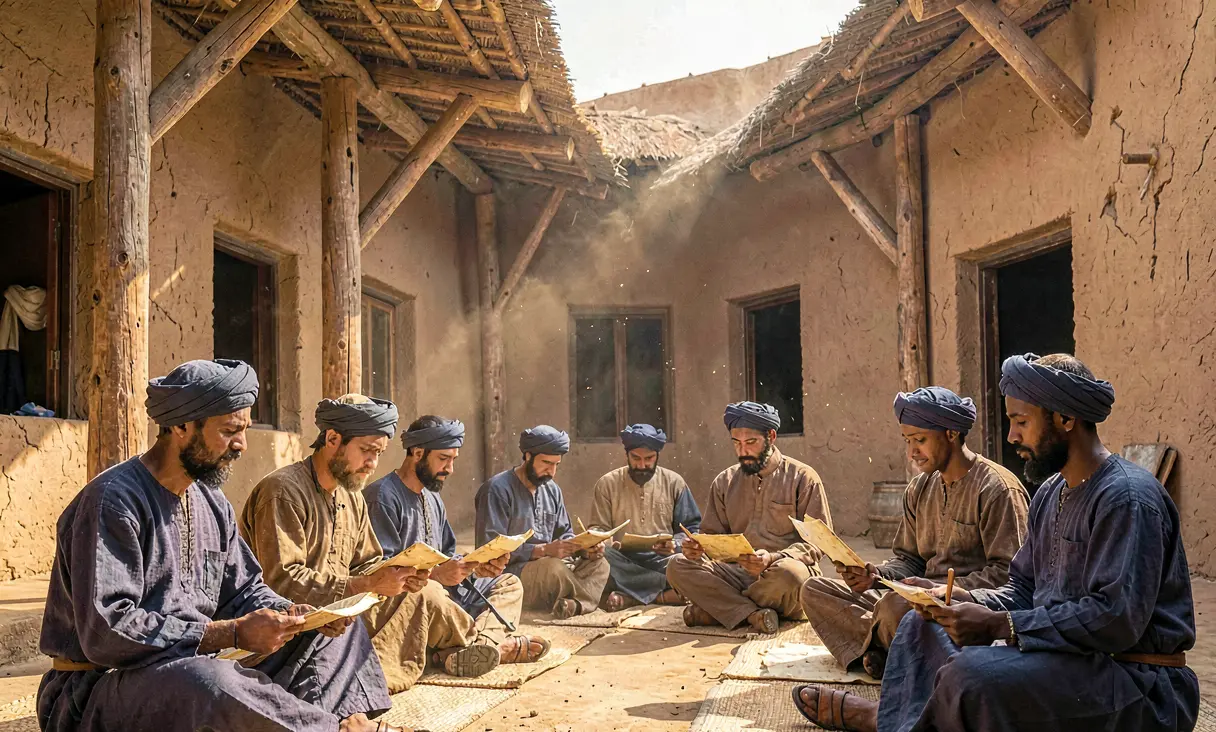 ScienceSankore Madrasah Becomes a Center of Learning in Timbuktuc. 1450 CE · Timbuktu, MaliThe Sankore Madrasah emerges as a premier university for Islamic scholarship in West Africa.
 DisasterAbandonment of Great Zimbabwec. 1450 CE · Great Zimbabwe, ZimbabweEnvironmental degradation and shifting trade routes lead to the gradual abandonment of Great Zimbabwe.
Discussion
Loading…