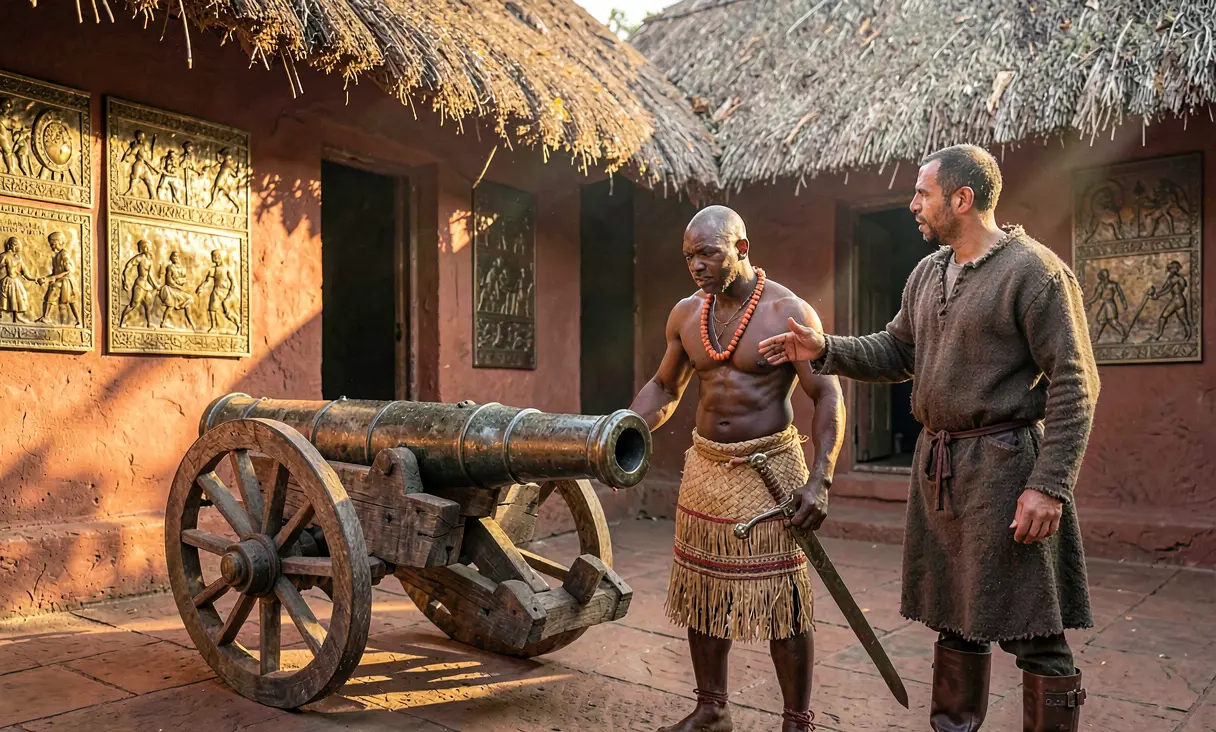
Benin Acquires Cannon Technology from Portugal
Around 1500 CE, the Kingdom of Benin strategically adopted Portuguese cannon technology to fortify its defenses while maintaining full political sovereignty and indigenous command structures.
The Dawn of the Atlantic Exchange
By the late 15th century, the Kingdom of Benin had already evolved into a sophisticated urban state, renowned for its massive earthworks and intricate bronze casting traditions. When Portuguese explorers first arrived on the coast of West Africa around 1485, they encountered a power that rivaled many European monarchies in organization and wealth. Unlike regions where European contact immediately precipitated collapse or subjugation, Benin engaged Portugal as an equal partner. The Oba's court recognized the strategic value of Portuguese maritime technology and military hardware, initiating a period of selective adaptation rather than passive reception.
The Arrival of Gunpowder Artillery
Around 1500 CE, diplomatic missions between the Oba of Benin and the Portuguese Crown facilitated the transfer of advanced artillery technology. While exact shipment manifests from this specific year are lost to history, contemporary Portuguese accounts describe the exchange of brass cannons and muskets for ivory, pepper, and textiles. The Beninese court did not merely acquire these weapons as curiosities; they integrated them into a pre-existing defensive architecture centered on the city's formidable walls. This marked a pivotal shift in West African warfare, introducing gunpowder to a region that had previously relied on traditional missile weapons and cavalry tactics.
Synthesis of Indigenous and European Tactics
The integration of Portuguese cannon technology into Benin's military doctrine was characterized by remarkable indigenous agency. The Oba maintained strict control over the command structure, ensuring that European-style artillery units were led by trusted local commanders rather than foreign mercenaries. Historical evidence suggests that while the cannons were used to fortify the city gates and deter naval incursions along the Benin River, the core of the army remained rooted in traditional formations. This hybrid approach allowed Benin to leverage the psychological shock value of gunpowder without surrendering its cultural or political autonomy.
The Role of the Oba and Diplomatic Strategy
During this era, the throne was occupied by Oba Ozolua (reigned c. 1481–1504), a ruler known for his expansionist policies and diplomatic acumen. Ozolua is credited with formalizing relations with Portugal, famously sending an ambassador to Lisbon in 1514 to request priests and artisans, though the military exchange began earlier under his reign. His successor, Oba Esigie (reigned c. 1504–1550), further solidified these ties, utilizing Portuguese advisors to refine artillery deployment while vigorously defending the kingdom's sovereignty against both internal rivals and external threats from the north.
Preservation of Cultural Sovereignty
Crucially, the adoption of cannon technology did not lead to the colonization or cultural erasure of Benin. While the Portuguese sought to establish a foothold in West Africa similar to their later ventures in the Americas, Benin successfully negotiated terms that prioritized mutual trade over territorial conquest. The kingdom continued to produce its world-famous bronze plaques and ivory carvings, often depicting these new cannons alongside traditional symbols of power. This duality demonstrated a sophisticated understanding of technology as a tool for statecraft rather than an instrument of foreign domination.
Legacy of Selective Modernization
The technological exchange of c. 1500 stands as a testament to Benin's resilience and adaptability in the face of global shifting power dynamics. For centuries thereafter, the Kingdom maintained its status as one of Africa's most formidable military powers, successfully repelling European encroachment until the late 19th century. The ability to absorb foreign innovations while preserving indigenous command structures provided a blueprint for African statecraft that contrasted sharply with the subjugation experienced by neighboring regions. This era remains a defining chapter in the history of pre-colonial Africa, illustrating that technological transfer need not equate to political submission.
Illustrates African agency in adopting global technologies to defend independence during the early modern period.
Where it happened
Benin City, Nigeria — see it on the interactive map →
Explore related history
 TechnologyIndustrialization of Sericulture in Ancient Chinac. 2600 BCE · Shaanxi Province, ChinaChinese artisans perfect the reeling and spinning of silk from silkworm cocoons.
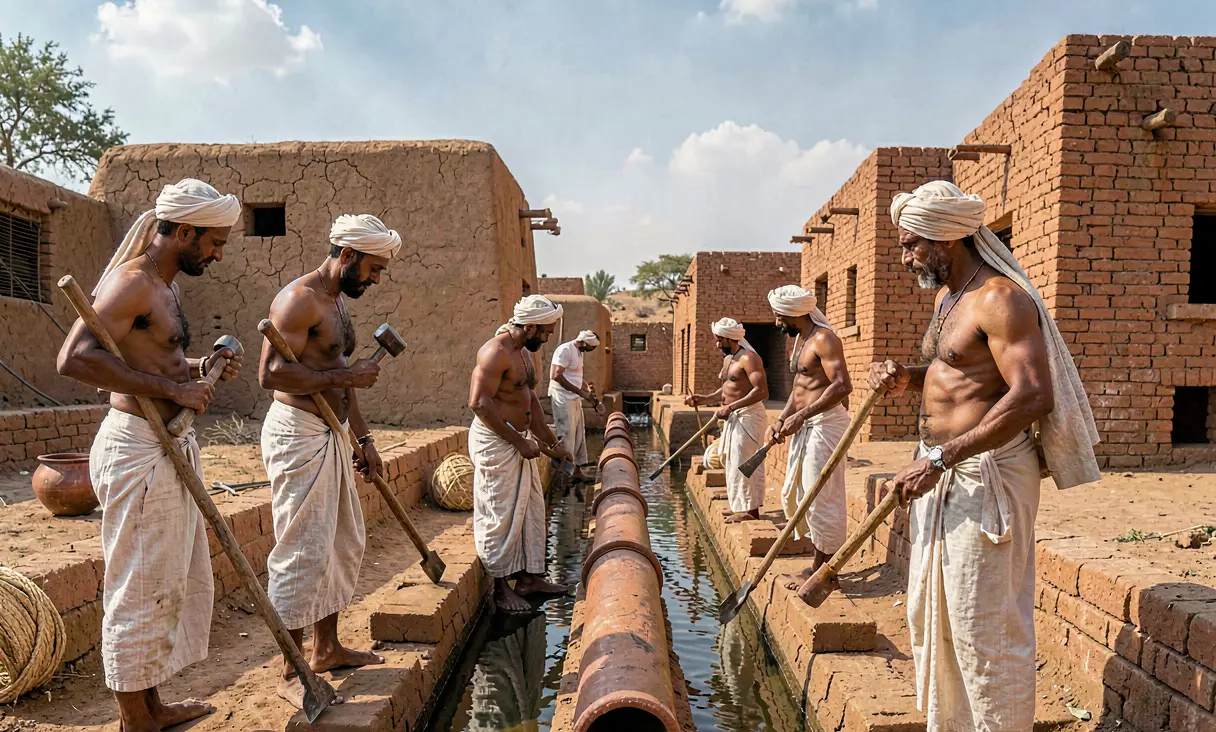 TechnologyAdvanced Irrigation Systems of the Indus Valley Civilizationc. 2600 BCE · Harappa, PakistanEngineers construct sophisticated canal networks and water reservoirs for urban agriculture.
 TechnologyCompletion of the Qhapaq Ñan Road Networkc. 1500 CE · Andes Mountains (Various), Peru/ChileThe Inca finalize the vast road system connecting their empire.
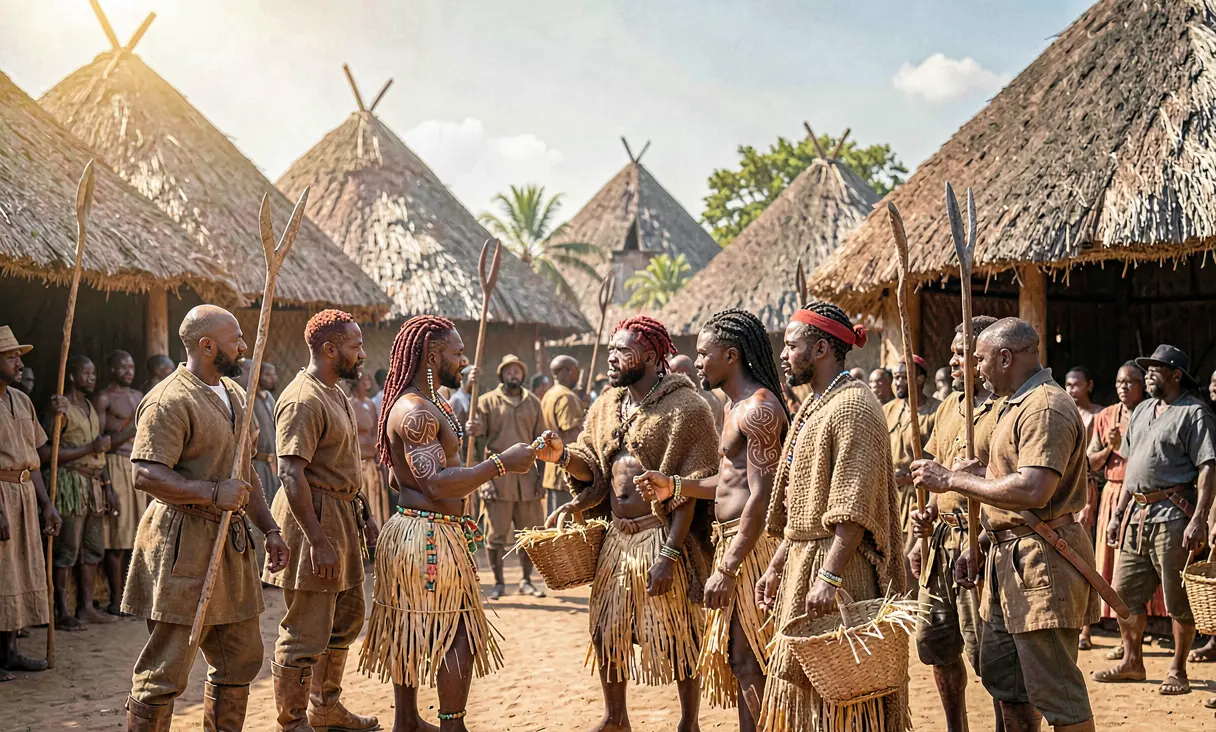 PoliticsKingdom of Kongo Engages in Large-Scale Slave Tradec. 1500 CE · Mbanza Kongo, AngolaThe Kingdom of Kongo begins exporting significant numbers of captives to Portuguese traders in exchange for goods.
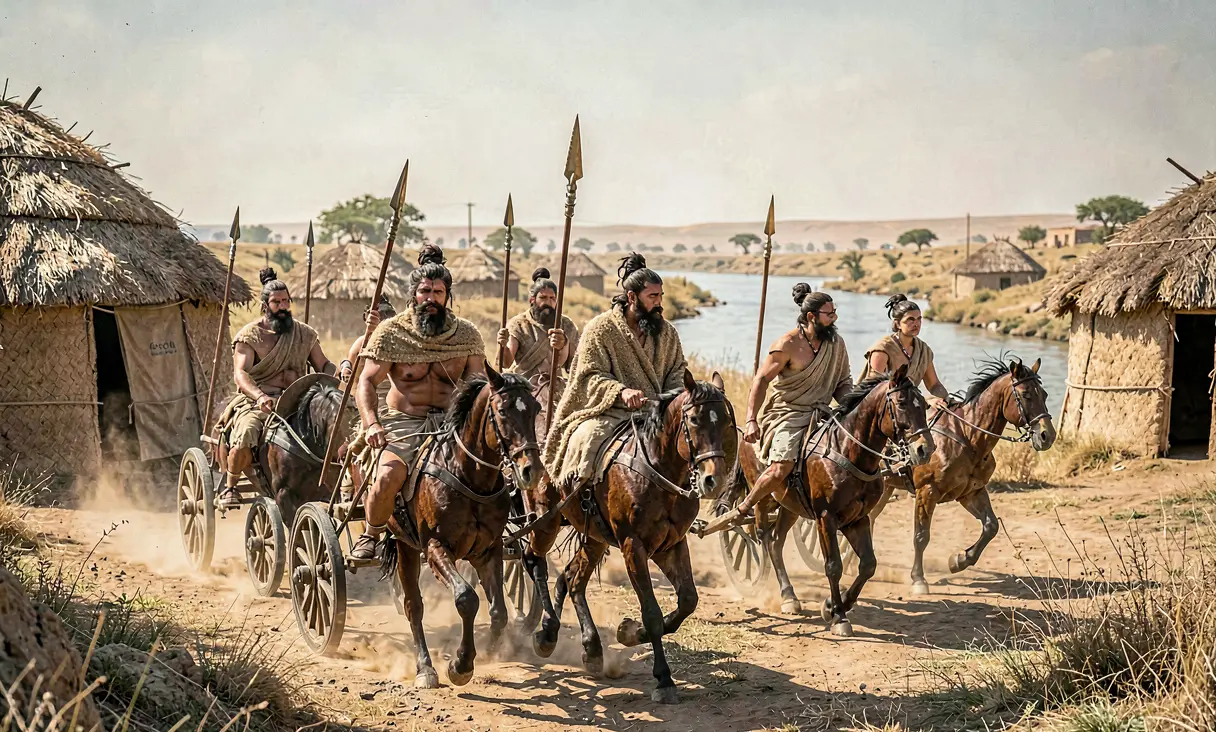 CivilizationArrival of Indo-Aryan Speakers in the Punjabc. 1500 BCE · Punjab Region (modern Pakistan/India)Indo-Aryan tribes migrate into the northwestern Indian subcontinent, introducing the Vedic Sanskrit language and horse culture.
 ExplorationLapita Expansion into the Bismarck Archipelagoc. 1500 BCE · Bismarck Archipelago, Papua New GuineaLapita people migrate from Island Melanesia into the Bismarck Archipelago, establishing distinct pottery traditions.
Discussion
Loading…