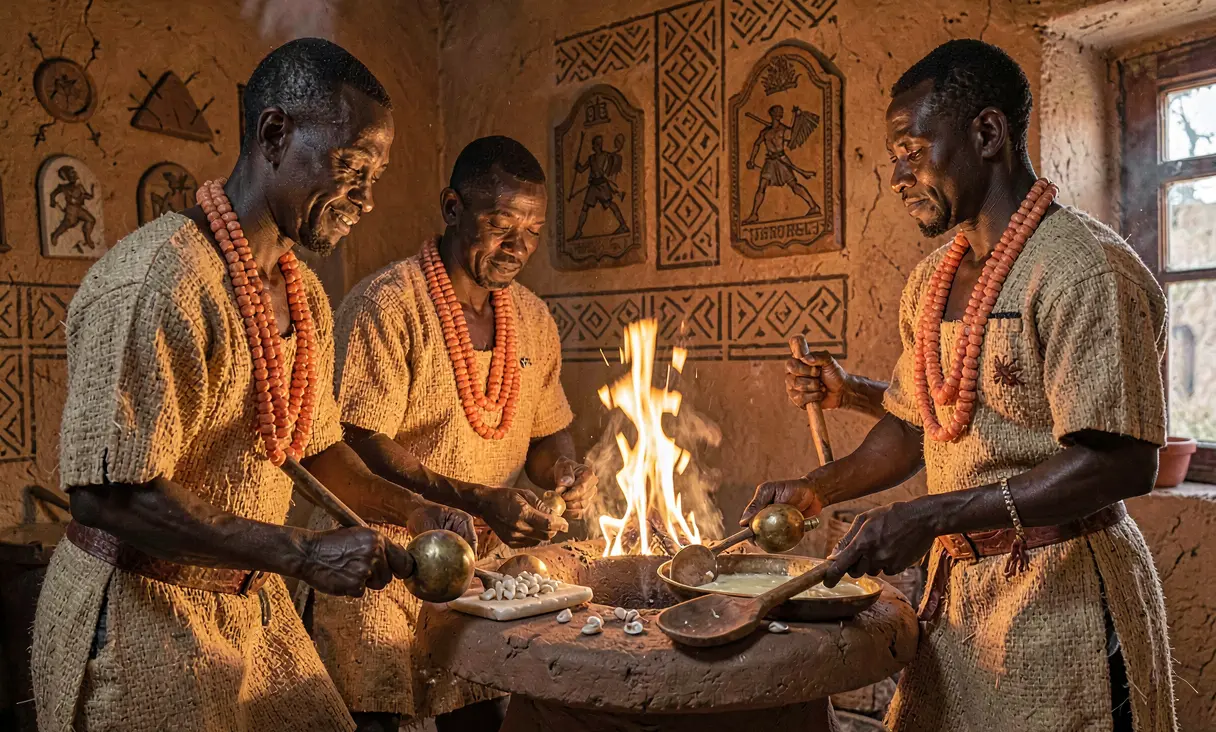
Creation of the Benin Bronzes under Oba Ewuare
Oba Ewuare's mid-15th century patronage institutionalized the lost-wax casting guilds in Benin City, creating a visual archive of royal power that defined West African art for centuries.
The Transformation of Benin Under Ewuare
Prior to the mid-15th century, the Kingdom of Benin was a significant regional power, but it lacked the centralized administrative structure and cohesive visual identity that would later define it. Around 1450 CE, Oba Ewuare ascended the throne following a period of civil strife, initiating a profound reorganization of the kingdom. He is credited with renaming the city from 'Igodomigodo' to 'Edo,' effectively marking a new epoch in its history. Ewuare's reign was characterized by military expansion, the fortification of Benin City with massive earthworks known as the Iya, and the establishment of a complex bureaucracy that placed the Oba at the absolute center of political and spiritual life.
Institutionalizing Royal Artistry
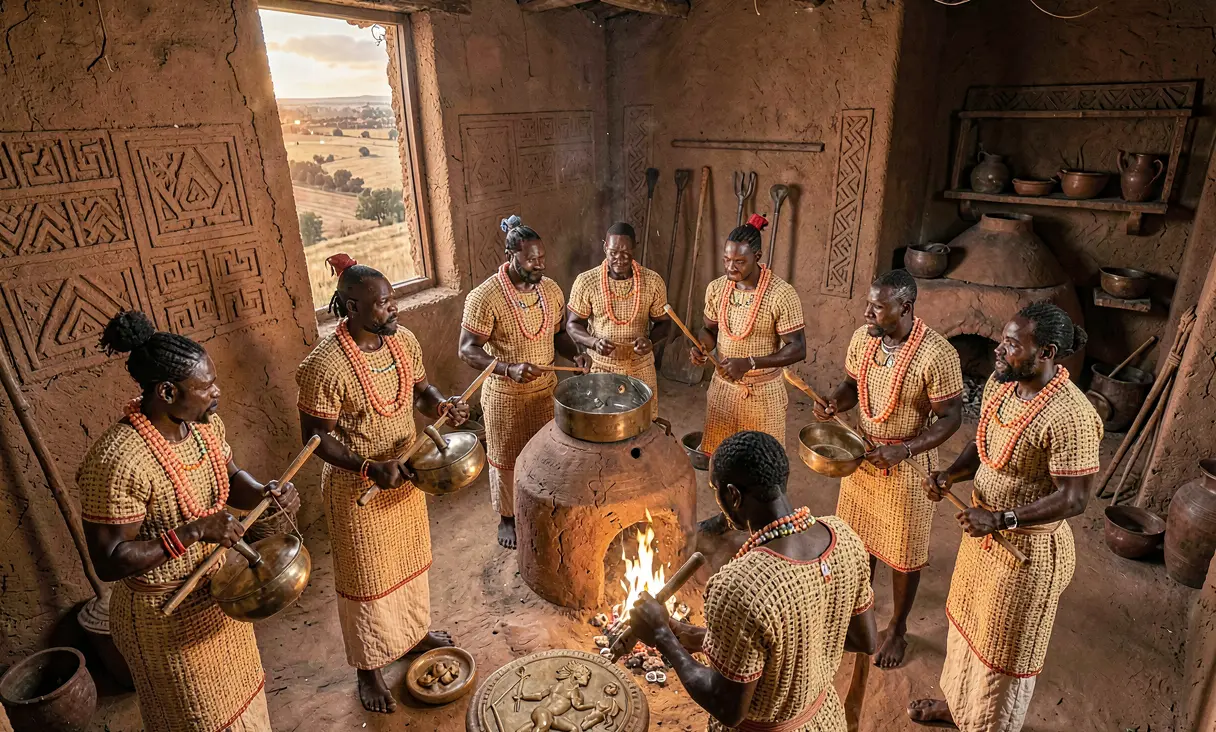
A cornerstone of Ewuare's consolidation of power was the formalization of artistic production. He is historically recognized as the patron who elevated the guilds of artists, particularly the bronze casters (Igun Eronmwon) and woodcarvers, to a status akin to royal officials. Before this era, metalworking in West Africa had flourished in other regions like Ife, but Ewuare integrated these techniques into a distinct Benin aesthetic. He established workshops within the palace complex, ensuring that artistic output was not merely decorative but served as an instrument of statecraft. This move transformed the Oba's court into a hub of technical innovation and cultural preservation.
The Lost-Wax Technique and Technical Mastery
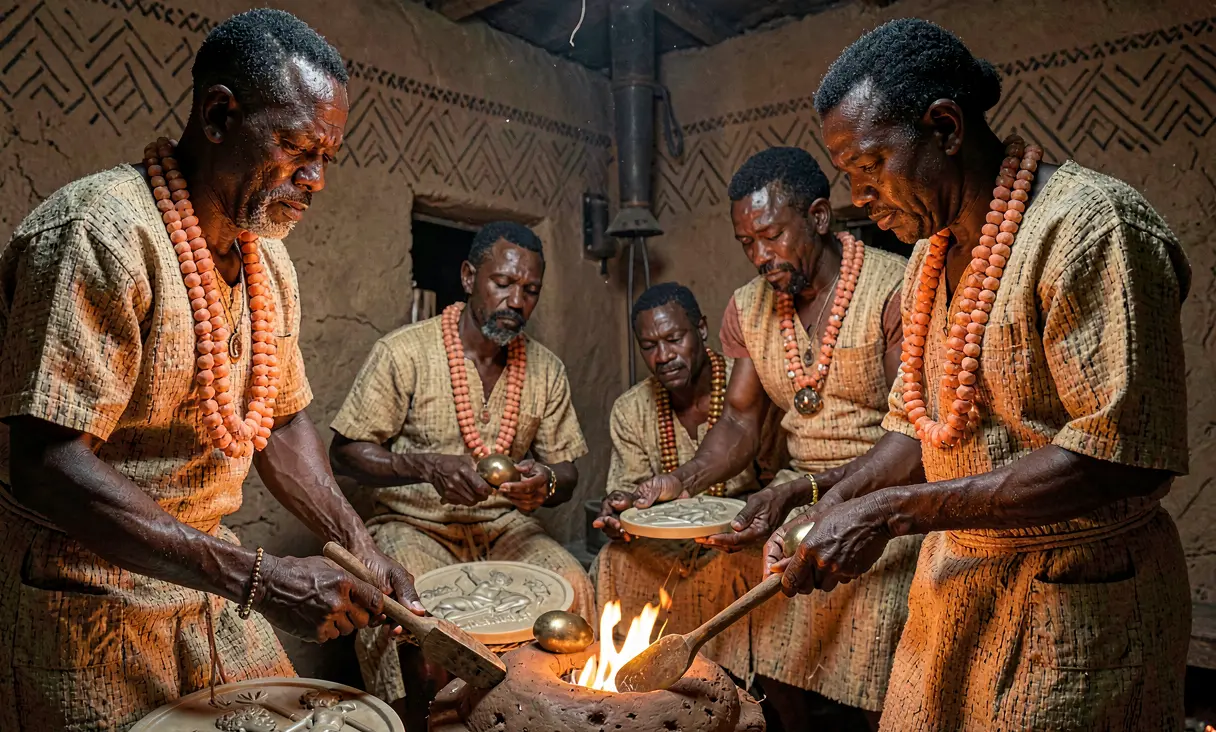
The creation of the Benin Bronzes during this period relied on the sophisticated lost-wax casting technique, known locally as akete. Artisans began by modeling a figure in beeswax, coating it in layers of clay to create a mold, and then heating the assembly to melt out the wax before pouring molten brass into the void. This method allowed for the creation of intricate, hollow sculptures with remarkable surface detail. Under Ewuare's patronage, the alloy composition was refined, often incorporating copper and zinc alongside tin to achieve specific hues and durability. The resulting plaques were not static objects but dynamic records, featuring high-relief figures that conveyed the hierarchy and ritualistic nature of the Benin court.
Visualizing Power: The Early Plaques
The artworks commissioned by Ewuare served a dual purpose: they glorified the Oba's divine status and documented his military conquests. These early bronze plaques, intended to adorn the pillars of the palace, depicted scenes of warriors in battle, court officials in attendance, and the Oba himself performing sacred rituals. Unlike the naturalistic style of earlier Ife art, Ewuare's Benin Bronzes adopted a more stylized, hierarchical approach where size denoted importance; the Oba was consistently rendered as the largest figure, often flanked by attendants or Portuguese traders who had recently arrived on the coast. These images functioned as a visual archive, preserving the memory of specific campaigns and diplomatic encounters for future generations.
The Enduring Legacy of Ewuare's Vision
Although the physical palace structures from Ewuare's time have long since perished due to fire and decay, the artistic tradition he codified endured for nearly five centuries. The visual language established in the 15th century became the standard for all subsequent Obas, creating a continuous lineage of royal portraiture and historical record-keeping. The Benin Bronzes created under his reign laid the foundation for one of Africa's most celebrated artistic traditions, influencing the kingdom's cultural identity long after its political independence ended. Today, these works remain central to debates regarding colonial restitution, yet their original function as a sophisticated historical narrative remains undiminished.
Historical Significance and Global Context
The artistic renaissance under Oba Ewuare represents a pivotal moment in African history where indigenous technology and statecraft merged to produce world-class art. While Europe was emerging from the Middle Ages into the Renaissance, Benin City was simultaneously developing its own sophisticated urban planning and metallurgical arts. The scale of production and the technical precision achieved by Ewuare's guilds challenge outdated narratives that dismissed pre-colonial African societies as lacking in complex artistic or administrative systems. These bronzes stand as enduring testaments to a golden age of West African civilization, asserting the Kingdom of Benin's place on the global stage centuries before European colonization.
Elevated West African metallurgy to world-class standards and created a unique historical archive in art form.
Where it happened
Benin City, Nigeria — see it on the interactive map →
Explore related history
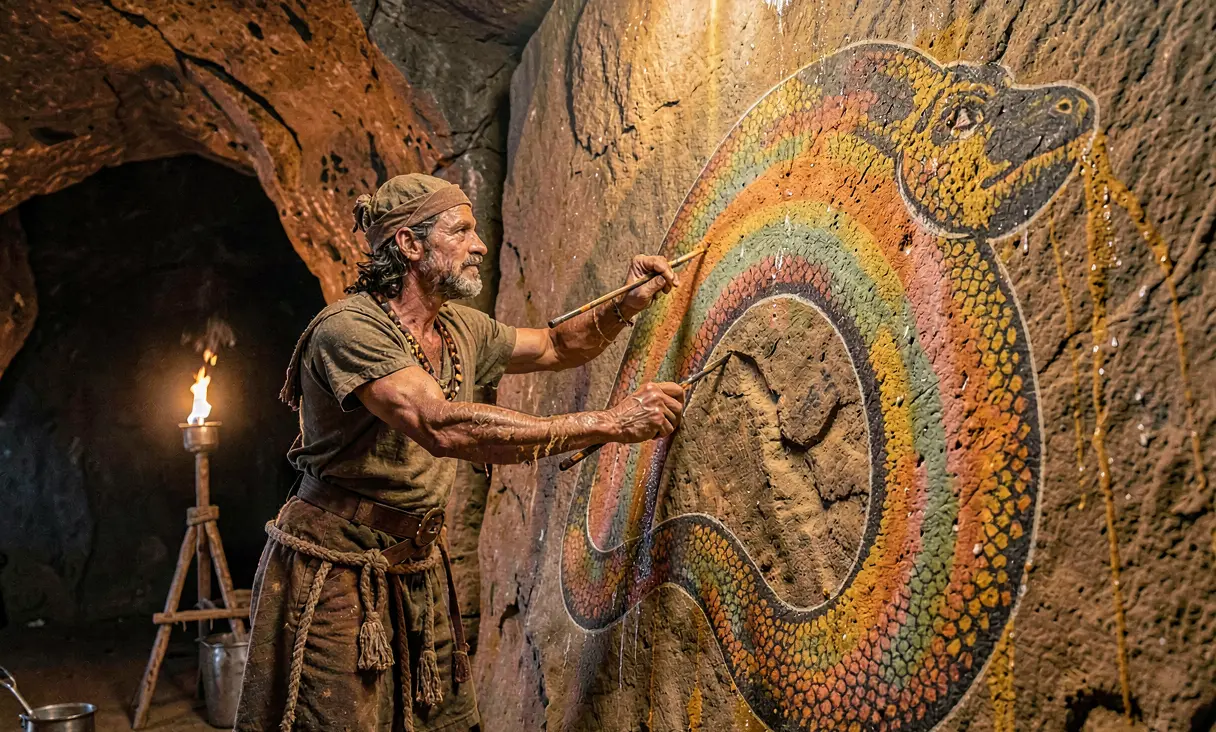 ArtPeak Period of Australian Aboriginal Rock Artc. 3000 BCE to 1500 CE · Kakadu National Park, AustraliaAboriginal artists create vast galleries of rock paintings depicting ancestral beings and hunting scenes.
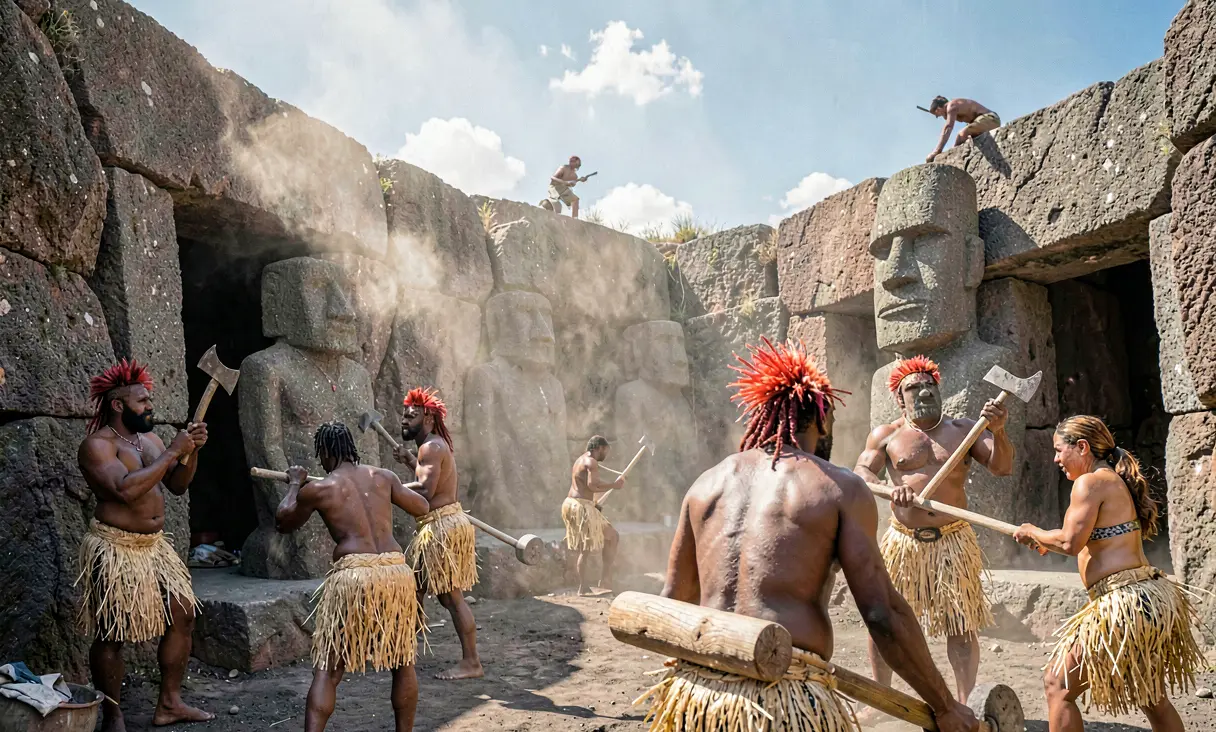 ArtMass Production of Moai Statues at Rano Rarakuc. 1400 CE · Rano Raraku Quarry, Rapa NuiThe peak period of moai carving begins at the Rano Raraku quarry under the direction of clan chiefs.
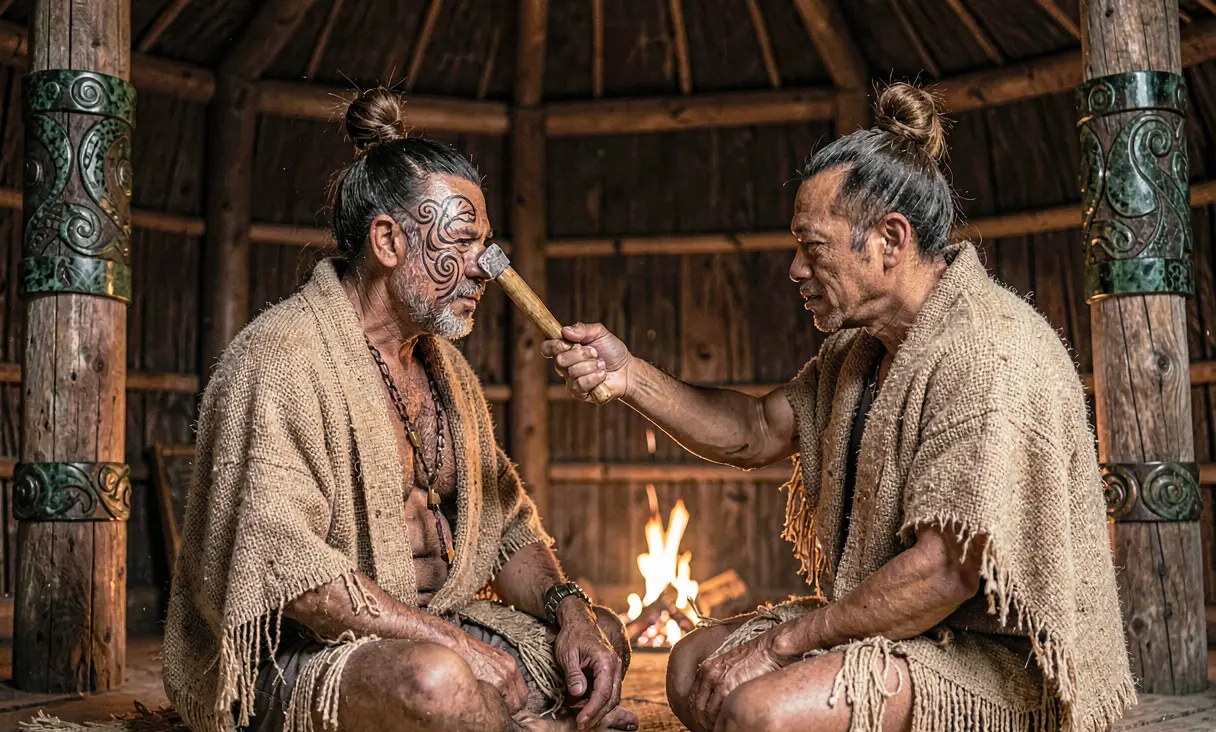 ArtDevelopment of Māori Tā Moko Tattooing Traditionc. 1400 CE · North Island, New ZealandMāori refine the art of tā moko, using chisels to carve permanent facial and body tattoos.
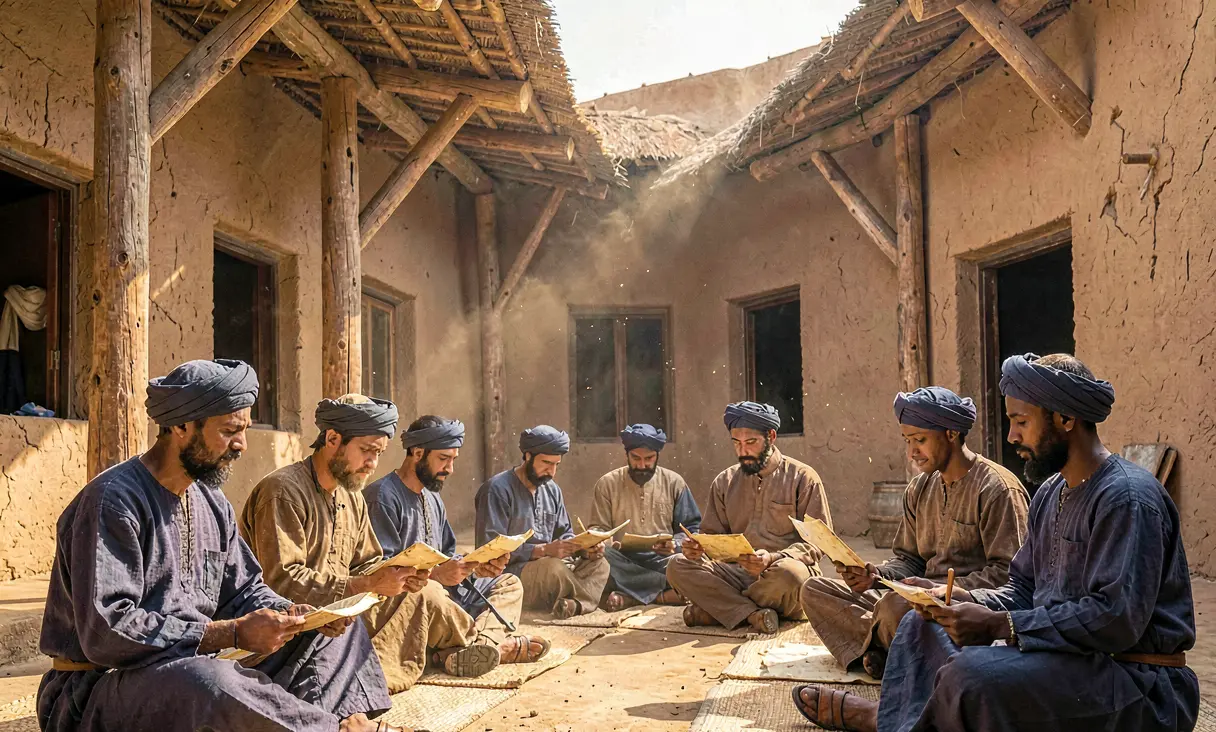 ScienceSankore Madrasah Becomes a Center of Learning in Timbuktuc. 1450 CE · Timbuktu, MaliThe Sankore Madrasah emerges as a premier university for Islamic scholarship in West Africa.
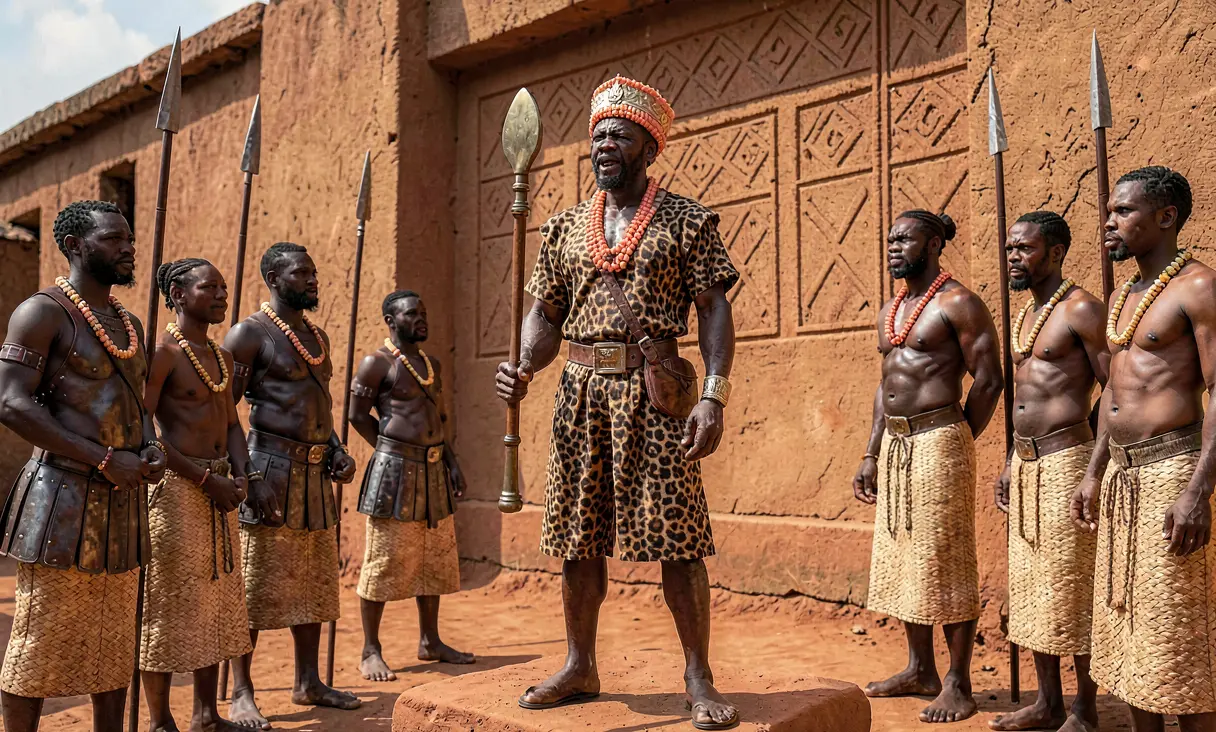 PoliticsOba Ewuare Centralizes the Kingdom of Beninc. 1450 CE · Benin City, NigeriaOba Ewuare reorganizes the kingdom into a centralized state with a professional army and bureaucracy.
 DisasterAbandonment of Great Zimbabwec. 1450 CE · Great Zimbabwe, ZimbabweEnvironmental degradation and shifting trade routes lead to the gradual abandonment of Great Zimbabwe.
Discussion
Loading…