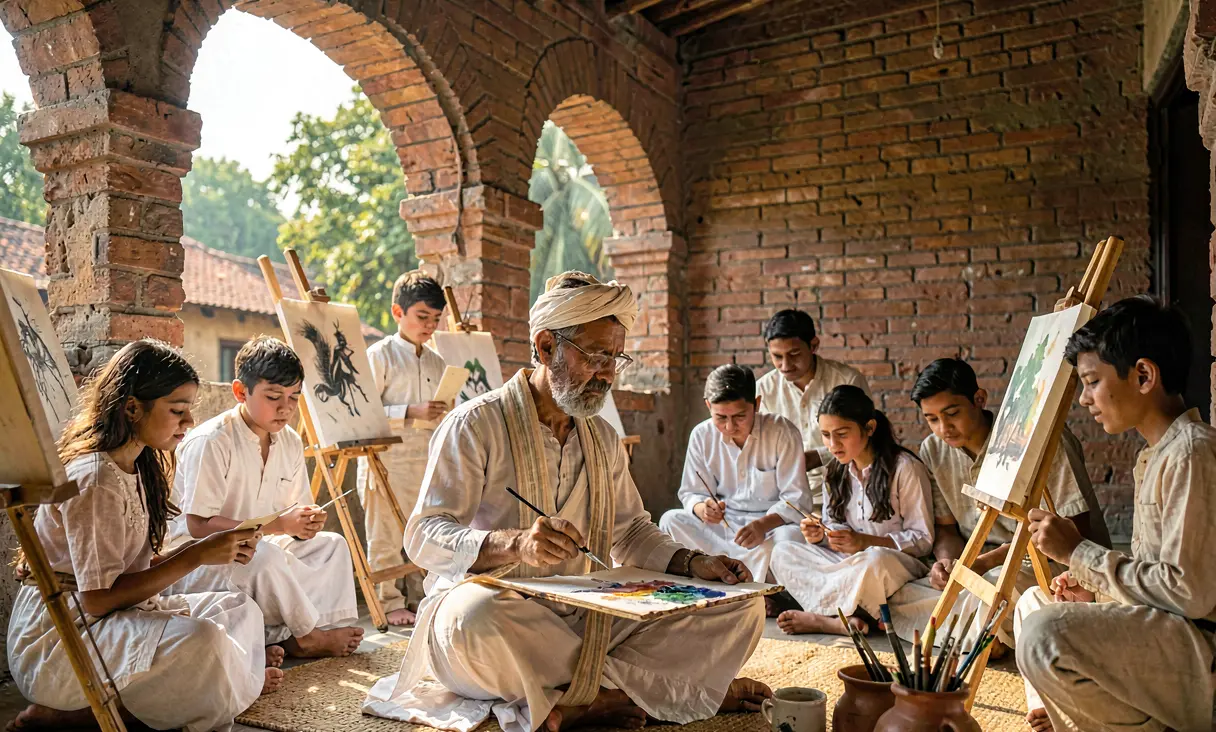
Founding of the Bengal School of Art
Founded by Abanindranath Tagore and E.B. Havell in 1905, this movement rejected Western realism to revive Indian aesthetics, becoming the visual voice of cultural nationalism during the Swadeshi era.
Context of Colonial Aesthetics
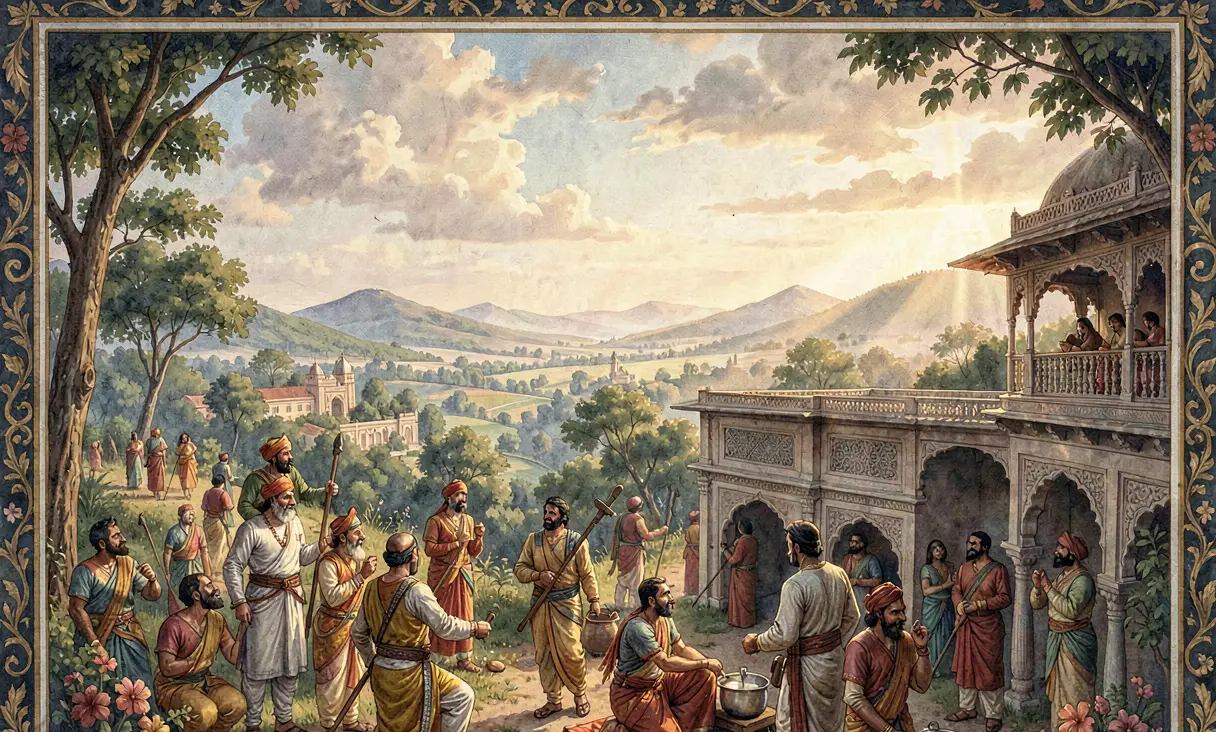
By the early 20th century, the Indian subcontinent was deeply entrenched in a cultural crisis precipitated by British colonial pedagogy. The Government Art School in Calcutta, under the direction of British administrators, strictly enforced European academic realism as the sole standard of artistic merit. Students were taught to prioritize linear perspective, chiaroscuro, and oil painting techniques that mimicked Western masters, while indigenous traditions such as Mughal miniatures, Pahari paintings, and Ajanta frescoes were dismissed as primitive or decorative curiosities. This institutional erasure coincided with the rising tide of Indian nationalism; the arts had become a battleground where the definition of 'civilization' was contested. The Swadeshi movement, sparked by the 1905 Partition of Bengal, demanded not only economic self-reliance but also a reclamation of cultural identity, creating an urgent need for an artistic language that could articulate Indian sovereignty.
The Founding Vision
In 1905, amidst the political fervor of the Swadeshi agitation, a transformative alliance was forged between E.B. Havell, the principal of the Government College of Art in Calcutta, and Abanindranath Tagore, a young artist from the illustrious Tagore family. Havell, an Englishman who had grown disillusioned with the rigid Eurocentric curriculum he administered, recognized that true Indian art lay not in imitation of the West but in the rediscovery of its own heritage. He championed the works of ancient Indian masters and encouraged Abanindranath to explore the aesthetic principles found in the Ajanta caves and Mughal manuscripts. Together, they established a new pedagogical approach within the school that rejected oil painting for tempera and watercolor, favoring the delicate wash techniques inspired by Japanese art, which had recently gained prominence through the influence of Okakura Kakuzo's visit to India.
Key Figures and Methodology
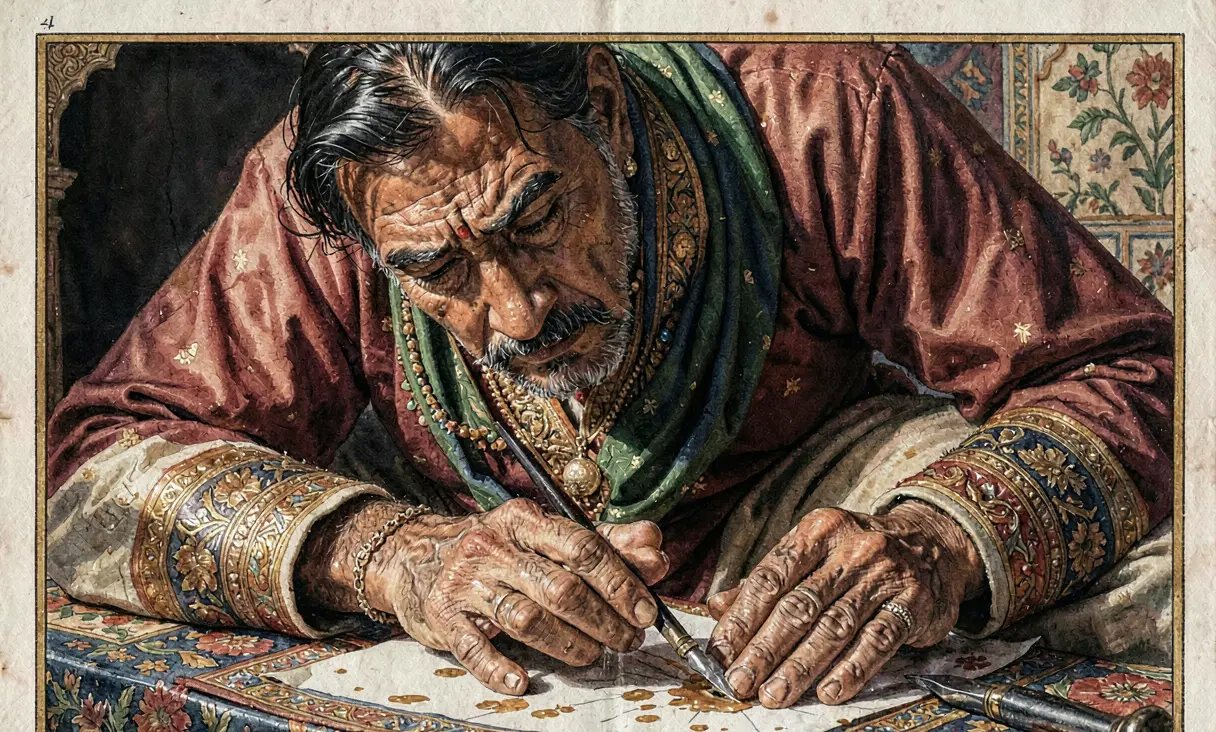
Abanindranath Tagore emerged as the movement's spiritual and artistic leader, synthesizing diverse influences into a cohesive style that came to define the Bengal School. His masterpiece, 'Bharat Mata' (1905), depicted the motherland not as a Western allegory but as a four-armed Hindu deity holding symbols of Indian life—rice, cloth, a book, and a garland—standing against a backdrop of the Ganges. This iconography was revolutionary, merging spiritual devotion with political nationalism. The methodology involved a deliberate shift away from the heavy impasto of European oil painting toward the translucent 'wash' technique, creating ethereal, dreamlike atmospheres that echoed the lyrical quality of Rajput and Mughal miniatures. Other key figures included Nandalal Bose, who would later become Abanindranath's most prominent student, and Kshitindranath Majumdar, all of whom contributed to refining this distinct visual vocabulary that prioritized line and color over three-dimensional modeling.
The Movement Unfolds
The Bengal School did not merely exist within the confines of the art school; it rapidly permeated the broader cultural landscape of Calcutta. The movement was institutionalized further with the establishment of the Indian Society of Oriental Art in 1907, which served as a platform to exhibit and promote this new style to both Indian and international audiences. Exhibitions were held that showcased works rejecting Western realism in favor of stylized forms, flat planes of color, and mythological narratives drawn from the epics of Ramayana and Mahabharata, as well as Sufi and Vaishnavite poetry. The school's influence extended beyond painting to literature and music, creating a holistic cultural renaissance that aligned artistic expression with the political goal of Swaraj (self-rule). By 1908-1910, the 'Bengal Style' had become the dominant aesthetic for Indian art, effectively displacing colonial academicism in major circles.
Aftermath and Expansion
Following its initial success in Calcutta, the ethos of the Bengal School spread to other parts of India, notably influencing the establishment of the Kala Bhavana at Visva-Bharati University in Santiniketan under Rabindranath Tagore. While Abanindranath remained the figurehead, the movement evolved as artists like Nandalal Bose began to incorporate folk art traditions and rural themes, moving slightly away from the purely mythological focus of the early years. The school faced criticism later for its perceived idealism and detachment from contemporary social realities, yet it successfully dismantled the hegemony of Western academic standards that had dominated Indian art education for decades. It proved that modernity did not necessitate Westernization, offering a viable path where tradition could be reinterpreted for a new era.
Legacy and Global Significance
The legacy of the Bengal School of Art is profound, serving as the bedrock upon which modern Indian art was constructed. It initiated a paradigm shift that allowed subsequent generations of artists to explore indigenous themes without the burden of colonial validation. The movement's emphasis on cultural nationalism influenced not only visual arts but also the broader anti-colonial discourse across Asia, inspiring similar revivals in Japan and China. Today, the works of Abanindranath Tagore and his contemporaries are held in high esteem by major museums worldwide, recognized for their unique synthesis of Eastern aesthetics and modern sensibilities. The Bengal School stands as a testament to the power of art as a tool for decolonization, demonstrating how cultural heritage can be revitalized to forge a distinct national identity in the face of imperial domination.
The Bengal School initiated a cultural renaissance that redefined Indian identity through art and rejected Western colonial norms.
Where it happened
Calcutta (Kolkata), India — see it on the interactive map →
Explore related history
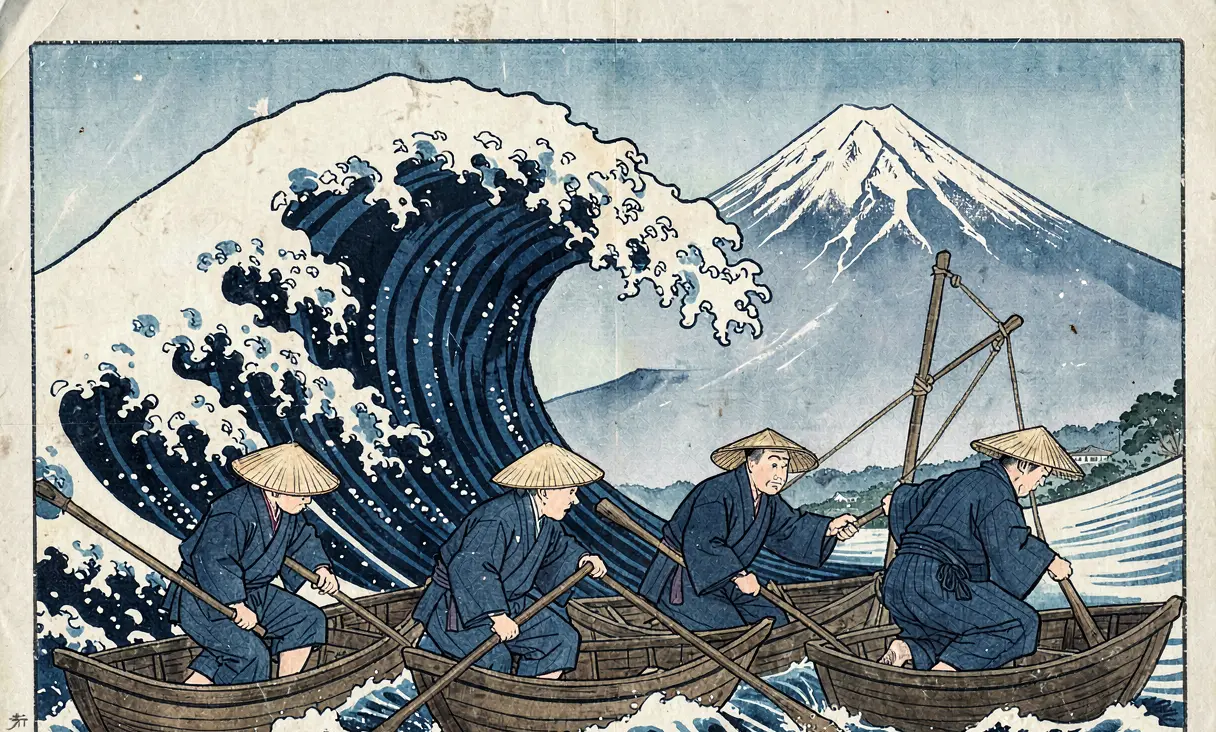 ArtCreation of The Great Wave off Kanagawac. 1831 CE · Kanagawa, JapanHokusai produces iconic woodblock print influencing Western art movements.
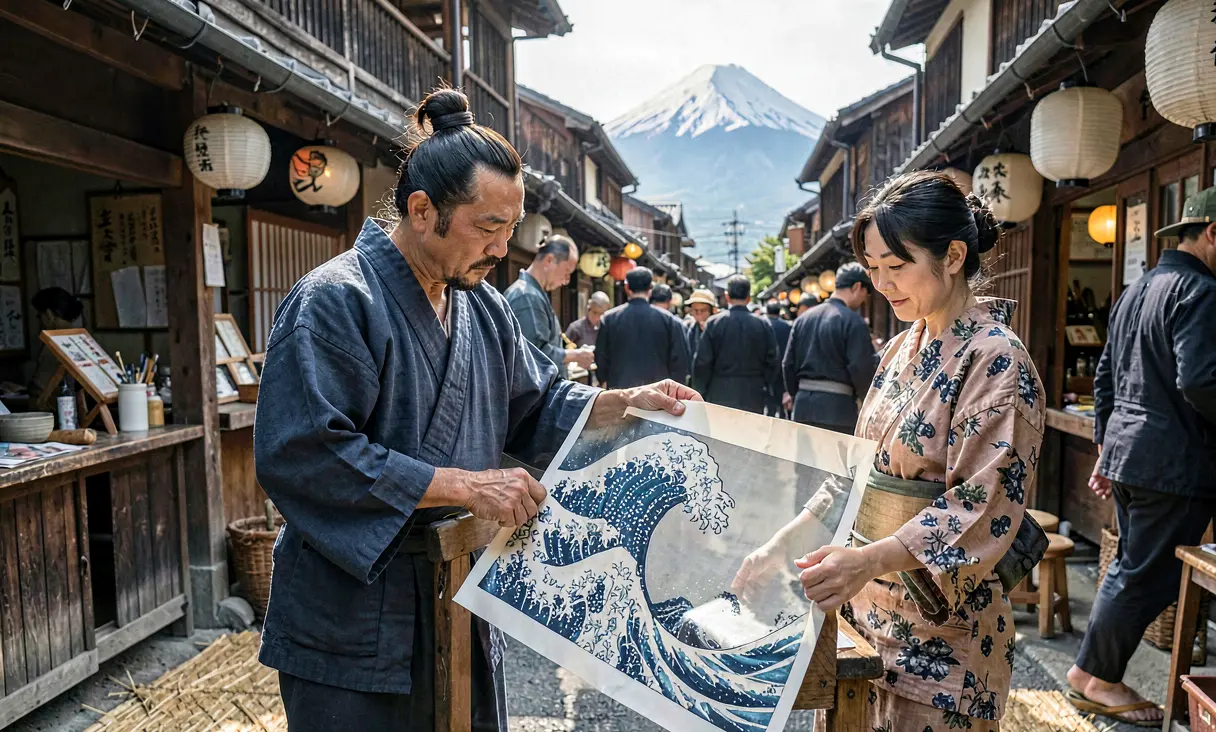 ArtPublication of Hokusai's Great Wavec. 1831 CE · Edo (Tokyo), JapanKatsushika Hokusai releases the iconic woodblock print of Mount Fuji.
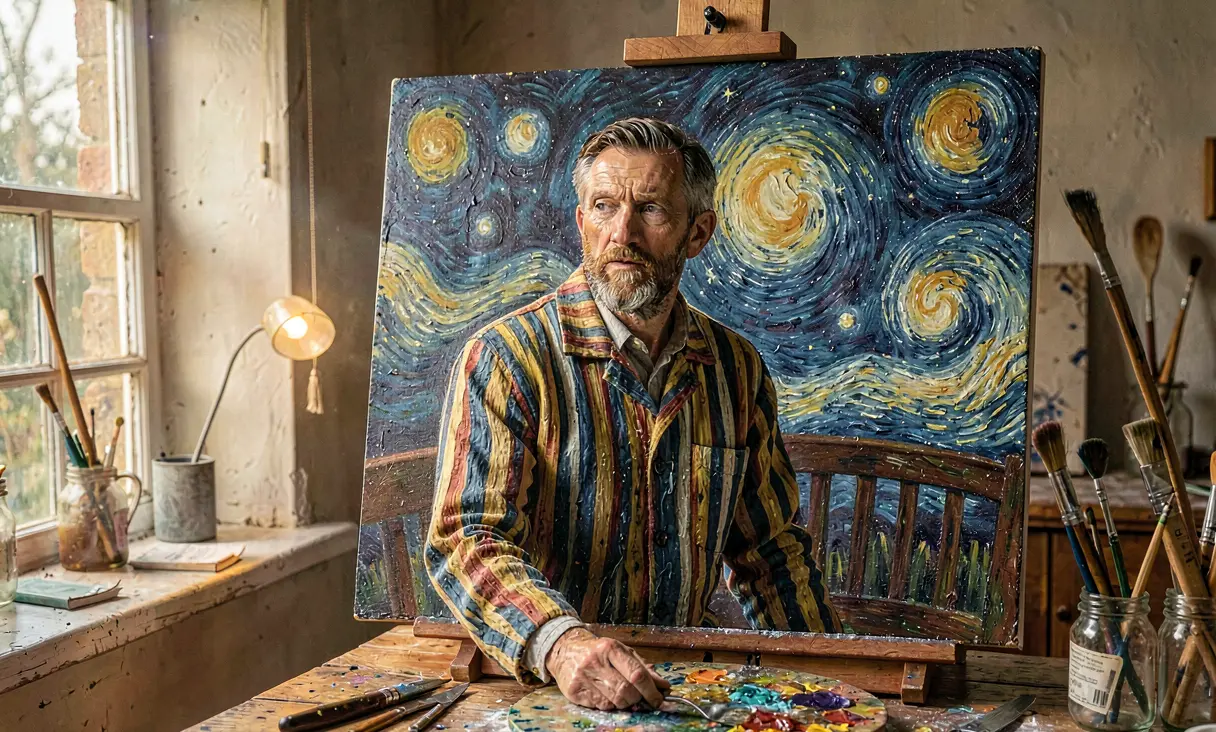 ArtCreation of The Starry NightJune 1889 · Saint-Rémy-de-Provence, FranceVincent van Gogh paints his most famous masterpiece from an asylum window.
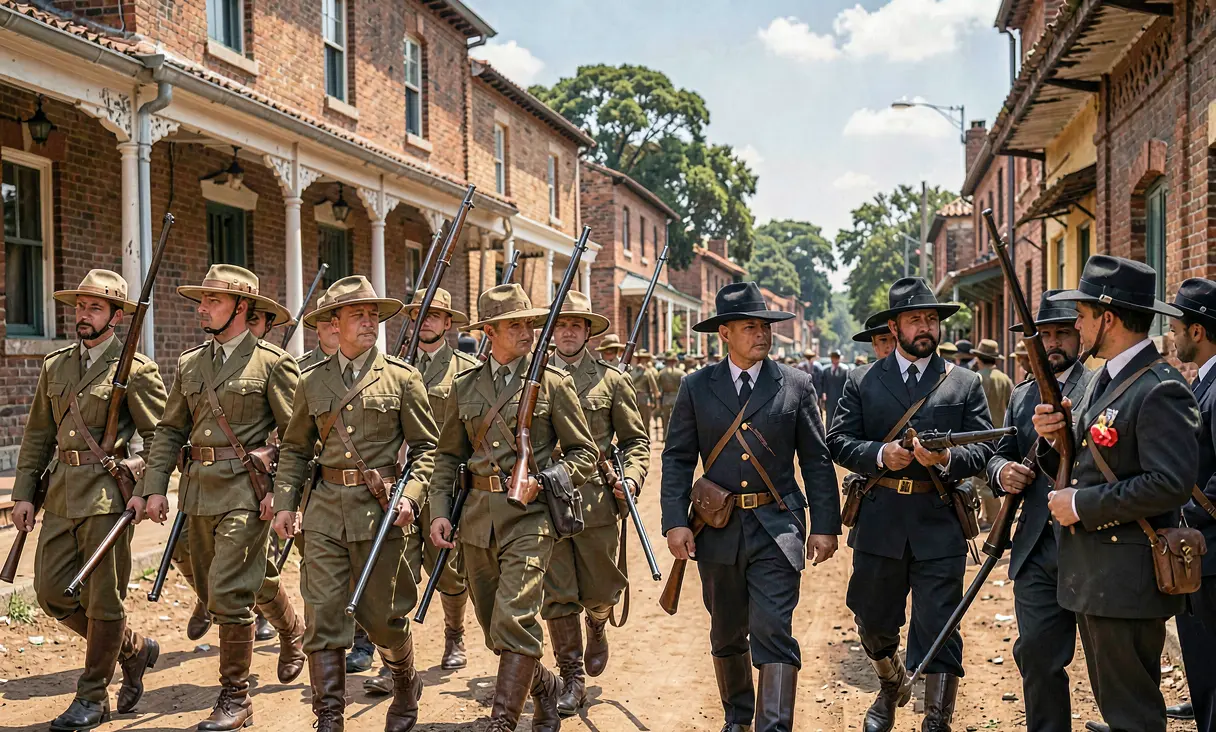 WarSecond Boer War BeginsOctober 11, 1899 · Pretoria, South AfricaBritish Empire fights Boer republics, introducing concentration camps.
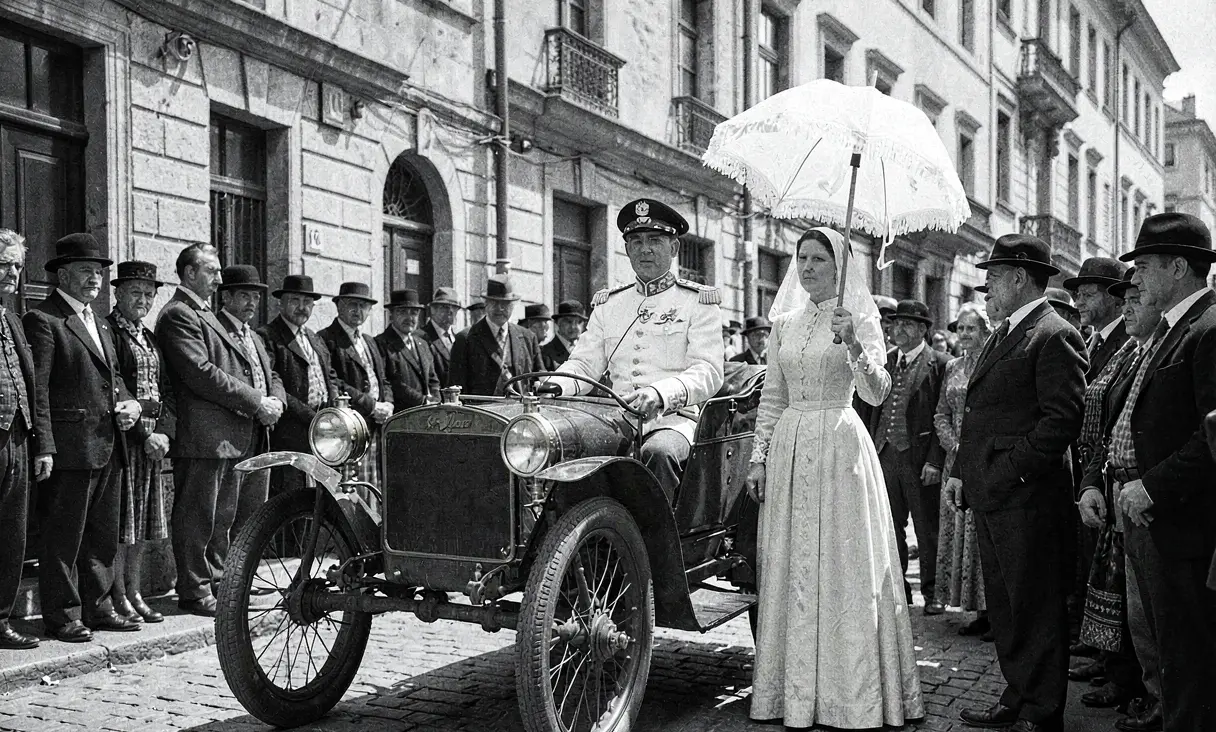 WarOutbreak of World War IJuly 28, 1914 CE · Sarajevo, BosniaAssassination of Archduke Franz Ferdinand triggers a global conflict involving major powers.
 PoliticsOctober RevolutionNovember 7, 1917 · Petrograd (St. Petersburg), RussiaBolsheviks overthrow the Provisional Government, creating the first socialist state.
Discussion
Loading…