Battle of Kadesh
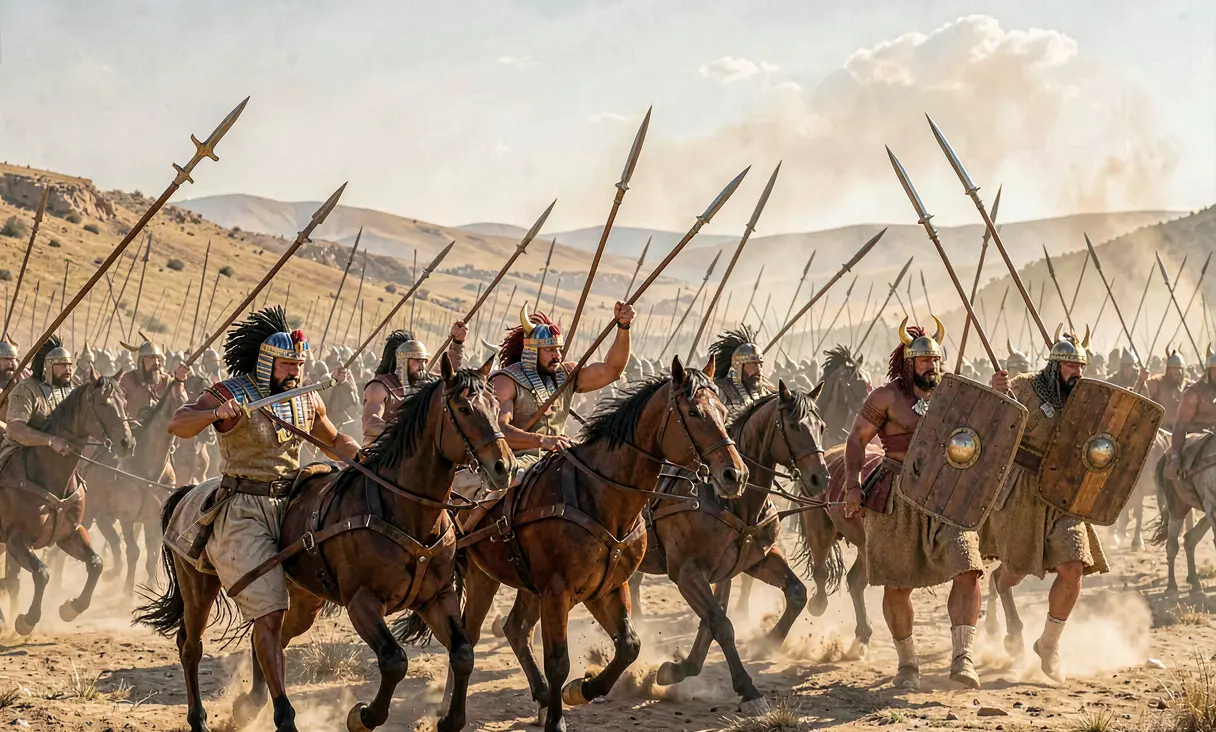
The Battle of Kadesh was a massive chariot engagement between Egypt and Hatti that ended in a stalemate but produced the world's first recorded peace treaty, stabilizing the Bronze Age Mediterranean.
Clash of Empires in the Levant
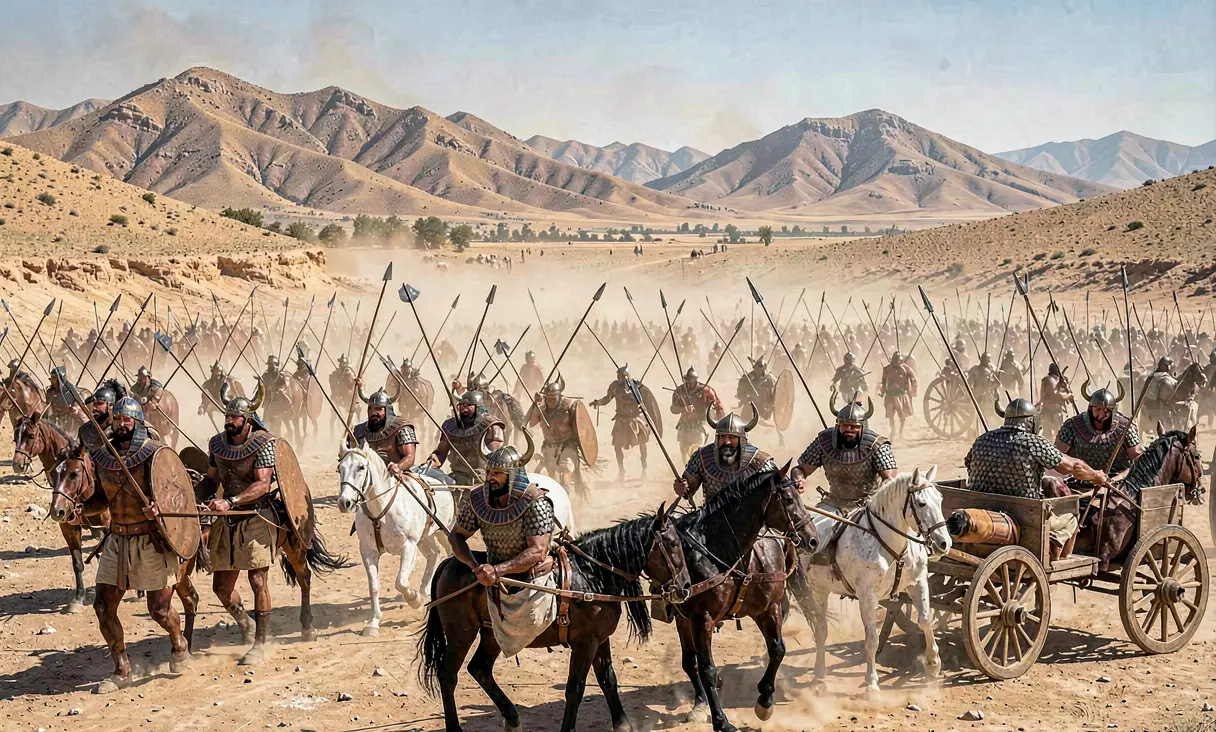
By the late 13th century BCE, the geopolitical landscape of the Eastern Mediterranean was defined by a tense bipolarity between two superpowers: the New Kingdom of Egypt and the Hittite Empire based in Anatolia. For decades, these titans had vied for control over Syria and the Levant, the critical corridor for trade routes connecting Africa to Asia. The Battle of Kadesh, fought circa 1274 BCE, was not merely a skirmish but the culmination of this imperial rivalry. Pharaoh Ramesses II, seeking to reclaim territories lost during the chaotic reigns of his predecessors, marched north with an army estimated at 20,000 infantry and 2,000 chariots. Opposing him stood Muwatalli II, the Hittite king, who commanded a formidable force that likely outnumbered the Egyptians in chariotry, utilizing the lighter, more maneuverable three-man chariots of the Hittites against Egypt's heavier two-man designs.
The Ambush at the Orontes
The campaign began with a rapid advance through Canaan, but Ramesses II fell victim to a sophisticated deception. Two Shasu Bedouin scouts, acting as double agents for Muwatalli, misled the Pharaoh into believing the Hittite army was still far away in Aleppo. Unaware of the enemy's proximity, Ramesses divided his forces into four divisions named after Egyptian deities: Amun, Re, Ptah, and Seth. He led the Division of Amun toward Kadesh while the others trailed behind. Upon reaching the vicinity of the city on the banks of the Orontes River, the Pharaoh's camp was suddenly engulfed by a massive Hittite chariot charge. The surprise attack shattered the Division of Re, which had just arrived, and threatened to annihilate Ramesses himself. Historical records, including the 'Poem' and the 'Bulletin' inscribed at Karnak and Abu Simbel, depict the Pharaoh as a lone warrior fighting off hundreds of enemy chariots before reinforcements from the Negev division could arrive.
Tactical Innovation and Chariot Warfare
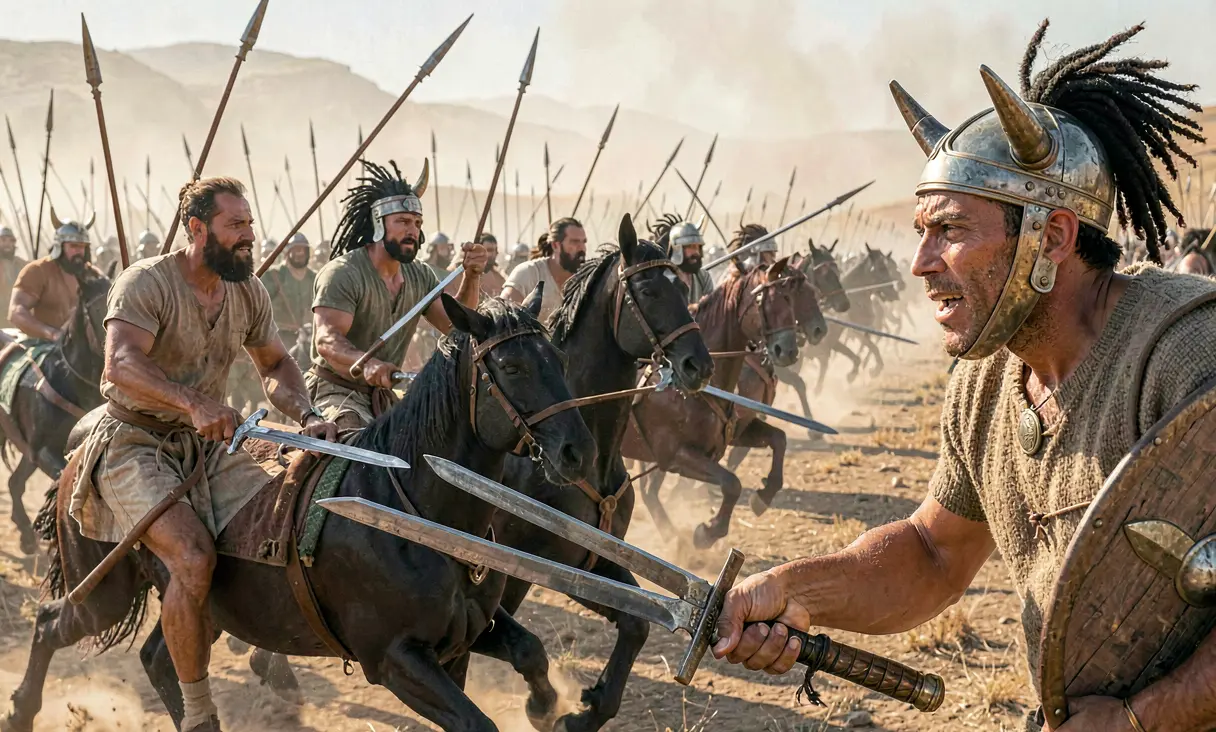
The engagement showcased the zenith of Bronze Age military technology and tactical evolution. The Hittites employed their superior numbers to execute a classic envelopment, attempting to cut off the Egyptian retreat across the river. Their chariots, equipped with three crew members—a driver, a shield-bearer, and an archer—offered greater stability and firepower compared to the standard Egyptian two-man teams. However, Ramesses II's ability to rally his troops under extreme duress prevented a total catastrophe. The battle evolved into a chaotic melee where the discipline of the Egyptian infantry held the line against repeated cavalry assaults. While neither side achieved a decisive tactical victory in terms of capturing Kadesh or destroying the opposing army, the sheer scale of the engagement, involving thousands of combatants and hundreds of chariots, remains unparalleled for its era.
The Path to Diplomacy
Following the stalemate at Kadesh, both empires found themselves in a precarious position. The conflict had drained their treasuries and manpower without yielding strategic dominance. Furthermore, external threats began to loom; the Assyrians were rising in Mesopotamia, and the Sea Peoples would soon threaten the coastlines. Recognizing that continued warfare was unsustainable, Ramesses II and Muwatalli's successor, Hattusili III, initiated diplomatic overtures. This culminated in 1259 BCE with the signing of the Egyptian-Hittite peace treaty. Inscribed on silver tablets (now lost) but preserved in hieroglyphs at Karnak and cuneiform in Hattusa, this document is the oldest surviving peace treaty in history. It established a non-aggression pact, mutual defense against third parties, and the extradition of political refugees, effectively ending decades of hostilities.
Legacy of the Bronze Age Peace
The aftermath of Kadesh reshaped the cultural and political trajectory of the ancient world. The treaty did more than just stabilize borders; it ushered in a period of relative peace that facilitated unprecedented cultural exchange between Egypt and Anatolia. Trade flourished, artistic motifs crossed continents, and diplomatic marriages cemented the alliance, with Ramesses eventually taking Hittite princesses as wives. The battle itself became a cornerstone of Egyptian propaganda, immortalized in temples across the land to project an image of divine invincibility, even though historical analysis suggests a tactical draw. Ultimately, Kadesh stands as a testament to the sophistication of Bronze Age statecraft, demonstrating that military might could be balanced by diplomatic pragmatism, setting a precedent for international relations that echoes through millennia.
It established early diplomatic precedents through formalized peace agreements between rival empires.
Where it happened
Syria/Lebanon Border — see it on the interactive map →
Explore related history
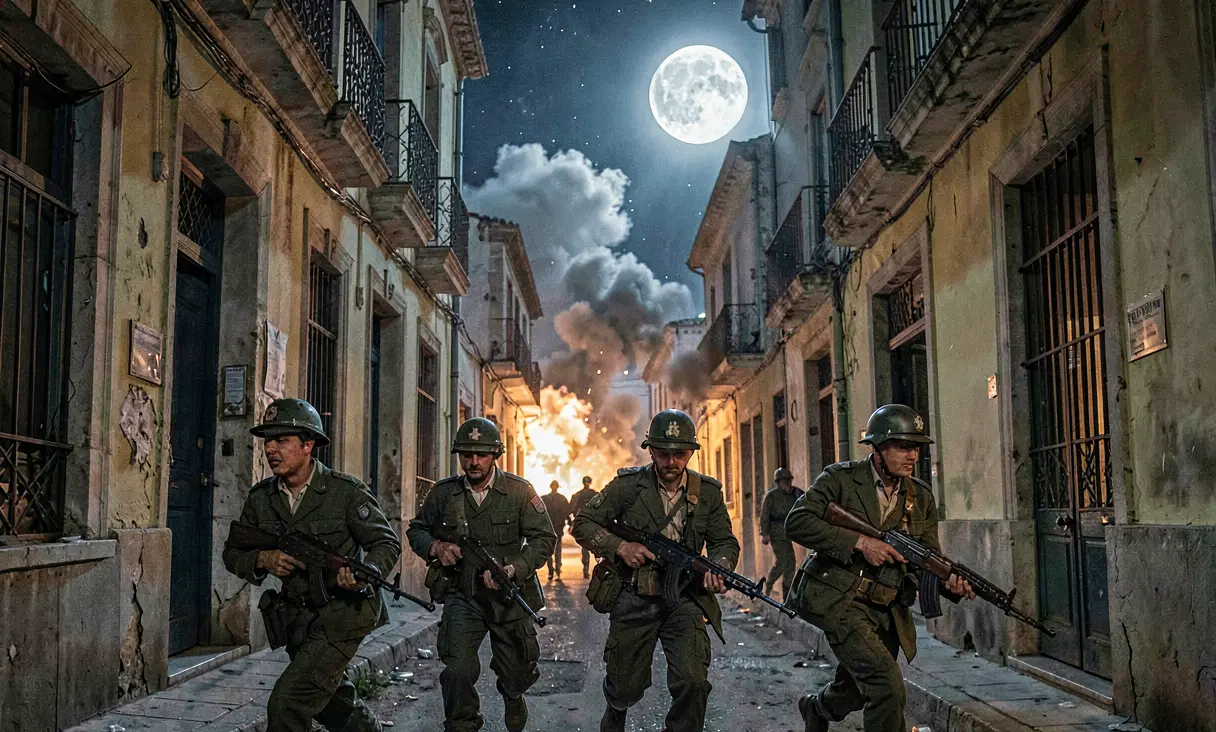 WarAlgerian War of Independence BeginsNovember 1, 1954 · Algiers, AlgeriaThe National Liberation Front launches coordinated attacks marking the start of the Algerian War against France.
 WarMau Mau Uprising Begins in KenyaOctober 20, 1952 · Nairobi, KenyaThe Kikuyu-led Mau Mau rebellion begins against British colonial rule and white settler land ownership.
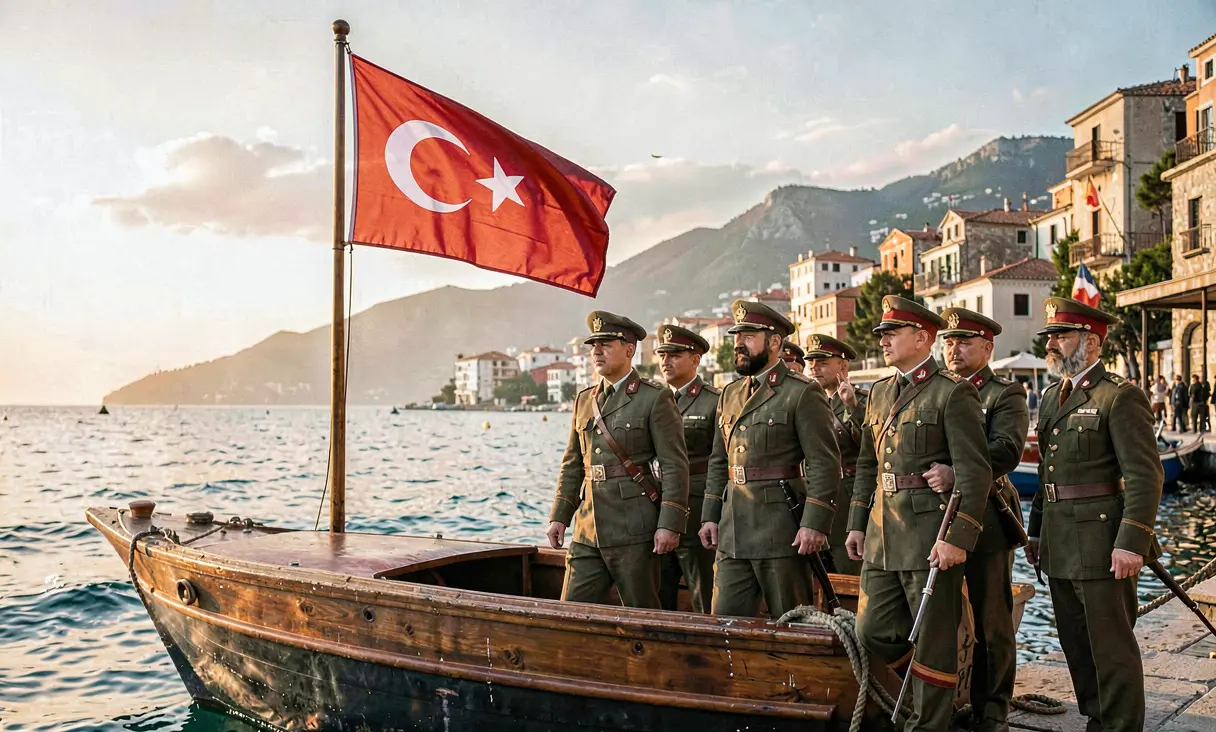 WarTurkish War of Independence BeginsMay 19, 1919 · Samsun, TurkeyMustafa Kemal Atatürk lands in Samsun to organize resistance against Allied occupation and the Ottoman Sultanate.
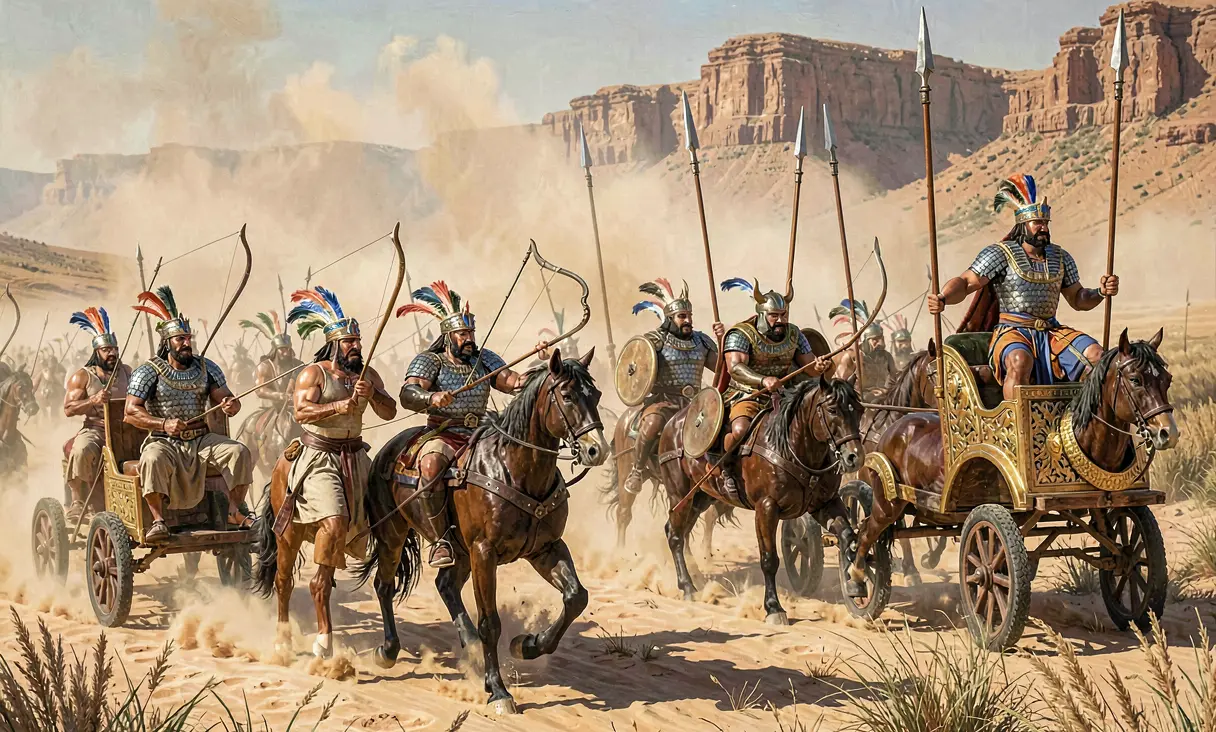 WarBattle of Kadesh: Hittites vs. Egyptiansc. 1274 BCE · Kadesh (Tall al-Nabi Mind), SyriaRamesses II and Muwatalli II clash in the largest chariot battle of antiquity.
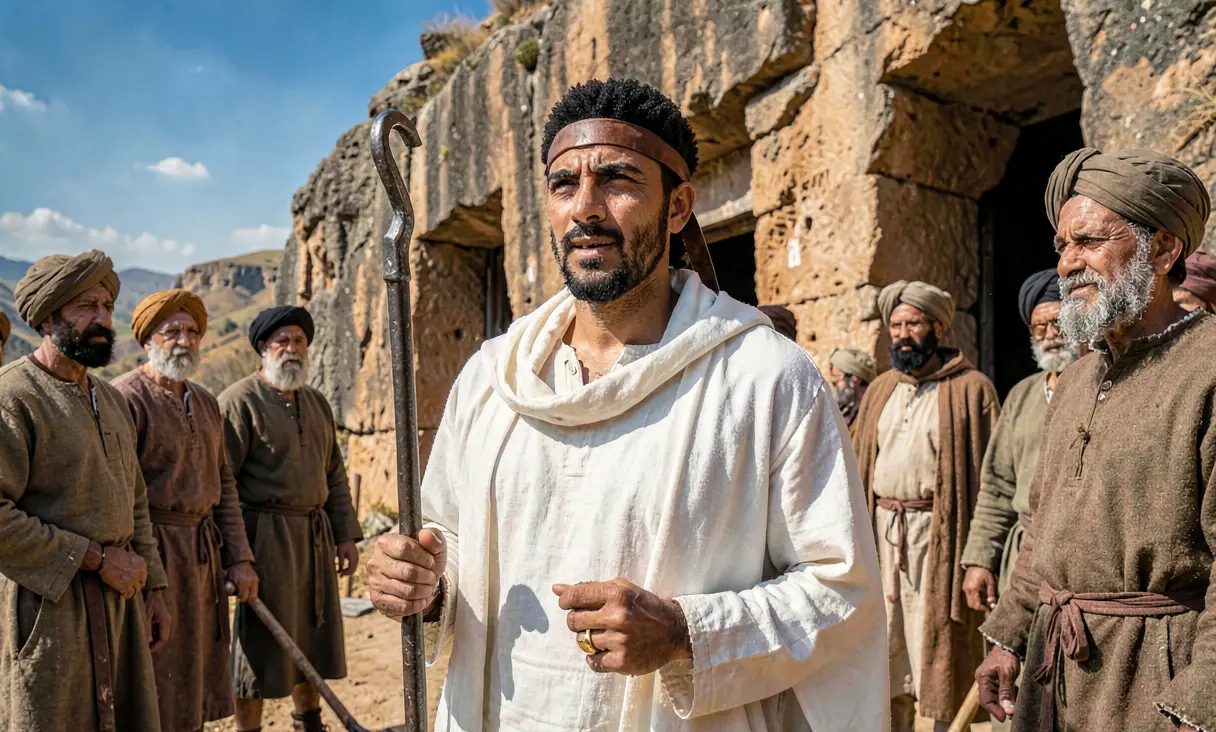 PoliticsSolomonic Restoration in Ethiopiac. 1270 CE · Lalibela, EthiopiaYekuno Amlak restores the Solomonic dynasty, claiming direct descent from King Solomon and the Queen of Sheba.
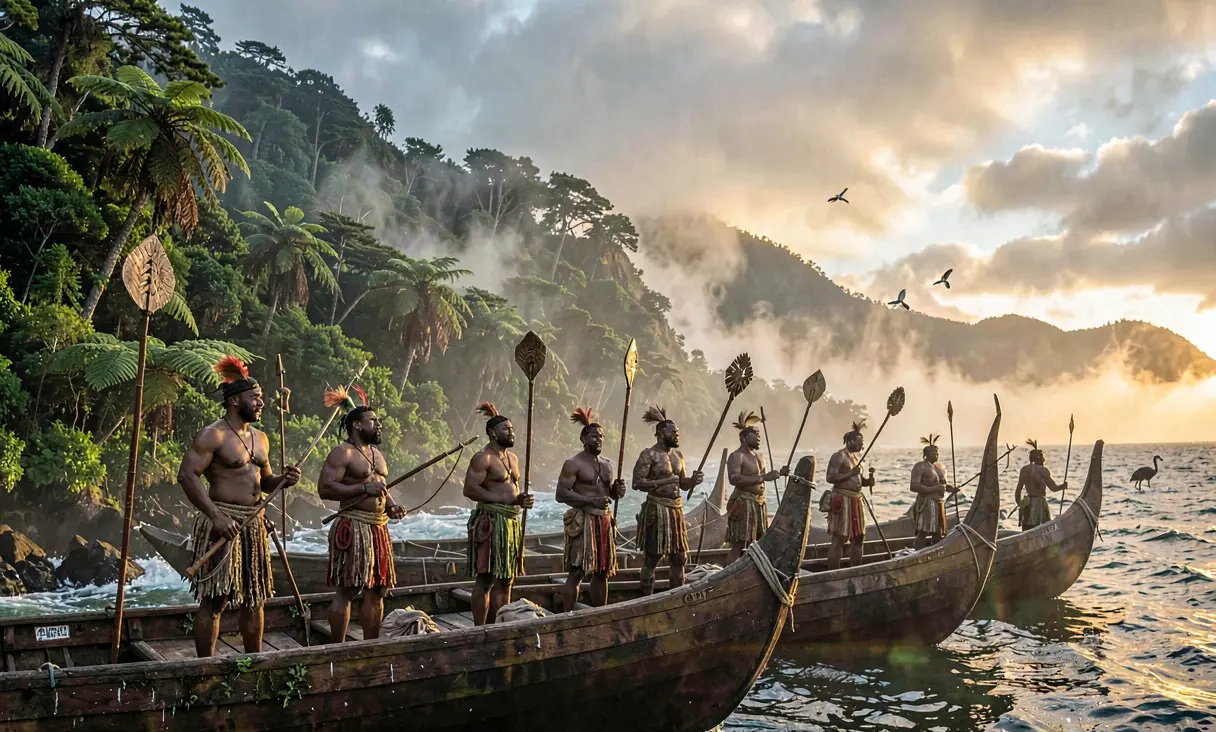 ExplorationMāori Settlement of Aotearoa (New Zealand)c. 1280 CE · North Island, New ZealandPolynesian voyagers from East Polynesia arrive in Aotearoa, marking the last major human migration.
Discussion
Loading…