
Bantu Expansion reaches Southern Africa
The arrival of Bantu speakers in the Limpopo region around 50 CE introduced ironworking and agriculture, transforming Southern Africa's demographics and laying the linguistic foundations for modern na
Context of the Great Migration
By the first century CE, the Bantu expansion, a millennia-long demographic and cultural phenomenon originating in the borderlands of modern-day Cameroon and Nigeria, had reached its southernmost frontiers. This migration was not a singular invasion but a gradual, multi-generational movement of agro-pastoralist societies equipped with iron-smelting technology and knowledge of yam and oil palm cultivation. As these populations moved southward through the Great Lakes region and down the eastern coast of Africa, they encountered diverse ecological zones that dictated their pace and settlement patterns. By approximately 50 CE, distinct Bantu-speaking groups had pushed beyond the Zambezi River, entering the Limpopo basin, a fertile corridor that would become the cradle of southern African civilization.
Arrival in the Limpopo Basin
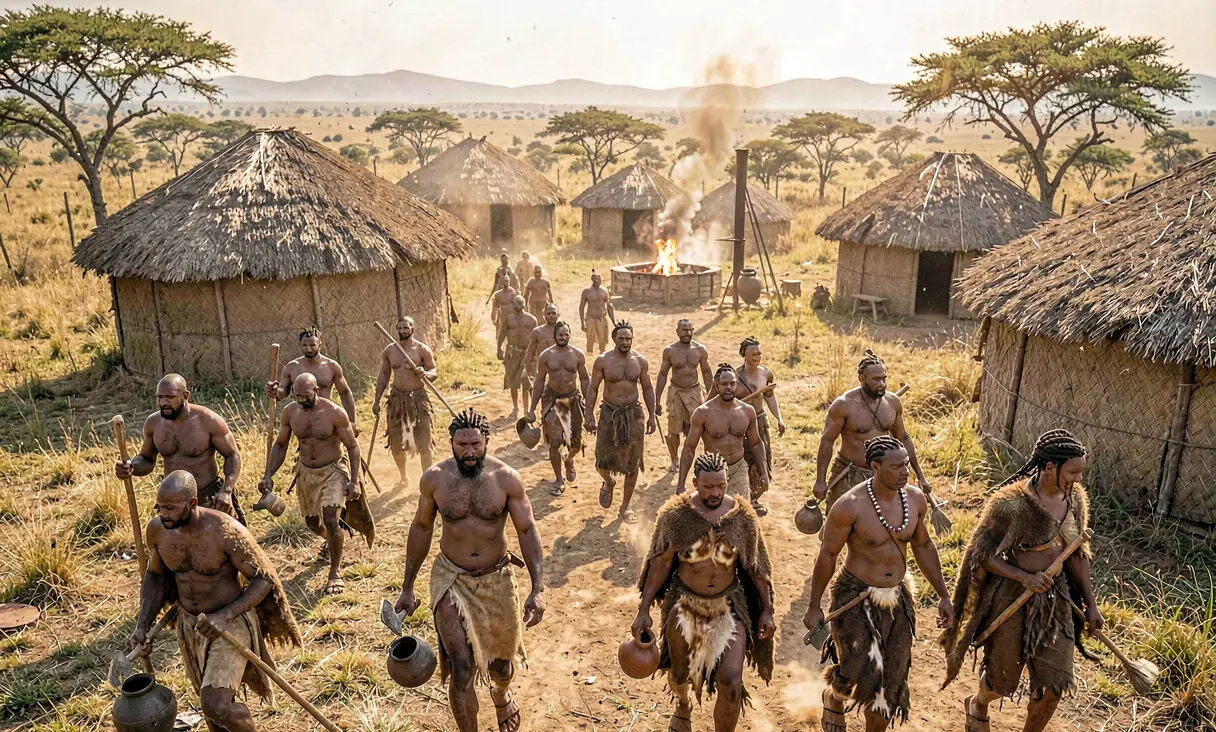
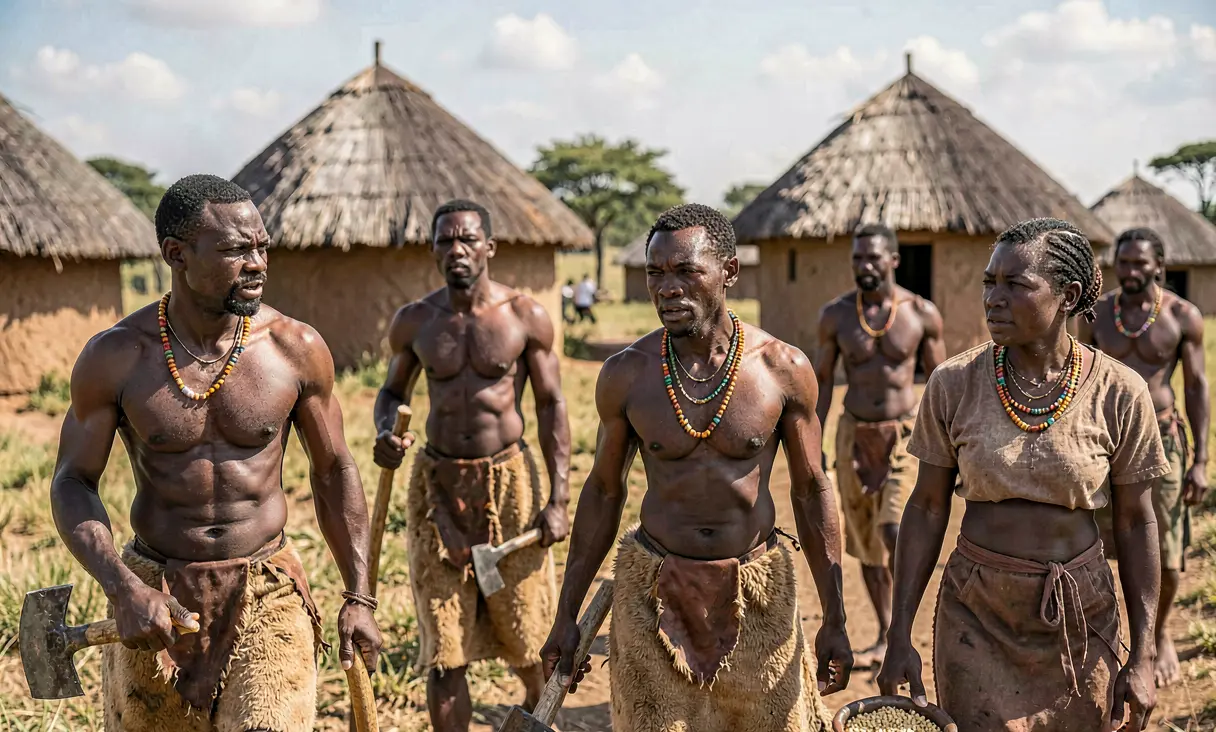
The arrival of Bantu-speaking farmers in the Limpopo region around 50 CE marked a definitive shift in the demographic and technological landscape of Southern Africa. Archaeological evidence, including early ceramic assemblages known as the Kwale tradition and iron slag deposits found at sites like Broederstroom and later Mapungubwe, confirms their presence. These settlers introduced intensive agriculture, cultivating sorghum and millet alongside the domestication of cattle, sheep, and goats. This economic shift allowed for population densities far exceeding those of the indigenous hunter-gatherer societies, fundamentally altering the land use patterns of the subcontinent.
Interaction with Indigenous Populations
The expansion into Southern Africa was characterized by a complex interplay between incoming Bantu groups and the indigenous San (hunter-gatherers) and Khoikhoi (pastoralists). Contrary to older historical narratives of total displacement, modern scholarship suggests a process of assimilation, intermarriage, and cultural exchange. While some San groups were absorbed into Bantu-speaking communities, adopting their languages and agricultural practices, others retreated into more arid regions like the Kalahari to maintain their traditional lifestyles. The Khoikhoi, who had already adopted pastoralism from earlier interactions with Bantu speakers further north, found themselves in a dynamic relationship where cattle ownership became a central pillar of social status for both groups.
The Unfolding of New Societies
Over the subsequent centuries following their initial arrival, these early settlements evolved from small, dispersed homesteads into complex chiefdoms. The introduction of iron tools revolutionized agriculture and warfare, enabling the clearing of dense bush and the construction of more permanent stone-walled structures. Social stratification began to emerge, driven by control over cattle herds and trade networks that eventually linked the interior with Indian Ocean coastal ports. By the time these societies reached their zenith in the first millennium CE, they had established a sophisticated political economy based on tribute, kinship, and religious authority centered around rain-making rituals and ancestral veneration.
Legacy of Language and Culture
The most enduring legacy of this expansion is linguistic. The arrival of Bantu speakers in the Limpopo region laid the foundation for the Nguni, Sotho-Tswana, and Venda language families that dominate Southern Africa today. These languages absorbed loanwords from Khoisan languages, particularly regarding local flora, fauna, and click sounds, creating a unique cultural synthesis. Furthermore, the social structures established during this period—such as the centrality of cattle in marriage lobola (bride wealth) systems and the role of the chief as both political and spiritual leader—remain integral to the identity of modern Southern African nations.
Significance in World History
While not a singular event like the fall of Rome, the Bantu expansion's reach into Southern Africa represents one of the most significant demographic shifts in human history, comparable to the spread of Indo-European languages across Eurasia. It transformed a region inhabited primarily by mobile foragers into a landscape of settled agrarian states, facilitating the rise of great civilizations such as Great Zimbabwe and Mapungubwe centuries later. This migration fundamentally redrew the cultural map of Africa, establishing the demographic majority that defines the region's modern political and social fabric.
It fundamentally reshaped the population, language, and economy of the entire southern half of Africa.
Where it happened
South Africa (Limpopo region) — see it on the interactive map →
Explore related history
 CivilizationRise of the Etruscan League in Central Italyc. 750 BCE · Tarquinia (Cerveteri), ItalyEtruscan city-states form a powerful confederation dominating central Italy and influencing Rome.
 CivilizationCodices and Writing System of the Mayac. 200 BCE · El Mirador, GuatemalaThe Maya develop a complex logosyllabic writing system and astronomical calendars during the Preclassic period.
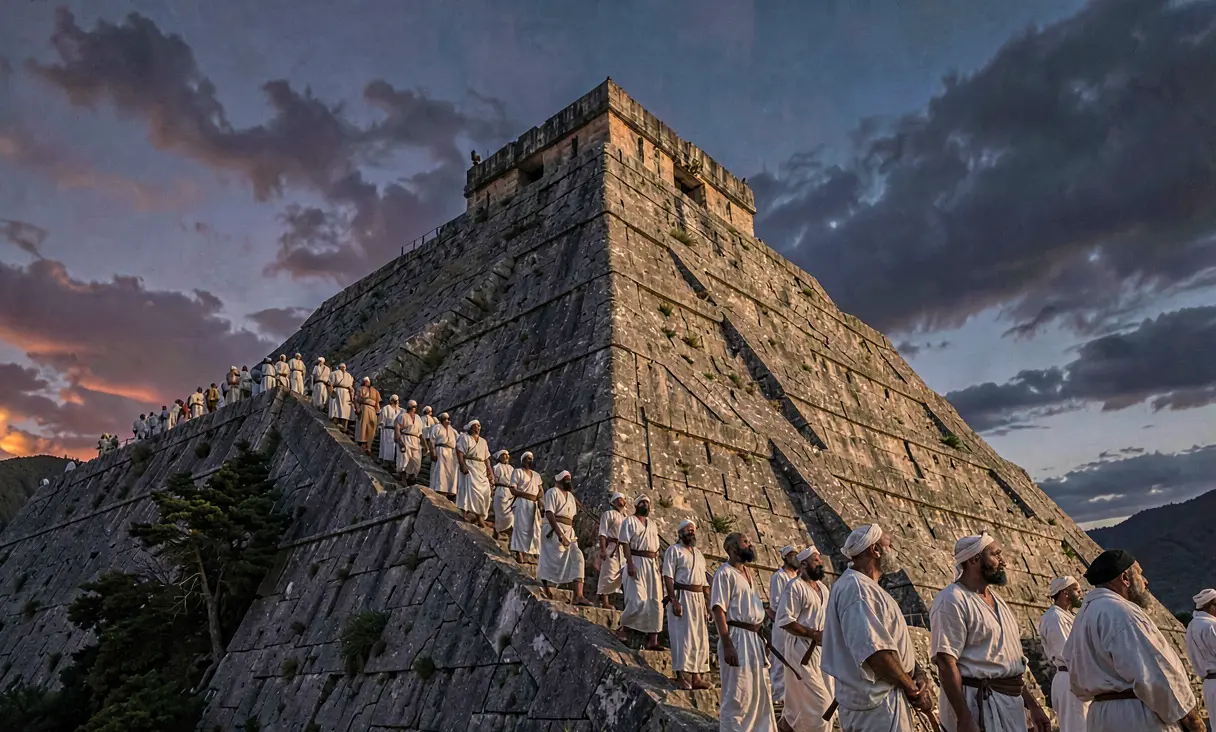 CivilizationConstruction of the Pyramid of the Moon at Teotihuacánc. 1 CE · Teotihuacán, MexicoThe second-largest pyramid is built to honor the Great Goddess and align with lunar cycles.
 DisasterEruption of Mount VesuviusAugust 24, 79 CE · Pompeii, ItalyVolcano destroys Roman cities preserving them in ash for modern discovery.
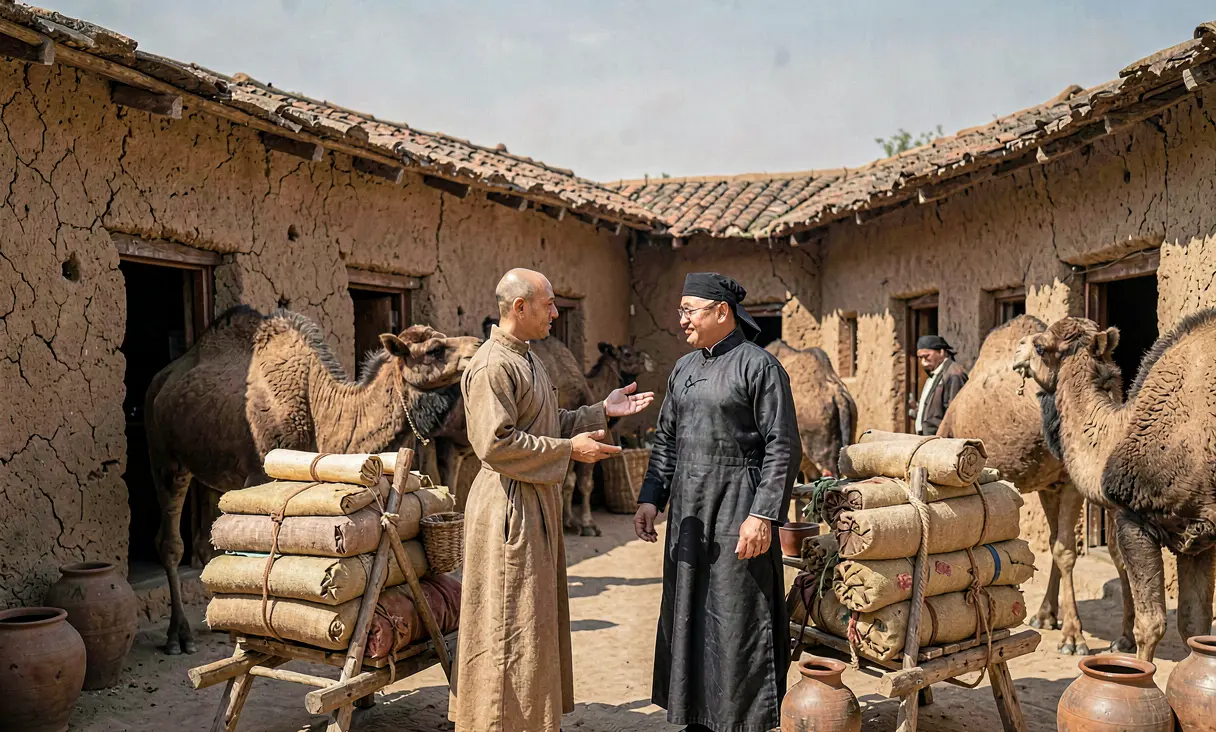 ReligionSpread of Buddhism along the Silk Road to Chinac. 100 CE · Kashgar, China (Gateway)Buddhist monks and merchants transmit the religion from India to China via Central Asian trade routes.
 ReligionKanishka I Convenes the Fourth Buddhist Councilc. 100 CE · Kundalavana Monastery, KashmirEmperor Kanishka I sponsors the Fourth Buddhist Council in Kashmir, formalizing Mahayana Buddhism and commissioning massive stupa construction.
Discussion
Loading…