Founding of Tenochtitlán on Lake Texcoco
Founded c. 1325 CE on Lake Texcoco after a divine omen, Tenochtitlán grew from a humble island refuge into the magnificent capital of the Aztec Empire within two centuries.
The Exodus from Aztlan
Long before the rise of the Aztec Empire, the Mexica people were a marginalized group wandering the arid landscapes of northwestern Mexico. Originating from the mythical homeland of Aztlan, they migrated southward over generations, eventually settling in the Valley of Mexico by the early 13th century. Unlike their powerful neighbors, such as the Tepanecs of Azcapotzalco or the Acolhua of Texcoco, the Mexica were viewed as outsiders and often forced into servitude. They served as mercenaries for established city-states, absorbing local customs while retaining a distinct identity centered on their patron deity, Huitzilopochtli. This period of wandering was characterized by political instability and a desperate search for a permanent sanctuary where they could practice their religion without persecution.
The Prophecy and the Eagle
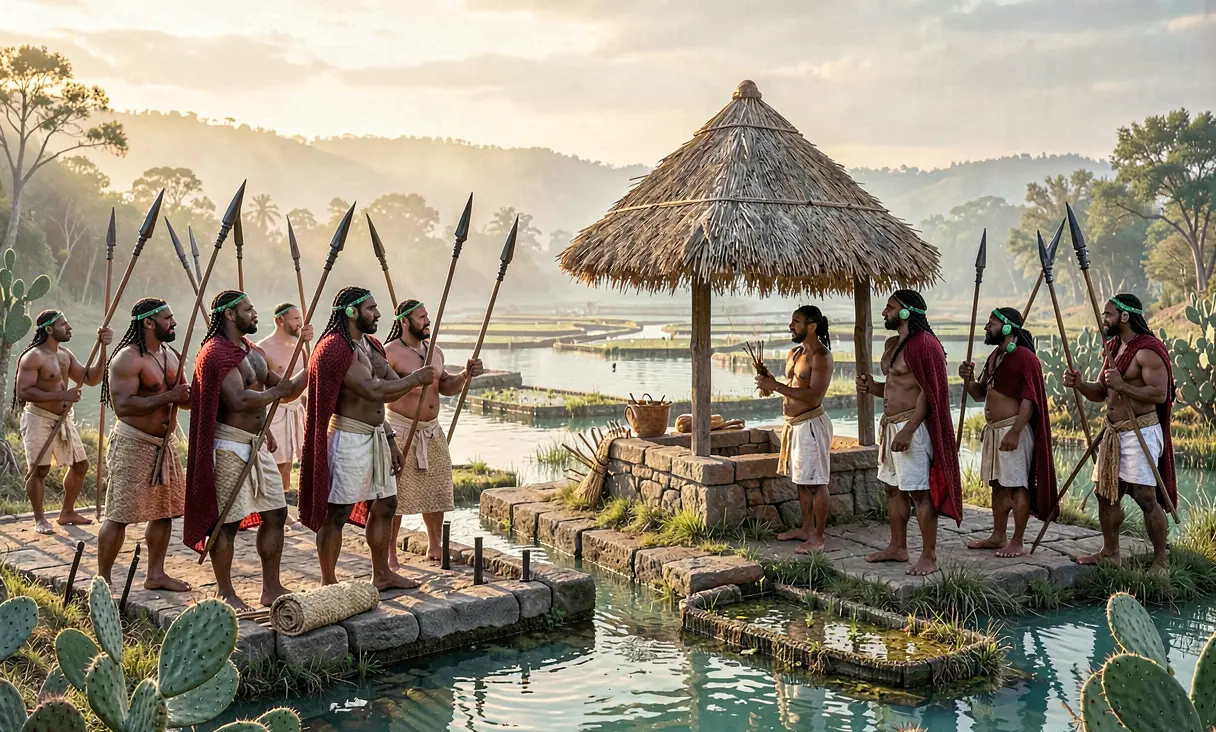
According to Mexica tradition recorded in later codices like the Codex Aubin, the gods Huitzilopochtli and Tezcatlipoca had promised a sign to guide the people to their destined home. The prophecy dictated that they would settle where they saw an eagle perched on a prickly pear cactus (nopal), devouring a snake. After decades of searching through the marshy fringes of Lake Texcoco, this omen was finally witnessed around 1325 CE on a small, rocky islet in the western part of the lake. This site, later known as Tenochtitlán, offered natural fortification against hostile neighbors and access to abundant aquatic resources. The founding myth became the central pillar of Mexica ideology, legitimizing their rule and distinguishing them from other tribes who lacked such divine mandate.
Founding Figures and Early Leadership
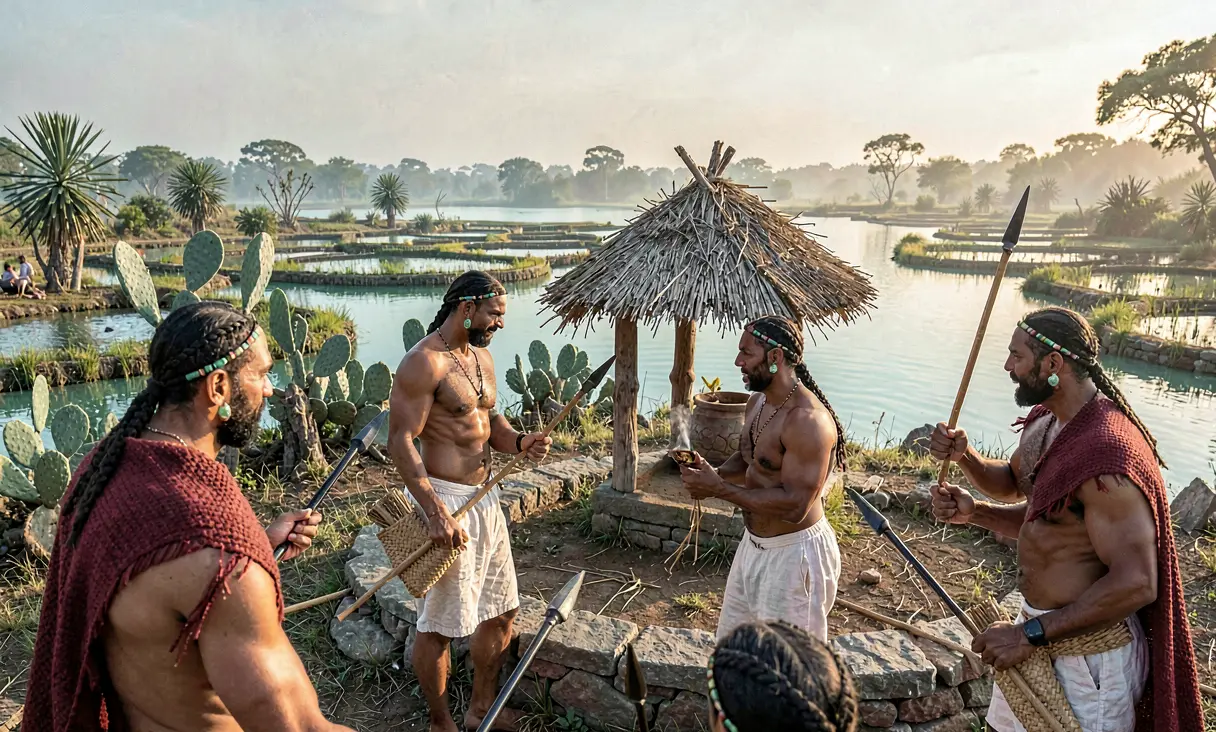
The establishment of Tenochtitlán was orchestrated under the guidance of religious leaders and emerging political figures. While specific names from this exact founding moment are often shrouded in myth, early leadership is traditionally attributed to priests and chieftains who interpreted the will of Huitzilopochtli. The first tlatoani (speaker or king) of Tenochtitlán, Acamapichtli, was installed later in 1375, marking the transition from a tribal confederation to a formal monarchy; however, the initial settlement was likely governed by a council of elders and priests who directed the construction of the first temple and dwellings. These leaders navigated complex diplomatic waters, initially paying tribute to the dominant Tepanec city of Azcapotzalco to ensure the survival of their fledgling community.
Engineering a City on Water
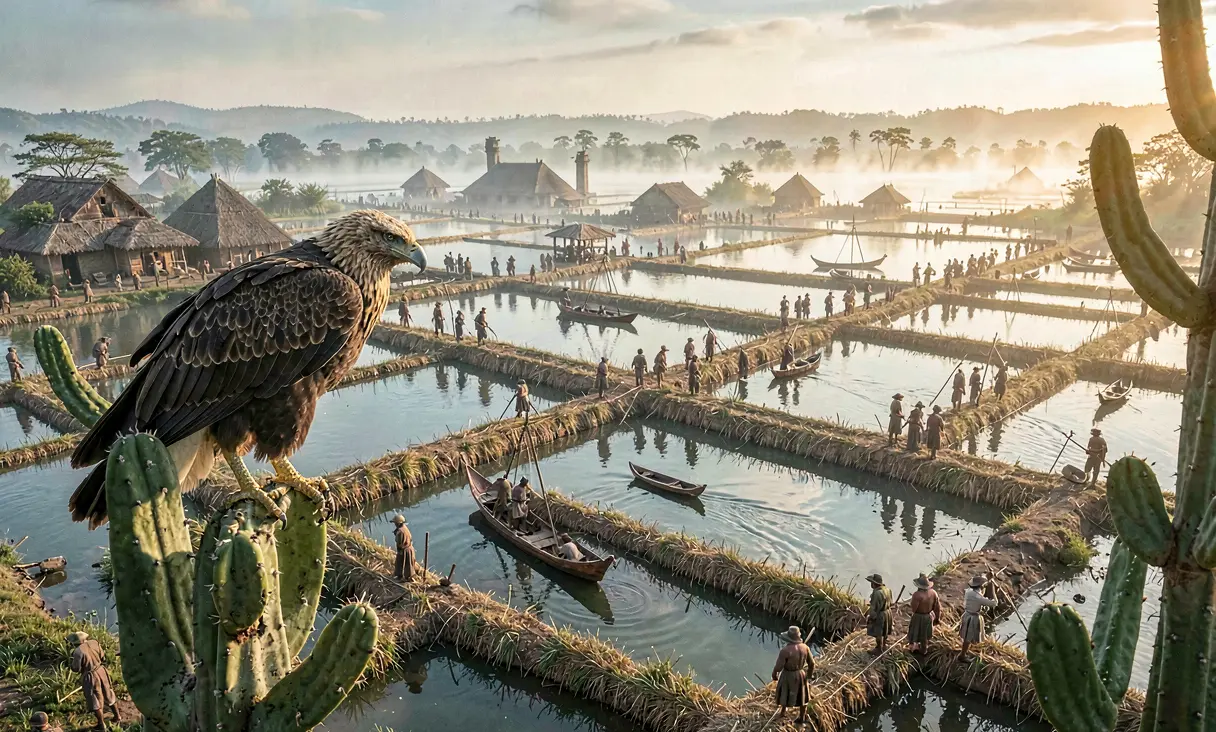
The physical construction of Tenochtitlán was an unprecedented feat of engineering adapted to the unique challenges of a lacustrine environment. The Mexica constructed artificial islands known as chinampas by staking out rectangular areas in the shallow lake bed, weaving them with reeds, and filling them with layers of mud and decaying vegetation. These fertile plots allowed for multiple harvests per year, supporting a rapidly growing population. To connect the island city to the mainland, they built massive causeways—Tepeyac, Ixtapalapa, and Tlacopan—which served as both roads and aqueducts. The city was further protected by dikes, such as the dike of Nezahualcoyotl, which controlled flooding from Lake Xochimilco and provided fresh water to the urban center.
From Refugees to Regional Hegemons
The decades following 1325 were defined by a struggle for survival that eventually transformed into imperial ambition. Initially a vassal state of Azcapotzalco, Tenochtitlán grew in power through strategic alliances and military prowess. The pivotal moment came in 1428 when Itzcóatl, the fourth tlatoani, allied with Texcoco and Tlacopan to overthrow the Tepanec hegemony. This victory established the Triple Alliance, which rapidly expanded Mexica control over central Mexico. Within two centuries of its founding, Tenochtitlán had evolved from a humble settlement into the capital of an empire that stretched from the Gulf of Mexico to the Pacific Ocean, boasting a population estimated at 200,000 inhabitants by the time of Spanish contact.
Legacy and Historical Significance
The founding of Tenochtitlán represents one of the most significant urban developments in pre-Columbian history. The city became a marvel of the ancient world, featuring canals that rivaled Venice, towering pyramids, and sophisticated markets that attracted travelers from across the hemisphere. Its strategic location on Lake Texcoco dictated the geography of modern Mexico City, which was built directly atop its ruins following the Spanish conquest in 1521. The symbol of the eagle and cactus remains the central motif of the Mexican flag today, serving as a continuous link to the indigenous past. Tenochtitlán's rise demonstrates how a marginalized group could leverage religious ideology, environmental adaptation, and political strategy to reshape the destiny of an entire continent.
The founding marks the beginning of the most powerful empire in pre-Columbian Mesoamerica.
Where it happened
Lake Texcoco, Mexico City, Mexico — see it on the interactive map →
Explore related history
 ExplorationLapita Expansion into the Bismarck Archipelagoc. 1500 BCE · Bismarck Archipelago, Papua New GuineaLapita people migrate from Island Melanesia into the Bismarck Archipelago, establishing distinct pottery traditions.
 ExplorationEnd of Zheng He's Voyages and Ming Isolationism1433 CE · East Africa / China CoastThe Ming Dynasty halts the great naval expeditions and restricts maritime trade.
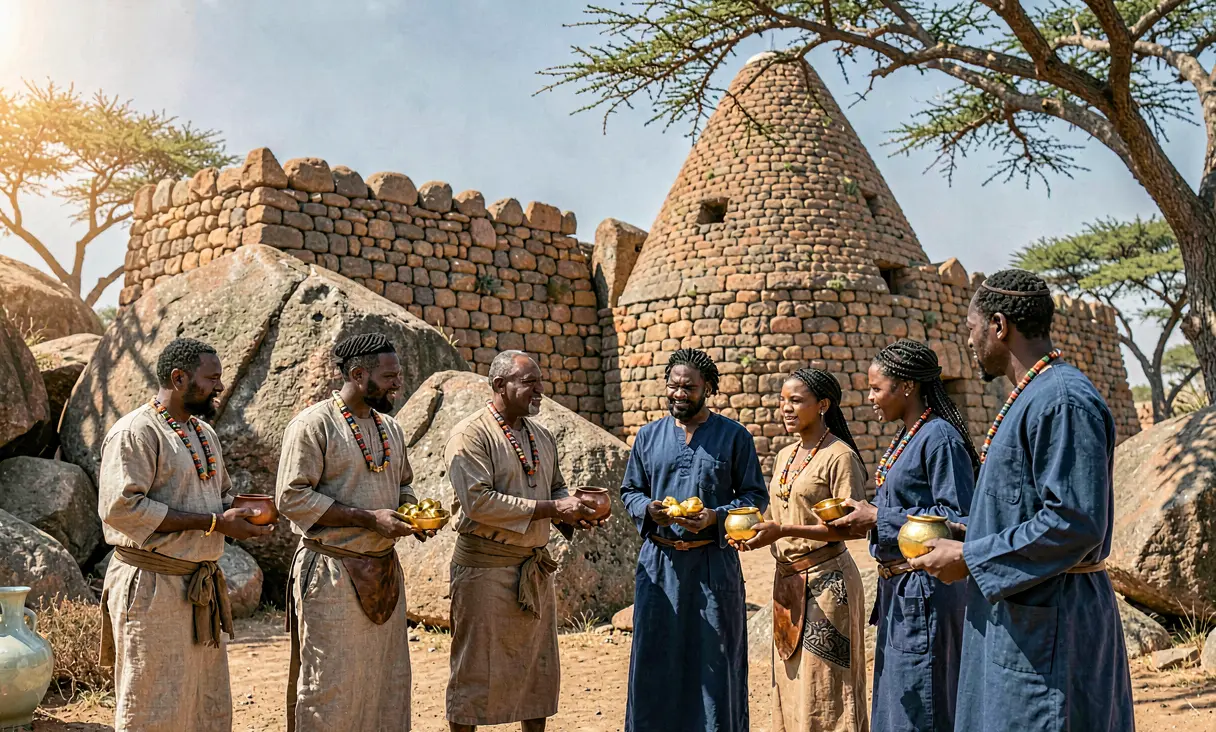 ExplorationGreat Zimbabwe Dominates Gold Trade with Kilwac. 1400 CE · Great Zimbabwe, ZimbabweArchaeological evidence confirms extensive gold trade between Great Zimbabwe and Swahili coastal cities.
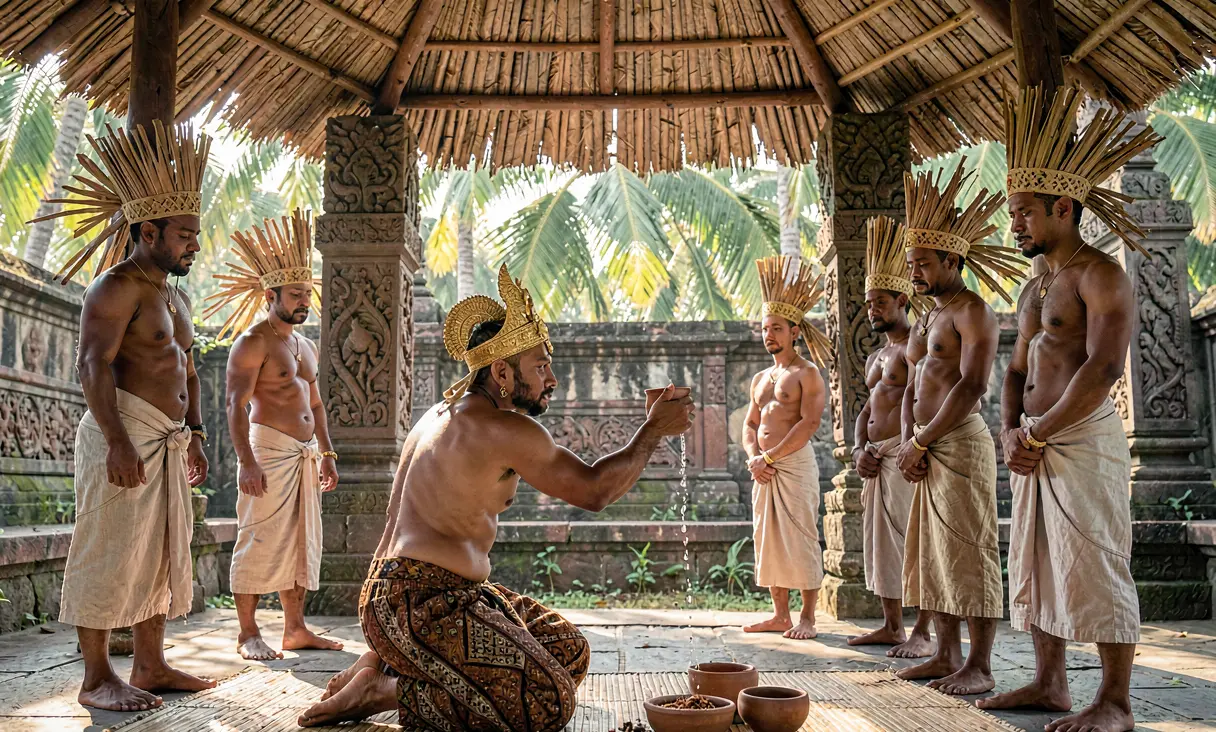 PoliticsGajah Mada's Palapa Oath1336 CE · Trowulan, Java, IndonesiaPrime Minister Gajah Mada vows to unify the archipelago before tasting spices.
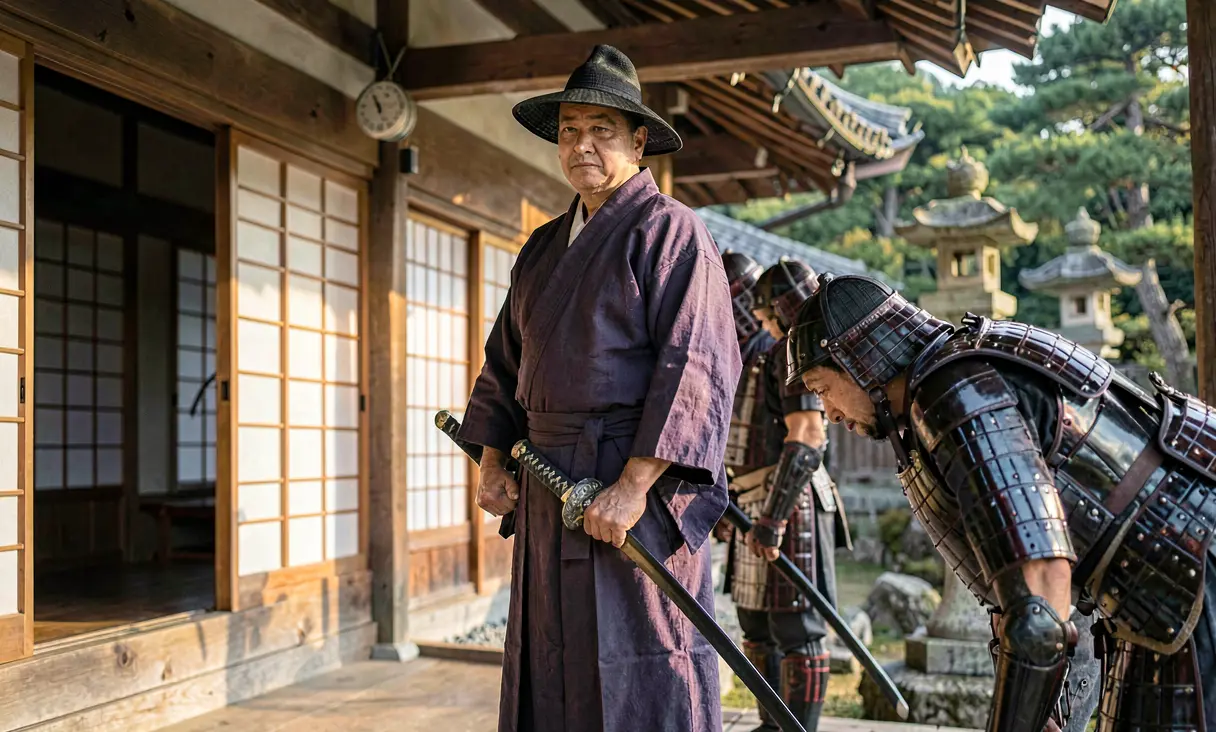 PoliticsAshikaga Takauji Establishes Muromachi Shogunate1336 CE · Kyoto, JapanAshikaga Takauji installs a new shogunate in Kyoto, beginning the Nanbokucho period.
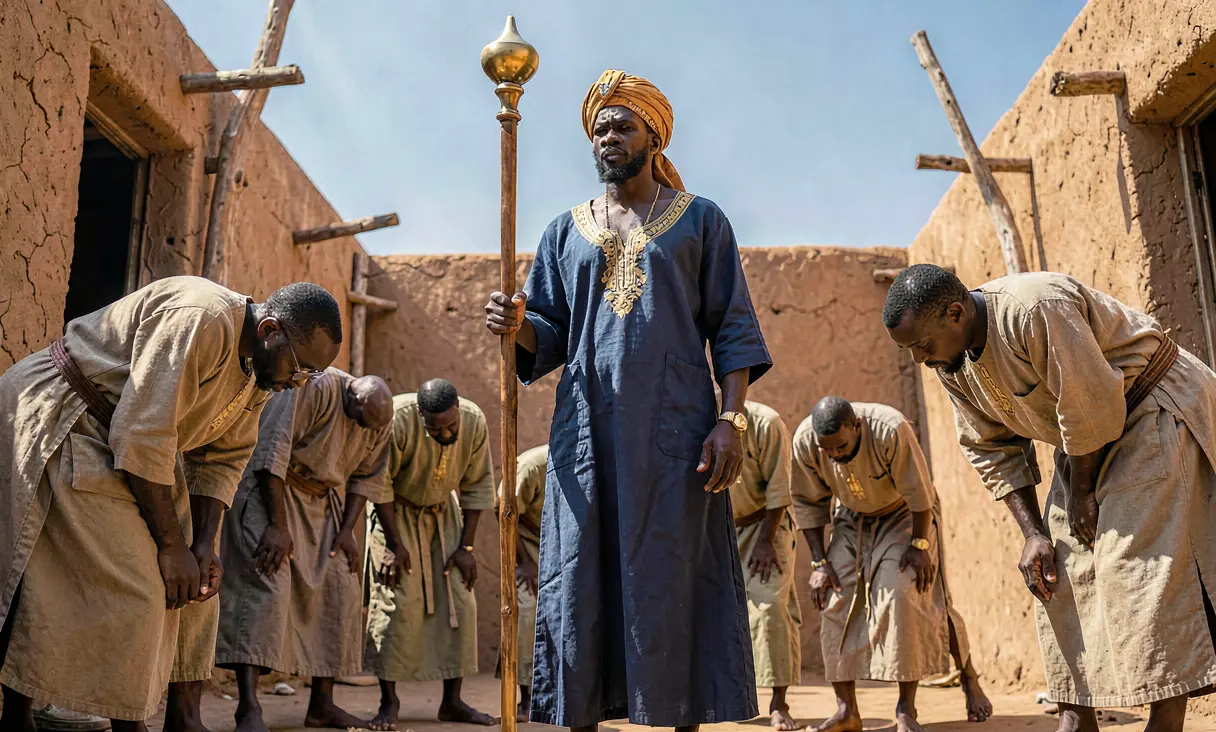 PoliticsMansa Musa Ascends to the Throne of Malic. 1312 CE · Niani, MaliMansa Musa becomes the ruler of the Mali Empire, inheriting a wealthy state and expanding its influence.
Discussion
Loading…