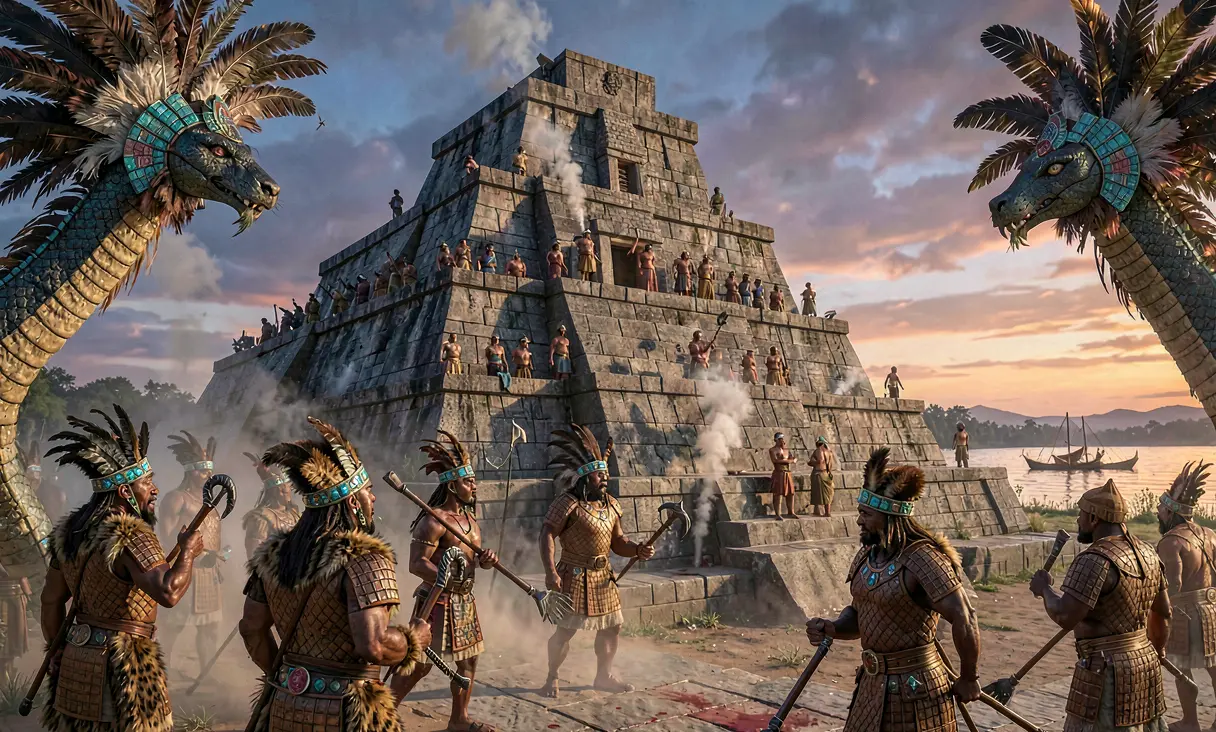
Rededication of the Templo Mayor by Ahuitzotl
In 1487, Ahuitzotl rededicated the expanded Templo Mayor in Tenochtitlan with thousands of sacrificial victims, cementing Aztec imperial power and cosmic order through a four-day ritual spectacle.
Imperial Ambition and Cosmological Necessity
By the late 15th century, the Aztec Empire, or Triple Alliance, had reached the zenith of its territorial expansion under the reign of Ahuitzotl. The capital city of Tenochtitlan, a marvel of hydraulic engineering rising from Lake Texcoco, demanded a religious center commensurate with its status as the axis mundi of Mesoamerica. The Templo Mayor, originally constructed by the founder-king Acamapichtli and expanded by subsequent rulers like Itzcoatl and Moctezuma I, had become insufficient for the empire's growing theological and political needs. Ahuitzotl, a warrior-king known for his ferocity and piety, sought to monumentalize the dual shrines dedicated to Huitzilopochtli, the patron god of war and the sun, and Tlaloc, the rain deity essential for agriculture. This expansion was not merely architectural vanity; it was a theological imperative. In Aztec cosmology, the sun required constant nourishment through human blood (chalchihuatl) to prevent cosmic collapse, necessitating a temple capable of hosting rituals on an unprecedented scale.
The Architectural Transformation
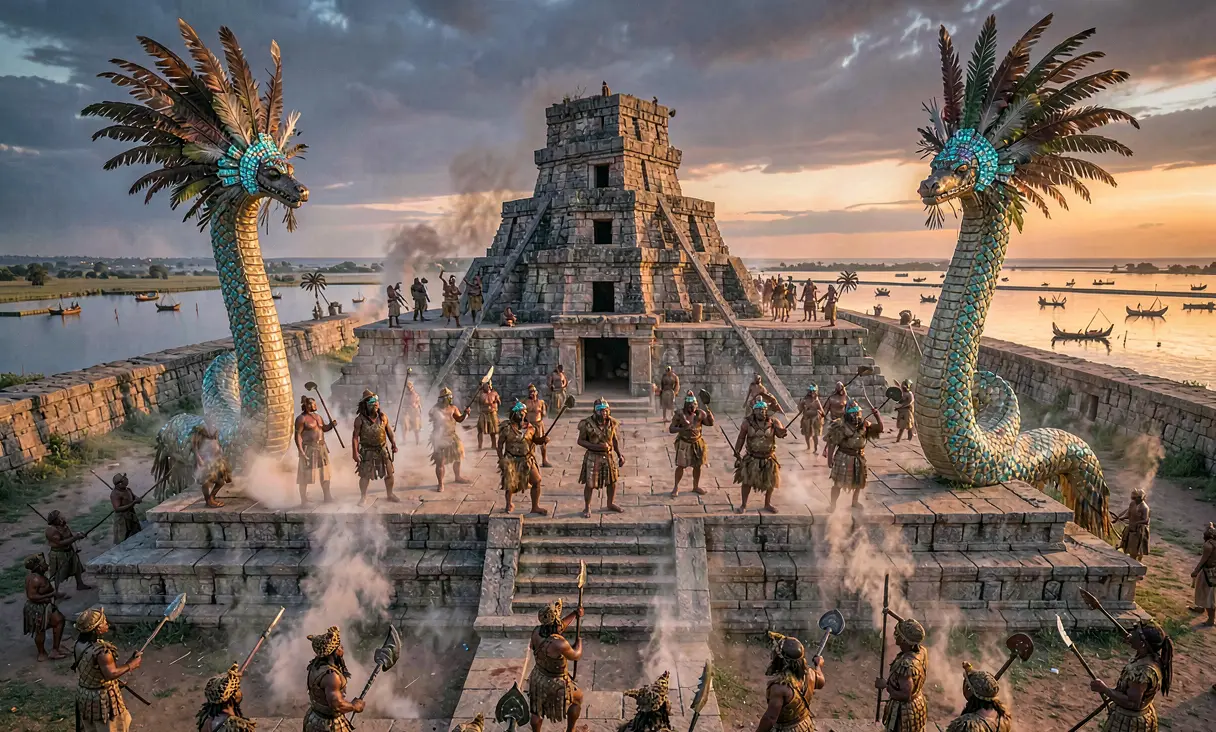
Archaeological excavations in modern-day Mexico City have confirmed that Ahuitzotl's rededication project transformed the Templo Mayor into its final, massive form. The structure was raised significantly higher and widened to accommodate a grander staircase leading to the twin sanctuaries at the summit. The base of the temple featured monumental sculptures, including the famous Coyolxauhqui stone, which depicted the dismembered moon goddess at the foot of Huitzilopochtli's shrine, symbolizing the daily victory of the sun over the night. The construction utilized millions of tons of stone and earth, requiring a vast labor force drawn from subject provinces. This physical expansion mirrored the empire's reach, turning the temple into a visible manifestation of Aztec hegemony. The dedication was timed to coincide with the end of the 13th year in the Aztec calendar cycle, specifically the year 8 Reed (Ce Calli), corresponding to approximately November 1487 CE.
The Four-Day Ceremony
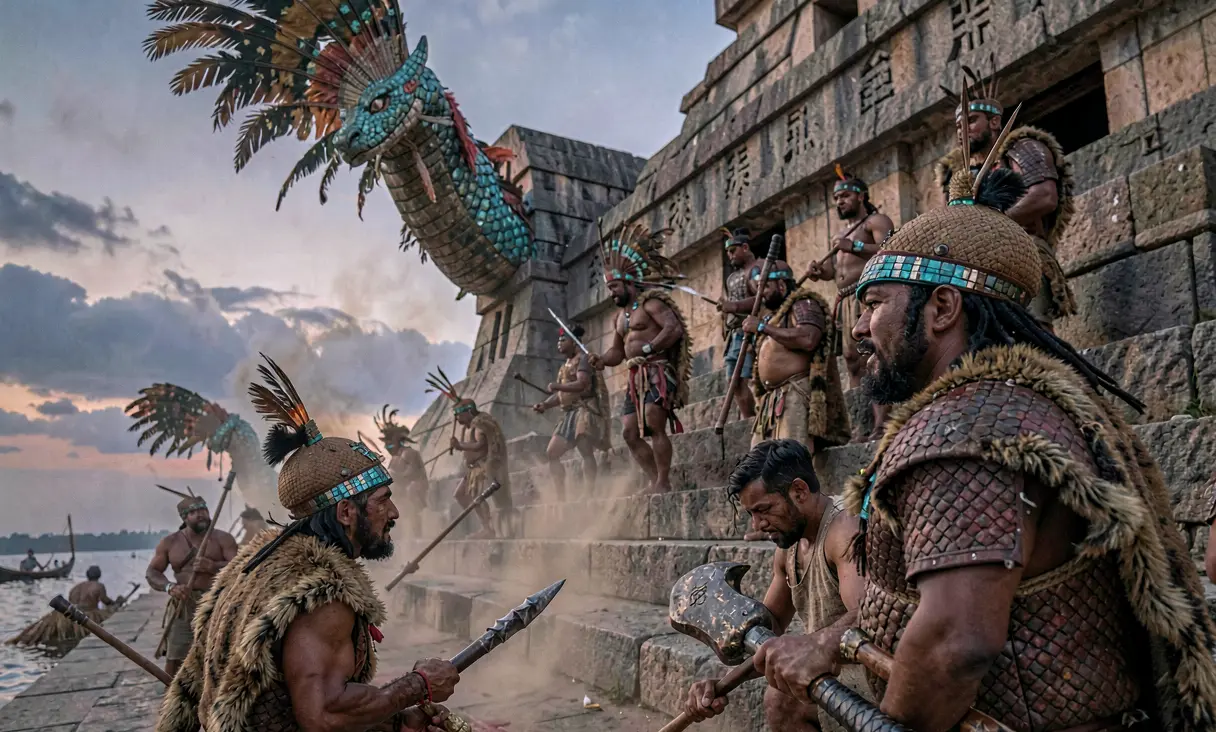
The rededication ceremony was a spectacle of terrifying grandeur, lasting four days and four nights. Contemporary accounts, primarily derived from the chronicles of Spanish friars like Bernardino de Sahagún who recorded indigenous oral traditions decades later, describe a procession that began in the sacred precinct and extended to the four cardinal directions. Thousands of captives, taken during Ahuitzotl's recent military campaigns against the Huastec, Mixtec, and other rival groups along the Gulf Coast and Oaxaca, were marched into Tenochtitlan. These prisoners, adorned with elaborate regalia signifying their high status as sacrificial victims, were led up the steep stairs of the temple. The ritual was conducted by a corps of priests known as the Tlamacazqui, who performed the heart-extraction rites on the summit altars. Estimates of the number of victims vary widely among historians; some indigenous sources claim 20,000 to 80,400 captives were sacrificed over the four days, while modern scholars often suggest a more conservative figure in the thousands, acknowledging that ancient texts may have used hyperbolic numbers to emphasize the event's magnitude. Regardless of the precise count, the scale was designed to overwhelm the senses and demonstrate the absolute power of the Triple Alliance.
Key Figures: Ahuitzotl and the Priesthood
Ahuitzotl himself was the central figure of the event, acting as both the supreme military commander and the high priest. His name, meaning 'Water Dog' or 'Aquatic Monster,' reflected his association with water and his aggressive expansionist policies. He personally oversaw the final stages of the construction and presided over the initial sacrifices, embodying the union of political and religious authority that defined the Aztec state. The priesthood played an equally critical role in orchestrating the complex rituals. High priests such as Tlilpotonqui were responsible for ensuring the cosmological correctness of the ceremony, interpreting omens, and maintaining the sacred fire. The event also highlighted the role of the tlatoani (speaker) of the Triple Alliance's allies, specifically the rulers of Texcoco and Tlacopan, who participated in the ceremonies to reaffirm their allegiance to Ahuitzotl's leadership, although the primary sacrificial rites were dominated by Tenochtitlan.
The Aftermath and Immediate Consequences
In the immediate aftermath of the rededication, the psychological impact on both the Aztec subjects and their enemies was profound. The sheer volume of bloodshed served as a potent deterrent against rebellion, reinforcing the message that resistance to the Triple Alliance resulted in ritual death. However, the event also exacerbated internal tensions within the empire. The demand for captives to sustain such massive rituals placed immense pressure on the military machine, forcing Ahuitzotl to launch increasingly aggressive and distant campaigns to secure a steady supply of victims. This 'Flower Wars' strategy, while effective in maintaining religious continuity, strained the logistical capabilities of the empire and fostered deep resentment among conquered peoples. Furthermore, the massive expenditure of resources on the temple and the ceremony contributed to economic strain, even as it solidified the ideological foundation of the state.
Legacy and Historical Significance
The rededication of 1487 stands as a defining moment in pre-Columbian history, encapsulating the zenith of Aztec power and the unique intersection of architecture, warfare, and religion that characterized their civilization. It marked the final major expansion of the Templo Mayor before the Spanish conquest less than three decades later. The event remains a focal point for understanding the Aztec worldview, where the survival of the cosmos depended on human agency and sacrifice. For modern historians and archaeologists, the site provides invaluable insights into Mesoamerican ritual practices, as evidenced by the thousands of offerings recovered from the temple's layers, ranging from jade masks to coral and shells. The 1487 rededication was not just a religious festival; it was a geopolitical statement that declared Tenochtitlan the undisputed center of the world, a claim that would be violently challenged but never fully erased by the arrival of Hernán Cortés in 1519.
The rededication marked the zenith of Aztec imperial power and religious fervor before Spanish arrival.
Where it happened
Tenochtitlan, Mexico City, Mexico — see it on the interactive map →
Explore related history
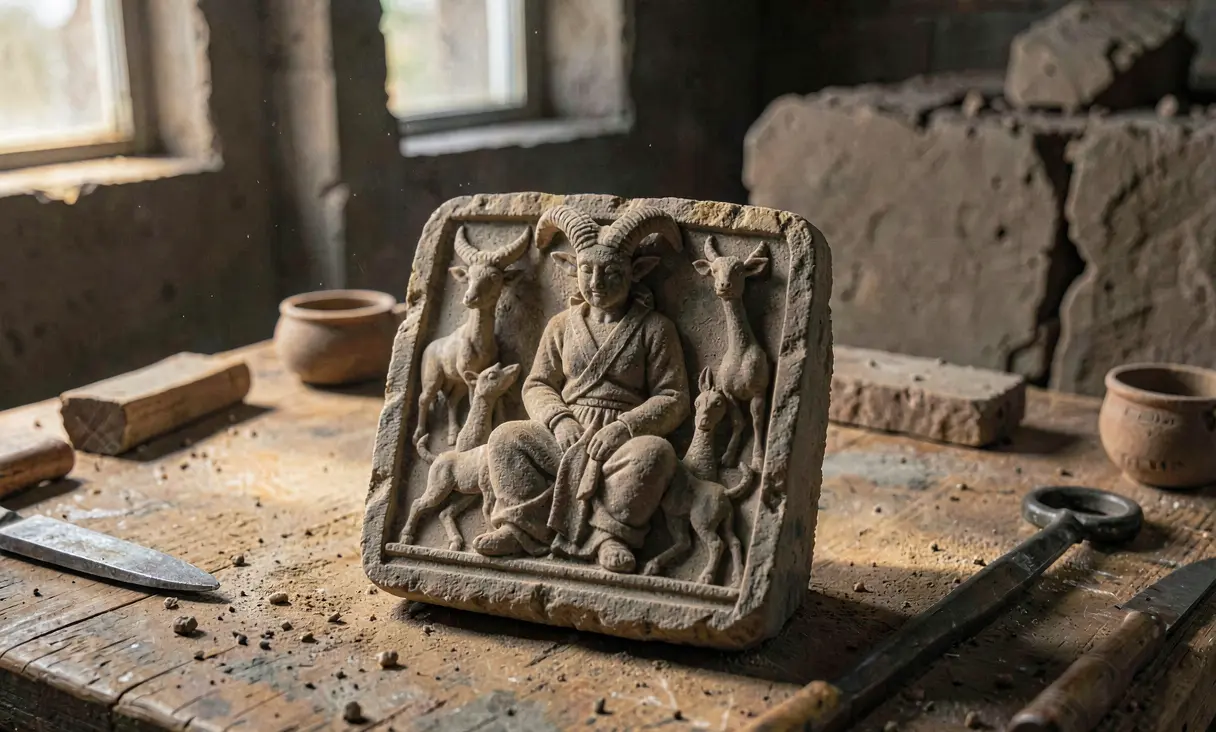 ReligionDiscovery of the Pashupati Sealc. 2500 BCE · Mohenjo-daro, Indus Valley (modern Pakistan)The Pashupati seal is carved, depicting a seated figure surrounded by animals, likely an early prototype of the Hindu god Shiva.
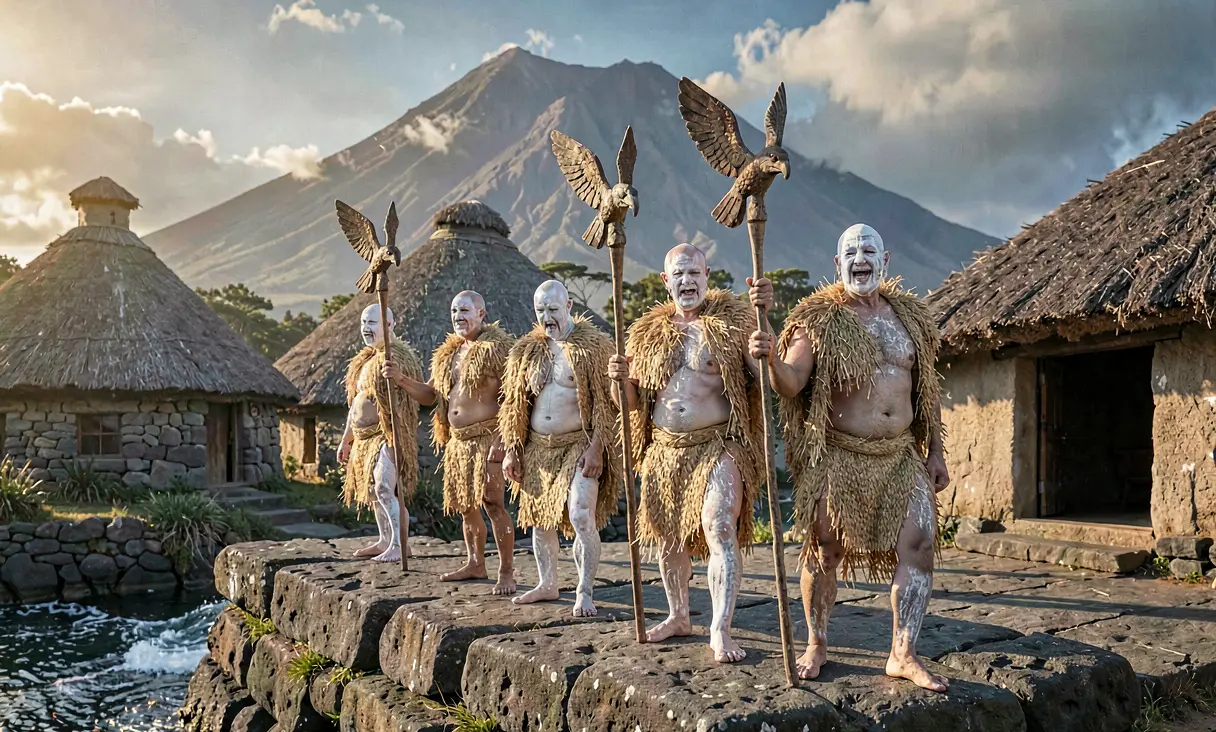 ReligionRise of the Birdman Cult on Rapa Nuic. 1600 CE · Orongo, Rapa NuiThe Birdman cult replaces moai worship as the central religious and political institution on Rapa Nui.
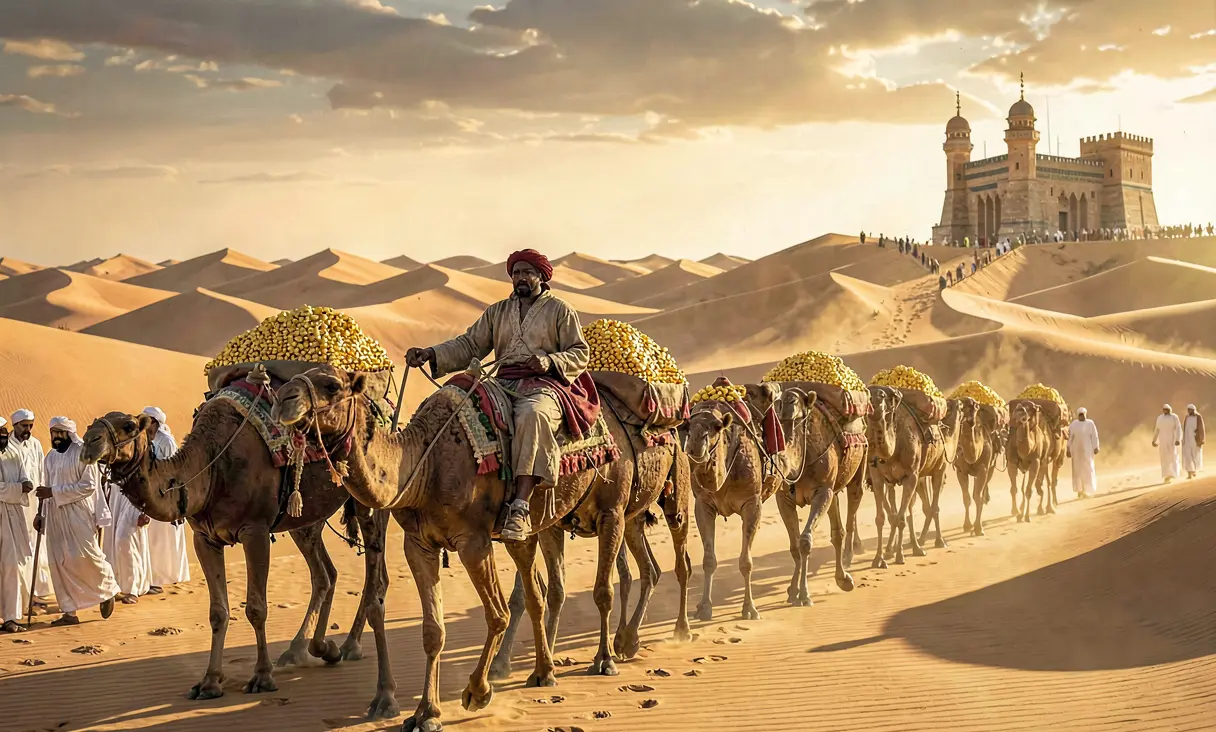 ReligionAskia Muhammad's Pilgrimage to Meccac. 1497 CE · Mecca (via Gao)Askia Muhammad undertakes a lavish pilgrimage to Mecca, strengthening ties with the Islamic world.
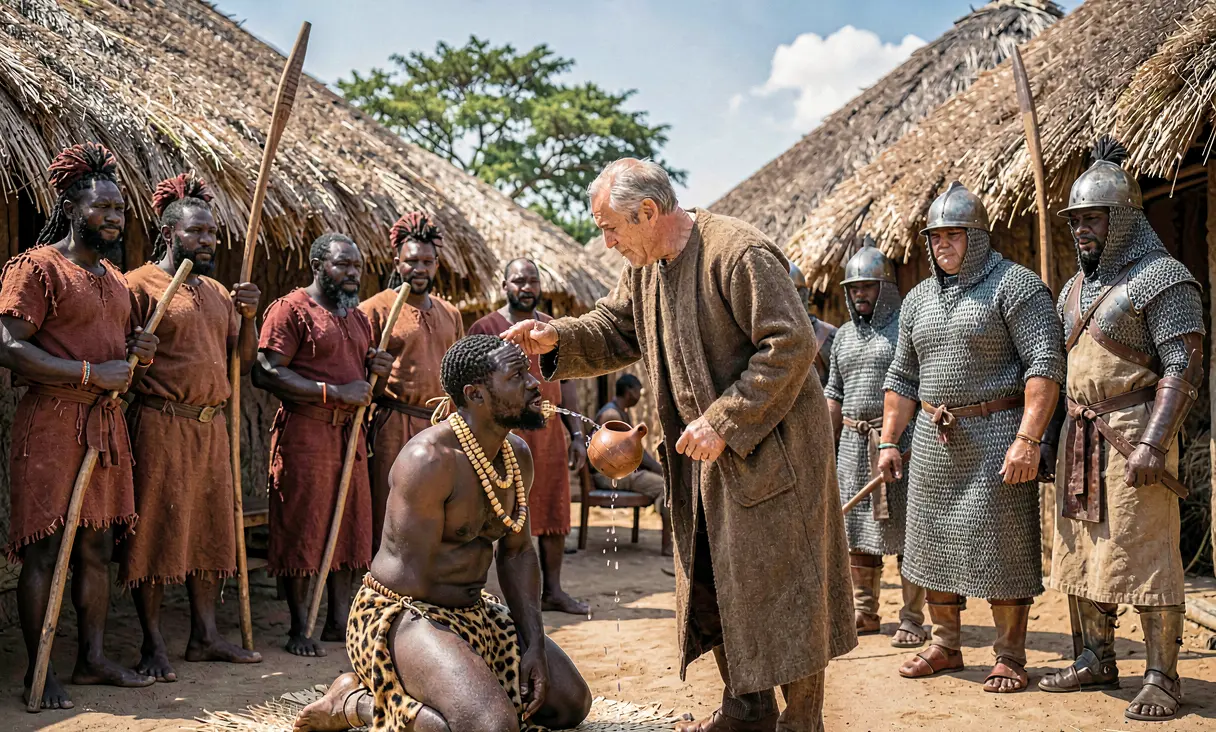 ReligionKing Nzinga a Nkuwu Baptized as João I of Kongo1491 CE · Mbanza Kongo, AngolaKing Nzinga a Nkuwu converts to Catholicism, initiating a complex fusion of Christian and traditional Kongo beliefs.
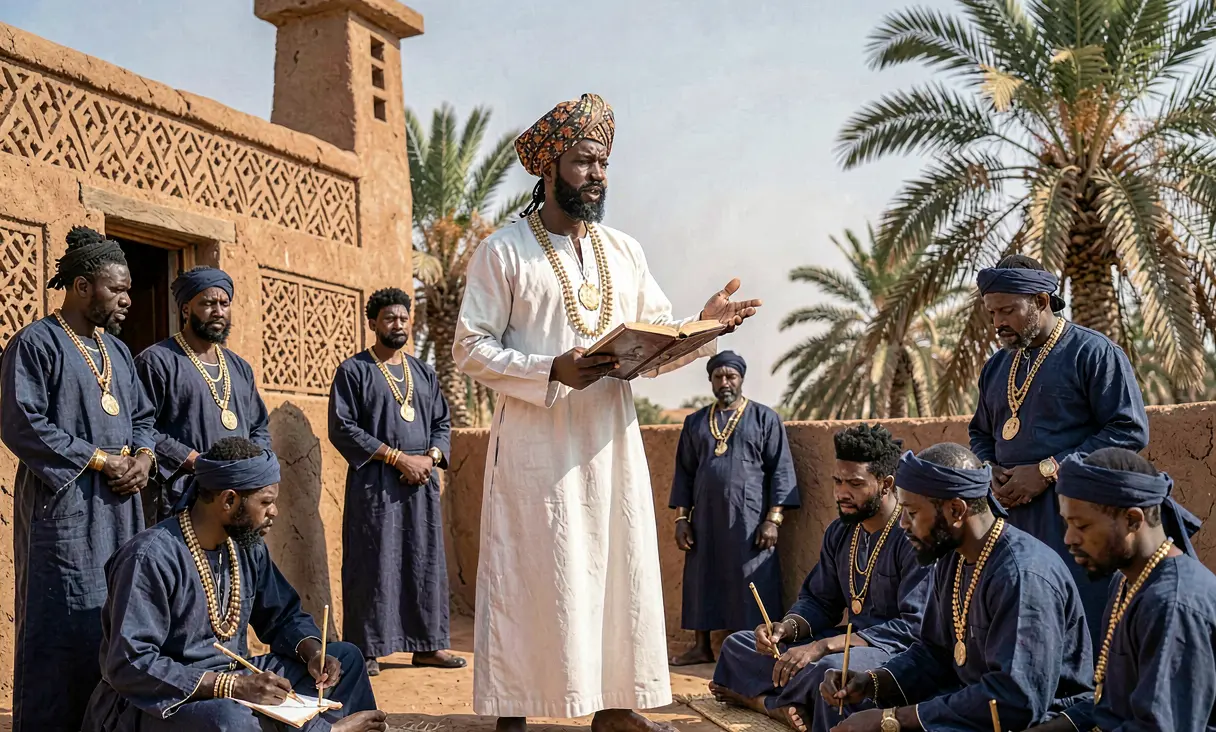 PoliticsAskia Muhammad Establishes Legal Reforms in Songhaic. 1493 CE · Gao, MaliAskia Muhammad I overthrows the Sunni dynasty and implements Islamic legal reforms across the Songhai Empire.
 DisasterGreat Famine of Ethiopia under Emperor Dawit Ic. 1480 CE · Ethiopian HighlandsSevere drought and locust swarms devastate the Ethiopian highlands, causing widespread famine.
Discussion
Loading…