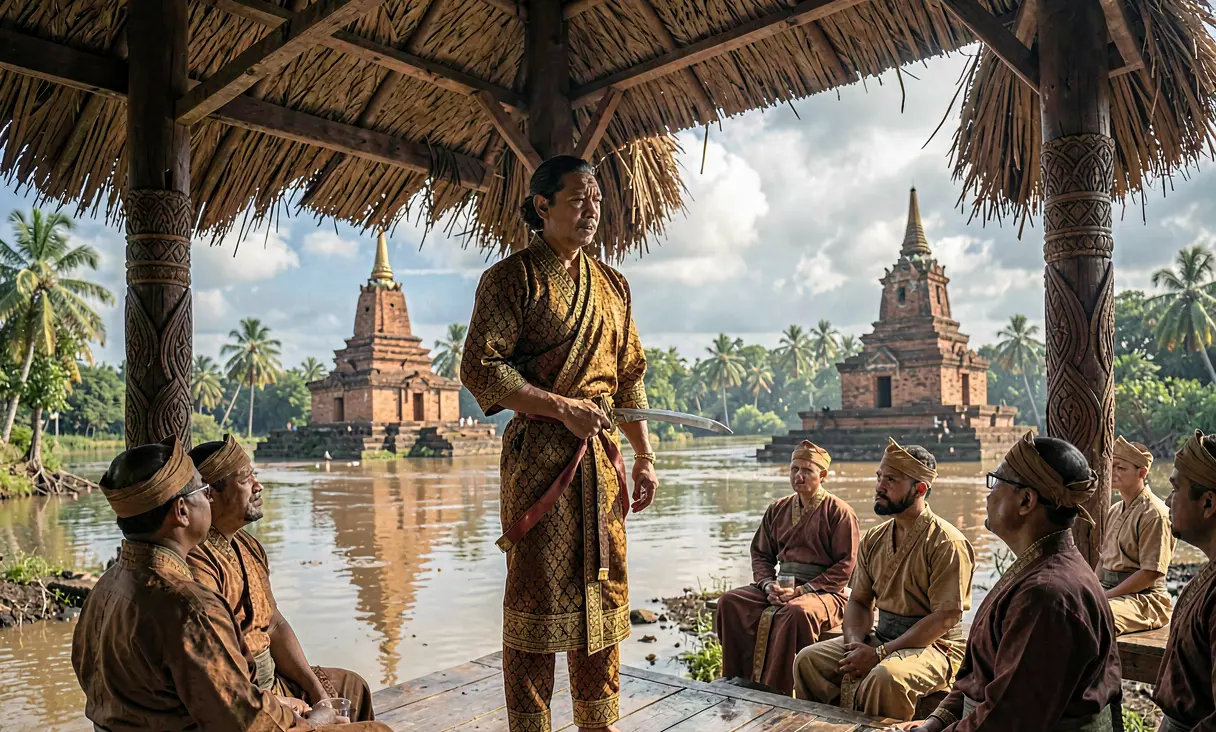
Founding of Ayutthaya Kingdom
In 1350, King Ramathibodi I founded Ayutthaya on a strategic river island, creating a syncretic Hindu-Buddhist empire that dominated Southeast Asian trade and politics for over four centuries.
Geopolitical Context and the Rise of U Thong
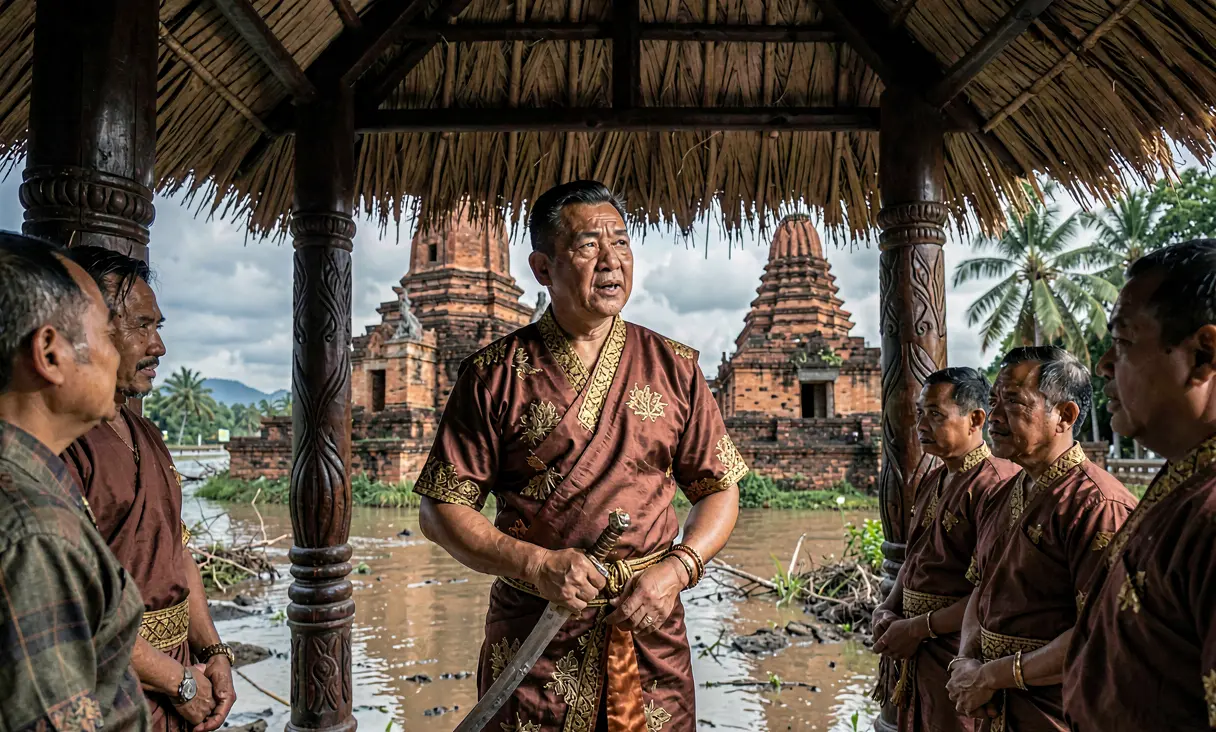
By the mid-14th century, the political landscape of mainland Southeast Asia was undergoing a profound transformation. The waning influence of the Khmer Empire in the east and the fragmentation of the Dvaravati city-states created a power vacuum that ambitious local rulers sought to fill. In the Chao Phraya river basin, Prince U Thong (later known as King Ramathibodi I), ruler of the small kingdom of Suphan Buri, emerged as a pivotal figure. Faced with a devastating plague and seeking a location less vulnerable to both disease and military siege, U Thong identified a strategic island formed by the confluence of three major rivers: the Chao Phraya, the Lopburi, and the Pa Sak. This natural moat offered unparalleled defensive advantages while positioning the new capital at the nexus of maritime and overland trade routes connecting China, India, and the Malay Archipelago.
The Founding of Ayutthaya in 1350
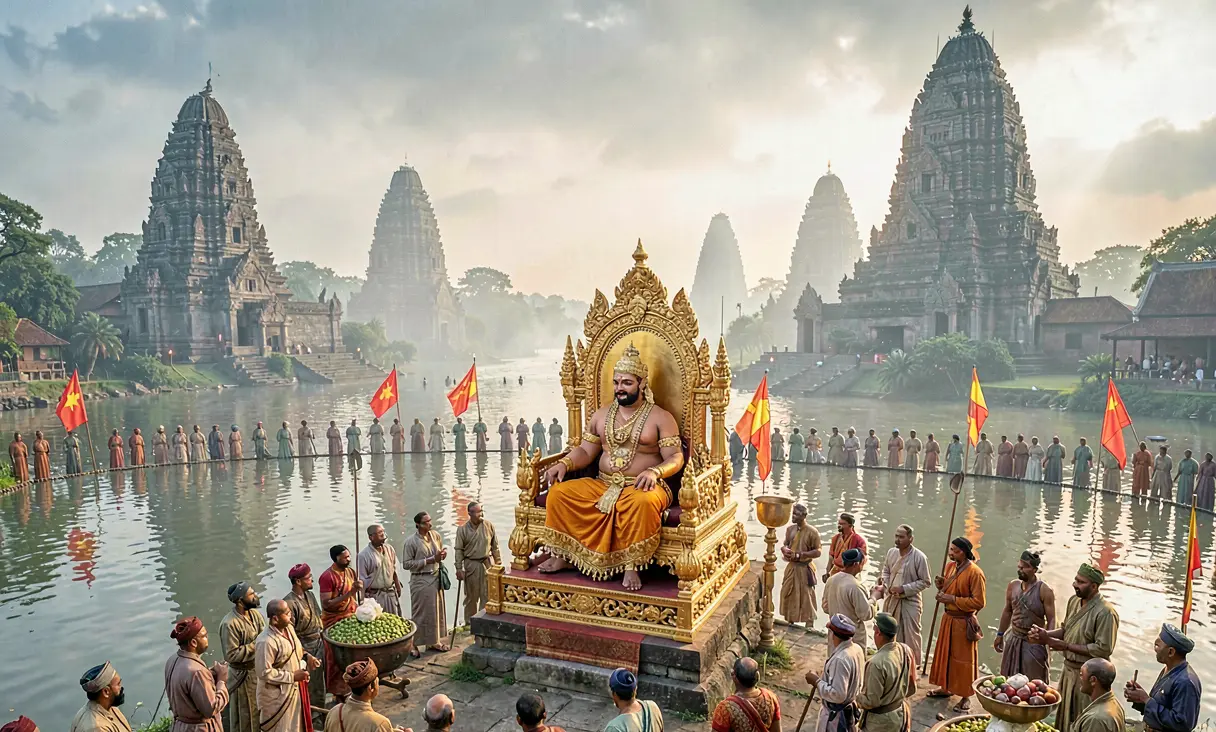
In February 1350 CE (corresponding to the year 894 of the Mahasakkarat era), U Thong formally established the city of Ayutthaya, naming it 'Phra Nakhon Si Ayutthaya' in honor of the Hindu deity Rama. Unlike the earlier capital of Sukhothai, which was situated on a floodplain prone to inundation and lacking natural fortifications, Ayutthaya was built upon an island surrounded by waterways that served as both defensive barriers and commercial arteries. The city's layout reflected a sophisticated urban planning philosophy, blending traditional Thai settlement patterns with Khmer architectural influences, particularly in the construction of massive prang towers and wats (temples). This deliberate choice of location signaled a shift from the agrarian-focused polity of Sukhothai to a mercantile empire designed to dominate regional commerce.
Syncretic Statecraft and Legal Foundations
King Ramathibodi I did not merely found a city; he engineered a new political ideology that would define the kingdom for four centuries. He promulgated the 'Dhammasattha,' a legal code that synthesized Theravada Buddhist ethics with Hindu concepts of divine kingship (Devaraja). This syncretic structure legitimized the monarch as both a spiritual protector and a temporal ruler, centralizing authority in a way that previous Thai states had not achieved. The administration was organized into a rigid hierarchy known as the 'Sakdina' system, which assigned social status based on land rights and royal service rather than solely on birth. This bureaucratic framework allowed Ayutthaya to mobilize resources efficiently for large-scale irrigation projects, temple construction, and military campaigns, laying the groundwork for a centralized state capable of absorbing rival polities.
Expansion and the Absorption of Sukhothai
The early decades following the founding were characterized by aggressive consolidation. While Ayutthaya initially coexisted with the Kingdom of Sukhothai, the latter's decline due to internal succession disputes and external pressures allowed Ayutthaya to extend its influence northward. Through a combination of strategic marriages, military pressure, and diplomatic maneuvering, Ayutthaya gradually subsumed Sukhothai by the late 14th century, transforming it from a rival kingdom into a vassal state. This expansion was not merely territorial but cultural; Ayutthaya adopted many aspects of Sukhothai's artistic and religious traditions while imposing its own more centralized administrative model. By the reign of King Borommarachathirat I (r. 1370–1388), the kingdom had secured control over most of central Thailand, establishing a sphere of influence that stretched from the Malay Peninsula to the borders of Burma.
Economic Ascendancy and Global Trade
The strategic location of Ayutthaya quickly transformed it into one of the world's premier commercial hubs. Chinese, Indian, Persian, Arab, Japanese, and later European merchants flocked to its ports, drawn by the abundance of rice, teak, deer skins, and sappanwood. The city became a critical node in the maritime Silk Road, facilitating the exchange of ceramics, spices, textiles, and precious metals. This economic vitality funded a massive urban population, which swelled to over 300,000 inhabitants by the 17th century, making it one of the largest cities on Earth at the time. The influx of foreign wealth also fostered a cosmopolitan culture where diverse religious communities—Muslims, Christians, Hindus, and Buddhists—coexisted within the city walls, contributing to its reputation as a center of diplomacy and tolerance.
Legacy and Historical Significance
The founding of Ayutthaya marked the definitive emergence of the Siamese state as a major regional power. For 417 years, it served as the capital of an empire that shaped the cultural, religious, and political identity of modern Thailand. Its architectural ruins, now a UNESCO World Heritage site, stand as a testament to its former grandeur, while its legal and administrative systems influenced subsequent Thai governance long after the city's fall. The kingdom's destruction by Burmese forces in 1767 was a catastrophic event that ended an era, yet the resilience of the Ayutthayan political model ensured the survival of Siamese sovereignty. The legacy of U Thong's vision endures in the continued centrality of Bangkok (founded nearby) and the enduring cultural synthesis of Thai society.
The founding of Ayutthaya created a dominant Siamese kingdom that unified Thai culture and became a global trade powerhouse for four centuries.
Where it happened
Ayutthaya, Thailand — see it on the interactive map →
Explore related history
 PoliticsSargon of Akkad Establishes the First Empirec. 2334 BCE · Akkad (Location uncertain, near Baghdad, Iraq)Sargon unifies Sumerian city-states to create the world's first multi-ethnic empire.
 PoliticsPromulgation of the Code of Ur-Nammuc. 2100 BCE · Ur, Southern Mesopotamia (Iraq)The earliest known surviving law code is established in the Sumerian city of Ur.
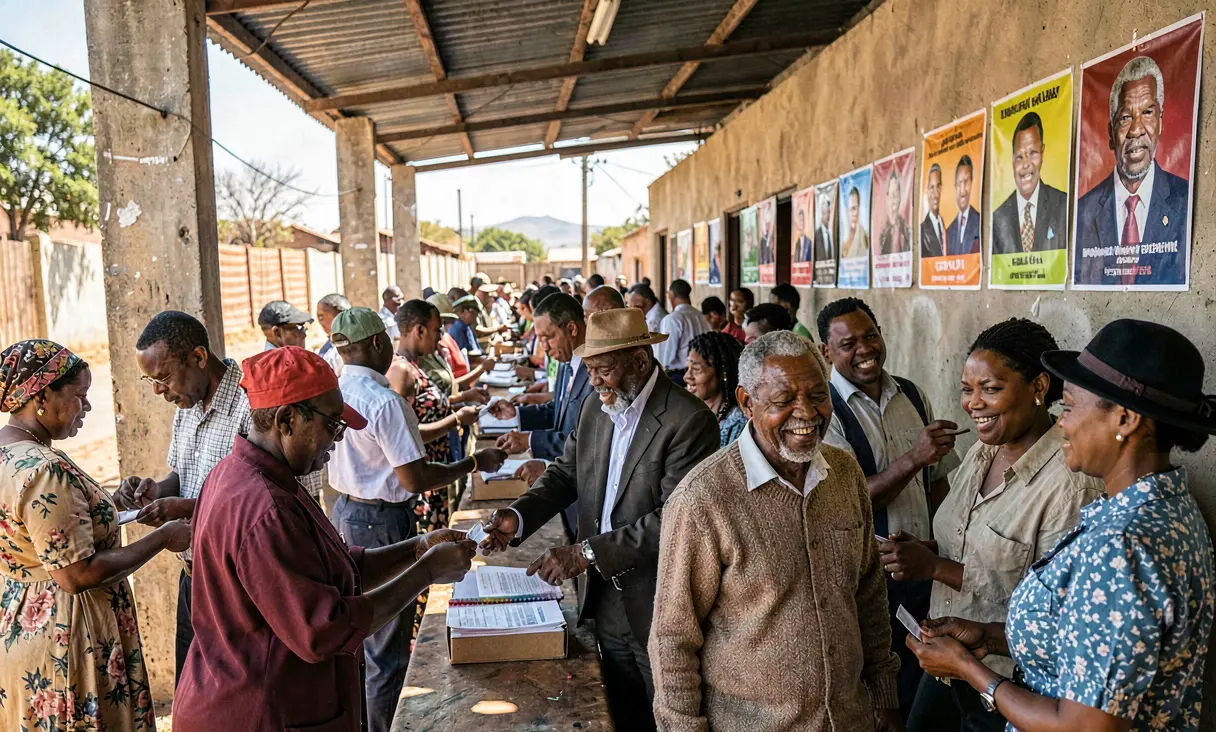 PoliticsNelson Mandela Elected President of South AfricaApril 27, 1994 · Cape Town, South AfricaSouth Africa holds its first democratic election, ending the apartheid regime and establishing a multiracial government.
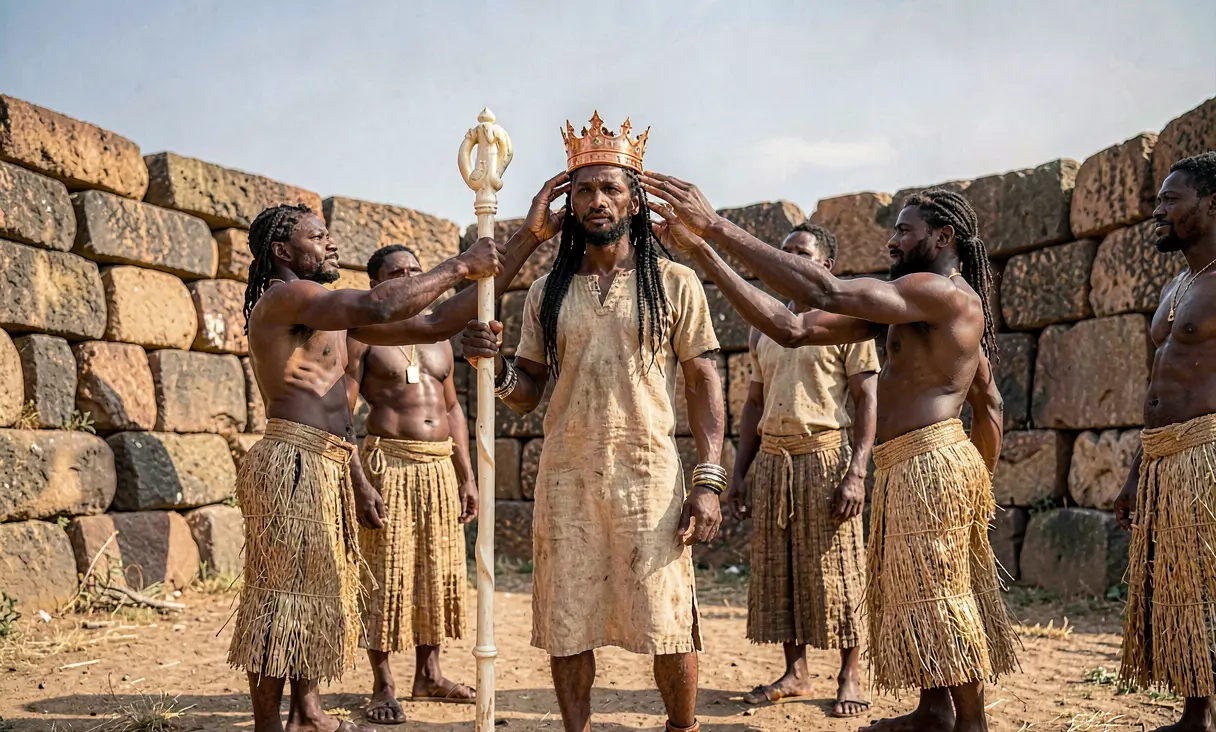 ReligionCoronation Ceremony at Great Zimbabwec. 1350 CE · Great Zimbabwe, ZimbabweThe Munhumutapa king is crowned in a grand ritual linking spiritual authority with the stone enclosures.
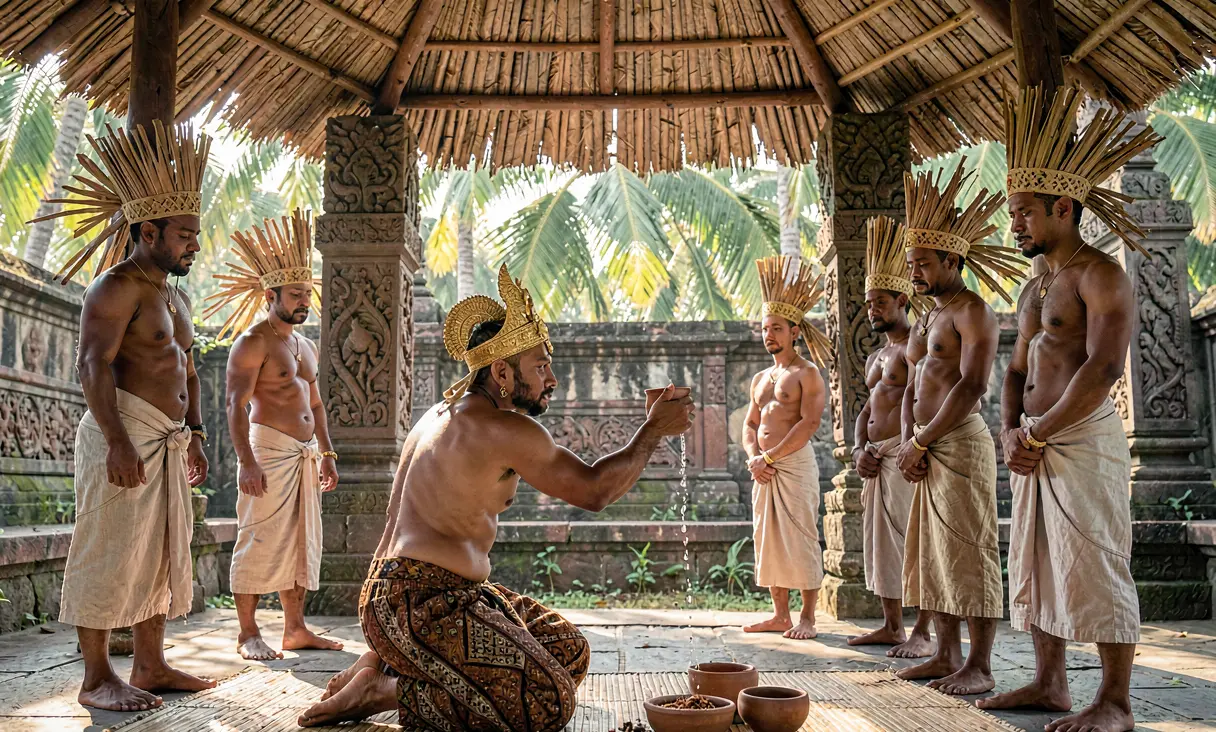 PoliticsGajah Mada's Palapa Oath1336 CE · Trowulan, Java, IndonesiaPrime Minister Gajah Mada vows to unify the archipelago before tasting spices.
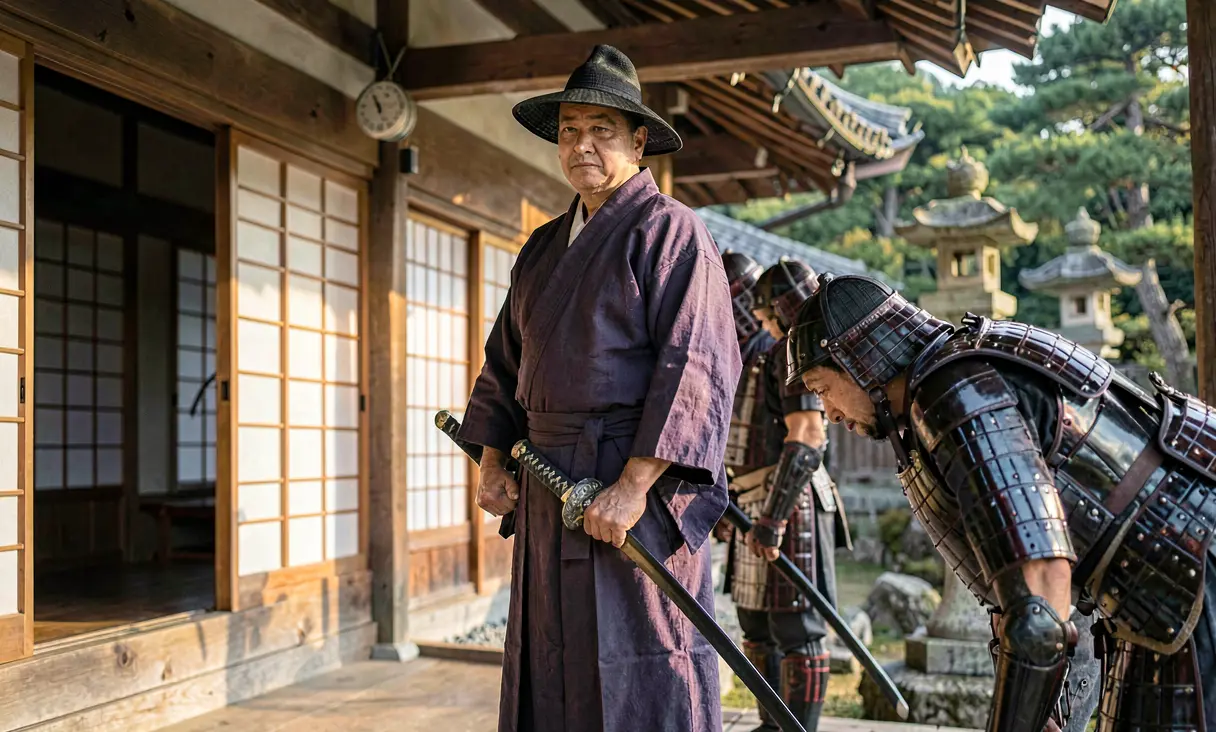 PoliticsAshikaga Takauji Establishes Muromachi Shogunate1336 CE · Kyoto, JapanAshikaga Takauji installs a new shogunate in Kyoto, beginning the Nanbokucho period.
Discussion
Loading…