Peak Period of Australian Aboriginal Rock Art
Spanning millennia in Kakadu, this rock art tradition established the iconic X-ray style and Rainbow Serpent motifs, creating an unbroken visual archive of Indigenous law, spirituality, and ecological
Context of the Holocene Transformation
The period spanning approximately 3000 BCE to 1500 CE marks a pivotal era in the cultural evolution of Aboriginal Australia, coinciding with the stabilization of the Holocene climate. In the wet-dry tropics of Arnhem Land, particularly within the rugged sandstone escarpments that now constitute Kakadu National Park, environmental shifts facilitated the expansion of human populations and the intensification of resource use. As sea levels rose to their current heights around 6000 BCE, the landscape transformed into a mosaic of monsoonal woodlands, wetlands, and coastal plains, creating a biodiversity hotspot that supported complex social structures. It was within this dynamic ecological theater that Aboriginal groups developed sophisticated artistic traditions, moving beyond simple utilitarian markings to create a profound visual language that would endure for millennia.
The Emergence of the X-Ray Style
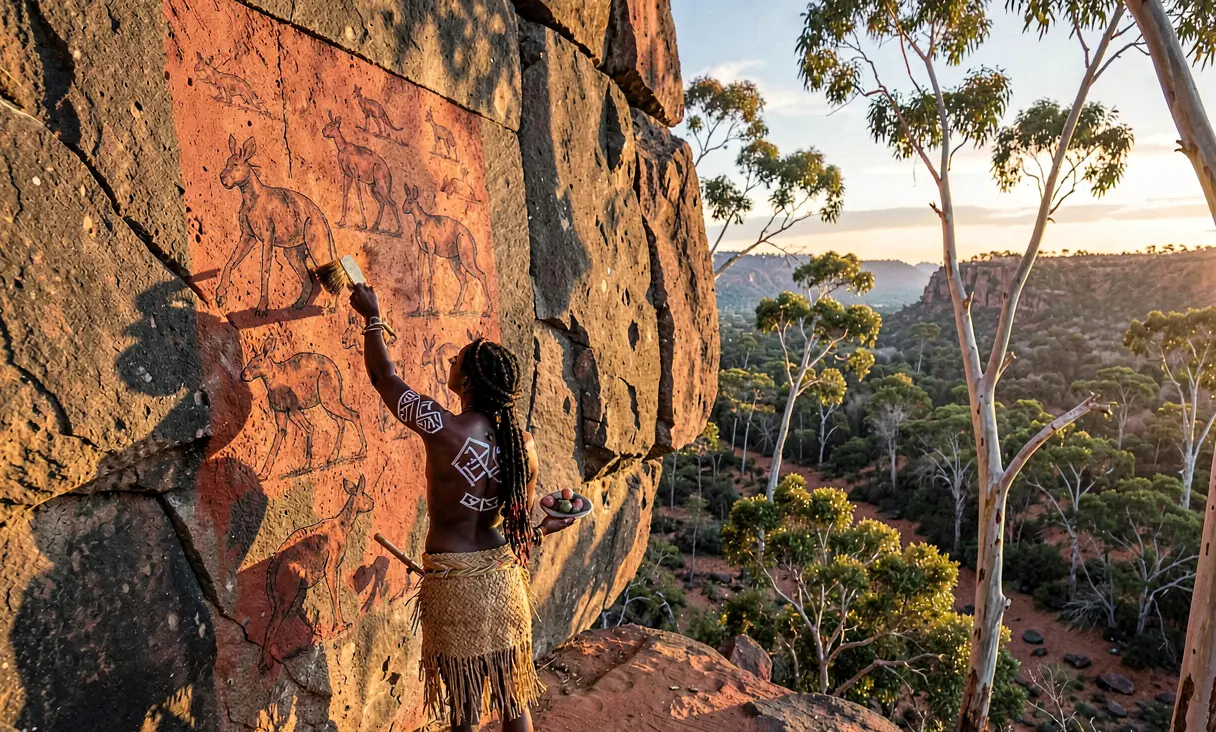
While rock art in the region dates back tens of thousands of years, the period between 3000 BCE and 1500 CE witnessed the crystallization of the distinctive 'X-ray' style, a hallmark of the Mirrar and other local clans. This artistic innovation involved depicting fauna—such as barramundi, wallabies, and crocodiles—with their internal skeletal structures and organs rendered in high relief against the rock face. Far from being mere anatomical studies, these figures served as spiritual diagrams, illustrating the life force and the interconnectedness of the physical and metaphysical realms. The precision required to execute these works, often on vertical cliff faces inaccessible without scaffolding or climbing expertise, demonstrates a mastery of technique and a deep, codified understanding of zoology that was transmitted orally and visually across generations.
Sacred Narratives and the Rainbow Serpent
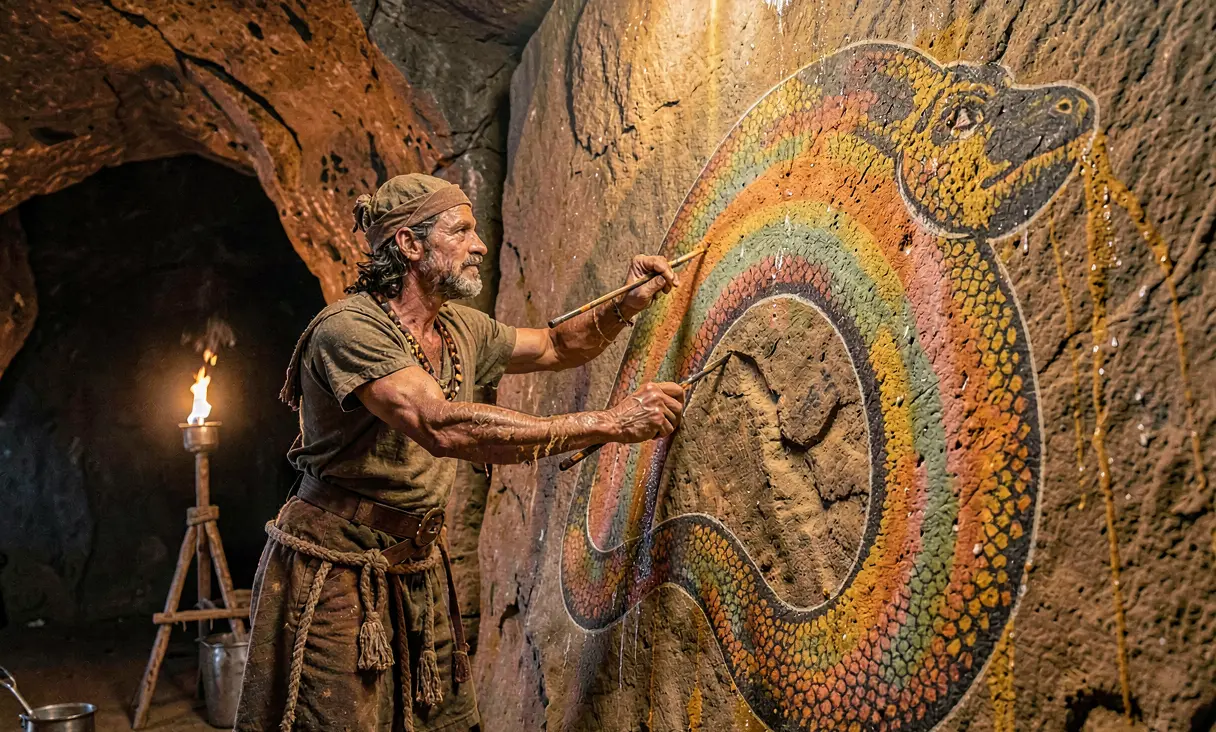
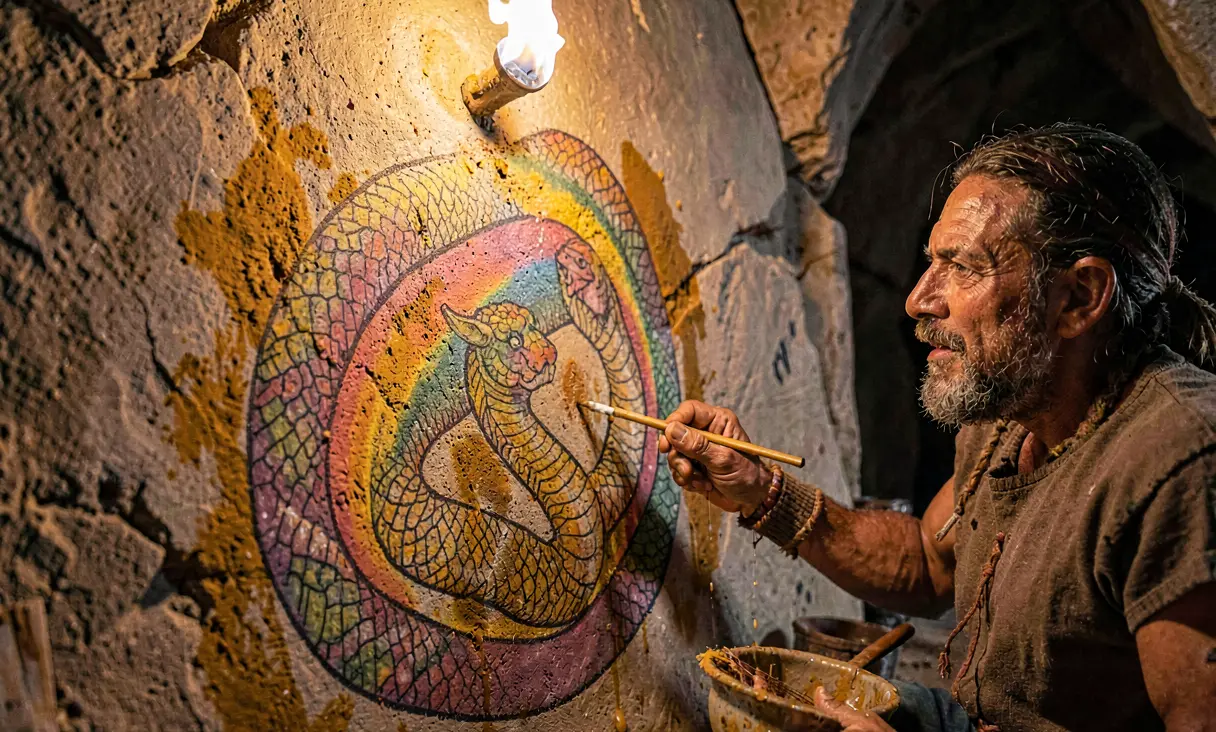
Central to this artistic corpus is the recurring motif of the Rainbow Serpent (Ngalyod in local languages), a creator deity who shaped the landscape, carved out river systems, and established the laws of society. During this peak period, depictions of Ngalyod became increasingly elaborate, often shown swallowing other beings or emerging from waterholes, symbolizing the cyclical nature of life, death, and regeneration. These images were not static decorations but active components of ritual practice; they served as mnemonic devices for teaching 'The Law' to initiates during corroborees held at specific rock shelters. The art functioned as a legal archive, recording genealogies, territorial boundaries, and moral codes that governed the social interactions of the diverse groups inhabiting the Alligator Rivers region.
Techniques and Material Culture
The creation of these masterpieces relied on a refined palette derived from the local environment. Artists utilized ochres in vibrant reds, yellows, and whites, mixed with binders such as plant sap or animal fat to ensure adhesion to the sandstone surfaces. Charcoal provided stark blacks for outlines, while white clay was often used to highlight internal features in X-ray paintings. The application methods evolved over time, from simple finger painting to the use of chewed twigs and brushes made from feathers or grass stems, allowing for fine detail work. These materials were not merely pigments but sacred substances, often harvested through ceremonial processes that reinforced the spiritual connection between the artist, the land, and the ancestral beings.
Continuity Through Changing Times
Unlike many ancient civilizations whose artistic traditions collapsed with the fall of empires or climatic catastrophes, the rock art tradition in Kakadu demonstrated remarkable resilience. Throughout this 4,500-year span, the region experienced fluctuating climate patterns and the arrival of new cultural influences, yet the core iconography remained intact. The continuity is evidenced by stratigraphic layers of paint found in shelters like Nourlangie (Burrungkuy) and Ubirr, where newer paintings were sometimes applied over older ones, creating a palimpsest of history that spans thousands of years. This unbroken chain of creation allowed the Mirrar people to maintain their identity and spiritual authority even as external pressures mounted in later centuries.
Legacy and Global Significance
Today, the rock art of Kakadu stands as one of the most extensive and continuous collections of prehistoric art on Earth. Recognized by UNESCO as a World Heritage site for both its natural and cultural values, these sites offer an unparalleled window into the cognitive and spiritual world of early humans. The survival of this artistic tradition challenges Eurocentric narratives of linear progress, showcasing instead a culture that prioritized deep time, ecological stewardship, and oral history over written records. As contemporary Indigenous artists continue to draw upon these ancient styles in modern mediums, the legacy of the peak period remains a living testament to the enduring power of Aboriginal Australian culture.
Aboriginal rock art represents one of the longest continuous artistic traditions on Earth, preserving millennia of cultural knowledge and spiritual belief.
Where it happened
Kakadu National Park, Australia — see it on the interactive map →
Explore related history
 ArtCreation of the Benin Bronzes under Oba Ewuarec. 1450 CE · Benin City, NigeriaOba Ewuare commissions the famous bronze and ivory plaques documenting court life and military victories.
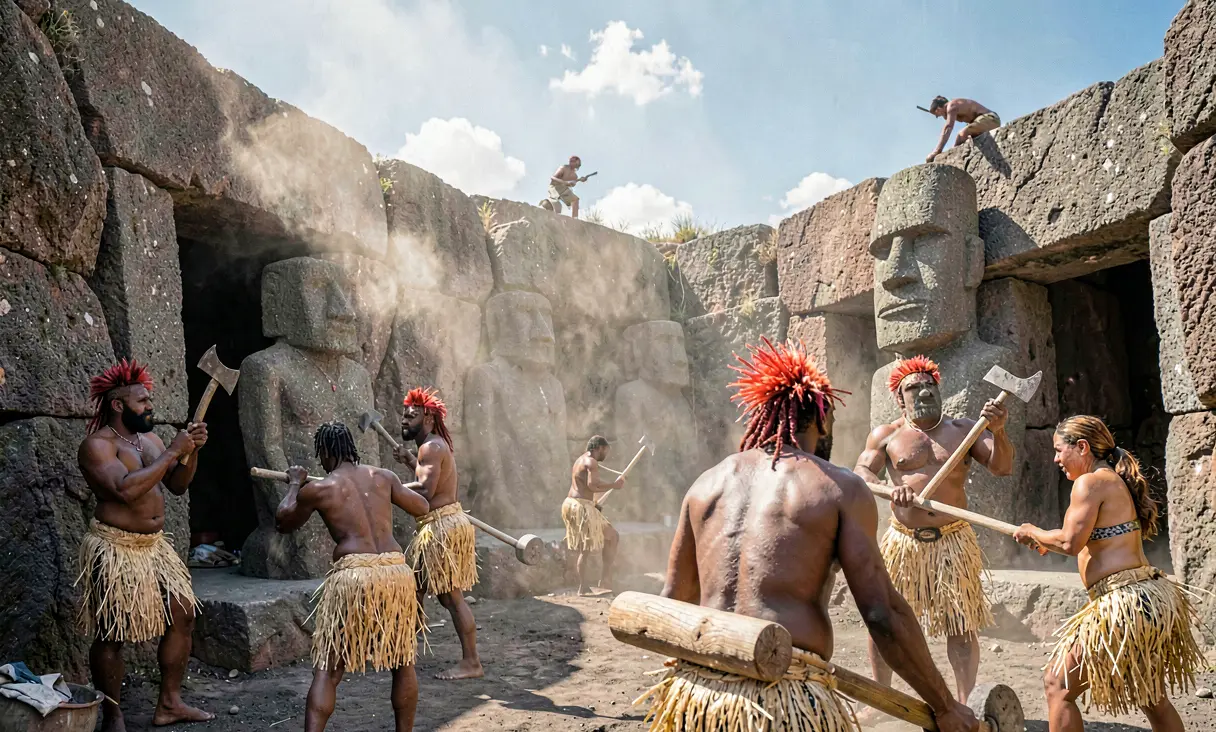 ArtMass Production of Moai Statues at Rano Rarakuc. 1400 CE · Rano Raraku Quarry, Rapa NuiThe peak period of moai carving begins at the Rano Raraku quarry under the direction of clan chiefs.
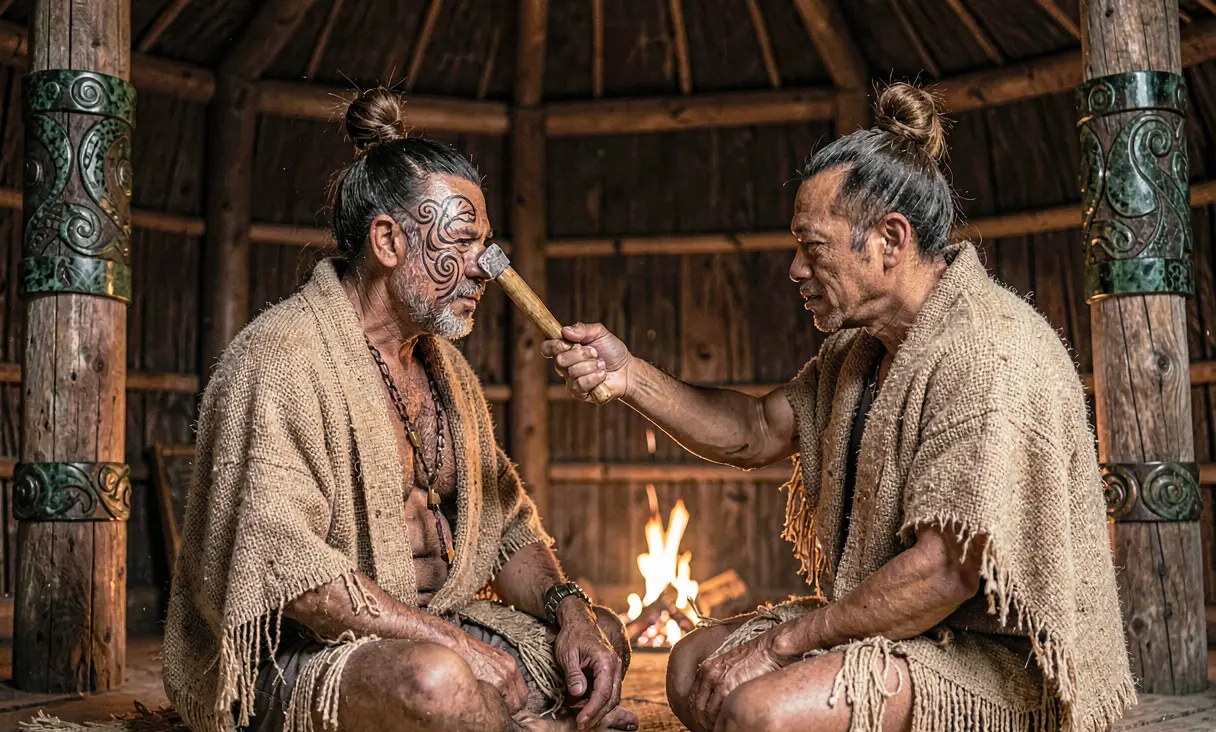 ArtDevelopment of Māori Tā Moko Tattooing Traditionc. 1400 CE · North Island, New ZealandMāori refine the art of tā moko, using chisels to carve permanent facial and body tattoos.
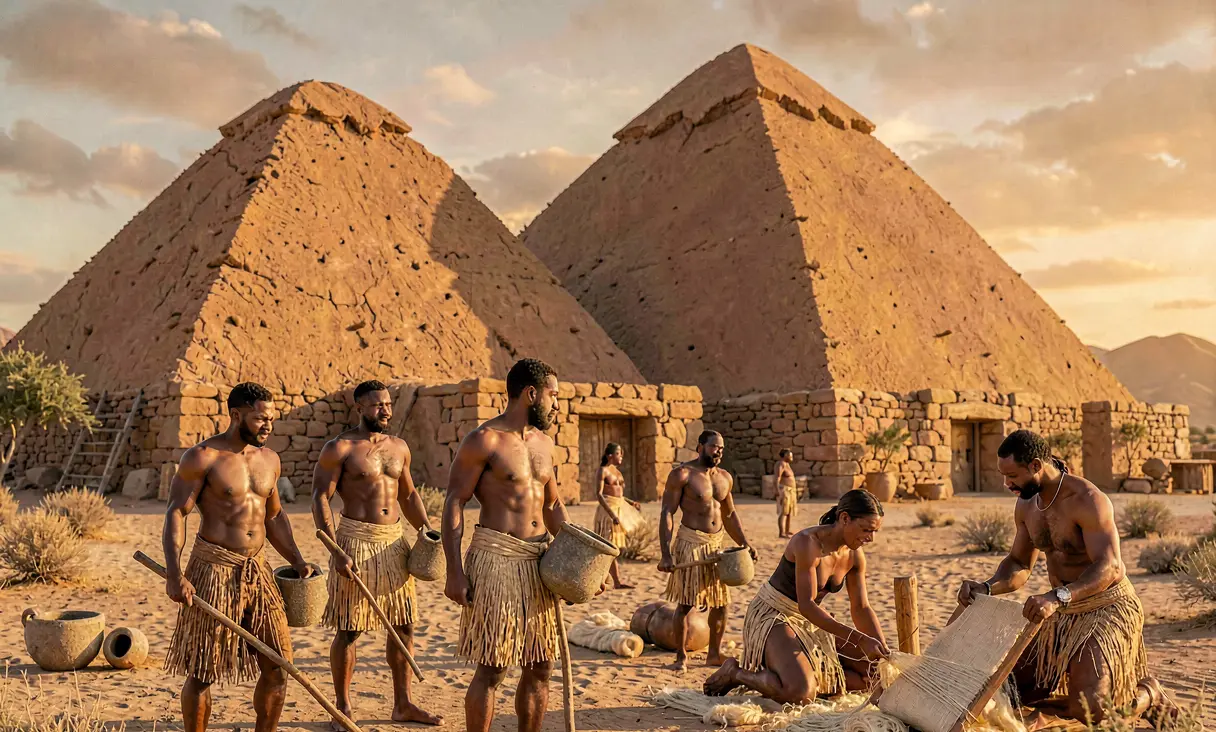 CivilizationEmergence of Norte Chico Urban Centersc. 3000 BCE · Caral-Supe Valley, PeruThe Norte Chico civilization establishes the oldest known cities in the Americas.
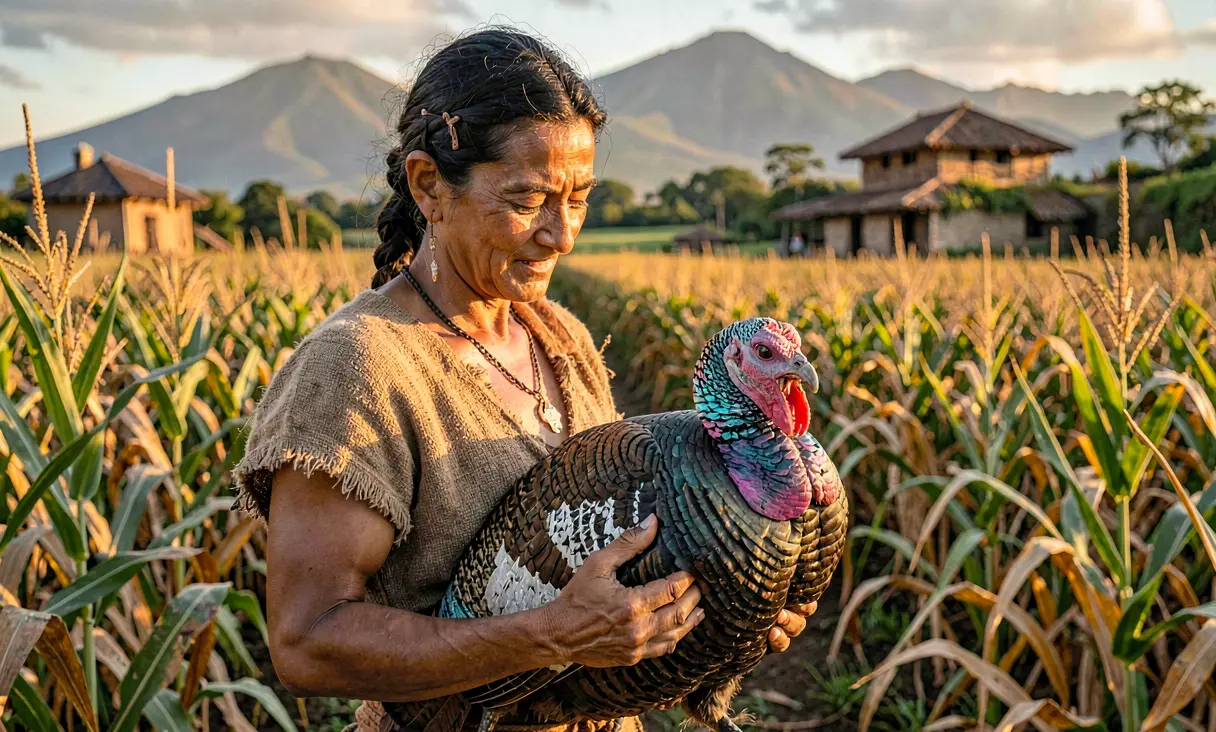 ScienceDomestication of the Turkey in Mesoamericac. 1000 BCE · Central MexicoAncient Mesoamericans successfully domesticate the wild turkey for meat and ritual feathers.
 TechnologyIndustrialization of Sericulture in Ancient Chinac. 2600 BCE · Shaanxi Province, ChinaChinese artisans perfect the reeling and spinning of silk from silkworm cocoons.
Discussion
Loading…