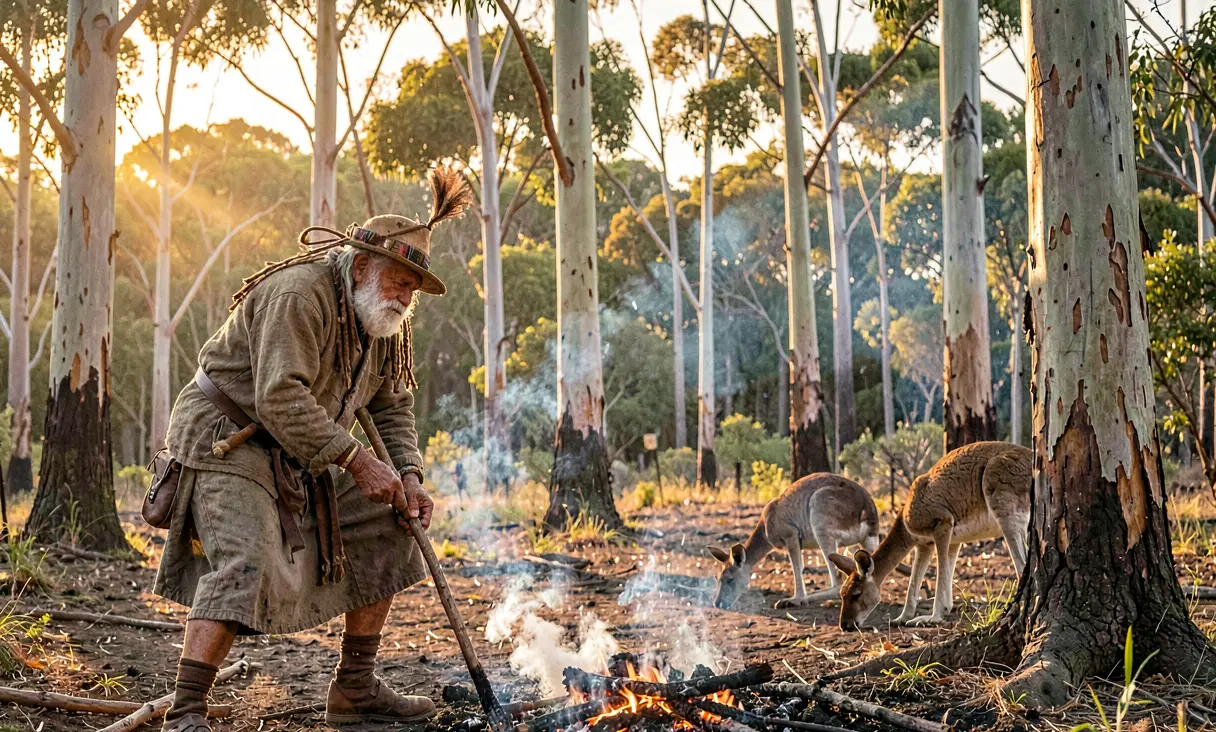
Aboriginal Fire-Stick Farming Practices
For millennia, Aboriginal peoples used precise cool burns to transform Australia's ecology into biodiverse open woodlands, proving they were master landscape engineers long before European arrival.
Background and Ecological Context
Long before European colonization, the Australian continent was not a wilderness of dense, impassable scrub but a managed landscape shaped by human intervention. Archaeological evidence suggests that Aboriginal peoples began utilizing fire as a tool for land management approximately 50,000 to 60,000 years ago following their arrival on the continent, with systematic 'fire-stick farming' becoming widespread by at least 5000 BCE in Central Australia and across the arid interior. This practice emerged not merely as a survival tactic but as a sophisticated ecological strategy designed to navigate the harsh, variable climate of the Australian outback. The indigenous populations understood that uncontrolled wildfires were catastrophic; therefore, they developed a method of 'cool burning'—low-intensity fires set during cooler, humid conditions—that cleared undergrowth without damaging the canopy or soil structure.
The Mechanics of Fire-Stick Farming
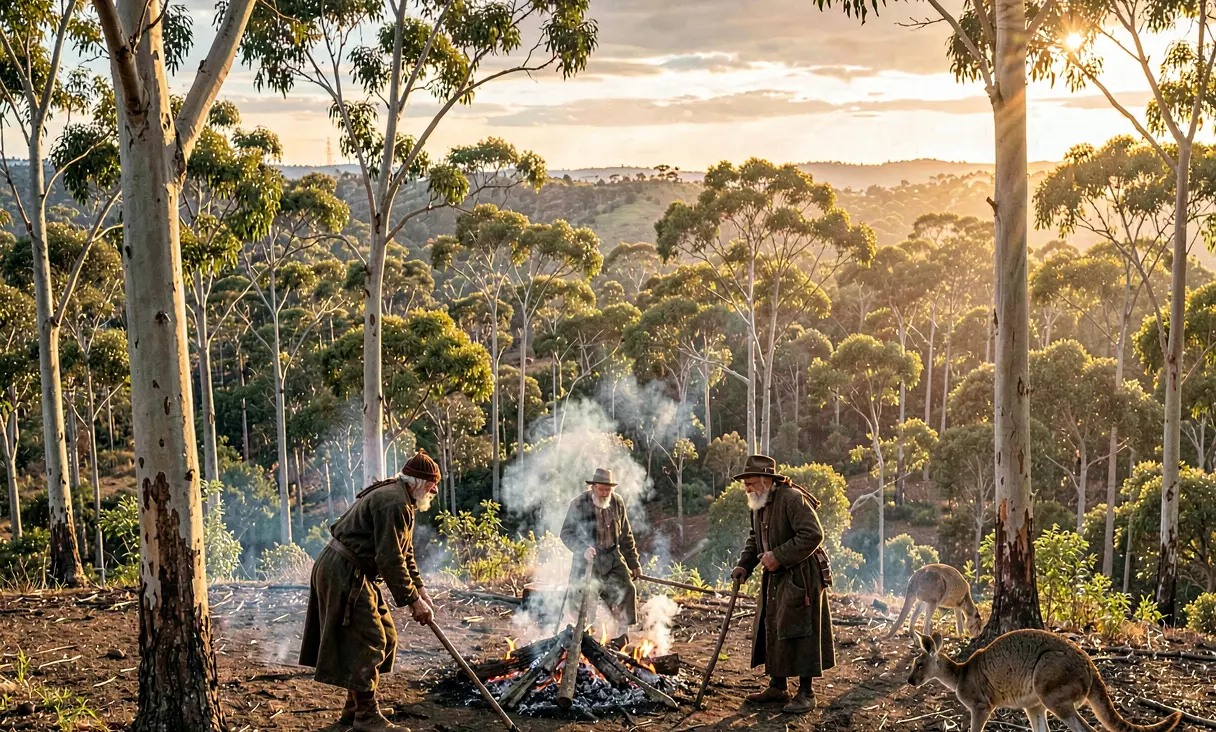
Fire-stick farming, a term coined by anthropologist Rhys Jones in 1969 to describe this ancient practice, involved the deliberate use of small, controlled fires to manipulate vegetation. Unlike the high-intensity wildfires that consume everything in their path, these cool burns were conducted with precision, often following natural boundaries like rock ridges or watercourses. The primary objective was to remove dry grass and dense shrubbery, which encouraged the growth of fresh green shoots that attracted herbivores such as kangaroos, wallabies, and emus. This created a mosaic landscape of varying vegetation ages, ensuring a constant food supply for game animals while simultaneously creating open woodlands that facilitated hunting and travel. The technique also prevented the accumulation of fuel loads, thereby mitigating the risk of devastating bushfires during the dry season.
Cultural Knowledge and Songlines
The execution of this complex land management system was underpinned by an intricate body of oral knowledge encoded in 'songlines' or dreaming tracks. These songlines served as both navigational maps and legal deeds, detailing the location of water sources, fire breaks, and specific burning patterns required for different regions. Elders transmitted this knowledge across generations through ceremony and storytelling, ensuring that the timing and intensity of burns were synchronized with seasonal cycles and animal migration patterns. In Central Australia, groups such as the Arrernte people maintained a profound understanding of fire ecology, knowing exactly which plants would regenerate quickly after a burn and how to use fire to protect sacred sites. This system allowed for the sustainable support of large populations in an environment that European settlers later deemed 'barren'.
Transformation of the Landscape
The cumulative effect of millennia of fire-stick farming was a dramatic transformation of Australia's ecology. Paleobotanical records and pollen analysis indicate that prior to human arrival, much of the continent was covered in dense rainforest or closed woodland. Over thousands of years, systematic burning opened these forests into the grassy woodlands and savannas characteristic of Central Australia today. This anthropogenic landscape supported a high biodiversity of marsupials and birds, creating an environment where hunting could be conducted efficiently without the need for animal husbandry or crop cultivation. The practice effectively turned the continent into a vast, managed garden, demonstrating that Aboriginal peoples were not passive inhabitants but active engineers of their environment.
Disruption and Colonial Impact
The cessation of fire-stick farming following British colonization in 1788 led to immediate and severe ecological consequences. As Aboriginal populations were displaced, killed, or confined to reserves, the traditional burning regimes ceased. Without regular cool burns, fuel loads accumulated rapidly across the continent, leading to a dramatic increase in the frequency and intensity of wildfires. The open woodlands reverted to dense scrub, making hunting difficult and reducing biodiversity. By the late 19th century, ecologists began noting the correlation between the absence of indigenous fire management and the degradation of the landscape, although this insight was largely ignored by colonial authorities who viewed fire as purely destructive rather than a tool of stewardship.
Legacy and Modern Revival
In recent decades, there has been a significant resurgence in recognizing the value of Aboriginal fire management practices. Australian land managers and scientists are increasingly integrating 'cultural burning' into modern fire strategies to reduce wildfire risks and restore biodiversity. Programs led by Indigenous rangers across Central Australia and other regions are applying traditional knowledge alongside contemporary science to manage vast tracts of land. This revival not only helps prevent catastrophic bushfires but also strengthens cultural identity and provides economic opportunities for Aboriginal communities. The recognition of fire-stick farming as a sophisticated technology has fundamentally altered the historical narrative, acknowledging that Indigenous Australians were the first ecologists on the continent.
Fire-stick farming represents one of the world's earliest and most effective forms of environmental engineering and land management.
Where it happened
Central Australia — see it on the interactive map →
Explore related history
 ScienceCodification of Aboriginal Songlines Across Australiac. 5000 BCE onwards · Central AustraliaAboriginal peoples develop Songlines that map the continent through oral narratives and star paths.
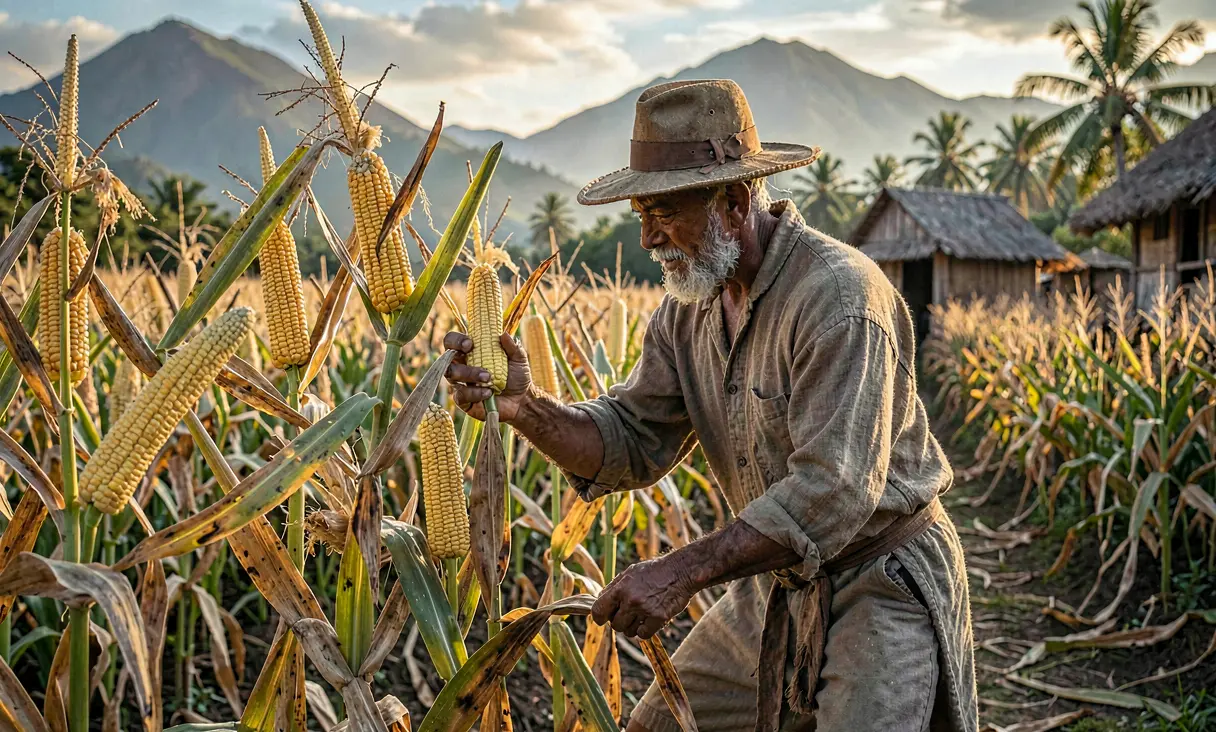 ScienceFinal Domestication of Maize from Teosinte in Mesoamericac. 5000 BCE · Balsas River Valley, MexicoIndigenous farmers selectively breed teosinte into modern maize (corn).
 CivilizationDomestication of Rice in the Yangtze Valleyc. 4000 BCE · Yangtze River Valley, ChinaRice cultivation begins in the Yangtze River valley, transforming East Asian agriculture and supporting massive population growth.
Discussion
Loading…