Attack on Pearl Harbor
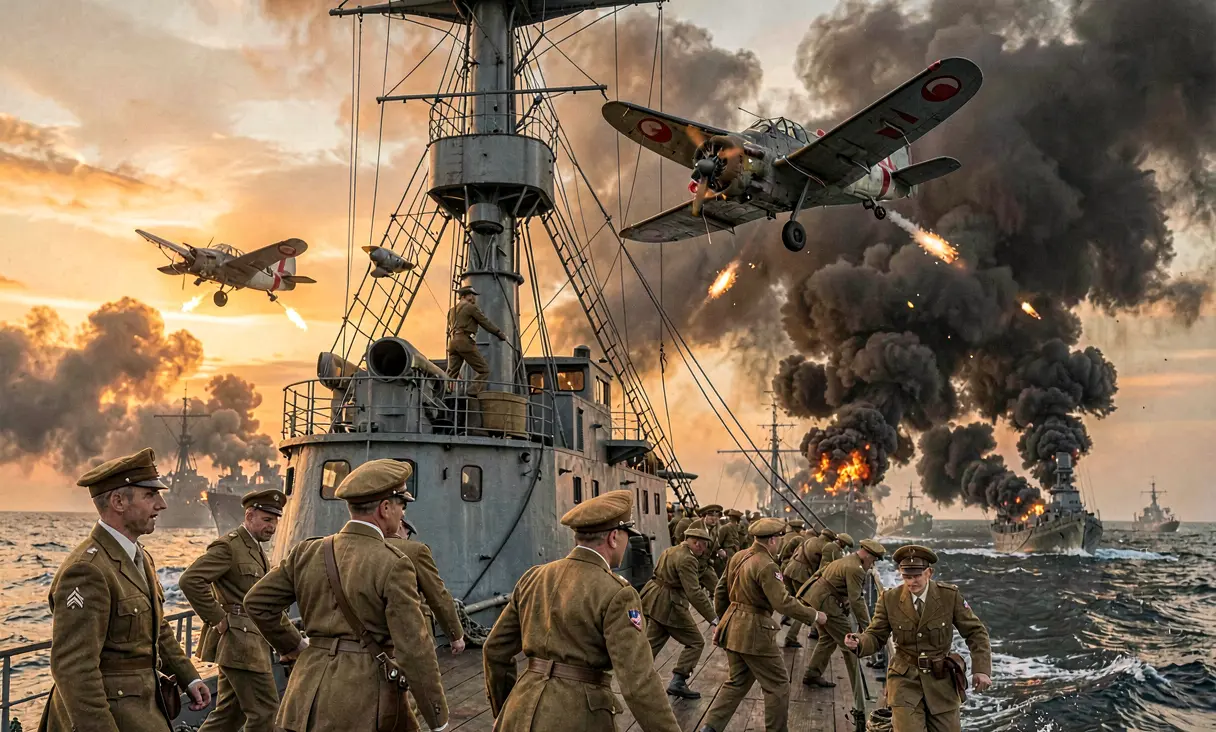
The surprise Japanese attack on Pearl Harbor on December 7, 1941, killed over 2,400 Americans, sunk major naval assets, and compelled the United States to enter World War II, reshaping global history.
Strategic Context and Rising Tensions
By late 1941, the Pacific theater was a powder keg of escalating geopolitical friction. The United States had imposed increasingly severe economic sanctions on Imperial Japan, including a total oil embargo and the freezing of Japanese assets, in response to Tokyo's aggressive expansion into French Indochina and China. Facing the prospect of resource starvation that would cripple its war machine, the Japanese military leadership concluded that a preemptive strike against the US Pacific Fleet was necessary to secure dominance in Southeast Asia. Admiral Isoroku Yamamoto, architect of the plan, believed that while Japan could not win a prolonged war against American industrial might, a devastating initial blow could shatter US morale and buy time for consolidation.
The Japanese Strike Force
Under the cover of darkness and stormy weather, the Kido Butai (Striking Force) departed from Hitokappu Bay in the Kuril Islands on November 26, 1941. This formidable armada consisted of six aircraft carriers—Akagi, Kaga, Soryu, Hiryu, Shokaku, and Zuikaku—escorted by two battleships, three cruisers, nine destroyers, and a fleet of submarines and support vessels. Carrying over 400 aircraft, the force maintained strict radio silence as it traversed the North Pacific, aiming to arrive undetected off the coast of Oahu. The operation relied on perfect timing and the element of surprise, betting that American intelligence would fail to intercept their approach or anticipate an attack from such a distant vector.
The Morning of December 7
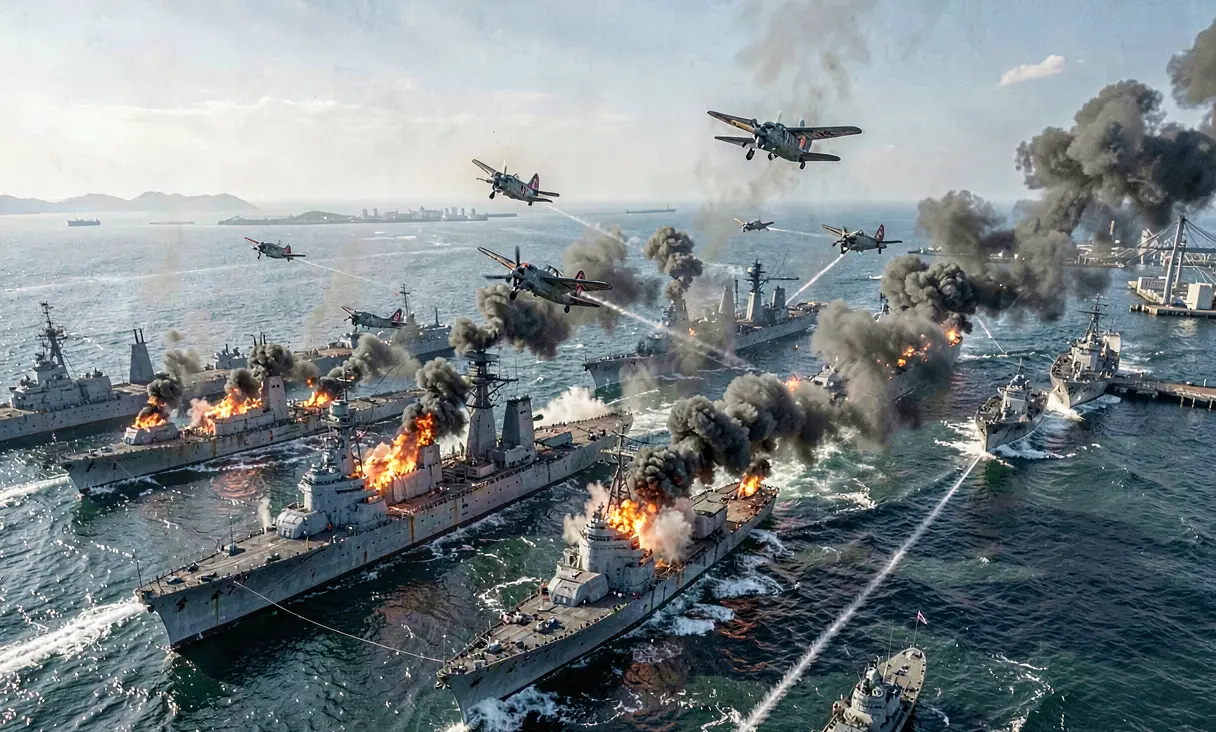
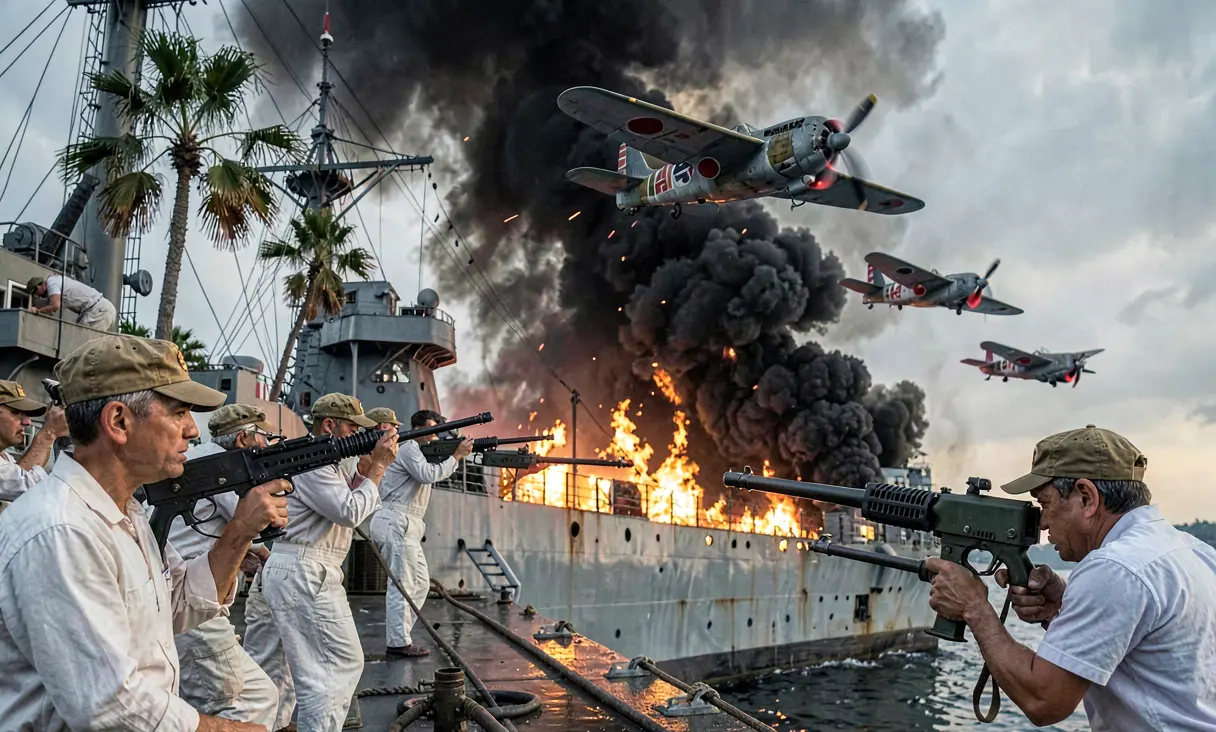
At 06:00 local time, the first wave of 183 Japanese aircraft launched from the carriers, flying low over the ocean to evade radar detection. At 07:55, they descended upon Pearl Harbor in a coordinated assault involving torpedo bombers, dive bombers, and level bombers. The target was the US battleship row at Ford Island; the first bombs struck the USS Arizona, causing a catastrophic magazine explosion that tore the ship apart. Within minutes, the USS Oklahoma capsized after being hit by multiple torpedoes, while the USS West Virginia and USS California sank in shallow water. The second wave, arriving 40 minutes later with 171 aircraft, focused on airfields and repair facilities to prevent US retaliation, destroying over 300 American aircraft on the ground.
Human Cost and Naval Devastation
The attack lasted approximately two hours, leaving a scene of apocalyptic destruction. When the smoke cleared, eight battleships had been damaged or sunk, along with three cruisers, three destroyers, and numerous auxiliary vessels. The human toll was staggering: 2,403 Americans were killed and 1,178 wounded. Among the dead were 1,177 sailors aboard the USS Arizona alone. While the Japanese lost 29 aircraft, five midget submarines, and suffered 64 casualties, their strategic gamble failed to destroy critical US infrastructure; fuel storage tanks, submarine pens, and repair shops remained largely intact, and no American aircraft carriers were present in the harbor that fateful Sunday morning.
Immediate Aftermath and Declaration of War
The day after the attack, December 8, 1941, President Franklin D. Roosevelt addressed a joint session of Congress, famously labeling the date "a date which will live in infamy." With overwhelming bipartisan support, the United States declared war on Japan, formally entering World War II. Germany and Italy, bound by the Tripartite Pact, subsequently declared war on the United States on December 11, transforming a regional conflict into a truly global conflagration. The isolationist sentiment that had dominated American politics for decades evaporated overnight, replaced by a unified resolve to defeat the Axis powers.
Legacy and Historical Significance
The attack on Pearl Harbor fundamentally altered the trajectory of the 20th century. It mobilized the United States' vast industrial capacity, turning it into the "Arsenal of Democracy" and tipping the balance of power decisively against the Axis. The event catalyzed the formation of the Grand Alliance between the US, Britain, and the Soviet Union, setting the stage for the eventual Allied victory in both Europe and the Pacific. Furthermore, it led to profound domestic changes, including the internment of Japanese Americans and a permanent shift in American foreign policy toward global engagement and military preparedness.
It brought the United States into World War II, fundamentally altering the course of the global conflict.
Where it happened
Pearl Harbor, Hawaii, USA — see it on the interactive map →
Explore related history
 WarBattle of WaterlooJune 18, 1815 · Waterloo, BelgiumNapoleon Bonaparte is defeated, ending the Napoleonic Wars.
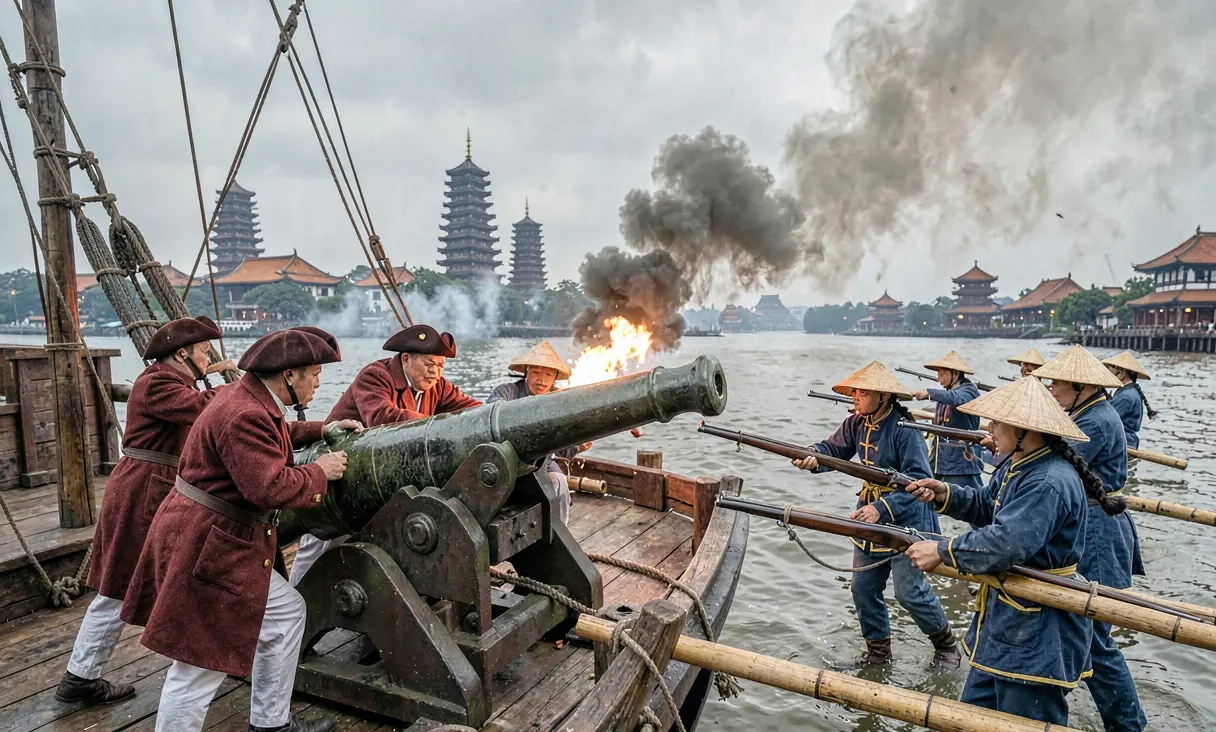 WarFirst Opium War BeginsSeptember 4, 1839 · Guangzhou, ChinaBritain forces open Chinese trade via war, beginning the Century of Humiliation.
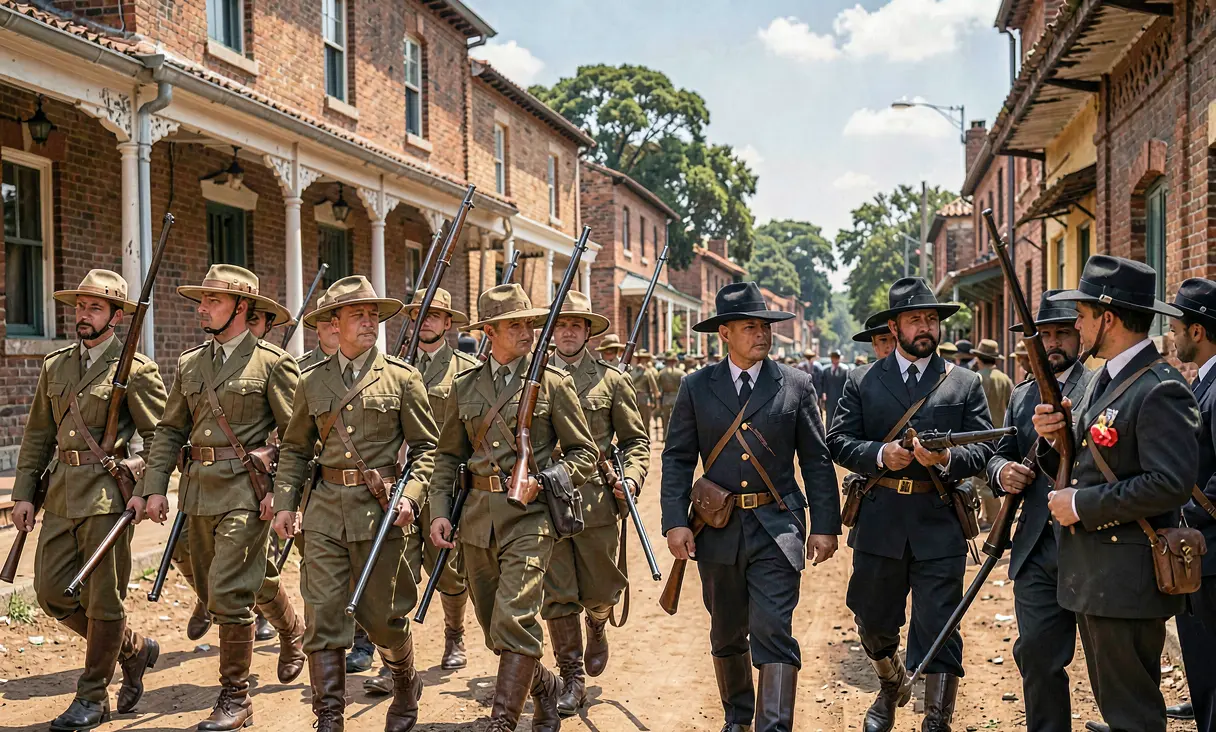 WarSecond Boer War BeginsOctober 11, 1899 · Pretoria, South AfricaBritish Empire fights Boer republics, introducing concentration camps.
 ArtCreation of Guernica by PicassoMay 1, 1937 CE · Paris, FrancePicasso paints anti-war masterpiece depicting bombing of Basque town during Spanish Civil War.
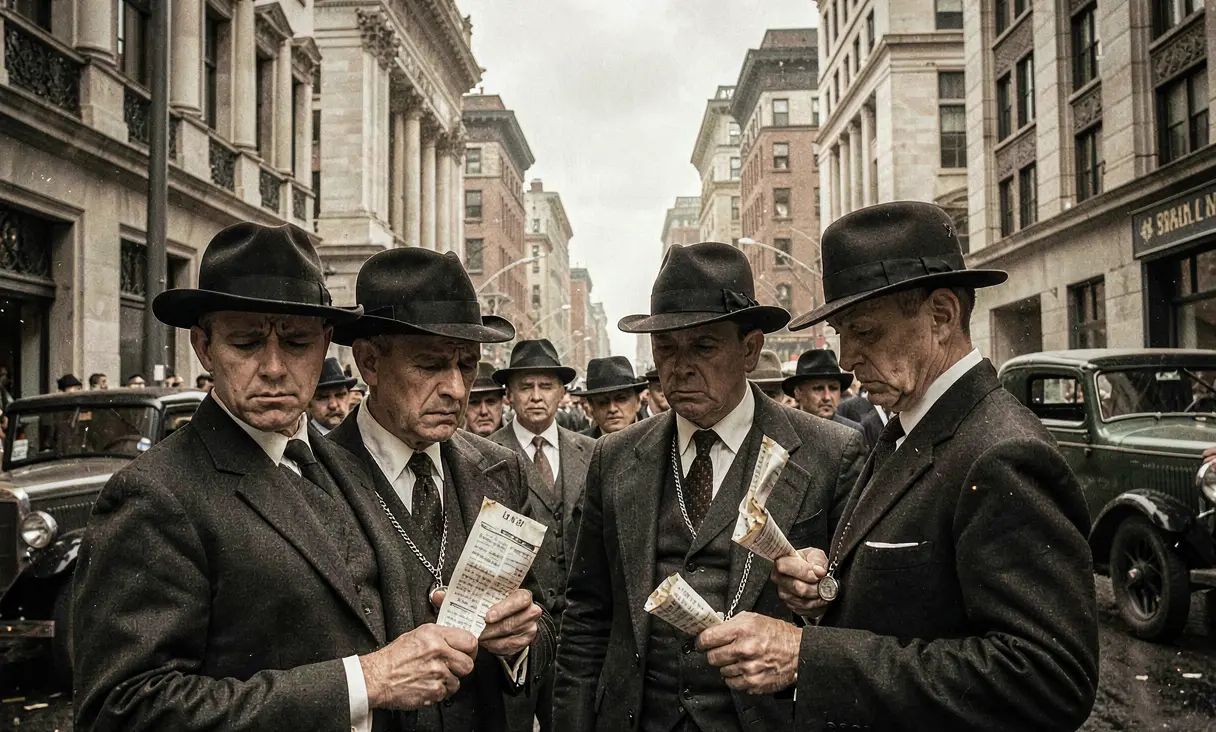 DisasterWall Street Crash and Great DepressionOctober 29, 1929 · New York City, USAStock market crash triggers the worst global economic depression in history.
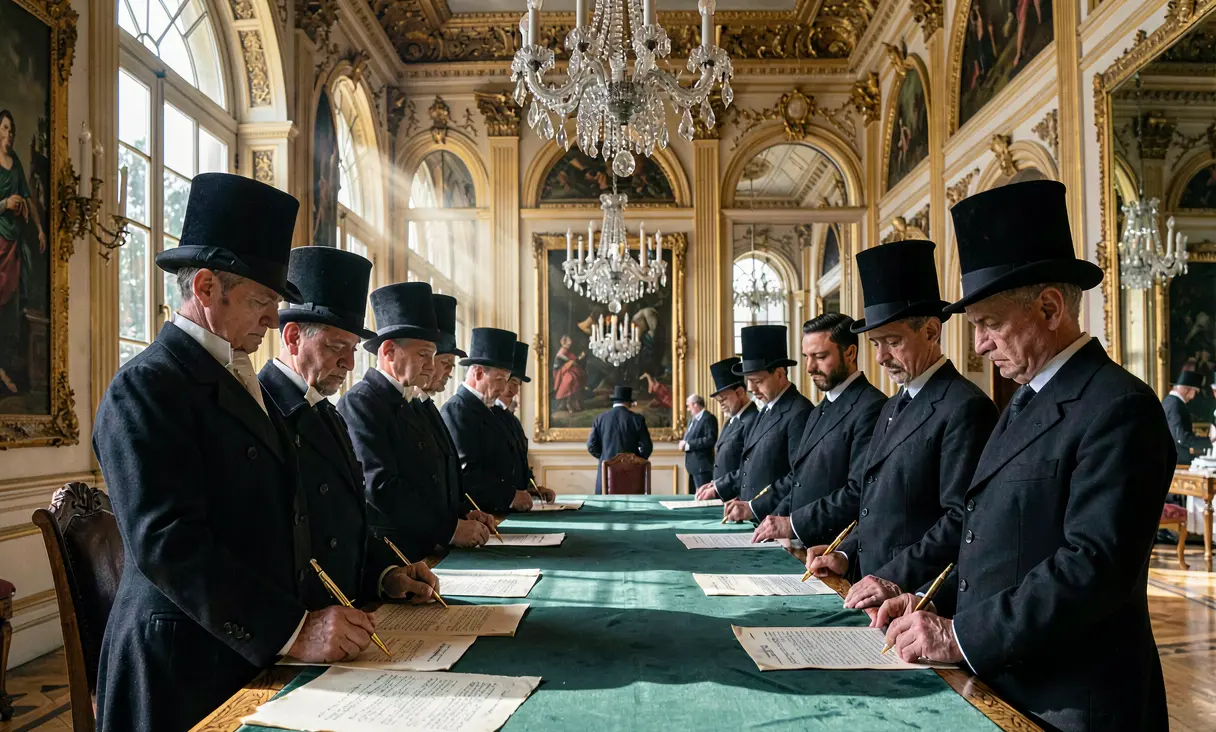 PoliticsTreaty of Versailles SignedJune 28, 1919 · Versailles, FrancePeace treaty ends WWI but imposes harsh terms on Germany, sowing seeds for WWII.
Discussion
Loading…