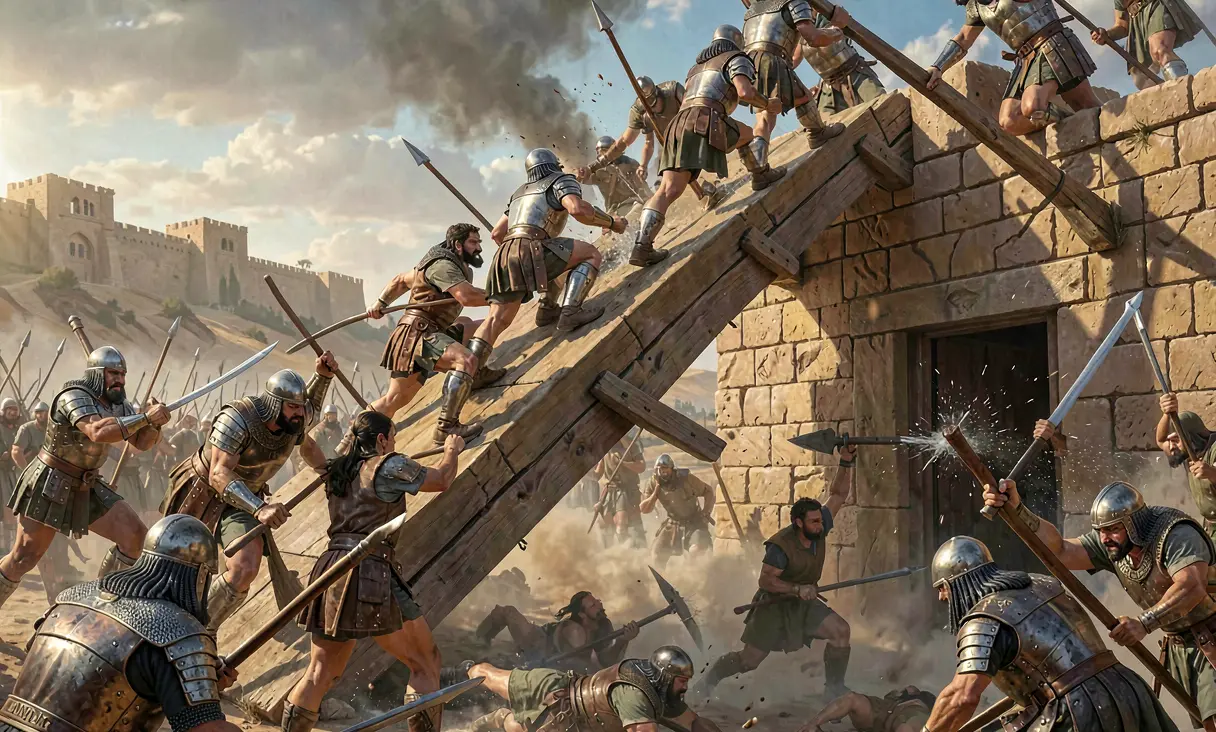
Assyrian Siege and Sack of Lachish
In 701 BCE, Sennacherib's brutal siege of Lachish shattered Judah's defenses, confirmed by Nineveh reliefs and mass graves, cementing Assyrian dominance in the region.
The Assyrian Hammer and the Kingdom of Judah
By the late 8th century BCE, the Neo-Assyrian Empire had established itself as the dominant military superpower of the Near East, characterized by a ruthless efficiency in subjugating rebellious vassals. King Hezekiah of Judah, initially a loyal tributary to Assyria, eventually joined a coalition of Levantine states seeking independence from Sennacherib's iron grip. In 701 BCE, Sennacherib launched a massive punitive expedition against the Kingdom of Judah to crush this insurrection. While Jerusalem remained unconquered due to complex political and perhaps divine interventions described in biblical texts, the campaign's primary objective was the systematic dismantling of Judah's defensive network. Lachish, situated on a strategic hill overlooking the Elah Valley, stood as the kingdom's second most important city and its strongest fortress after the capital.
The Siege of Lachish: A Military Masterpiece
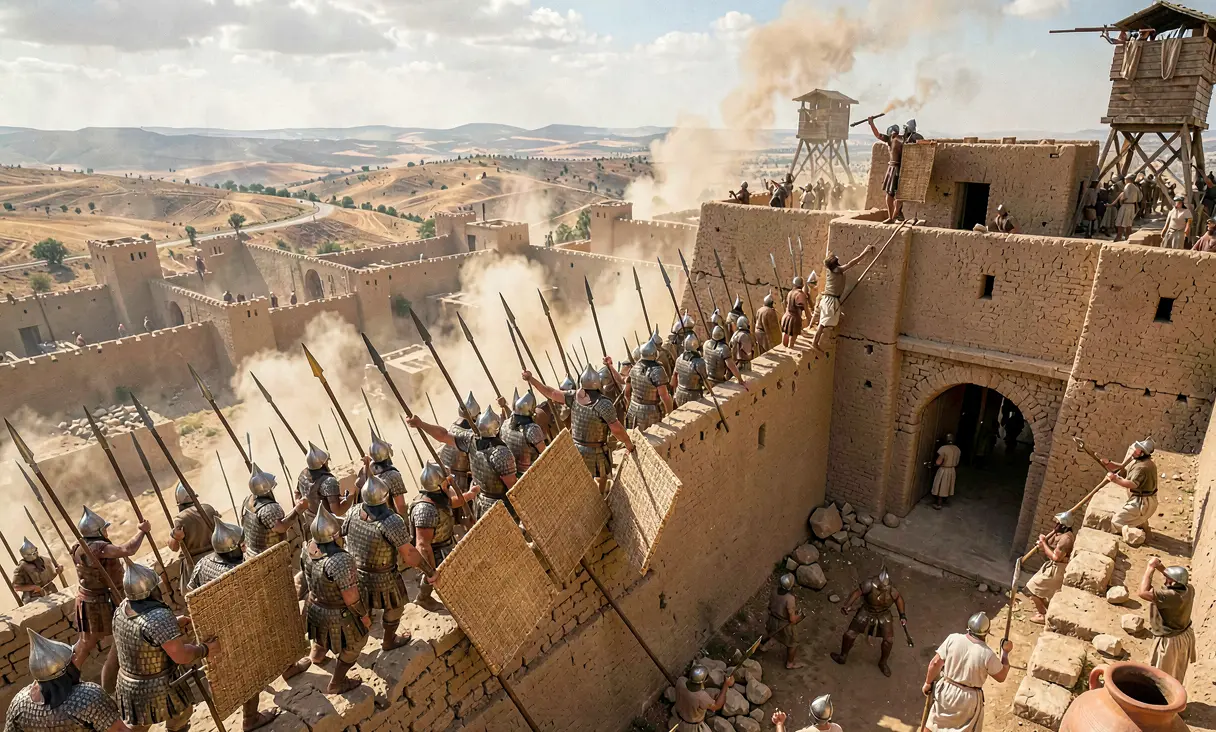
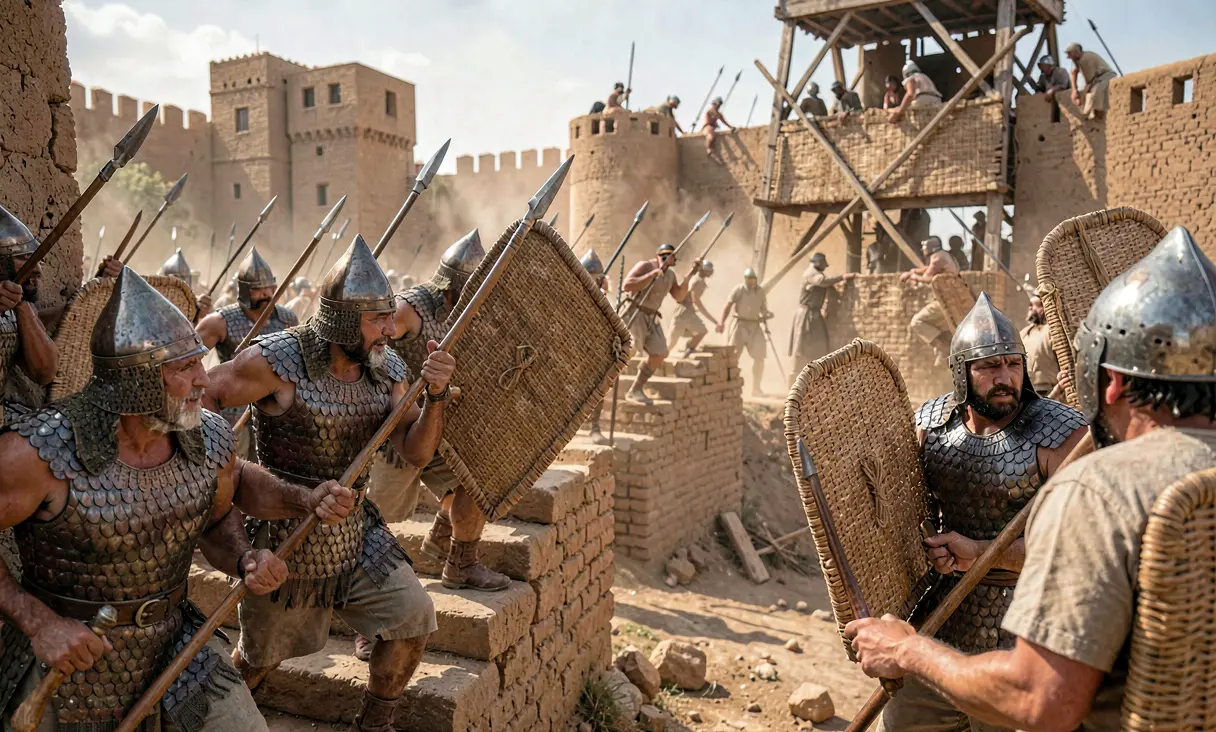
The assault on Lachish represents one of the earliest detailed records of a complex siege operation in history. Sennacherib's engineers constructed a massive artificial ramp on the western slope of the tell, allowing battering rams and siege towers to approach the city walls despite its formidable fortifications. The defenders, numbering perhaps several thousand including soldiers and civilians, fought desperately from behind double-walled fortifications reinforced with mudbrick and stone. Archaeological evidence reveals that the Assyrians utilized a combination of direct assault, mining operations beneath the walls, and psychological warfare. The sheer scale of the engineering feat required to breach Lachish's defenses demonstrated the logistical superiority of the Assyrian war machine over any contemporary Levantine power.
Echoes in Stone: The Reliefs of Nineveh
The most vivid account of this conflict comes not from written chronicles alone, but from the stone reliefs commissioned by Sennacherib for his palace at Nineveh. These bas-reliefs, now largely housed in the British Museum, provide a graphic, almost cinematic narrative of the siege. They depict Assyrian soldiers hauling massive battering rams up the constructed ramp, archers providing covering fire, and sappers undermining the walls. The reliefs also graphically illustrate the aftermath: the deportation of the city's inhabitants, including men, women, and children, being led away in chains, while their belongings are looted. These images served as propaganda, intended to terrorize potential rebels throughout the empire by showcasing the inevitable fate of those who defied Assyria.
The Bloodied Earth: Archaeological Confirmation
Excavations at Tell ed-Duweir (ancient Lachish) have provided grim physical corroboration of the textual and artistic records. In the final destruction layer dating to 701 BCE, archaeologists uncovered a mass grave containing the remains of approximately 1,500 individuals, many showing signs of violent trauma consistent with combat or execution. Among the finds were arrowheads embedded in the bones of defenders, remnants of siege ramps, and charred debris indicating widespread burning. The discovery of a cache of Lachish letters—ostraca written on pottery shards found within the city's gatehouse—reveals the desperate communication between Lachish and Jerusalem in the final days before the fall, noting that Azekah had already fallen and that Lachish was the last stronghold remaining.
The Aftermath: Vassalage and Demographic Shift
The destruction of Lachish was total; the city was razed to its foundations, effectively removing Judah's primary military bulwark. The surviving population faced deportation to Assyria or other parts of the empire, a standard Assyrian policy designed to break national identity and prevent future revolts. King Hezekiah, stripped of his major fortresses and surrounded by enemy troops, was forced to submit to Sennacherib's terms, paying a massive indemnity in gold, silver, and precious goods. While Jerusalem survived the immediate siege, Judah was reduced from an independent kingdom to a subservient vassal state, its economy devastated and its demographic landscape permanently altered by the loss of Lachish's elite and population.
Legacy: The Turning Point in Judean History
The Siege of Lachish stands as a pivotal moment in the history of ancient Israel, marking the end of Judah's brief period of independence and setting the stage for its eventual destruction by Babylon decades later. It serves as a definitive case study of Neo-Assyrian military tactics and imperial policy, illustrating how the empire maintained control through overwhelming force and terror. The event is uniquely preserved in three distinct historical mediums: the biblical narrative which frames it within a theological context, the Assyrian royal inscriptions and reliefs which celebrate the victory, and the archaeological record which confirms the brutality of the assault. Together, these sources provide an unparalleled window into the geopolitics and warfare of the Iron Age Levant.
The siege of Lachish stands as one of the most well-documented ancient military campaigns through both archaeology and art.
Where it happened
Lachish (Tell ed-Duweir), Israel — see it on the interactive map →
Explore related history
 WarAn Lushan Rebellion Begins755 CE · Chang'an, ChinaGeneral An Lushan revolts against Emperor Xuanzong, devastating the Tang Dynasty and population.
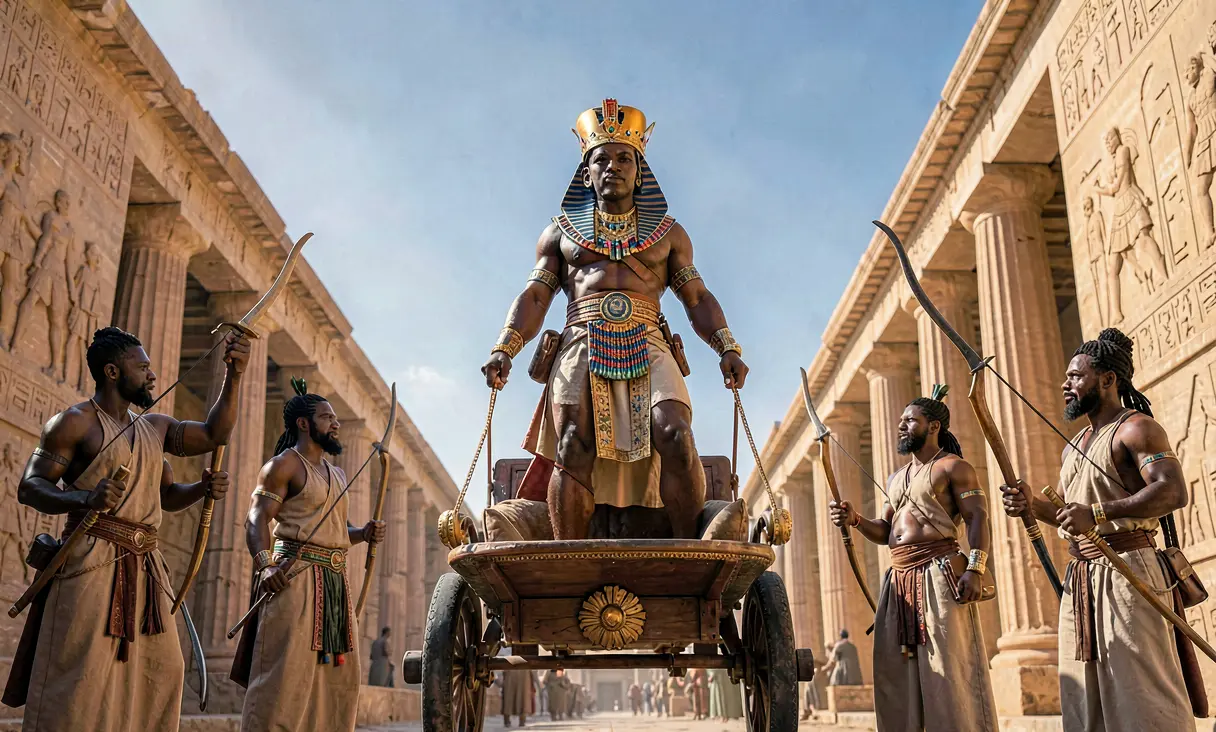 WarKushite Conquest of Egypt (25th Dynasty)c. 747 BCE · Thebes, EgyptKing Piye of Kush conquers Upper and Lower Egypt, establishing the first African-led dynasty in Egyptian history.
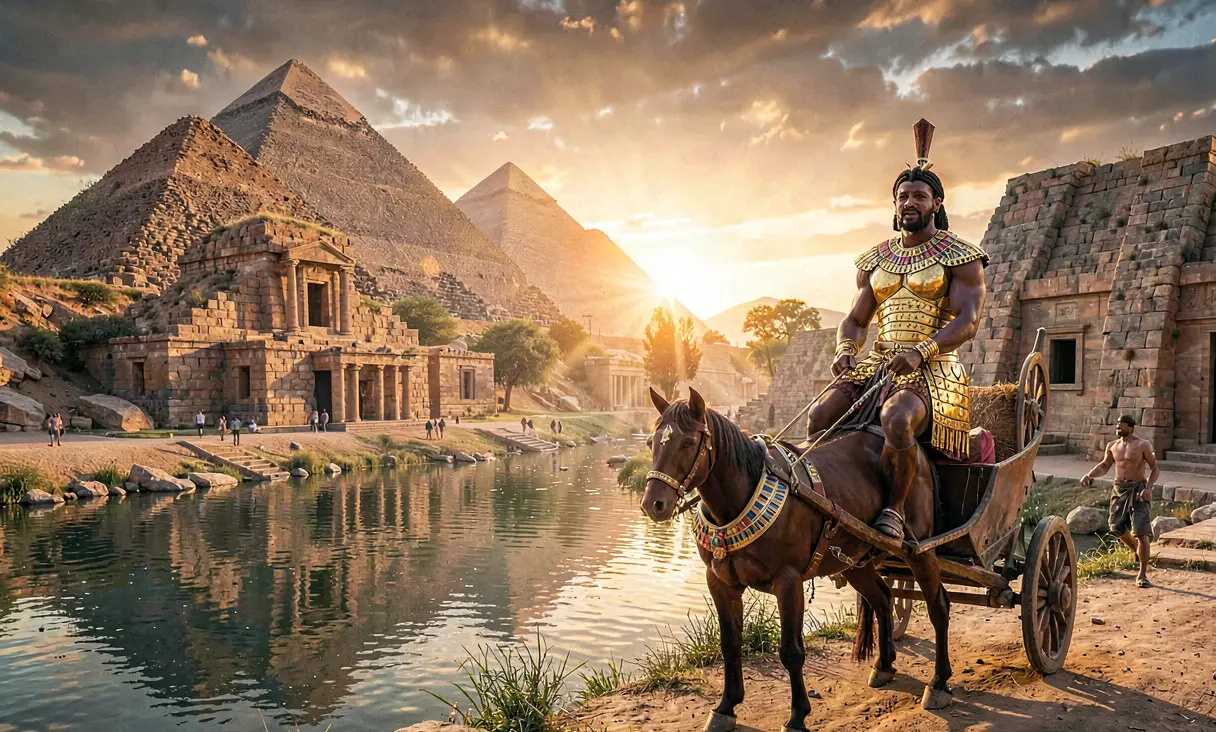 WarKushite Conquest of Egypt Establishes 25th Dynastyc. 744 BCE · Napata, Nubia (Modern Sudan)King Piye of Kush conquers Upper Egypt, establishing the 25th Dynasty and restoring traditional Egyptian religious practices.
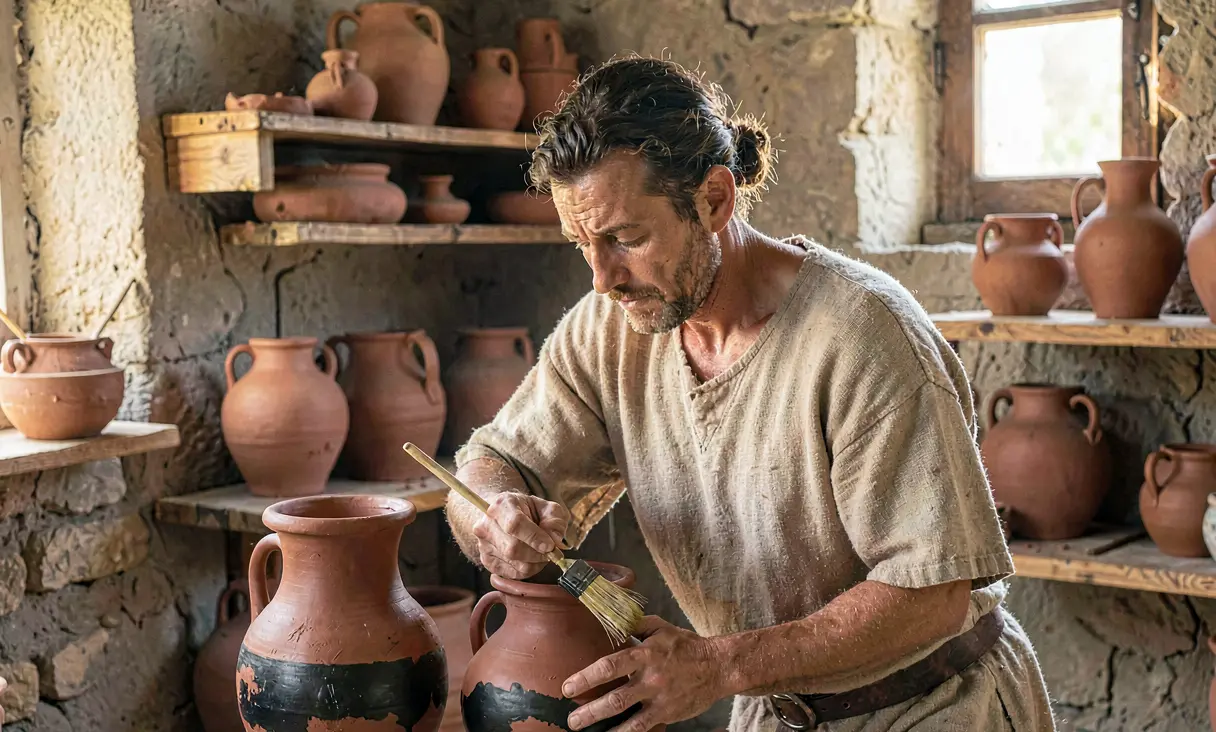 ArtRise of Black-Figure Vase Paintingc. 700 BCE · Athens, GreeceGreek potters perfect the black-figure technique to depict mythological scenes.
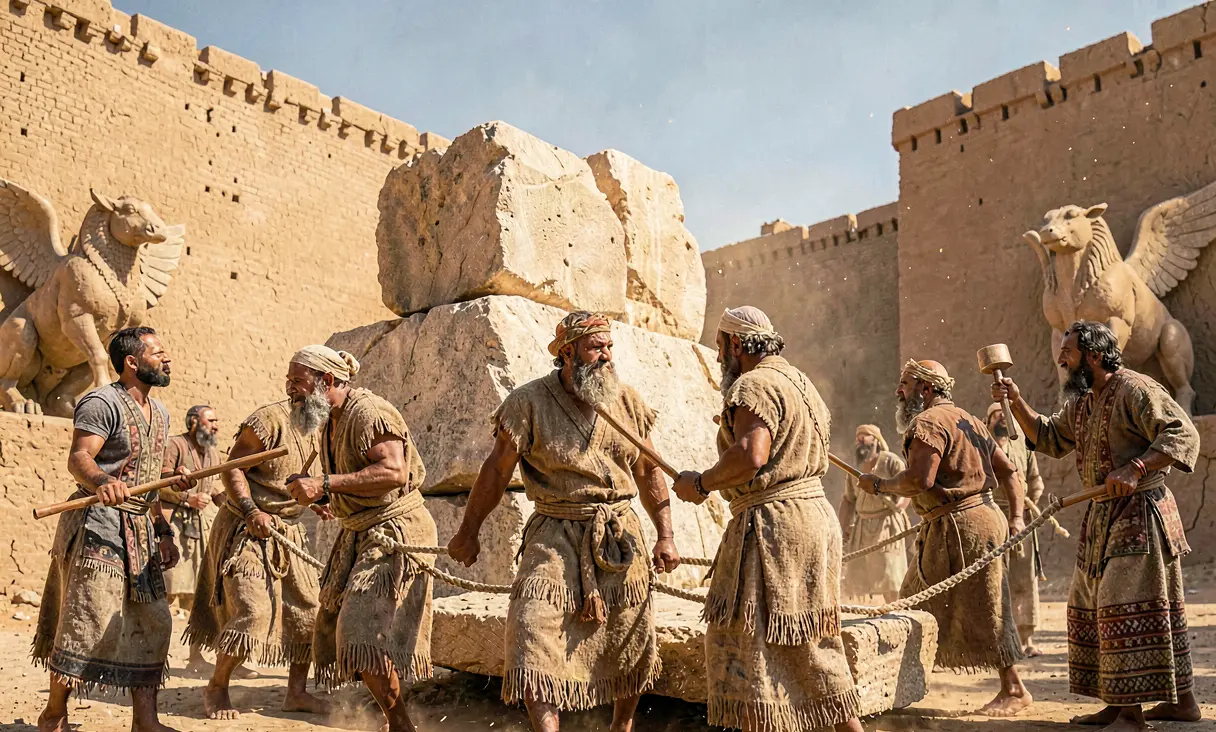 ArtConstruction of Sennacherib's Palace at Ninevehc. 705 BCE · Nineveh (Mosul), IraqSennacherib expands Nineveh into a magnificent capital filled with art and libraries.
 PoliticsFounding of Dur-Sharrukin by Sargon IIc. 717 BCE · Khorsabad (Dur-Sharrukin), IraqSargon II builds a new capital city to project Assyrian power and administrative control.
Discussion
Loading…